Playground Games From the ’80s That Schools Eventually Banned
Schools gradually eliminated playground games from the 1980s through the early 2000s based on injury risk, liability concerns, and changing philosophy about how childhood should be managed. Games that involved deliberately hitting other children, eliminating players, or creating clear winners and losers came under scrutiny from administrators concerned about lawsuits and physical injury.
The bans often happened quietly, without formal announcements, as teachers simply ceased allowing games and bought new playground equipment designed to be safer and more inclusive. The shift reflected broader cultural changes about childhood risk management, parental involvement in school activities, and the assumption that schools should actively protect children from all possible harm.
Many of these games involved genuine risk of injury, though serious injury was actually rare. The perception of risk, combined with increased liability awareness, was often sufficient to trigger bans even without major injury incidents.
Red Rover
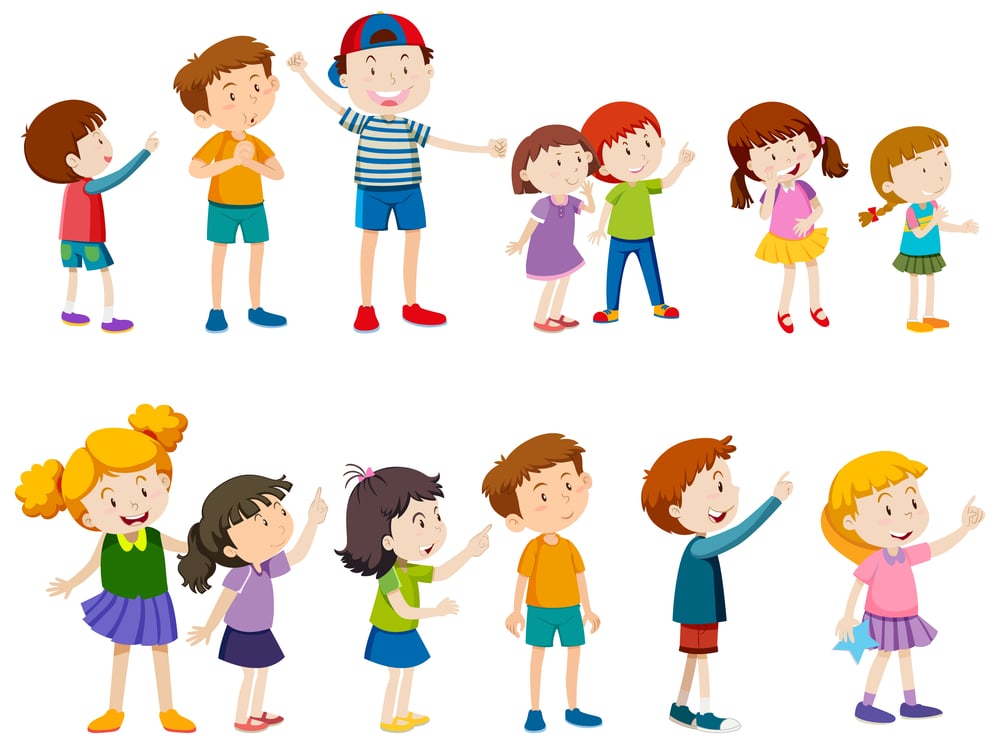
Red Rover, where two lines of children held hands and opponents ran to break through, was explicitly banned from many schools by the 1990s due to shoulder and arm injury risks. Collisions between running children and the chain of linked arms regularly caused sprains and occasionally fractures.
The game’s entire mechanism depended on velocity-based collision, making injury inevitable.
Dodgeball
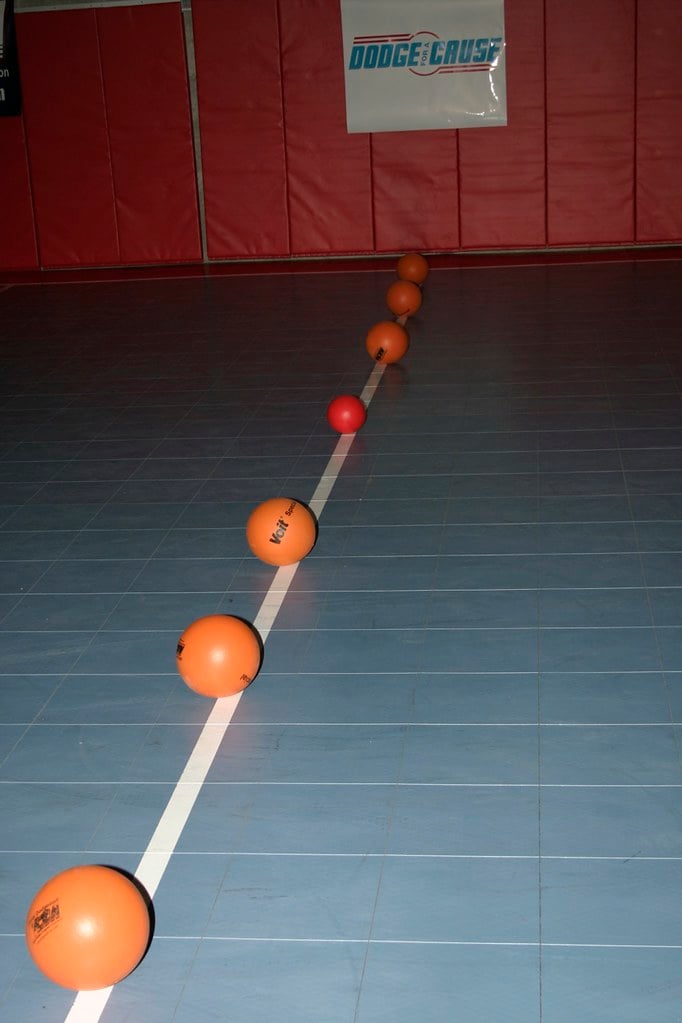
Dodgeball, where players threw orbs at opponents to eliminate them, was banned from many schools for head injury risk and psychological harm to children routinely targeted by classmates. The game’s mechanism of creating losers and winners made social hierarchies physically manifest.
Modern dodgeball re-emerged with modified rules, but traditional elimination dodgeball disappeared from many schools.
King of the Hill
King of the Hill involved pushing and wrestling as children competed to occupy the top of a dirt mound or other elevated position. The physical contact and falling risk led many schools to discourage or ban the game, replacing it with non-contact alternatives.
Crack the Whip
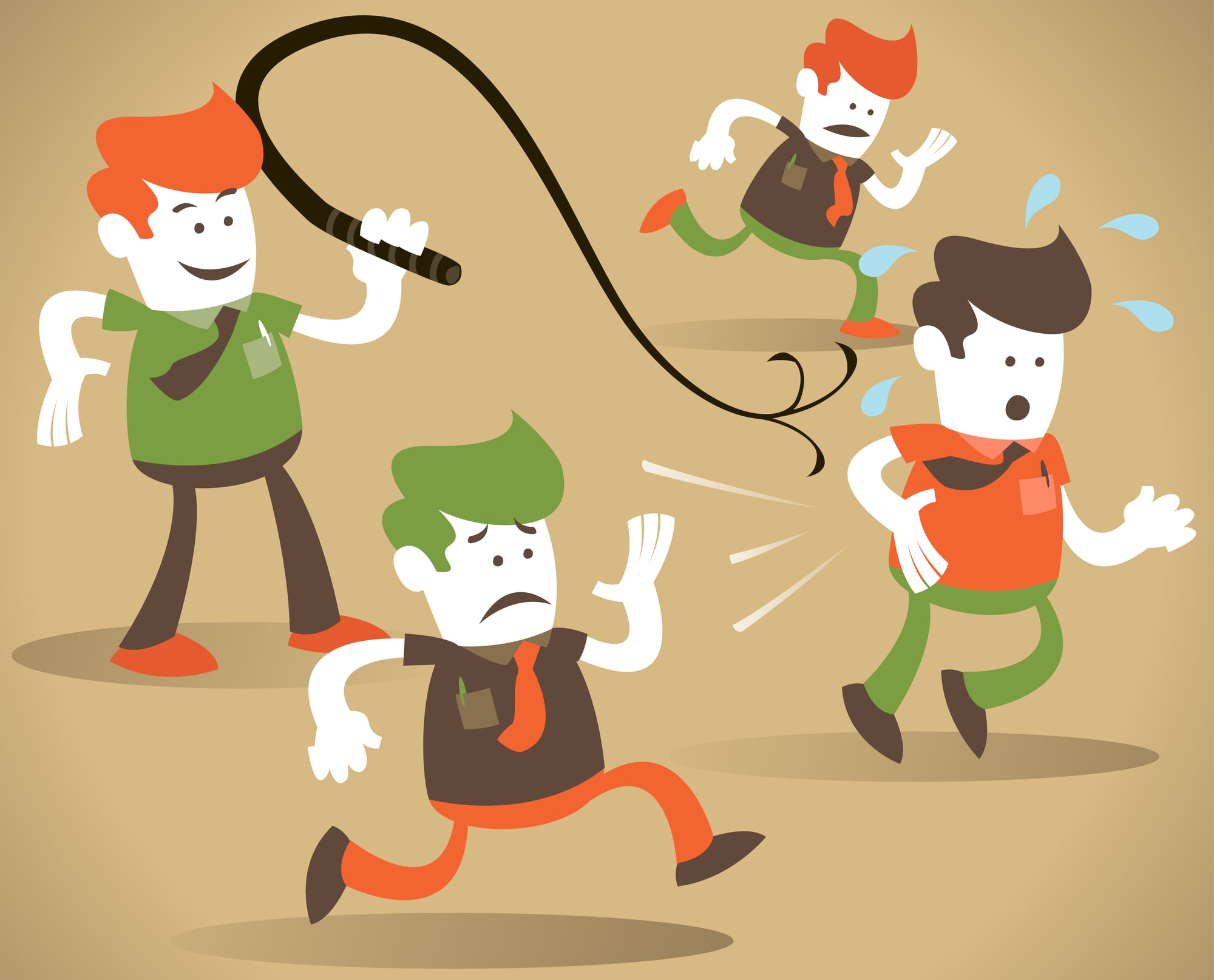
Crack the Whip involved children holding hands in a line and moving rapidly in circles, with the child at the end experiencing extreme centrifugal force and frequent falls. The game’s mechanism guaranteed injury to the chain’s end position, making it an obvious target for elimination.
Pile-On

Pile-On involved children literally stacking on top of each other, creating crushing risks and burial-like experiences that eventually triggered bans. The game’s premise of creating human piles under which children were literally buried seemed obviously dangerous to administrators.
Pushball
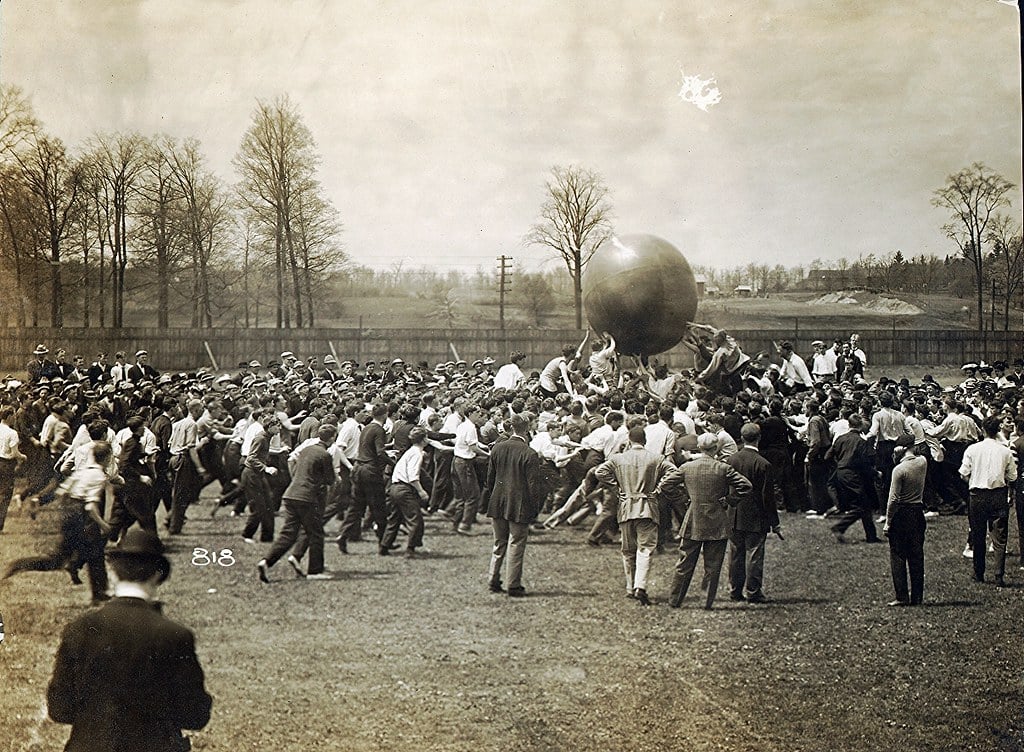
Pushball involved pushing a large, hollow orb across a field toward a goal while opposing teams resisted, creating injury through crowds of children pushing into each other. The game’s mechanism meant players would fall, slide, and collide while obscured by the enormous orb.
Chicken Fight

Chicken Fight occurred in swimming pools or on land, with children sitting on teammates’ shoulders and attempting to knock opponents off. The mechanism guaranteed falls from height and collision risk that schools eventually deemed unacceptable.
Bombardment

Bombardment resembled dodgeball but with more simultaneous throws from multiple positions, increasing the likelihood of being hit by multiple projectiles simultaneously. The game eliminated players and created visible social failure that schools gradually banned.
Chasing Games Involving Collision

Various tag variants involving chasing with physical collision were discouraged or banned as schools emphasized non-contact physical activity. Games where catching involved tackling or wrestling were slowly eliminated from official playground activities.
Kill the Carrier

Kill the Carrier resembled rugby without rules, where a child carrying an orb was tackled and pile-driven by all other children. The game’s mechanism guaranteed injury through cumulative collision and the sheer weight of numbers tackling a single child.
War Games With Thrown Objects

Games involving throwing various objects as weapons—even soft objects like snowballs or dirt clods—were gradually prohibited as liability concerns increased. The games seemed to simulate genuine violence in ways that made administrators uncomfortable despite the soft projectiles.
Spinning Games Inducing Dizziness

Games that involved spinning children rapidly until they fell disoriented were eliminated for creating dehydration, nausea, and disorientation that occasionally triggered serious incidents. The mechanism deliberately disabled balance in ways that seemed irresponsible to supervise.
Hot Lava

Hot Lava involved children jumping on playground equipment while the ground was declared ‘hot lava’ and climbing occurred on equipment not designed for climbing play. The game encouraged unintended equipment use in ways that increased fall risk from height.
Monkey Bars

While not strictly a “game,” monkey bar play became heavily restricted as schools feared injury from children falling from apparatus designed for use by older children. Modern playgrounds often eliminated monkey bars entirely.
High Jumpers on Swings
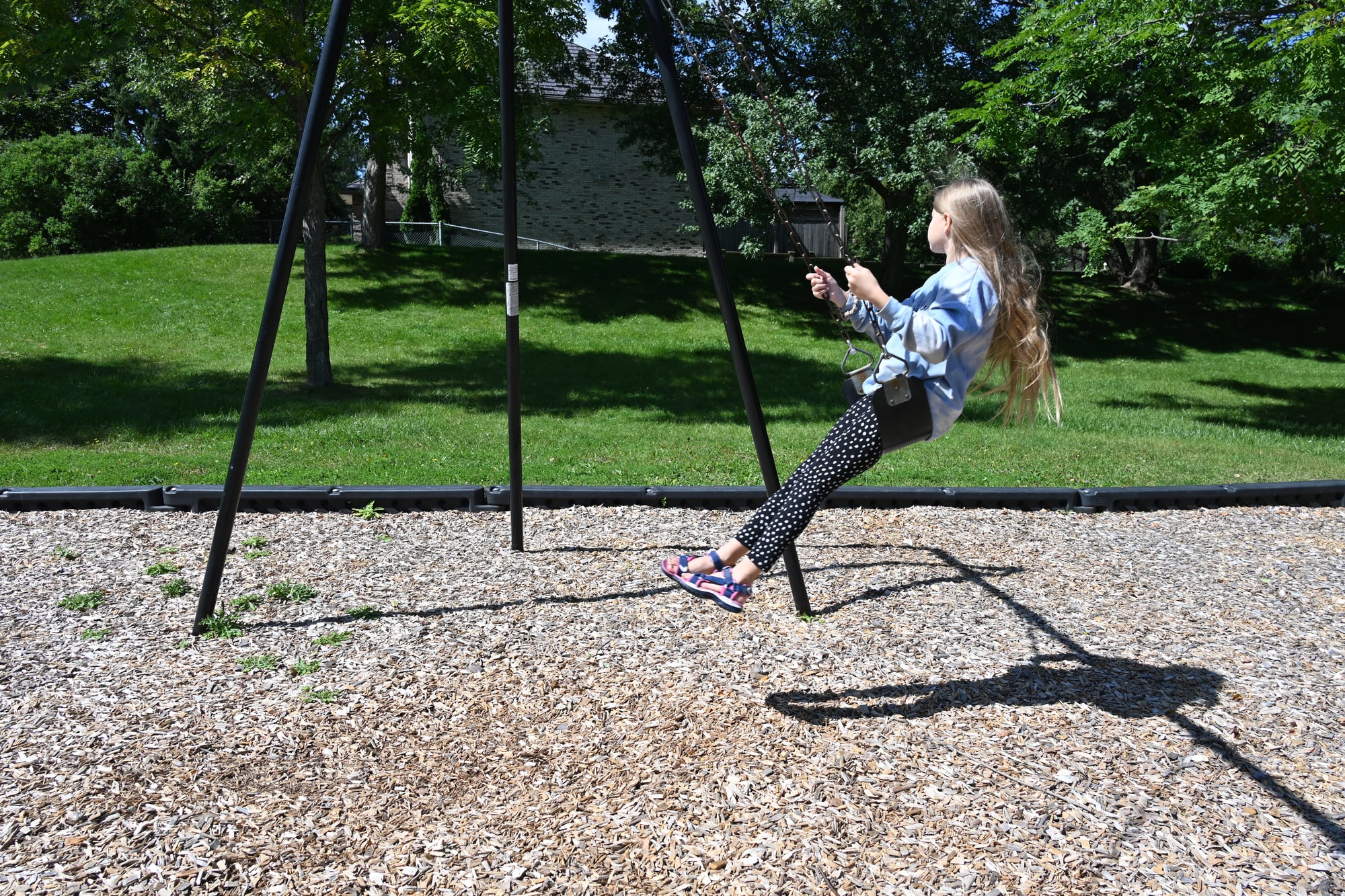
Children jumping from swings at peak height occasionally resulted in serious injuries, leading schools to discourage the practice through elimination of tall swing sets. The mechanism involved creating airborne children who landed unpredictably.
Playground Roulette

Playground Roulette involved children standing in a circle while one child spun and pointed at others, with various elimination or consequence outcomes. The game created social stress as children dreaded being pointed at.
Four Square Variants
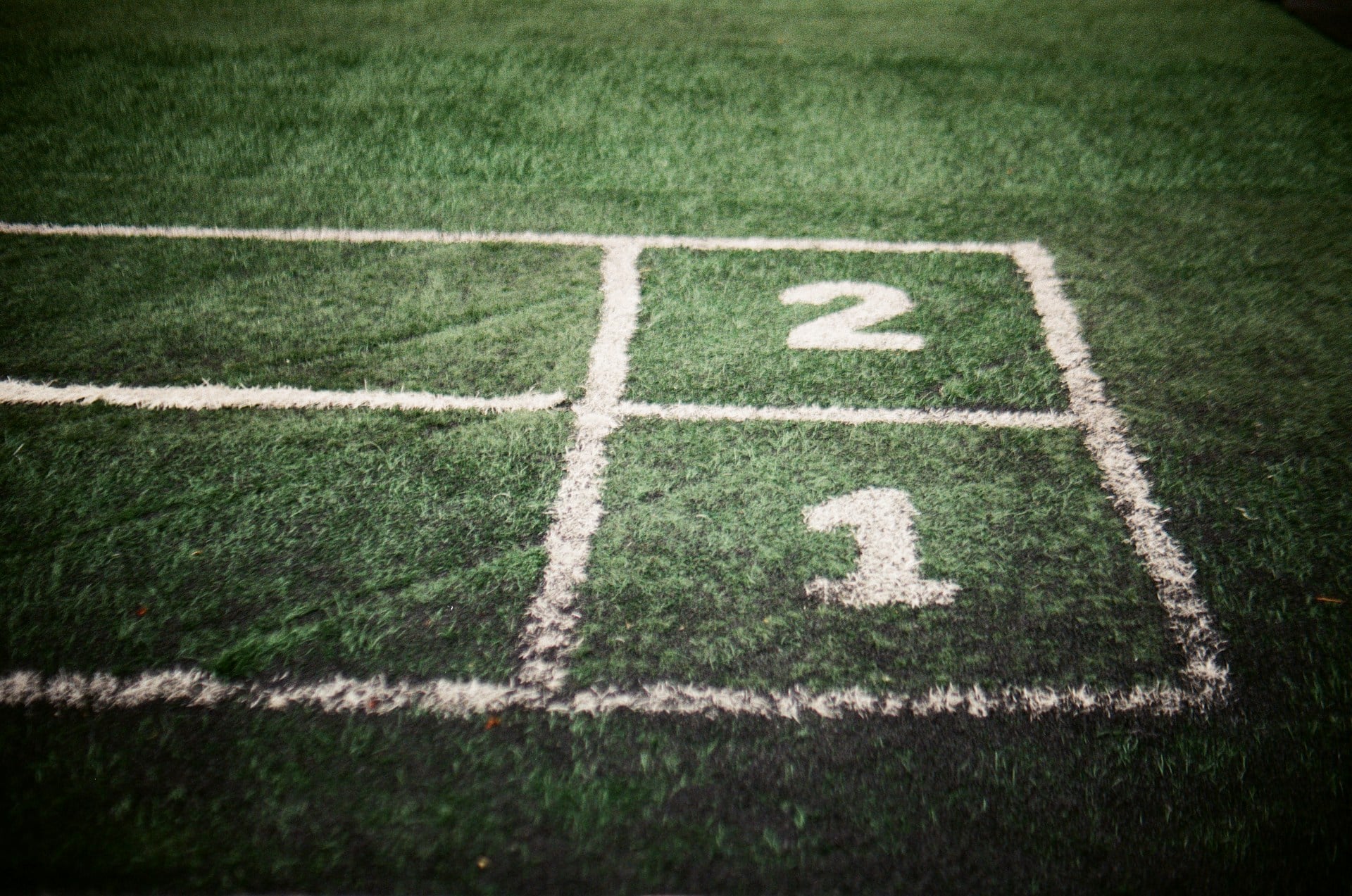
Some Four Square rule variants emphasized elimination and winner-take-all mechanics that created visible social hierarchies and competitive stress. Modified versions emphasizing inclusiveness eventually replaced traditional elimination variants.
Punchball and Similar Impact Games
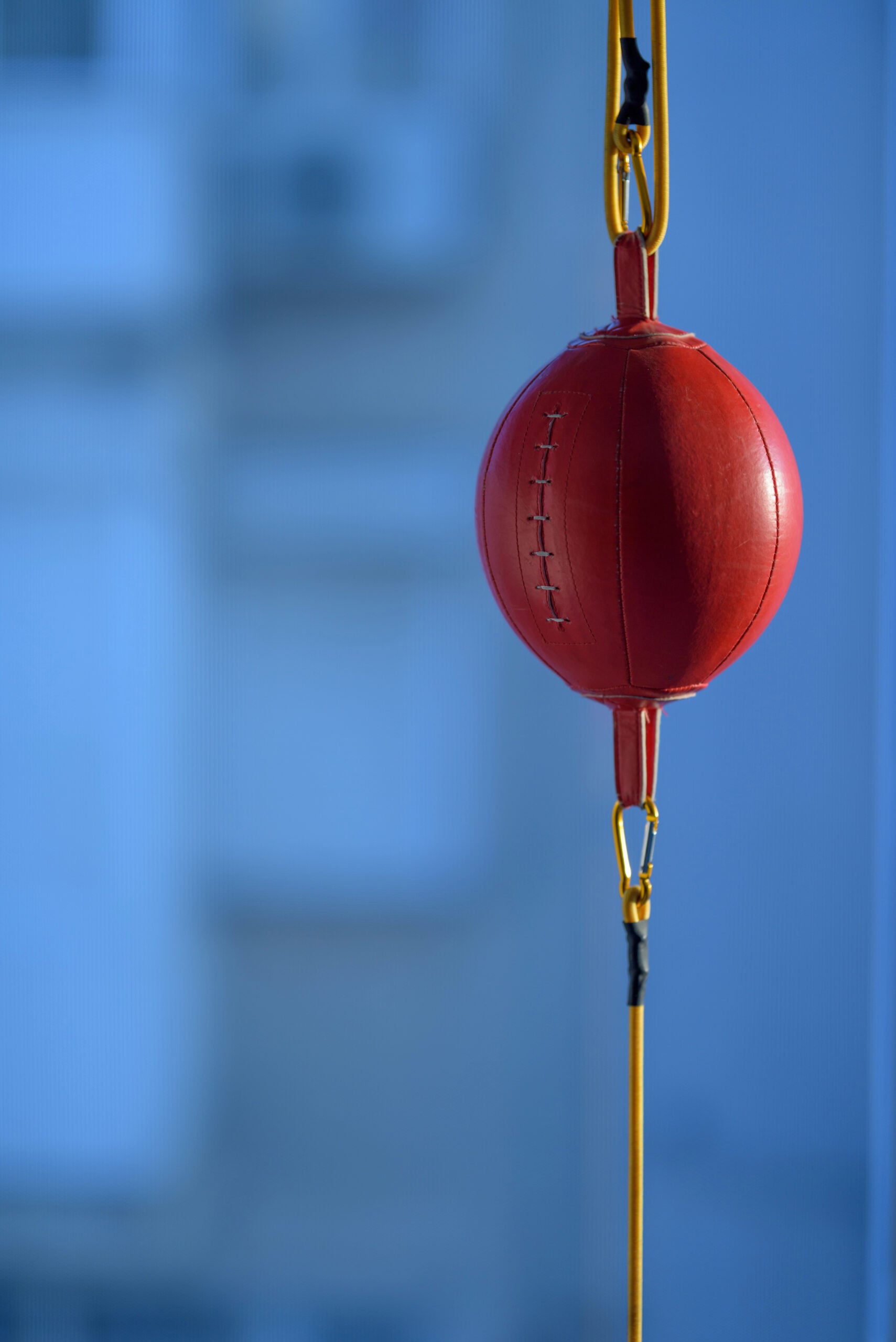
Games involving hitting orbs with fists or objects were gradually prohibited as schools emphasized non-impact activity. The games seemed gratuitously violent even though injuries were typically minor.
Wrestling Games and Roughhousing
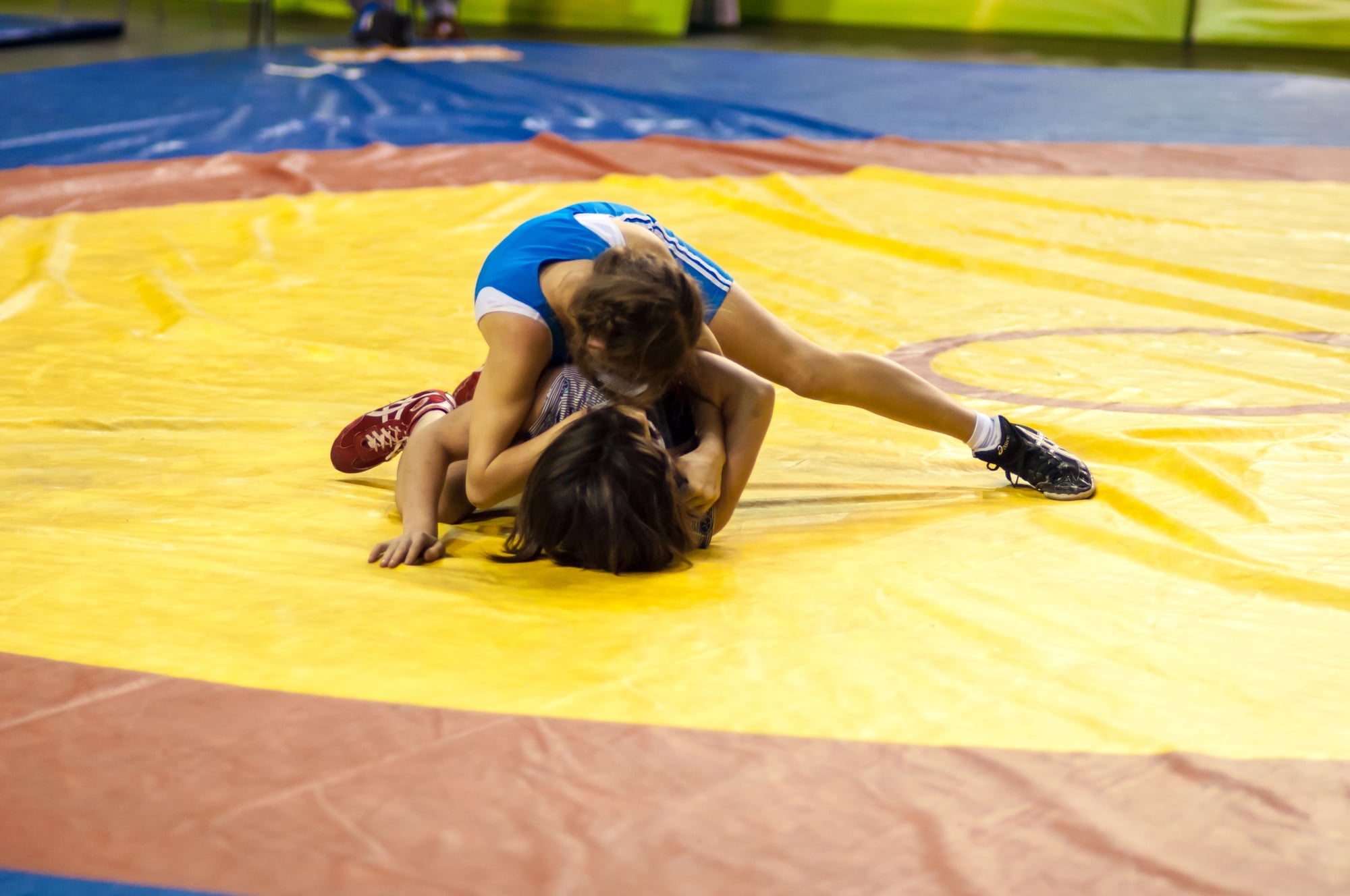
Formal wrestling or roughhousing games were increasingly prohibited as schools emphasized non-contact interaction. The games created injury risk through uncontrolled application of force.
Climbing Tree Contests
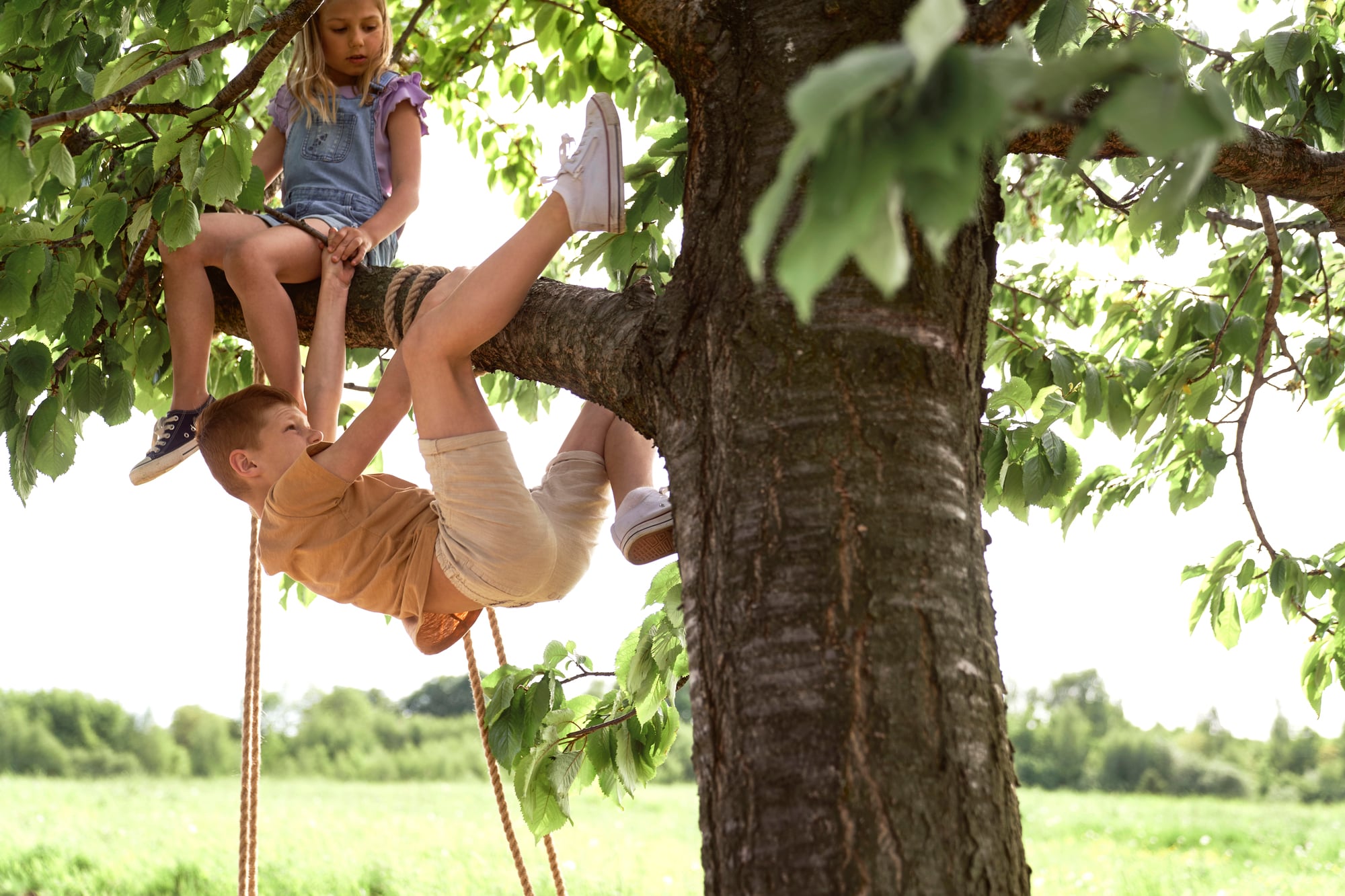
Competitions involving climbing trees—especially tall trees or trees with limited stable branches—were prohibited as schools sought to minimize climbing-related falls. The liability seemed indefensible even though serious injury was statistically rare.
Exclusion Games

Games with explicit exclusion mechanics that eliminated players progressively were modified or eliminated in favor of non-elimination variants. The psychological harm of being explicitly excluded seemed increasingly problematic to administrators.
The Philosophy Shift

The elimination of these games reflected a broader shift from managed risk-taking to risk elimination as a guiding principle in childhood. Schools gradually internalized the assumption that any preventable injury was a failure of institutional supervision.
This created increasingly restrictive playground policies that paradoxically may have reduced children’s ability to manage genuine risk throughout their lives.
More from Go2Tutors!

- The Romanov Crown Jewels and Their Tragic Fate
- 13 Historical Mysteries That Science Still Can’t Solve
- Famous Hoaxes That Fooled the World for Years
- 15 Child Stars with Tragic Adult Lives
- 16 Famous Jewelry Pieces in History
Like Go2Tutors’s content? Follow us on MSN.



