15 Fascinating Details About Global Heritage Railways
There’s something about the rhythmic clatter of wheels on tracks that connects us to a different era entirely. Heritage railways preserve more than just vintage locomotives and carriages — they keep alive the romance of travel from a time when the journey mattered as much as the destination.
These living museums stretch across continents, each carrying stories that shaped the communities they served and the landscapes they crossed.
The Darjeeling Himalayan Railway’s Zigzag Miracle
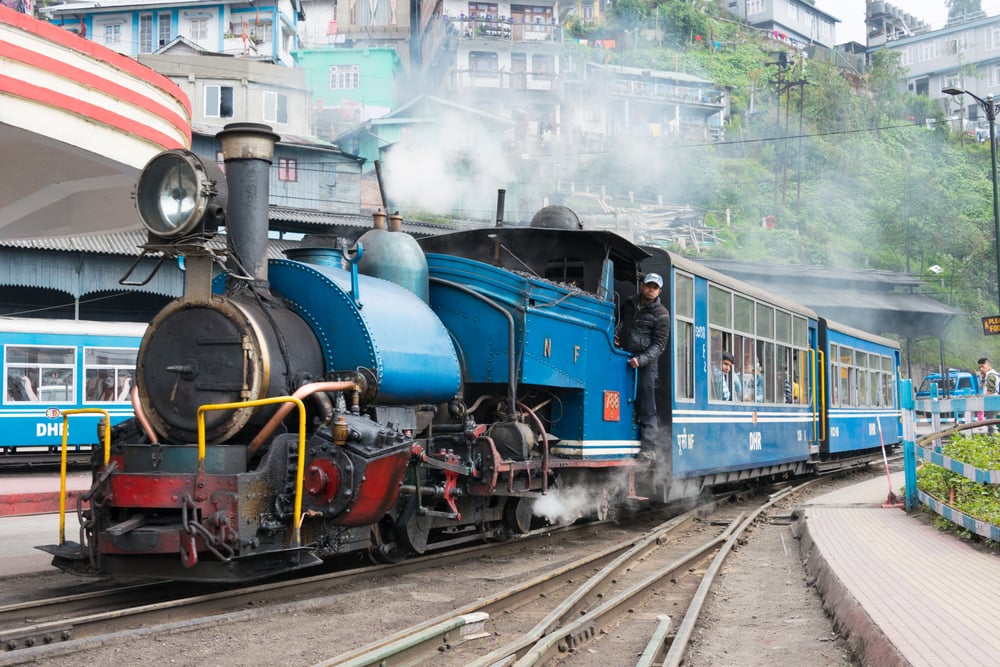
The “Toy Train” climbs 7,000 feet through the Indian Himalayas using a series of zigzags and loops that seem to defy physics. Built in 1881, this narrow-gauge marvel doesn’t use switchbacks like most mountain railways — instead, it performs a delicate dance of reversals and spirals that allow it to gain altitude without tunneling through solid rock.
Engineers designed the route to follow natural contours so precisely that the steepest gradient never exceeds 1 in 20. The train literally loops over itself at Batasia Loop, giving passengers a view of their own rear carriages below.
When mist rolls through the tea plantations, the locomotive disappears and reappears like a mechanical ghost navigating between worlds.
Australia’s Puffing Billy and Its Dangling Passengers
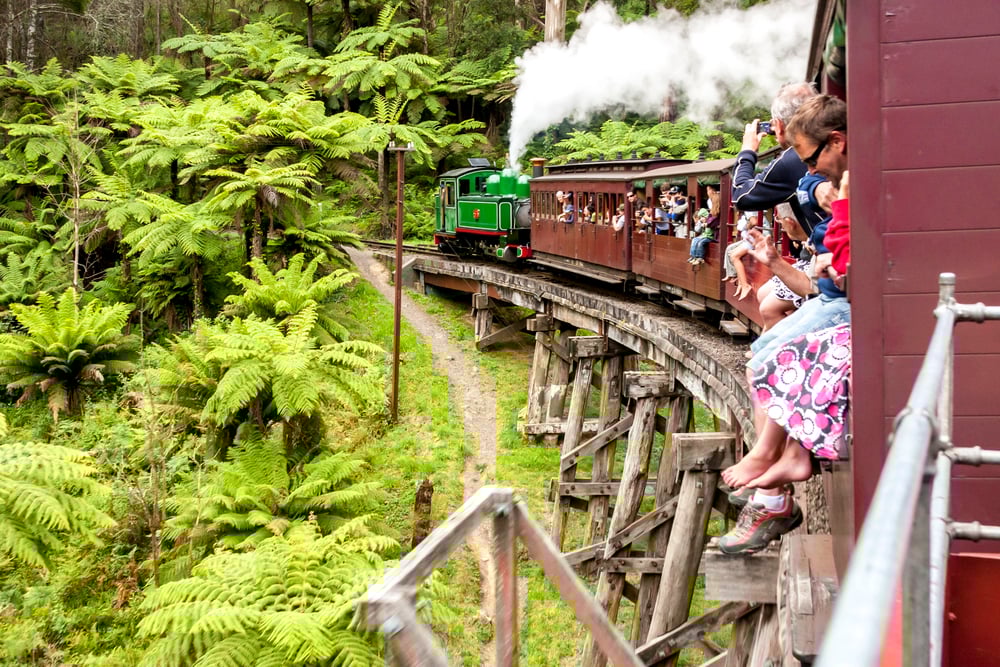
Puffing Billy operates with a tradition that would horrify modern safety inspectors: passengers routinely dangle their legs outside the open carriages as the train winds through the Dandenong Ranges. This practice began in the 1960s when the railway reopened as a heritage line, and despite numerous safety reviews, it continues today with appropriate precautions.
The railway uses the original 1900 track alignment, including wooden trestle bridges that sway gently under the weight of the steam locomotive. Local volunteers maintain every aspect of the operation — from firing the boilers at 4 AM to rebuilding century-old carriages in workshops that smell perpetually of coal smoke and machine oil.
Switzerland’s Cogwheel Engineering Obsession
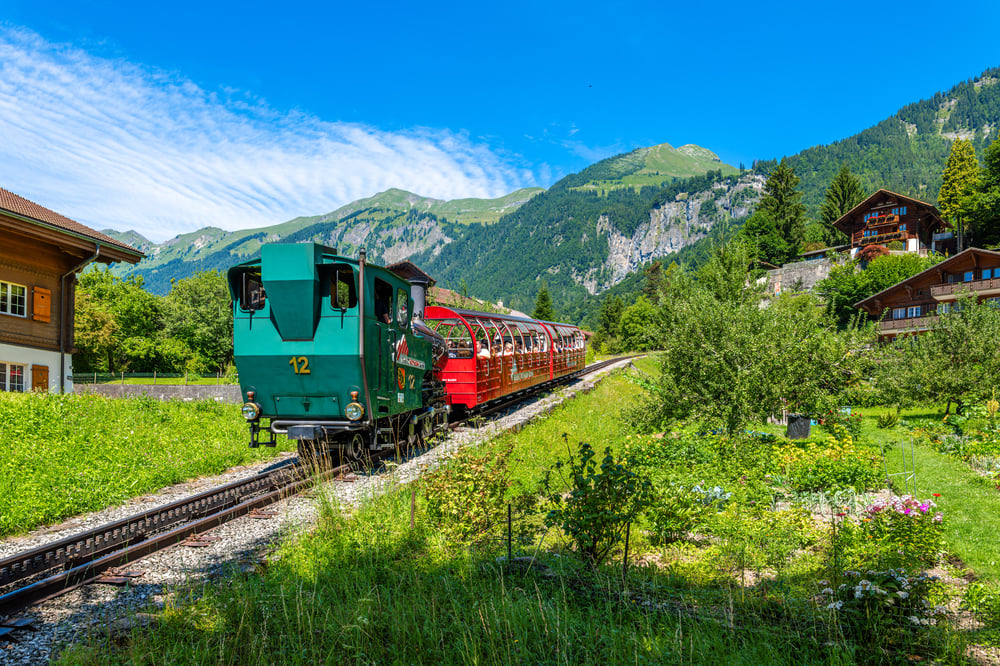
Swiss heritage railways didn’t just conquer mountains — they perfected the art of climbing them with mechanical precision that borders on the absurd (and that’s coming from a country that builds watches). The Pilatus Railway maintains the steepest cogwheel gradient in the world at 48 percent, which means the track rises nearly half a meter for every meter of horizontal distance.
But here’s what separates Swiss engineering from mere ambition: they built these railways to last forever, not just function temporarily. So every component, from the cog wheels that grip the rack rails to the braking systems that prevent runaway trains, operates with redundancies that would make a space program envious.
The result is a collection of heritage railways that run with the reliability of modern transit systems while preserving technology that’s over a century old. Which is saying something when you consider that most countries struggle to keep modern trains running on time.
The Welsh Slate Railways’ Industrial Poetry
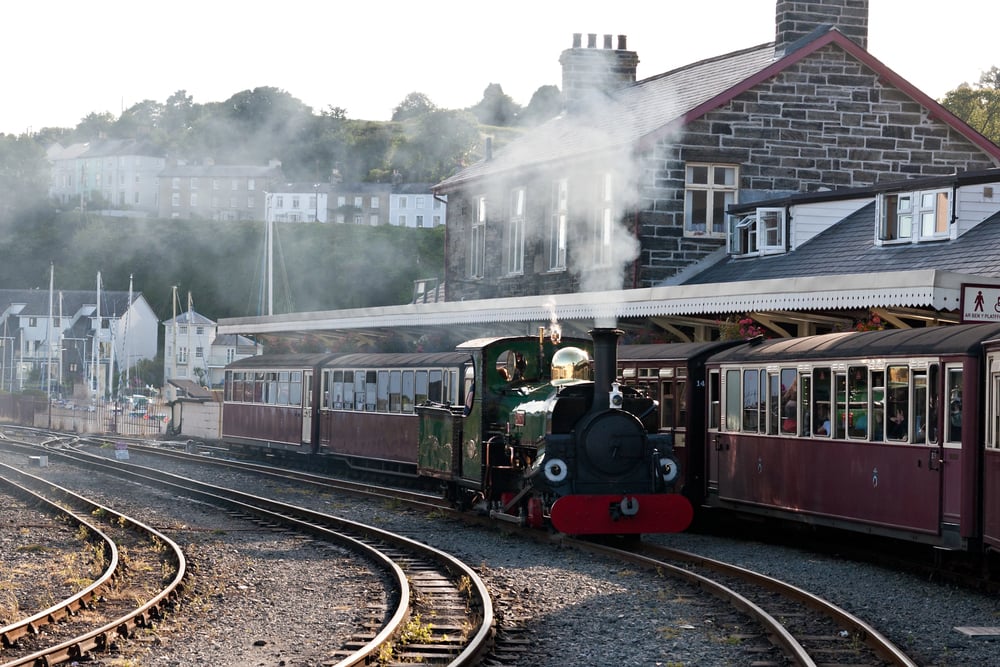
Wales transformed its industrial heritage into something unexpectedly beautiful, like finding wildflowers growing through abandoned factory floors. The Ffestiniog Railway began life hauling slate from mountain quarries to ships waiting in coastal harbors — brutal, practical work that left scars across the landscape.
Yet when steam replaced horses in 1863, something remarkable happened: the railway became graceful.
The narrow tracks follow contours that seem almost gentle now, winding through valleys where sheep graze on former spoil heaps. Passengers travel the same route that once moved millions of tons of slate to roof houses across the British Empire.
The locomotives themselves — restored to working condition by volunteers who learned steam engineering as a hobby — move with the unhurried confidence of machines built to outlast the industries they served.
Even the stations retain their Welsh slate platforms and waiting rooms, solid and unpretentious. They weren’t designed to charm tourists; they were built to last through decades of Welsh weather.
That they happen to be beautiful feels almost accidental.
Japan’s Steam Locomotives Run Like Clockwork
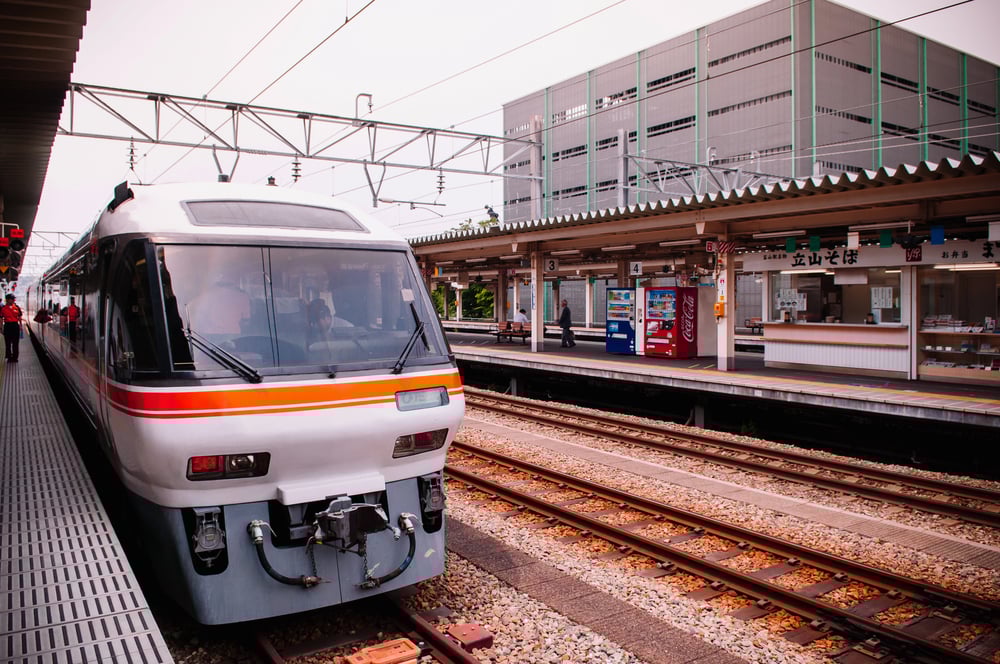
Japanese heritage railways operate with the punctuality that made Japan famous, except they do it with century-old steam technology. The SL Yamaguchi runs between Shin-Yamaguchi and Tsuwano with timing accuracy measured in seconds, not minutes.
This precision extends to every detail. Station staff bow to departing trains.
Passengers receive heated bento boxes timed to the journey duration. The locomotive whistles follow traditional patterns that announce arrival exactly 60 seconds before stopping.
Even the steam release happens on schedule.
Scotland’s Royal Connections Through the Highlands

The Royal Scotsman wasn’t just a luxury train — it established the template for how railways could serve aristocracy without compromising engineering excellence. The West Highland Line, now operated as a heritage route, includes sections built specifically to provide scenic views for royal passengers, with curves designed for sightseeing rather than efficiency.
Queen Victoria’s influence shaped station architecture throughout Scotland. Ballater station was built with a royal waiting room that included a private entrance and furnishings worthy of a palace.
The monarch’s preferences for gradual curves and comfortable gradients influenced track layouts that remain in use today, making these heritage railways unusually smooth compared to their utilitarian counterparts elsewhere.
India’s Hill Stations and British Engineering
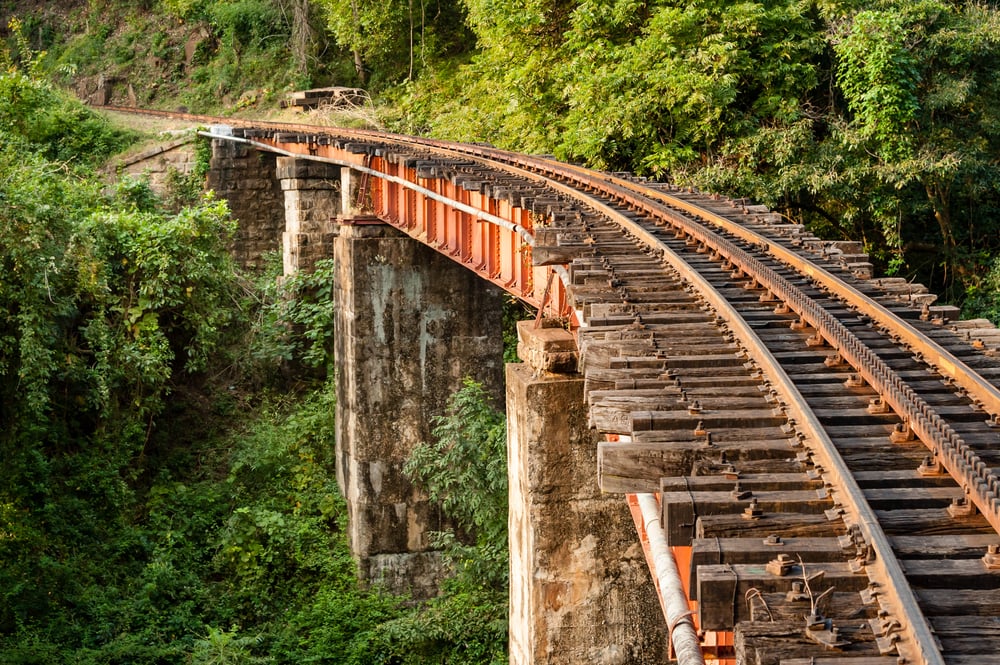
The British built hill station railways in India like mechanical prayers — elaborate engineering solutions designed to escape the heat of the plains and reach cooler elevations where European sensibilities could survive the subcontinent. The Nilgiri Mountain Railway climbs from sea level to 7,000 feet using a rack-and-pinion system through 16 tunnels and over 250 bridges, each structure built with the kind of permanent ambition that assumed the empire would last forever.
These railways became something more complex than colonial infrastructure; they became lifelines for communities that grew around the stations, tea gardens that shipped their harvests down the mountain, and hill stations that existed solely because trains could reach them.
The locomotives themselves — many still operating with their original 1920s steam engines — move with the deliberate pace of machines designed for mountain work, taking four hours to cover 28 miles because the alternative was not reaching the destination at all.
And yet there’s something almost tender about watching these trains negotiate hairpin curves with the care of elderly hands threading a needle. The engineering might have been imperial, but the railways themselves became thoroughly Indian, woven into local life with the permanence of geography.
Norway’s Flam Railway Drops 2,800 Feet
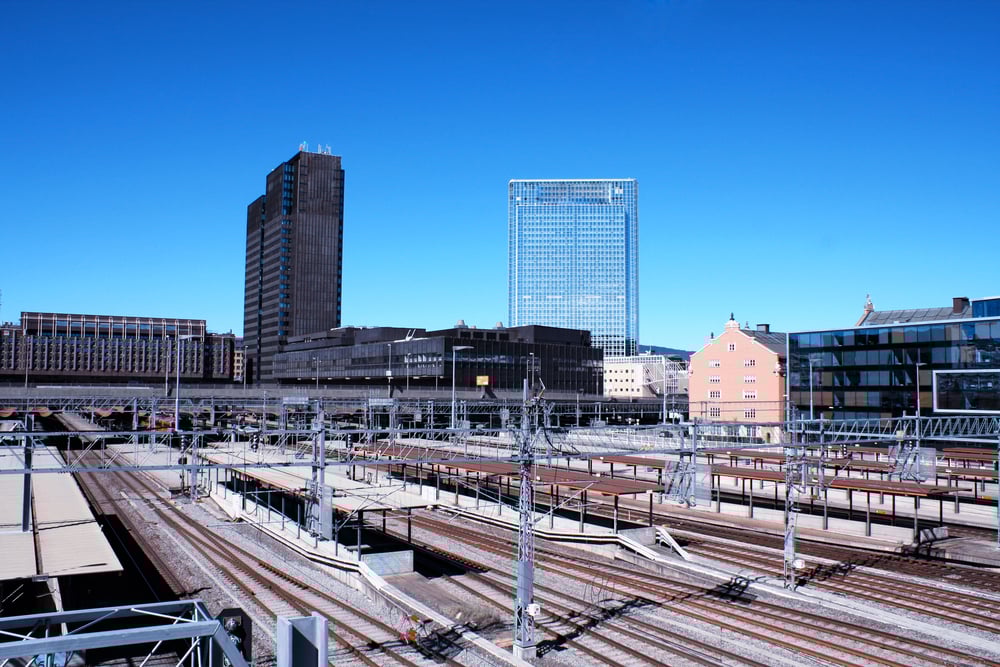
The Flam Railway manages a descent that feels more like controlled falling than conventional train travel. Twenty tunnels spiral through solid rock, with several making complete loops inside the mountain to manage the gradient safely.
At Kjosfossen waterfall, every train stops for exactly five minutes. Passengers step onto viewing platforms built into the cliff face while the locomotive waits, steam dissipating in mountain air.
The timing never varies. Norwegian punctuality meets Norwegian scenery with the efficiency that makes both feel inevitable.
America’s Transcontinental Legacy Lines

American heritage railways preserve the audacity of a country that decided to connect two oceans with steel rails before anyone was entirely certain it could be done. The Durango & Silverton Narrow Gauge Railroad in Colorado follows the exact route used by miners in the 1880s, climbing through canyons so narrow that passengers can touch rock walls from the train windows.
But what makes these railways distinctly American is their scale — not just physical size, though the locomotives are impressively massive, but the scale of ambition they represent. These weren’t railways built to connect existing cities; they were railways built to create cities where none had existed before.
Towns like Silverton exist because the railroad reached them, not the other way around.
The restored locomotives still burn coal with an appetite that would horrify modern environmentalists, producing the kind of dramatic black smoke plumes that photographers love and nearby residents learn to tolerate. Yet riding behind these machines provides an authentic experience of what it meant to cross the American West when doing so required genuine courage and considerable physical endurance.
New Zealand’s TranzAlpine Through Arthur’s Pass

New Zealand’s TranzAlpine crosses Arthur’s Pass with engineering that treats mountains as puzzles to be solved rather than obstacles to be avoided. The railway includes 16 tunnels and five viaducts, including the Staircase Viaduct that curves through a spiral to gain elevation.
Open-air viewing carriages allow passengers to experience South Island weather directly. The train stops at Arthur’s Pass for exactly 20 minutes — enough time to appreciate the alpine environment, not enough to get comfortable.
New Zealand efficiency applied to scenic tourism.
Germany’s Heritage Railways and Precision Maintenance
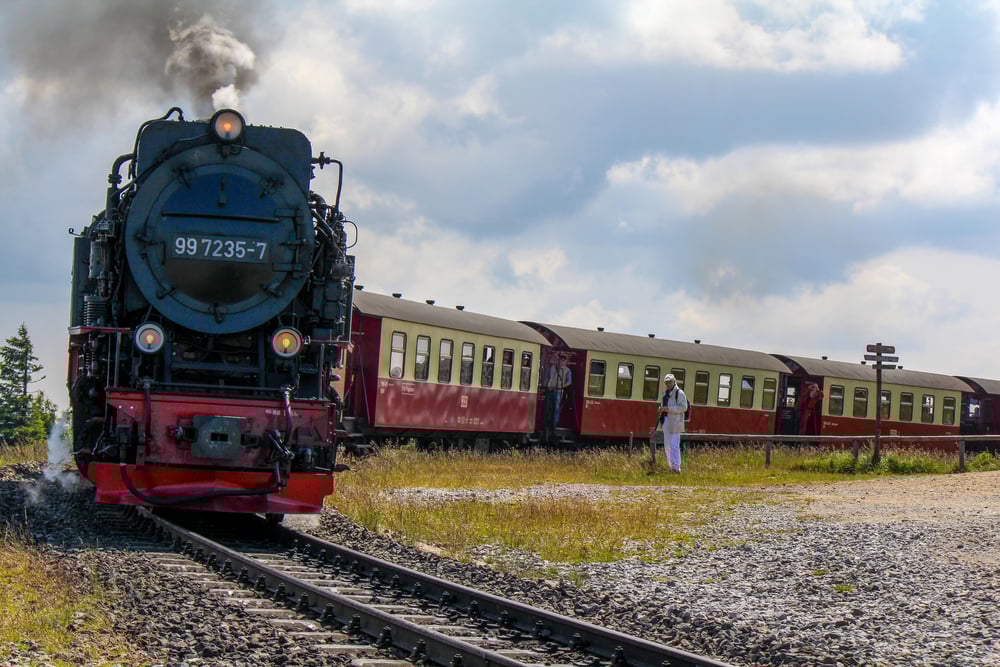
German heritage railway maintenance operates with the methodical thoroughness that built the country’s reputation for engineering excellence, except applied to technology from the 1920s and 1930s that requires skills most modern mechanics never learned. The Harz Narrow Gauge Railways maintain over 140 kilometers of track using restoration techniques that preserve original materials wherever possible — including hand-forged components that must be recreated using period-appropriate methods.
This obsession with authenticity extends to locomotive operation, where firemen learn to manage steam pressure using techniques passed down through generations of railway workers. The coal used is sourced from specific mines to match the burning characteristics expected by engines designed nearly a century ago.
Even the paint colors are mixed according to original railway company specifications, researched through archives that document every detail of livery design from the steam era.
So passengers experience not just a heritage railway journey, but a complete immersion in transportation technology preserved with the kind of meticulous attention that makes German engineering legendary. The trains run on schedule because maintaining them properly makes punctuality inevitable, not accidental.
China’s Industrial Heritage on Rails
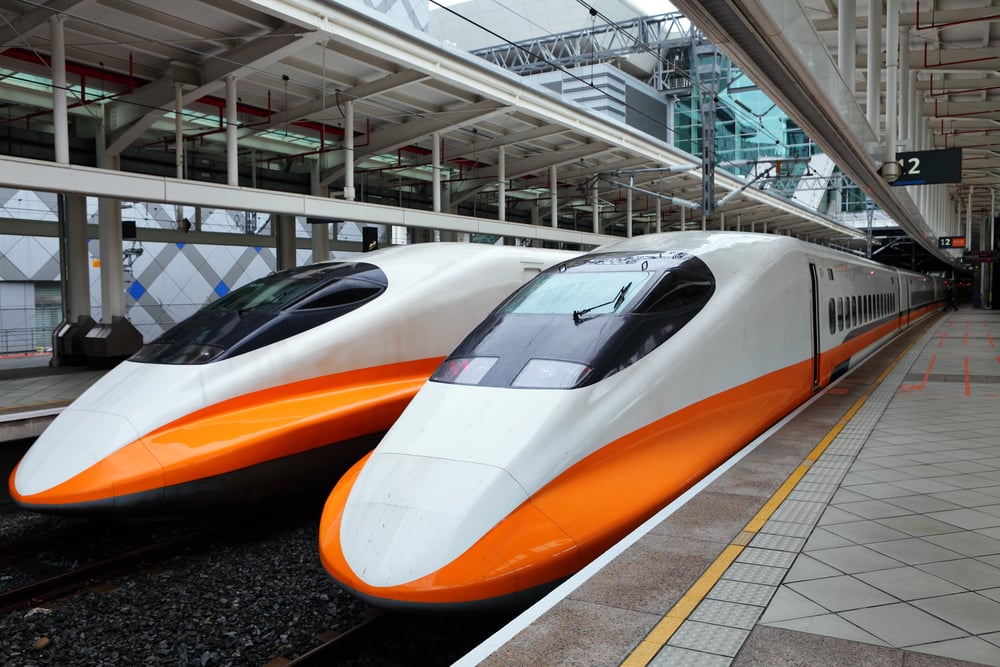
China preserved selected steam railways as heritage lines while modernizing the rest of its rail network at unprecedented speed. The Jiayang Coal Railway in Sichuan Province operates narrow-gauge steam locomotives built in the 1950s through mountain terrain that modern railways would tunnel through or bridge over.
These heritage railways showcase Chinese industrial archaeology — steam technology adapted to local conditions and maintained through decades of economic transformation. The locomotives burn locally mined coal while navigating grades that require constant attention to steam pressure and water levels.
Canada’s Rocky Mountain Achievements
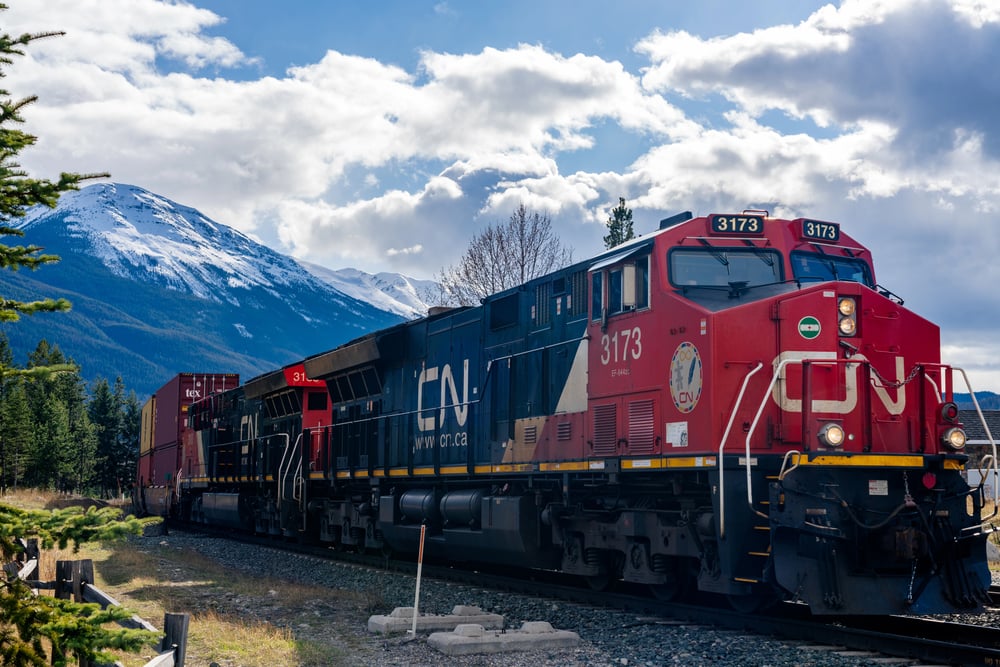
The Canadian Pacific Railway through the Rockies represents engineering ambition that bordered on recklessness, carried out with the kind of methodical precision that made it work anyway. The Spiral Tunnels at Kicking Horse Pass solve a gradient problem that initially seemed impossible — trains needed to lose elevation quickly without creating runaway conditions that would destroy both locomotives and crews.
The solution involved boring two spiral tunnels through solid rock, allowing trains to loop over themselves while descending at manageable gradients. Heritage trains still use this route, giving passengers the surreal experience of seeing their own train’s tail end above them through the window.
The engineering required surveying accuracy that had no room for error; miscalculating tunnel alignment by even a few degrees would have created useless pits through mountains.
Yet riding these restored passenger trains reveals something beyond technical achievement: the landscape itself shaped how these railways were built, forcing engineers to work with mountain geography rather than simply imposing transportation infrastructure upon it.
Russia’s Trans-Siberian Heritage Sections
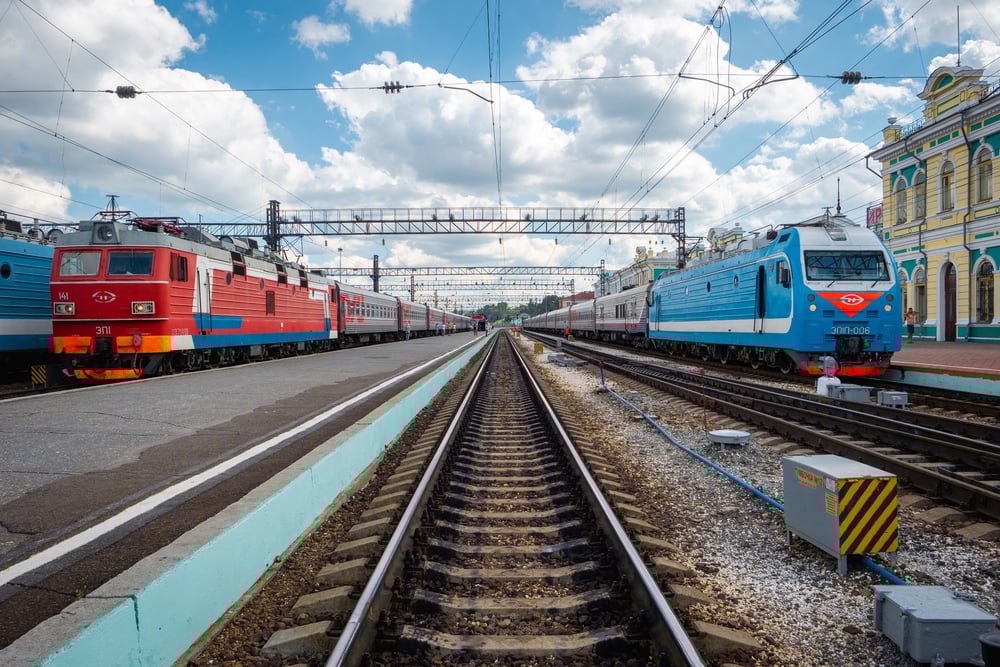
Russian heritage railways preserve sections of the Trans-Siberian route with steam locomotives that burn wood instead of coal — a fuel choice driven by the abundance of Siberian forests and the scarcity of coal mines along remote sections of track.
These heritage operations use original railway infrastructure including water towers, turning tables, and maintenance facilities built during the Tsarist era. Steam locomotives require servicing every 150 kilometers, making the railway infrastructure as important as the trains themselves.
Mexico’s Copper Canyon Railway

Mexico’s Chepe railway through Copper Canyon operates as both heritage line and essential transportation for communities that remain accessible only by rail. The railway descends from pine forests at 8,000 feet to subtropical valleys, crossing 37 bridges and passing through 86 tunnels along its 400-mile route.
Indigenous Tarahumara communities use the railway for transportation and commerce, selling crafts to heritage railway tourists while depending on freight services for supplies. The railway serves multiple purposes simultaneously — preservation, tourism, and practical transportation integrated into a single operation.
Rails That Outlasted Empires
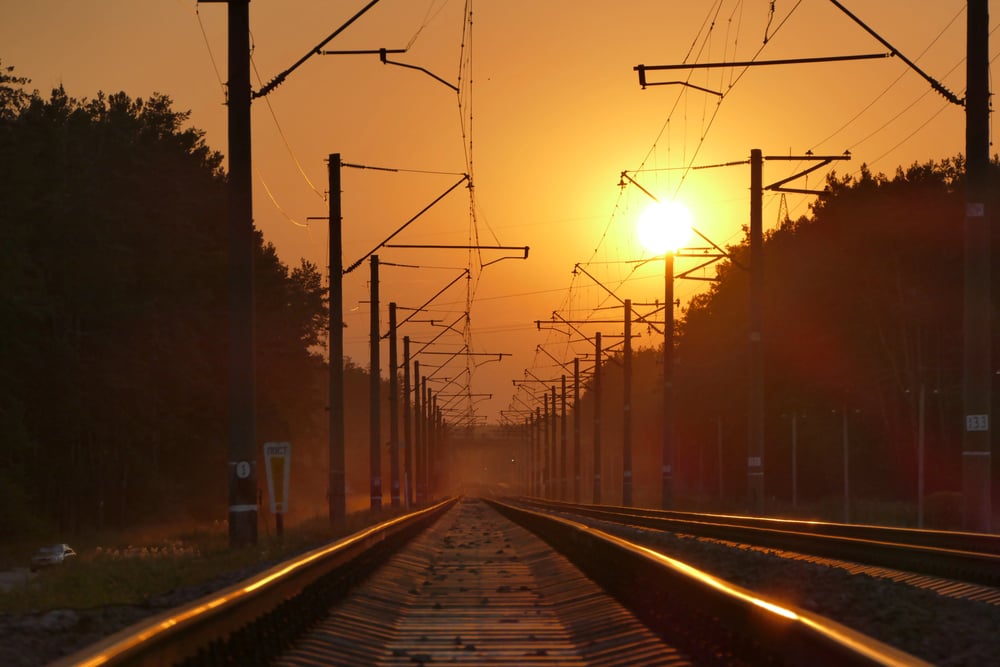
Heritage railways preserve more than mechanical artifacts — they maintain living connections to eras when distance meant something different than it does today. These trains move at speeds that allow passengers to notice changes in landscape, weather, and light that airplane travel renders invisible.
The rhythmic sound of wheels on rails creates a meditative backdrop that transforms travel from mere transportation into something approaching ritual.
Yet perhaps the most remarkable aspect of these heritage railways is their persistence. Built during colonial periods, industrial booms, and imperial ambitions that have long since faded, these railways continue operating through the dedication of volunteers, communities, and organizations that recognize their value extends beyond nostalgia.
They preserve not just trains, but the human skills needed to operate them — knowledge that disappears if not actively maintained and passed to new generations.
More from Go2Tutors!

- The Romanov Crown Jewels and Their Tragic Fate
- 13 Historical Mysteries That Science Still Can’t Solve
- Famous Hoaxes That Fooled the World for Years
- 15 Child Stars with Tragic Adult Lives
- 16 Famous Jewelry Pieces in History
Like Go2Tutors’s content? Follow us on MSN.