15 fascinating facts about hummingbirds
Hummingbirds are tiny birds that often look like flying jewels. But there’s more to them than just pretty feathers.
These small creatures have some surprising traits that help them survive, move fast, and stand out in the bird world. They may be light as a coin, but their abilities are nothing short of impressive.
They can fly backward
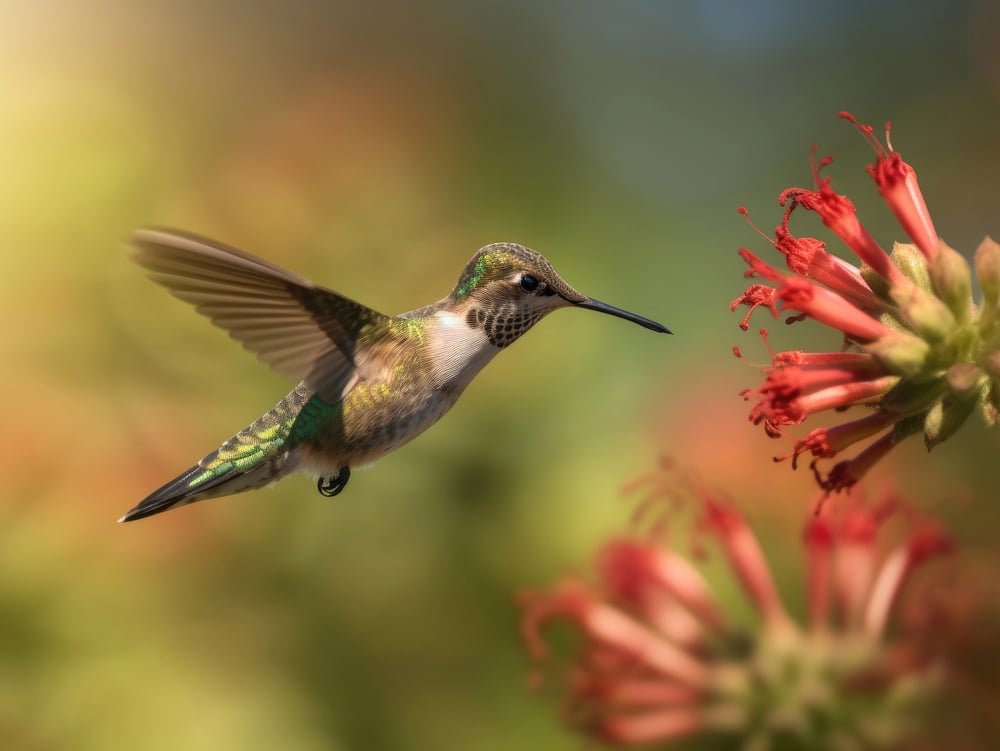
Most birds fly forward and turn in the air, but hummingbirds do something different. They can move straight backward without turning around.
This skill helps them feed more efficiently, especially when they want to leave a flower quickly. It also helps them dodge predators or back away from danger.
Their wings flap super fast
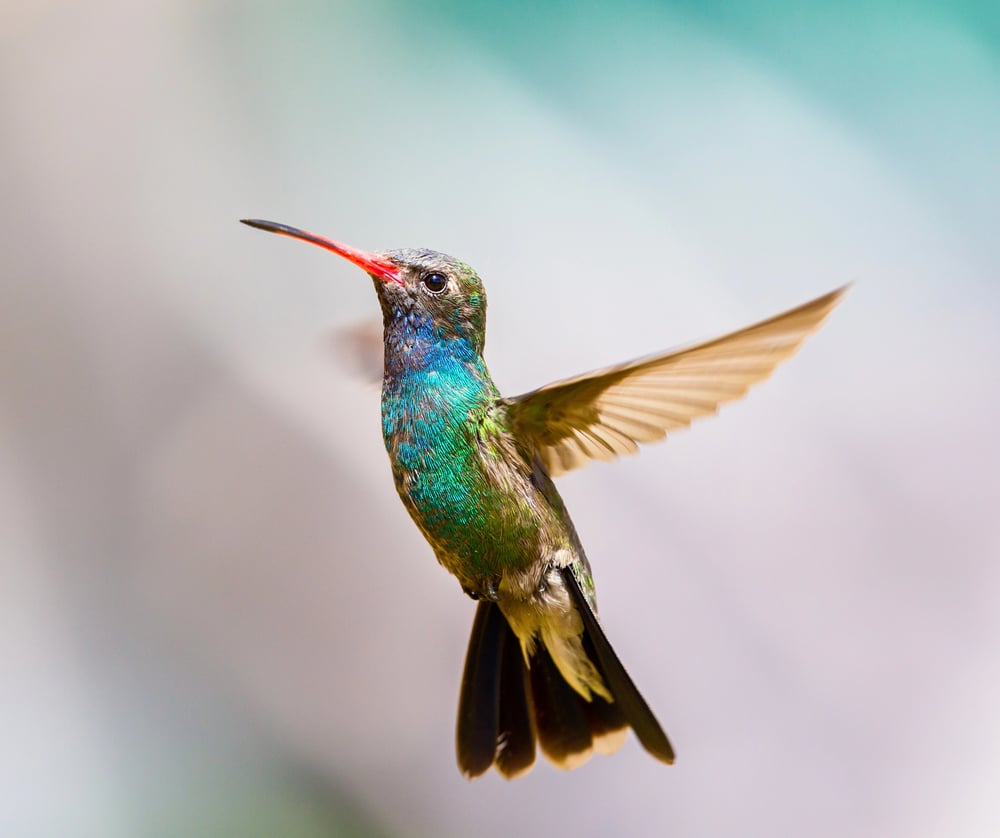
Hummingbirds flap their wings 50 to 80 times every second. It’s so quick that most people only hear a buzzing sound when one flies nearby.
Their wings are built to move in all directions, letting them hover like a drone. That kind of flight takes serious energy.
Like Go2Tutors’s content? Follow us on MSN.
They eat a lot to stay alive
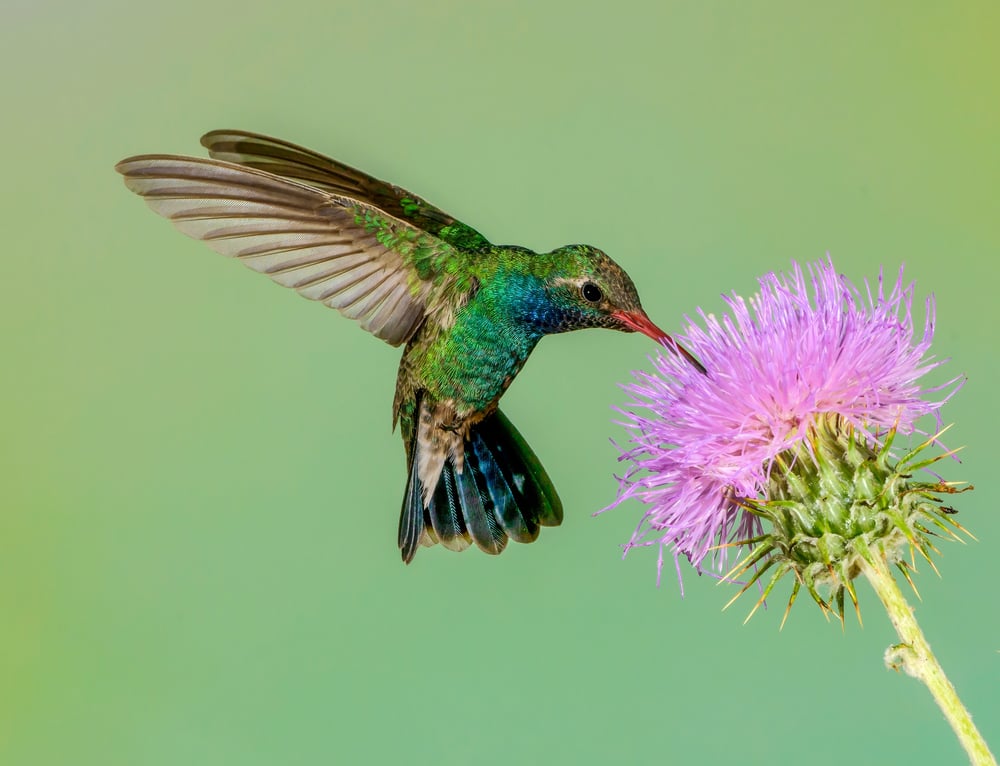
With their tiny size, you might think they don’t need much food, but that’s not true. Hummingbirds eat constantly, visiting up to 2,000 flowers a day.
They drink nectar for sugar and snap up small insects for protein. Their metabolism is so fast, they can start to starve after just a few hours without food.
Their heart beats like a drum
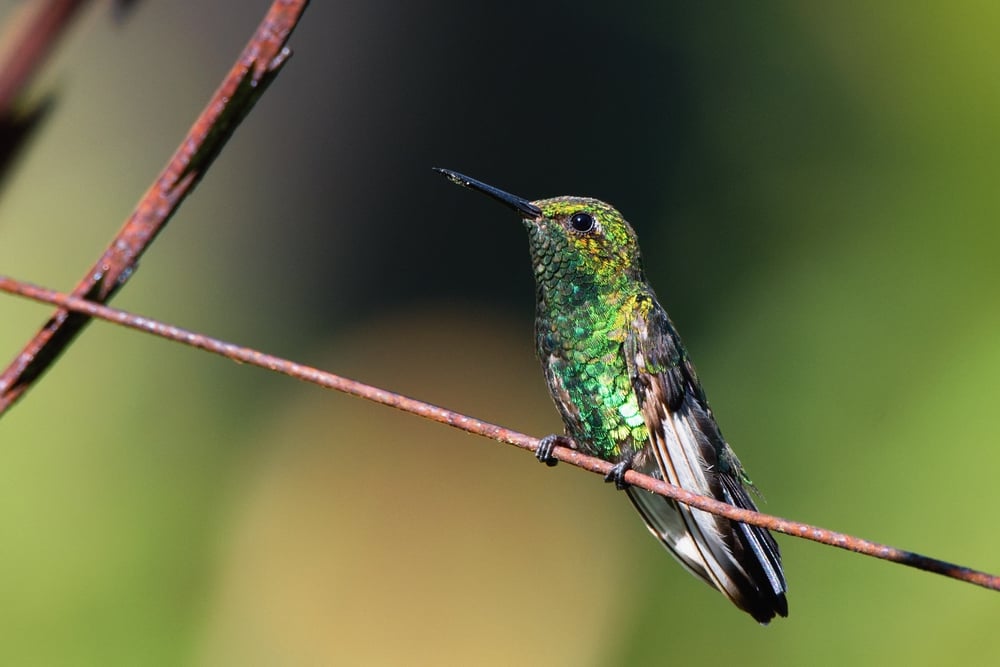
When resting, a hummingbird’s heart beats around 250 times per minute. But while flying, that number can shoot up to over 1,200.
Their fast heartbeat keeps blood moving quickly through their bodies, helping with energy and body heat. Compared to humans, it’s like their heart is always sprinting.
They remember every flower they visit
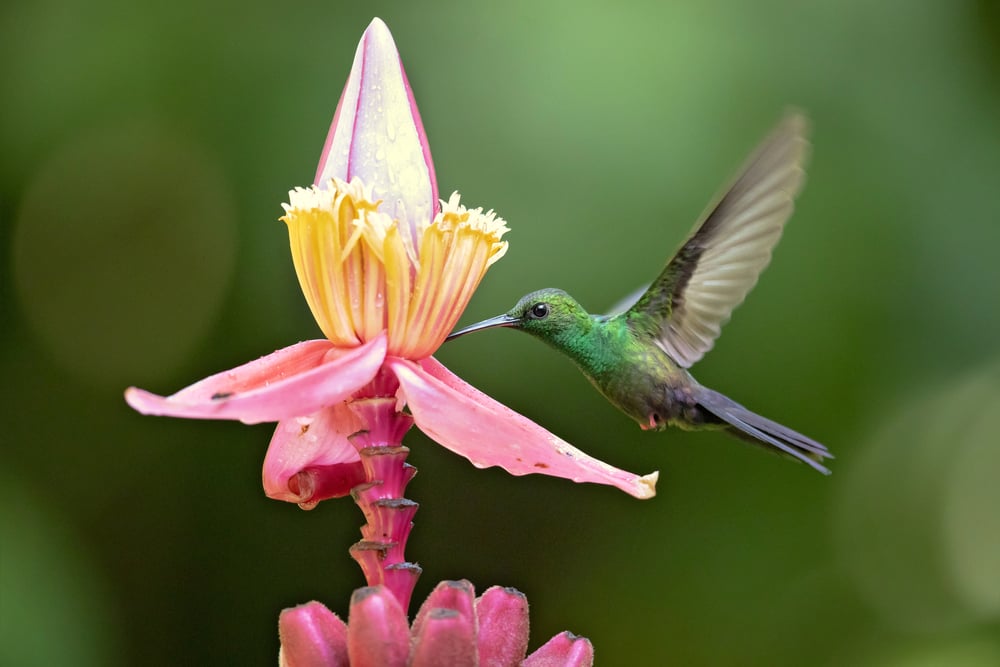
Hummingbirds don’t fly around randomly — they keep track of where they’ve been. Their memory helps them remember which flowers are worth returning to and how long it takes each one to refill with nectar.
That saves time and effort. They often follow the same route every day, visiting their favorite spots.
Like Go2Tutors’s content? Follow us on MSN.
They sleep in a deep, energy-saving state
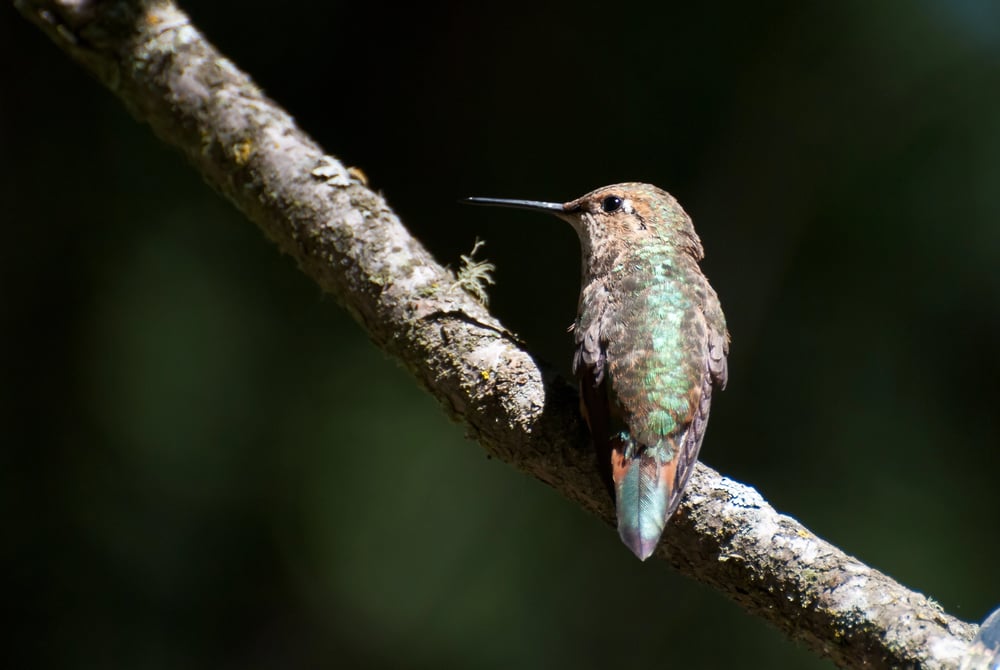
At night, hummingbirds go into a state called torpor. It’s like a mini hibernation that helps them survive cold temperatures and long nights.
Their body temperature drops, and their heartbeat slows way down. During torpor, they may look like they’re not even alive, but they’re just conserving energy.
Some are smaller than a paperclip
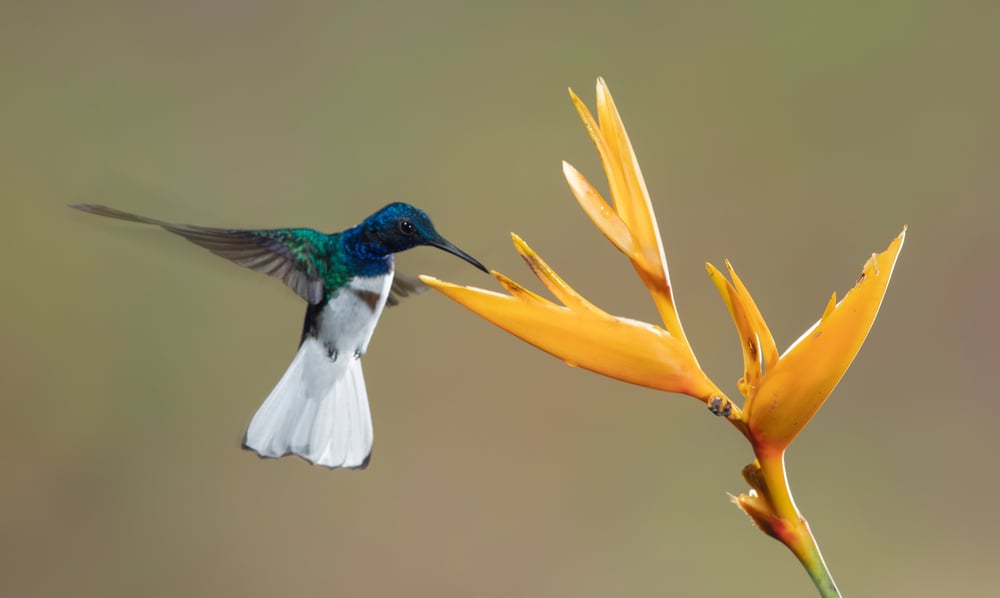
The world’s smallest bird is the bee hummingbird, which lives in Cuba. It’s just over 2 inches long and weighs less than 2 grams.
That’s smaller than a paperclip or a large insect. Even though it’s tiny, it still makes long flights, builds nests, and raises chicks.
They don’t walk much
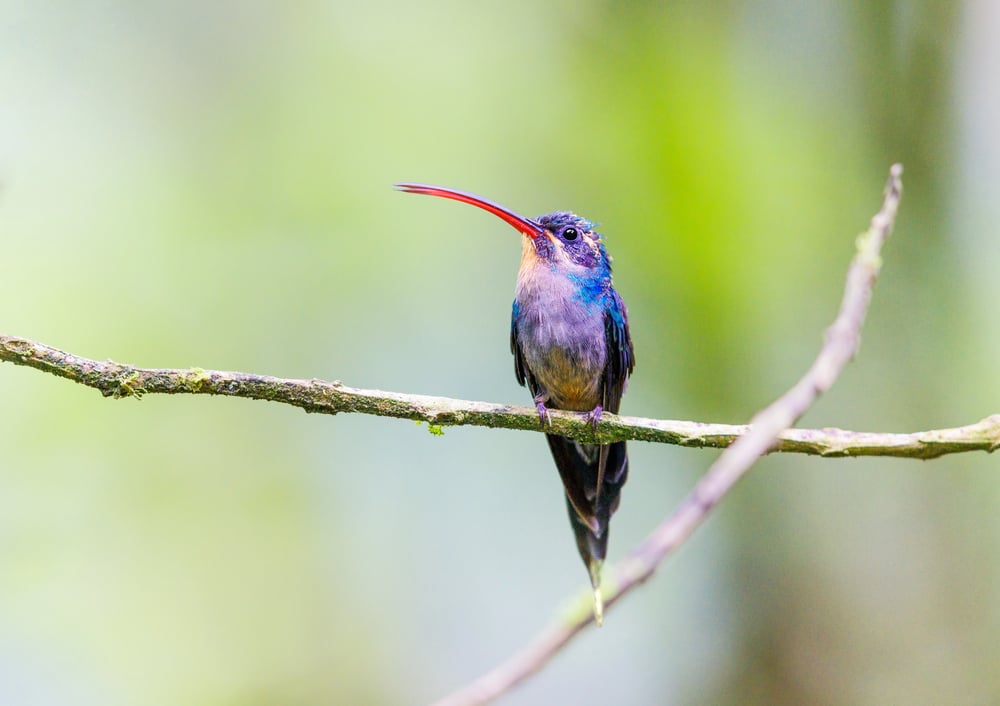
You won’t see hummingbirds strolling around like other birds. Their legs are short and weak, so they don’t hop, walk, or run.
They can perch, but that’s about it. Almost everything they do happens in the air.
Like Go2Tutors’s content? Follow us on MSN.
Their colors change in the light
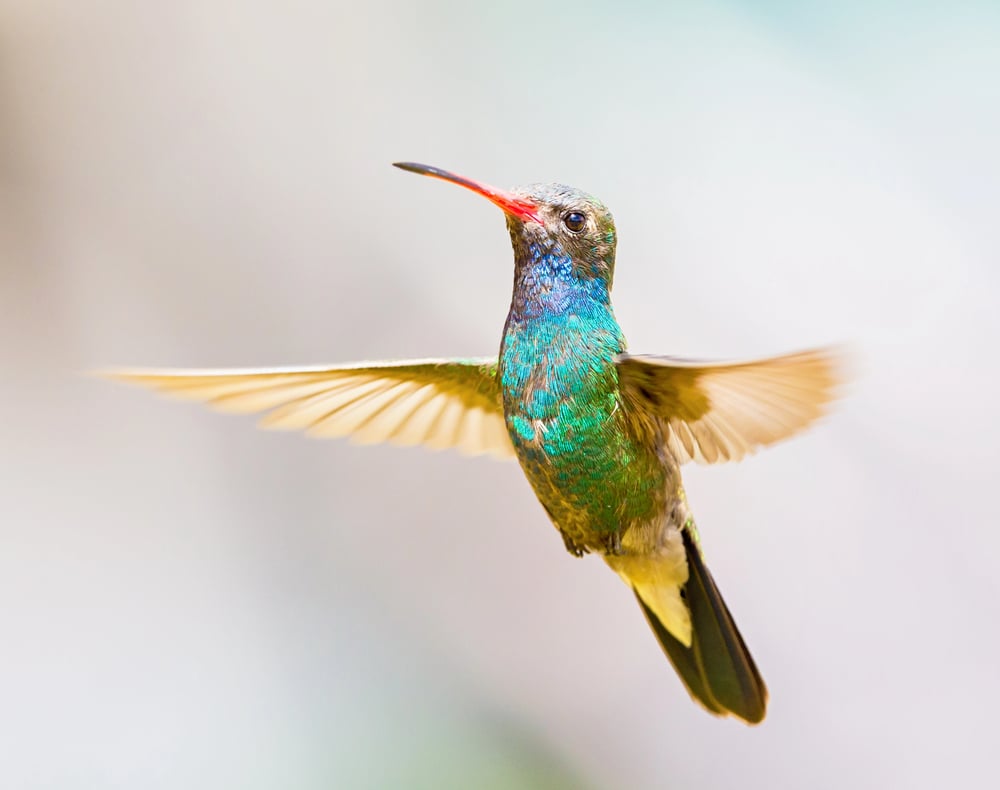
Hummingbirds don’t get their shine from pigment like paint. Their feathers have tiny layers that reflect light in special ways.
This causes colors to shift and sparkle depending on the angle. Some look green from one side and bright red from another.
They don’t stay in one place

Many hummingbirds migrate, flying hundreds or even thousands of miles. One example is the ruby-throated hummingbird, which travels over the Gulf of Mexico in one non-stop trip.
That flight can take 18 to 20 hours straight. They build up fat before the trip and use it all as fuel.
They defend their space fiercely
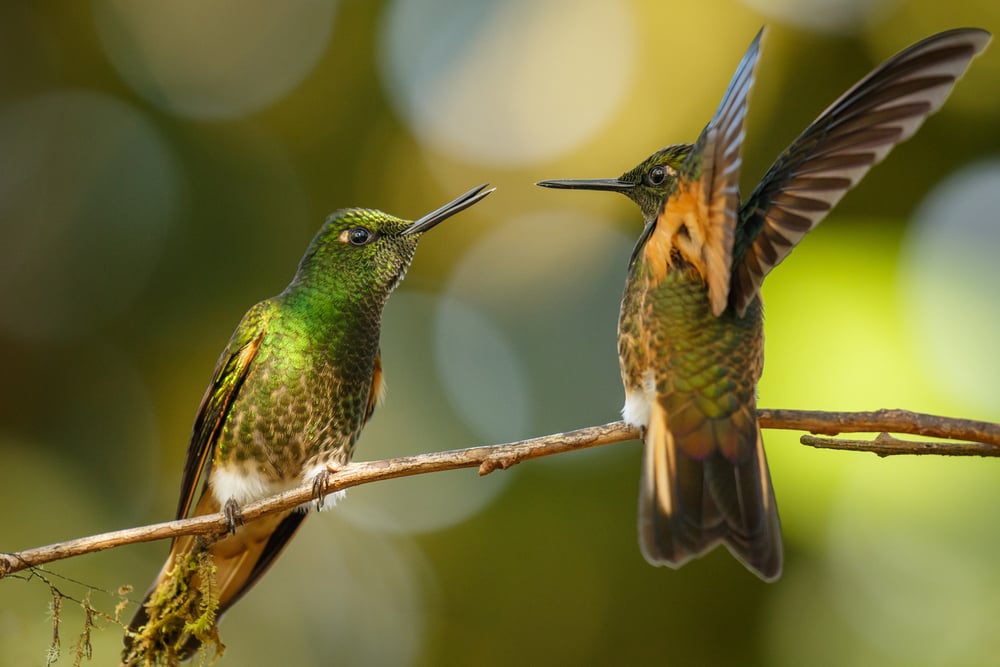
Despite their size, hummingbirds are not shy about standing their ground. They often chase away other birds, insects, or even people from flowers or feeders they claim as their own.
Males are especially aggressive during mating season. They dive, buzz, and even peck at intruders.
Like Go2Tutors’s content? Follow us on MSN.
They use their tongues like pumps
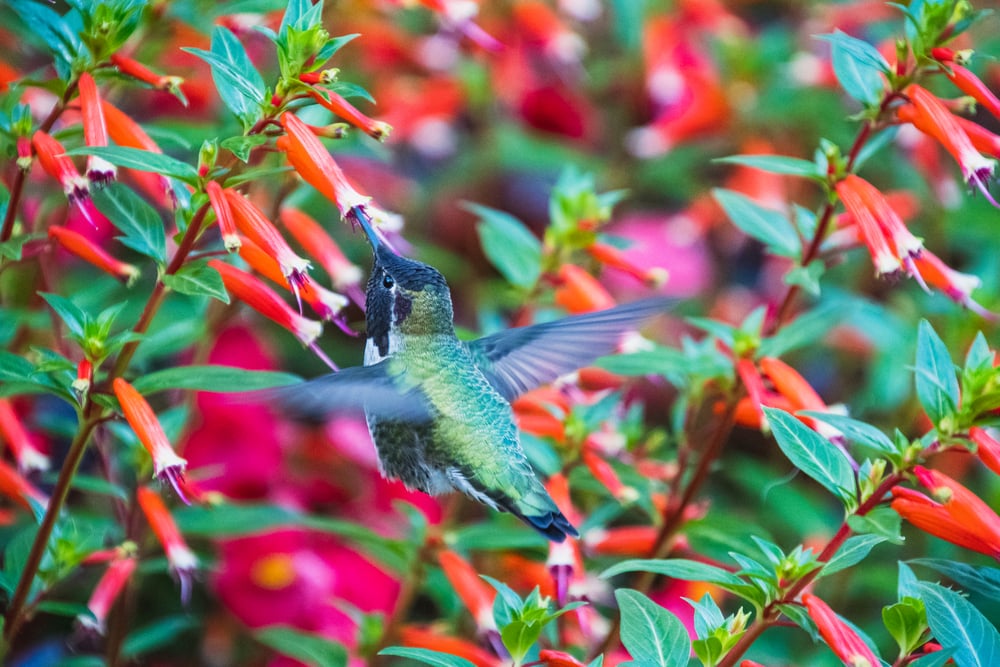
A hummingbird’s tongue is long and splits into two tips at the end. It works like a tiny straw, pulling nectar up using quick flicks and suction.
The tongue moves in and out about 15 times per second when feeding. It also curls at the tip to grab every drop.
Their eggs are about the size of peas
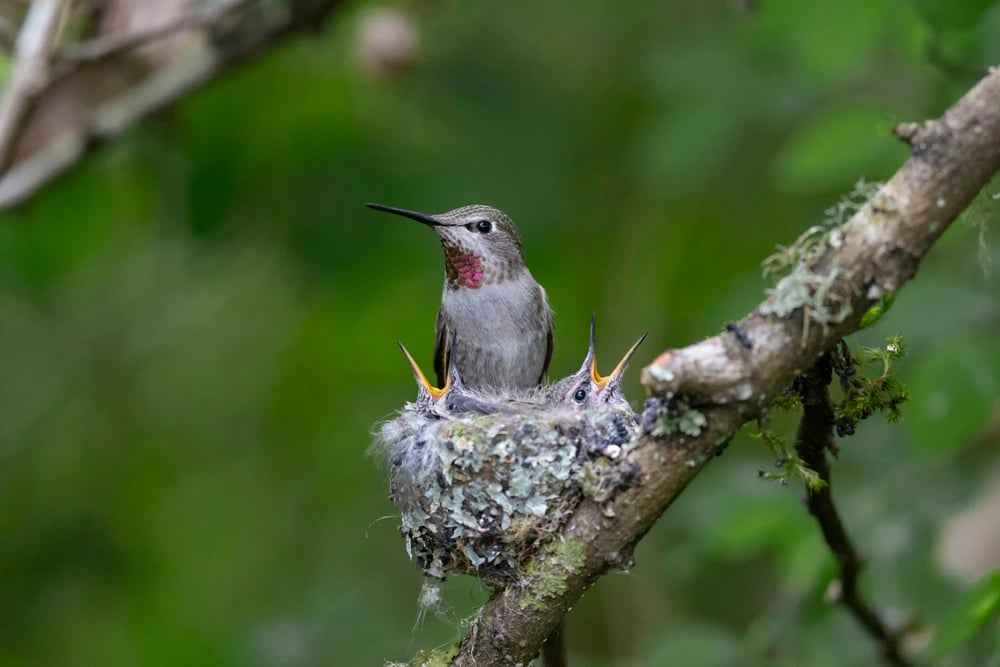
Hummingbird eggs are so small, they can fit in a teaspoon. They’re usually white and smooth, laid two at a time in nests no bigger than a walnut.
The mother builds the nest with leaves, moss, and spider silk to keep it soft and stretchy. The chicks hatch in about two weeks.
They rely on sugar for power
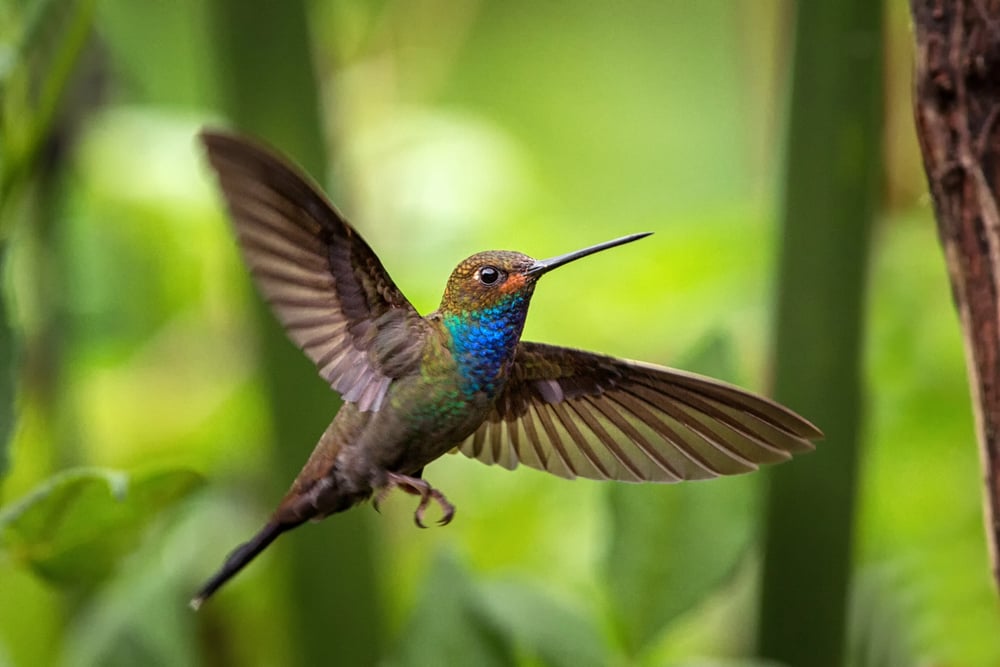
Nectar is their main source of energy, and it’s full of sugar. Hummingbirds convert sugar into fuel almost instantly.
This lets them keep flying all day without slowing down. But they can’t survive on nectar alone.
Like Go2Tutors’s content? Follow us on MSN.
They have sharp vision
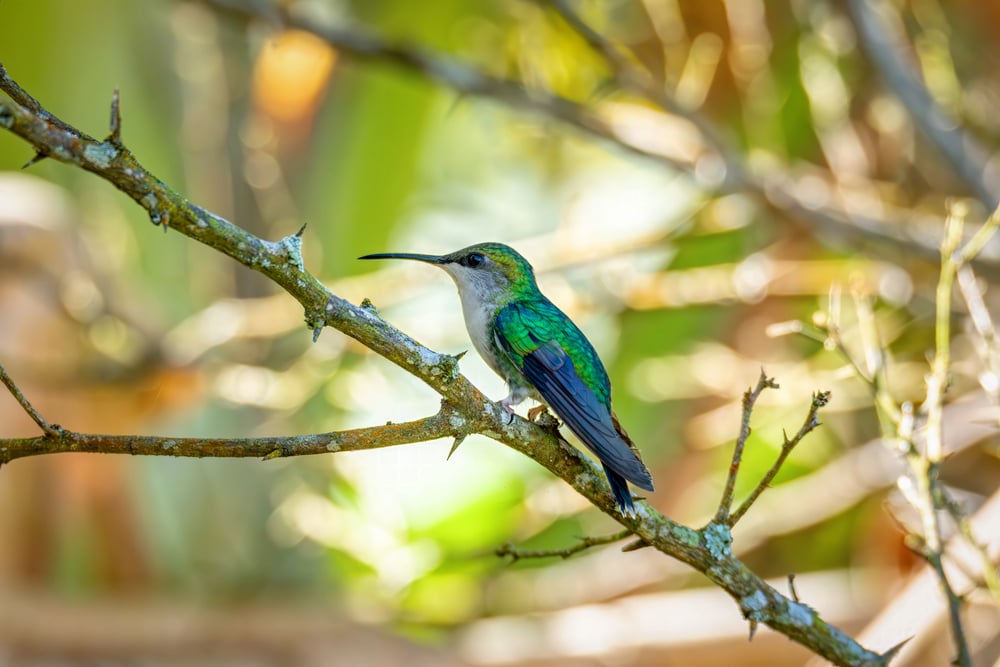
Hummingbirds see colors beyond what humans can see. They can detect ultraviolet light, which helps them spot flowers that might look dull to us.
Their sharp eyesight helps them choose the right blooms and avoid danger. Some flowers even evolved to attract only hummingbirds.
Tiny birds with big abilities
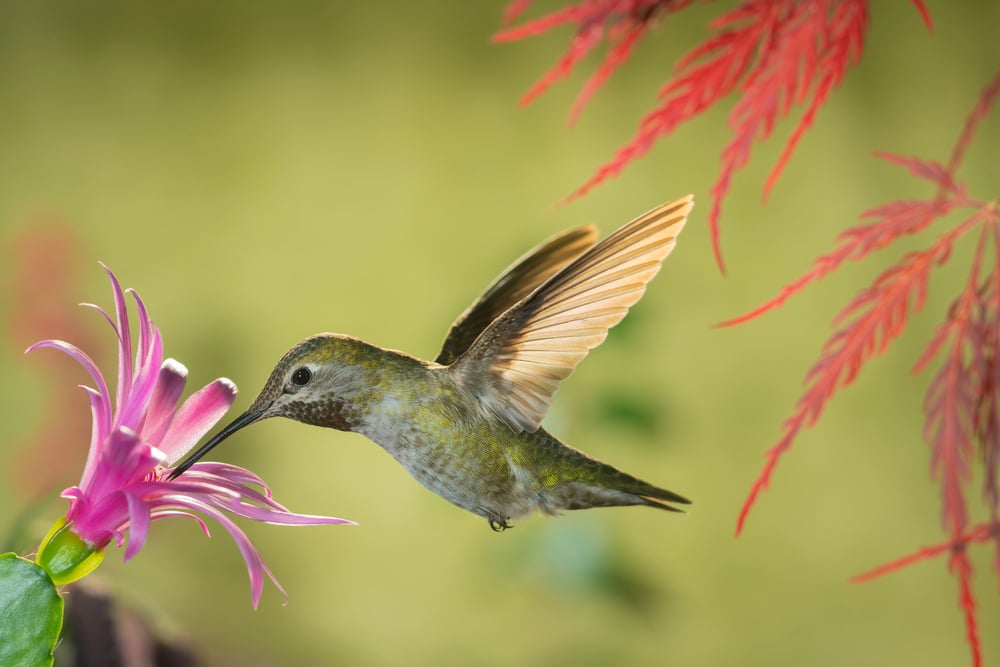
Hummingbirds may be small, but they don’t live small lives. They move with purpose, think quickly, and adapt in ways most creatures can’t.
Every flap, hover, and sip of nectar shows just how much effort goes into their daily survival. These birds have been around for millions of years and continue to amaze anyone who watches them closely.
More from Go2Tutors!

- 16 Historical Figures Who Were Nothing Like You Think
- 12 Things Sold in the 80s That Are Now Illegal
- 15 VHS Tapes That Could Be Worth Thousands
- 17 Historical “What Ifs” That Would Have Changed Everything
- 18 TV Shows That Vanished Without a Finale
Like Go2Tutors’s content? Follow us on MSN.



