15 Fast Food Scandals That Shocked Customers
Fast food chains have built their empires on speed, convenience, and the promise of consistent quality. Behind the cheerful marketing campaigns and golden arches, however, lie some truly jaw-dropping scandals that have left customers questioning what they’re really putting in their mouths. From contaminated ingredients to employee misconduct, these incidents have rocked the industry and changed how we think about our favorite quick meals.
Here’s a list of 15 fast food scandals that sent shockwaves through the industry and left customers stunned.
McDonald’s Pink Slime Revelation
— Photo by i.mylinska.gmail.com
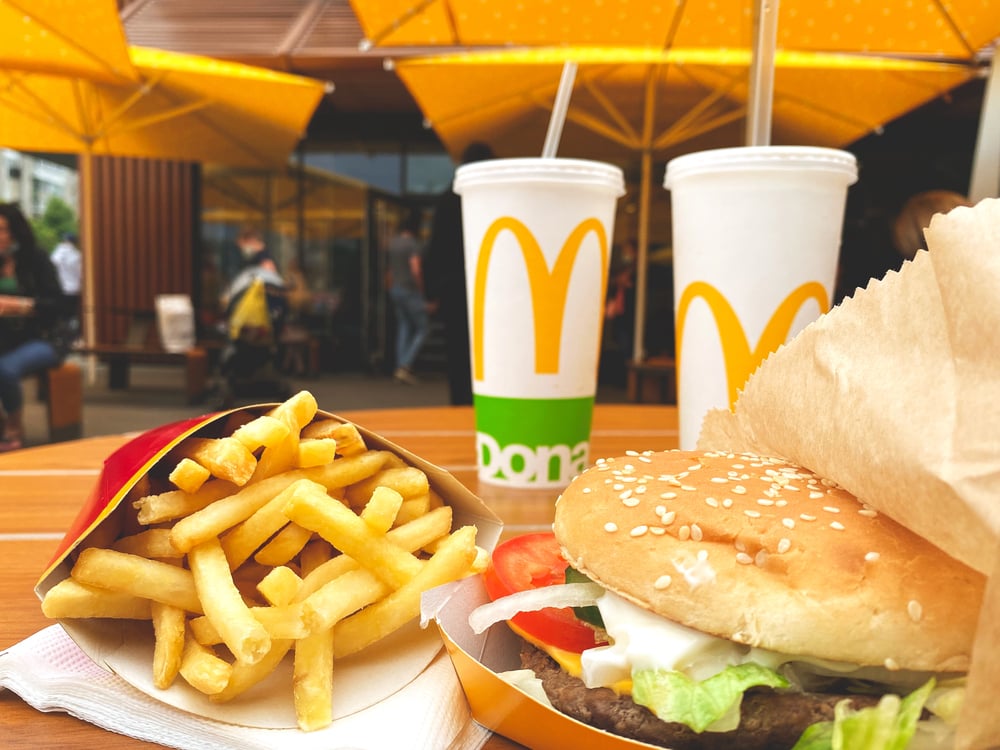
The revelation that McDonald’s used ‘pink slime’ in their beef products created a media firestorm that lasted months. This ammonia-treated meat paste — officially called lean finely textured beef — was mixed into ground beef to bulk up portions while keeping costs down. The process involved spinning beef scraps in a centrifuge and treating them with ammonia to kill bacteria, creating a pink paste that many found deeply unsettling.
Taco Bell’s Meat Filling Lawsuit
— Photo by wolterke
A class-action lawsuit claimed that Taco Bell’s seasoned beef contained only 36% actual beef, with the rest being fillers, preservatives, and mysterious additives. The company fought back hard, launching a campaign insisting their beef was 88% real meat — but the damage to their reputation was already done. Though the lawsuit was eventually withdrawn, customers had already started questioning what exactly they were eating in those crunchy tacos.
KFC’s Mutant Chicken Hoax
— Photo by MariaView
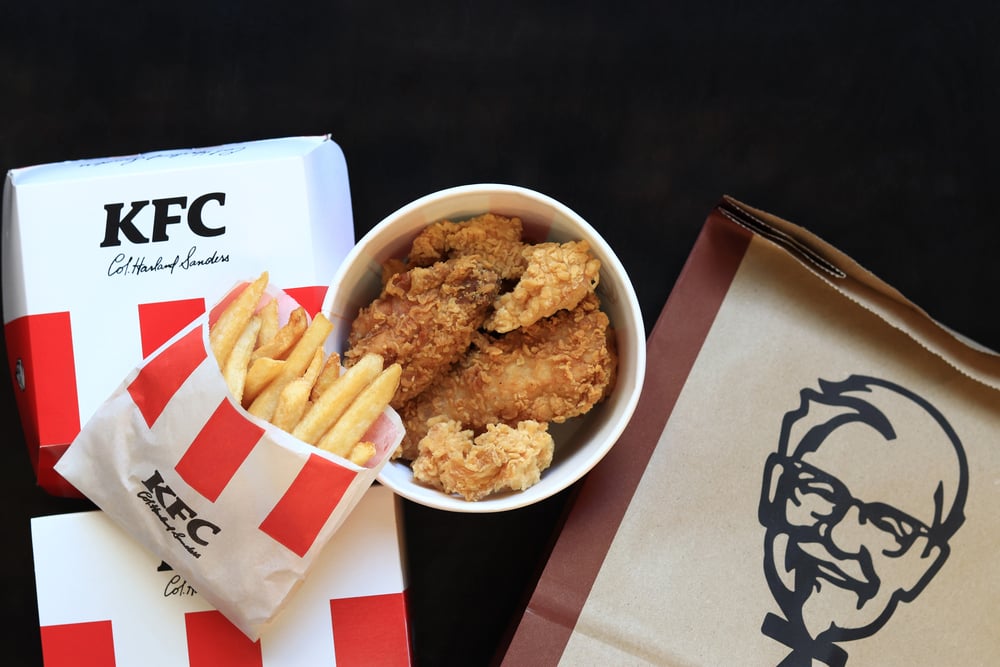
Rumors spread like wildfire claiming that KFC was raising genetically modified chickens with multiple legs and no heads. This supposedly forced them to change their name from Kentucky Fried Chicken. While completely false, the urban legend gained so much traction that KFC had to launch an official campaign to debunk it. The hoax tapped into deep-seated fears about factory farming — concerns that many customers already harbored.
Subway’s Yoga Mat Bread Ingredient
— Photo by birchphotographer
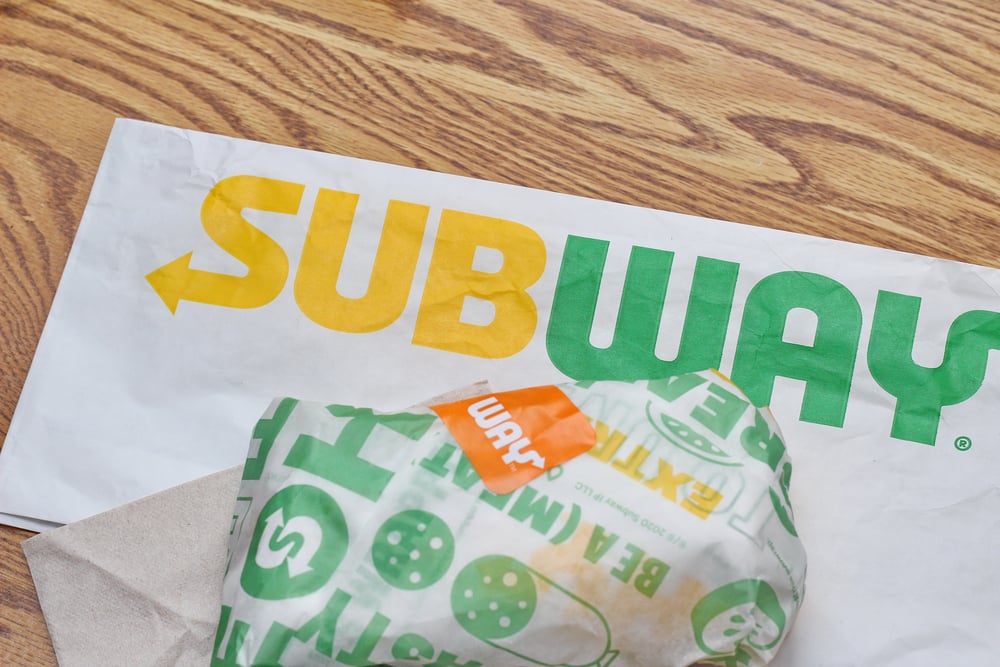
Food blogger Vani Hari discovered that Subway’s bread contained azodicarbonamide, the same chemical used to make yoga mats and shoe soles. The ingredient was used as a dough conditioner to make bread fluffier, yet the connection to rubber products horrified health-conscious consumers. Subway eventually removed the ingredient from their bread recipe after facing intense public pressure and negative publicity.
McDonald’s Scalding Coffee Case
— Photo by lucidwaters
Stella Liebeck’s lawsuit against McDonald’s for serving dangerously hot coffee became a symbol of frivolous litigation — but the reality was far more serious. The 79-year-old woman suffered third-degree burns requiring skin grafts after spilling coffee that was heated to 190 degrees Fahrenheit. Internal documents revealed that McDonald’s had received over 700 complaints about burns from their coffee, though they chose to keep serving it at scalding temperatures.
Chipotle’s E. Coli Outbreak

— Photo by dennizn
Multiple E. coli outbreaks at Chipotle restaurants across several states sickened dozens of customers and nearly destroyed the company’s reputation. The contamination was linked to various ingredients including lettuce, tomatoes, and cilantro — highlighting serious gaps in the chain’s food safety protocols. Sales plummeted by 30% as customers lost trust in the brand’s commitment to fresh, safe ingredients.
Wendy’s Chili Finger Incident
— Photo by Sheilaf2002
Anna Ayala claimed to have found a severed human finger in her Wendy’s chili, creating a media sensation that cost the company millions in lost sales. The story unraveled when police discovered that Ayala had planted the finger — which came from a coworker of her husband who had lost it in an industrial accident. The hoax demonstrated how quickly false claims could devastate a restaurant’s reputation in the age of 24-hour news cycles.
Jack in the Box E. Coli Crisis
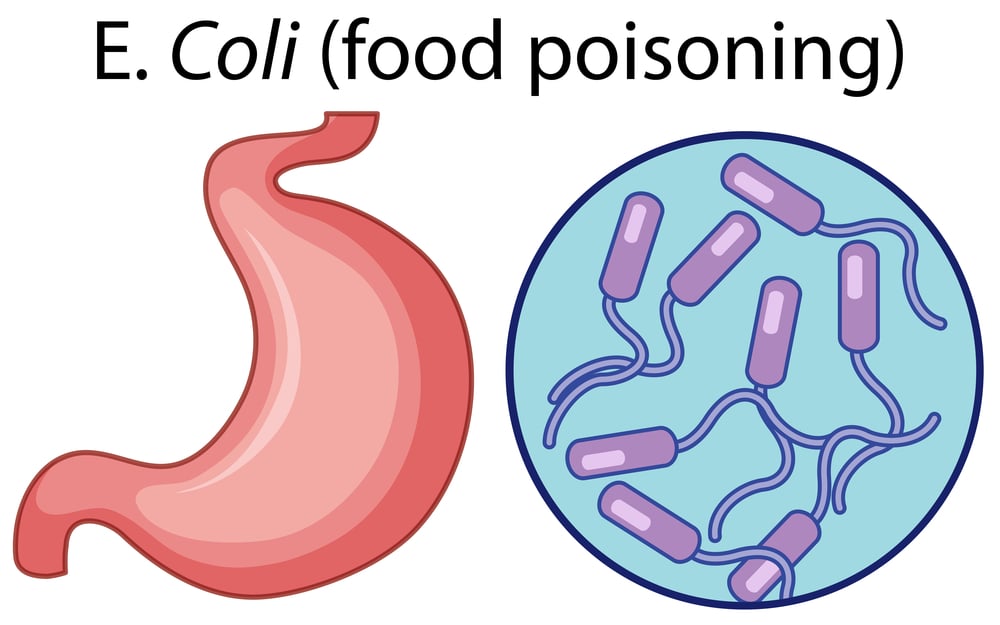
The 1993 E. coli outbreak at Jack in the Box restaurants killed four children and sickened over 700 people, making it one of the worst food safety disasters in fast food history. The contamination occurred because the restaurants were cooking their hamburgers at temperatures too low to kill the deadly bacteria. The tragedy led to major changes in food safety regulations and cooking procedures across the entire industry.
Arby’s Deer Meat Mix-Up

An Arby’s restaurant in South Dakota accidentally served venison instead of beef after a supplier mixed up the meat deliveries. While venison isn’t harmful, customers who ordered roast beef sandwiches were unknowingly eating deer meat — raising questions about supply chain oversight. The incident highlighted how little most customers actually know about where their fast food ingredients come from.
Domino’s Employee Tampering Video
— Photo by sash2skt@gmail.com
Two Domino’s employees filmed themselves contaminating food in disgusting ways and posted the video on YouTube, creating a viral nightmare for the pizza chain. The footage showed workers putting cheese up their noses and engaging in other stomach-turning behavior with food destined for customers. The video garnered millions of views before being taken down — permanently damaging trust in the brand’s food handling practices.
McDonald’s Monopoly Fraud Scheme
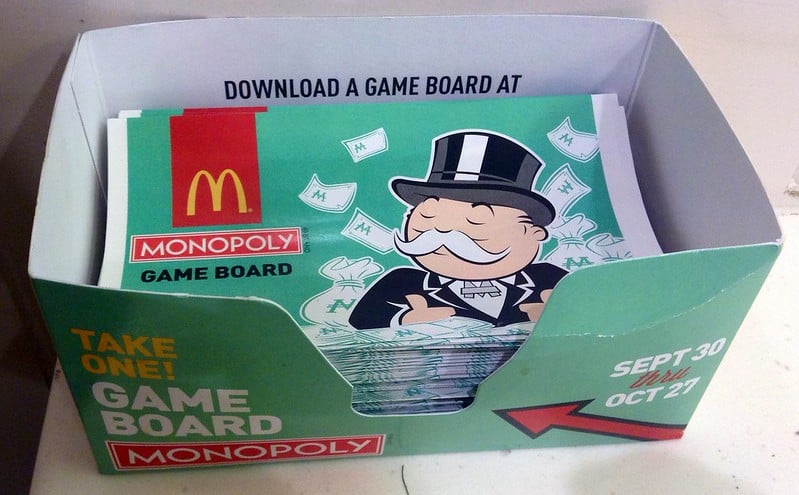
The McDonald’s Monopoly game was rigged for 12 years by a network of conspirators who stole winning game pieces and distributed them to friends and family. Jerome Jacobson, who worked for the company that produced the game pieces, orchestrated the scheme that defrauded McDonald’s of over $24 million in prizes. The scandal revealed how easily promotional games could be manipulated. Customers felt cheated.
Taco Bell’s Beef Shortage Cover-Up
— Photo by Robson90
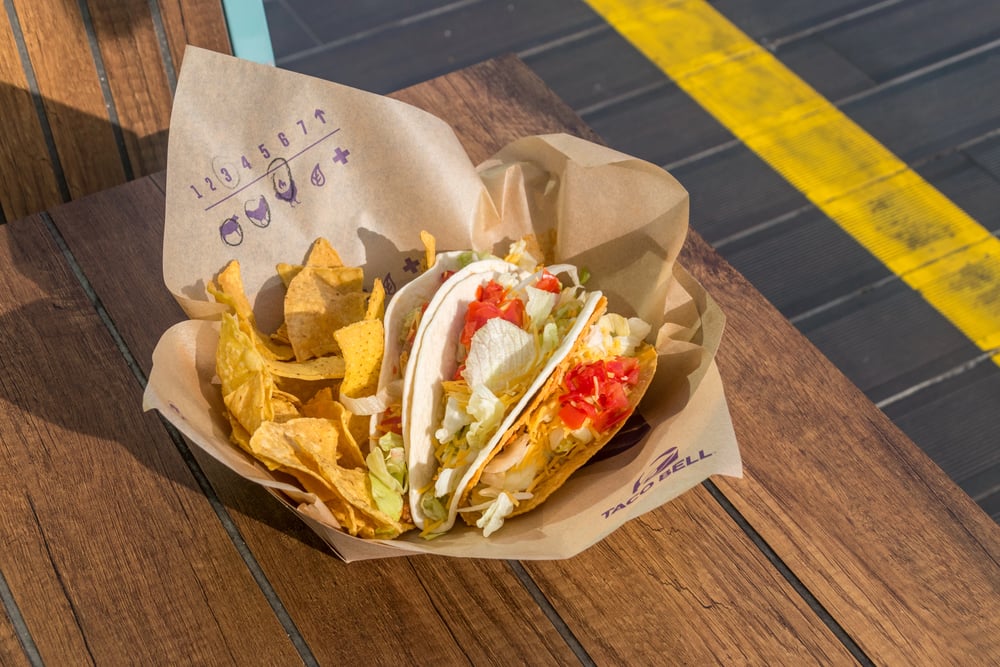
During a beef shortage in 2011, some Taco Bell locations ran out of seasoned beef but continued serving customers without informing them of ingredient substitutions. Customers reported receiving tacos filled with lettuce and cheese but no meat, while still being charged full price. The incident raised questions about transparency and whether customers were getting what they paid for.
Burger King’s Horse Meat Scandal
— Photo by Gelia78
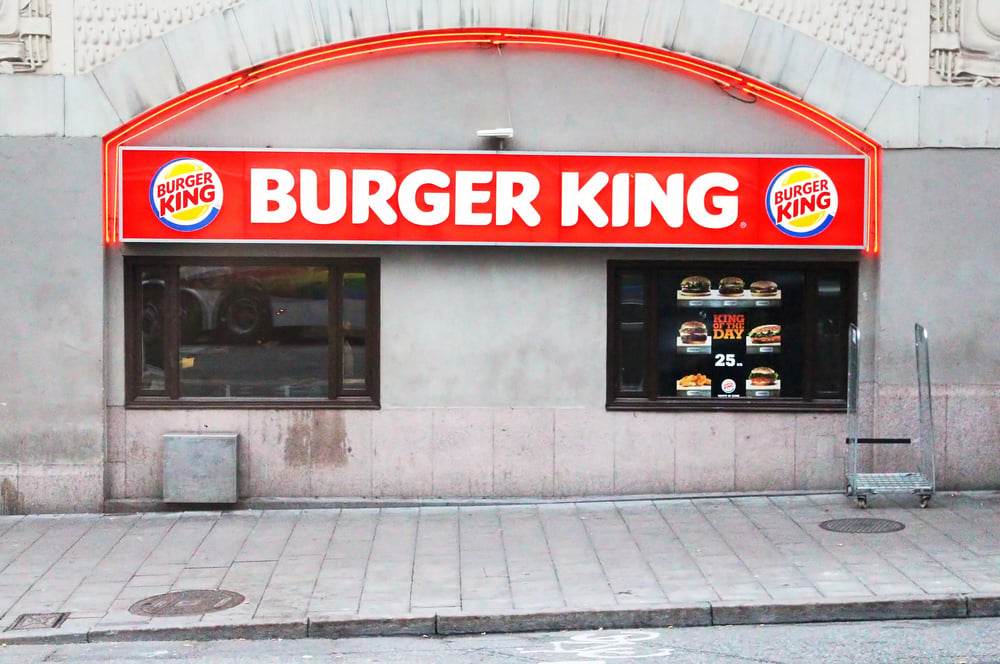
Burger King’s European locations were found to be serving hamburgers containing horse meat, though the company claimed they were unaware of the contamination. The horse meat came from suppliers who had mixed it with beef to cut costs, highlighting the complex international food supply chains that most customers never consider. While horse meat consumption is common in some cultures, the deception outraged customers who expected pure beef.
Pizza Hut’s Bookworm Incident
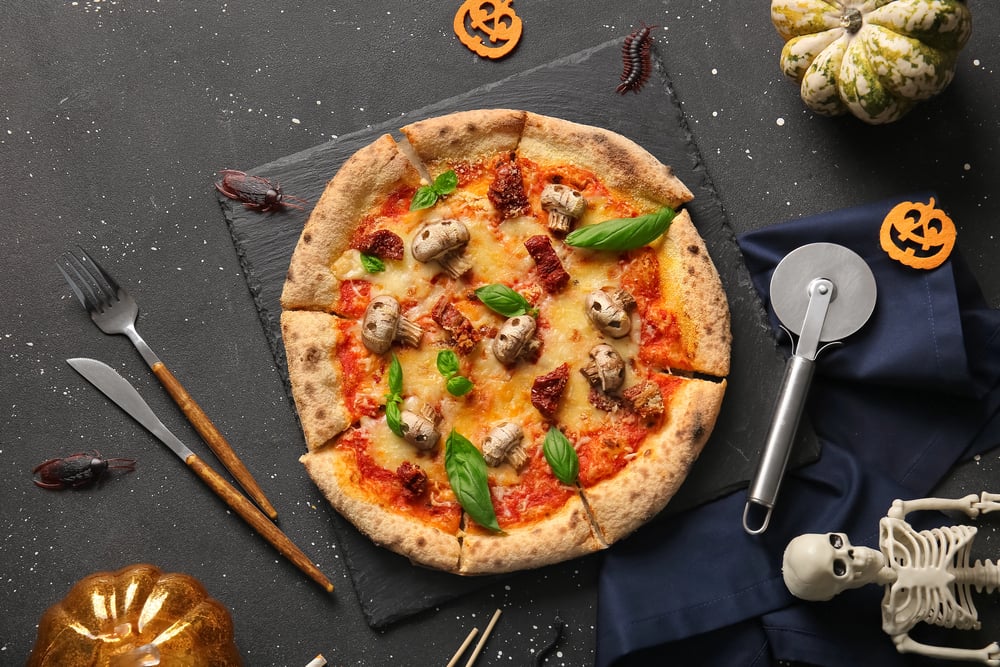
A customer found a dead cockroach baked into their Pizza Hut pizza, creating a social media storm when photos of the incident went viral. The restaurant initially tried to downplay the incident, yet health inspectors later found multiple violations at the location. The case became a cautionary tale about the importance of pest control and kitchen cleanliness in food service establishments.
McDonald’s Ice Cream Machine Conspiracy

— Photo by MariaView
Investigative reports revealed that McDonald’s ice cream machines break down frequently not due to poor maintenance, but because of a complex web of exclusive repair contracts and diagnostic monopolies. The company that makes the machines also controls all repairs and requires expensive technician visits for simple fixes that restaurant staff could handle. This engineered obsolescence explains why McDonald’s ice cream is so often unavailable, frustrating customers who just want a simple dessert.
When Trust Meets Reality
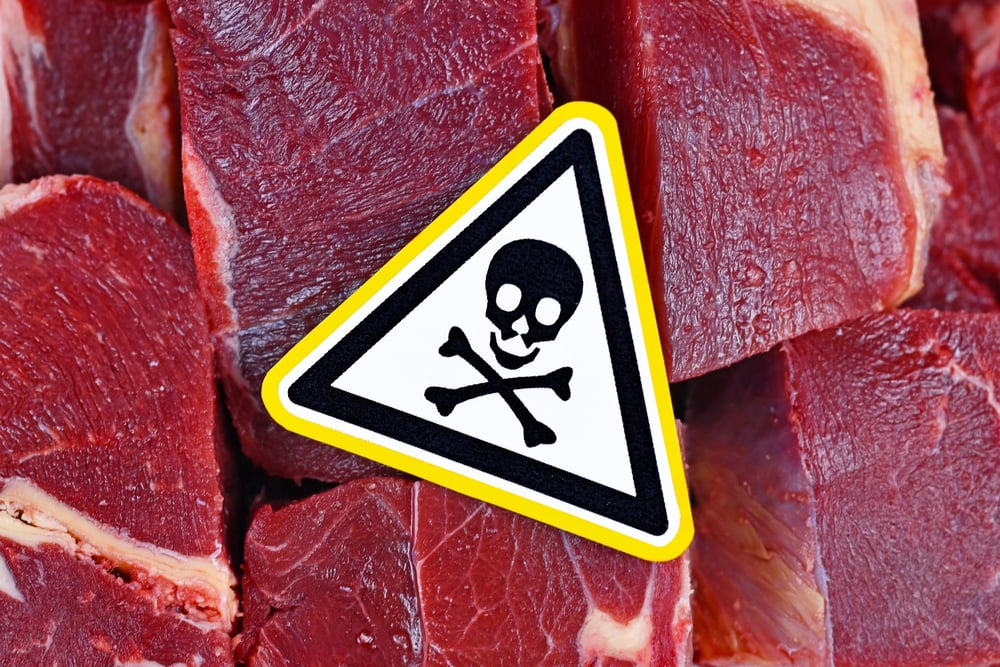
These scandals remind us that the fast food industry’s polished exterior often masks complex supply chains, cost-cutting measures, and human error that can have serious consequences. Most fast food is safe to eat, though these incidents have forever changed how customers view their favorite chains and highlighted the importance of transparency in food production. The industry’s response to these crises has generally led to improved safety standards and better oversight, yet customer trust remains fragile. Perhaps most importantly, these scandals have empowered consumers to ask harder questions about what they’re eating and hold companies accountable for their practices.
More from Go2Tutors!

- 16 Historical Figures Who Were Nothing Like You Think
- 12 Things Sold in the 80s That Are Now Illegal
- 15 VHS Tapes That Could Be Worth Thousands
- 17 Historical “What Ifs” That Would Have Changed Everything
- 18 TV Shows That Vanished Without a Finale
Like Go2Tutors’s content? Follow us on MSN.