Best-Selling Sneakers of All Time
Stepping into a sneaker shop now? Totally crowded. Shelf after shelf of kicks everywhere – each shouting its own claim.
Yet a few stand out, rising above the mess, living forever in people’s wardrobes. Not merely footwear – they’re vintage moments on feet, still flying off shelves no matter the season.
Converse Chuck Taylor All Star
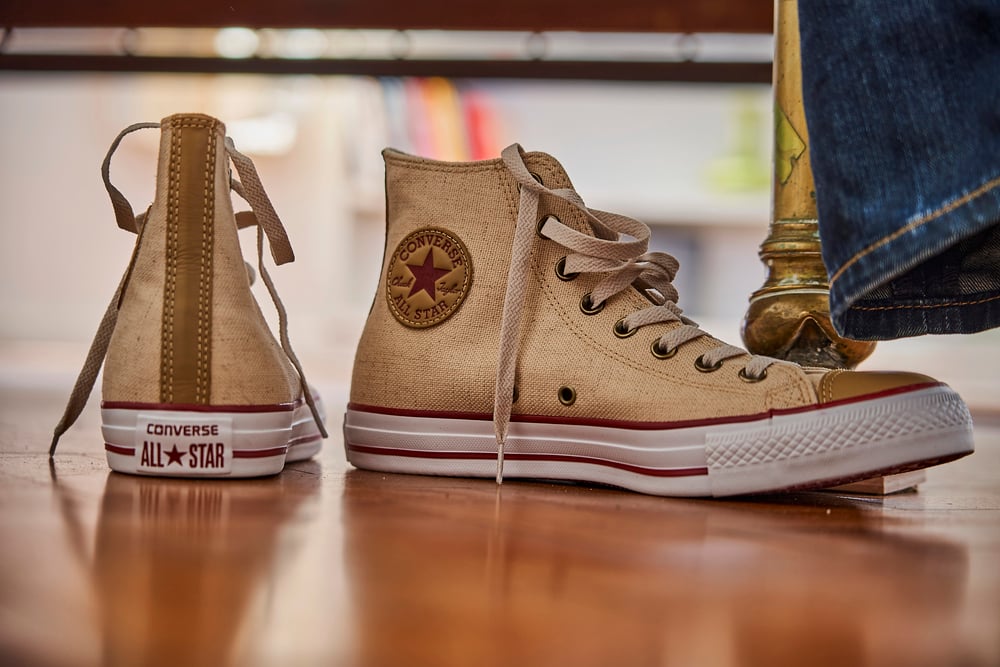
This canvas shoe has been around since 1917. That’s over a century of consistent sales.
The numbers tell the story better than anything else. Converse sells more than 270,000 pairs of Chuck Taylors every single day.
That works out to about three pairs per second. By 2000, the company had sold over 600 million pairs.
The design hasn’t changed much. Canvas upper, rubber sole, circular ankle patch.
That simplicity turns out to be the whole point. You can wear these with jeans, shorts, or even a dress.
The price helps too. They cost a fraction of what most performance athletic shoes go for.
Musicians adopted them early on. Then skateboarders.
Then basically everyone else. The shoe crossed over from the courts to concert stages to high school hallways without ever trying too hard.
Nike Air Force 1
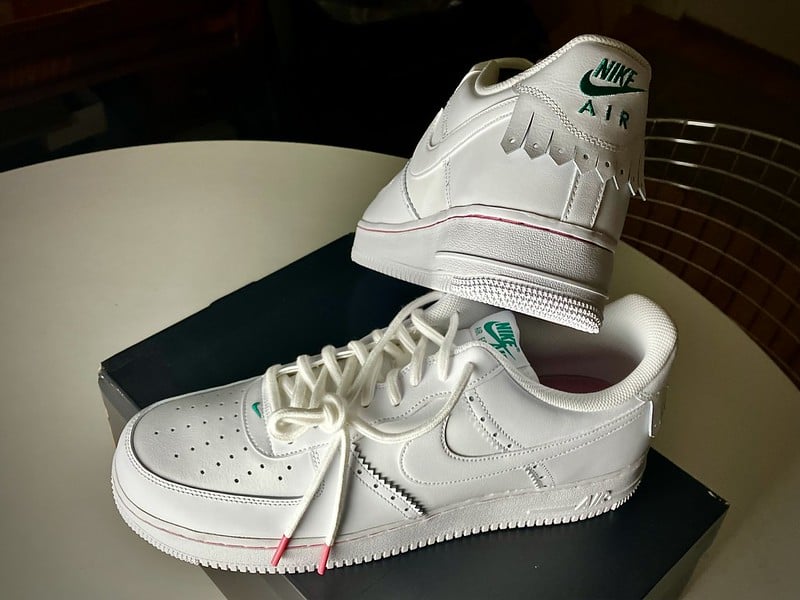
Bruce Kilgore designed this shoe in 1982 as a court shoe featuring Nike’s Air technology. It was the first Nike court shoe to use that cushioning system.
Players wore them for a few years, but then something unexpected happened. The streets claimed them.
Hip-hop culture turned the Air Force 1 into something bigger than sports. The all-white version became particularly popular in urban areas across America.
Nike kept releasing new colors and collaborations, which kept demand high. According to recent data that combines social media mentions and search volume, the Air Force 1 ranks as the most successful sneaker silhouette of all time.
The shoe works because it goes with everything. Dress it up or down.
Keep them clean or let them get worn in. Either approach works.
Nike Air Jordan 1
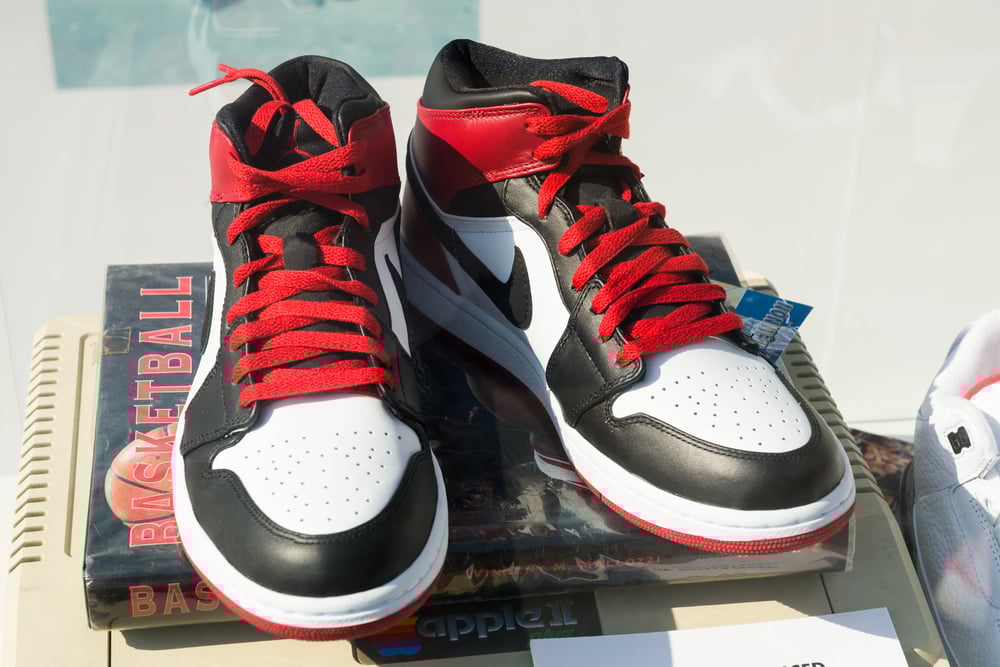
Michael Jordan’s first signature shoe arrived in 1985 and changed everything. The NBA banned the black and red colorway for violating uniform policies.
Nike paid the fines and used the controversy as marketing fuel. The strategy worked brilliantly.
The Air Jordan 1 generated over $126 million in revenue during its first year. Nike had initially projected sales of just $3 million by the fourth year of Jordan’s contract, but the shoe exceeded all expectations.
The design featured bold color blocking that stood out from everything else on the court. Decades later, certain vintage pairs from 1985 sell for over $1,500.
The shoe sparked an entire resale market that now influences how sneakers get released and purchased. Collaborations with designers and artists keep pushing values higher.
Adidas Superstar
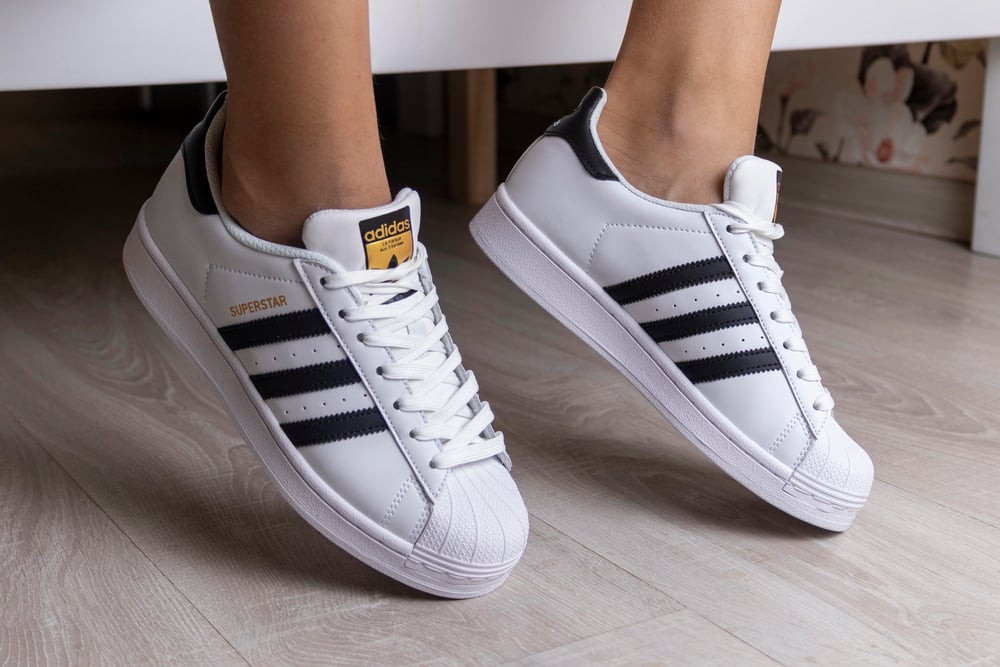
Released in 1969, the Superstar was one of the first low-top court shoes. The shell toe design made it instantly recognizable.
Players appreciated the leather upper and extra protection for their feet. Then Run DMC happened.
The hip-hop group from Queens wore Superstars without laces, turning them into a street style essential. The song “My Adidas” cemented the connection between the shoe and music culture.
Sales exploded beyond anything Adidas had projected for a court shoe. The clean lines and simple design kept the Superstar relevant through multiple fashion cycles.
It doesn’t scream for attention. It just sits there looking good.
Adidas Samba
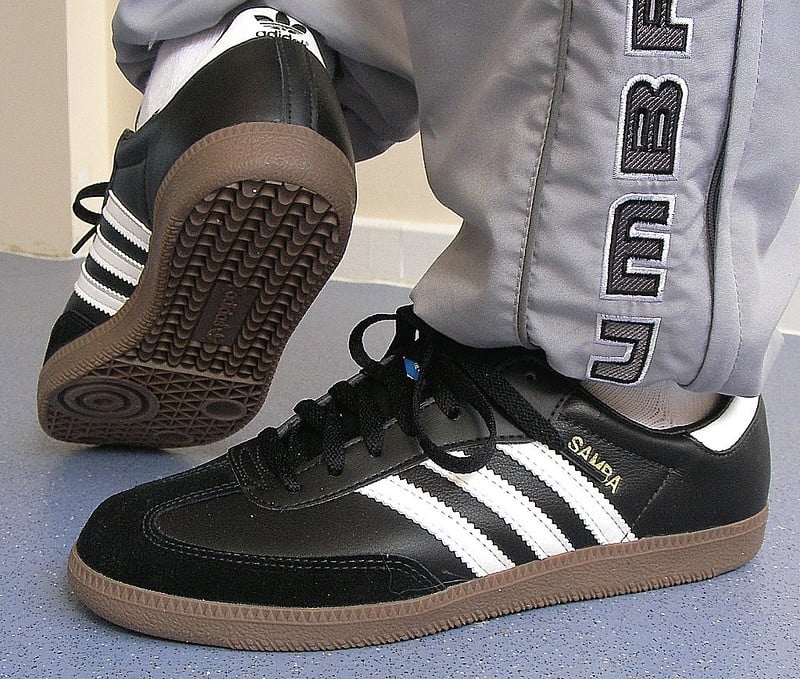
This shoe started as soccer training footwear in 1950. The gum sole provided traction on frozen ground.
Players needed something they could wear indoors during winter, and the Samba solved that problem. According to recent reports, the Samba is the top-selling Adidas shoe of all time.
That’s a remarkable achievement for a shoe that’s over 70 years old. The design influenced other Adidas classics like the Stan Smith and provided the foundation for the brand’s skateboarding line.
European streetwear adopted the Samba early on. Cities like London, Milan, and Berlin made it a staple.
The shoe works equally well at the gym or at dinner. That versatility explains the consistent sales numbers.
Adidas Stan Smith
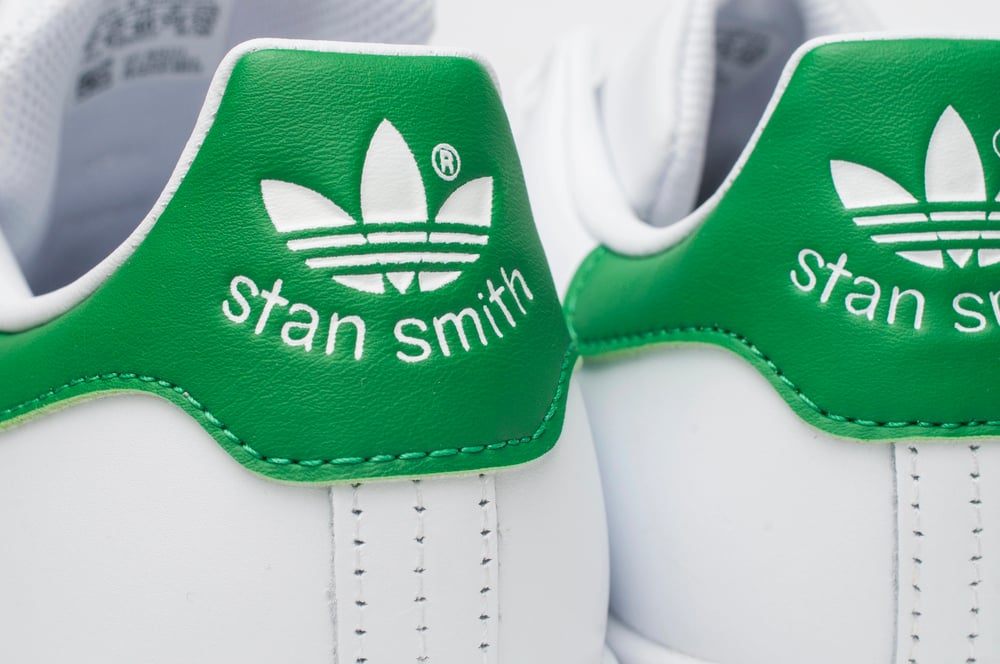
Tennis player Stan Smith endorsed this shoe in the 1970s. Originally designed for the court, it quickly became popular off of it.
The white leather upper with the green heel tab created a look that felt both sporty and refined. The Stan Smith disappeared from stores for a few years in the 2010s.
When Adidas brought it back, demand went through the roof. Fashion editors and celebrities started wearing them constantly.
The shoe fit perfectly with the minimalist aesthetic that dominated style during that period. Millions of pairs sell each year.
The design hasn’t changed significantly since its debut. Sometimes the best move is doing nothing at all.
Vans Old Skool
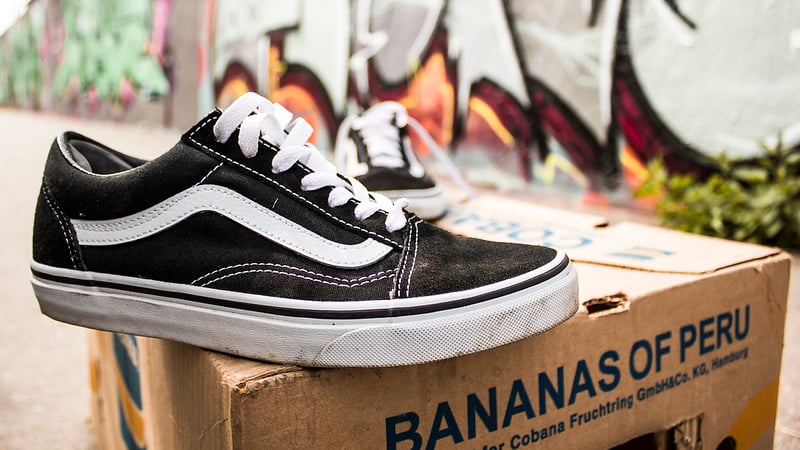
Skateboarders needed shoes that could handle the abuse of grinding rails and landing tricks. Vans understood this better than anyone.
The Old Skool, introduced in 1977, featured reinforced toe caps and padded collars. The side stripe became one of the most recognizable design elements in footwear.
That simple touch gave the shoe visual interest without getting too complicated. Skate shops carried them, but so did regular shoe stores.
Different subcultures claimed the Old Skool over the years. Punk rockers, BMX riders, and eventually mainstream fashion consumers all found something to like.
The affordable price point helped it reach a wider audience than most skateboarding shoes.
New Balance 990
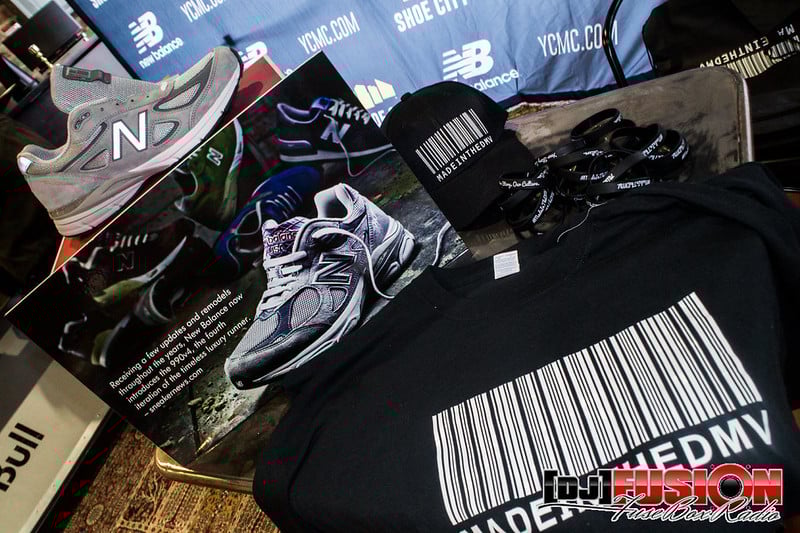
New Balance released the 990 in 1982 with a price tag of $100. That was considered expensive for running shoes at the time.
The company justified it by focusing on American manufacturing and premium materials. The shoe became a favorite among people who valued quality over trends.
Steve Jobs famously wore them. So did plenty of other folks who just wanted comfortable shoes that lasted.
The understated design appealed to people who didn’t want their footwear to make a statement. Multiple updates have kept the 990 line current.
The 990v5 and 990v6 versions sell consistently well. The shoe represents a different approach to sneaker culture, one focused on durability and craftsmanship rather than hype.
Puma Suede
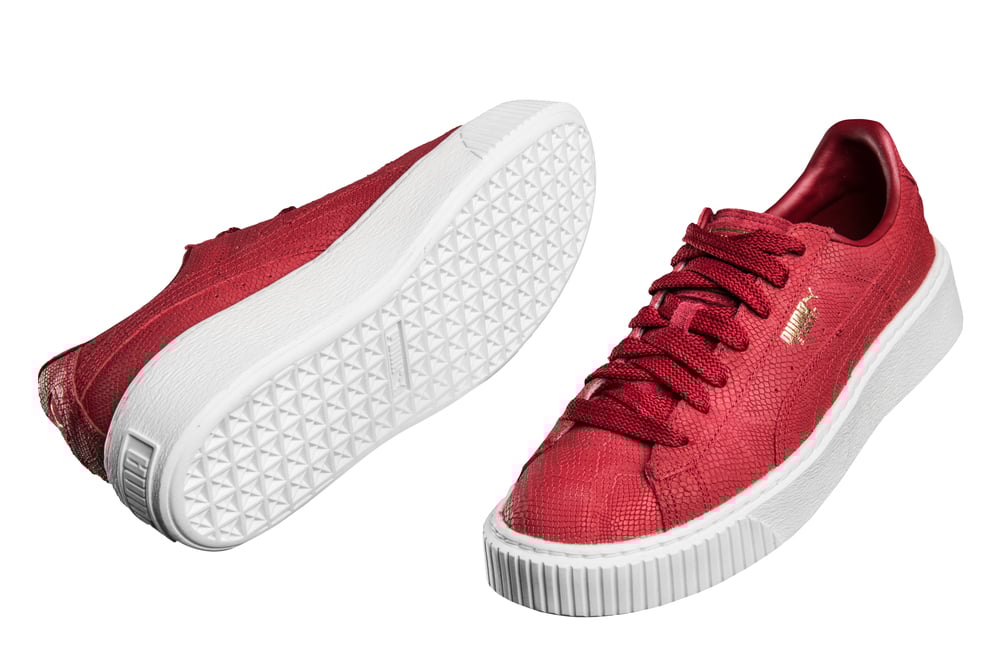
Puma introduced the Suede in 1968 as a court shoe. The material gave it a different look and feel compared to leather alternatives.
Olympic athlete Tommie Smith wore them during his famous Black Power salute at the 1968 Mexico City Olympics. That moment connected the shoe to social activism and cultural movements.
Hip-hop embraced the Suede in the 1980s. B-boys wore them for breaking, appreciating how the soft material moved with their feet.
The shoe has stayed in production for over five decades. Puma releases new colors regularly but keeps the core design intact.
The low-profile silhouette works with casual outfits without overwhelming them.
Reebok Club C
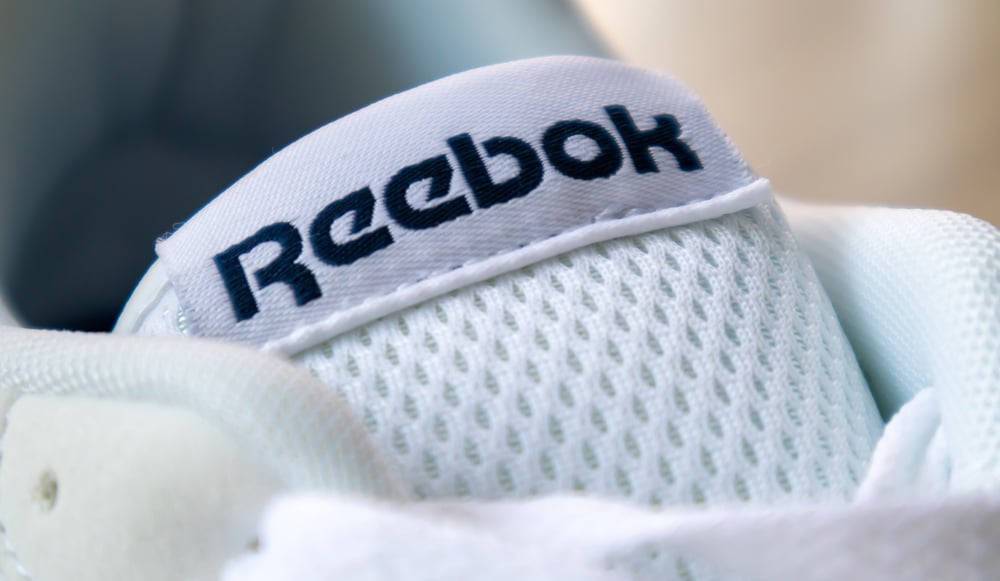
Reebok designed the Club C in the mid-1980s as a tennis shoe. The clean white leather upper and simple design made it popular beyond the courts.
The shoe didn’t have flashy colors or bold branding. That restraint turned out to be its strength.
Fashion trends eventually circle back to simplicity. When that happens, shoes like the Club C benefit.
The silhouette fits the minimalist aesthetic that surfaces every few years. Comfort matters too.
The shoe feels good for all-day wear. Collaborations with designers and retailers have introduced the Club C to new audiences.
Each generation discovers it fresh, often not knowing about its tennis origins.
Nike Dunk
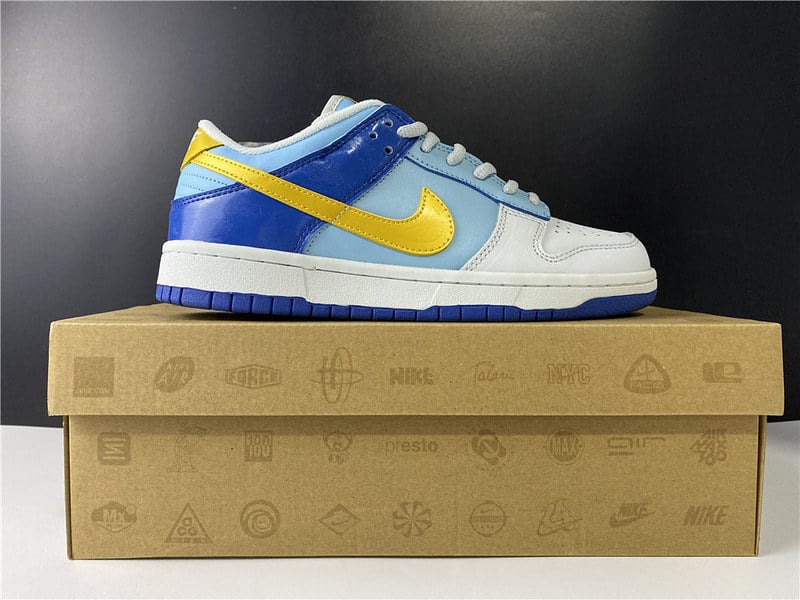
Nike created the Dunk in 1985 as a court shoe for college teams. The company made different colorways to match various schools.
Players wore them, but the shoe really took off when skateboarders discovered how well it performed. The chunky silhouette and flat sole provided excellent board feel.
Skate shops started stocking Dunks in the early 2000s. Nike released special versions designed specifically for skating, which legitimized the crossover.
Recent years have seen the Dunk reach extraordinary popularity. Limited releases sell out instantly.
The resale market for certain colorways pushes prices into hundreds or thousands. Nike releases dozens of versions each year, and demand remains high.
Vans Sk8-Hi
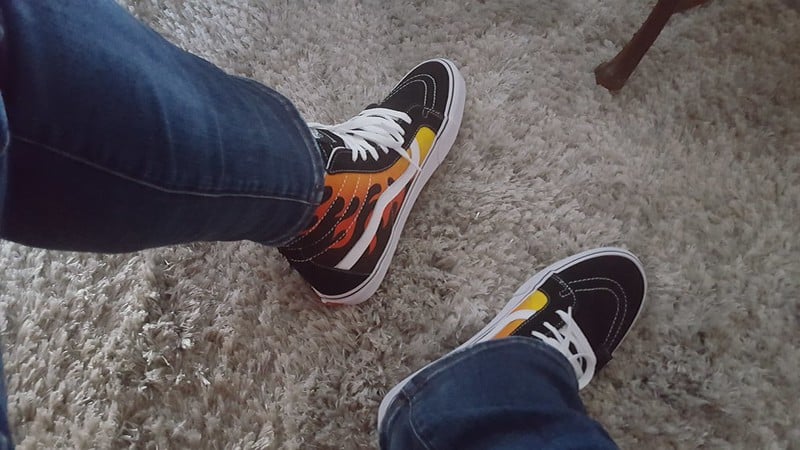
The high-top version of Vans’ skate shoe launched in 1978. The ankle support appealed to skateboarders attempting more technical tricks.
The padded collar protected ankles from impacts. Different patterns and materials have kept the Sk8-Hi interesting.
Checkerboard prints became particularly associated with the shoe and with Vans as a brand. The design works as a blank canvas for collaborations.
Musicians adopted the shoe almost as quickly as skaters did. Punk and alternative rock bands wore Sk8-His on stage and in photos.
That visibility helped push sales beyond just the skateboarding community.
Reebok Classic Leather
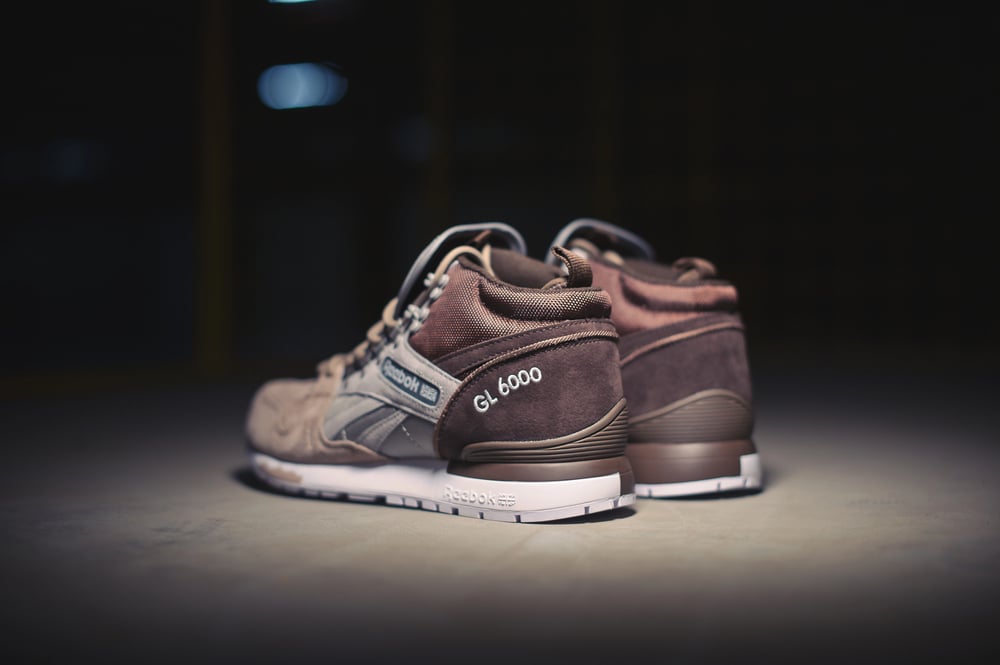
Reebok released this running shoe in 1983. The soft leather upper provided comfort during workouts.
The simple design made it suitable for wearing outside the gym too. The shoe became a staple in hip-hop fashion during the 1980s and 1990s.
The clean look paired well with tracksuits and jeans. Reebok kept producing the Classic Leather even as running shoe technology advanced far beyond it.
Retro appeal drives current sales. People appreciate the straightforward design and the connection to 1980s style.
The shoe represents a time before running shoes got complicated with excessive technology and features.
What They All Share
These shoes succeeded because they solved problems without overthinking them. They provided what people needed, whether that was traction on the court or durability for skateboarding.
Then they stayed consistent. The brands didn’t mess with successful formulas.
Price accessibility mattered too. Not everyone can afford premium limited releases.
These shoes remained attainable for regular buyers. That accessibility built the massive sales numbers that define them as best-sellers.
Where Sneakers Go From Here
The market never stays still. Meanwhile, fresh names pop up.
On top of that, tech gets better. Then again, styles flip each season.
Even so, some looks just keep going no matter what comes their way. Folks keep grabbing Chuck Taylors just like back in the ’50s.
Meanwhile, Air Force 1s fly off shelves in huge numbers. What makes these kicks stick around isn’t luck – it’s deeper than fashion.
Over time, they slipped into everyday life, shaping how folks show who they are. It’s tougher than making stuff that just seems trendy for a few months.
These kicks stuck around, year after year, simply by being real. They’ve stayed relevant without faking anything or chasing hype.
More from Go2Tutors!

- The Romanov Crown Jewels and Their Tragic Fate
- 13 Historical Mysteries That Science Still Can’t Solve
- Famous Hoaxes That Fooled the World for Years
- 15 Child Stars with Tragic Adult Lives
- 16 Famous Jewelry Pieces in History
Like Go2Tutors’s content? Follow us on MSN.



