15 Forgotten Athletes Who Were Once National Heroes
Sports history is filled with incredible stars whose achievements captivated entire nations. While some athletes maintain their legendary status for generations, others fade from collective memory despite once being household names.
These competitors reached the pinnacle of fame and admiration in their prime, only to slip into relative obscurity as time passed. Here is a list of 15 forgotten athletes who were once celebrated as national heroes, each with remarkable stories that deserve to be remembered.
Jim Thorpe
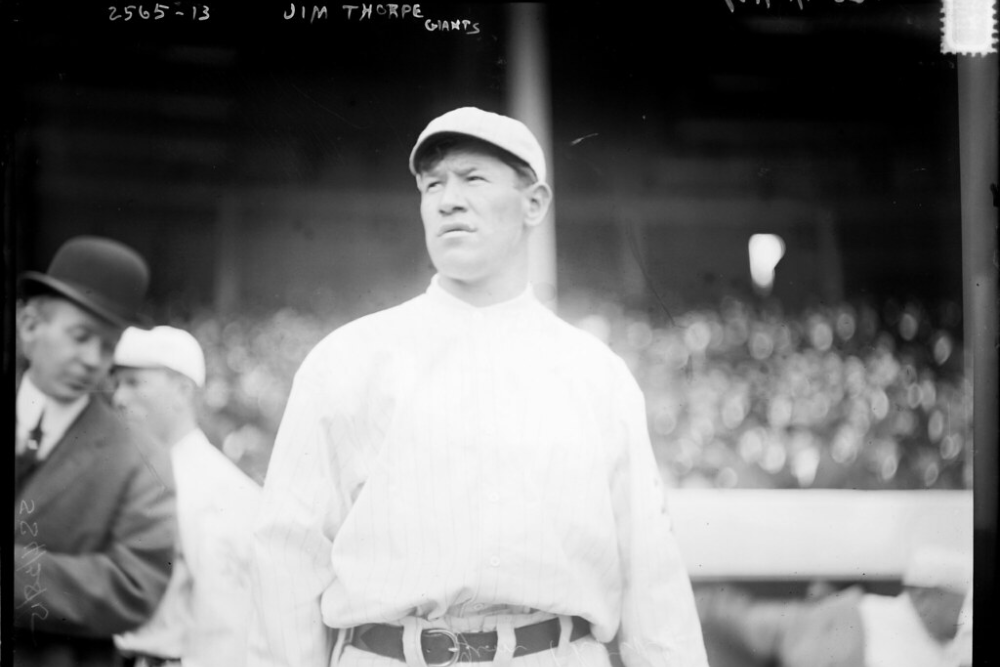
Jim Thorpe was arguably America’s greatest all-around athlete, winning Olympic gold medals in both the pentathlon and decathlon in 1912. His medals were controversially stripped after it was discovered he had played semi-professional baseball, though they were reinstated posthumously in 1982.
Despite being voted the Greatest Athlete of the First Half of the Century by the Associated Press, many Americans today are unfamiliar with his extraordinary achievements and cultural impact.
Gertrude Ederle
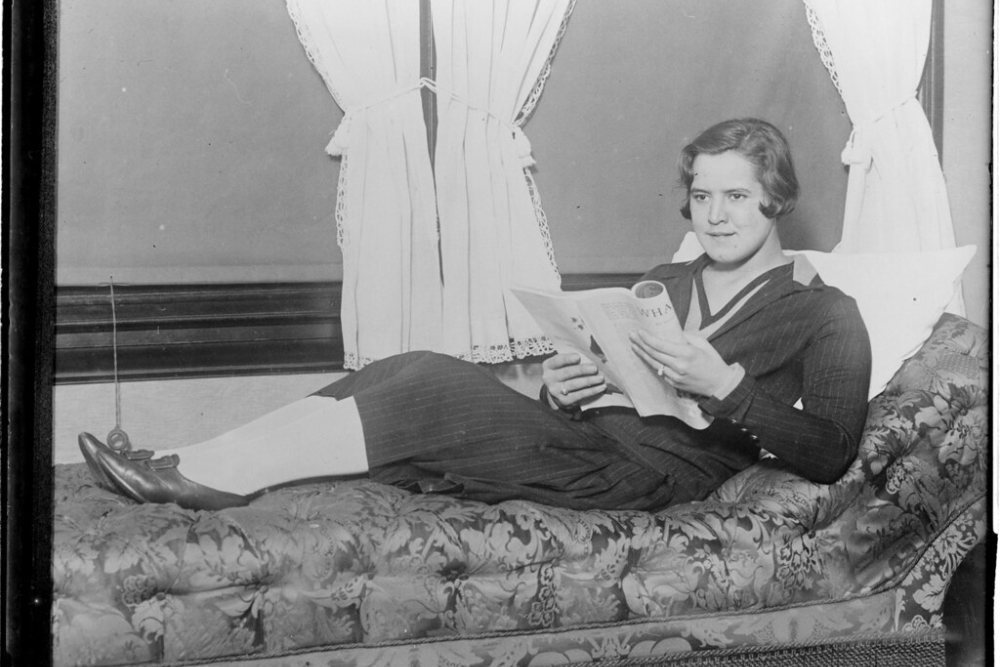
In 1926, Gertrude Ederle became the first woman to swim across the English Channel, completing the journey in 14 hours and 31 minutes—faster than any man before her. Upon returning to America, she received a ticker-tape parade attended by an estimated two million people.
Her fame rivaled that of Babe Ruth during the 1920s, yet her name has largely disappeared from popular consciousness despite her groundbreaking achievement.
Babe Didrikson Zaharias
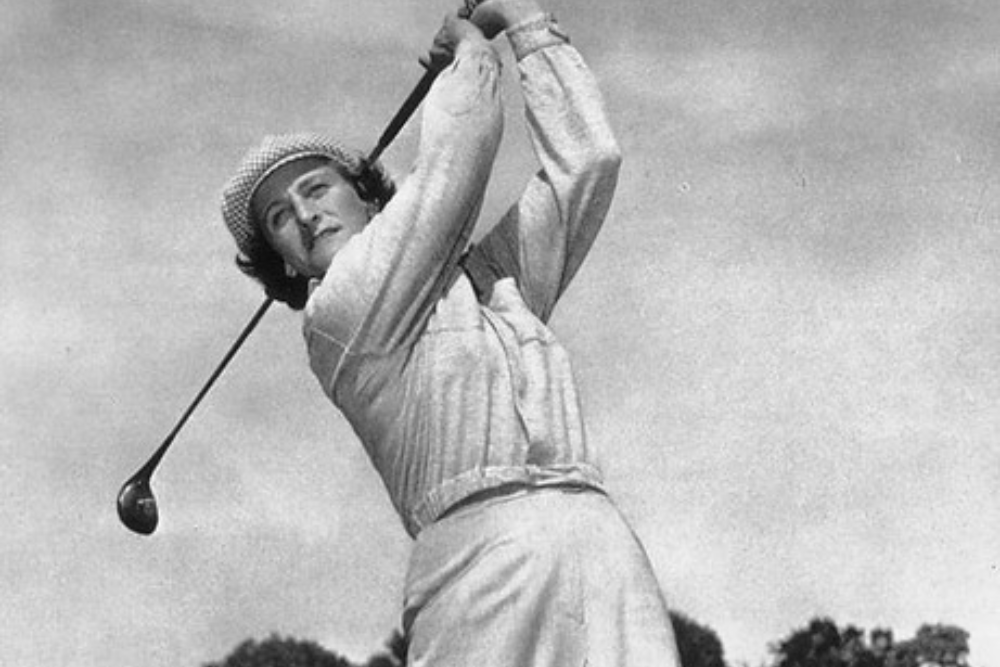
Before Serena Williams or Billie Jean King, there was Babe Didrikson Zaharias, who excelled in basketball, track and field, and golf. She won two gold medals at the 1932 Olympics and later became a founding member of the LPGA.
Zaharias dominated women’s golf, winning 10 major championships. Though she was once considered the world’s greatest female athlete, her tremendous impact on women’s sports has faded from mainstream recognition.
Billy Mills

Billy Mills provided one of the greatest Olympic upsets in history when he won gold in the 10,000 meters at the 1964 Tokyo Games. As a member of the Oglala Lakota tribe, he became the first American to win this event and set a world record in the process.
Despite the magnitude of his achievement and his status as a Native American hero, Mills’ remarkable story remains unknown to many sports fans today.
Gail Devers
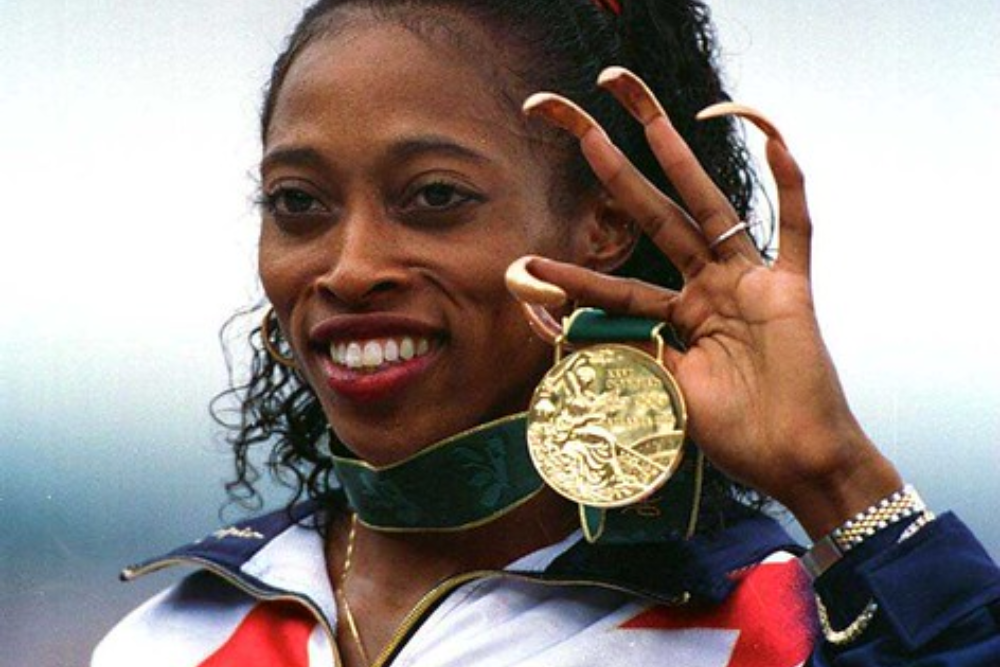
Gail Devers overcame Graves’ disease that nearly caused her to have her feet amputated, then went on to win three Olympic gold medals in the 1990s. Her comeback victory in the 100 meters at the 1992 Barcelona Olympics made her a national sensation.
Though her perseverance inspired millions, Devers’ remarkable journey has faded from public consciousness compared to other Olympic champions from the same era.
Frank Shorter
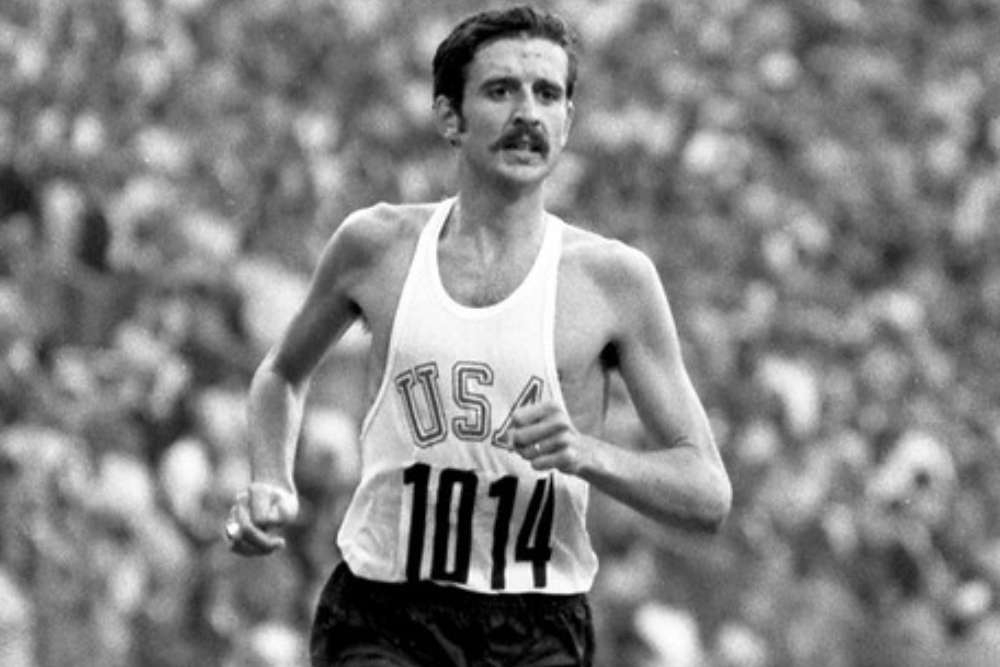
Frank Shorter’s gold medal in the marathon at the 1972 Munich Olympics triggered America’s running boom of the 1970s. His victory came against the backdrop of the terrorist attack at those Games, providing Americans with a moment of inspiration during a tragic time.
While thousands of recreational runners took up the sport because of Shorter, few casual sports fans today recognize his name or understand his profound influence on American fitness culture.
Olga Korbut
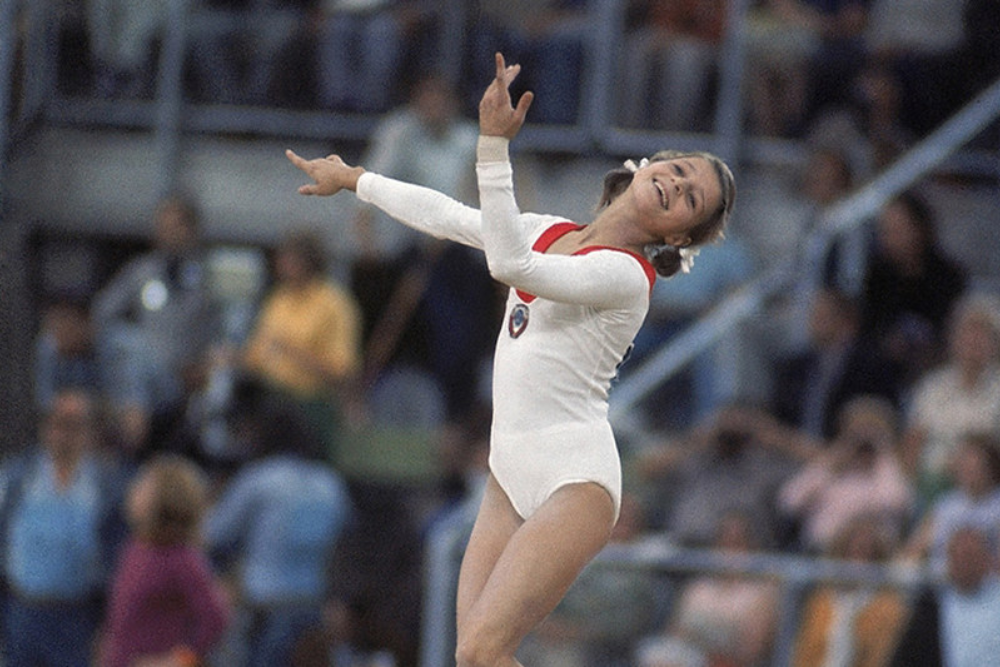
The ‘Sparrow from Minsk’ captivated worldwide audiences at the 1972 Munich Olympics with her revolutionary gymnastics and charismatic personality. Korbut’s tearful performances earned four Olympic gold medals across two Games and transformed gymnastics into a premier Olympic sport.
Despite changing her sport forever and being one of the first Soviet athletes embraced by Western audiences, her pioneering impact has been overshadowed by later gymnastics stars.
Bob Mathias
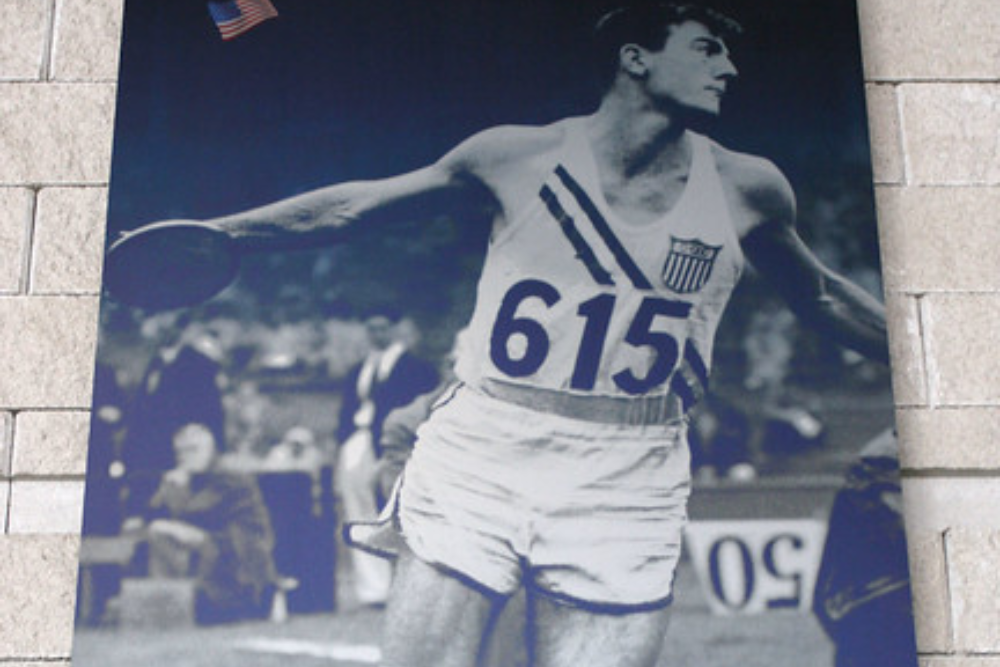
At just 17, Bob Mathias became the youngest Olympic gold medalist in the decathlon in 1948, then successfully defended his title four years later. After his athletic career, he served eight terms as a U.S. Congressman.
Though his athletic and political achievements made him a true American hero in the 1950s, his name recognition has diminished significantly with younger generations of sports fans.
Wilma Rudolph
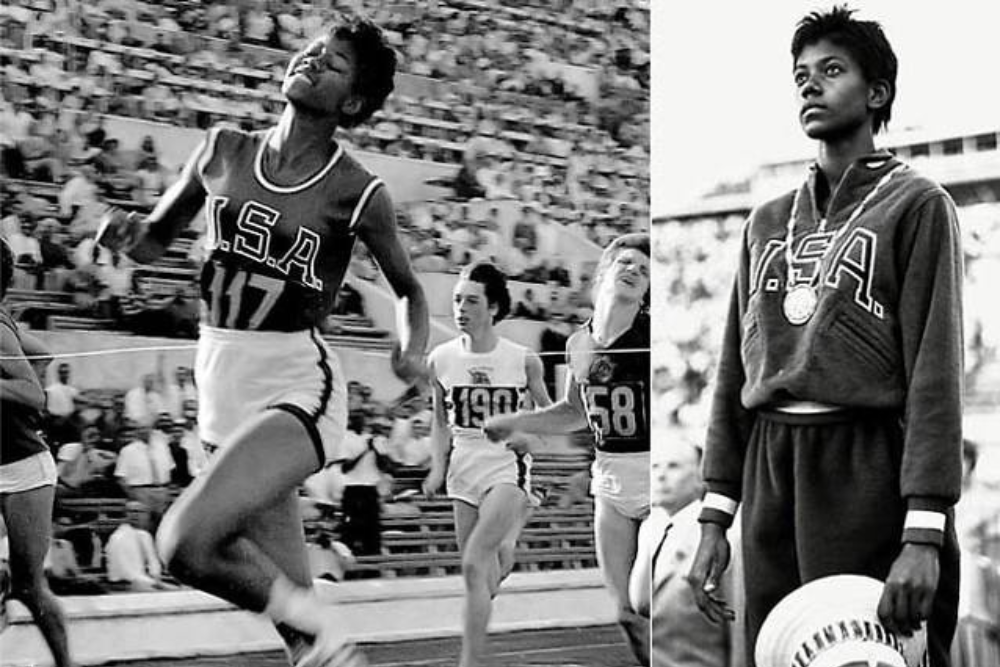
Eric Heiden accomplished something no other Olympian has—winning five individual gold medals in a single Winter Olympics, sweeping every men’s speed skating event at the 1980 Lake Placid Games. His achievement occurred during the same Games as the ‘Miracle on Ice’ hockey victory, which overshadowed his unprecedented dominance.
Despite being one of America’s greatest winter athletes ever, Heiden’s remarkable feat isn’t widely remembered outside of Olympic historians.
Al Oerter
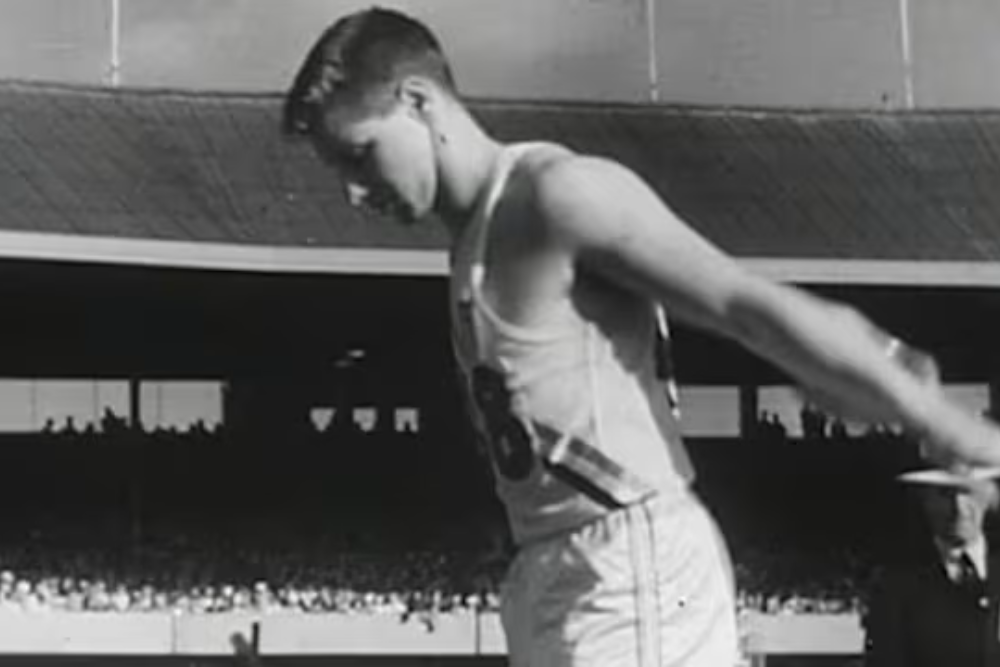
Al Oerter won gold medals in the discus throw at four consecutive Olympics (1956, 1960, 1964, and 1968), a feat of consistency unmatched in field events. He set Olympic records each time and often competed through significant injuries.
Despite this unprecedented Olympic dominance, Oerter’s name has faded from public recognition, overshadowed by more marketable track stars who competed in more visible events.
Andrea Mead Lawrence
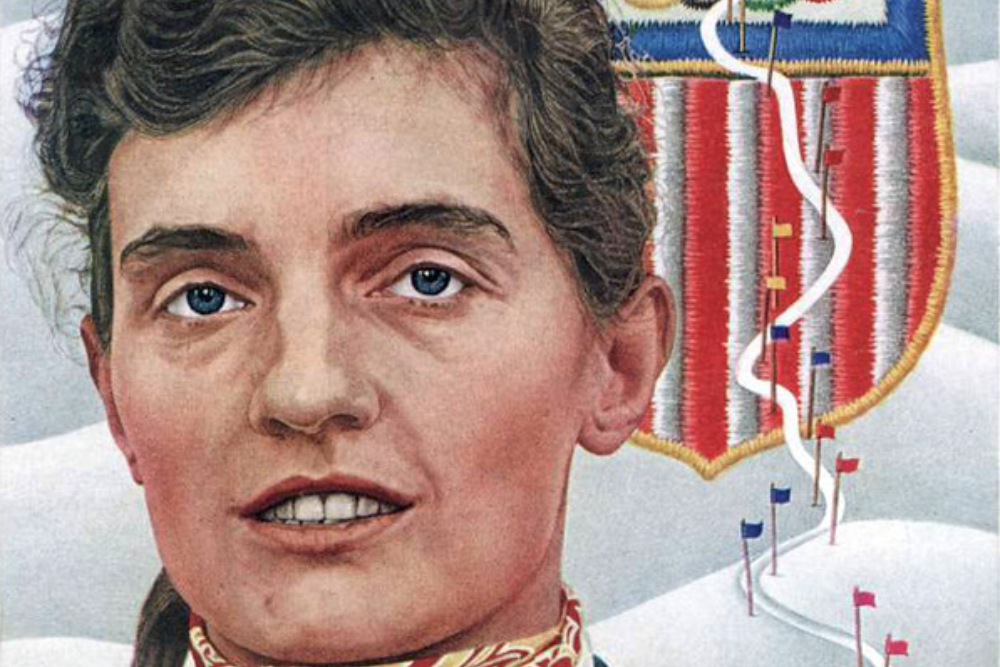
Andrea Mead Lawrence remains the only American alpine skier to win two gold medals at a single Winter Olympics, dominating the slalom and giant slalom events at the 1952 Oslo Games. Her accomplishment made her a national sensation in the early 1950s.
After her skiing career, she became an environmental activist in the Sierra Nevada region, though her athletic achievements and environmental legacy aren’t widely known to contemporary sports fans.
Paavo Nurmi
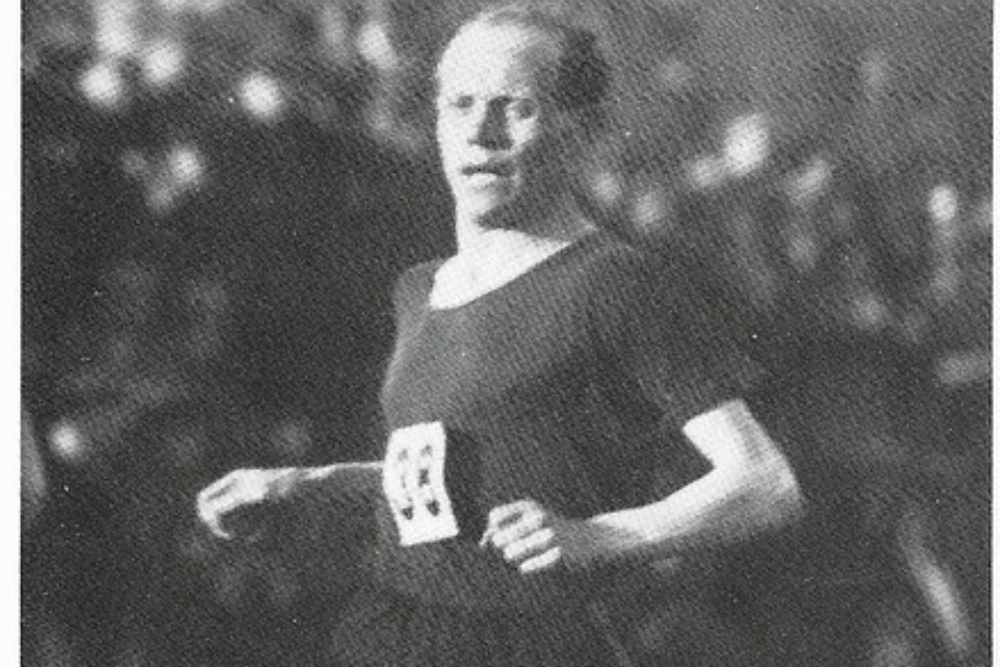
Finland’s ‘Flying Finn’ Paavo Nurmi won nine Olympic gold medals in distance running events between 1920 and 1928, setting 22 official world records. He once held the world records in the mile, 5,000 meters, and 10,000 meters simultaneously.
In Finland, Nurmi was revered with almost mythological status, his face appearing on currency and stamps. Despite being perhaps the greatest distance runner in history, his legendary status hasn’t endured internationally as it has in his homeland.
Joan Benoit Samuelson
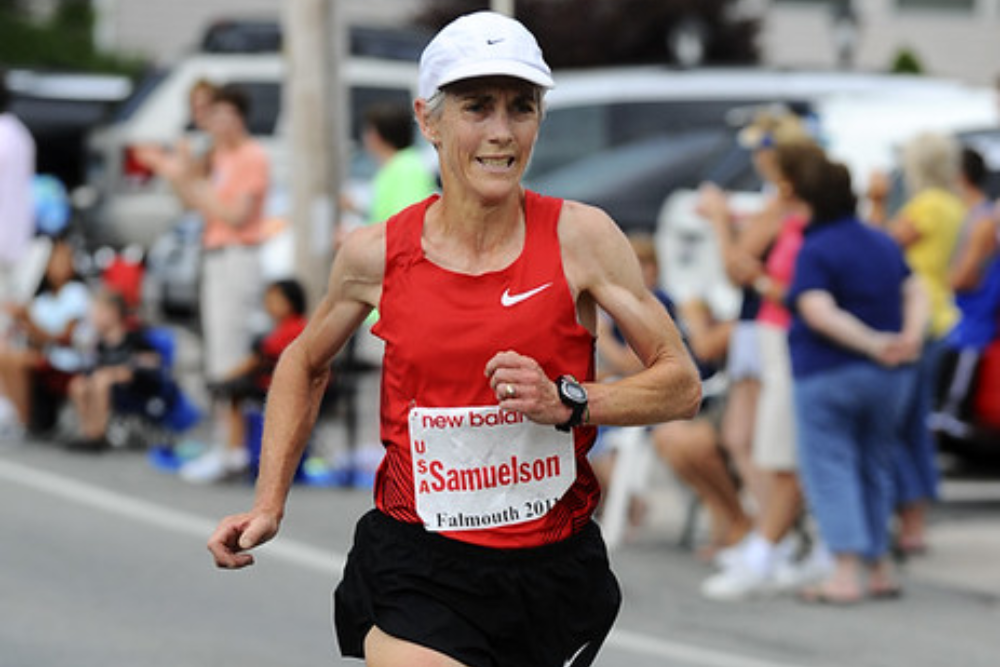
Joan Benoit Samuelson made history by winning the first-ever women’s Olympic marathon at the 1984 Los Angeles Games. Her victory came just 17 days after undergoing knee surgery and was seen as a watershed moment for women’s sports.
The image of Samuelson entering the Olympic stadium alone became an iconic symbol of women’s athletic achievement. While still revered in running circles, her broader cultural impact isn’t as recognized by general sports fans today.
Bill Toomey
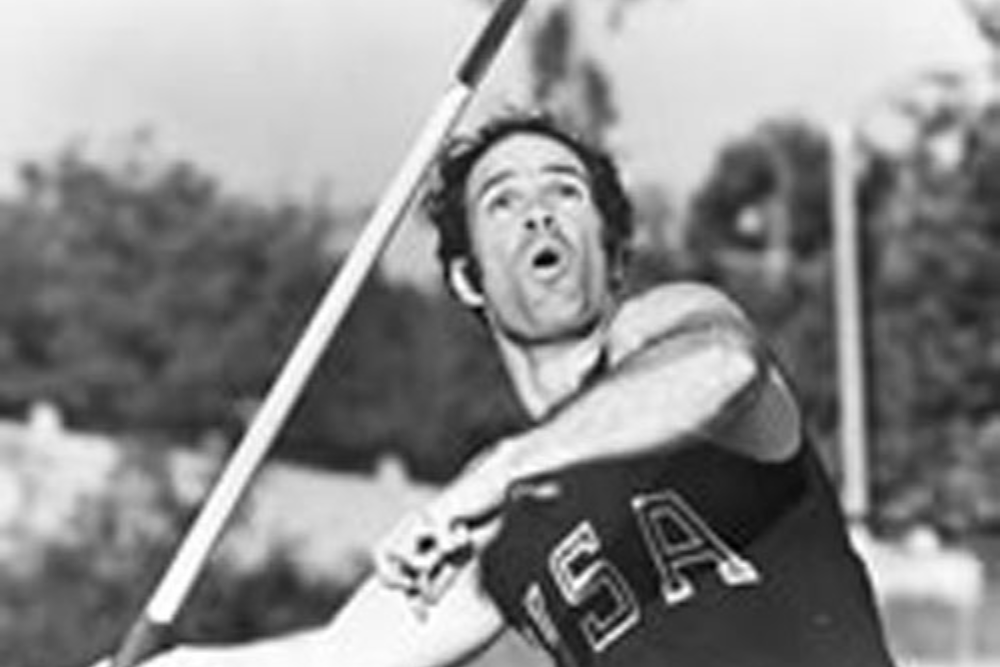
Bill Toomey dominated the decathlon in the late 1960s, winning gold at the 1968 Mexico City Olympics and setting the world record multiple times. As America’s greatest all-around athlete of his era, he appeared on the cover of Sports Illustrated and was celebrated nationwide.
Despite excelling in what was once considered the ultimate test of athleticism, Toomey’s accomplishments haven’t maintained the same historical recognition as other Olympic champions from the same period.
Legends Worth Remembering
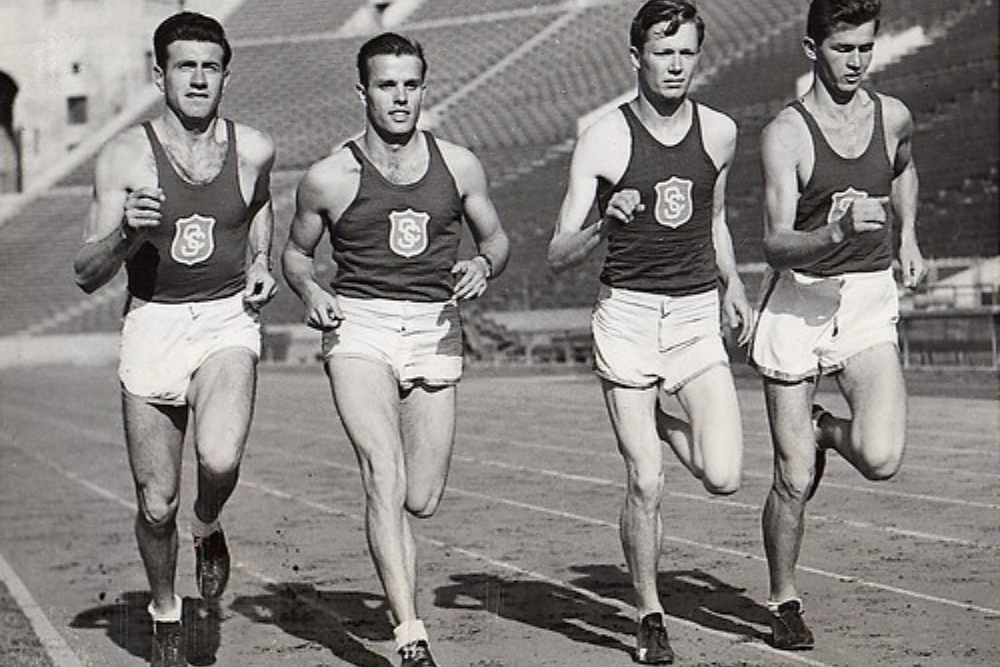
These 15 athletes represent not just sporting excellence but important cultural moments that shaped their nations. Their stories remind us that fame can be fleeting even for those who once inspired millions.
By recalling these forgotten heroes, we gain perspective on how quickly public memory shifts, while appreciating the lasting impact these remarkable competitors had on their sports and societies, regardless of whether their names remain on the tips of our tongues today.
More from Go2Tutors!

- The Romanov Crown Jewels and Their Tragic Fate
- 13 Historical Mysteries That Science Still Can’t Solve
- Famous Hoaxes That Fooled the World for Years
- 15 Child Stars with Tragic Adult Lives
- 16 Famous Jewelry Pieces in History
Like Go2Tutors’s content? Follow us on MSN.