15 Fine Dining Etiquette Rules That Even Wealthy People Break
Fine dining etiquette operates within a complex world of unspoken rules. Even seasoned restaurant-goers can feel uncertain about their table manners when faced with these protocols. Originally designed to create elegant dining experiences, these rules have multiplied and become so specific that virtually everyone violates them regularly.
What’s particularly ironic is how many of the wealthiest diners — those who frequent the most exclusive establishments — are just as likely to commit these etiquette mistakes as anyone else. These breaches of dining protocol happen at every economic level, from improper utensil placement to incorrect wine handling.
Here is a list of 15 fine dining etiquette rules that even the most affluent diners routinely ignore.
Never Cut Your Bread with a Knife
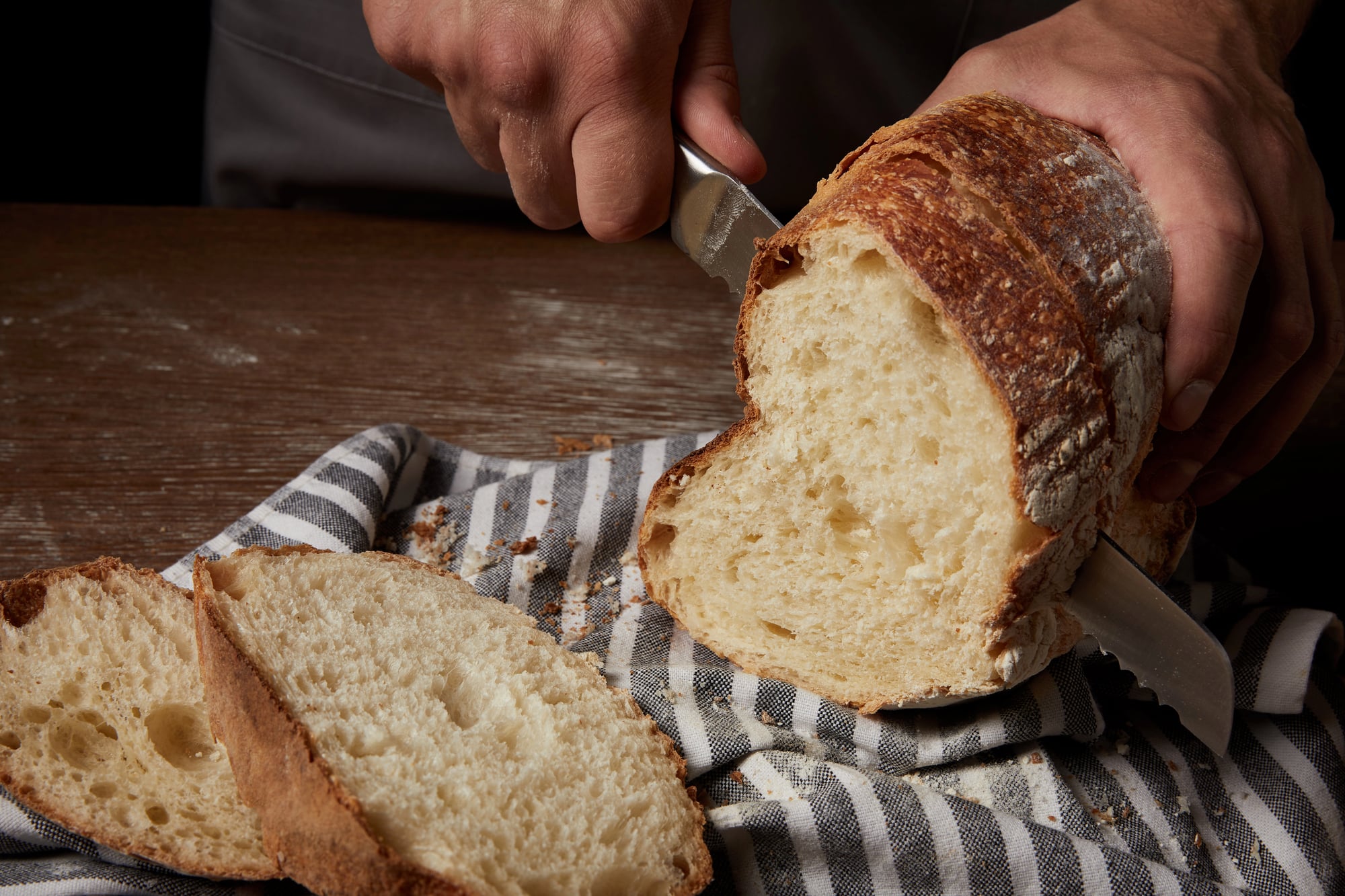
Proper bread consumption involves tearing it into bite-sized pieces with your hands — not slicing it with a knife like you would at home. Most diners automatically reach for their knife when confronted with a dinner roll or artisanal bread, regardless of their wealth or dining experience.
Don’t Season Food Before Tasting It
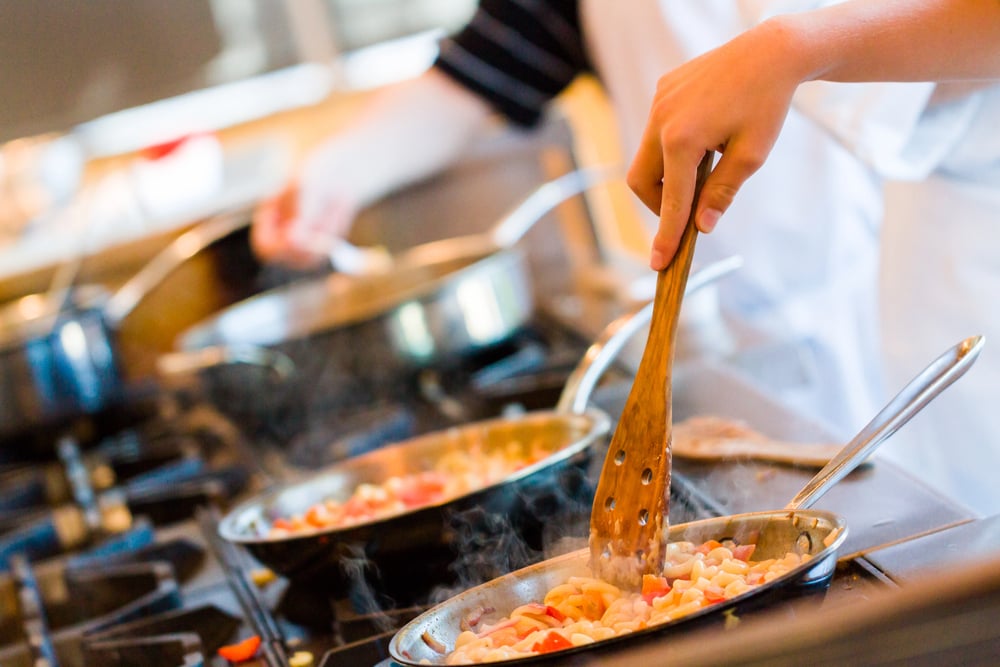
Adding salt or pepper to your dish before taking a bite is considered an insult to the chef. It suggests you don’t trust their seasoning abilities.
Yet even experienced fine diners often reach for the salt shaker out of habit — particularly when dining at familiar restaurants where they know their preferences.
Keep Your Hands Visible on the Table
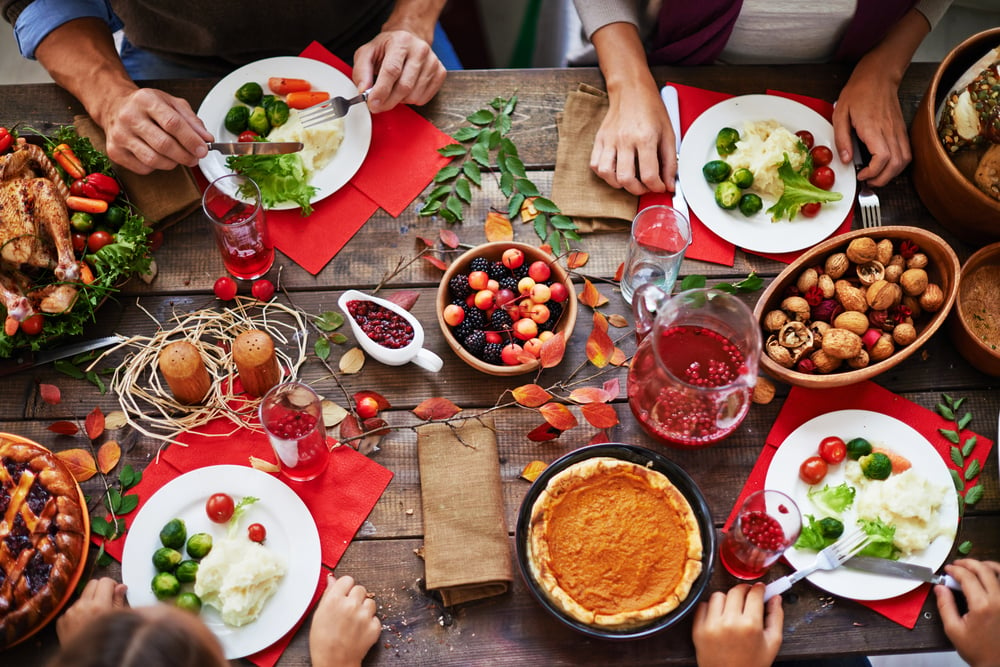
European dining etiquette requires keeping both hands visible above the table at all times, with wrists resting on the table edge. American diners frequently place their non-dominant hand in their lap between bites — which violates traditional fine dining protocol in upscale establishments.
Don’t Talk with Food in Your Mouth

This seemingly obvious rule gets broken constantly during animated business discussions or social conversations at expensive restaurants. Even the most sophisticated diners get caught up in important conversations — forgetting to finish chewing before responding to questions or making points.
Place Your Napkin on Your Lap Immediately
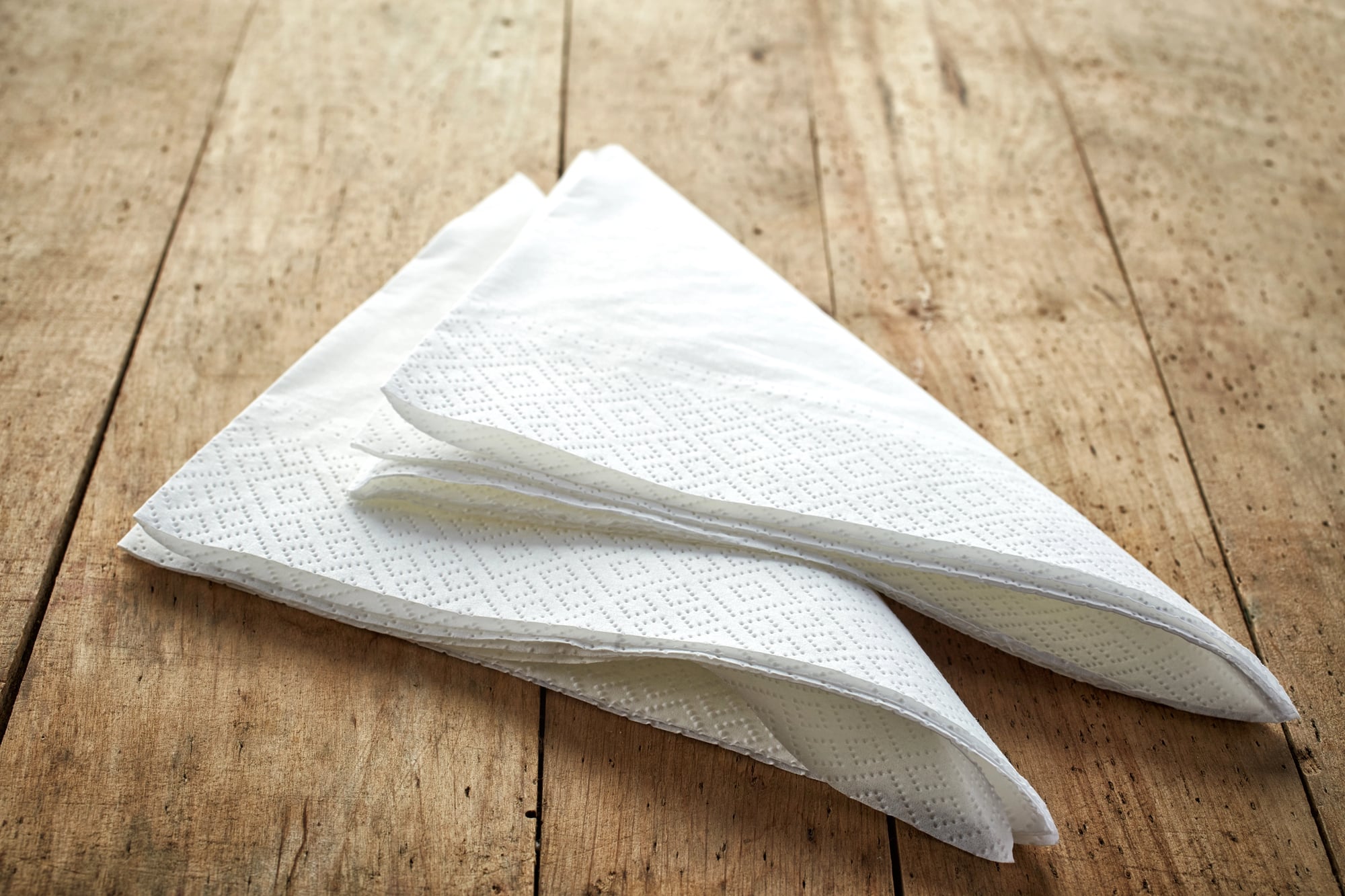
The napkin should be placed on your lap as soon as you sit down, not after the food arrives or when you remember. Many diners — including those accustomed to fine dining — often delay this step while greeting other guests or reviewing the menu.
Never Stack Your Plates When Finished
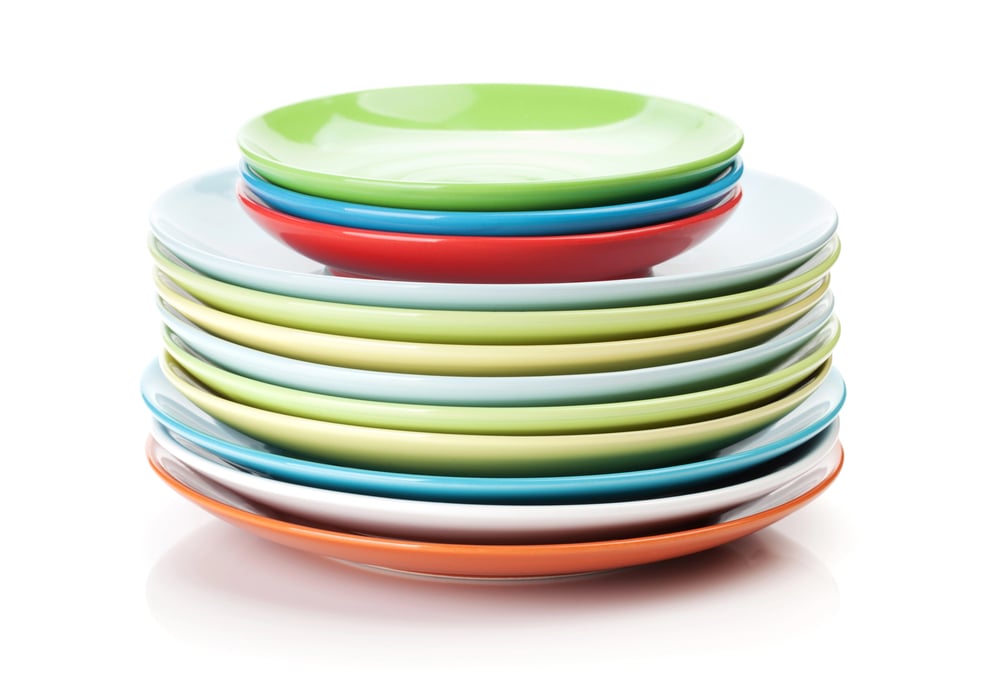
Stacking plates to help the server is considered poor etiquette in fine dining establishments, where staff prefer to clear each plate individually. Well-meaning diners often stack their dishes out of politeness — not realizing they’re actually creating more work and violating protocol.
Keep Your Phone Completely Hidden

Placing your phone on the table, even face down, is a major etiquette violation. It suggests your dining companions aren’t worthy of your full attention.
Wealthy business diners frequently break this rule — keeping devices visible for ‘important’ calls or messages during meals.
Don’t Point with Your Utensils
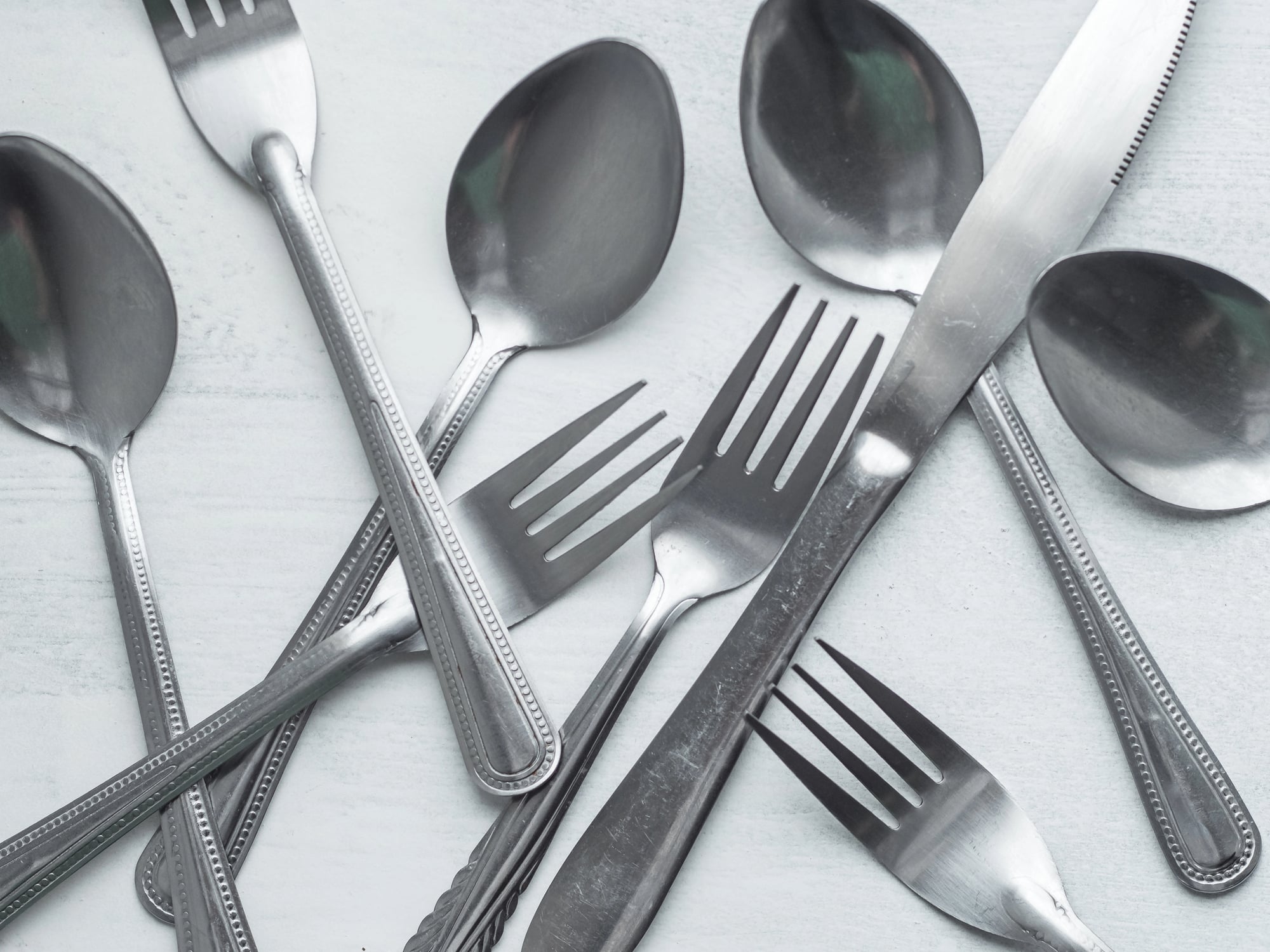
Using your fork or knife to gesture or point while speaking is considered crude, yet it happens frequently during animated dinner conversations. Even experienced fine diners unconsciously use their utensils as extensions of their hands — making emphatic points during discussions.
Wait for Everyone to Be Served

Beginning to eat before everyone at the table has received their food violates basic dining courtesy. Hot food can be tempting, though — and many diners start eating immediately when their plate arrives, especially during business lunches where conversation continues throughout the meal.
Never Use a Toothpick at the Table
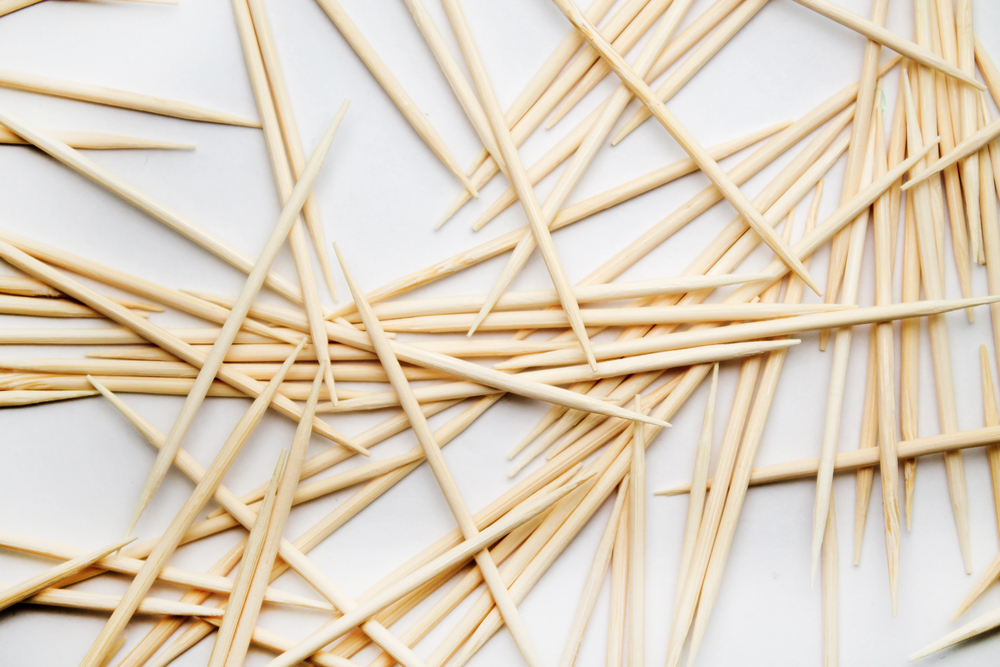
Using toothpicks, even discreetly, is completely forbidden at fine dining establishments where such items aren’t even provided. Diners occasionally forget this rule, especially after meals with fibrous vegetables or meat that might get stuck between teeth.
Don’t Apply Makeup at the Table

Any personal grooming, including lipstick touch-ups or checking your appearance, should be done in the restroom rather than at the table. Even sophisticated women sometimes pull out compact mirrors for quick checks, particularly during long business dinners or social events.
Never Turn Your Wine Glass Upside Down
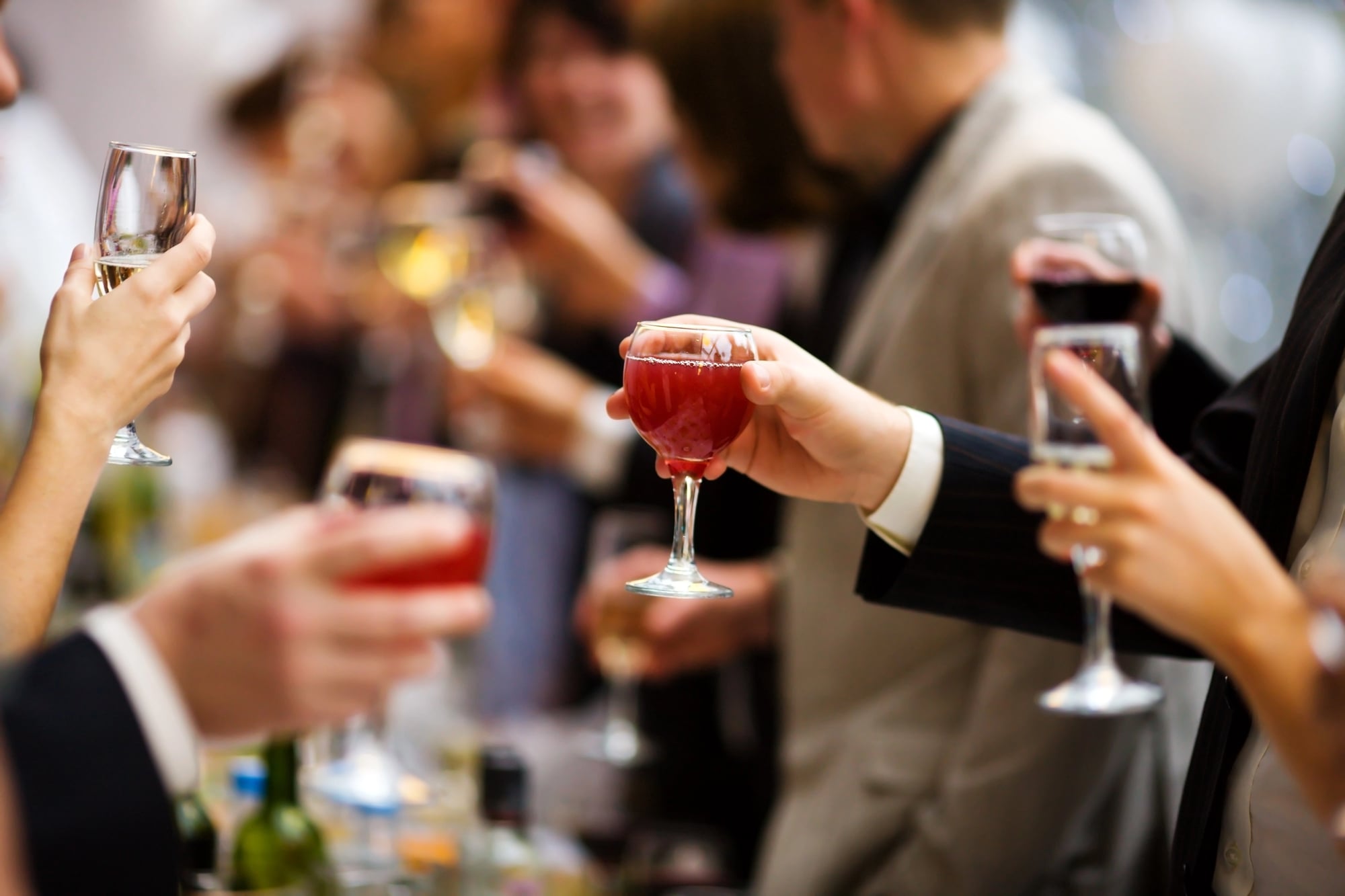
To decline wine service, you should simply place your hand over the glass or politely tell the server ‘no thank you’ rather than inverting the glass. Many diners flip their wine glasses upside down thinking it’s a clear signal.
However, it’s actually considered improper and can damage the glass.
Don’t Hold Your Fork Like a Pen

The proper grip involves holding your fork with your index finger along the back of the handle, not like you’re writing with a pencil. Most American diners naturally use the ‘pen grip,’ which violates European-style fine dining etiquette preferred at upscale establishments.
Never Leave Your Utensils Crossed on Your Plate
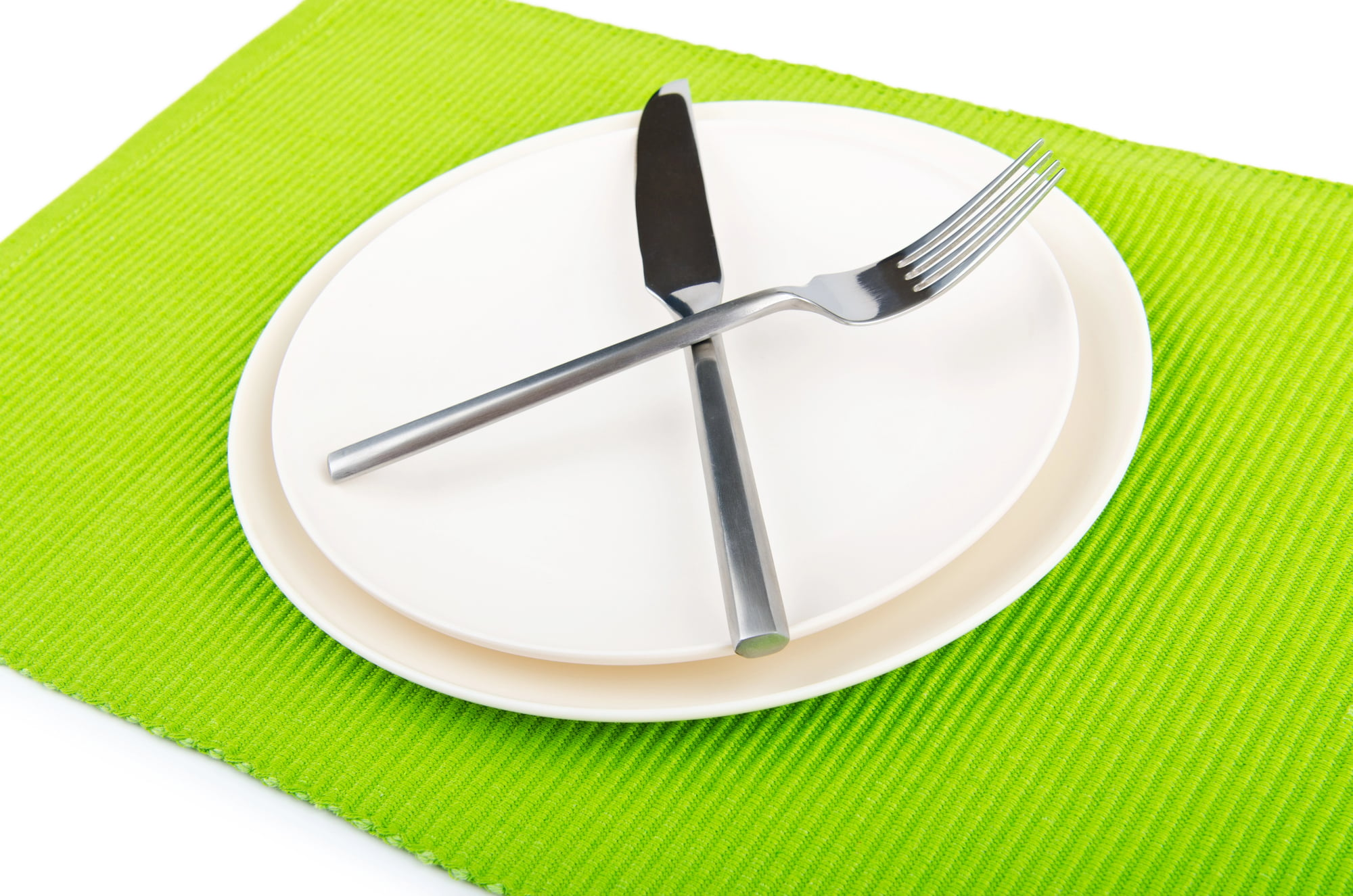
Crossing your knife and fork on your plate signals to the server that you’re still eating. Parallel placement indicates you’re finished.
Many diners place their utensils haphazardly without considering the signals they’re sending to restaurant staff.
Don’t Order the Most Expensive Item When Someone Else Pays

When dining as someone’s guest, etiquette requires ordering something moderately priced rather than the priciest option on the menu. Business dinners often see this rule broken when guests assume their host expects them to order premium items to demonstrate the restaurant’s quality.
When Tradition Meets Reality
These etiquette rules reveal the gap between formal dining traditions and how people actually behave in restaurants. Economic status or dining experience doesn’t seem to matter much when it comes to following these protocols.
The complexity of fine dining etiquette means that even the most wealthy and sophisticated diners regularly commit these minor infractions without realizing it. Rather than feeling intimidated by these rules, it’s worth remembering that most fellow diners are probably breaking a few of them too.
After all, the most important aspect of any meal remains enjoying good food and company.
More from Go2Tutors!

- The Romanov Crown Jewels and Their Tragic Fate
- 13 Historical Mysteries That Science Still Can’t Solve
- Famous Hoaxes That Fooled the World for Years
- 15 Child Stars with Tragic Adult Lives
- 16 Famous Jewelry Pieces in History
Like Go2Tutors’s content? Follow us on MSN.



