Cocktail Origins Most Get Wrong
Stories trail every drink poured behind the counter, though most are spun from thin air. A favorite cocktail’s origin often hides beneath layers of tall tales people enjoy hearing.
Truth tends to fade after just one round, let alone a hundred repeats. For ages, bartenders have offered these fictions freely.
Some myths linger far past their welcome. Funny how truth spills out when you dig into drink stories – messy, odd, yet somehow brighter than legend.
These cocktails? Everyone thinks they know where they came from. Wrong.
Margarita
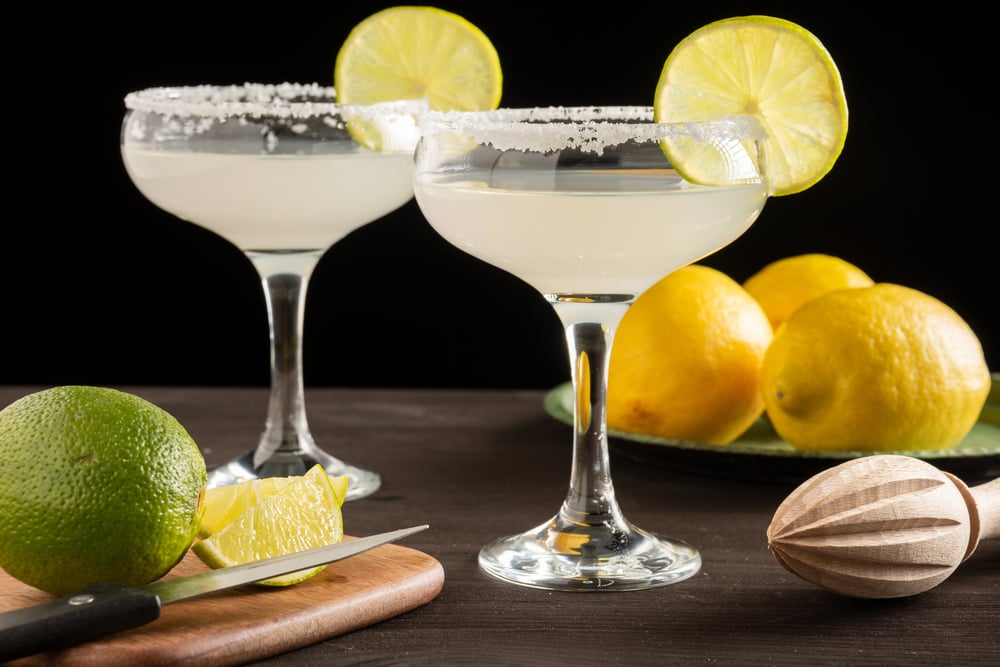
One tale says a Tijuana bartender whipped up the Margarita for a performer called Margarita, sometime in the 1930s or maybe the next decade. Sounds neat – except nearly every version points to another mixologist saying he was first, each with his own dramatic twist.
Truth is, it likely grew out of the Daisy, a drink blending booze, sour juice, and sugar, which makes sense given that margarita translates to daisy down south. Who actually dreamed it up?
Still unclear. Yet people keep telling the actress yarn simply because it beats shrugging at mystery drowned in decades of salty rims and spilled shots.
Mojito
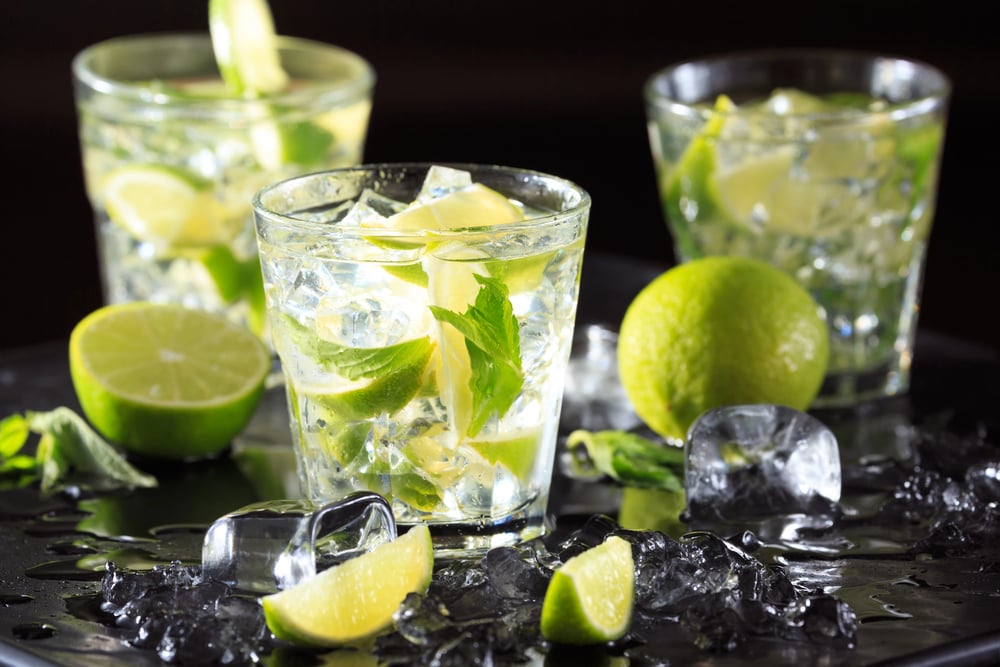
It was never Hemingway who created the Mojito’s popularity, even though folks love saying so. He showed up at La Bodeguita del Medio sipping one now and then, true enough.
Yet the cocktail already lived in Cuban hands well before his arrival. Way earlier, some think it began as El Draque – a bitter mix sailors drank during Queen Elizabeth’s time to hide foul spirits.
Once cold ice arrived on scene, around the 1800s likely, bar workers shaped what we know today. Handing him full praise skips past generations of island tradition quietly stirring beneath.
Caesar
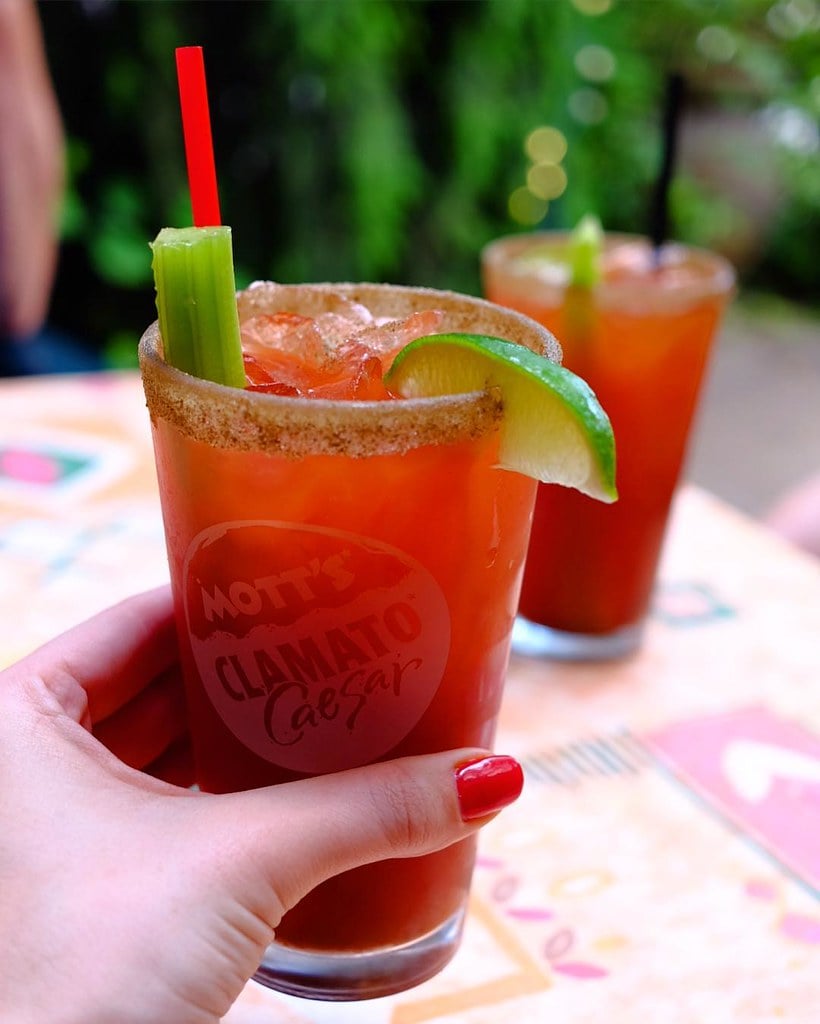
People from Canada tend to be protective of this drink since it started there, not in Italy or elsewhere. Back in 1969, a man who made drinks at a bar in Calgary invented it for a brand-new Italian place.
His goal? Capture the flavor of pasta with clams – odd idea, yes, yet somehow it clicks once you taste it.
Vodka mixed with tomato-clam liquid and seasonings turned into something almost sacred across Canadian bars. Yet south of the border, folks mix it up with the Bloody Mary, thinking it must have been born someplace flashier than an Alberta city.
Pina Colada
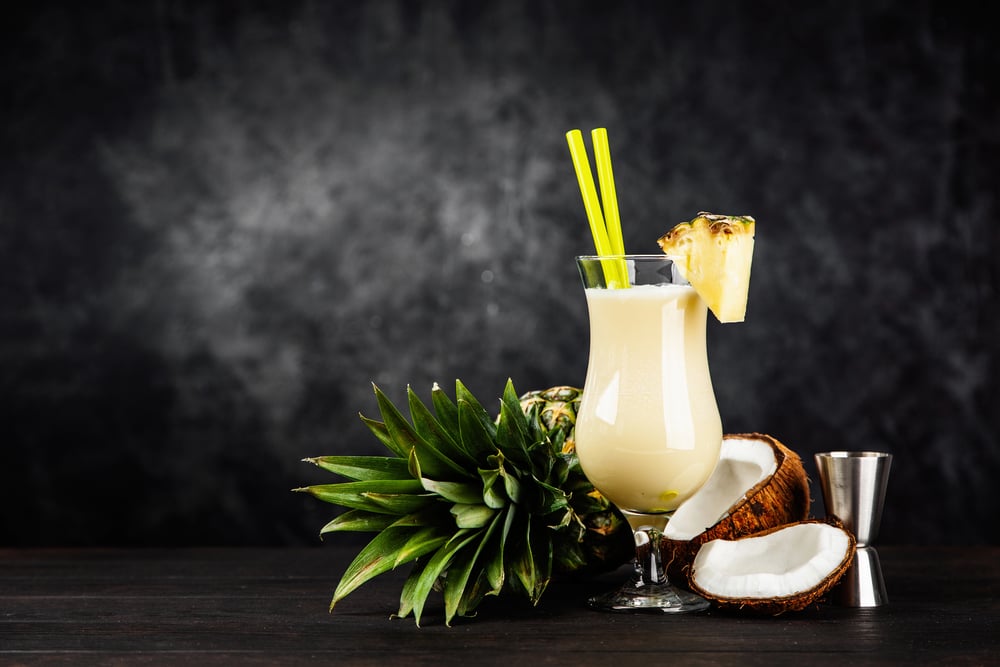
San Juan’s drink history gets tangled when talking about who first poured a Pina Colada. One claim points to the Caribe Hilton, where they say Ramón Marrero cracked the recipe in 1954 following endless tries.
Then again, Barrachina Restaurant talks just as loud, backing their own man, Don Ramón Portas Mingot, placing him at the bar in 1963. Curiously, neither place brings up old tales of Puerto Rican pirates blending rum, pineapple, and coconut ages ago.
Those sailors worked without today’s tools – no creamed coconut, no electric mixers. Fact is, the cocktail we know now took shape somewhere between the fifties and sixties.
Yet naming its true originator? That detail slips through every net.
Cosmopolitan
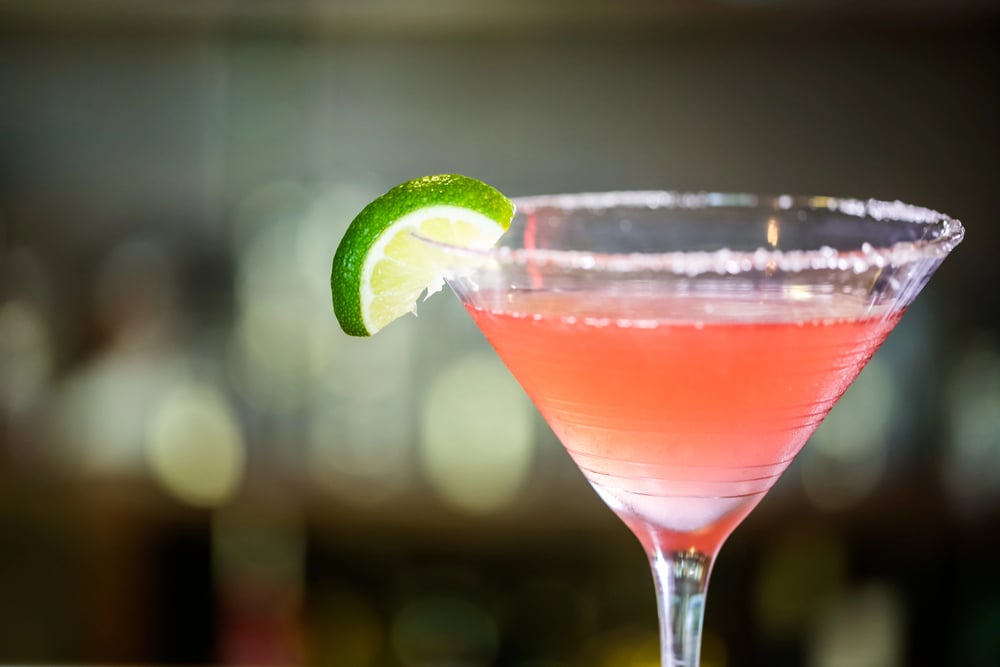
Not in a hip Manhattan lounge did the Cosmo first appear, contrary to popular belief. Back in the 70s, someone mixing drinks in Provincetown reached for vodka, poured in cranberry, then squeezed lime.
That early mix changed later when Cheryl Cook, working behind a bar in Miami, gave it a softer look – pinker, more polished. By the late 80s, another shift came through Toby Cecchini who used citrus-infused vodka instead, including Cointreau.
His tweak became the one sipped across America after a TV series turned it into a cultural staple. The spotlight settled firmly on New York, yet few recall the Cape Cod beginnings.
Irish Coffee
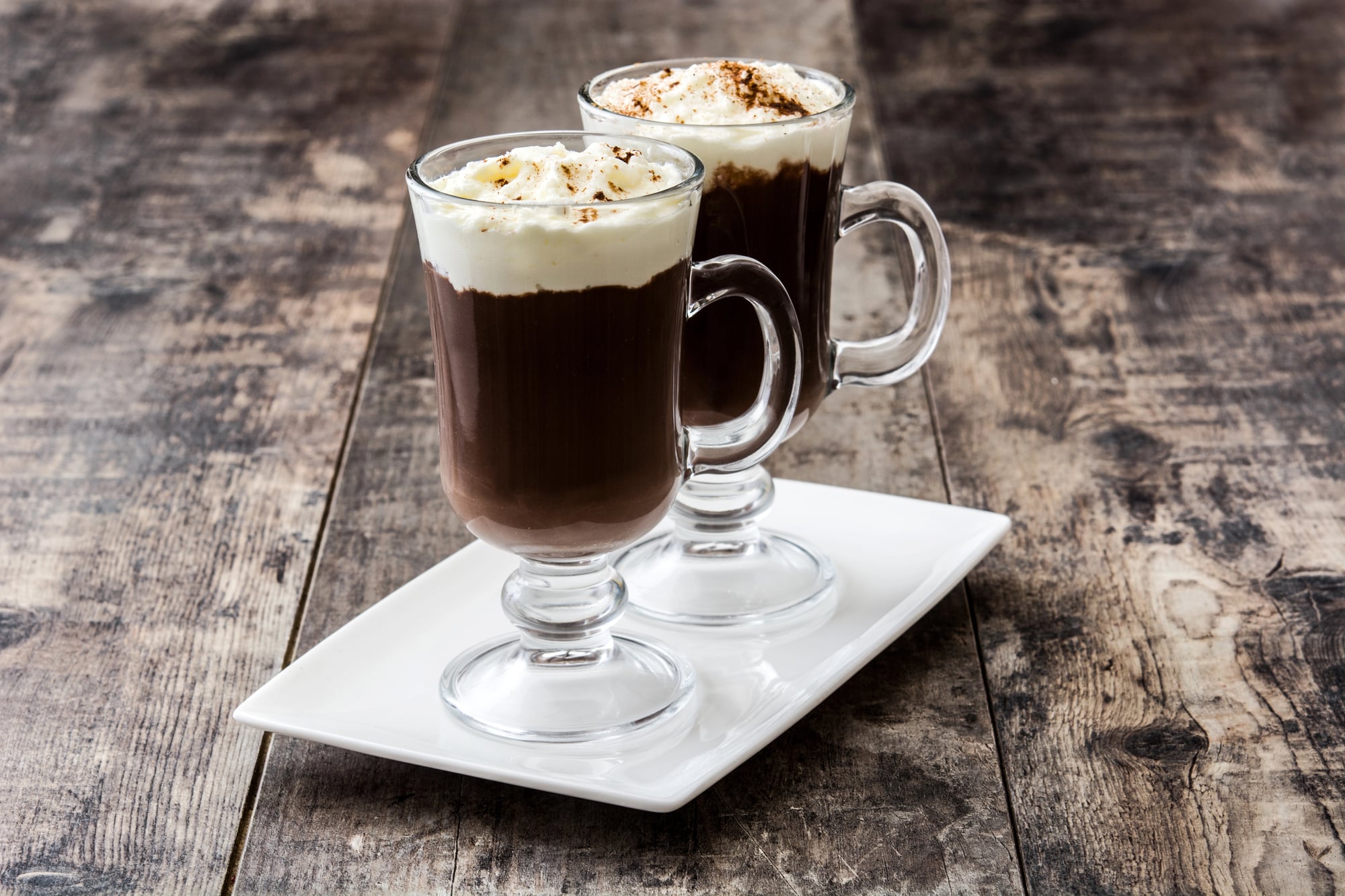
It was actually born across the ocean. Joe Sheridan, working at an Irish airport in the 1940s, mixed coffee, whiskey, and cream for shivering passengers.
That moment sparked what we now call Irish Coffee. A journalist tasted it there, carried the concept home after his flight landed in San Francisco.
Then came weeks of trial and error at the Buena Vista Cafe. They finally nailed the formula, serving it with steady hands and flair.
People lined up fast once word spread through the city. The U.S. version gained fame quicker than anyone expected.
Its popularity made some believe the drink originated locally. Still, the roots remain firmly planted in Ireland.
Recognition belongs where it began, though presentation got sharper on American soil.
Mai Tai

Trader Vic’s and Don the Beachcomber both claimed to invent the Mai Tai, leading to one of the nastiest feuds in cocktail history. Trader Vic said he made it in 1944 for Tahitian friends who declared it ‘mai tai roa ae,’ meaning ‘out of this world.’
Don the Beachcomber insisted he created it years earlier. Court battles eventually sided with Trader Vic, but the debate poisoned relations between tiki bar legends for decades.
The real tragedy is that most bars now serve a version that tastes nothing like either original recipe, loaded with pineapple juice that neither creator would have touched.
Bloody Mary
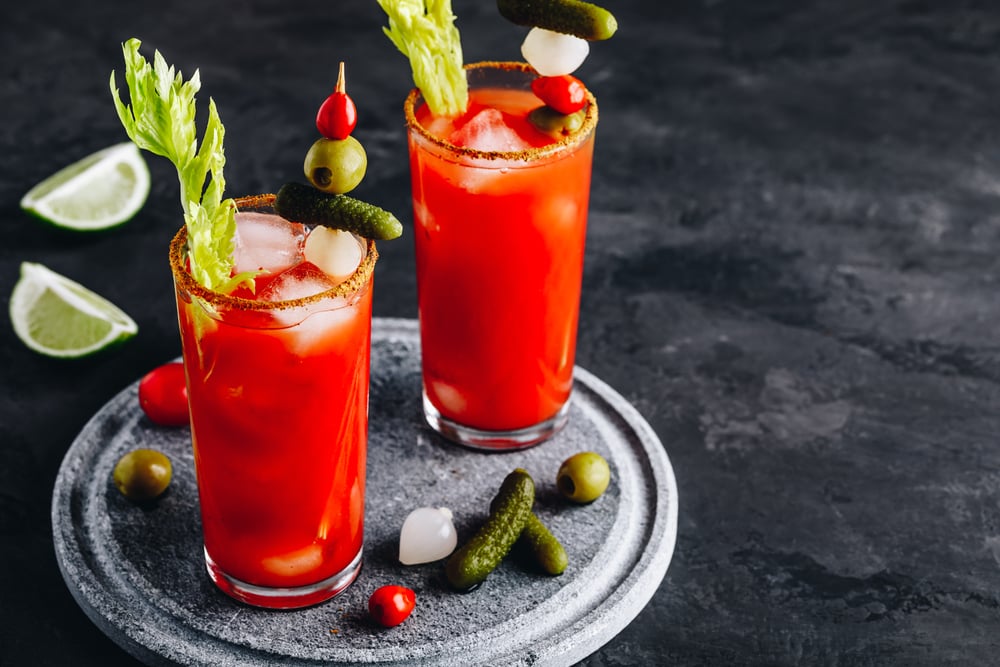
Paris, not New York, gave birth to the Bloody Mary when bartender Fernand Petiot mixed vodka and tomato juice at Harry’s New York Bar in the 1920s. He brought the recipe to New York’s St. Regis Hotel in the 1930s and added spices, making it more complex.
Some people claim a patron named Mary inspired the name, while others say it referred to Queen Mary I of England or a Chicago waitress. The Paris origin surprises people who assume such an American-tasting drink must have started in America.
Petiot kept tweaking it for years, so the version people drink now barely resembles his first attempt.
Daiquiri
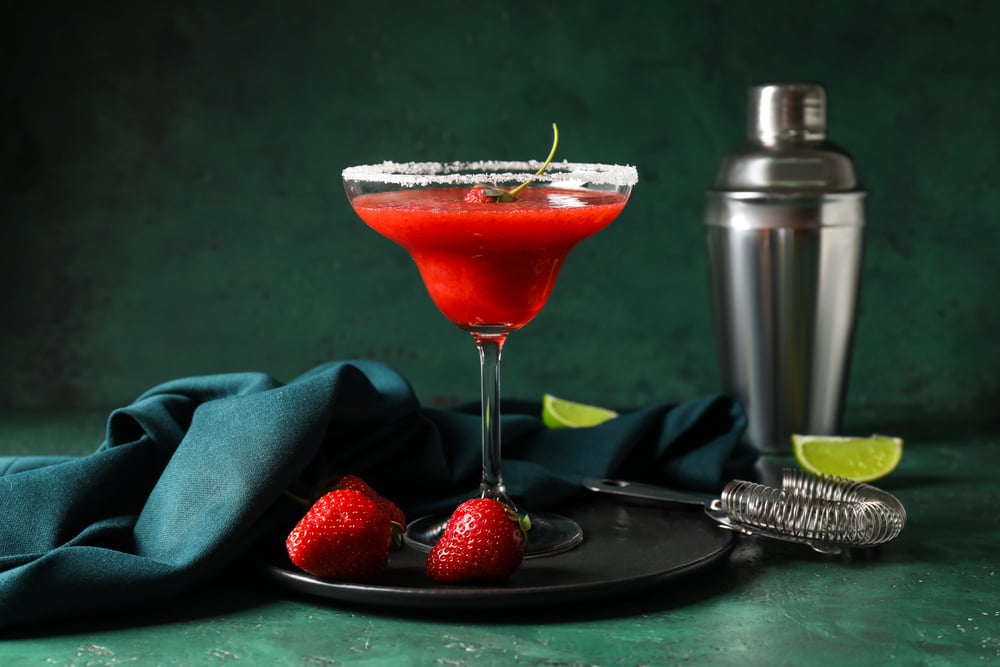
Ernest Hemingway loved daiquiris, but he didn’t invent them no matter how many bars in Key West suggest otherwise. An American mining engineer named Jennings Cox created the drink in Cuba around 1898 when he ran out of gin and improvised with local rum.
He named it after the beach near the mines where he worked. The original used lime juice, sugar, and rum over ice, nothing like the frozen slushies that most beach bars serve today.
Hemingway did create his own variation called the Papa Doble, but giving him credit for the whole drink ignores the mining engineer who actually invented it.
Moscow Mule
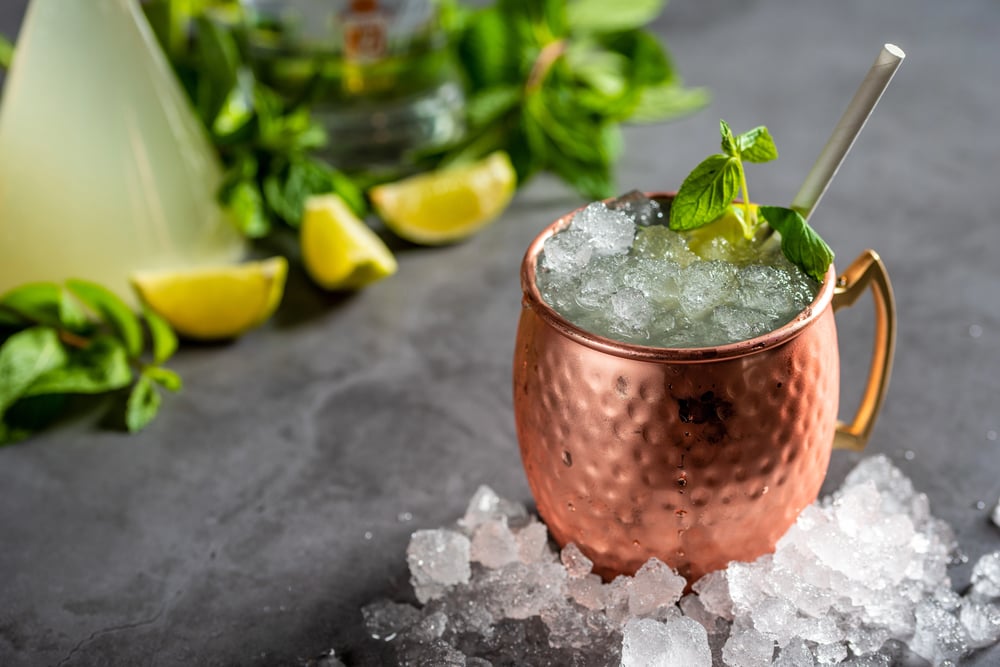
The Moscow Mule came together not from Russian tradition but from American marketing genius in 1941. A vodka distributor, a ginger beer maker, and a bar owner all had products they couldn’t sell, so they combined them and promoted the drink hard.
They even created special copper mugs and took photos of bartenders holding the drink to spread the word. The aggressive marketing campaign worked so well that people started believing the drink had exotic Russian roots.
In reality, three businessmen in Los Angeles just wanted to move inventory, and they accidentally created a classic.
Manhattan

Some say the Manhattan was invented at the Manhattan Club in New York for a party hosted by Winston Churchill’s mother in the 1870s. That story falls apart when you check the dates and realize she was in England giving birth to Churchill at the time.
The drink probably evolved gradually in New York bars during that era, with multiple bartenders making similar combinations of whiskey and vermouth. No single person can claim ownership, but the Churchill story sounds better than admitting it just sort of appeared.
New Yorkers keep telling the fancy version because it makes their city seem more glamorous.
Long Island Iced Tea
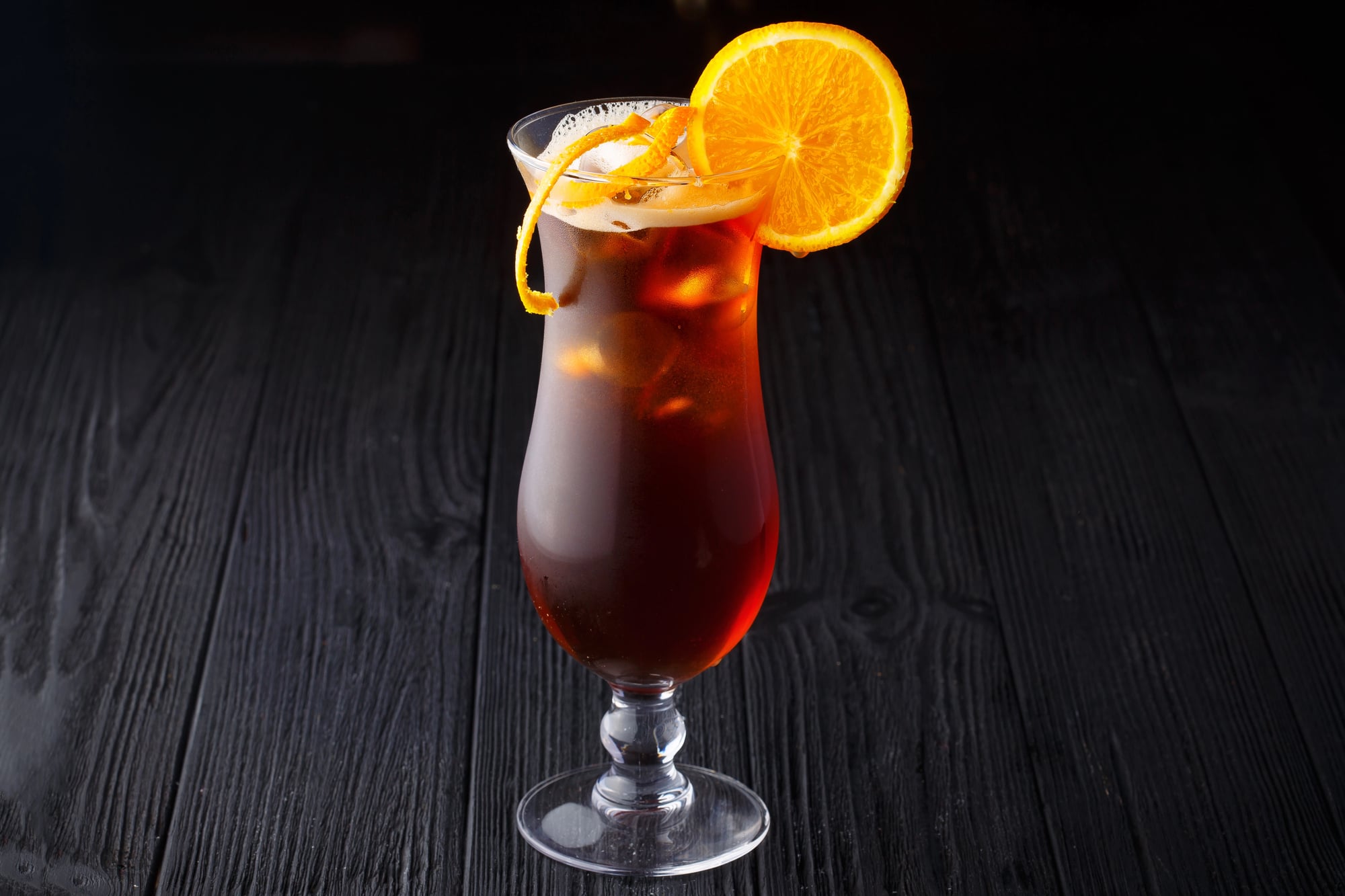
Despite the name, this drink has nothing to do with Long Island, New York, or at least not originally. A bartender in Tennessee claims he created it in the 1970s for a cocktail competition.
The New York connection probably came later when Long Island bars started serving it and tourists assumed it originated there. Some versions of the story place its creation during Prohibition when people mixed multiple liquors to hide the taste of bootleg alcohol.
Either way, calling it ‘iced tea’ when it contains zero tea and tastes nothing like tea remains one of the drink world’s strangest naming choices.
Gin And Tonic
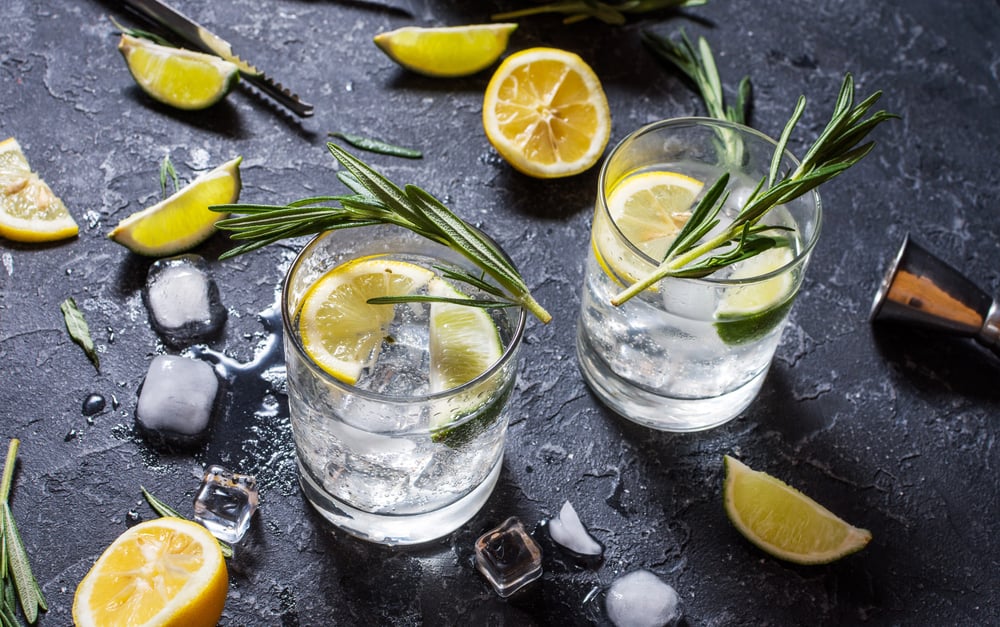
British colonials in India definitely drank gin and tonic to prevent malaria, but they didn’t invent the combination for fun. Tonic water originally contained enough quinine to work as medicine, and it tasted so bitter that soldiers mixed it with gin and sugar to choke it down.
The drink became social only after it stopped being medical. Modern tonic water contains almost no quinine compared to the old stuff, making today’s gin and tonics a pale echo of the original medicinal dose.
People think of it as a light summer drink now, forgetting it started as a way to survive tropical diseases.
Aperol Spritz
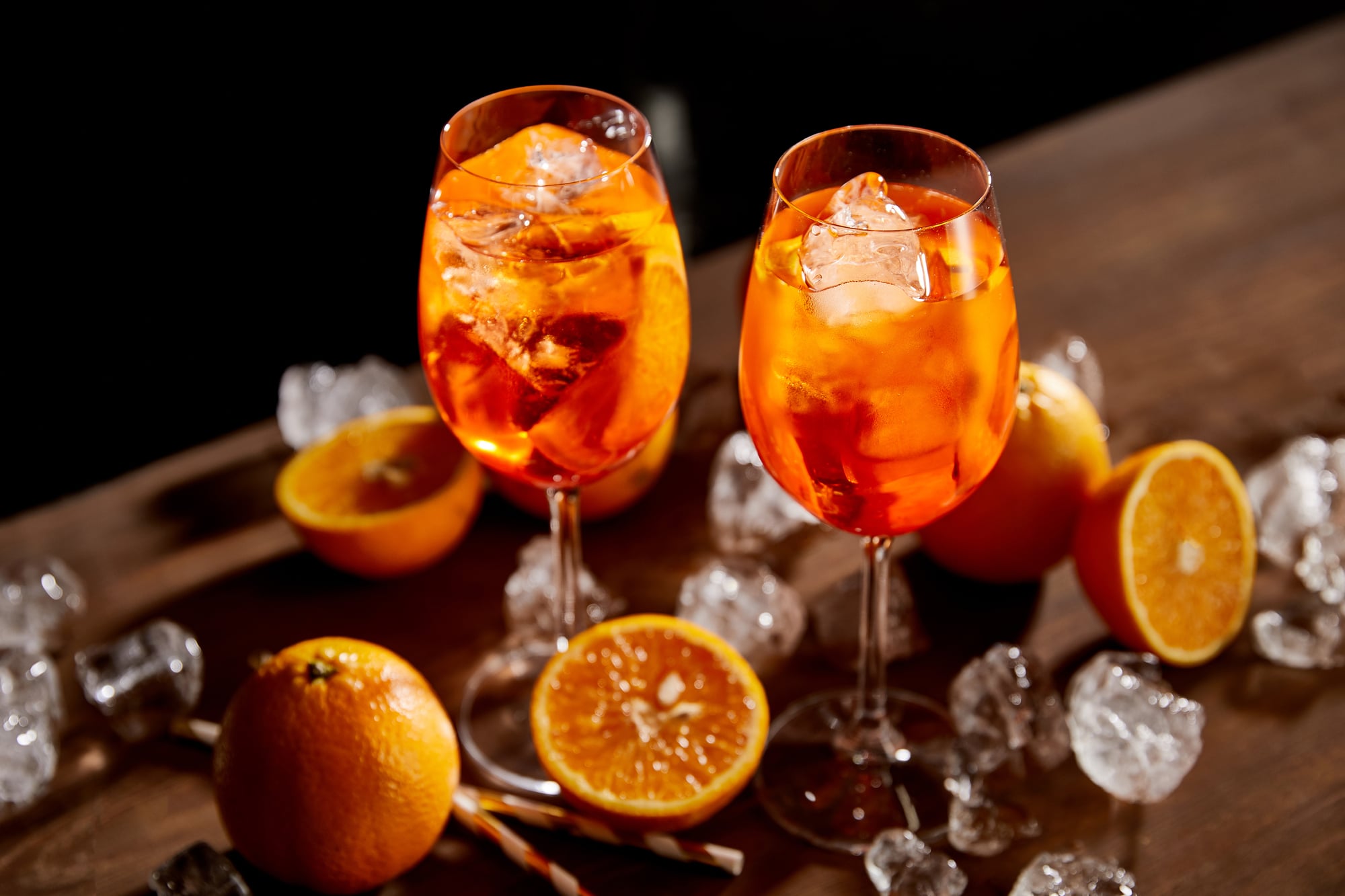
The Aperol Spritz feels ancient and Italian, but the drink in its current form only dates back to the 1950s. Aperol itself was created in 1919, and Italians mixed it with wine and soda water for decades before the official Spritz recipe got standardized.
The current bright orange version took off in the 2000s when the company launched a massive marketing push across Europe and America. Everyone assumes it’s a traditional Italian aperitivo that’s been around forever, but grandparents in Venice would barely recognize the version that dominates every summer patio now.
Espresso Martini
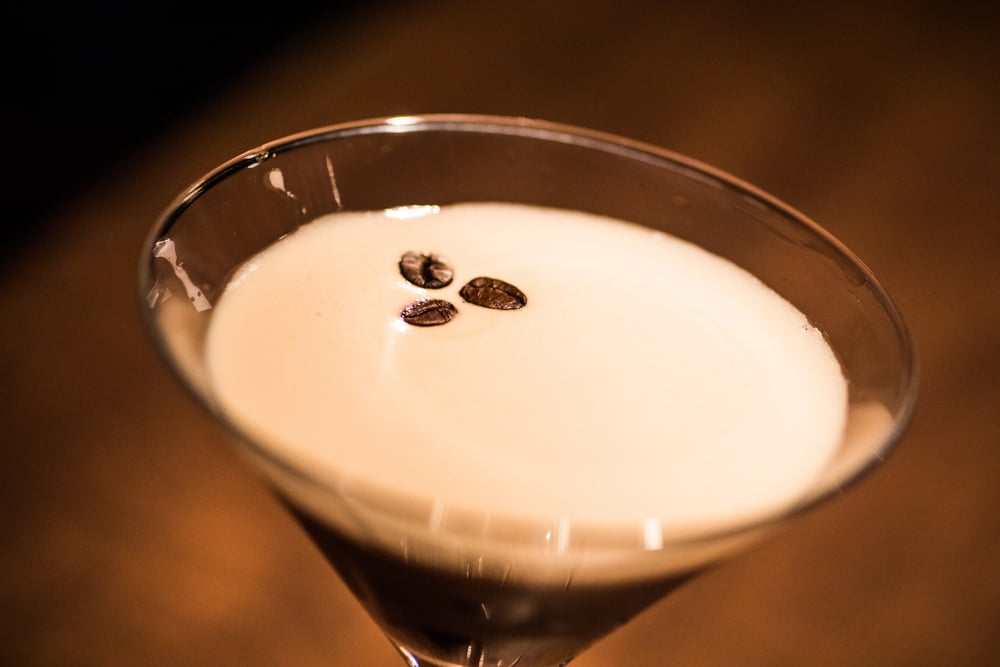
Bartender legend claims a famous model walked into a London bar in the 1980s and asked for a drink that would wake her up and then mess her up. The bartender, Richard Bradsell, grabbed espresso and vodka and created the Espresso Martini on the spot.
While Bradsell did invent the drink, the specific customer remains disputed, with different versions naming different celebrities. The drink disappeared for years before roaring back to popularity in the 2010s.
Now everyone acts like it’s been a standard order forever, when in reality it nearly vanished into obscurity before the recent revival saved it.
Old Fashioned
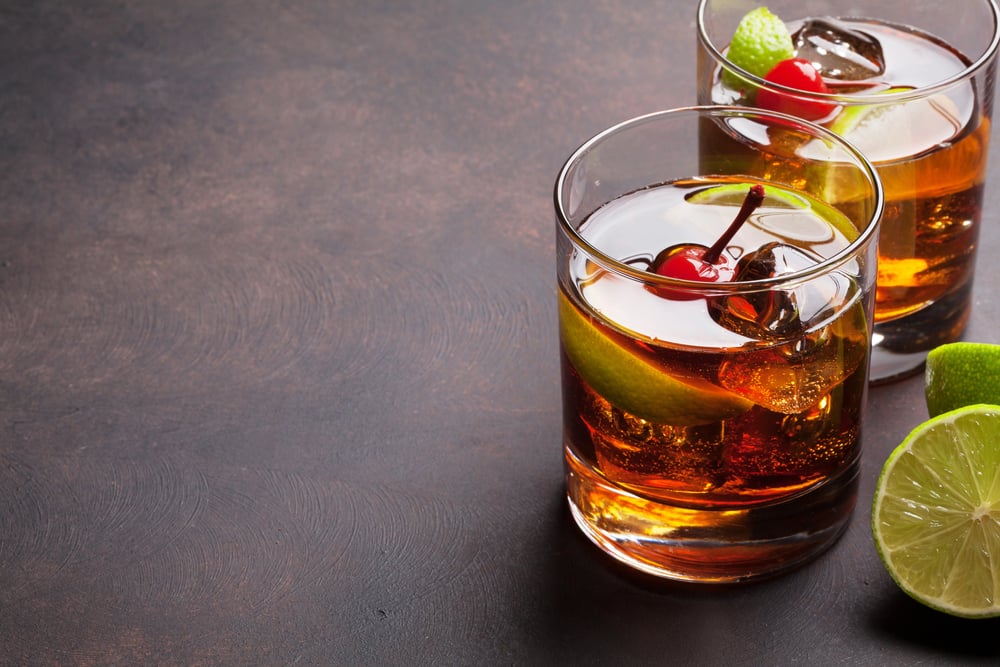
The Old Fashioned supposedly got its name when a drinker in Louisville asked for a cocktail made the old-fashioned way, meaning just spirit, sugar, water, and bitters without all the fancy additions. That story might be true, or it might be another bartender myth.
The Pendennis Club in Louisville claims to have served the first one in the 1880s, but similar drinks existed before that. What’s definitely wrong is calling it the oldest cocktail, since punches and toddies predate it by centuries.
The name stuck because it sounded classic, and now everyone thinks it’s ancient even though cocktails in general are a relatively recent invention.
Where The Truth Lives
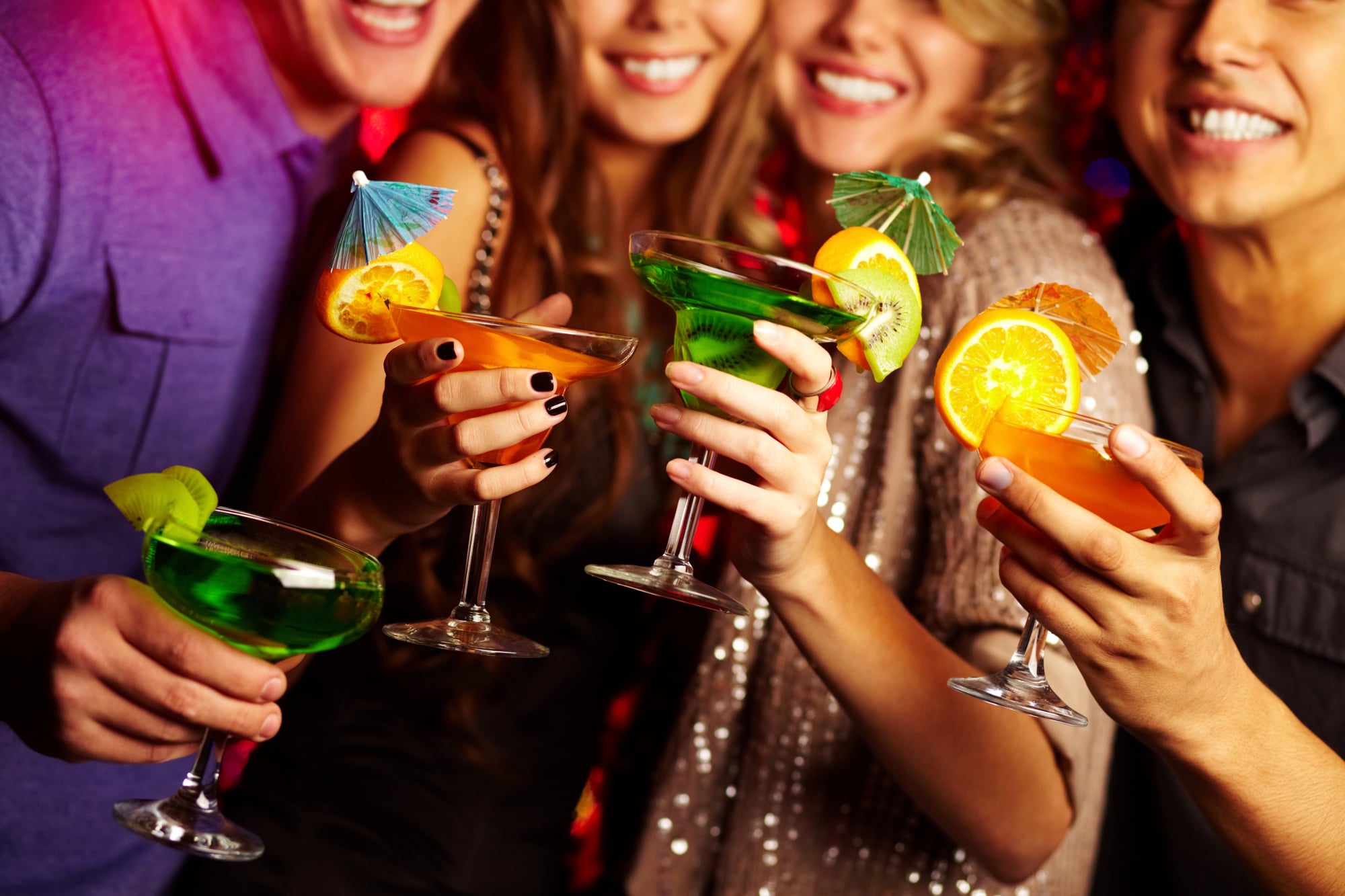
Most cocktail origin stories got polished over time until they became shinier than the truth could ever be. Bartenders, marketers, and drunks all contributed to the myths, and separating fact from fiction now feels nearly impossible for many drinks.
The real histories involve less romance and more trial and error, business deals, and pure accident than anyone wants to admit. Still, knowing the messy truth makes ordering these drinks a little more interesting, even if the legends remain more fun to tell.
More from Go2Tutors!

- The Romanov Crown Jewels and Their Tragic Fate
- 13 Historical Mysteries That Science Still Can’t Solve
- Famous Hoaxes That Fooled the World for Years
- 15 Child Stars with Tragic Adult Lives
- 16 Famous Jewelry Pieces in History
Like Go2Tutors’s content? Follow us on MSN.