15 Foods Banned in Certain Countries
Food regulations across the globe tell fascinating stories. What’s considered a delicacy in one nation might be completely forbidden in another — sometimes for health reasons, other times due to cultural beliefs or environmental concerns. These varying standards create an intriguing mosaic of international food laws that reveal each society’s values and priorities.
The tension between tradition and modern safety standards often sparks heated debates. Environmental protection sometimes trumps culinary heritage, while cultural practices clash with contemporary health regulations. These food bans offer windows into how different societies balance science, culture, and politics on their plates.
Kinder Surprise Eggs
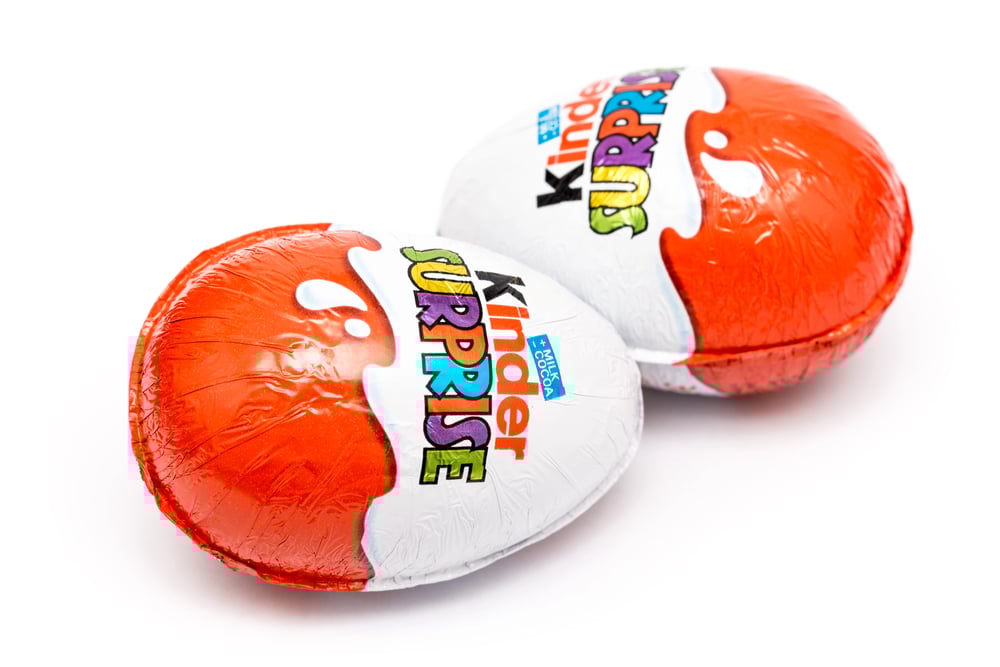
— Photo by radub85
America’s been saying “no” to these chocolate treats since 1938, thanks to regulations prohibiting non-food objects inside edible products. Those tiny toys tucked within the chocolate? They’re seen as choking hazards — serious enough that customs agents confiscate them at borders and impose substantial fines on would-be smugglers. Though Europeans and others worldwide enjoy them without issue, these seemingly harmless sweets remain forbidden fruit in the States.
Haggis

Scotland’s beloved national dish can’t legally cross into American territory because it contains sheep’s lungs — ingredients the USDA has deemed unfit for human consumption since 1971. While Scots have safely savored this traditional blend for generations, American food safety officials remain unconvinced. Sure, you’ll find “American haggis” made with substitute ingredients, yet traditionalists insist these versions miss the mark entirely when it comes to authentic Scottish flavor.
Shark Fin Soup

Conservation efforts have led numerous countries — including the US, Canada, and various European nations — to ban shark fin imports outright. This traditional Chinese delicacy has devastated shark populations globally, often through barbaric “finning” practices where fins are harvested and the rest of the animal discarded. What was once a symbol of prestige has become emblematic of unsustainable fishing methods, with environmental science backing the push for prohibition.
Foie Gras

California, New York City, and several European territories have outlawed foie gras production and sales due to serious animal welfare concerns. The delicacy’s creation requires gavage — essentially force-feeding ducks and geese until their livers swell far beyond normal size. Animal welfare advocates call it outright cruelty, though defenders maintain it’s simply preserving culinary tradition.
Beluga Caviar

The US shuttered beluga caviar imports back in 2005, aiming to protect endangered Caspian Sea sturgeon from overfishing and illegal harvesting operations. These ancient fish can live over a century but don’t reproduce until they’re roughly 20 years old — making population recovery painfully slow. Farm-raised options exist, though caviar aficionados argue they lack the nuanced complexity of their wild counterparts.
Sassafras Root Beer

The FDA pulled sassafras root from commercial food products after studies connected safrole — a key compound — to liver damage and cancer in lab animals. Since traditional root beer depended on sassafras for its signature taste, manufacturers had to scramble for synthetic alternatives or safrole-free extracts. Many craft brewers now turn to wintergreen and other botanicals to capture that classic root beer essence.
Raw Milk Cheese
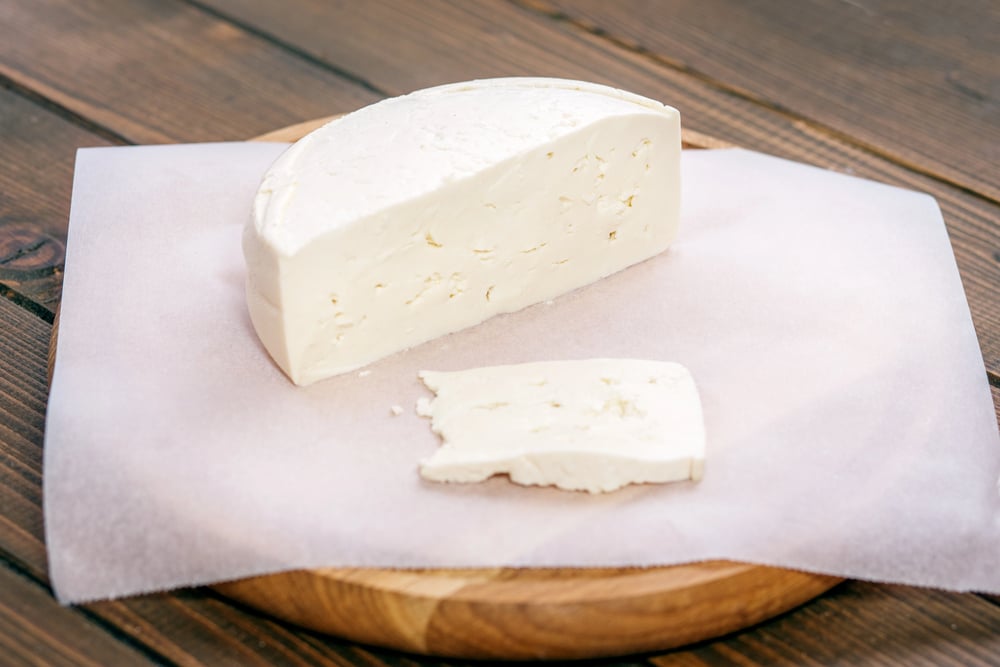
America demands that imported cheeses come from pasteurized milk or undergo at least 60 days of aging — effectively blocking many traditional European raw milk varieties. These regulations target foodborne illness prevention, though cheese lovers argue pasteurization strips away complex flavors and beneficial cultures. Countless artisanal European cheeses simply can’t reach American shelves because of these requirements.
Casu Marzu
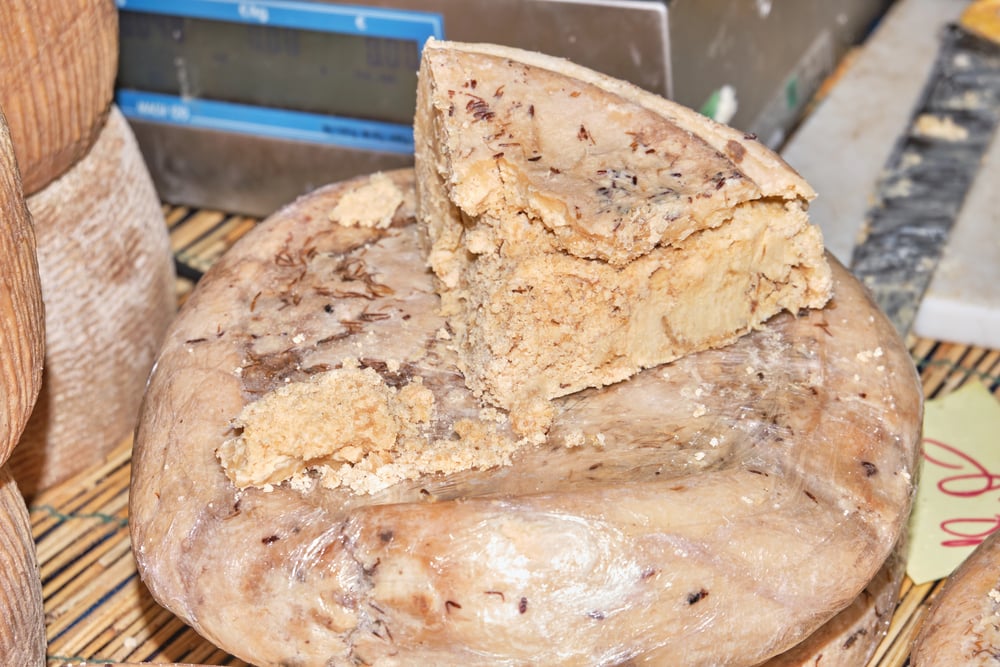
This traditional Sardinian cheese — deliberately infested with living maggots — faces commercial sale bans in the United States while facing restrictions throughout the European Union. The cheese develops through fly larvae consumption, resulting in a soft, intensely pungent product that locals treasure. Food safety officials express concern about health risks from consuming live insects, despite Sardinians enjoying them safely across generations.
Ackee Fruit
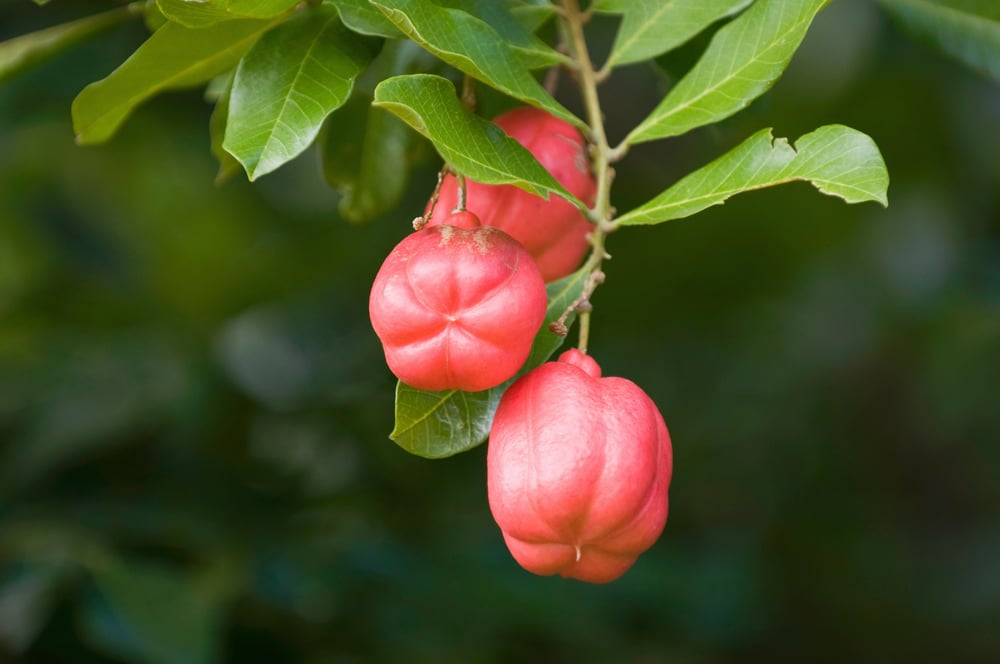
Jamaica’s national fruit cannot enter the United States unless it’s been properly processed and canned, all because unripe fruit contains dangerous natural toxins. Hypoglycin A and B compounds in immature ackee can trigger severe illness or even death — making careful preparation absolutely essential. The FDA restricts imports to approved Jamaican processors who follow rigorous harvesting and preparation standards.
Blood Sausage

Various countries, including the United States, either restrict or completely ban blood sausage imports over concerns about blood-borne diseases and food safety protocols. Traditional European blood sausages combine pig or cattle blood with fat and fillers, creating protein-rich products enjoyed for hundreds of years. Contemporary food safety standards frequently prohibit animal blood in processed foods, limiting access to authentic varieties.
Durian Fruit

Though not technically banned from countries, durian faces prohibition in countless hotels, public transportation systems, and buildings throughout Southeast Asia because of its overwhelmingly pungent aroma. Singapore’s mass transit displays “No Durian” signs right alongside other banned items, essentially treating the fruit as a public disturbance. Yet despite that powerful smell, durian enthusiasts prize its creamy texture and layered flavors.
Ortolan Bunting

France prohibited hunting and eating ortolan — tiny songbirds traditionally consumed whole — because of conservation worries about dwindling populations. The controversial practice involved capturing wild birds, fattening them in darkened boxes, then drowning them in brandy before consumption. Environmental protection legislation now forbids this practice, though reports suggest it continues illegally in isolated regions.
Kava
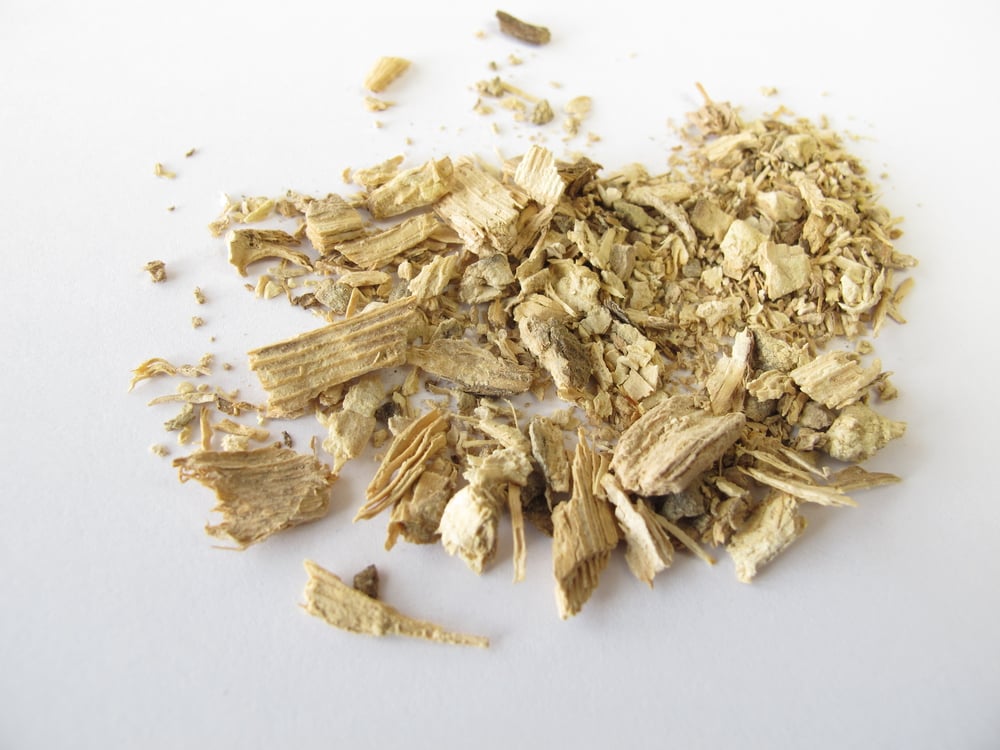
Germany, Poland, and portions of Canada have banned kava over potential liver damage concerns from regular use. This traditional Pacific Island drink, brewed from Piper methysticum roots, has served ceremonial purposes for centuries without obvious harm. However, some research hinted at possible liver toxicity, prompting precautionary bans despite inconclusive scientific evidence.
Absinthe

Throughout the 20th century, many nations banned absinthe because of fears surrounding thujone — a compound supposedly causing hallucinations and mental instability. The “Green Fairy” became a scapegoat for social issues and artistic excess, even though current research suggests these worries were largely misplaced. Most countries have since reversed absinthe prohibitions, permitting production with controlled thujone levels.
Unpasteurized Almonds

Following a 2004 salmonella outbreak traced to raw almonds, the United States now requires all domestic almonds to undergo pasteurization treatment. Steam processing or chemical fumigation eliminates potential pathogens, though critics argue it compromises both flavor and nutritional value. Since California produces the vast majority of America’s almonds, this regulation essentially creates a nationwide standard for commercially available almonds.
Borders on the Plate

These food restrictions reveal the intricate balancing act between tradition, safety, and cultural values that determines what lands on dinner tables worldwide. As international trade expands and scientific knowledge advances, some prohibitions get reversed while new ones emerge based on fresh research or evolving social standards. What endures is food’s remarkable ability to mirror our fundamental beliefs about health, ethics, and identity — making these regulatory choices far more meaningful than simple questions of taste or preference.
More from Go2Tutors!

- 16 Historical Figures Who Were Nothing Like You Think
- 12 Things Sold in the 80s That Are Now Illegal
- 15 VHS Tapes That Could Be Worth Thousands
- 17 Historical “What Ifs” That Would Have Changed Everything
- 18 TV Shows That Vanished Without a Finale
Like Go2Tutors’s conte



