Incredible Animal Species with the Strongest Bites
The natural world operates on a simple principle: survive or become someone else’s dinner. In this high-stakes game, having a powerful bite can mean the difference between life and death, between hunter and hunted.
From the depths of our oceans to the dense jungles of our continents, creatures have evolved jaw strength that defies imagination. Some animals pack enough force in their bite to crush bones like breadcrumbs, while others can snap through steel cables as if they were made of paper.
These evolutionary marvels didn’t develop their crushing power by accident — millions of years of survival shaped them into living compression machines, each one perfectly adapted to dominate their particular corner of the world.
Saltwater Crocodile
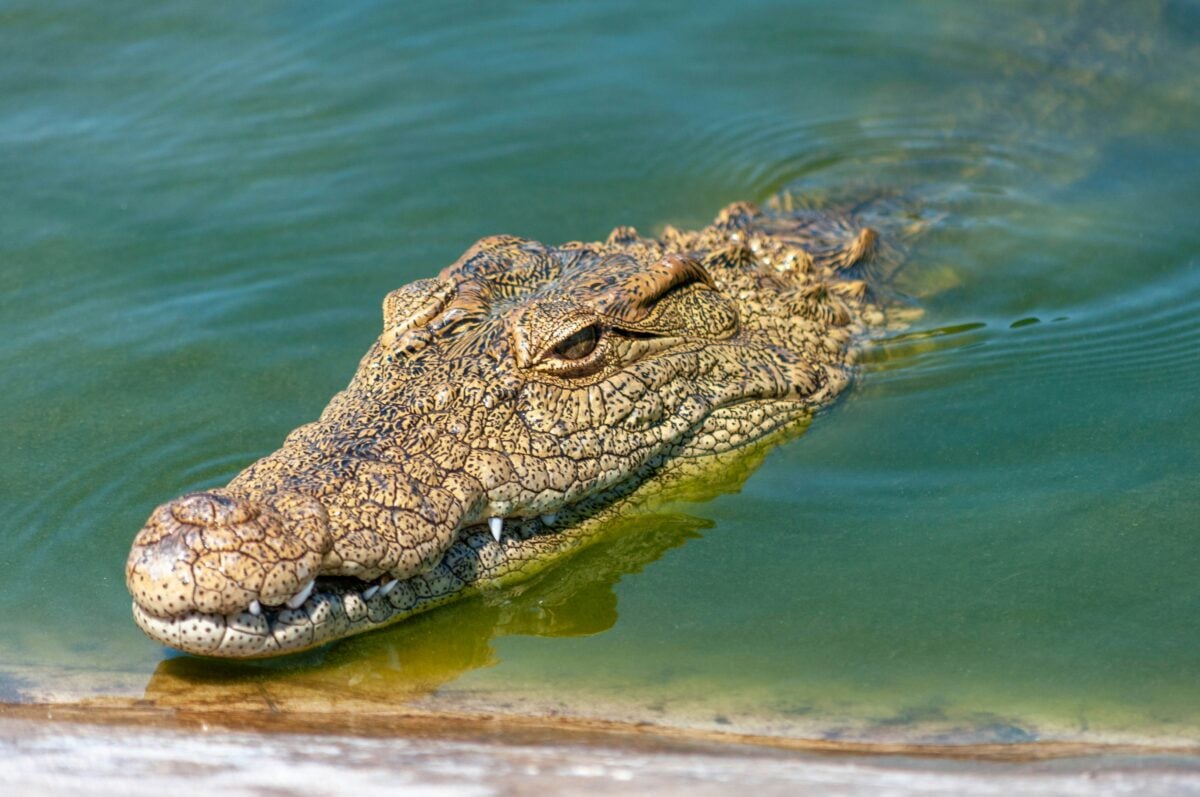
Saltwater crocodiles don’t mess around. Their bite delivers 3,700 pounds per square inch of crushing force.
That’s enough to snap a small boat in half. These prehistoric survivors have remained virtually unchanged for 200 million years.
There’s a reason for that — perfection doesn’t need improvement.
Great White Shark
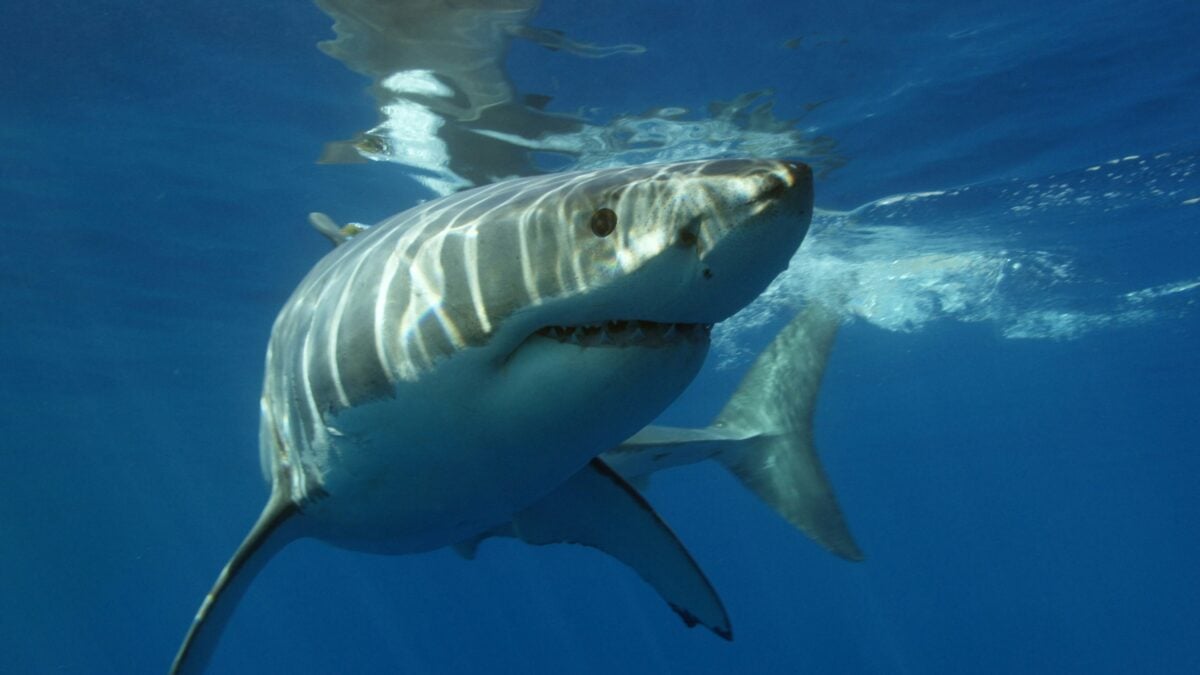
Great whites approach their prey like living torpedoes, and when those jaws clamp down, they deliver roughly 1,800 PSI of bite force. But here’s what makes them truly terrifying (and this is where the mechanical precision becomes almost beautiful, in its own ruthless way): those razor-sharp teeth don’t just puncture — they saw.
Each tooth is serrated like a steak knife, so when the shark thrashes its head — which it always does — those teeth work like a chainsaw through flesh and bone. And the rows of replacement teeth waiting behind the front line mean this biological cutting machine never dulls.
The bite itself lasts maybe three seconds. The damage lasts forever.
Hippopotamus
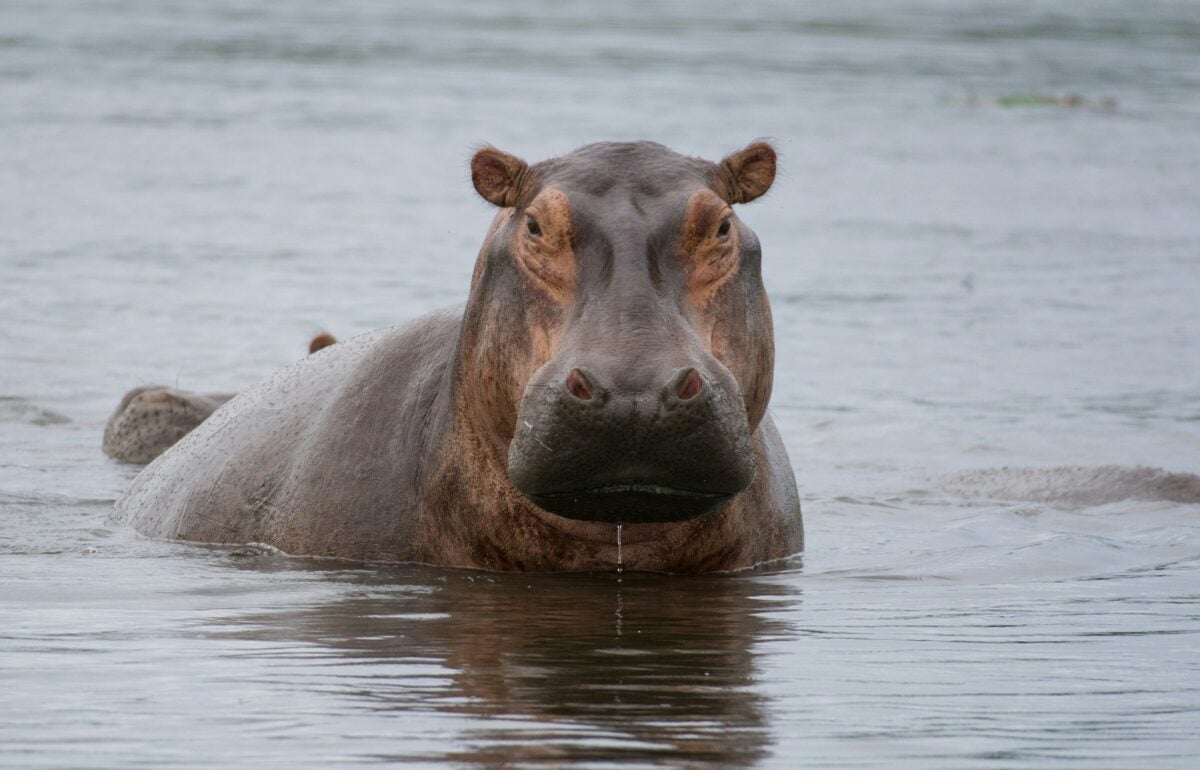
Hippos kill more people in Africa than any other large animal, which tells you everything about underestimating something based on appearances. Those massive jaws aren’t just for show — they’re built like a hydraulic press designed by someone with serious anger management issues.
A hippo’s bite force reaches 1,800 PSI, delivered through canine teeth that grow continuously throughout their lives. Those teeth can reach 20 inches long. To put that in perspective, they can bite a canoe in half without breaking stride.
American Alligator
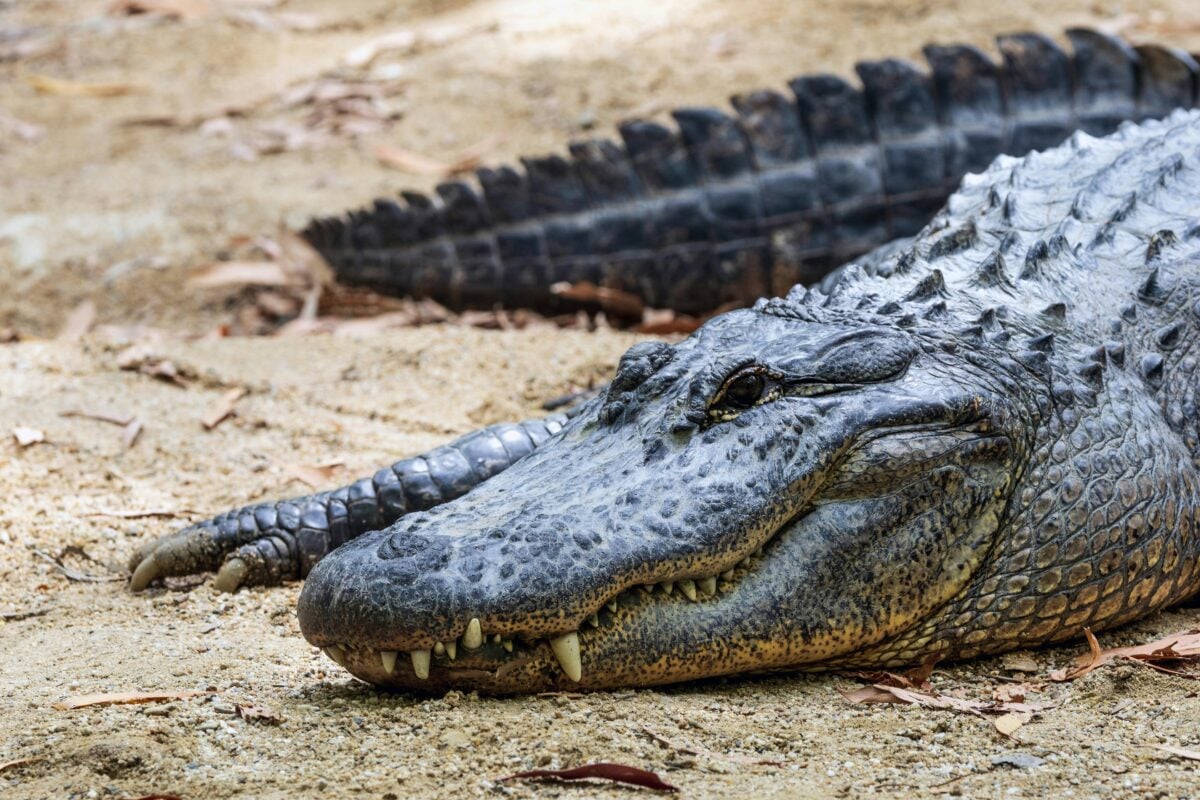
American alligators pack 2,125 PSI into their bite, which sounds impressive until you realize something peculiar: those same jaws that can crush a turtle shell can be held shut by a couple of rubber bands. The muscles that close their jaws are powerful beyond measure, but the muscles that open them? Surprisingly weak.
So while an alligator can deliver bone-crushing force when clamping down, once those jaws are shut, even a moderately strong person can keep them closed with their bare hands (though attempting this would qualify as spectacularly poor judgment, and the initial bite would likely remove the opportunity for such experimentation anyway).
And yet, this mechanical quirk doesn’t diminish their effectiveness as apex predators — it just adds an interesting footnote to their evolutionary design.
Nile Crocodile
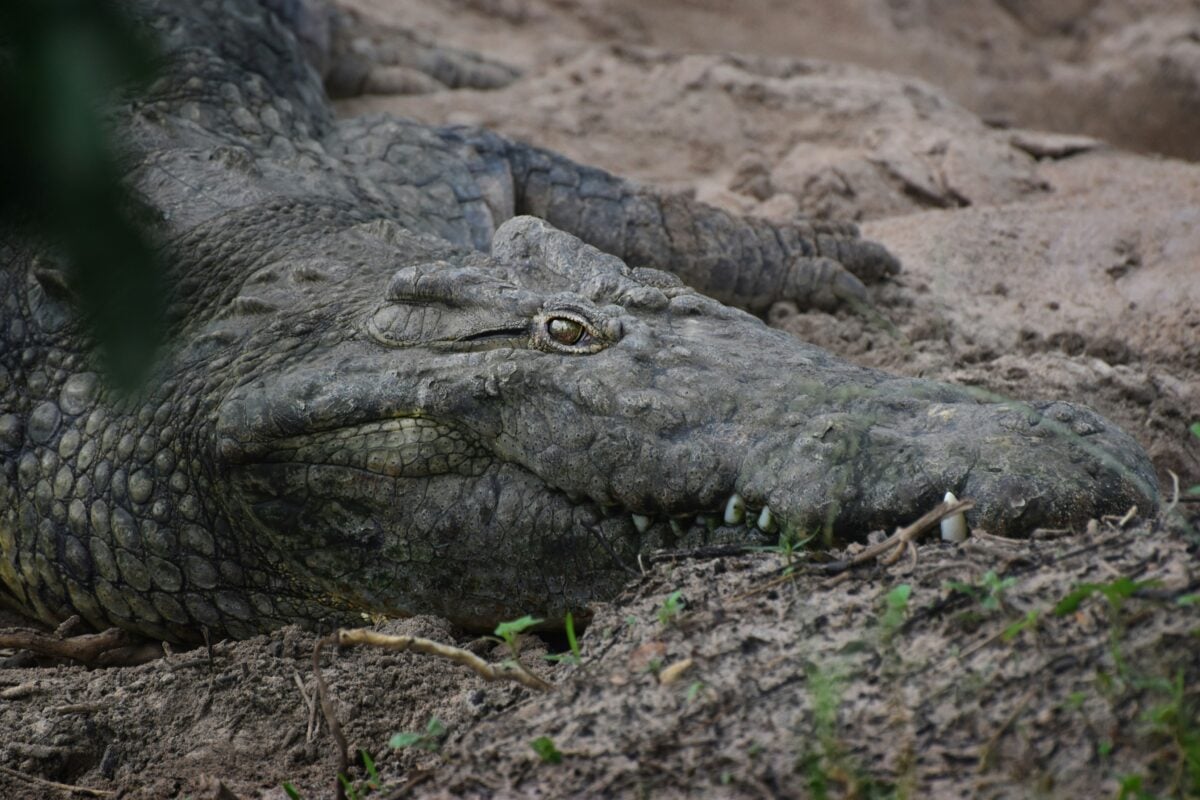
The Nile crocodile embodies patience in its purest form. It lies motionless in murky water, looking like a floating log until the moment opportunity wanders too close to the water’s edge. Then physics takes over.
At 2,500 PSI, their bite force transforms whatever they’ve grabbed into something that no longer has a say in the matter. The famous death roll isn’t just dramatic — it’s mechanical engineering.
Once those jaws lock, the spinning motion uses leverage and body weight to tear apart prey much larger than themselves.
Jaguar
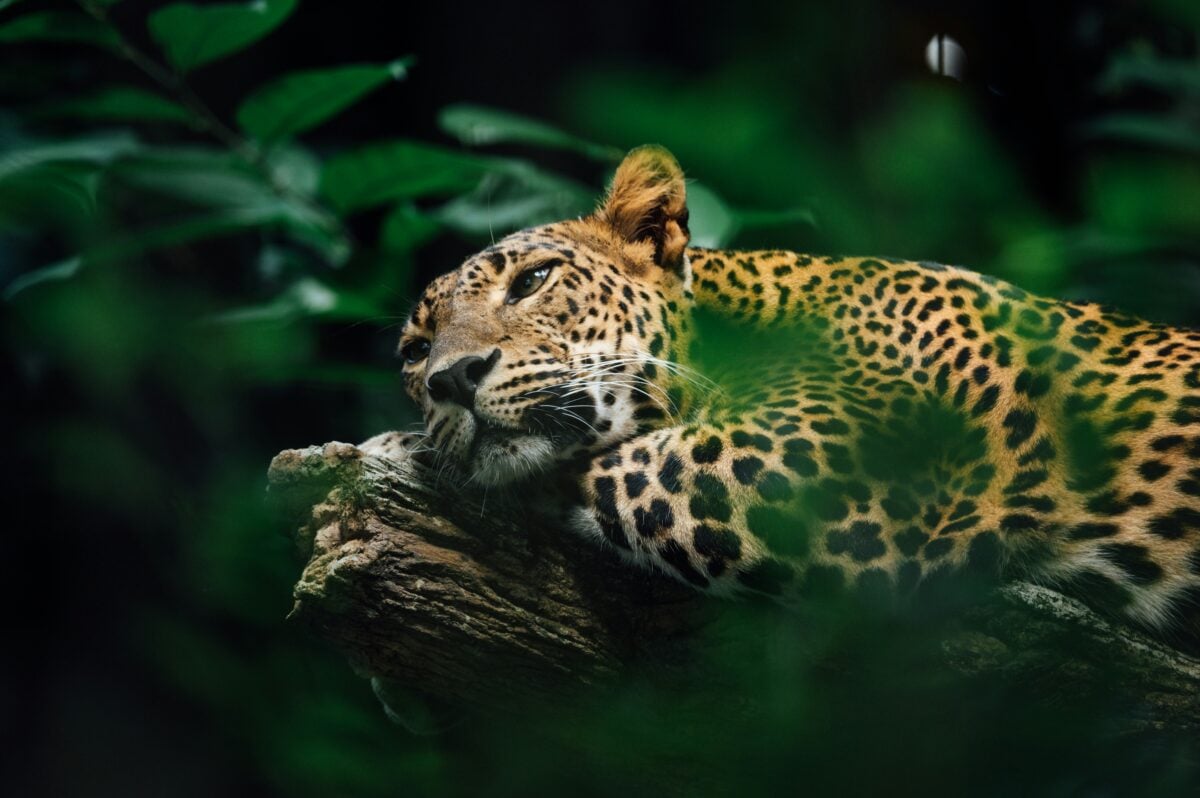
Jaguars possess the most powerful bite of any big cat — 1,500 PSI concentrated into a hunting strategy that borders on the surgical. Unlike other big cats that go for the throat, jaguars bite directly through the skull of their prey. Their teeth are specifically designed to slip between skull bones and pierce the brain.
This isn’t brutality. This is precision.
Gorilla
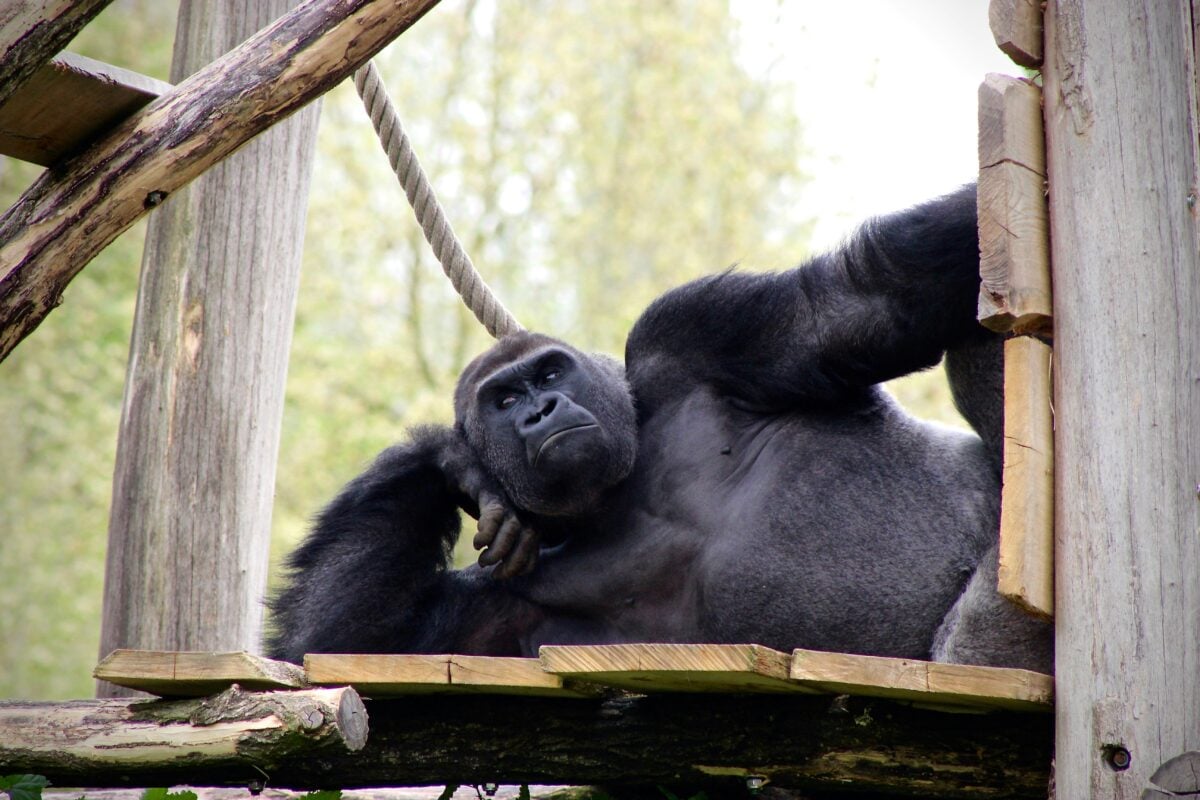
Mountain gorillas carry bite force numbers around 1,300 PSI, but here’s what makes this particularly striking: they almost never use it aggressively. Those massive canine teeth and crushing jaw muscles evolved primarily for processing tough plant material — bamboo, bark, stems that would challenge industrial equipment.
But when a 400-pound silverback does decide to make a point, the mechanical advantage becomes immediately clear. The restraint is more impressive than the power.
A creature capable of crushing bones spends its days carefully plucking berries.
Polar Bear

Polar bears deliver roughly 1,200 PSI through jaws designed for a specific job: cracking through seal skulls and thick blubber in subzero conditions. Their teeth are built differently than other bears — sharper, more pointed, designed for gripping slippery prey on shifting ice floes.
But the bite force alone doesn’t tell the complete story. Those jaws are attached to 1,000 pounds of muscle and bone, moving with surprising speed across unstable terrain.
The physics involved when a polar bear commits to an attack involve momentum that transforms bite force into something much more devastating.
Grizzly Bear
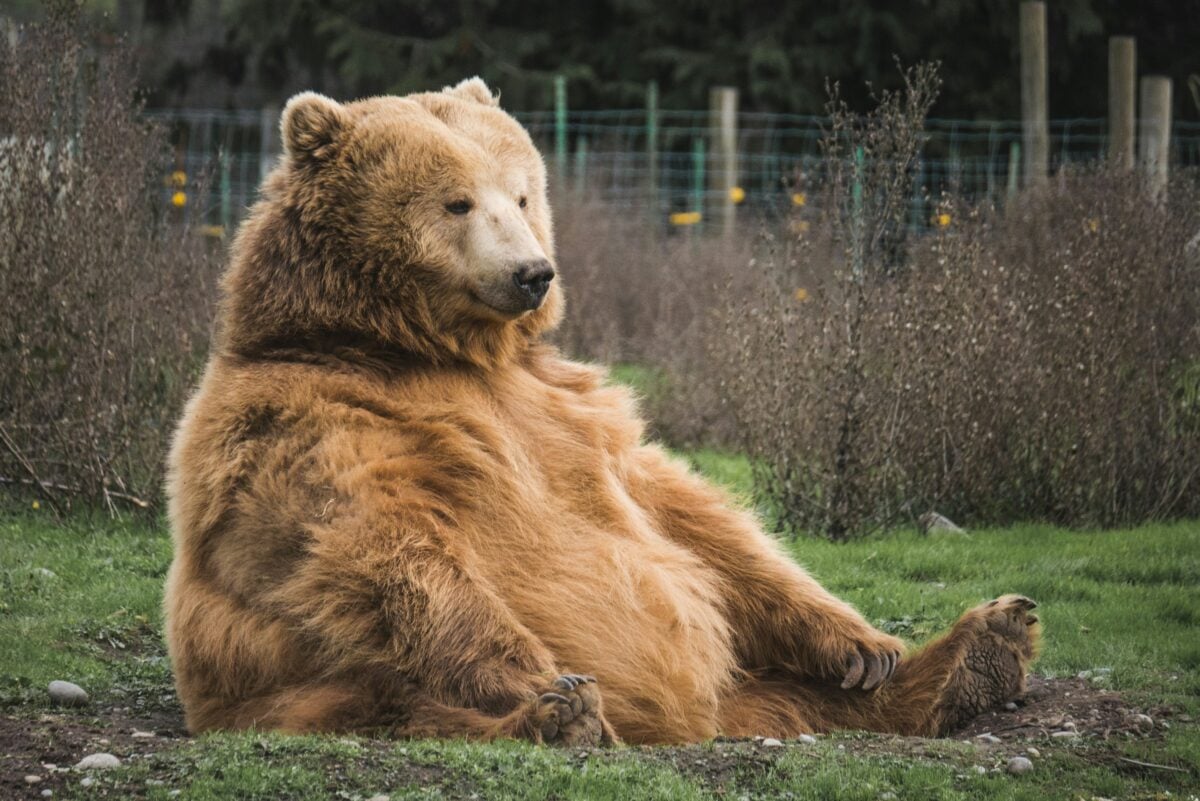
There’s something almost casual about the way a grizzly bear approaches destruction. That 975 PSI bite force gets deployed with the same mechanical efficiency whether they’re cracking open a salmon or investigating a supposedly bear-proof container.
Those jaws treat obstacles as temporary inconveniences rather than actual barriers. Grizzlies don’t seem to distinguish between prey and problems — both get solved with the same direct approach.
The bite force is just the opening statement in a conversation that rarely requires much back-and-forth.
Spotted Hyena

Spotted hyenas often get dismissed as scavengers, which completely misses the point of their evolutionary design. Those jaws generate 1,100 PSI specifically to crack open bones that other predators leave behind. While lions walk away from a kill leaving perfectly good marrow and nutrients, hyenas show up with biological bolt cutters.
Their bite force isn’t just about hunting — it’s about accessing food sources that other animals can’t reach. They’ve found an ecological niche in being able to eat what others waste.
Tiger
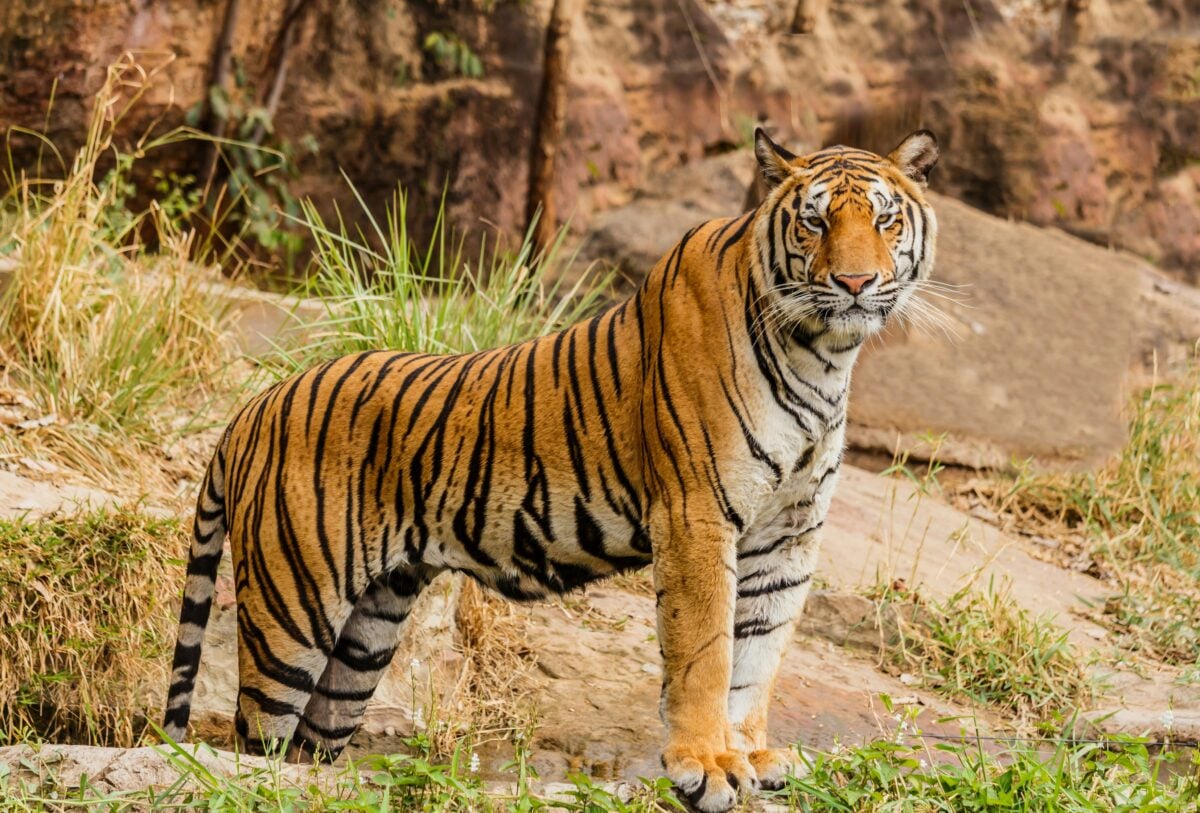
Tigers approach hunting with the same methodical precision a carpenter brings to measuring twice and cutting once. That 1,000 PSI bite gets delivered through canine teeth designed to slip between vertebrae and sever spinal cords. One bite, placed correctly, ends the conversation immediately.
The remarkable thing isn’t just the force — it’s the accuracy. Tigers consistently hit their target on the first attempt, even in low light conditions, even when their prey is moving.
The mechanical power serves surgical precision.
African Lion
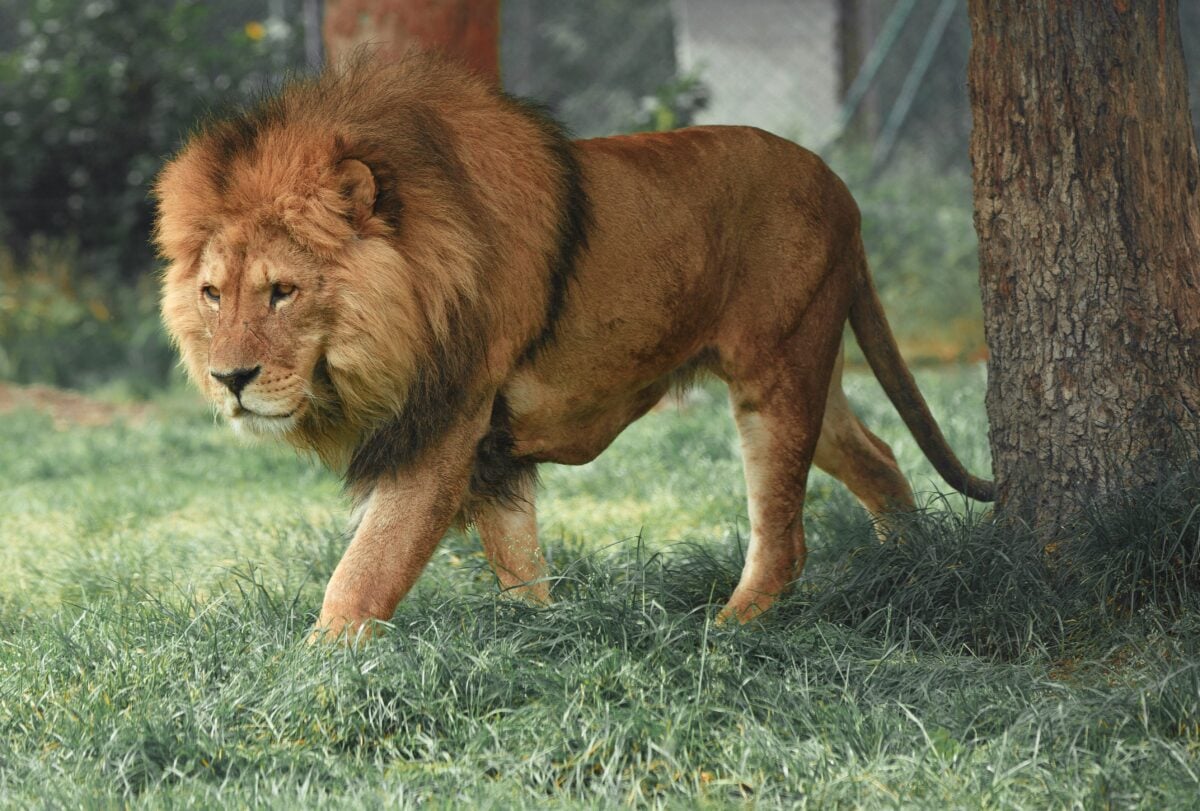
An African lion’s 650 PSI bite force might seem modest compared to crocodiles, but lions hunt differently. They’re persistence hunters working in coordinated groups, where bite force serves a specific tactical purpose rather than being the primary weapon.
That bite strength is perfectly calibrated for their hunting strategy: strong enough to deliver killing bites to large prey, but not so overwhelming that it requires massive jaw muscles that would slow them down during long pursuits across open savanna.
Wolf
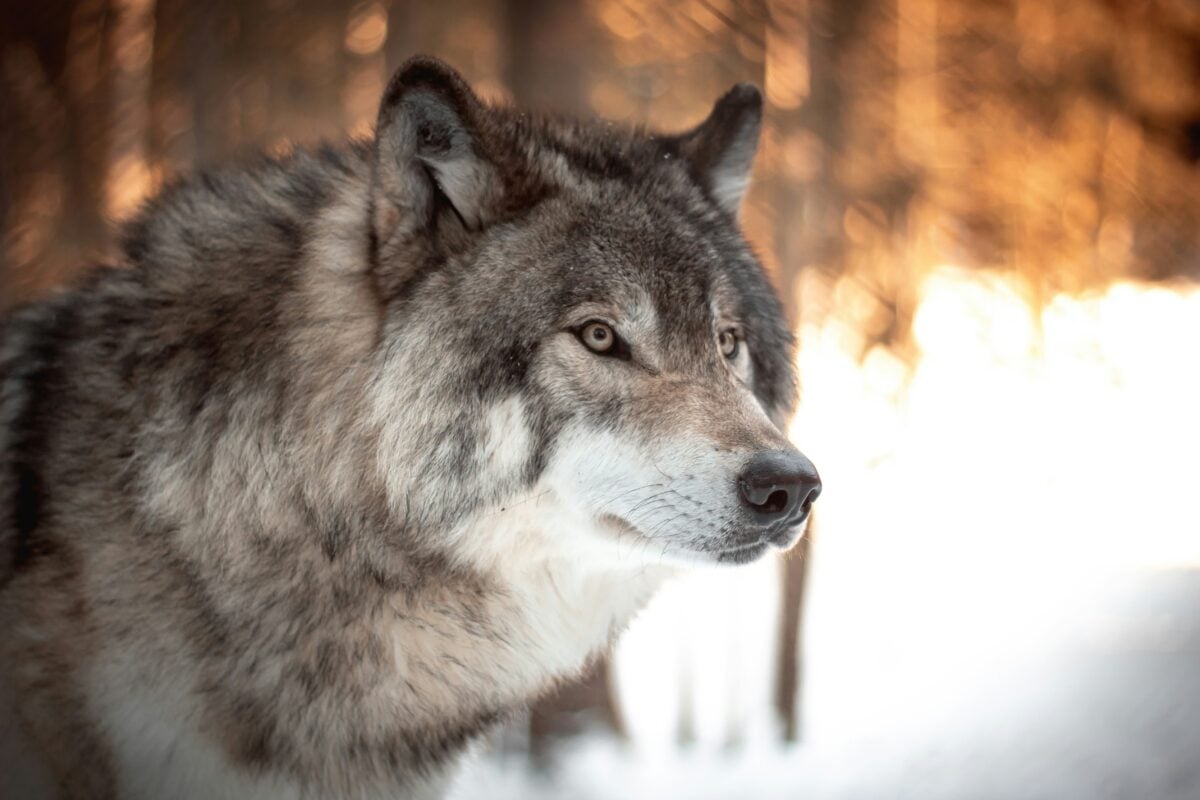
Gray wolves pack about 400 PSI into their bite, which sounds almost gentle until you understand how they use it. Wolves hunt in coordinated packs, and their bite force is optimized for a specific job: grabbing and holding onto prey while other pack members join the attack.
The bite force works in combination with their running endurance and pack tactics. They don’t need to crush bones immediately — they just need to maintain their grip until the mathematics of the situation become insurmountable for their prey.
Rottweiler
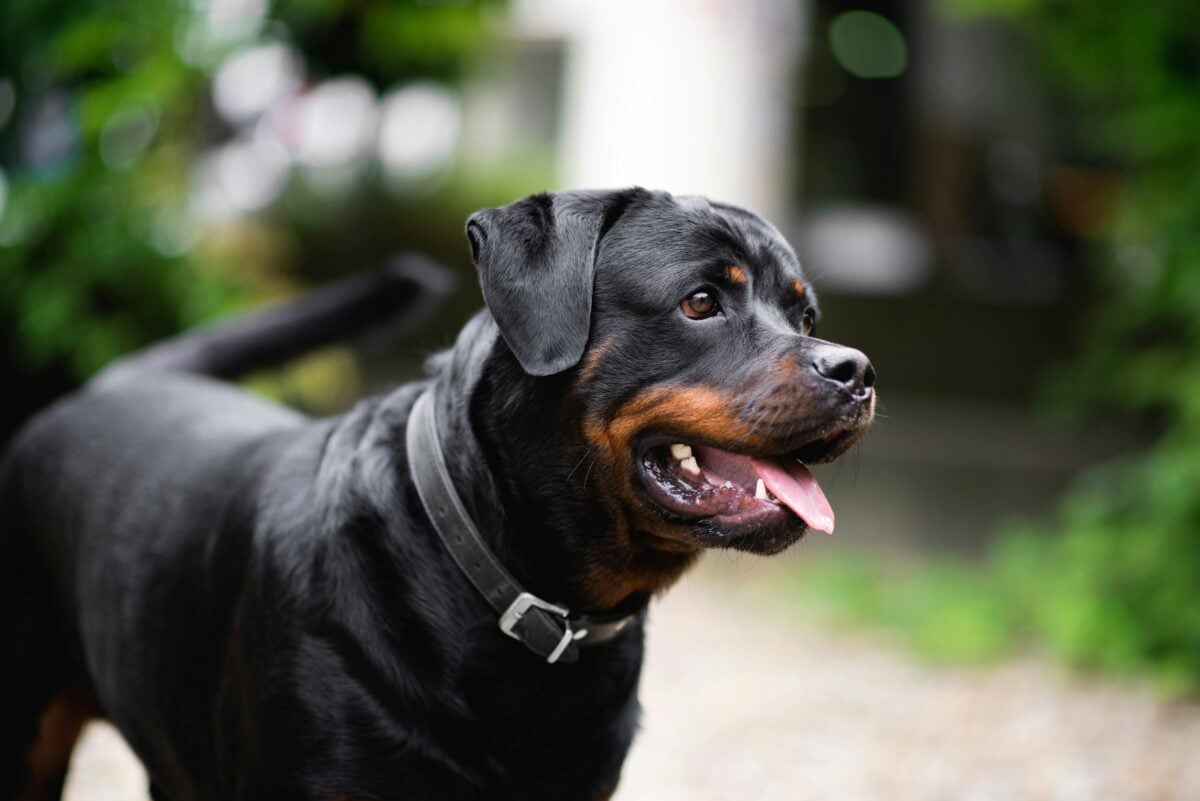
Among domestic dogs, Rottweilers possess significant bite force at roughly 328 PSI, which represents thousands of years of selective breeding channeled into jaw strength. Originally bred to drive cattle and guard property, their bite force reflects working dog genetics refined for specific tasks. However, other domestic breeds, particularly Kangals and some mastiff varieties, are documented as having comparable or greater bite force than Rottweilers.
The interesting thing about domestic dog bite force is how it demonstrates human influence on predator evolution. We took wolves and shaped their physical capabilities to match our needs, creating variations in bite strength that serve different purposes.
Nature’s Mechanical Marvels
These crushing forces represent millions of years of evolutionary problem-solving, each species developing exactly the bite strength needed for their particular survival strategy. From the crocodile’s bone-shattering ambush attacks to the wolf’s coordinated pack hunting, bite force tells the story of how different creatures carved out their place in the natural world.
The numbers alone don’t capture the full picture — it’s how each animal deploys that power that reveals the elegant brutality of natural selection at work.
More from Go2Tutors!

- The Romanov Crown Jewels and Their Tragic Fate
- 13 Historical Mysteries That Science Still Can’t Solve
- Famous Hoaxes That Fooled the World for Years
- 15 Child Stars with Tragic Adult Lives
- 16 Famous Jewelry Pieces in History
Like Go2Tutors’s content? Follow us on MSN.