Buildings With Hidden Symbolic Meaning
Walk past any building in a major city and you might think it’s just steel, glass, and concrete arranged for practical purposes. But architects often embed layers of meaning into their designs that most people never notice.
Sometimes these symbols reference religious beliefs, sometimes they encode mathematical principles, and sometimes they serve as quiet protests or political statements. You don’t need special training to appreciate these hidden meanings once you know what to look for.
The stories behind them make the buildings themselves more interesting.
The Pentagon’s Five-Sided Defense

The Pentagon looks like an arbitrary geometric choice, but those five sides carry purpose. When construction began in 1941, the site was a five-sided plot of land.
The architects stuck with that shape even after the location changed because the number five held significance in military contexts going back to ancient fortifications. Each of the five sides represents a branch of the military—or at least that’s how people interpret it now.
The shape also creates an unusual internal layout where you can walk between any two points in the building in less than seven minutes despite its massive size. That wasn’t decoration.
That was a strategic design for wartime efficiency.
Notre-Dame and the Path to Heaven

Notre-Dame Cathedral in Paris encodes an entire spiritual journey into its architecture. The three doorways at the entrance represent different stages of faith.
The central portal shows the Last Judgment, forcing you to confront mortality before entering the sacred space. Walk inside and look up.
The architects designed the building so your eyes naturally move upward toward the vaulted ceiling and ultimately toward the heavens. The entire structure pulls your gaze skyward, which was exactly the point.
Medieval worshippers couldn’t read, so the building itself had to teach them. The rose windows serve multiple functions.
They let in light, but they also represent divine radiance entering the earthly realm. The circular shape symbolizes eternity with no beginning or end.
The Guggenheim’s Continuous Spiral
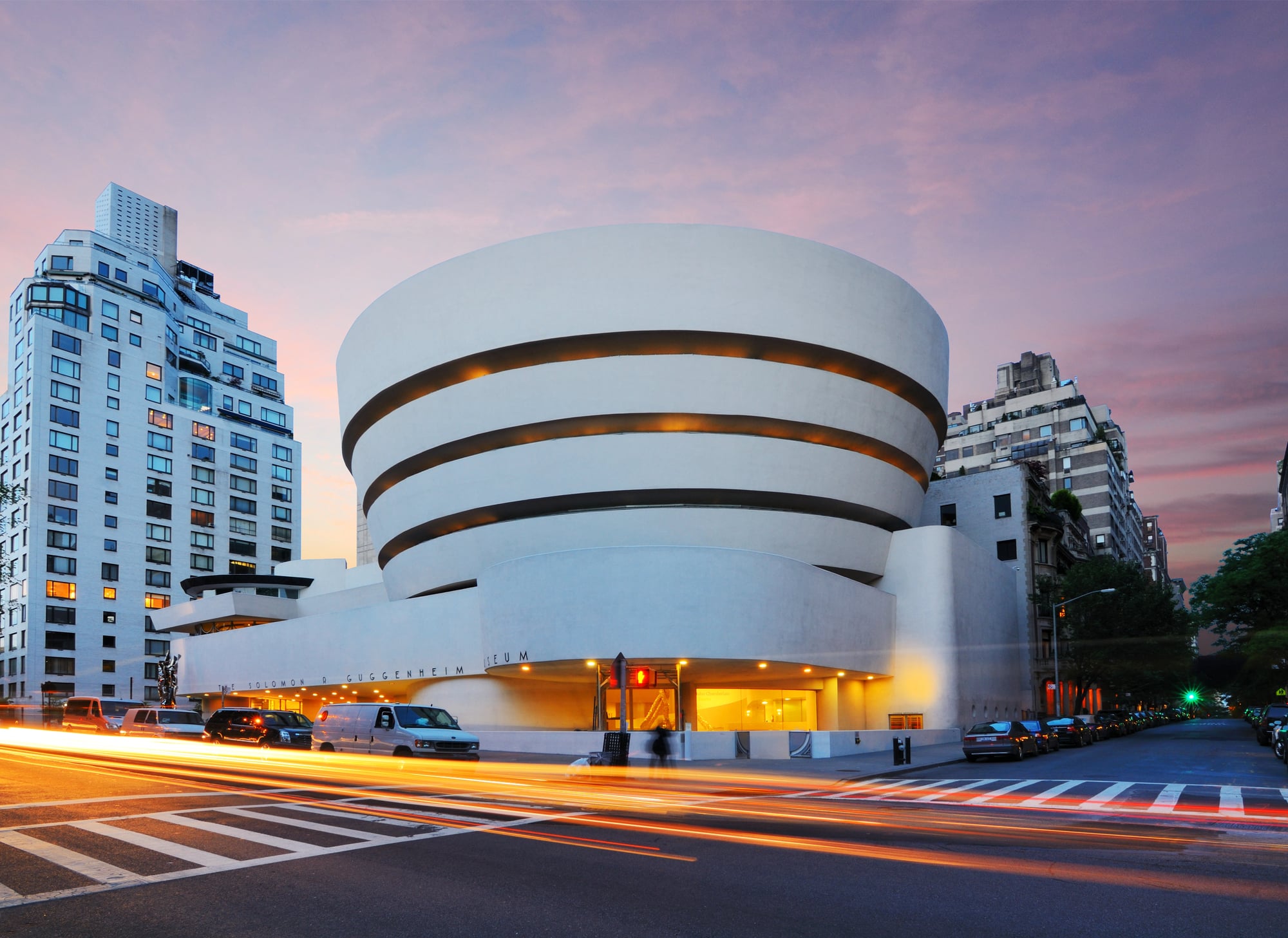
Frank Lloyd Wright designed the Guggenheim Museum in New York as one continuous ramp spiraling from bottom to top. Most people assume it’s just an interesting way to display art.
The deeper meaning relates to Wright’s philosophy about continuous space and organic architecture. The spiral itself mirrors patterns found in nature—nautilus shells, unfurling ferns, galaxies.
Wright believed buildings should reflect natural forms rather than imposing geometric rigidity on the landscape. The Guggenheim does exactly that while sitting in the middle of Manhattan.
Walking through the museum means following a predetermined path with no choices about which direction to turn. Some critics argue this controls how you experience art.
Wright would say it guides you through a journey. The symbolism depends on your perspective.
Barcelona’s Sagrada Familia
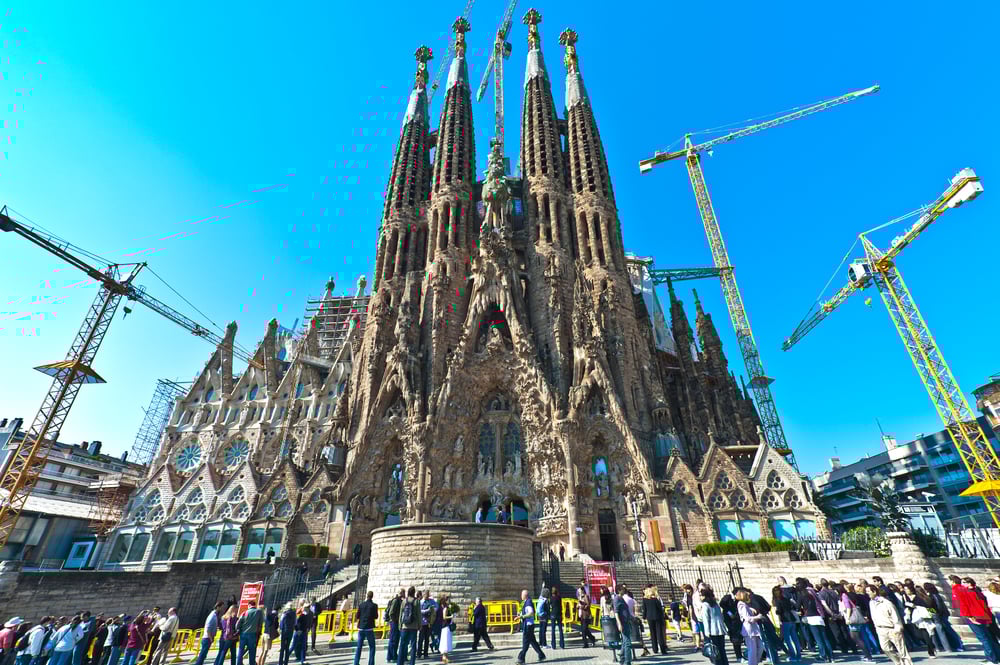
Antoni Gaudí spent over 40 years designing the Sagrada Familia, and he packed it with Christian symbolism so dense that people still discover new meanings. The twelve towers represent the apostles.
Four larger towers represent the evangelists. The tallest tower, still under construction, represents Christ.
But the symbolism goes deeper than just counting towers. Gaudí designed the Nativity Facade to face northeast, where the sun rises on Christmas morning.
The light hits the facade perfectly on December 25th. The Passion Facade faces northwest, lit by the setting sun, representing the death of Christ.
Inside, the columns branch like trees because Gaudí wanted to create a forest feeling. He believed nature was God’s architecture, so mimicking natural forms brought worshippers closer to divinity.
The colored light filtering through the stained glass creates effects that shift throughout the day, turning the building itself into a living, changing space.
India’s Parliament House

The circular shape of India’s Parliament House references traditional Indian meeting spaces where councils gathered in circles to show equality among members. The British colonial buildings in Delhi used straight lines and imposing verticality to demonstrate power and hierarchy.
When architect Herbert Baker designed the Parliament House in 1927, he incorporated the circular form as a subtle nod to indigenous traditions, though he was working within a colonial framework. The building bridges two architectural philosophies—British imperial style and Indian circular assembly traditions.
The three semicircular chambers represent the three branches of government, but they also echo the mandala patterns used in Hindu and Buddhist traditions. These geometric shapes carry spiritual significance, representing the universe and cosmic order.
The Louvre Pyramid’s Mathematical Precision
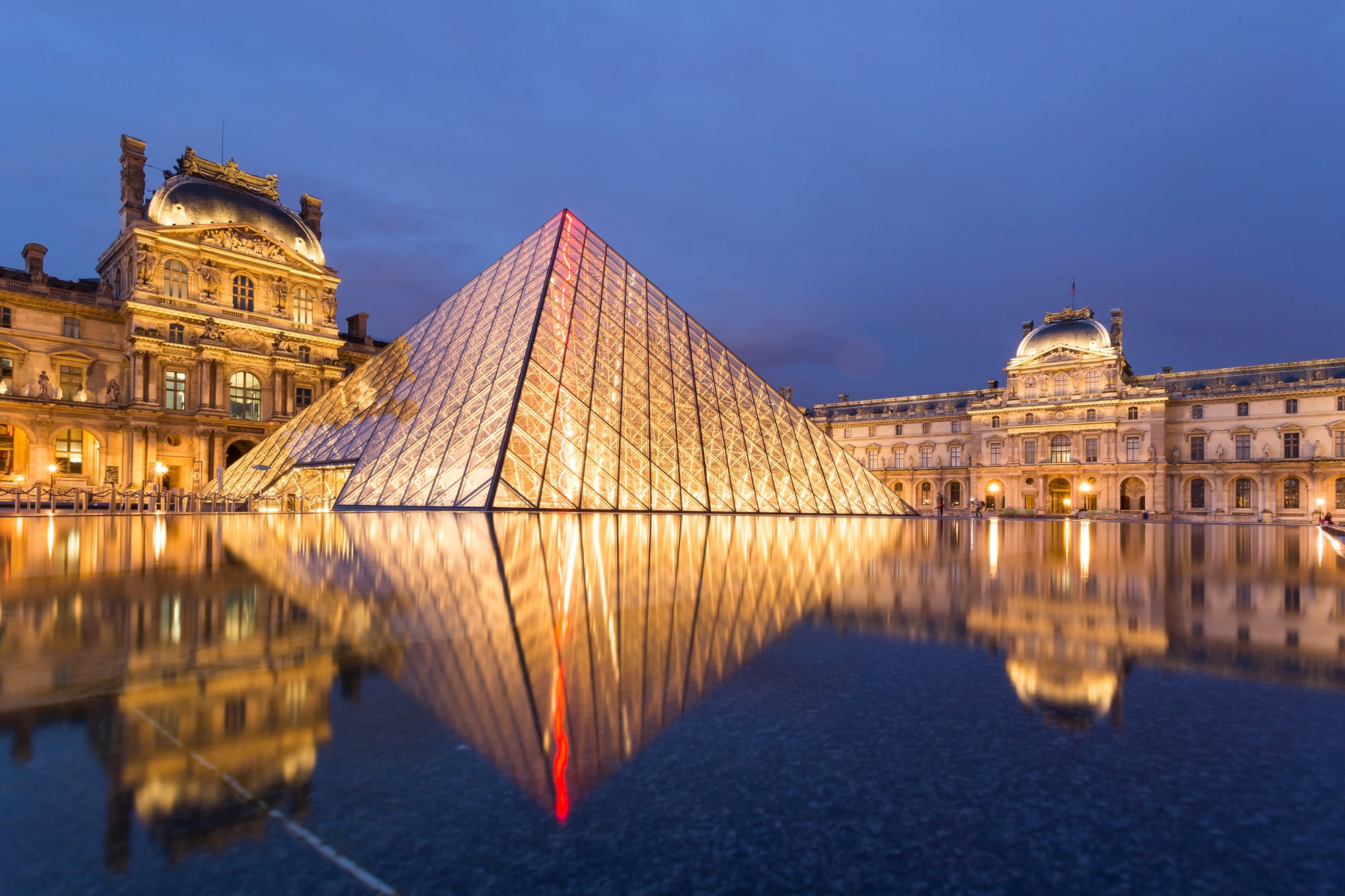
I.M. Pei’s glass pyramid at the Louvre sparked controversy when it opened in 1989. Many Parisians saw it as a jarring intrusion on a historic site.
But Pei chose the pyramid form for specific reasons rooted in geometry and symbolism. The pyramid contains exactly 673 glass panes (despite urban legends claiming 666).
Its proportions follow the golden ratio, the same mathematical relationship found in ancient Egyptian pyramids and countless examples of classical architecture. Pei was connecting modern Paris to ancient mathematical principles that have governed aesthetics for millennia.
The transparency of the glass pyramid also matters. Unlike the solid stone Louvre walls, the pyramid lets you see through it, suggesting openness and accessibility.
Museums stopped being private collections for elites. This building element announces that transformation.
Sydney Opera House and Marine Forms
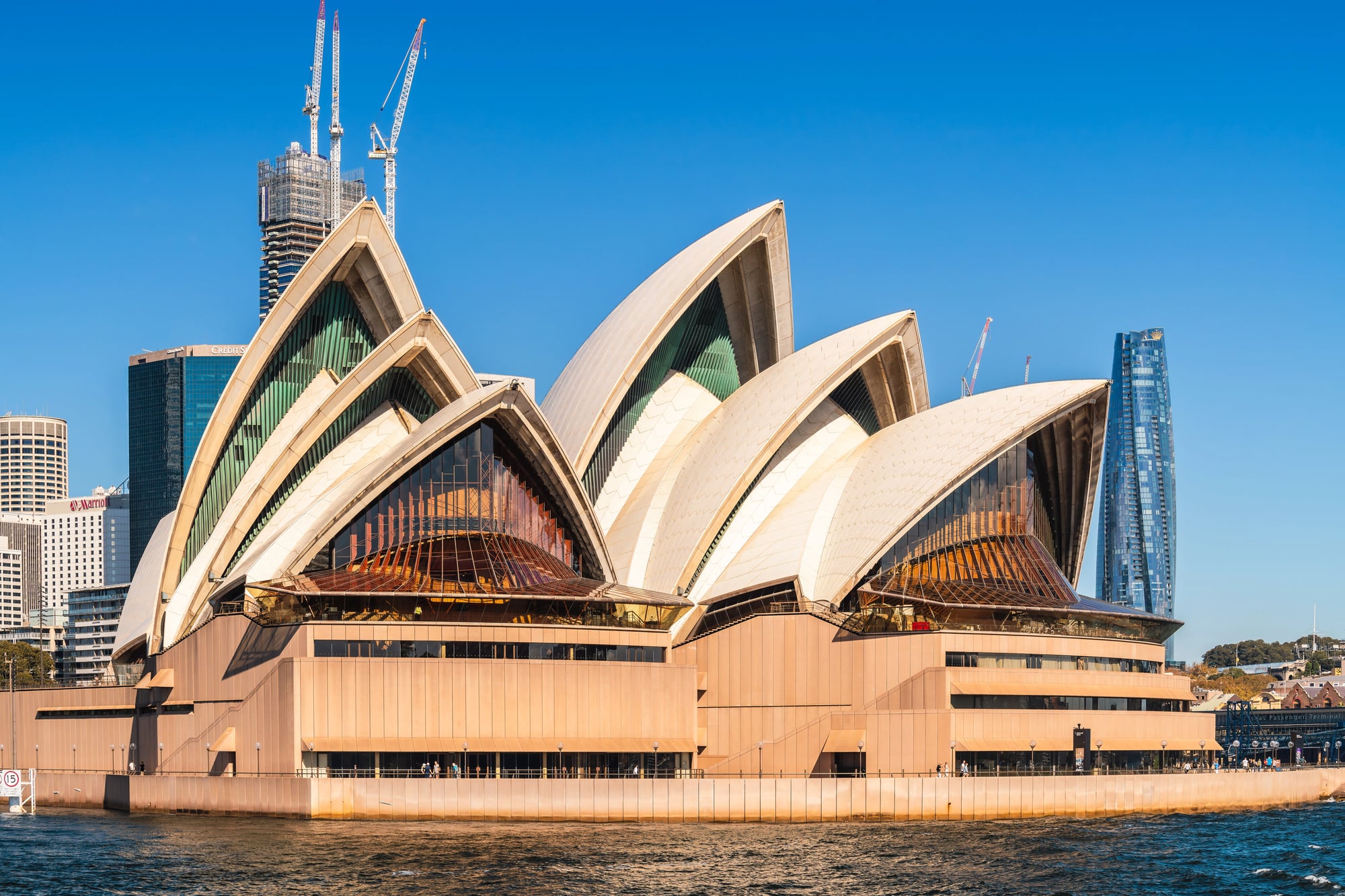
Jørn Utzon designed the Sydney Opera House to evoke sails on the harbor, but the symbolism extends beyond nautical references. The shells also resemble waves, seashells, and palm fronds—all natural forms that connect the building to its coastal environment.
Utzon grew up near the coast in Denmark and spent time in Mexico studying Mayan temples. He brought both influences into his design.
The platform on which the shells sit mimics Mayan pyramid platforms, while the shells themselves reference maritime culture. The building sits on Bennelong Point, a location with deep significance for Indigenous Australians.
The design doesn’t explicitly reference Aboriginal culture, which some critics note as a missed opportunity. The building’s symbolism focuses more on European architectural traditions transplanted to an Australian context.
Washington Monument’s Masonic Geometry
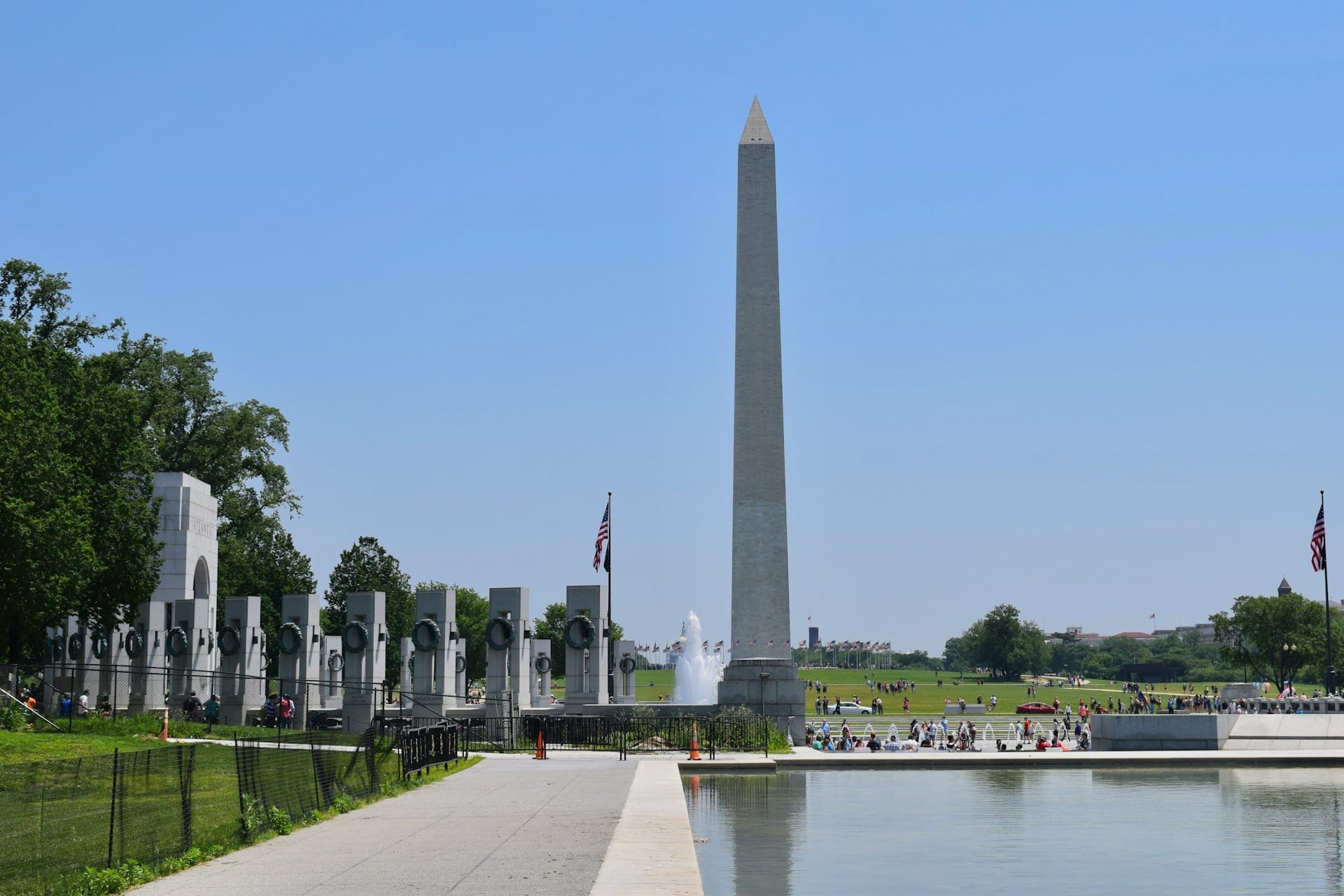
The Washington Monument stands exactly 555 feet and 5 inches tall, and that precision wasn’t accidental. The obelisk form references ancient Egypt, where obelisks represented rays of sun and connections between earth and the divine.
George Washington was a Freemason, and Masonic symbolism saturates the monument. The cornerstone laying ceremony in 1848 followed Masonic rituals.
The internal measurements incorporate ratios important to Masonic geometry. The capstone is aluminum topped with the Latin phrase “Laus Deo”—praise be to God.
Some people point to the monument’s height as containing hidden meanings in the repeated fives. Others dismiss this as coincidence.
Either way, the choice of an obelisk rather than a statue or column carries deliberate symbolic weight about Washington’s connection to enlightenment ideals and classical antiquity.
Fallingwater’s Harmony with Nature
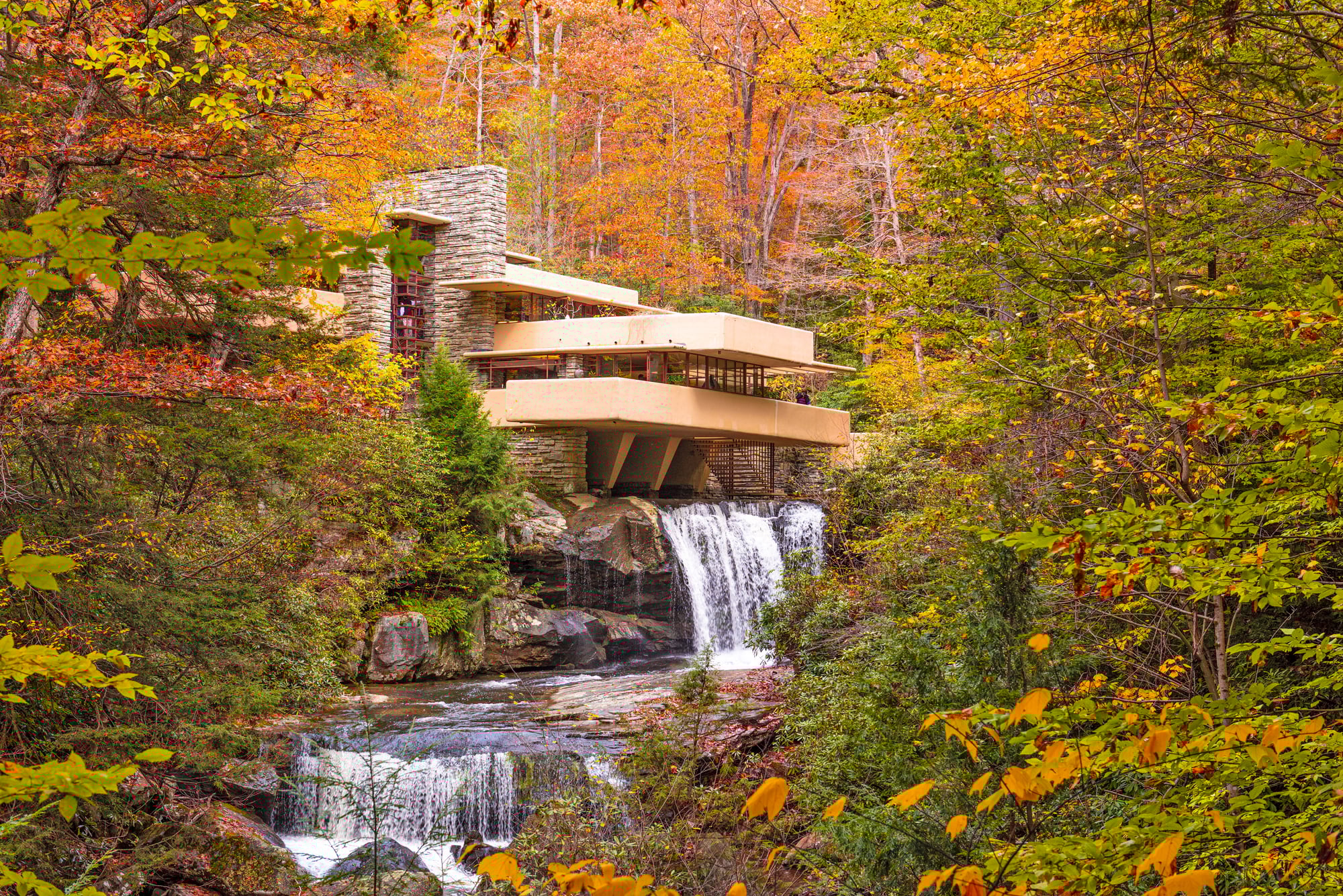
Frank Lloyd Wright designed Fallingwater to sit directly over a waterfall rather than facing it from a distance. This positioning makes the house part of the landscape rather than separate from it.
The horizontal lines echo the rock formations, and the materials—stone and concrete—come from the site itself. Wright called this “organic architecture,” but the philosophy goes deeper than just using natural materials.
He wanted the building to grow from its location the way plants grow from soil. The cantilevered terraces extend over the water like tree branches extending over a stream.
The house has no walls separating indoor from outdoor spaces in traditional ways. Glass walls dissolve boundaries.
You experience the forest and water from inside. This reflects Wright’s belief that buildings should enhance your connection to nature rather than shelter you from it.
The Chrysler Building’s Corporate Identity
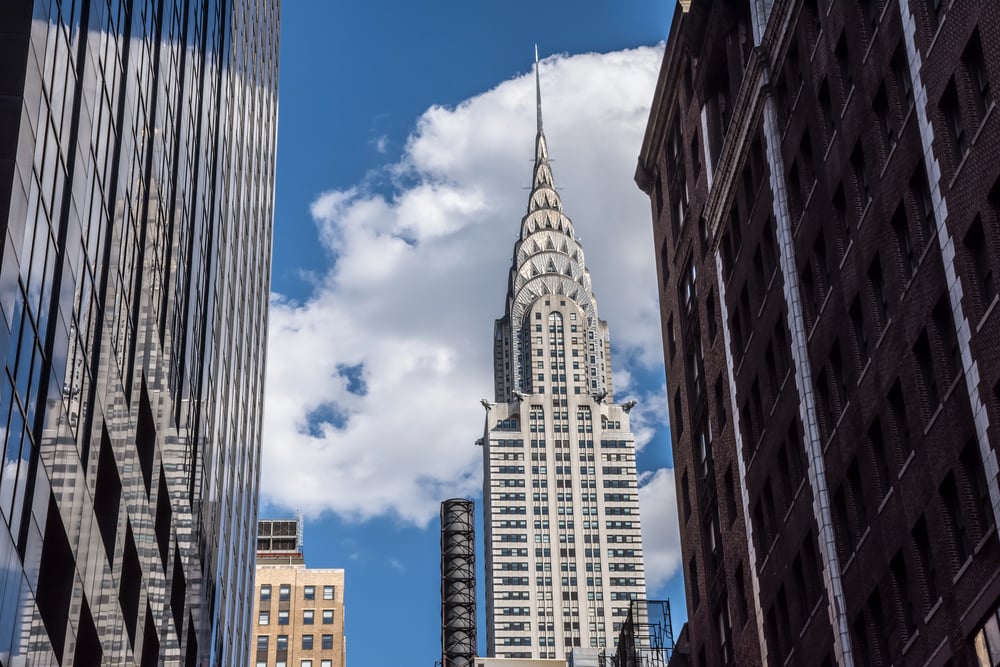
The Chrysler Building in New York celebrates the automobile through architectural detail. The eagles at the corners mimic hood ornaments from 1929 Chrysler cars.
The distinctive spire features triangular windows arranged like a radiator grille. Walter Chrysler commissioned the building to serve as corporate headquarters, but he wanted it to be more than office space.
The Art Deco styling represents speed, modernity, and industrial progress—all qualities Chrysler wanted associated with his cars. For a brief period in 1930, the Chrysler Building was the world’s tallest building.
That mattered to Chrysler. Height represented achievement and dominance in the automobile industry.
The building was an advertisement disguised as architecture, and every decorative element reinforced the company’s brand identity.
Beijing’s Forbidden City
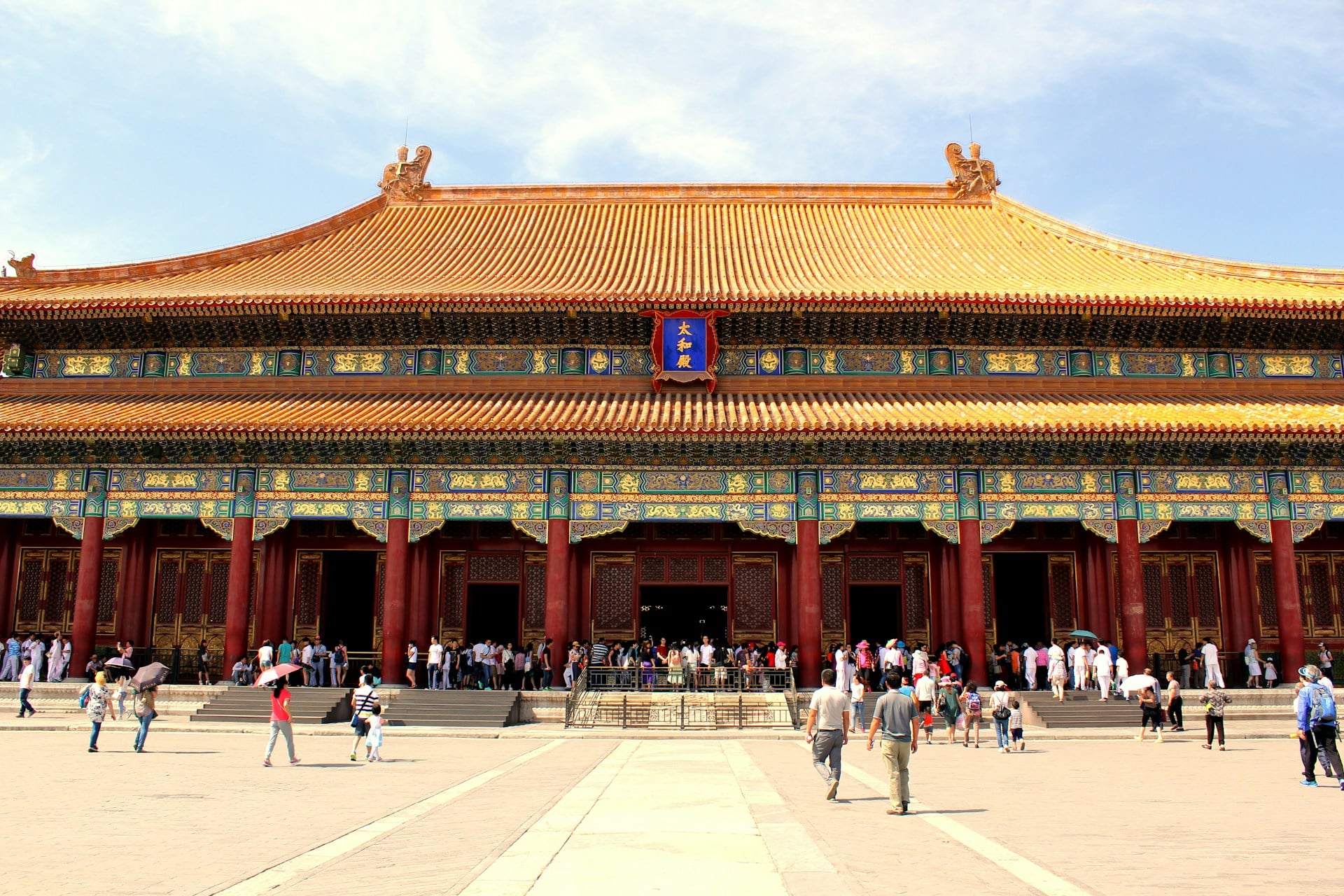
The Forbidden City contains 9,999 rooms, just one less than heaven, which supposedly has 10,000 rooms. This wasn’t coincidence or estimation.
Chinese architects specifically designed the palace to approach but not equal heavenly perfection, showing respect for cosmic hierarchy. The entire complex follows principles of feng shui and numerology.
The emperor sat at the exact center of the complex, which represented the center of the universe in traditional Chinese cosmology. The buildings align along a north-south axis, and the arrangement reflects ideas about balance, harmony, and the proper ordering of society.
Color symbolism appears throughout. Yellow roof tiles represent the emperor, as yellow was the imperial color.
Red walls symbolize happiness and good fortune. The number of decorative elements on buildings indicates the status of the residents.
A building with nine figures on the roof housed someone more important than a building with seven.
The Twin Towers’ Economic Power
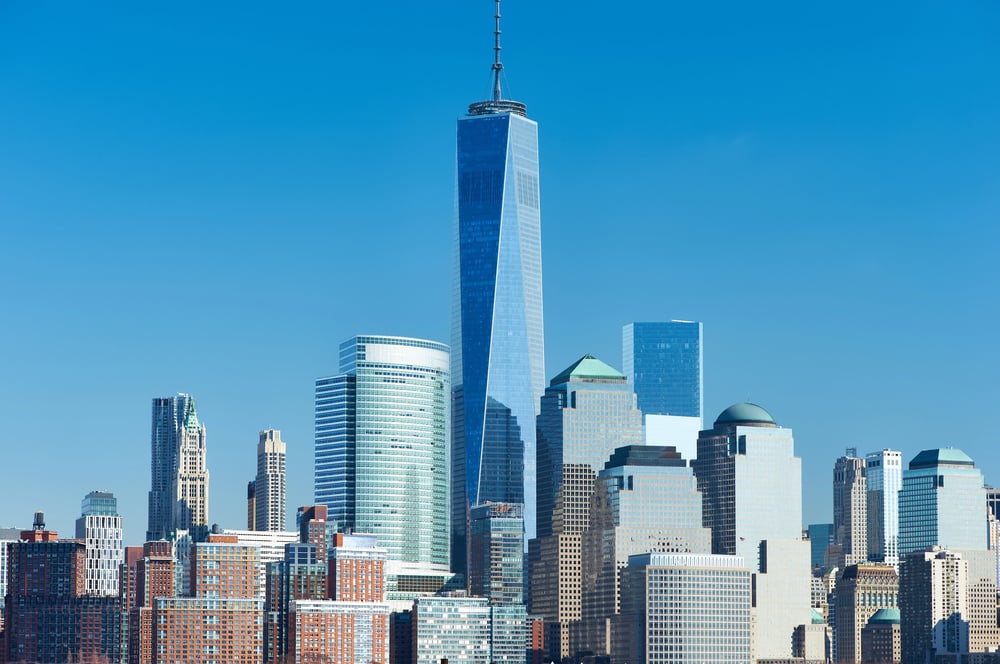
Before their destruction, the World Trade Center towers symbolized American economic dominance. Their height made a statement about financial power.
Their location in Lower Manhattan, the financial heart of America, reinforced that message. The architect, Minoru Yamasaki, wanted the buildings to represent world trade and international cooperation, which is why he designed them as twins—two towers of equal height working together.
The plaza between them was meant to create public gathering space in a district dominated by commerce. The towers appeared in countless films and photographs, becoming visual shorthand for capitalism and globalization.
Their symbolic power came partly from their design but mostly from their context and what they represented about late 20th-century economics.
Chartres Cathedral’s Labyrinth
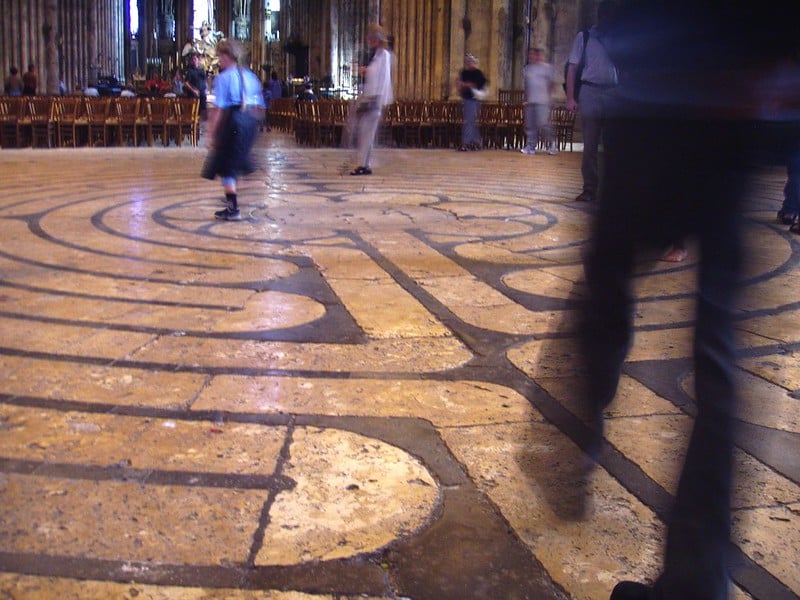
The ground at Chartres Cathedral holds a round maze, big and old, which travelers from medieval times followed instead of going to Jerusalem. Moving through it meant more than steps – it stood for inner growth or change.
Though not wide across, the route stretches close to a quarter mile if you walk all of it. The maze’s got eleven rings stacked inside one another – those numbers matter in Christian belief.
Getting to the middle meant you’d gained deeper insight or drawn near to the divine. You can spot similar designs in other Gothic churches, yet Chartres kept its version whole when most tore theirs out.
The shape of the maze lines up with the church’s round window. Fold that window flat like a piece of paper, drop it to the ground – fits right on top.
One link below to above, grounded path meets skyward light, stacking meaning sideways across flat stone.
Where Meaning Lives
These structures show how design speaks louder than just usefulness. What they’re made of – along with their size – can say things longer than the creators live.
Some meanings are put there on purpose by builders; others get imagined later by those who look at blank shapes. Whichever way you look at it, noticing these little things shifts how you feel around buildings.
That skyscraper, gallery, or statue isn’t merely bricks and steel anymore – instead, it’s like a story written in shapes. If you learn the code, it starts talking to you.
Hidden messages sit out in the open, simply needing eyes that care to see.
More from Go2Tutors!

- The Romanov Crown Jewels and Their Tragic Fate
- 13 Historical Mysteries That Science Still Can’t Solve
- Famous Hoaxes That Fooled the World for Years
- 15 Child Stars with Tragic Adult Lives
- 16 Famous Jewelry Pieces in History
Like Go2Tutors’s content? Follow us on MSN.



