15 Foods Invented for Strange Purposes
Food has always been about survival, right? Well, not exactly.
Throughout history, humans have created edible concoctions for the most unexpected reasons—from military rations that could survive nuclear war to breakfast cereals designed to curb certain urges. Some of our favorite snacks and meals started life with purposes so bizarre they’d make your head spin.
Here’s a list of 15 foods that were originally invented for reasons far stranger than simply filling your belly.
Corn Flakes
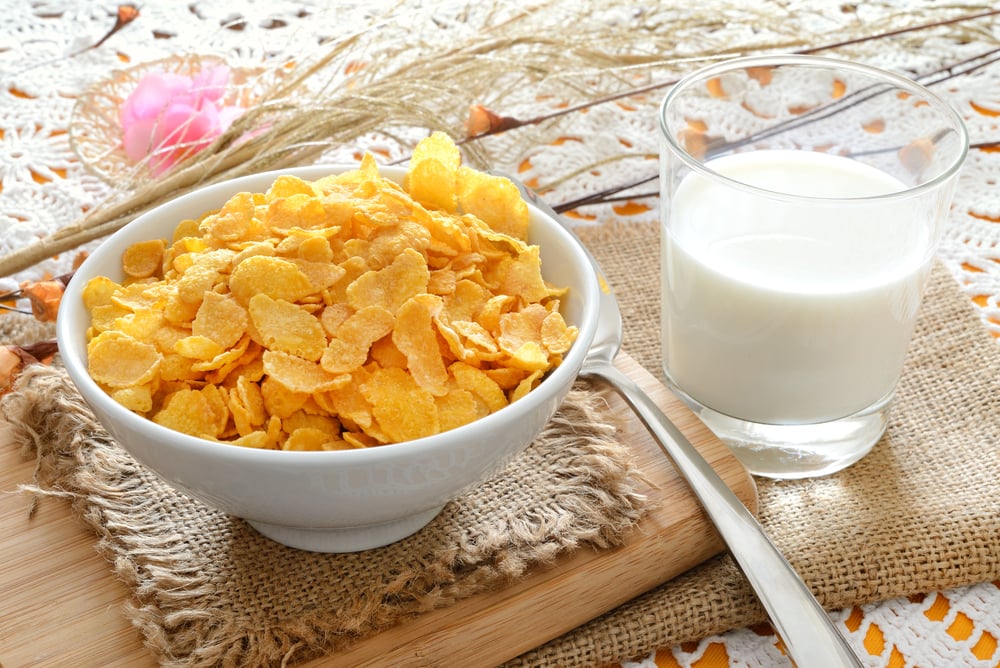
Dr. John Harvey Kellogg didn’t set out to create America’s breakfast staple when he invented corn flakes in 1878. The good doctor believed that bland, unseasoned foods would help reduce what he considered ‘immoral thoughts’ and excessive passion.
His sanitarium patients ate these tasteless flakes as part of a strict regimen designed to promote spiritual purity and suppress physical desires.
Graham Crackers
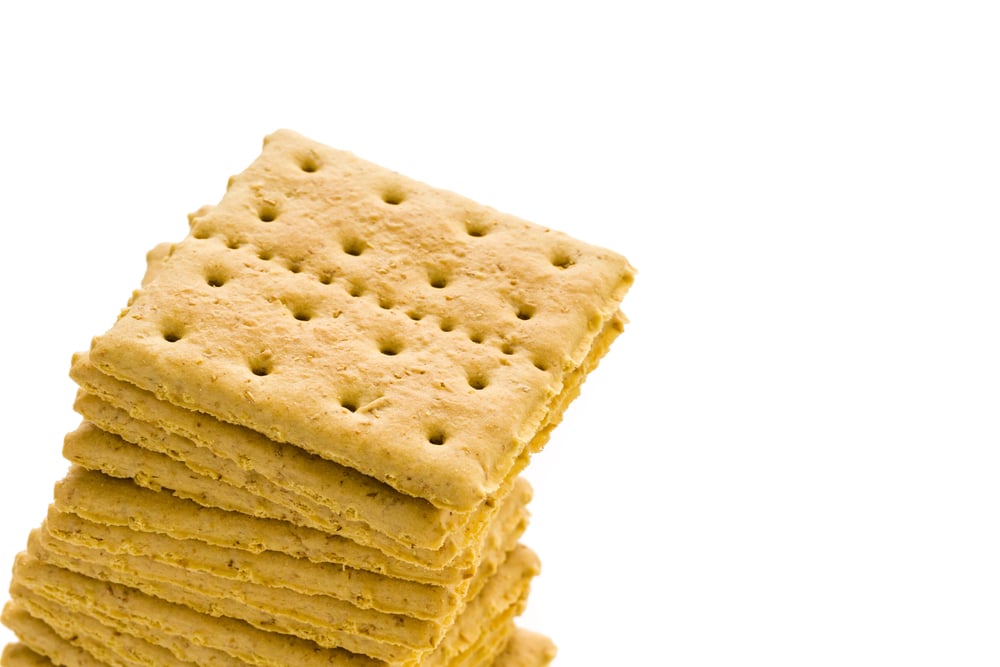
Those sweet, honey-flavored crackers in your s’mores kit have a surprisingly prudish origin story. Presbyterian minister Sylvester Graham created them in the 1820s as part of his crusade against what he saw as society’s moral decay.
Graham was convinced that spicy, flavorful foods led to sinful behavior, so he developed these plain crackers as a wholesome alternative that would keep people on the righteous path.
Like Go2Tutors’s content? Follow us on MSN.
Margarine
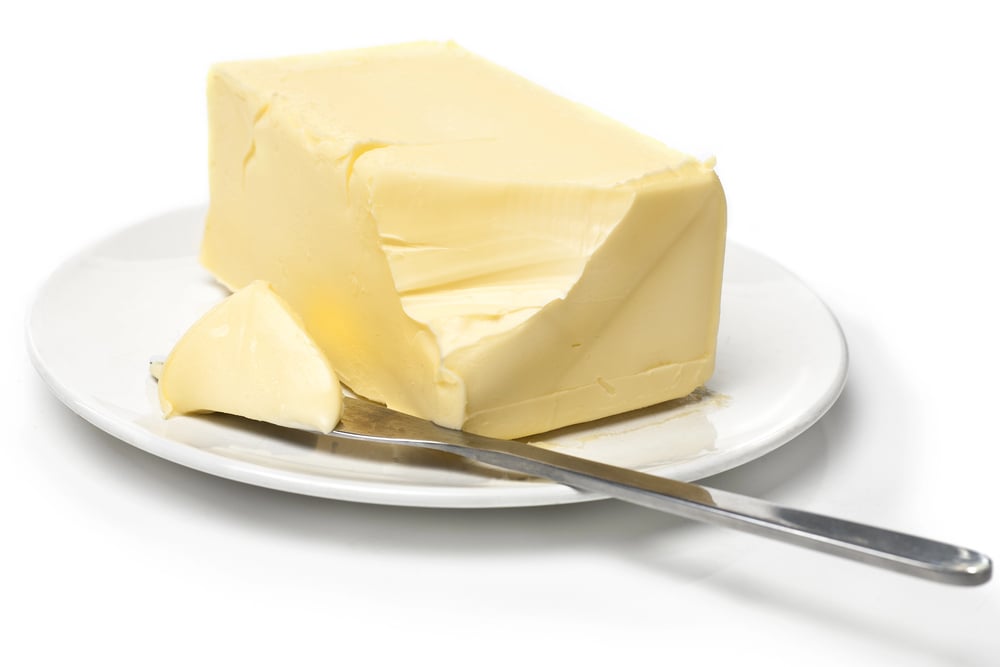
Emperor Napoleon III wasn’t thinking about heart health when he commissioned French chemist Hippolyte Mège-Mouriès to create margarine in 1869. The emperor needed a cheap butter substitute to feed his armies and the growing urban population without breaking the royal treasury.
Mège-Mouriès mixed beef fat with milk to create this early version of margarine, which was originally white and had to be colored yellow to look more like butter.
Coca-Cola
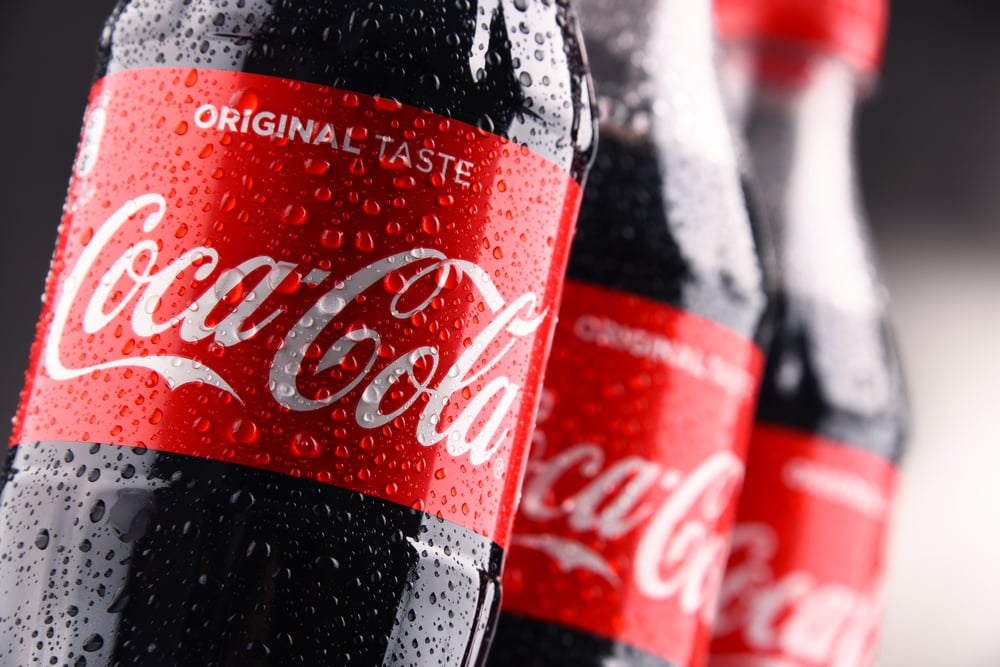
Pharmacist John Pemberton was trying to kick his morphine addiction when he concocted the original Coca-Cola formula in 1886. After being wounded in the Civil War, Pemberton had become dependent on the painkiller and desperately sought a substitute.
His syrup contained coca leaves and kola nuts, creating what he marketed as a medicinal tonic that could cure headaches, calm nerves, and provide energy.
Tonic Water
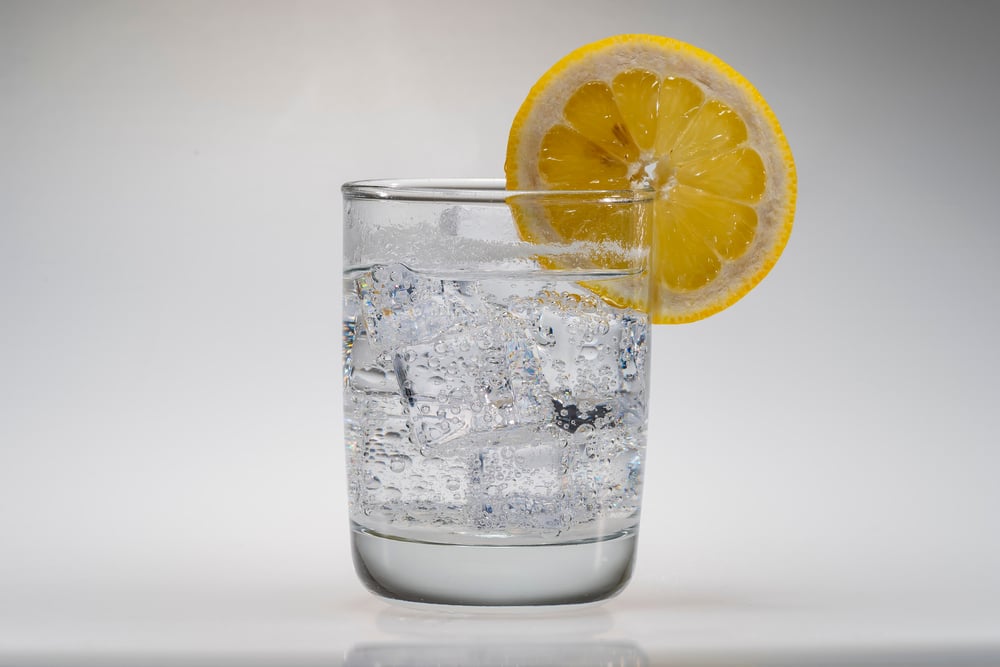
British colonial officers in India faced a deadly enemy that wasn’t human—malaria. Quinine, extracted from the bark of the cinchona tree, was the only known treatment, but its intensely bitter taste made it nearly impossible to swallow.
Clever soldiers began mixing the quinine with water, sugar, and eventually gin, creating both tonic water and the gin and tonic cocktail as a way to make their medicine go down easier.
Like Go2Tutors’s content? Follow us on MSN.
Popsicles
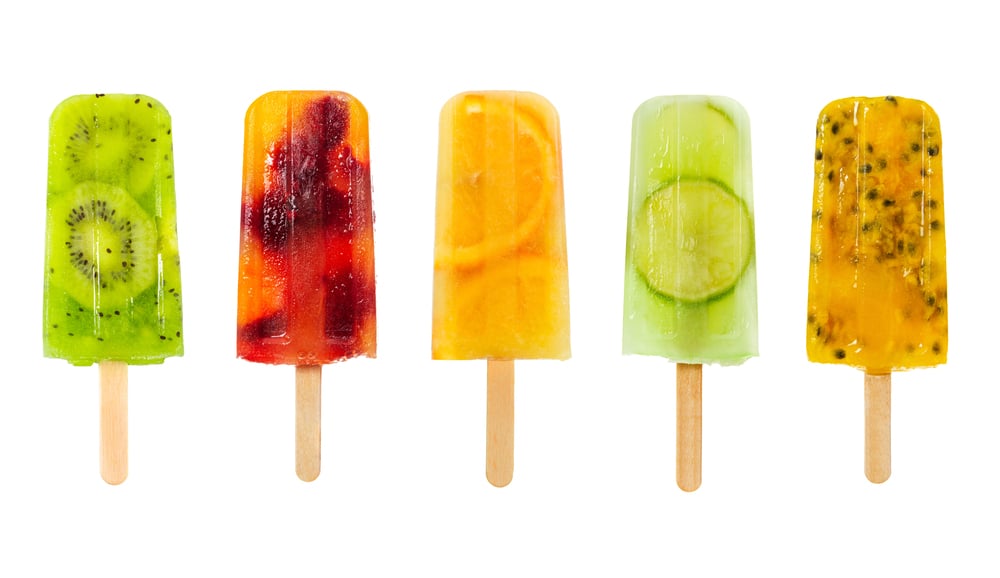
Eleven-year-old Frank Epperson wasn’t trying to invent a frozen treat when he accidentally left a cup of powdered soda mix and water outside on his porch in 1905. The overnight freeze turned his forgotten drink into something entirely new, complete with the stirring stick frozen inside.
He originally called his creation the ‘Epsicle’ before changing it to Popsicle when he began selling them at a local amusement park.
Gatorade
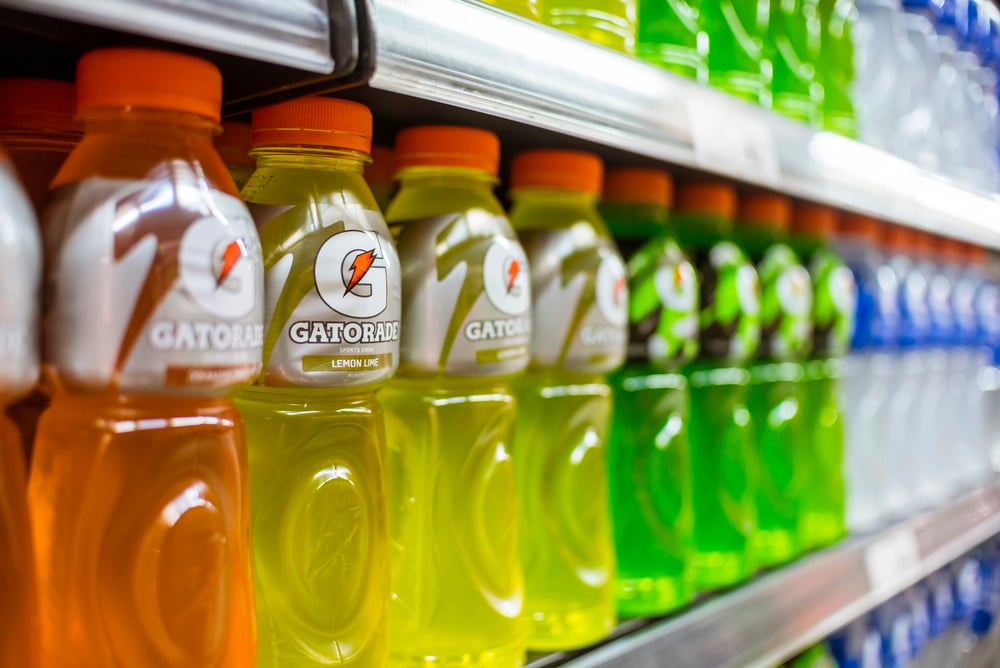
University of Florida football players were dropping like flies during practice in the sweltering heat of the 1960s, and team physician Dr. Robert Cade knew he had to do something. The Gators were losing massive amounts of electrolytes through sweat, leading to dangerous dehydration and poor performance.
Cade developed this sports drink specifically to replace the sodium, potassium, and carbohydrates that players lost during intense physical activity.
Nerds Candy
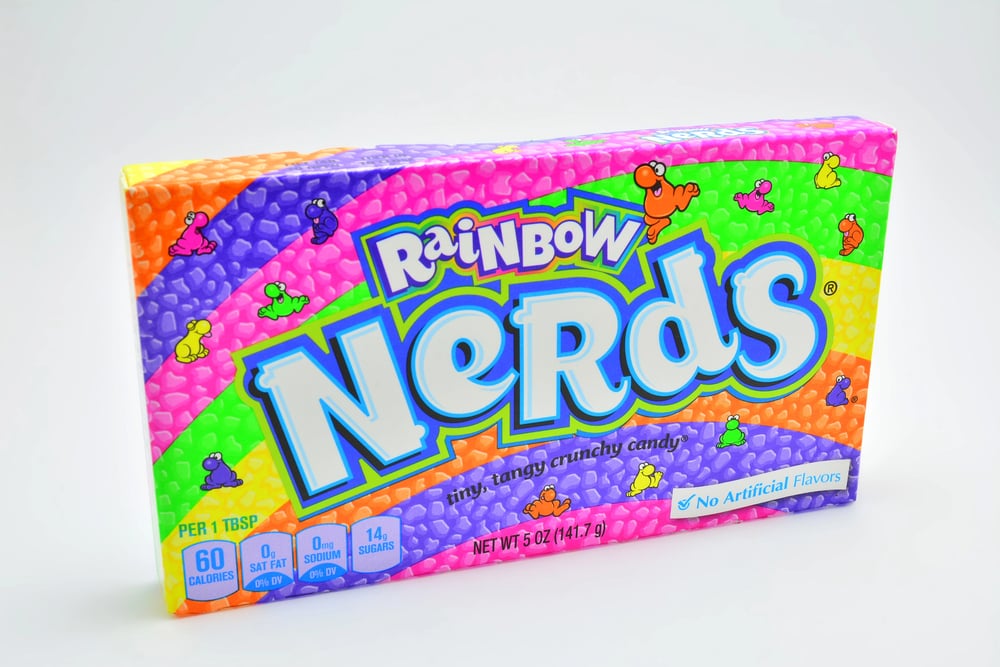
Quaker Oats was looking for ways to use up the leftover dextrose from their cereal production when they stumbled upon the recipe for Nerds in 1983. The company’s food scientists discovered that this excess sugar could be formed into tiny, irregularly shaped pieces that provided an interesting texture contrast.
The dual-flavor packaging came later as a marketing gimmick to make the candy more appealing to kids
Like Go2Tutors’s content? Follow us on MSN..
Wheaties
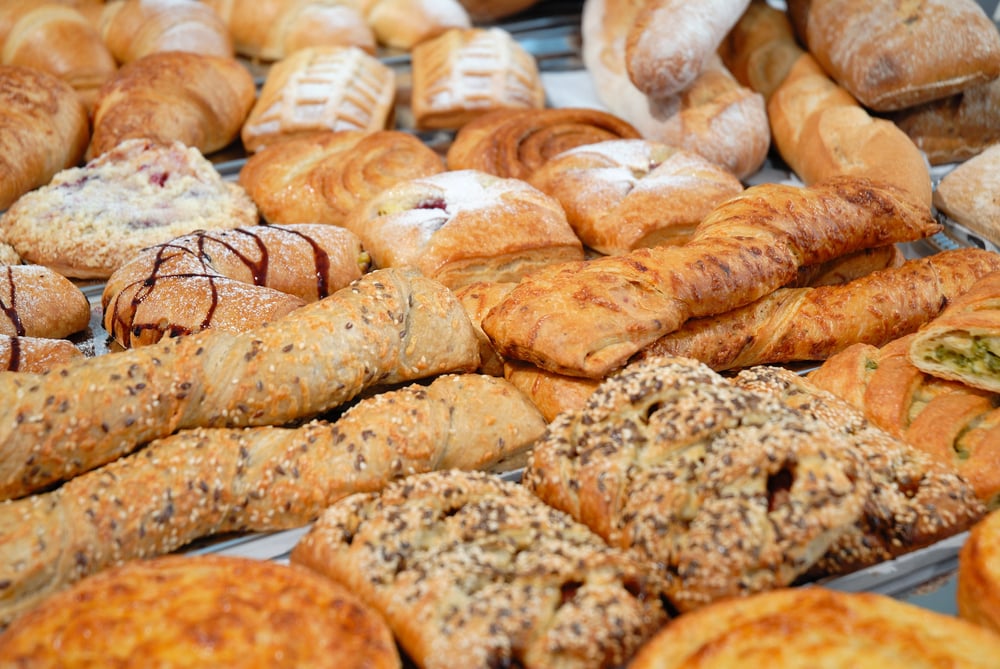
A Minneapolis health spa accident in 1922 led to one of America’s most iconic breakfast cereals. A health clinician was preparing a wheat bran mixture for patients when he accidentally spilled some onto a hot stove.
Instead of throwing it away, he noticed that the bran had formed crispy, flaky pieces that actually tasted pretty good when eaten with milk.
Dippin’ Dots
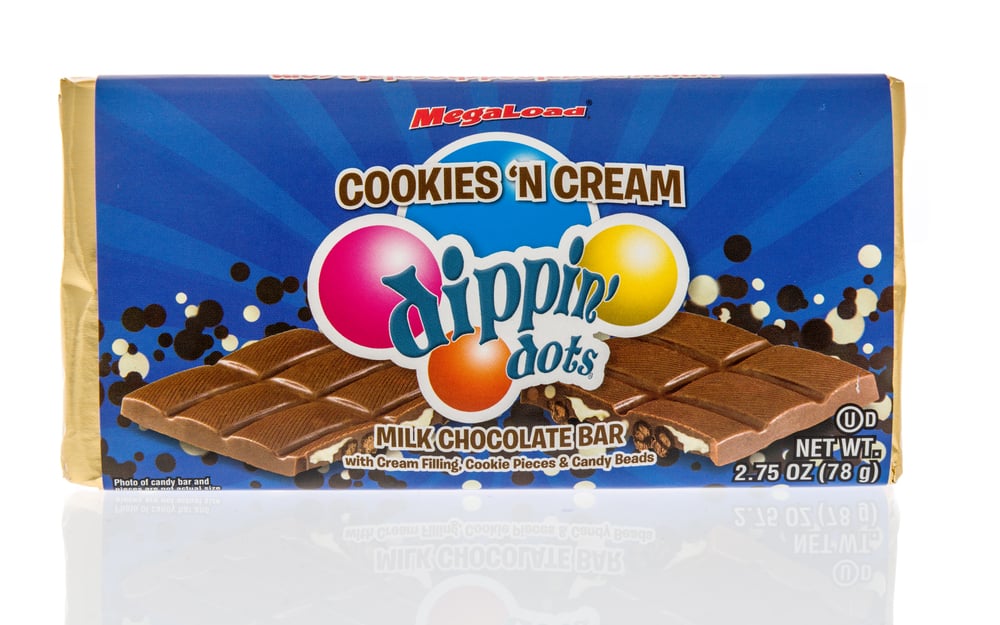
Cryogenic engineer Curt Jones was working on a method to feed cattle more efficiently when he discovered the flash-freezing technique that creates Dippin’ Dots. In 1987, Jones was experimenting with liquid nitrogen to preserve nutrients in animal feed when he realized the same process could be applied to ice cream.
The result was those tiny, perfectly round frozen beads that became a staple at amusement parks and malls.
Lay’s Potato Chips
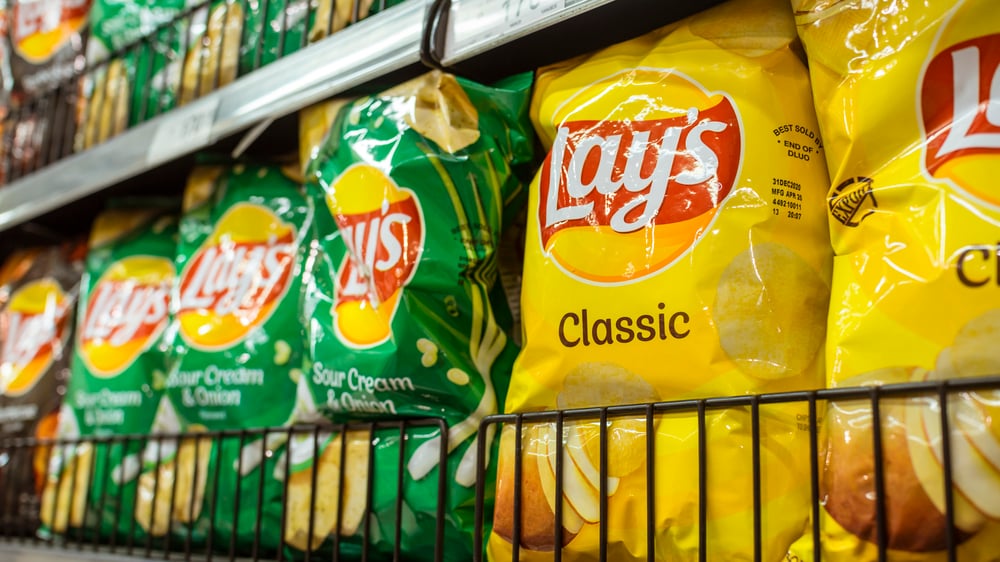
Chef George Crum didn’t invent potato chips to satisfy customers—he created them out of pure spite. In 1853, a demanding patron at his restaurant kept sending back orders of fried potatoes, complaining they were too thick and not crispy enough.
Crum decided to teach the customer a lesson by slicing the potatoes paper-thin and frying them until they were impossibly crispy, creating what we now know as potato chips.
Like Go2Tutors’s content? Follow us on MSN.
Saccharin
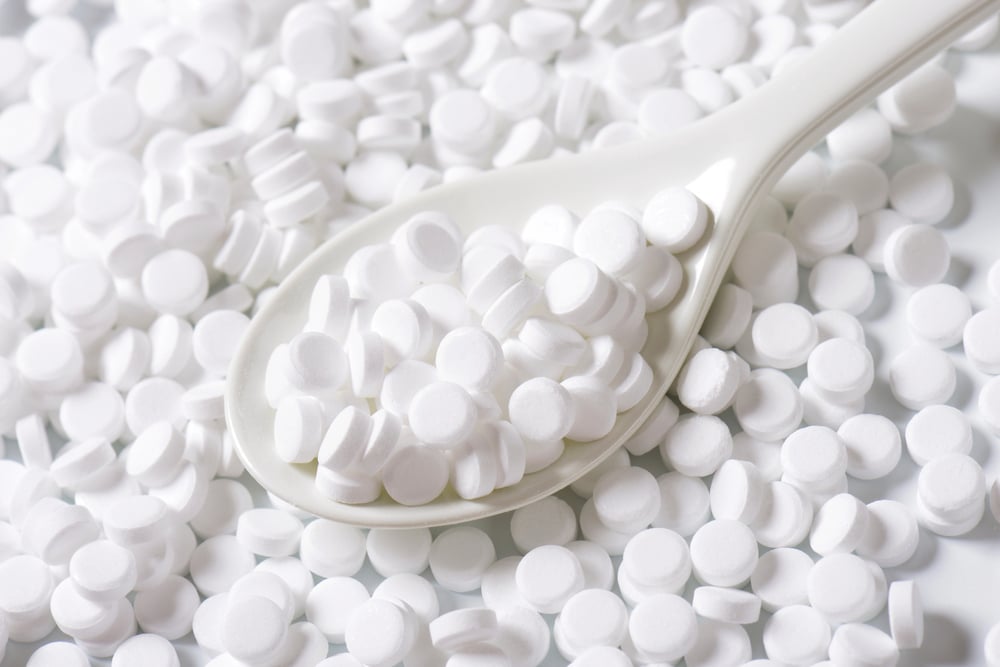
Constantine Fahlberg stumbled upon the world’s first artificial sweetener completely by accident while working as a chemist at Johns Hopkins University in 1879. He was researching coal tar derivatives for industrial purposes when he forgot to wash his hands before eating dinner.
The sweet taste he noticed on his bread led him to realize that one of the compounds he’d been working with was hundreds of times sweeter than sugar.
TV Dinners
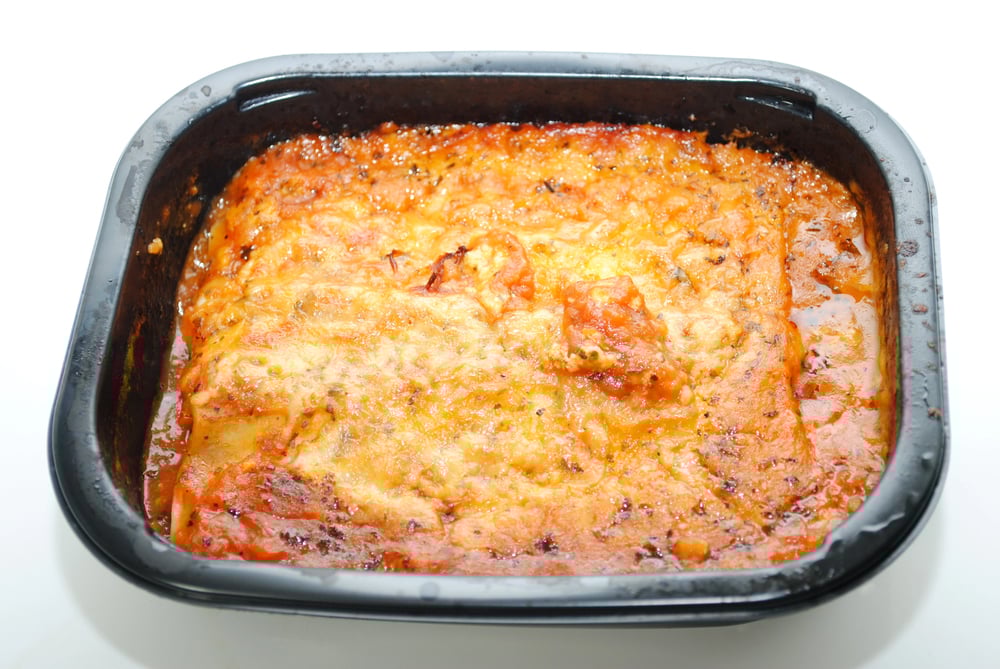
Swanson had a massive problem on their hands after Thanksgiving 1953—they’d ordered way too much turkey and were sitting on 260 tons of leftover meat that was taking up valuable freezer space. Salesman Gerry Thomas came up with the ingenious solution of packaging the turkey with sides in aluminum trays that could be heated in the oven.
The TV dinner was born out of corporate desperation, not culinary innovation.
Champagne

Dom Pérignon and other monks in the Champagne region of France weren’t trying to create a celebratory beverage when they first noticed bubbles in their wine. The carbonation was actually considered a flaw caused by the cold winters interrupting fermentation, then resuming when temperatures warmed up in spring.
For decades, winemakers worked desperately to prevent this ‘problem’ until they realized people actually preferred the bubbly version.
Like Go2Tutors’s content? Follow us on MSN.
Play-Doh
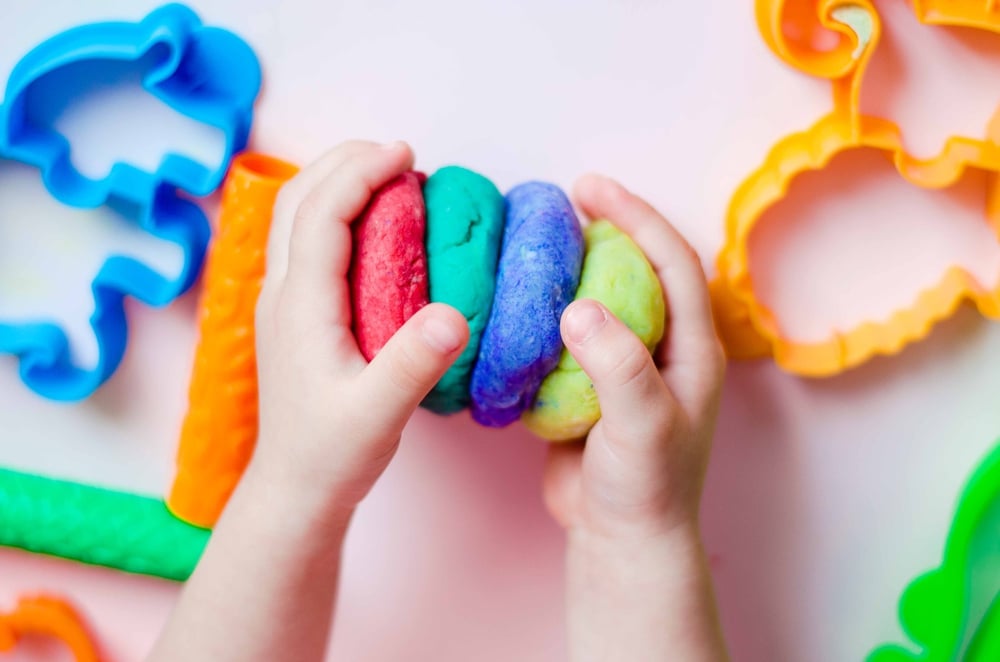
Noah McVicker created Play-Doh in 1955 as a wallpaper cleaner for his family’s company, Kutol Products. The pliable, reusable compound was designed to remove soot and dirt from wallpaper in homes heated by coal furnaces.
When cleaner heating systems made the product obsolete, McVicker’s nephew noticed that local teachers were using the non-hardening clay as an art supply for children.
When Accidents Become Appetites
These culinary accidents and misguided inventions remind us that some of life’s best discoveries happen when we’re looking for something completely different. From a preacher’s moral crusade to a child’s forgotten drink, the foods we love today often have origin stories that would surprise their original creators.
The next time you grab a bag of chips or crack open a soda, remember that you’re probably enjoying the delicious result of someone else’s happy accident or bizarre experiment.
More from Go2Tutors!

- 16 Historical Figures Who Were Nothing Like You Think
- 12 Things Sold in the 80s That Are Now Illegal
- 15 VHS Tapes That Could Be Worth Thousands
- 17 Historical “What Ifs” That Would Have Changed Everything
- 18 TV Shows That Vanished Without a Finale
Like Go2Tutors’s content? Follow us on MSN.



