15 Olympic Sports That Were Discontinued for Strange Reasons
Since their revival in 1896, the Olympic Games have undergone significant change. In the history of the Olympics, many sports have made fleeting appearances before being dropped, frequently for pragmatic or even quirky reasons. Some events disappeared for far more bizarre reasons, while others were canceled because there was no international competition.
Here is a list of 16 Olympic sports that were discontinued for strange reasons, showcasing the bizarre evolution of the world’s premier athletic competition.
Tug of War

In fact, from 1900 to 1920, this playground favorite was an Olympic sport. The main reason tug of war was abandoned was because nations were unable to agree on uniform regulations.
Other countries cried foul when the British team once arrived sporting police boots with reinforced heels for improved traction. Imagine a complex game of pulled rope where international diplomacy breaks down over shoe preferences.
Live Pigeon Shooting
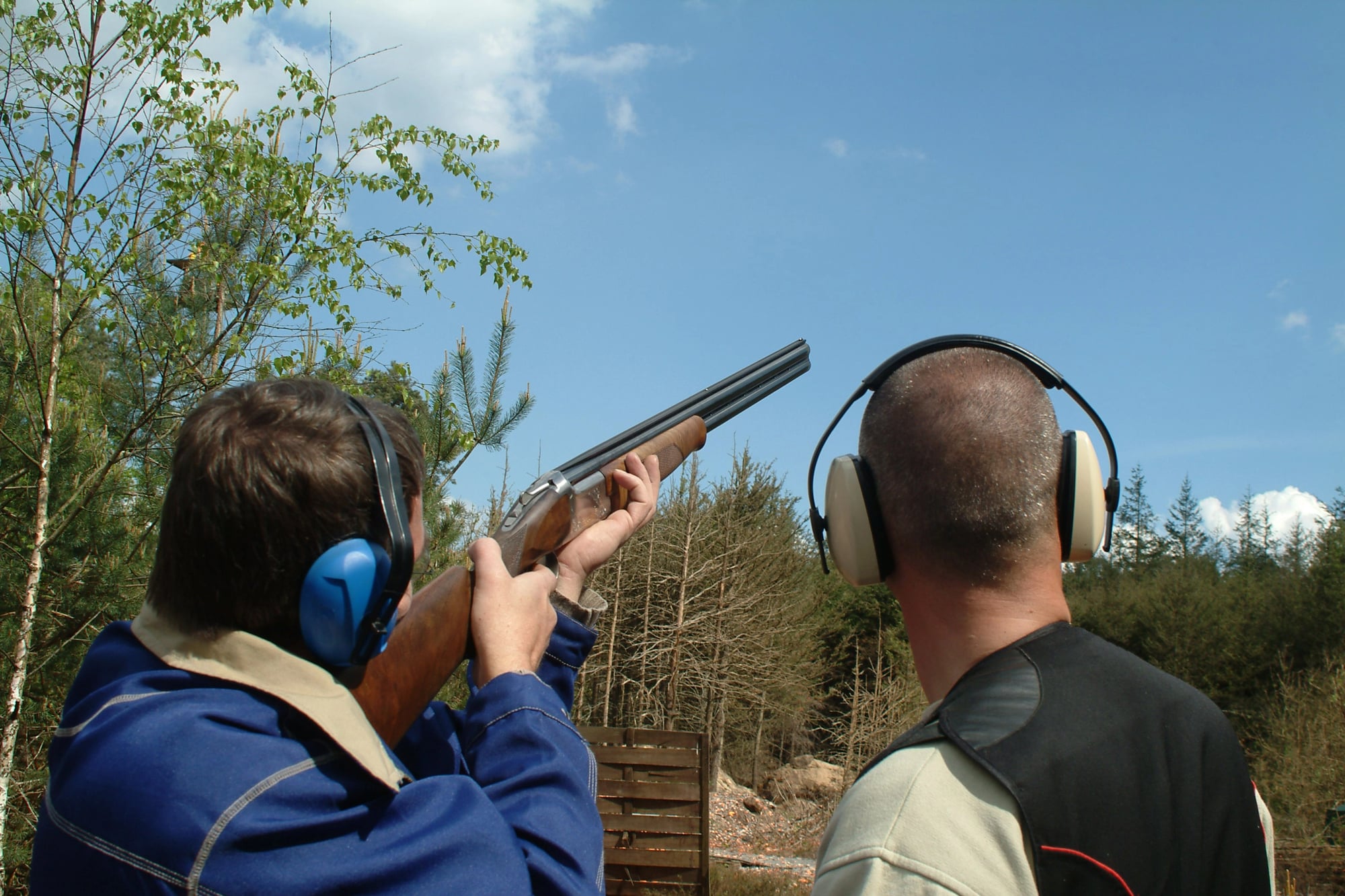
Featured only in the 1900 Paris Olympics, this event involved competitors shooting live pigeons released from traps. Nearly 300 birds were killed during the competition, with blood and feathers scattered across the venue.
Public outrage was immediate and intense. The Olympic committee quickly replaced live birds with clay targets, giving birth to the modern shooting events we see today.
Swimming Obstacle Race
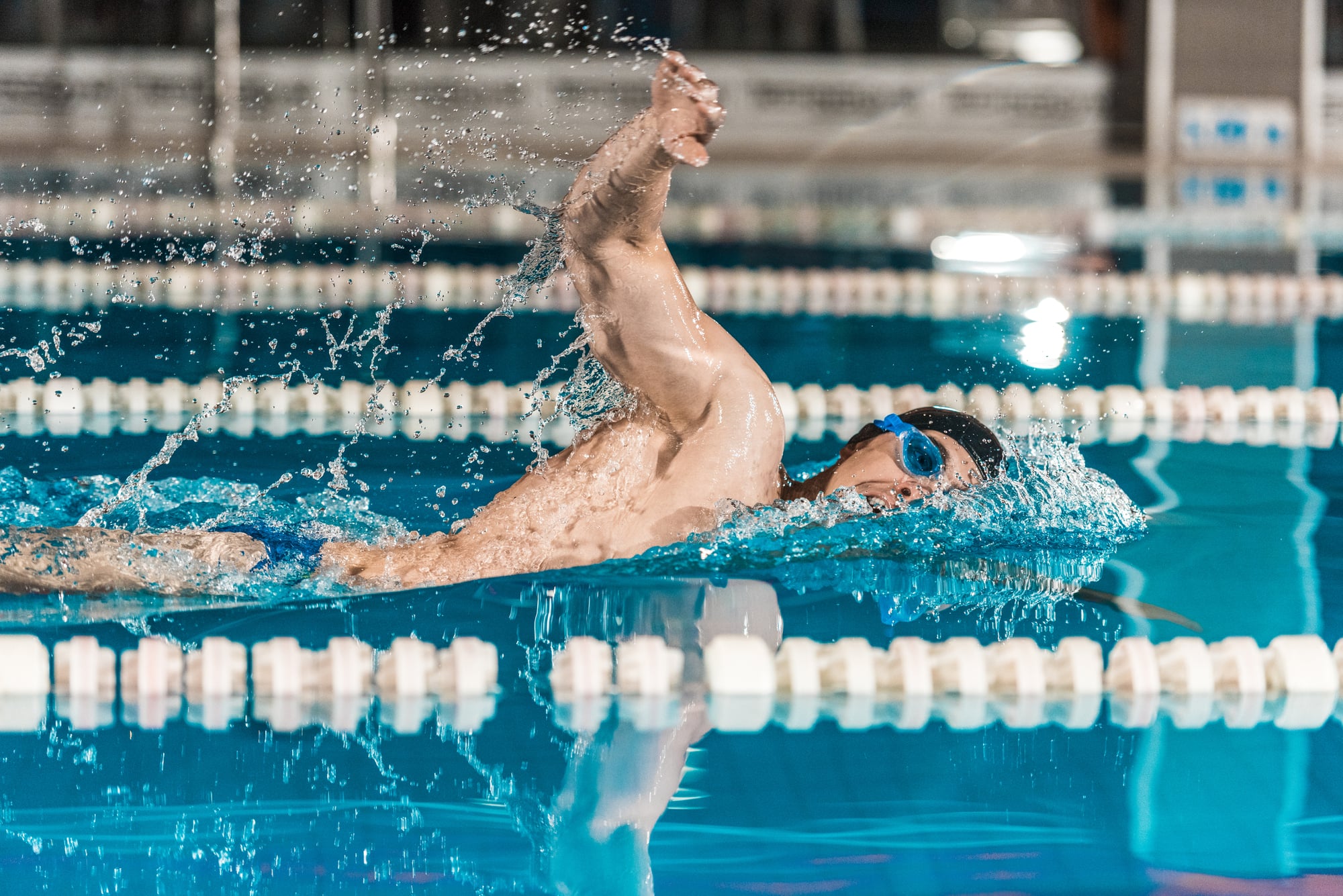
The 1900 Paris Olympics featured this bizarre event where swimmers had to climb over boats, swim under others, and navigate various obstacles in the Seine River. The event was discontinued mainly because the river was notoriously polluted, causing several competitors to fall ill.
Organizers realized that combining swimming with an obstacle course in contaminated water wasn’t the safest competitive endeavor.
Plunge for Distance
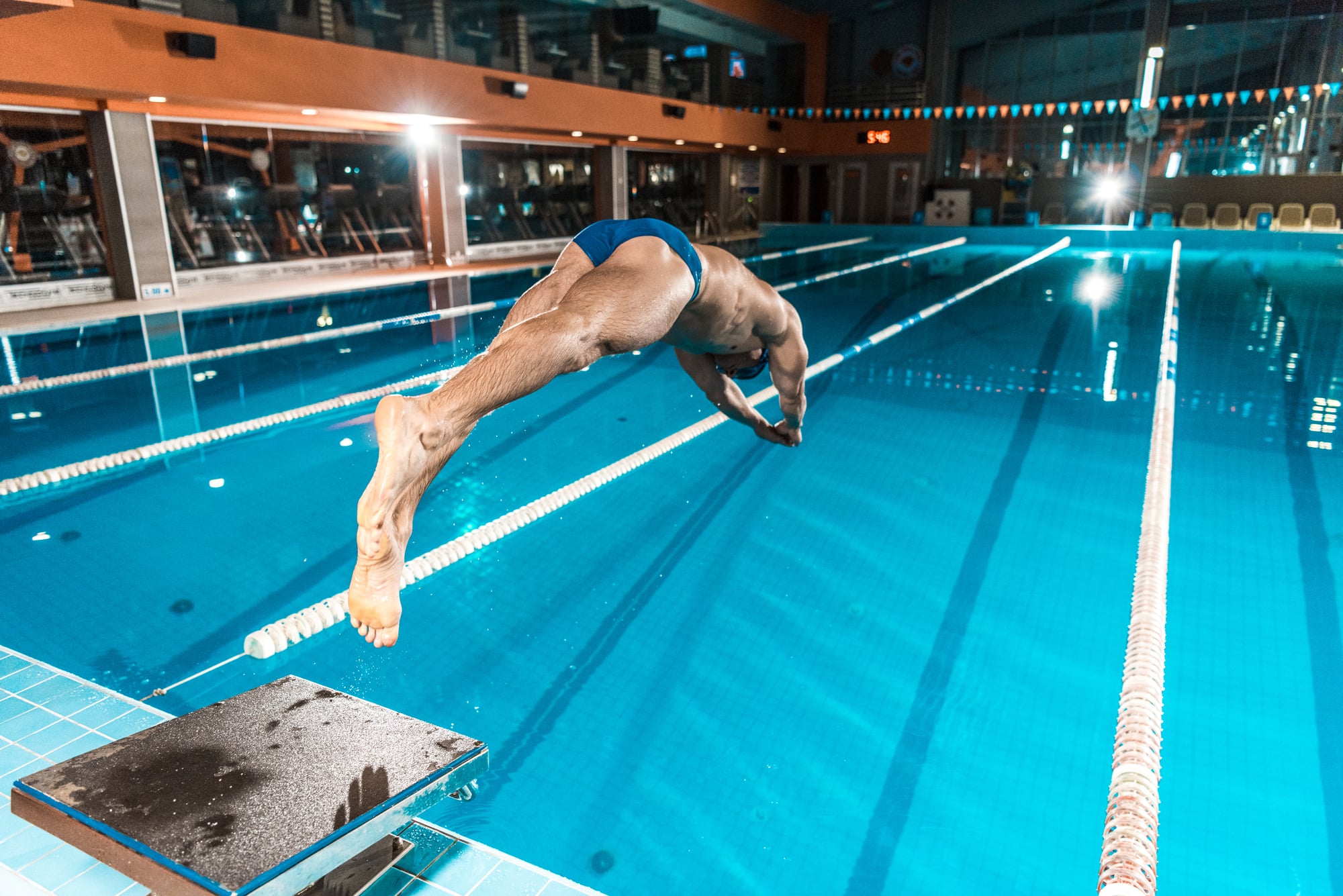
This curious swimming event appeared only in 1904, requiring competitors to dive into the pool and glide underwater without moving their limbs. The person who traveled the furthest won.
It was mockingly called ‘the fat man’s event’ since heavier competitors had an advantage due to momentum. The event was dropped because it lacked action and was deemed ‘not athletic enough’ by international standards.
Rope Climbing

Featured in five Olympics between 1896 and 1932, rope climbing required athletes to ascend a vertical rope using only their hands and arms. The event vanished because it was visually repetitive and caused severe injuries when competitors fell.
Additionally, taller athletes had such a significant advantage that it undermined the competitive balance. Modern climbing events emphasize technique over raw physical attributes.
Solo Synchronized Swimming
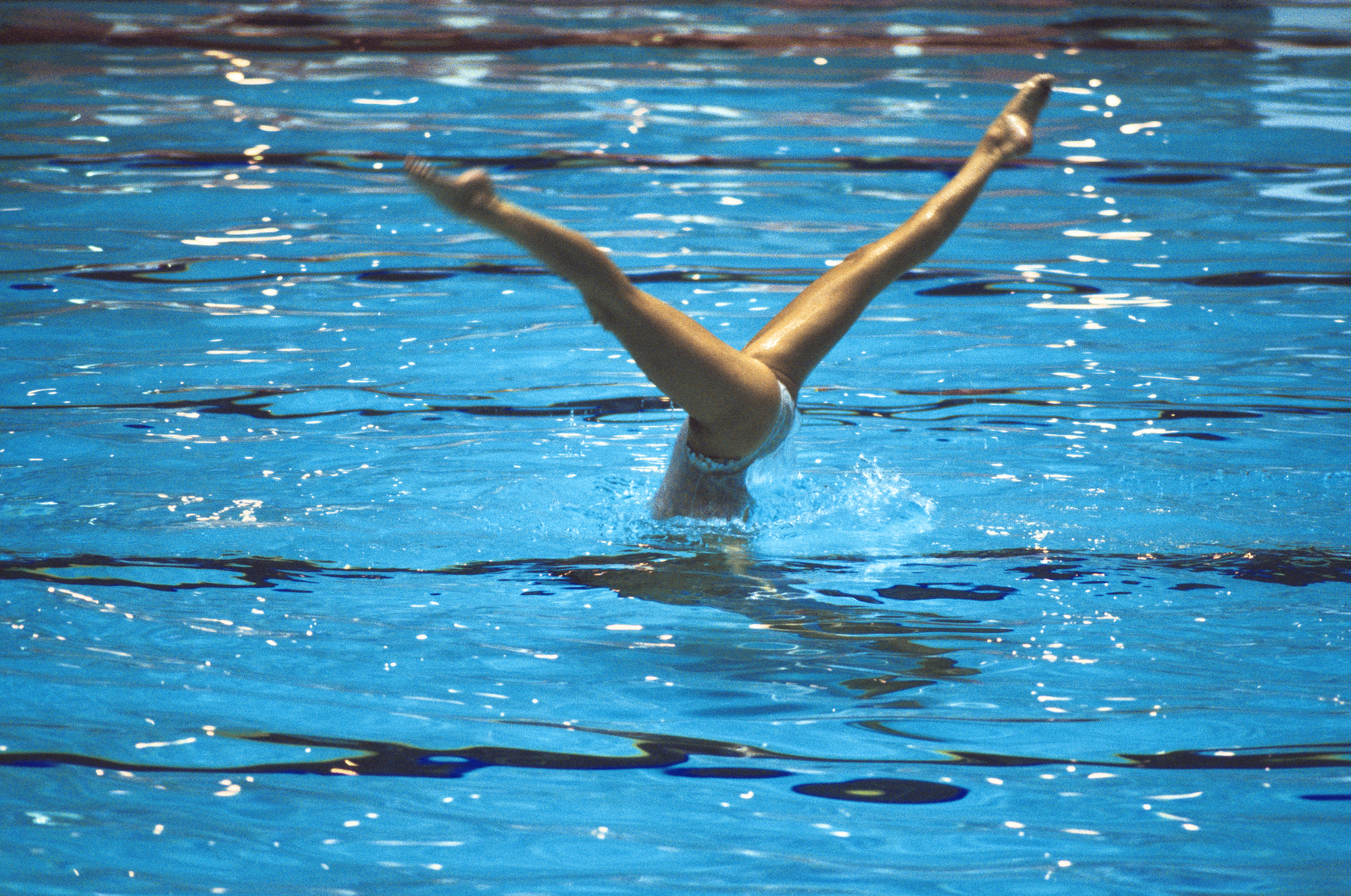
This contradictory-named event appeared in the 1984, 1988, and 1992 Games. The ‘synchronized’ part referred to matching movements to music, not synchronizing with other swimmers.
The International Olympic Committee discontinued it because the name made no logical sense. How can someone synchronize alone? The confusion and mockery surrounding the event’s name ultimately led to its removal from the Olympic program.
Dueling Pistols

This event made a brief appearance in the early 1900s, featuring competitors firing at human-shaped targets wearing frock coats. The sport disappeared after World War I when the grim reality of combat made simulated shooting at human targets seem in poor taste.
The strange format also raised safety concerns, as competitors fired at targets only 20 yards away with live ammunition.
Hot Air Ballooning

Hot air ballooning was one of the aeronautical activities at the 1900 Summer Olympics in Paris. Because it was almost impossible to standardize the results, these were stopped.
Competitors weren’t dealing with the same difficulties on different days due to varying wind conditions. Olympic officials faced a scheduling dilemma as a result of some balloons drifting so far that competitors were not visible for days.
Croquet
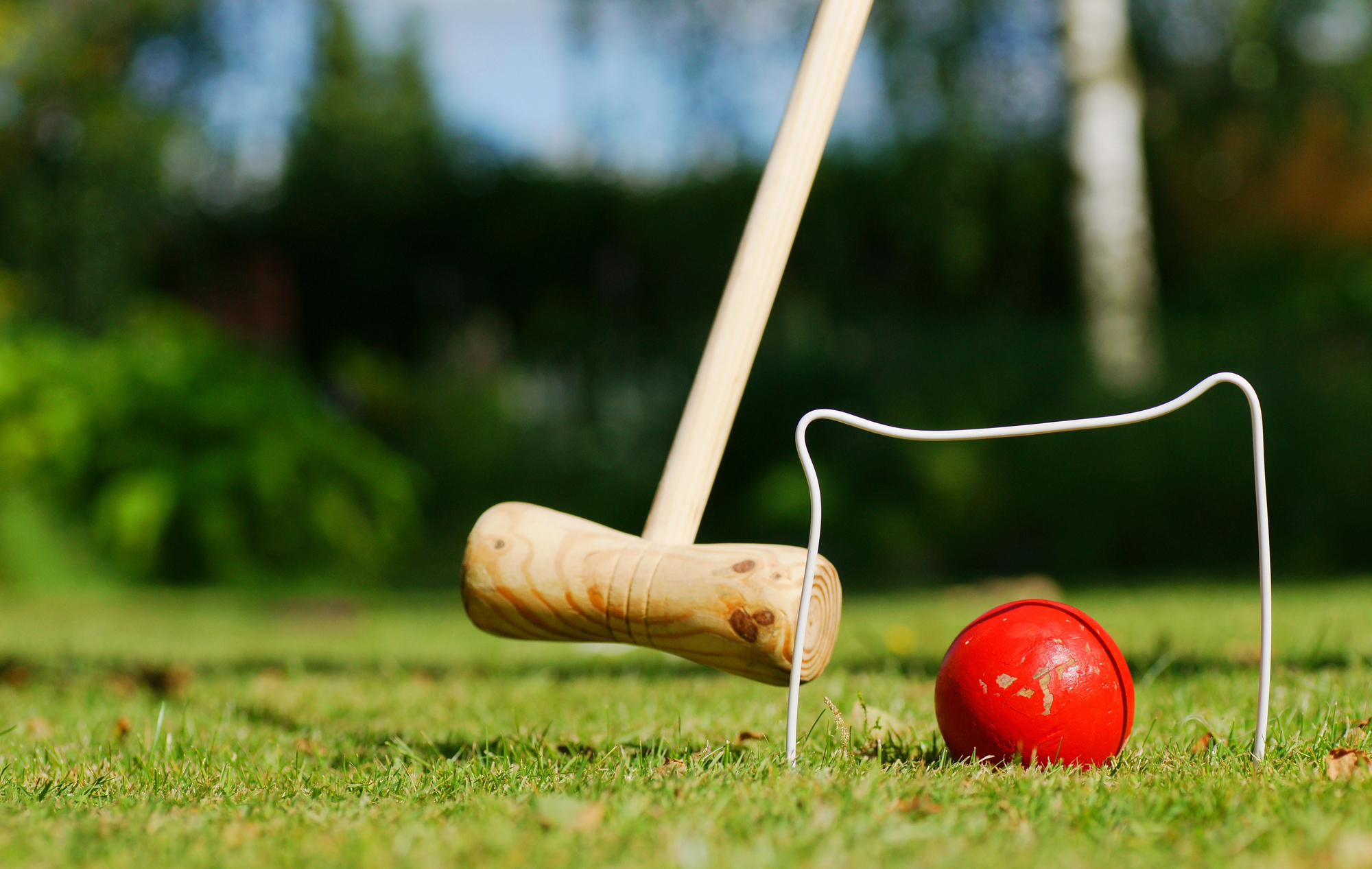
Featured only in the 1900 Paris Games, croquet attracted exactly one spectator throughout the entire competition. All competitors were French, making it more of a national championship than an international event.
The International Olympic Committee discontinued it because it lacked global appeal and competitive energy. The solitary fan who watched the entire competition deserves a gold medal for endurance.
Motorboating
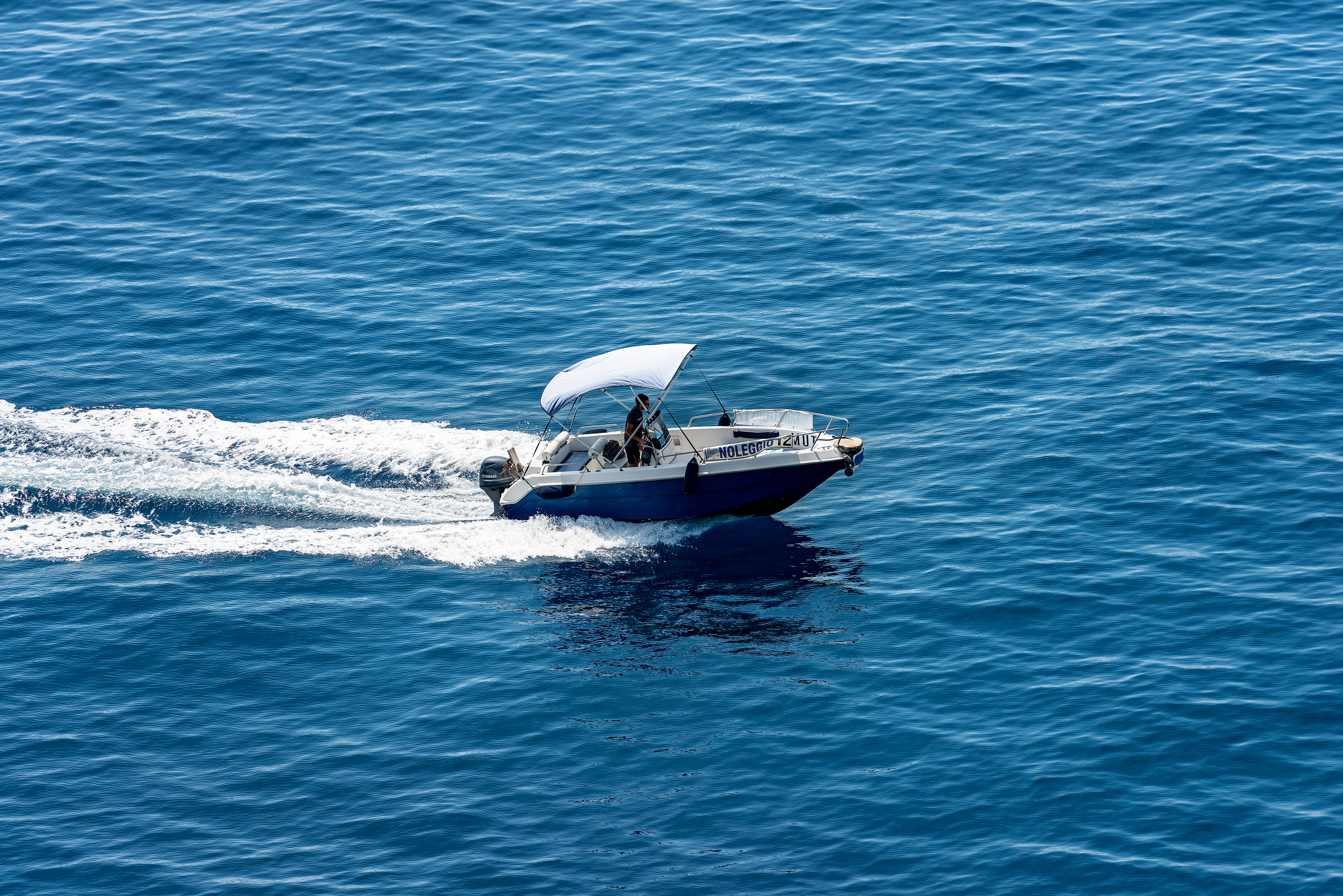
The 1908 London Olympics featured motorboat racing, marking one of the few times motorized sports appeared in the Games. It was discontinued because it contradicted the Olympic spirit of human athletic achievement.
The event essentially measured the quality of the boat’s engine rather than the skill of the athlete. Additionally, choppy waters and mechanical failures resulted in only two of the three scheduled races even being completed.
Ski Ballet

Appearing as a demonstration sport in the 1988 and 1992 Winter Olympics, ski ballet combined skiing with choreographed dance moves on a gentle slope. The sport vanished because it looked comically dated almost immediately, with competitors performing in neon outfits to synthesizer music.
Equipment improvements in other freestyle skiing disciplines made ski ballet seem unnecessarily flamboyant and technically limited in comparison.
Art Competitions

From 1912 to 1948, the Olympics included competitions in architecture, literature, music, painting, and sculpture. These were discontinued because professional artists had an unfair advantage over amateurs, contradicting the Olympics’ amateur ethos at the time.
The subjective nature of judging also created constant controversies. Olympic founder Baron Pierre de Coubertin actually won a gold medal in literature under a pseudonym, raising questions about impartiality.
200-meter Swimming Obstacle Race
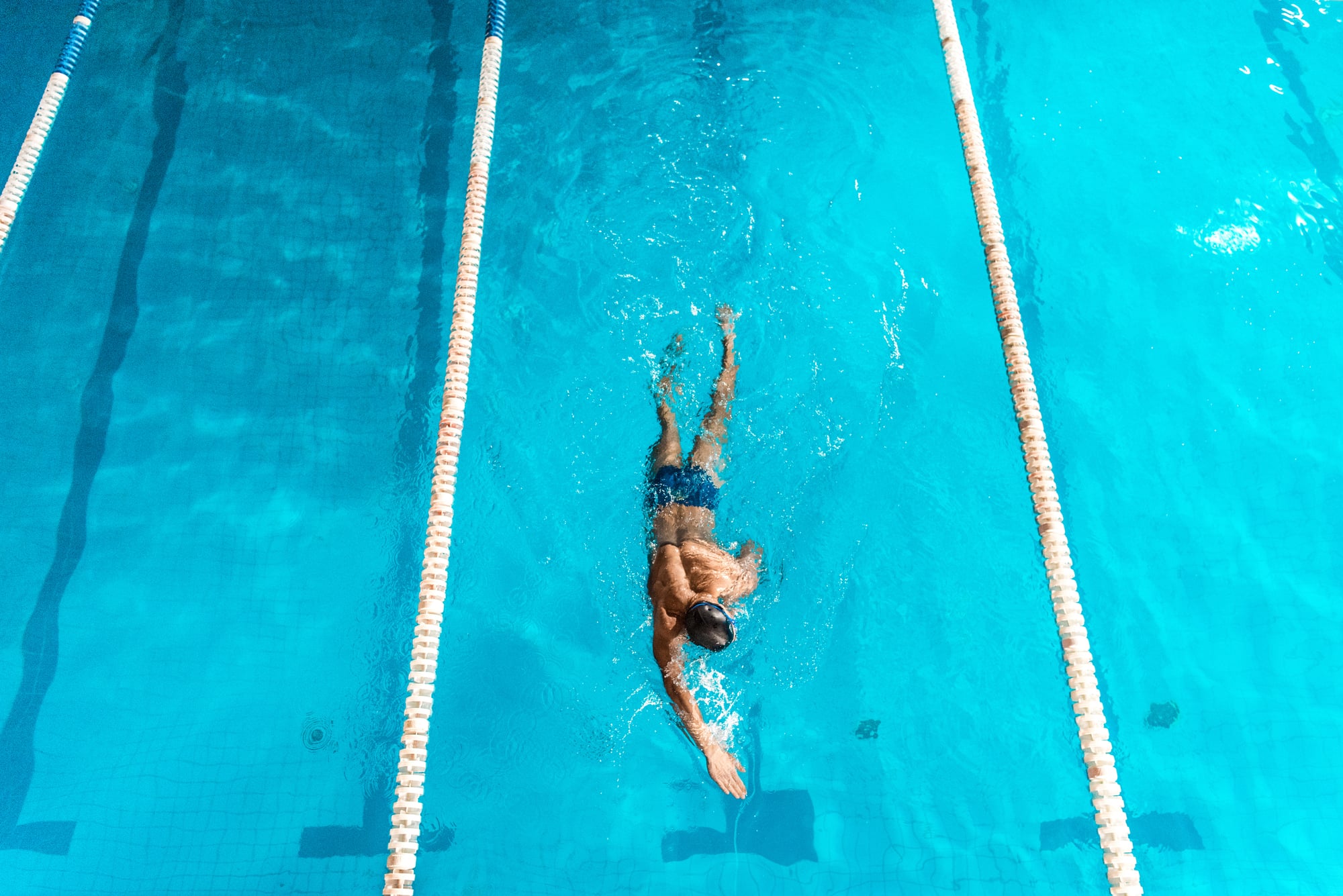
Swimmers had to swim beneath other swimmers, clamber over boats, and sprint down the riverbank during a portion of this strange Olympic event in Paris in 1900. In addition to the aforementioned pollution concerns, the competition was canceled due to competitors’ divergent interpretations of the regulations.
Some fell under, while others went over poles, resulting in intense arguments and judging nightmares that the organizers didn’t want to happen again.
Delivery Van Racing

There was a delivery vehicle competition at the 1900 Summer Olympics in Paris, with distinct divisions for various kinds of commercial vehicles. Since it had nothing to do with athletic success, this strange event was dropped.
In a sense, the manufacturers of the cars, not the drivers, were the winners. Additionally, the event caused severe traffic congestion across Paris, which irritated residents who were already dubious about hosting the Games.
Standing Long Jump
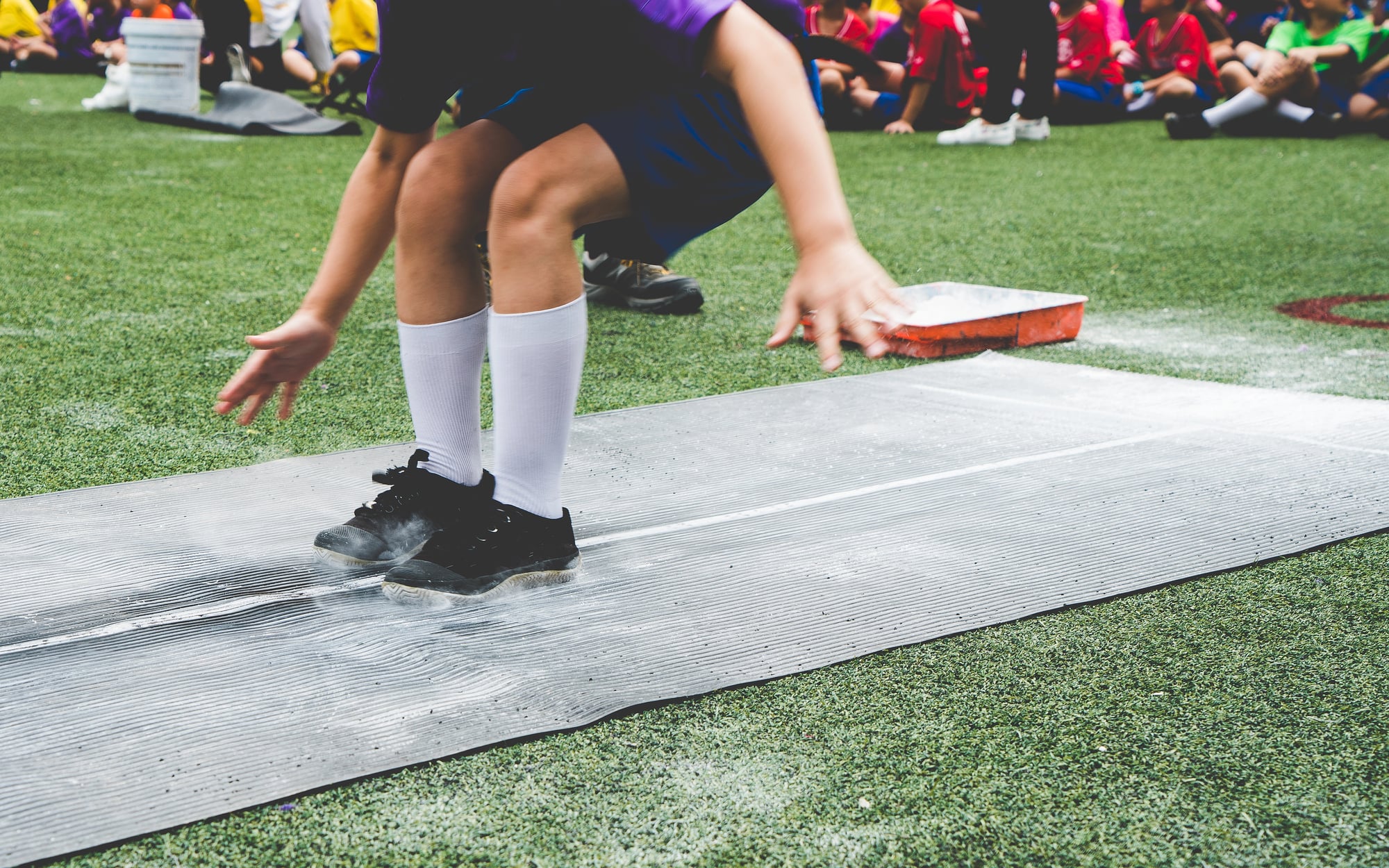
Between 1900 and 1912, this track and field competition was a part of five Olympic games. Competitors had to jump from a standing position, in contrast to the running long jump.
Because it lacked the enthusiasm that Olympic viewers had grown accustomed to and was aesthetically unappealing in comparison to the traditional long jump, the event was abandoned. Viewers found the performances boring because of the limited method used, which made them appear nearly identical.
Looking Forward, Looking Back

Sports are introduced and removed from the Olympic Games according to factors like worldwide popularity, practicality, and shifting cultural values. Spectators in 1900 would find modern Olympic activities like skateboarding, sport climbing, and surfing as bizarre as we do speedboat racing or live pigeon shooting.
The peculiar history of Olympic events that have been canceled serves as a reminder that the definition of a “sport” is ever-changing, reflecting the particular values and interests of each time period.
More from Go2Tutors!

- The Romanov Crown Jewels and Their Tragic Fate
- 13 Historical Mysteries That Science Still Can’t Solve
- Famous Hoaxes That Fooled the World for Years
- 15 Child Stars with Tragic Adult Lives
- 16 Famous Jewelry Pieces in History
Like Go2Tutors’s content? Follow us on MSN.