15 Foods That Exist Because of Laziness or Mistakes
Many of our favorite foods weren’t created through careful planning or culinary genius but rather through happy accidents, moments of laziness, or outright blunders that somehow turned into delicious discoveries. These kitchen mishaps and shortcuts have given us some of the world’s most beloved treats and time-saving meal solutions.
The history of food innovation is filled with unexpected origins and fortunate failures. Here is a list of 15 foods that came into existence because someone made a mistake or was looking for an easier way out.
Chocolate Chip Cookies
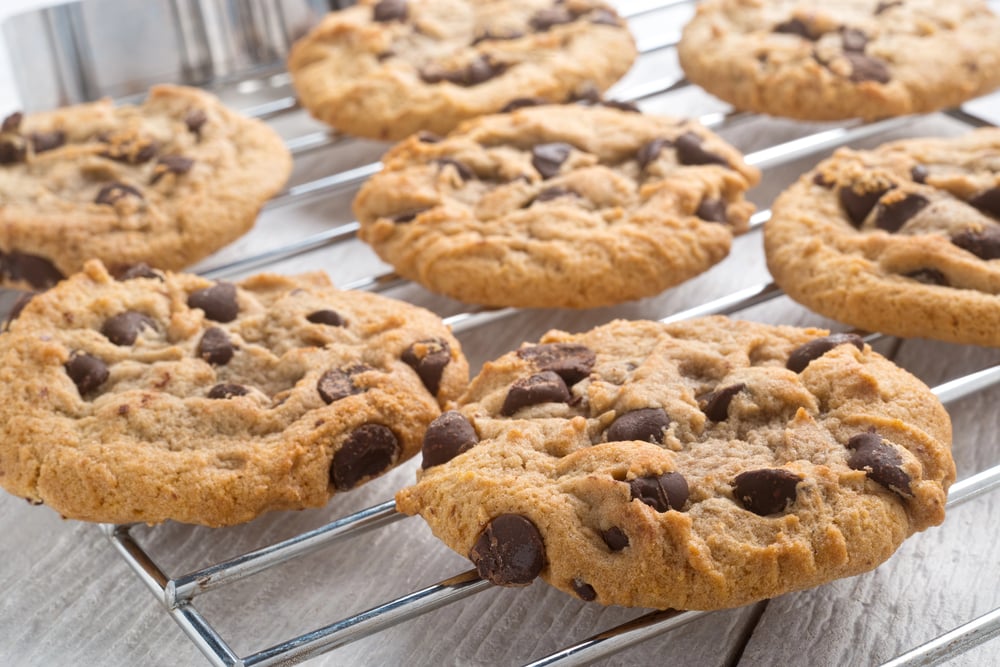
The iconic chocolate chip cookie was born in 1930 when Ruth Wakefield ran out of baker’s chocolate while making cookies at her Toll House Inn. In a pinch, she chopped up a Nestlé semi-sweet chocolate bar, expecting it to melt completely into the dough.
The chocolate pieces maintained their shape, creating the now-famous chocolate chip cookie instead of the chocolate cookies she intended. This delicious mistake became so popular that Wakefield later struck a deal with Nestlé to print her recipe on their chocolate packaging.
Potato Chips
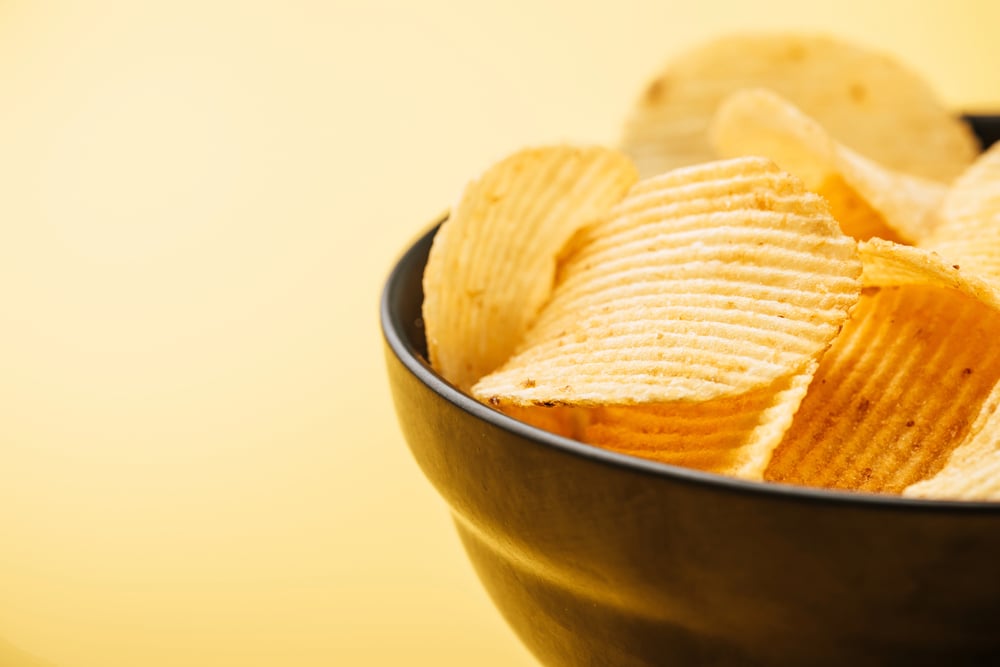
In 1853, a disgruntled chef named George Crum responded to a customer complaint about thick, soggy potatoes by slicing them paper-thin and frying them to a crisp. This passive-aggressive attempt to create an inedible potato was meant to teach the picky diner a lesson.
Instead, the customer loved the crispy potato slices, and the potato chip was born from this moment of culinary spite. What began as kitchen pettiness evolved into one of America’s favorite snacks, consumed at a rate of over 1.5 billion pounds annually.
Popsicles

Eleven-year-old Frank Epperson accidentally left a cup of soda with a stirring stick on his porch overnight during a San Francisco winter in 1905. The next morning, he discovered the liquid had frozen around the stick, creating the world’s first popsicle.
Epperson initially called his accidental invention the ‘Epsicle’ before patenting it as the ‘Popsicle’ 18 years later. This childhood mistake turned into a summertime staple that now sells over two billion units yearly in the United States alone.
Yogurt
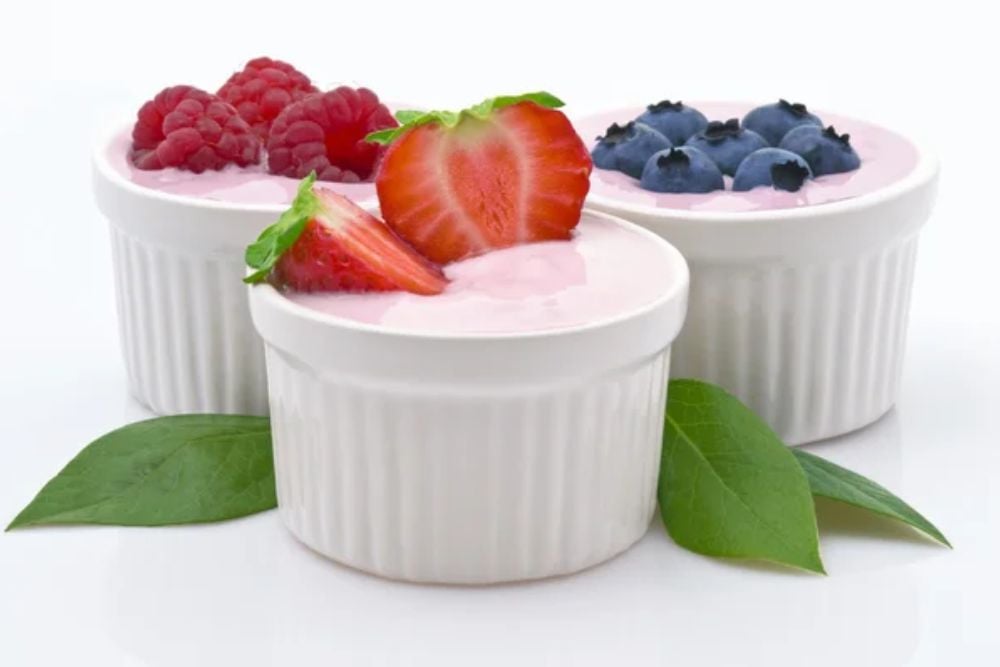
This fermented dairy product likely came into existence when nomadic tribes stored milk in pouches made from animal stomachs which contained natural enzymes that caused curdling. The accidental fermentation process created a food that lasted longer than fresh milk and had a pleasant tangy flavor.
Early herders probably noticed that milk stored this way remained edible far longer and adopted the practice intentionally. This ancient mistake created one of humanity’s oldest preserved foods, now consumed as both a health food and dessert.
Ice Cream Cones

During the 1904 St. Louis World’s Fair, an ice cream vendor ran out of dishes, while a nearby waffle maker wasn’t attracting many customers. The waffle maker, Ernest Hamwi, rolled one of his thin waffles into a cone shape to help out the ice cream seller.
This impromptu solution to a shortage problem created an iconic pairing that would transform ice cream from a dish-dependent dessert into a portable treat. The convenient edible container became immediately popular at the fair and soon spread nationwide.
Champagne

The distinctive bubbles in champagne were initially considered a winemaking failure. French monks, including the famous Dom Pérignon, tried desperately to remove the carbonation that developed when wines were bottled before fermentation was complete.
The pressure from trapped carbon dioxide was so problematic that it often caused bottles to explode in the cellars. What began as a storage mistake eventually became celebrated as the defining characteristic of this luxury beverage, transforming a winemaking flaw into a symbol of celebration.
Worcestershire Sauce
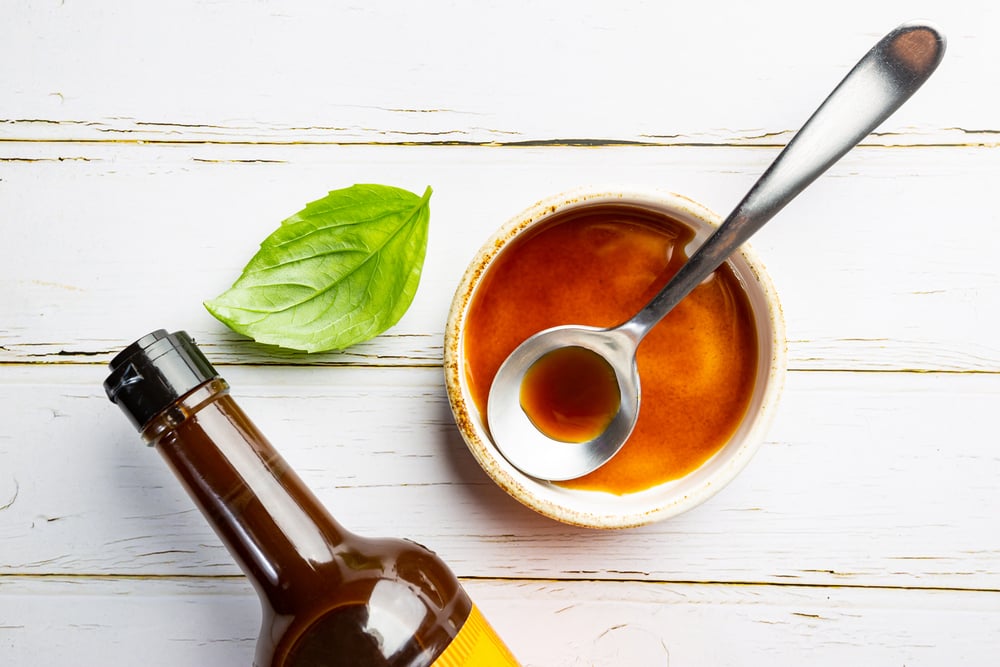
This complex condiment was created when British chemists John Lea and William Perrins made a fermented fish sauce for a nobleman returning from travels in India. Finding the initial results unpalatable, they abandoned the mixture in their basement.
Upon rediscovering the forgotten barrel years later, they found the lengthy fermentation had transformed the sauce into something delicious. Their neglect had allowed time for the ingredients to mellow and meld into the savory, umami-rich condiment we know today.
Cheese
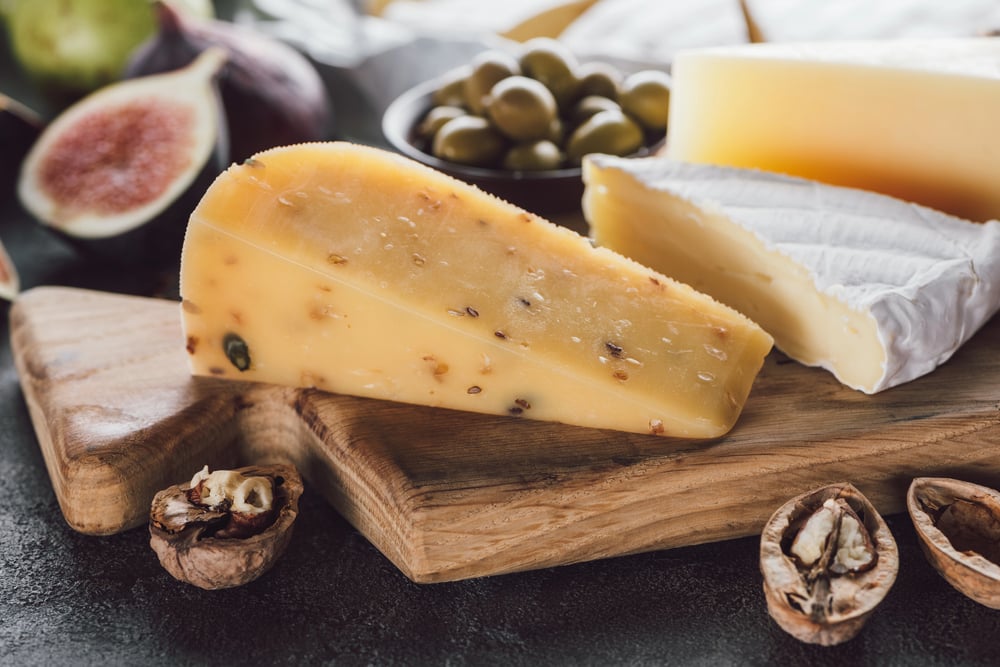
The earliest cheese was likely made when milk was stored in bags made from animal stomachs, similar to yogurt’s creation. The rennet enzymes naturally present in these containers separated the milk into curds and whey.
Ancient travelers discovered this accidental preservation method allowed them to carry a stable dairy product on long journeys. This mistake, possibly dating back over 7,000 years, gave rise to an entire food category with hundreds of varieties developed across cultures worldwide.
Corn Flakes
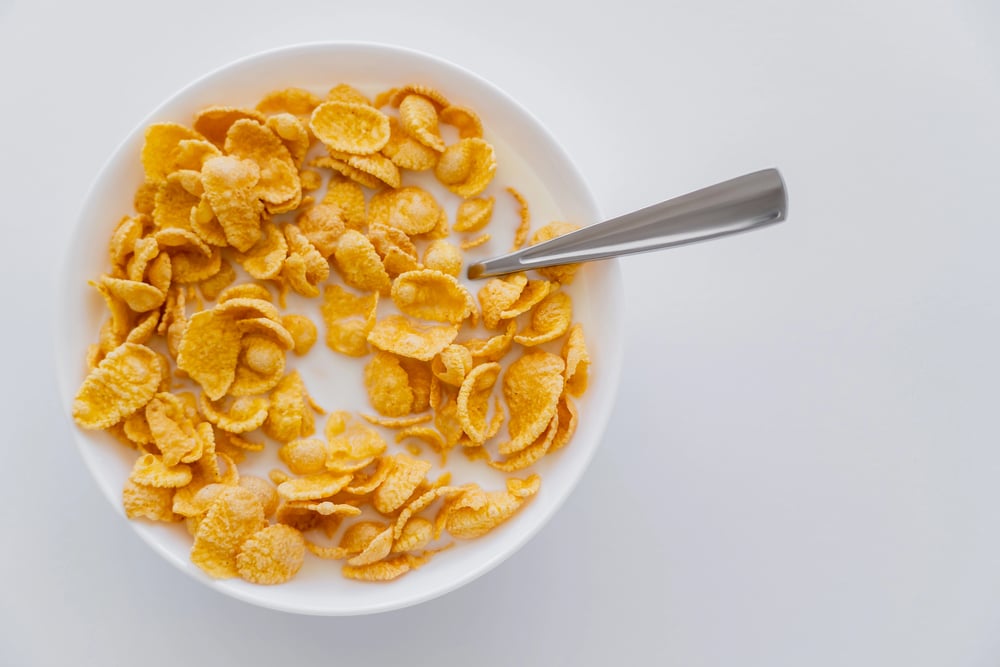
Dr. John Harvey Kellogg and his brother Will Keith Kellogg accidentally left some cooked wheat sitting out, causing it to go stale. Rather than waste the wheat, they processed it anyway, creating flaked cereal.
The brothers later switched to corn, creating the breakfast staple we know today. This moment of thriftiness and resourcefulness with spoiled food launched an entire industry of ready-to-eat breakfast cereals that transformed American morning routines forever.
Beer

The first beer likely resulted from grain getting wet, fermenting spontaneously from wild yeasts in the air, and creating an early form of alcohol. Ancient Mesopotamians probably discovered this process accidentally when bread or grains were left in water too long.
This fortuitous spoilage created a drink that was safer than untreated water in many ancient civilizations. What began as neglected foodstuff evolved into one of humanity’s oldest and most widespread beverages.
Slurpees
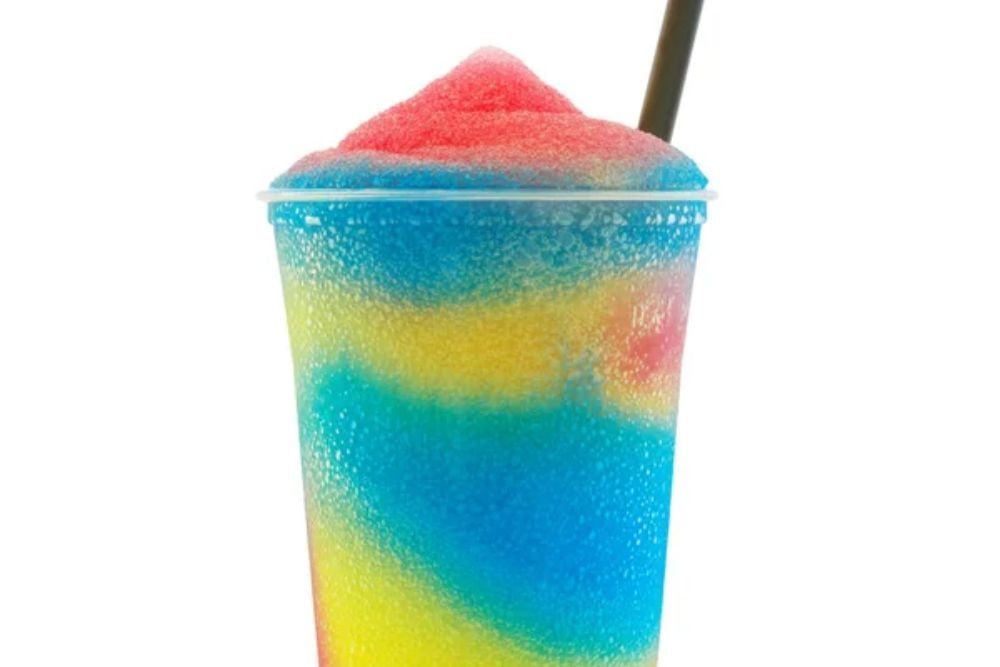
Omar Knedlik, owner of a Dairy Queen in Kansas, didn’t have proper refrigeration for his sodas and kept them in the freezer, where they became partially frozen. Customers loved the slushy drinks and began specifically requesting the ‘frozen’ sodas.
This refrigeration workaround inspired Knedlik to develop a machine that would deliberately create the effect, eventually partnering with the ICEE Company and 7-Eleven to create the Slurpee. A makeshift cooling solution became a convenience store empire with millions of gallons sold annually.
Tofu
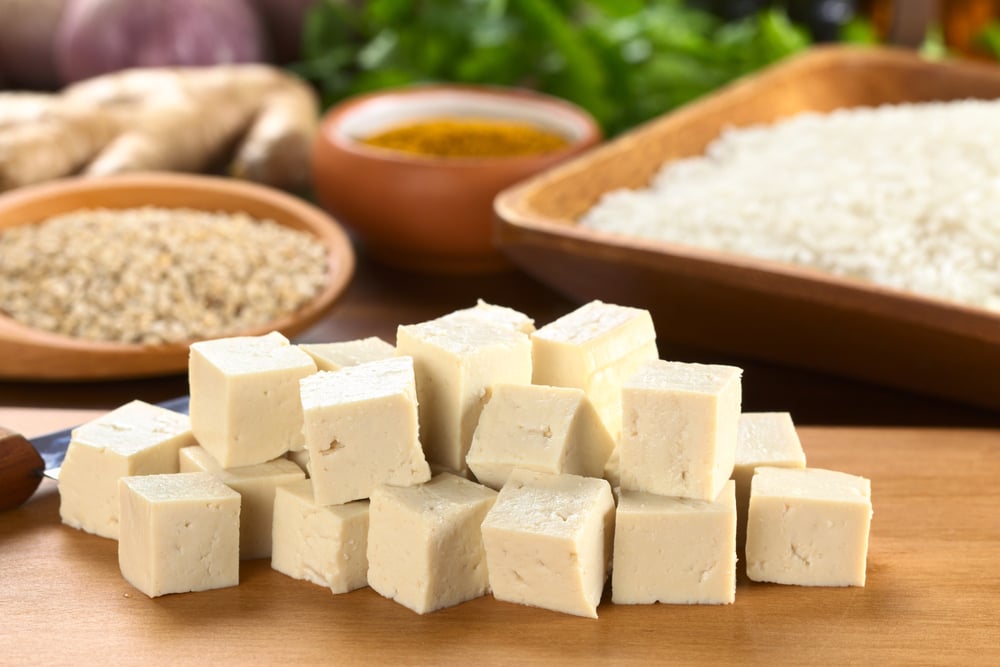
Legend suggests tofu was discovered when a Chinese cook accidentally curdled soy milk by adding nigari (sea salt) to flavor the milk. The resulting curds could be pressed into blocks, creating a versatile protein source.
This mistake around 2,000 years ago led to a food that would become fundamental to East Asian cuisines. The accidental preservation technique transformed soybeans into a storable, protein-rich food that shaped dietary patterns across multiple cultures.
Kombucha
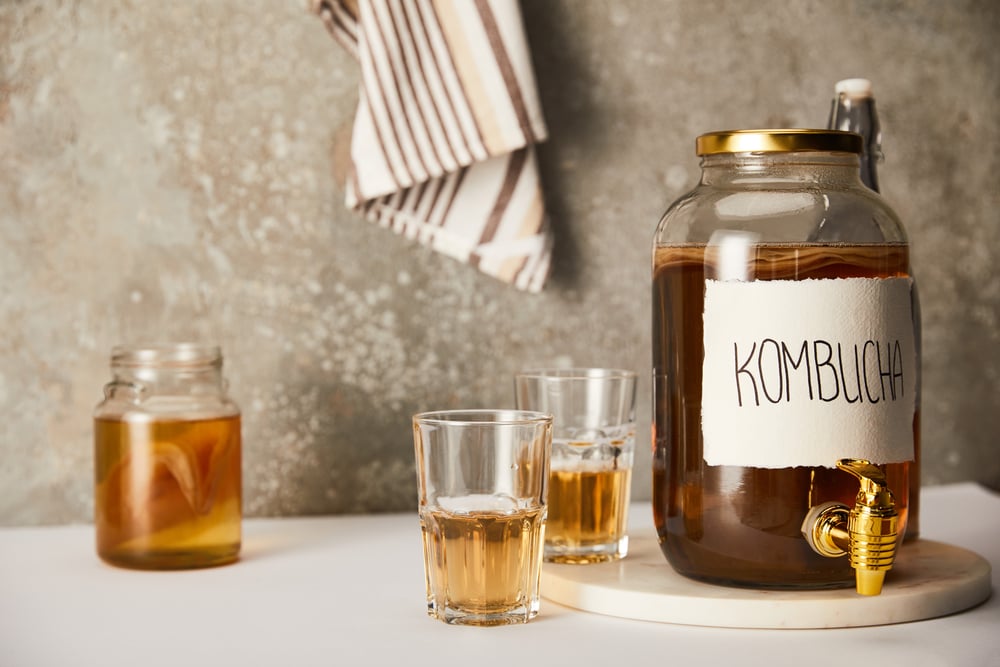
This fermented tea beverage likely began when sweetened tea was left out and colonized by a particular combination of bacteria and yeasts. The resulting SCOBY (symbiotic culture of bacteria and yeast) created a tangy, fizzy drink that was discovered to have probiotic qualities.
What probably started as forgotten tea became a traditional health tonic in East Asia before spreading globally. This initially spoiled beverage has transformed into a billion-dollar industry of gut-health products.
Waffle Fries
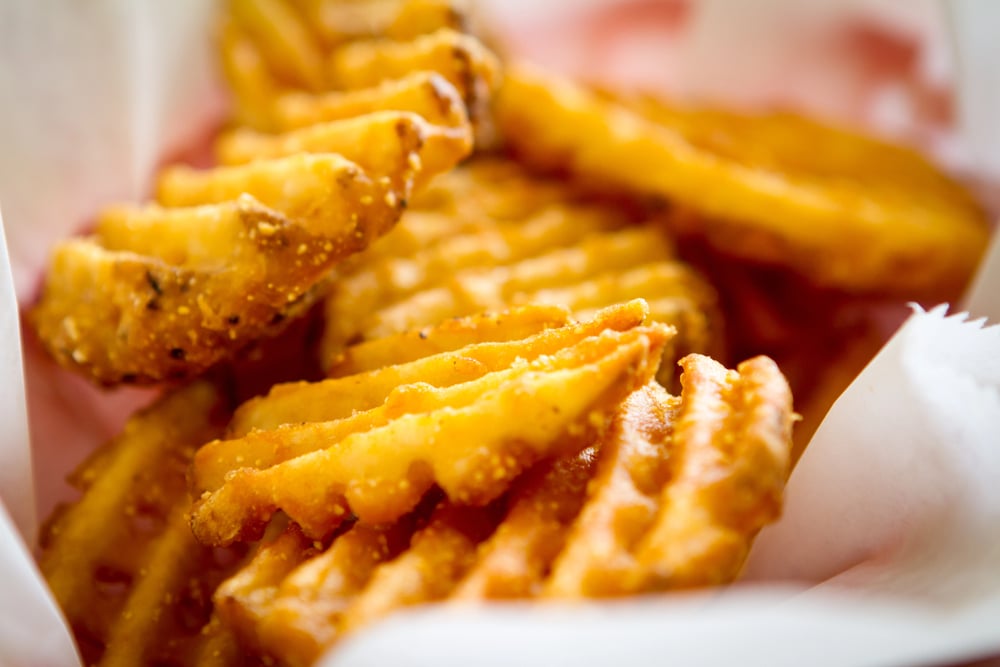
Chick-fil-A employee Doyle Shook was looking for a more efficient way to make french fries when he discovered a potato-cutting device in a food show that used a waffle-pattern blade. This labor-saving adaptation created their signature crinkle-cut fries with more surface area for optimal crispiness.
The distinctive shape that came from this shortcut search became the restaurant chain’s signature side and changed fast food sides forever. Sometimes, looking for an easier solution leads to a superior product.
Nachos
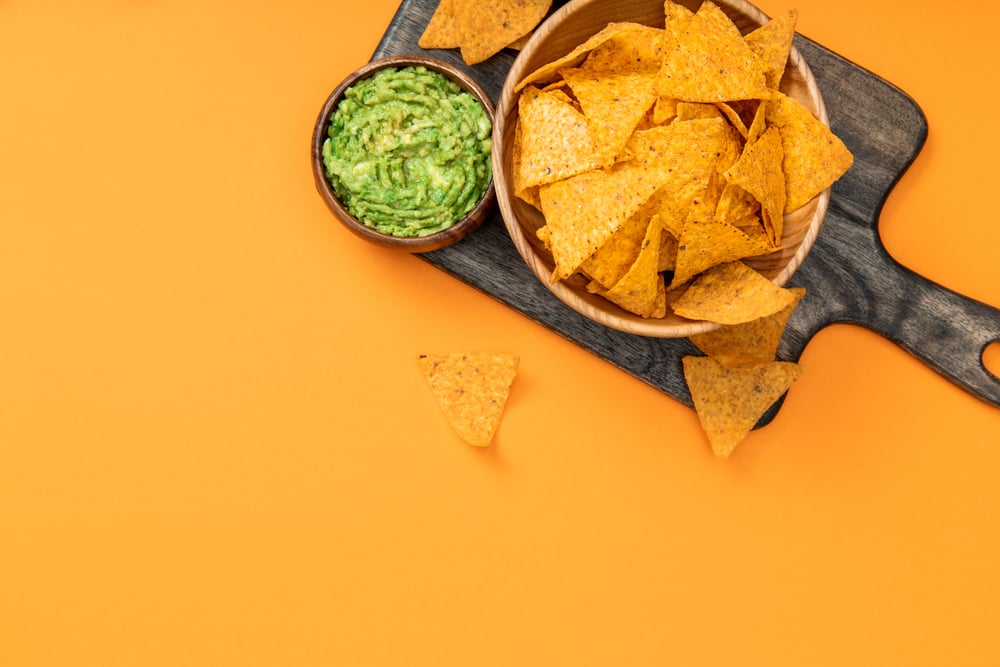
In 1943, a group of military wives arrived at a restaurant in Piedras Negras, Mexico, after it had closed for the day. The maître d’, Ignacio “Nacho” Anaya, couldn’t find the chef but wanted to serve something quickly.
He threw together tortilla chips topped with cheese and jalapeño slices, then heated them. This impromptu snack assembled from available ingredients became wildly popular and eventually evolved into the loaded appetizer now found on menus worldwide.
The Art of Culinary Accidents
These accidental innovations remind us that some of life’s greatest pleasures come from unexpected places. Food history is filled with improvisation, adaptation, and fortunate failures that transformed into beloved traditions.
The pattern of turning mistakes into masterpieces continues in modern kitchens, where home cooks and professional chefs alike sometimes stumble upon their own signature dishes through similar happy accidents. Perhaps there’s wisdom in embracing our culinary mistakes rather than discarding them immediately.
The next time something goes wrong in your kitchen, consider if you’ve just made your own delicious mistake. After all, today’s cooking disaster might become tomorrow’s classic—the unexpected origins of these foods prove that sometimes the best recipes come from things gone deliciously wrong.
More from Go2Tutors!

- The Romanov Crown Jewels and Their Tragic Fate
- 13 Historical Mysteries That Science Still Can’t Solve
- Famous Hoaxes That Fooled the World for Years
- 15 Child Stars with Tragic Adult Lives
- 16 Famous Jewelry Pieces in History
Like Go2Tutors’s content? Follow us on MSN.



