16 rare natural wonders around the globe
Some places are so strange or beautiful, it’s hard to believe they’re real. These aren’t places built by people.
They were shaped by time, water, wind, fire, and sometimes a bit of luck. Some are hidden deep in forests, others sit in the middle of deserts, oceans, or mountains.
But they all leave people wide-eyed and quiet when they see them. They don’t look like the everyday world. And maybe that’s why they feel so special.
Here are 16 rare natural wonders that show just how surprising our planet can be.
Salar de Uyuni – Bolivia

This is the world’s largest salt flat. When it rains, a thin layer of water turns the land into a giant mirror.
It’s almost like walking in the sky. The surface is flat for miles, and the air feels still and clear.
It’s one of the most photographed places in South America for good reason.
Marble Caves – Chile
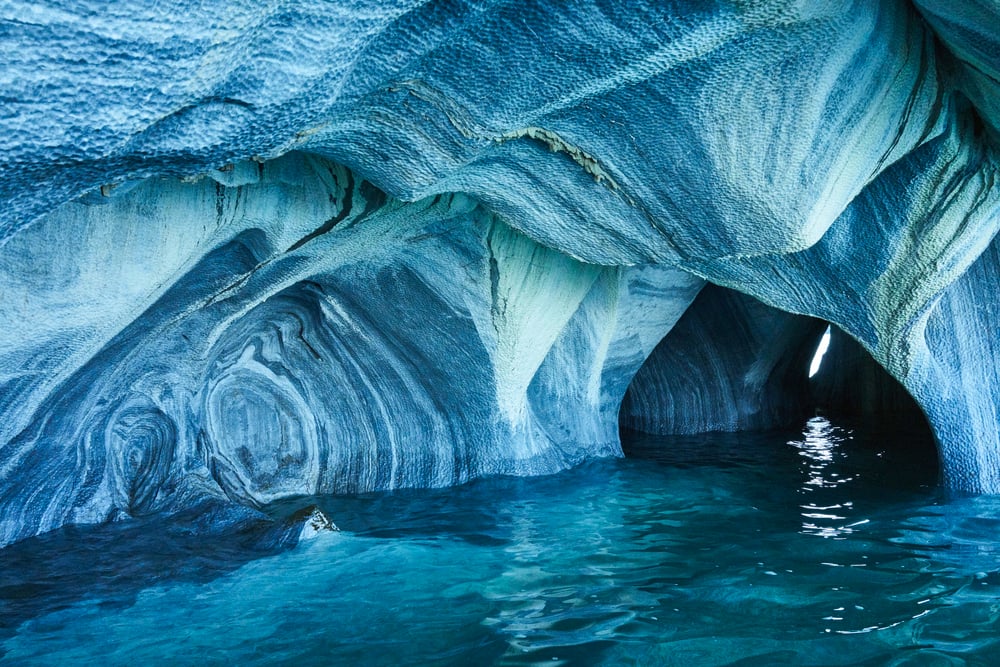
These caves sit on a glacial lake near the border of Chile and Argentina. The walls are made of smooth marble, shaped by water over thousands of years.
When sunlight hits the water just right, the inside of the cave glows blue and green. People can only reach it by boat.
It’s quiet, peaceful, and looks unreal.
Like Go2Tutors’s content? Follow us on MSN.
Lake Natron – Tanzania

This lake is beautiful but not friendly. Its water is shallow, warm, and filled with minerals that can turn animals into preserved statues.
The red color comes from algae that love the salty mix. Still, flamingos love it here and use it to breed.
It’s a strange mix of life and death, and a rare sight in the world.
Zhangjiajie pillars – China
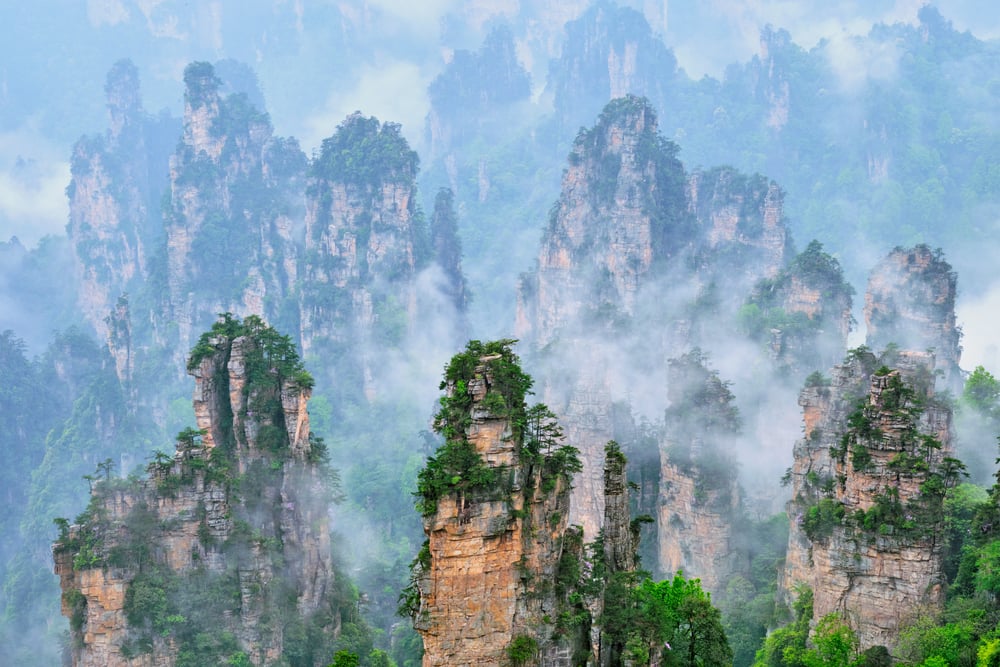
These tall stone columns look like something from a movie—and in fact, they inspired the floating mountains in Avatar. They rise out of thick forests, standing like natural towers.
Some are over 1,000 feet tall. Mist often wraps around them, making the view feel quiet and otherworldly.
It’s one of China’s most visited national parks.
Glowworm caves – New Zealand

Inside these caves, the ceiling lights up with tiny blue dots. But they’re not lights—they’re glowworms.
They hang from the roof and glow to attract food. It’s completely dark except for their soft shine, which looks like stars above.
Visitors take quiet boat rides through the cave to see the glow.
Like Go2Tutors’s content? Follow us on MSN.
Spotted Lake – Canada

In summer, this lake almost disappears. What’s left are dozens of round patches in shades of yellow, green, and blue.
The water is full of minerals, and when it dries, the minerals stay behind in small pools. Each spot has a different color and size.
The lake is also considered sacred by local Indigenous groups.
Chocolate Hills – Philippines
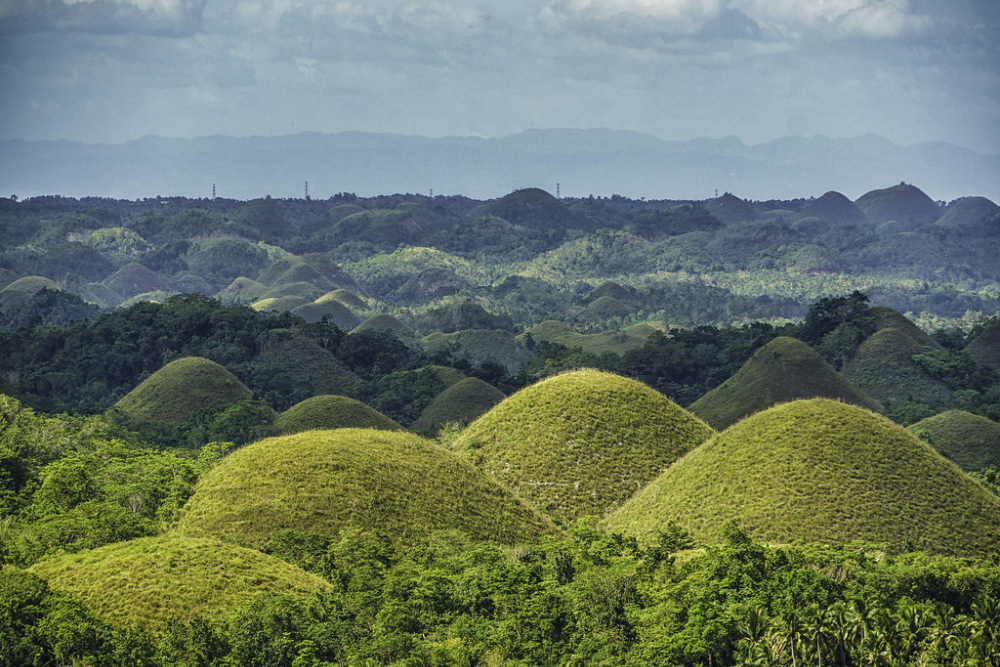
These hills look like giant scoops of chocolate ice cream. There are over 1,200 of them, all around the same size and shape.
During the dry season, the grass turns brown and gives them their sweet name. Scientists still aren’t fully sure how they formed.
The hills are strange, calm, and totally unique.
The Great Blue Pit – Belize

From above, this deep blue circle looks like someone punched a pit in the sea. It’s over 400 feet deep and nearly 1,000 feet wide.
It formed during the Ice Age when sea levels were much lower. Now, divers from all over the world come here to explore the clear waters and underwater caves.
It’s both beautiful and a little eerie.
Like Go2Tutors’s content? Follow us on MSN.
Wulingyuan sandstone peaks – China
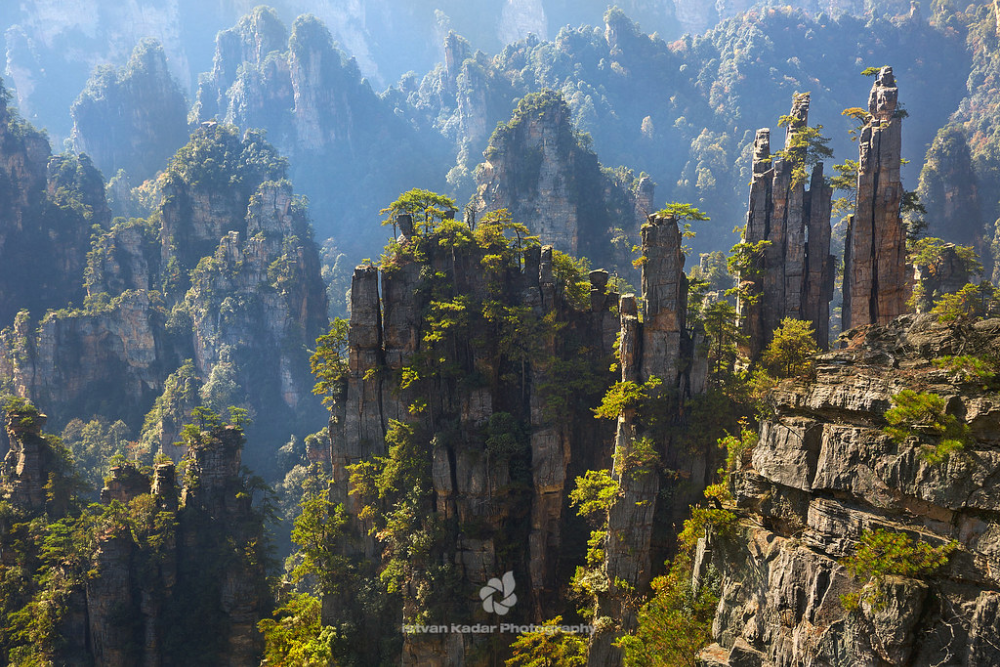
This spot holds thousands of thin stone towers made of sandstone. Some look like fingers reaching out of the earth.
They’ve been shaped by rain and wind over millions of years. Trees grow from their tops, adding to the strange look.
It’s a UNESCO World Heritage site and popular with hikers and nature lovers.
Danakil Depression – Ethiopia

This is one of the hottest and most extreme places on Earth. It’s full of bright yellow, green, and orange pools caused by salt and volcanic activity.
Boiling water and toxic gases rise from the ground. Most living things avoid it, but it draws scientists and travelers who want to see Earth at its most raw.
It looks more like another planet than a place on this one.
Mount Roraima – Venezuela, Brazil, Guyana

This flat-topped mountain looks like it was sliced off at the top. Clouds often sit right at the edge, making it look like it’s floating.
It’s home to rare plants and animals found nowhere else. The cliffs are nearly vertical, and reaching the top takes several days of hiking.
It’s one of the oldest formations on Earth.
Like Go2Tutors’s content? Follow us on MSN.
Ice caves – Iceland

Each winter, new caves form under Iceland’s glaciers. The ice is so clear and blue, it looks like glass.
These caves melt and move every year, so no two are the same. Visitors walk through them carefully with guides.
The frozen silence and colors make it feel like another world.
Socotra Island – Yemen
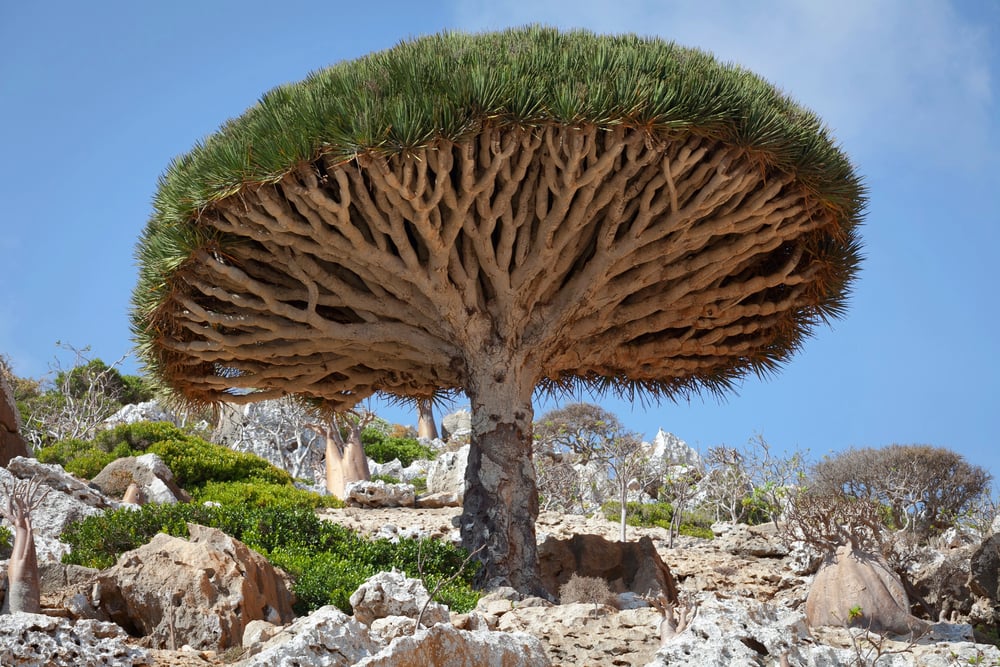
This island is home to plants and trees that don’t grow anywhere else. The most famous is the dragon blood tree, with its umbrella shape and red sap.
The island looks like a mix between a desert and a science fiction set. Its isolation helped protect its rare life for millions of years.
Few places on Earth look like this.
Pamukkale terraces – Turkey

These white, stepped pools were formed by water rich in calcium flowing down a hillside. The result is smooth, chalky layers that look like frozen waterfalls.
People have bathed in the warm waters here for centuries. The name Pamukkale means “cotton castle” in Turkish.
It’s soft on the eyes and relaxing for the body.
Like Go2Tutors’s content? Follow us on MSN.
Red Beach – China

This “beach” isn’t made of sand. Instead, it’s covered in a type of sea plant that turns bright red in autumn.
The color stretches for miles along a wetland area. It only grows in salty marsh soil, which makes it rare.
A wooden path lets visitors walk through without disturbing the plants.
Blood Falls – Antarctica

This waterfall looks like it’s leaking red paint from the side of a glacier. But it’s really salty water mixed with iron, which turns red when it hits the air.
The water comes from a lake trapped under the ice for millions of years. It flows slowly, but steadily, even in freezing cold.
It’s one of the few places where life exists deep beneath Antarctic ice.
The natural world still knows how to surprise
Even with all the maps, photos, and science, nature still finds ways to leave people speechless. These rare places remind us how much of the Earth is shaped by forces we can’t control.
Some of these wonders took millions of years to form. Others change a little every year.
But they all show that the world is still full of things worth seeing, and worth protecting.
Like Go2Tutors’s content? Follow us on MSN.
More from Go2Tutors!

- 16 Historical Figures Who Were Nothing Like You Think
- 12 Things Sold in the 80s That Are Now Illegal
- 15 VHS Tapes That Could Be Worth Thousands
- 17 Historical “What Ifs” That Would Have Changed Everything
- 18 TV Shows That Vanished Without a Finale
Like Go2Tutors’s content? Follow us on MSN.