Music Trends That Defined a Generation
Every generation claims their music was the best, and honestly, they all have a point. Music doesn’t just provide a soundtrack to life.
It shapes how people dress, talk, think, and connect with each other. Certain trends explode onto the scene and leave such a massive mark that decades later, people instantly recognize what era they came from.
Let’s dig into the sounds, styles, and movements that didn’t just define moments but entire generations.
MTV and the music video revolution
When MTV launched in 1981, it changed everything about how people experienced music. Artists suddenly needed to look good and perform well on camera, not just sound great on the radio.
Michael Jackson’s ‘Thriller’ video cost half a million dollars to make and became a cultural event that people talked about for years. Suddenly, musicians became visual artists too, and bands without strong visual appeal struggled to compete.
The channel created overnight stars and killed careers just as quickly, proving that image mattered as much as talent.
Grunge and flannel shirts

Seattle’s rainy streets produced a sound in the early 1990s that rejected everything polished about the previous decade. Grunge turned distorted guitars, angst-filled lyrics, and thrift store clothes into a statement against corporate rock.
Nirvana, Pearl Jam, and Soundgarden made it cool to look like you didn’t care about looking cool. Kids everywhere started wearing flannel shirts and ripped jeans, embracing an aesthetic that said authenticity mattered more than perfection.
The trend burned bright but fast, fading after Kurt Cobain’s death in 1994 left a void the movement never filled.
Hip-hop’s golden age
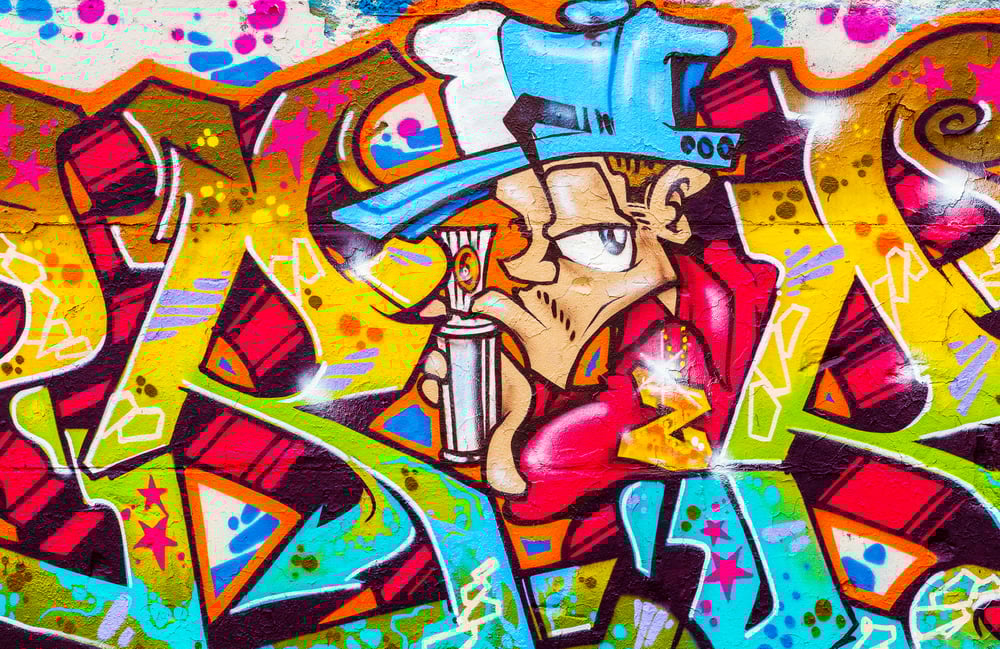
The late 1980s and early 1990s brought hip-hop from the streets to mainstream America with a force nobody expected. Groups like Public Enemy, N.W.A., and A Tribe Called Quest proved rap could be political, personal, funny, and profound all at once.
The music gave voice to communities that mainstream media ignored, telling stories about life in ways rock and pop couldn’t touch. DJs became as important as vocalists, and sampling turned old records into new art.
This era established hip-hop as a dominant cultural force that would only grow stronger over time.
Boy bands take over

The late 1990s belonged to carefully assembled groups of young men with synchronized dance moves and harmonized vocals. Backstreet Boys, *NSYNC, and 98 Degrees sold millions of albums to screaming fans who plastered their bedroom walls with posters.
Record labels perfected the formula of mixing different personality types to appeal to every teenage preference. Critics dismissed them as manufactured pop, but the trend proved that polished entertainment and catchy hooks could dominate just as completely as any ‘authentic’ movement.
The phenomenon created a template that still influences pop music today.
Punk’s DIY attitude

Punk rock in the mid-1970s told major record labels and fancy studios to get lost. Bands like the Ramones played fast, loud, and simple, proving anyone could pick up a guitar and start a band.
The whole movement celebrated imperfection and rebellion, turning three-chord songs into anthems of independence. Punk created its own venues, labels, and distribution networks when the mainstream shut them out.
That DIY spirit influenced countless genres that came after, from indie rock to electronic music.
Auto-Tune becomes unavoidable

Cher’s 1998 hit ‘Believe’ introduced most listeners to Auto-Tune’s robotic vocal effect, but T-Pain made it a defining sound of the 2000s. What started as a tool to fix pitch problems became an artistic choice that divided music fans into passionate camps.
Some people loved the futuristic sound while others complained it let talentless singers fake their way to success. Regardless of opinion, the effect became so common that hearing a completely natural vocal performance started to sound unusual.
Artists still use it heavily today, though often more subtly than in its peak years.
Disco fever
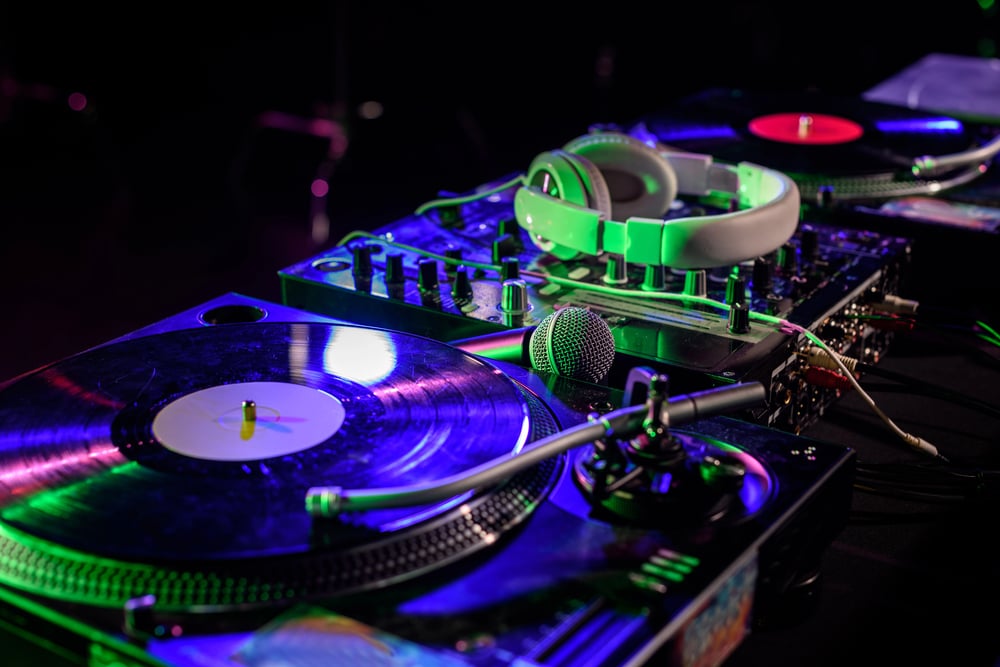
The 1970s disco movement turned nightclubs into temples and DJs into high priests of the dance floor. Studio 54 became the most famous club in America while the Bee Gees soundtrack to ‘Saturday Night Fever’ sold over 40 million copies worldwide.
Disco brought electronic instruments, four-on-the-floor beats, and orchestral arrangements to popular music in ways that felt fresh and exciting. The backlash came hard and fast though, with a literal ‘Disco Demolition Night’ in 1979 where angry rock fans blew up disco records at a baseball stadium.
Despite the hate, disco’s influence never really died; it just transformed into house, techno, and modern dance music.
The British Invasion

American teenagers in 1964 went absolutely wild when the Beatles appeared on The Ed Sullivan Show. Suddenly, British bands dominated American charts and radio stations in a way nobody predicted.
The Rolling Stones, The Who, The Kinks, and dozens of other UK acts followed, bringing different sounds and styles that shook up American rock and roll. These bands took American blues and R&B, mixed it with their own influences, and sold it back across the Atlantic with huge success.
The invasion didn’t just change music; it influenced fashion, language, and attitudes for an entire generation of young Americans.
Electronic dance music goes mainstream

EDM spent decades bubbling in underground clubs before exploding into arenas and festivals in the 2010s. DJs like David Guetta, Calvin Harris, and Skrillex became headliners who commanded the same crowds as traditional rock bands.
The music brought together elements from techno, house, dubstep, and trance into a style that prioritized the drop, the build-up, and the collective experience. Festivals like Tomorrowland and Electric Daisy Carnival turned into massive events that drew hundreds of thousands of fans.
What used to be niche music for club kids became the sound of mainstream pop, with collaborations between DJs and pop stars dominating the charts.
Country goes pop

Country music used to stay in its lane, but the 2010s saw Nashville embrace pop production and hip-hop influences without shame. Taylor Swift started the trend before leaving the country entirely, while artists like Florida Georgia Line collaborated with rappers and used 808 drums.
Traditional country fans complained about ‘bro country’ and trucks-and-beer lyrics that felt calculated rather than authentic. The crossover strategy worked commercially though, bringing country music to audiences who never listened to it before.
The debate about what counts as ‘real’ country music continues today, with purists and progressives both claiming they represent the genre’s future.
Synthpop and new wave

The early 1980s brought synthesizers from experimental music into the pop mainstream with bands like Depeche Mode, Duran Duran, and The Human League. These groups embraced electronic sounds and quirky fashion that felt alien compared to guitar-driven rock.
New wave mixed punk’s attitude with art school experimentation and dance beats, creating music that felt both intellectual and fun. MTV loved these bands because their videos were creative and visually interesting.
The trend made synthesizers essential instruments that every band needed, changing the sound of popular music permanently.
The singer-songwriter era

The early 1970s shifted focus from bands to solo artists who wrote confessional, personal songs about their own experiences. Joni Mitchell, James Taylor, and Carole King sold millions of albums with intimate lyrics and acoustic guitars.
These artists made vulnerability cool and showed that quiet, thoughtful music could compete with louder rock acts. The trend reflected a cultural moment when people valued authenticity and emotional honesty after the chaos of the 1960s.
Coffee houses and small venues became important spaces where these artists connected directly with fans who hung on every word.
Mumble rap divides listeners
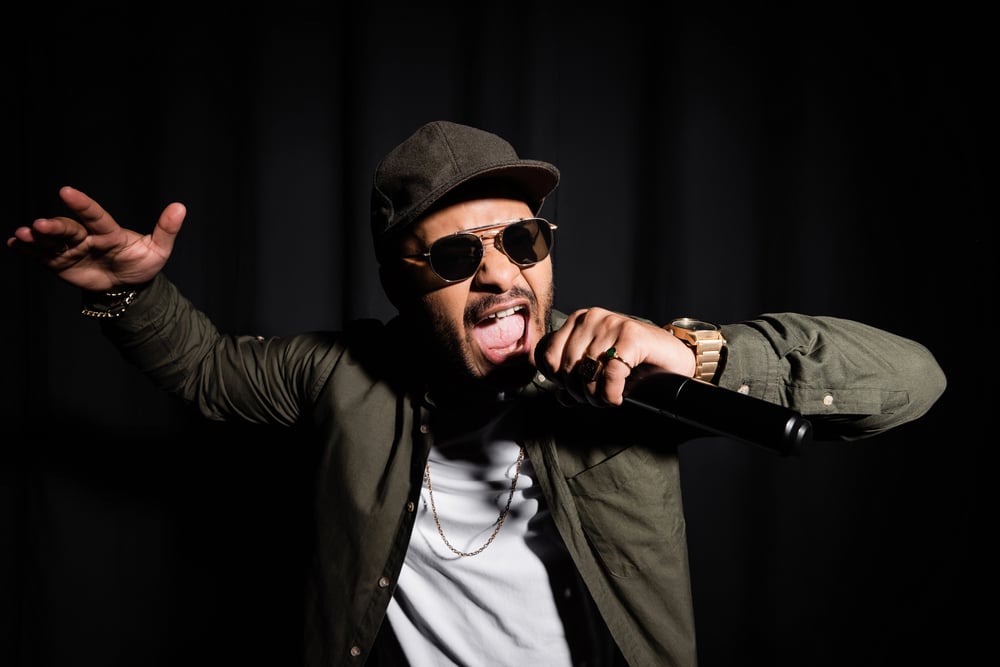
The mid-2010s saw young rappers like Future, Lil Uzi Vert, and Migos prioritize melody and vibe over lyrical clarity. Critics coined the term ‘mumble rap’ as an insult, but the artists didn’t care; they focused on how words sounded rather than what they meant.
The trend emphasized production, flows, and emotional energy instead of complex wordplay. Older hip-hop fans complained that the art form was declining, while younger listeners embraced the evolution.
This divide highlighted how every generation interprets their music differently, and how trends always face resistance from those who grew up with something else.
Alternative rock breaks through

Nirvana’s ‘Nevermind’ knocked Michael Jackson off the top of the charts in 1992, signaling that alternative rock had moved from college radio to mainstream dominance. Suddenly, bands like R.E.M., Smashing Pumpkins, and Radiohead became huge commercial successes while maintaining artistic credibility.
The trend proved that audiences were hungry for something different from the hair metal and pop that dominated the 1980s. Alternative rock’s success opened doors for diverse sounds and gave record labels permission to take chances on unusual artists.
The term ‘alternative’ eventually became meaningless as the movement became the mainstream itself.
Motown’s steady stream of chart-toppers
Detroit’s Motown Records in the ‘60s wasn’t just a studio – it was a hit machine ruling both pop and R&B for ages. Instead of sticking to one genre, Berry Gordy blended gospel, pop, and rhythm & blues into tracks that reached across divided communities during tense civil rights times.
Acts like The Supremes, Marvin Gaye, Stevie Wonder, along with The Temptations, blew up thanks to wave after wave of tightly written tunes. Far from staying niche, these Black musicians smashed through mainstream ceilings, shifting how the business saw race and profit.
Even now, you can hear Motown’s mark on how songs are built and produced.
Streaming changes everything

Spotify, Apple Music, along with similar services, changed how folks find and listen to tunes during the 2010s. Musicians didn’t rely on radio spins or physical shop racks anymore to connect globally.
Sure, album buys dropped – yet creators could grow audiences without label backing. Instead of broadcast stations, curated lists took over; smart systems suggested tracks users might’ve missed.
That move keeps altering the scene – tweaking tune lengths (shorter openings help streaming), even release habits (more one-offs now instead of waiting ages for full records).
The folk revival

The early ’60s saw acoustic guitars and banjos return to mainstream tunes, alongside a fresh wave of awareness, right after rock and roll had taken center stage. Instead of just one sound, voices like Bob Dylan, Joan Baez, or the trio Peter, Paul and Mary mixed old folk styles with current causes.
At the Newport Folk Festival, musicians came together – not only to perform but also to push boundaries. For many youth, this music wasn’t background noise – it carried weight, echoing past fights for fairness.
Then in 1965, when Dylan switched to electric, backlash erupted – proof that listeners deeply cared about folk’s roots, resisting shifts in principle.
Today’s playlist culture

Nowadays, people aren’t sorting tunes by singer or record – they’re building lists based on vibe or what they’re doing. That switch flipped how artists put out music; lots drop one song after another instead of sitting on a whole collection.
These days, it’s all about sharp openings – hooks that stick fast since folks swipe away quicker than before. Getting featured on big platform lists can either launch or sink an act, so pickers hold serious sway over hits.
It’s a total shift in how younger crowds connect with sound – not diving into full records but grazing across endless tracks picked for exact moments.
The rhythm keeps moving
Music keeps shifting because each generation of kids craves something different, pulling away from what came earlier. What felt edgy and bold years ago now feels nostalgic – some youngsters dig it, while others find it lame.
This isn’t about proving one decade’s music beat another – it’s more like watching how beats reflect life at the time. Eventually, today’s teens will chat wistfully to their own kids about current hits, just like past generations did, caught in a cycle that stretches back to the very first songs ever recorded.
More from Go2Tutors!

- The Romanov Crown Jewels and Their Tragic Fate
- 13 Historical Mysteries That Science Still Can’t Solve
- Famous Hoaxes That Fooled the World for Years
- 15 Child Stars with Tragic Adult Lives
- 16 Famous Jewelry Pieces in History
Like Go2Tutors’s content? Follow us on MSN.



