Nostalgic Snacks That Deserve A Permanent Comeback
Food memories hit harder than almost anything else. The crinkle of a particular wrapper, the first bite of something that transported you straight back to childhood — these moments stick with you decades later. But some of the best snacks from past decades have vanished from shelves, leaving entire generations with nothing but wistful memories and the occasional desperate eBay search.
The snack industry moves fast, always chasing the next big flavor or trend. But in doing so, they’ve abandoned some genuine classics that had loyal followings for good reason. These weren’t just sugar rushes or empty calories — they were comfort food in portable form, each one carrying its own personality and place in the cultural landscape.
Dunkaroos
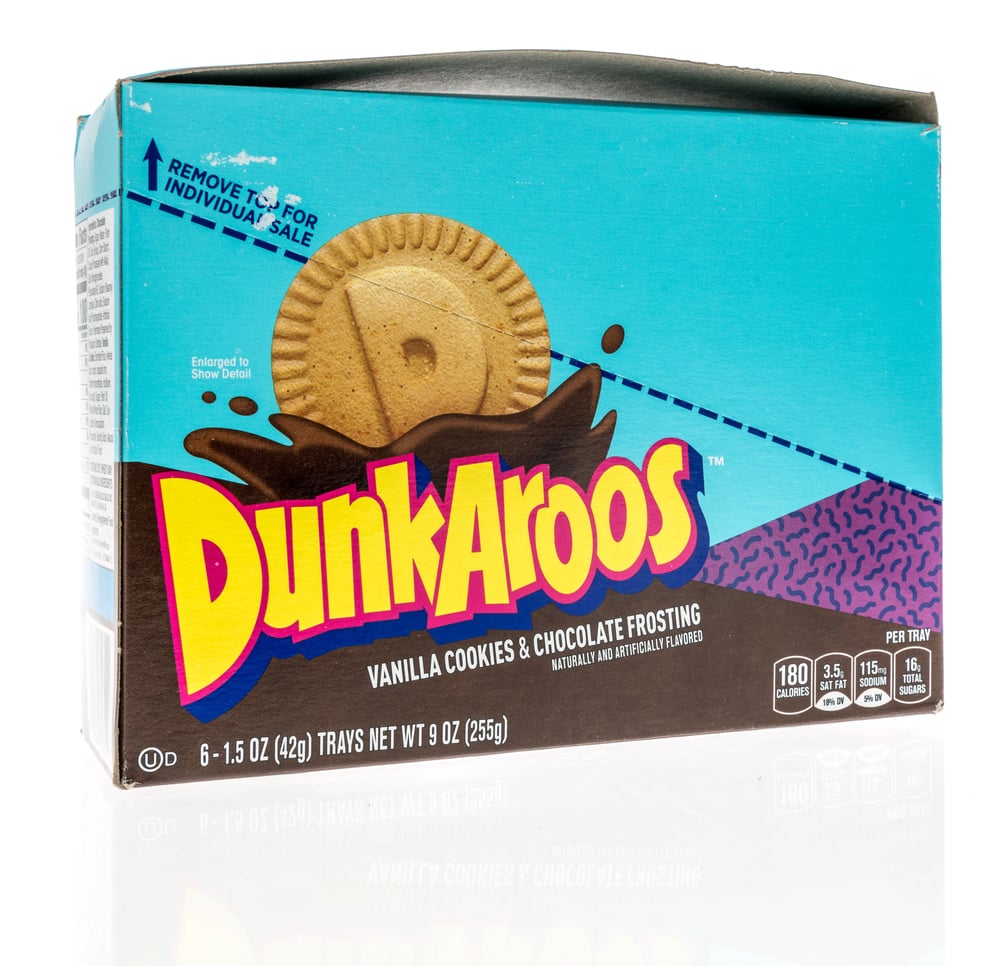
Cookies and frosting in separate compartments made perfect sense. The kangaroo mascot knew what kids needed: control over their frosting-to-cookie ratio and the satisfaction of dunking something sweet into something sweeter. These disappeared from American shelves in 2012, though they’ve made occasional limited returns that sell out instantly.
The appeal wasn’t complicated. You got tiny graham cookies shaped like kangaroos and a container of rainbow chip frosting. But the ritual mattered more than the sum of its parts. Breaking open that plastic container, deciding whether to be conservative with the frosting or go wild — it was interactive snacking before anyone called it that.
Crystal Pepsi
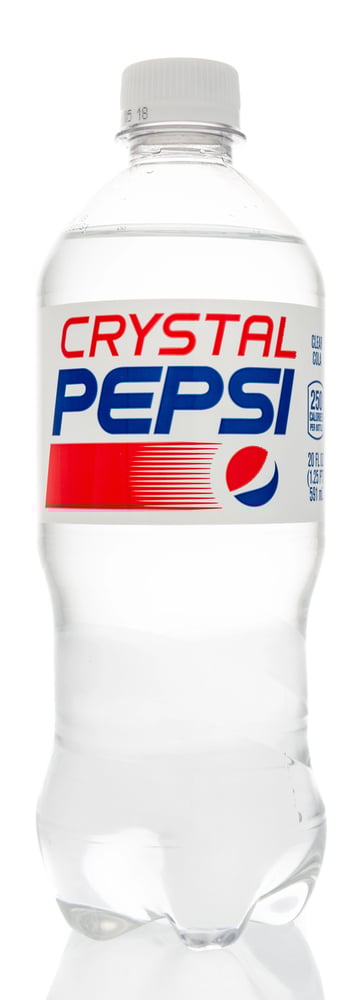
Clear cola was either brilliant or insane, depending on your perspective (and there’s mounting evidence it was brilliant, which makes its disappearance even more frustrating). Crystal Pepsi lasted barely a year in the early ’90s, but its cult following has never faded — people still talk about it with the kind of reverence usually reserved for discontinued cars or canceled TV shows.
The taste was unmistakably Pepsi, just without the caramel coloring that made it brown. And yet something about drinking clear cola felt transgressive, like you were getting away with something. The novelty wore off for most people after a few bottles, sure, but for those who got it, Crystal Pepsi represented a kind of corporate boldness that feels impossible to imagine now. (They brought it back briefly in 2016, but it disappeared again just as quickly, leaving fans to wonder why companies insist on teasing us with limited runs instead of just admitting when they had something good.)
Butterfinger BB’s
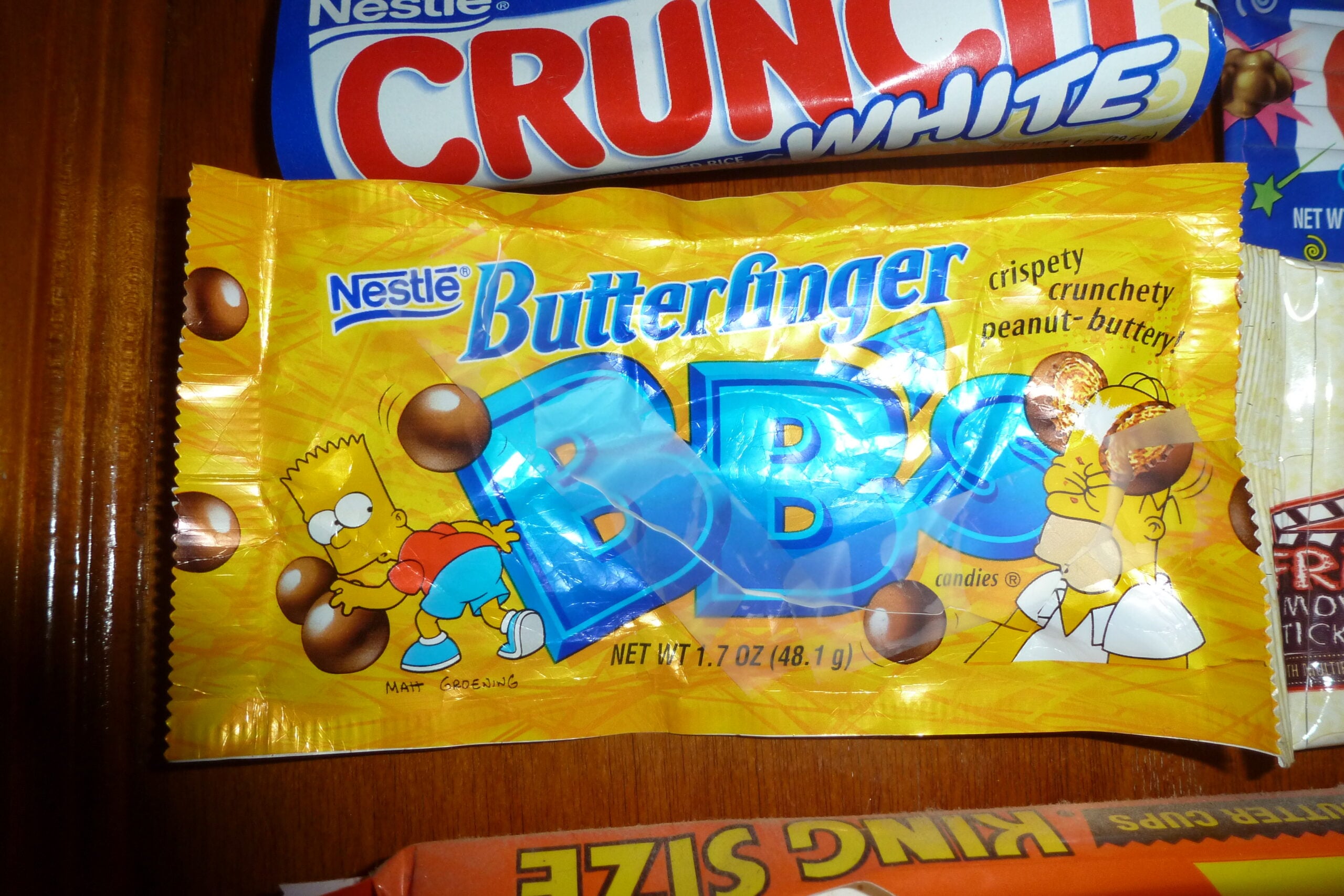
Imagine taking everything that made Butterfinger bars irresistible — that crispy, peanut-buttery center covered in chocolate — and reimagining it as bite-sized spheres that you could eat by the handful. That’s exactly what Butterfinger BB’s delivered from 1992 until they vanished in 2006, leaving behind a devoted fanbase that still mourns their loss.
The genius was in the format. Regular Butterfinger bars had their charm, but they also had their problems: they stuck to your teeth, they were hard to share, and eating one required a certain commitment. BB’s solved all of that. You could pop a few during a movie, share them without breaking out a knife, or just eat them mindlessly while doing other things. They captured the exact same flavor profile in a more convenient package.
And yet Ferrero discontinued them, apparently deciding that the world needed fewer options for enjoying their signature flavor combination. The result is a secondary market where vintage packages sell for absurd prices and a generation of snack lovers who’ve never experienced what might have been the perfect movie theater candy.
Surge
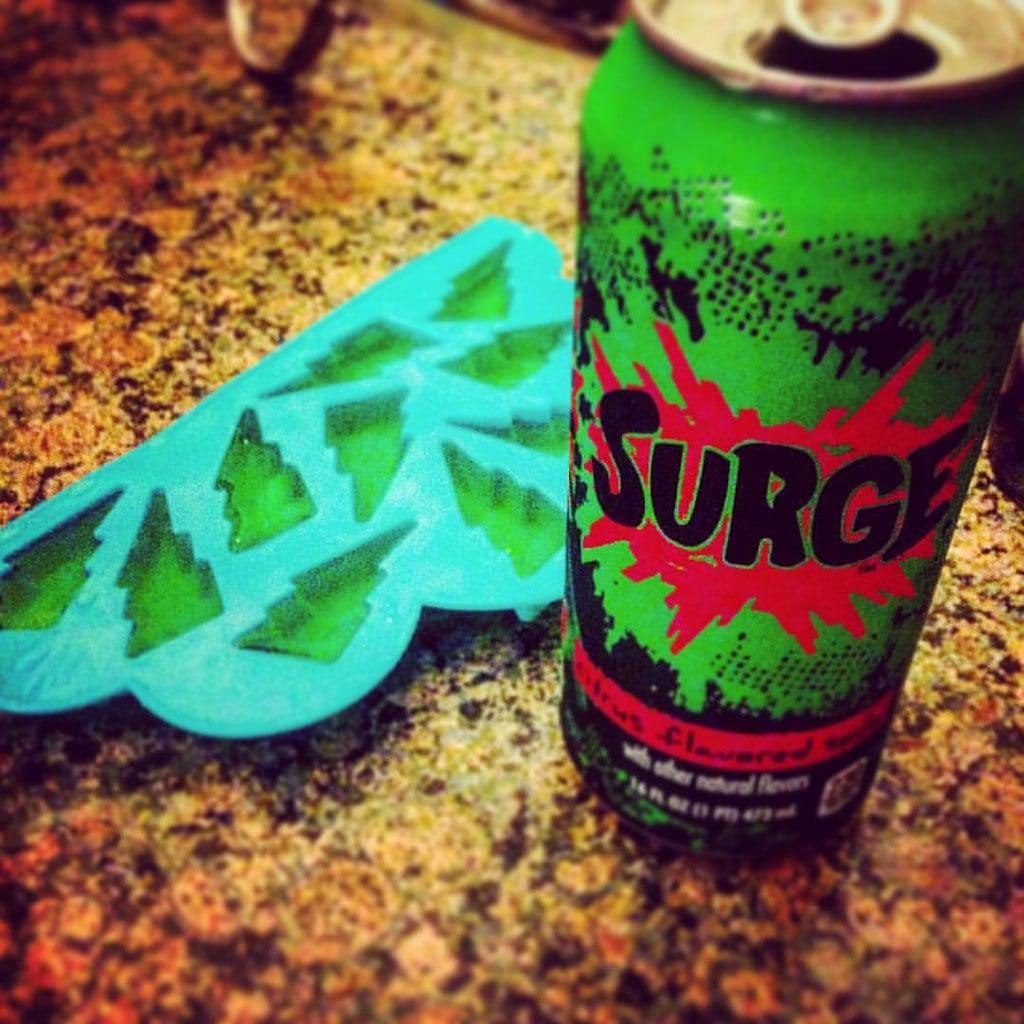
Mountain Dew had the extreme sports market cornered, so Coca-Cola created something even more aggressive: a neon green soda that promised to “fully restore your battery” and came with enough caffeine to make good on that promise. Surge burned bright and fast through the late ’90s, developing a following that bordered on obsessive before Coke pulled it from national distribution in 2003.
This wasn’t subtle marketing. Everything about Surge screamed intensity, from the electric green color to the advertising that featured people doing inadvisably dangerous things after drinking it. But underneath the aggressive branding was a genuinely good citrus soda with enough caffeine to actually deliver on its energy drink promises, years before energy drinks became a mainstream category.
The fan campaign to bring it back lasted over a decade and actually worked — sort of. Coca-Cola started selling it online in 2014 and gradually expanded distribution, but it’s still nowhere near as widely available as it once was. Which raises the question: if a discontinued soda can generate that level of sustained demand, why keep it limited?
Planters Cheezballs
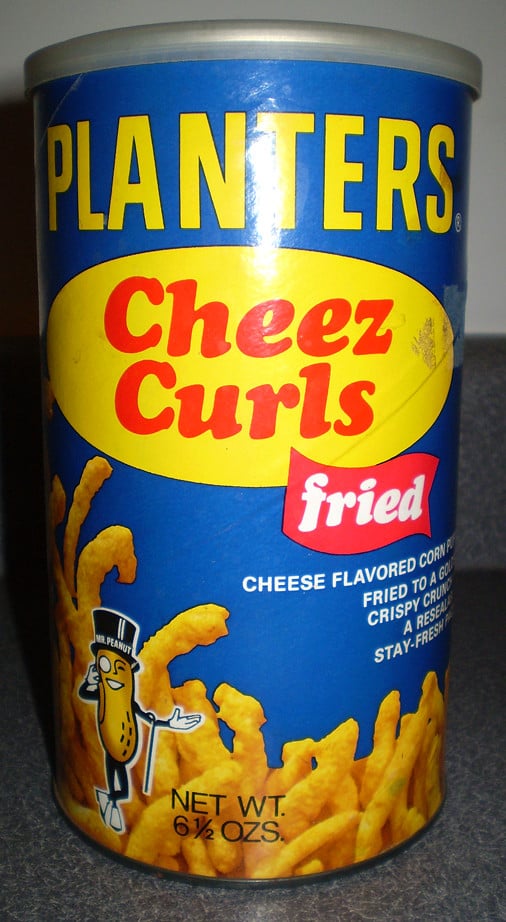
Sometimes the simplest concepts work best, and it doesn’t get much simpler than cheese-flavored corn puffs in a distinctive blue canister. Planters Cheezballs ruled the snack aisle from the 1970s through the early 2000s, when they quietly disappeared, leaving behind only the occasional nostalgic Reddit post and a lot of empty canisters repurposed as storage containers.
The texture was perfect — light enough to eat by the handful but substantial enough to feel satisfying. The cheese flavor was artificial in the best possible way, hitting that sweet spot between actual cheese and whatever magical chemistry creates the platonic ideal of cheese flavor. And that canister became part of the experience; opening it created a ritual that made the snacks feel special.
Planters brought them back in 2018 after years of fan requests, but only as a limited release that sold out almost immediately. They’ve done a few more limited runs since then, each time creating a feeding frenzy among nostalgic snack lovers. Just commit to bringing them back permanently. The demand is clearly there.
Hi-C Ecto Cooler
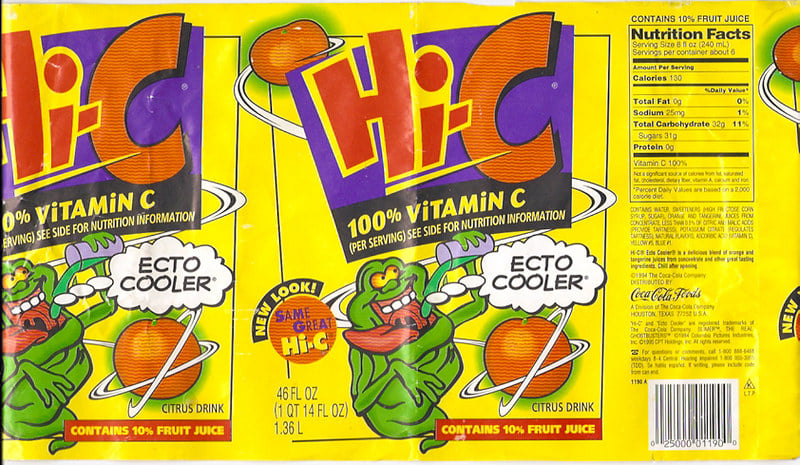
Slimer from Ghostbusters somehow became the mascot for what might have been the most successful movie tie-in drink ever created. Hi-C Ecto Cooler launched in 1989 to promote the cartoon series and kept selling for nearly a decade afterward, long after anyone remembered why a green ghost was associated with citrus-flavored drink mix.
The flavor was supposedly orange and tangerine, but it tasted like childhood itself — sweet, artificial, and somehow better than any natural fruit could ever be. That electric green color didn’t occur in nature, and that was precisely the point. This was a drink that announced its artificiality and dared you not to love it anyway.
Coca-Cola has brought it back a few times for Ghostbusters movie releases, most recently in 2016 and 2021. But these limited runs just prove the sustained appeal of something that should never have been discontinued in the first place. Stop treating it like a promotional novelty and start treating it like the legitimate beverage option it always was.
3D Doritos
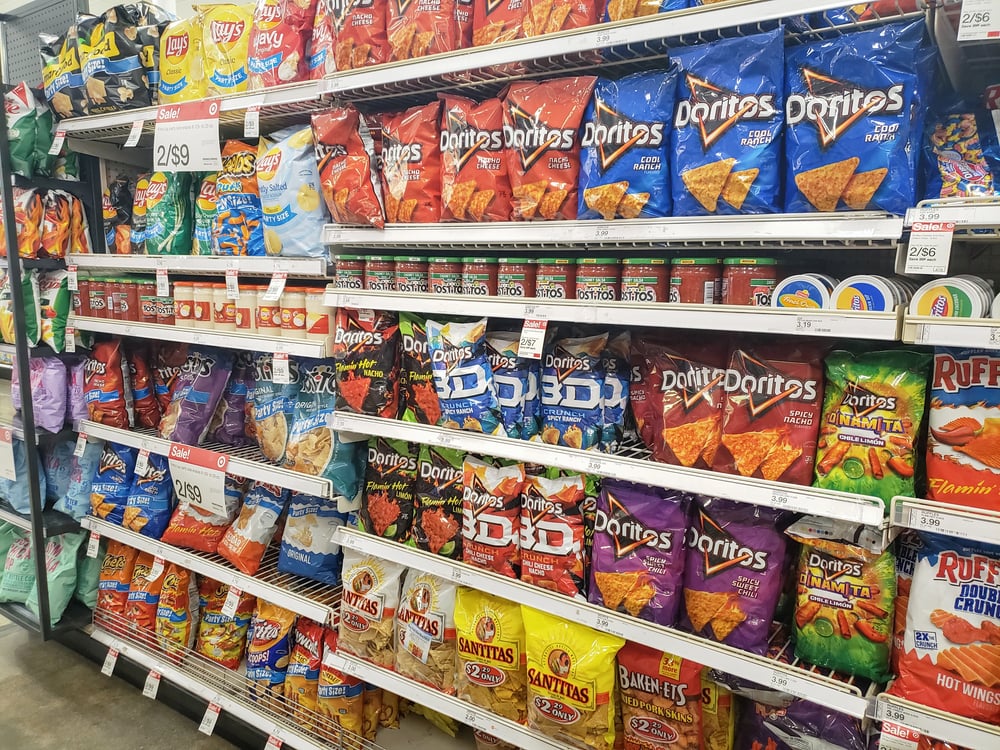
Doritos decided that regular triangle chips weren’t delivering enough surface area for their signature cheese powder, so they created hollow, pyramid-shaped chips that could hold more flavor and provide a completely different eating experience (and the result was genuinely revolutionary, even if it took years for people to realize what they’d lost).
The shape wasn’t just a gimmick — though it was definitely that too. Those hollow pyramids created pockets for the flavoring that made each bite more intense than regular Doritos. They also had a different texture, crunchier and somehow more satisfying to bite into. But perhaps most importantly, they felt futuristic in a way that matched the late ’90s obsession with making everything more extreme and technological.
Frito-Lay discontinued them in the early 2000s, apparently deciding that the novelty had worn off. But novelty wasn’t the only thing 3D Doritos had going for them — they were actually better at being Doritos than regular Doritos. The company has teased bringing them back a few times and even did limited releases, but they remain stubbornly absent from most store shelves. Sometimes innovation gets punished for being ahead of its time.
Snapple Elements
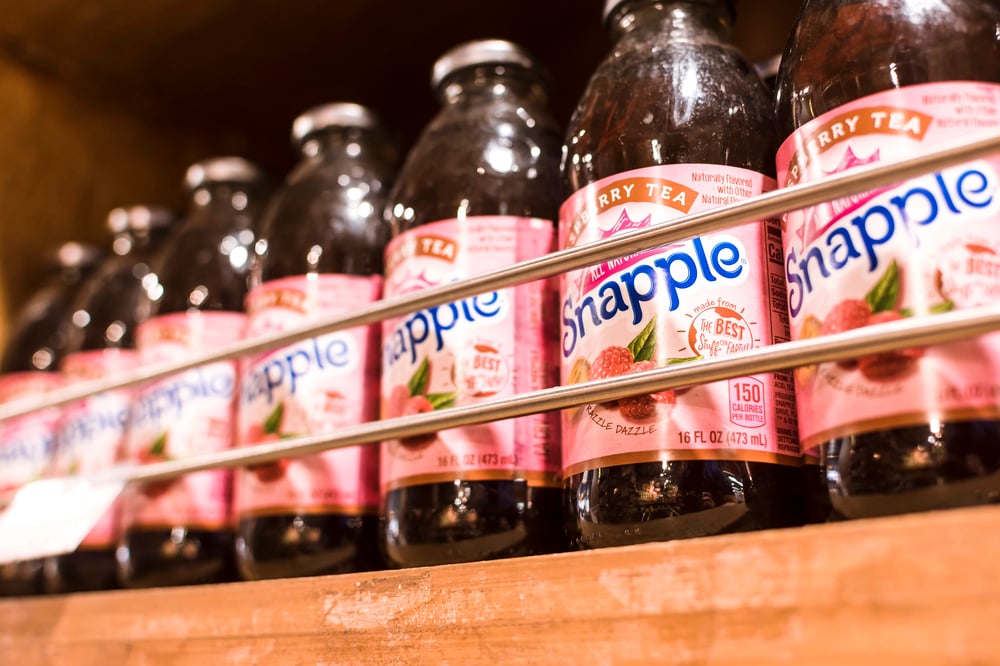
Glass bottles filled with brightly colored drinks and labeled with names like “Rain” and “Fire” and “Earth” — Snapple Elements felt like drinking liquid mood rings. Each flavor had its own personality and color scheme, and the whole line had an almost mystical quality that set it apart from regular soft drinks.
The flavors were genuinely interesting too. Rain was a light, refreshing berry flavor. Fire was spicy and citrusy. Earth was more herbal and complex. These weren’t just regular sodas with clever marketing — they were attempts to create entirely new flavor profiles that couldn’t be easily categorized.
The line lasted from 1999 to 2003, which seems criminal in retrospect. Snapple Elements anticipated the craft beverage trend by more than a decade, but apparently the market wasn’t ready for drinks that prioritized interesting flavors over familiar ones. Now that artisanal sodas and kombucha have proven there’s demand for more adventurous beverages, Elements feels like it was just too early to succeed.
Altoids Sours
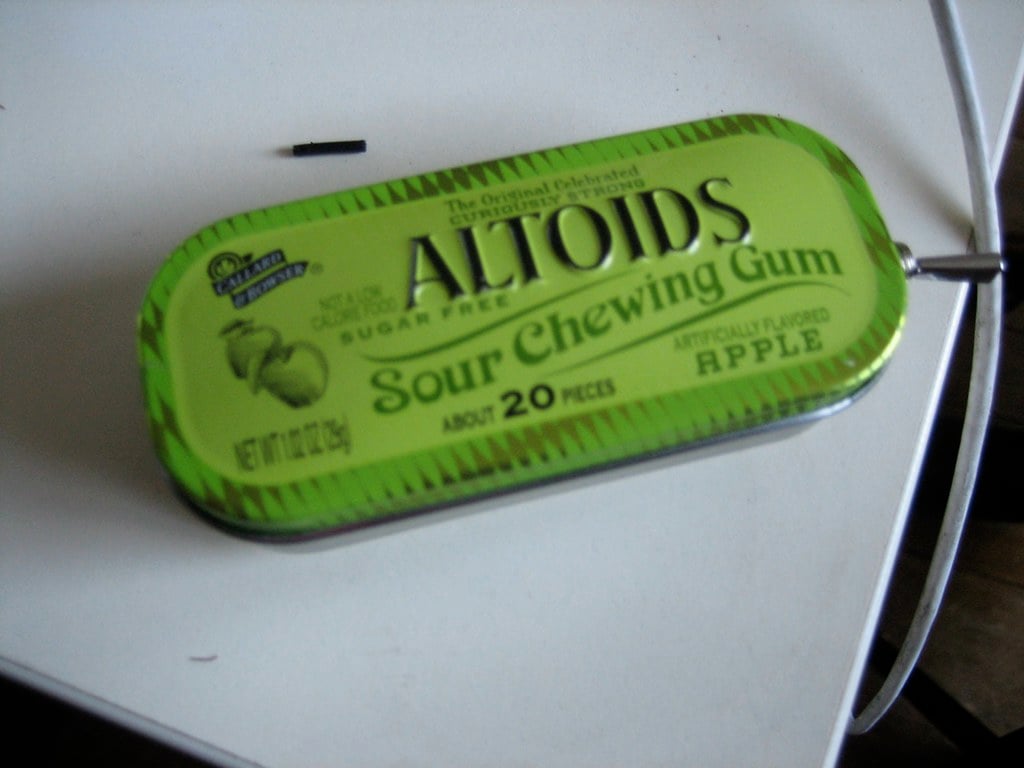
Before Altoids became synonymous with curiously strong mints, they made curiously strong sour candies that could make you question your life choices with a single piece. These weren’t the gentle, sweet-and-sour candies that dominate the market now — they were aggressive, face-puckeringly intense experiences that came in those distinctive small tins.
The commitment was real. You couldn’t eat Altoids Sours casually or absent-mindedly. Each piece demanded your full attention and respect. They came in flavors like tangerine, lime, and raspberry, but the specific fruit flavor was almost beside the point — the sourness was the star, and everything else was just there to give it context.
Mars discontinued them in 2010, citing low sales, which suggests that most people weren’t ready for candy that fought back. But the cult following has only grown stronger over time, with empty tins selling for surprising amounts on auction sites and fan petitions regularly circulating on social media. Sometimes a product is too intense for mainstream success but too good to stay dead forever.
McDonald’s Fried Apple Pies
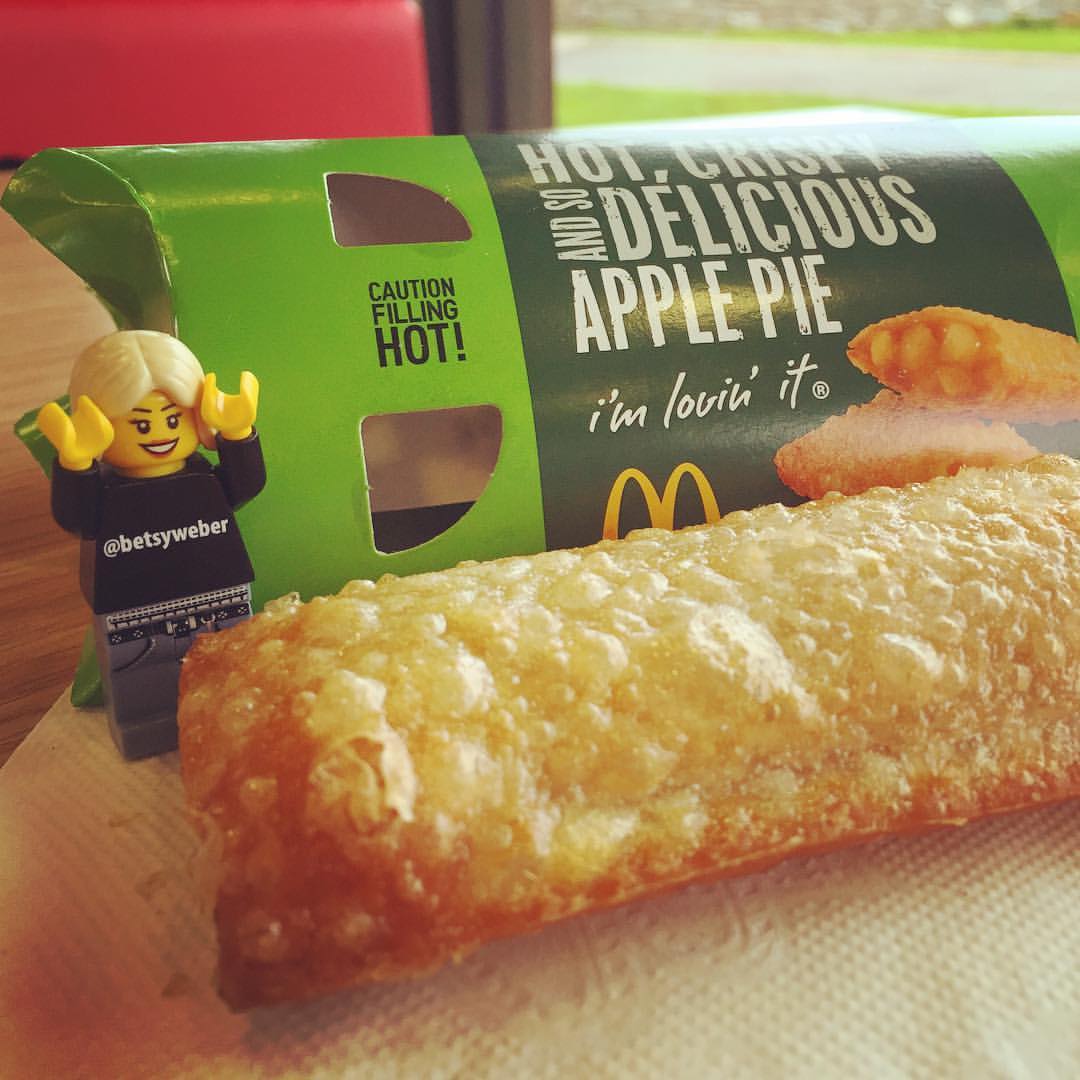
The original McDonald’s apple pies were molten lava wrapped in a crispy shell, and they were absolutely perfect that way. These weren’t the baked versions that replaced them in 1992 — they were deep-fried, dangerously hot, and had a texture that can’t be replicated any other way.
Everyone knew the rules: let them cool down or suffer the consequences. The filling reached temperatures that seemed to violate the laws of physics, and biting into one too early was a rite of passage that taught valuable lessons about patience and thermal dynamics. But once they cooled to merely scorching, they were incredible — crispy outside, sweet and cinnamon-y inside, with just enough structural integrity to hold together.
McDonald’s switched to baked pies for health reasons, which was probably the right business decision but felt like a betrayal to anyone who grew up with the originals. Baked pies are fine, but they’re not the same. They lack the textural contrast and the element of danger that made the fried versions memorable. You can still get fried apple pies at a few McDonald’s locations, mostly in Hawaii, which just makes their absence everywhere else feel more pointed.
Jell-O Pudding Pops
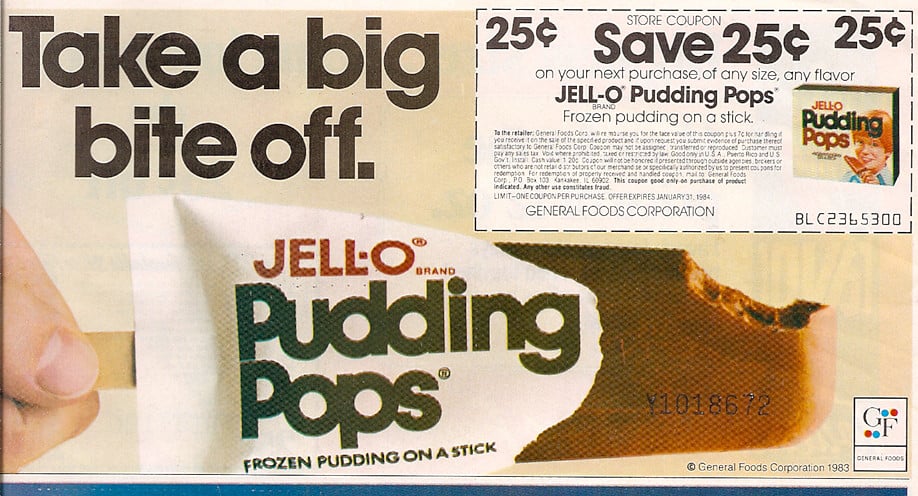
Bill Cosby’s later controversies complicated the legacy of Pudding Pops, but the product itself was genuinely innovative — frozen pudding on a stick that somehow maintained the creamy texture of regular pudding while being cold enough to qualify as a frozen treat.
The texture was the magic. These weren’t just pudding frozen solid, which would have been disappointing, nor were they ice cream trying to taste like pudding. They hit a perfect middle ground that felt entirely unique. The chocolate and vanilla versions were classics, but they also made more adventurous flavors that took advantage of the format.
Jell-O discontinued them in the early ’90s, though various companies have tried to recreate them since then with limited success. The original formula apparently died with the original production run, leaving behind only approximations that miss whatever chemical magic made Pudding Pops work. Sometimes food science creates something perfect by accident, and reverse-engineering it proves impossible.
Fruitopia
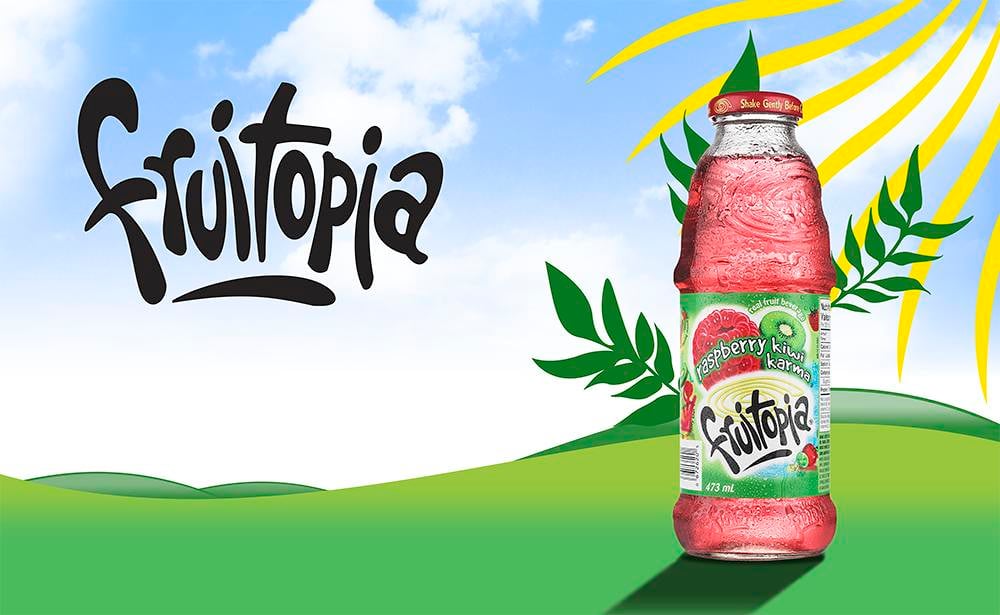
Psychedelic marketing met genuinely interesting fruit flavors in what might have been Coca-Cola’s strangest experiment. Fruitopia launched in 1994 with advertising that looked like it was created by people who had strong opinions about chakras and featured flavors with names like “Strawberry Passion Awareness” and “Citrus Consciousness.”
The drinks themselves were surprisingly good, with complex fruit blends that actually tasted like the exotic combinations they claimed to be. This wasn’t just regular fruit punch with mystical branding — these were carefully crafted flavor profiles that couldn’t be found anywhere else. The packaging featured swirling, colorful designs that made them stand out on store shelves like beacons of weirdness.
Fruitopia lasted until 2003 in the United States, though it hung on longer in other markets. The brand felt both ahead of its time and completely of its time — too strange for mainstream success in the ’90s but perfectly positioned for today’s market that embraces both craft beverages and nostalgic brands. Sometimes corporate weirdness produces genuinely good products that deserve a second chance.
When The Past Tastes Better Than The Present
Food nostalgia isn’t just about missing childhood or wanting to recapture simpler times. Sometimes it’s about recognizing that innovation doesn’t always mean improvement, and that the snack industry’s constant chase for the next big thing has left some genuine classics behind.
These discontinued snacks succeeded for reasons that had nothing to do with nostalgia — they filled specific niches, offered unique experiences, or just tasted better than their replacements. The sustained demand for many of them, evidenced by petition drives and successful limited-time returns, suggests that their disappearance was more about corporate decision-making than consumer preference.
Maybe it’s time for food companies to stop treating their back catalogs like museum pieces and start recognizing them as opportunities. The craft food movement has proven that consumers are willing to pay more for products that prioritize quality and uniqueness over mass appeal. These nostalgic snacks were craft products before craft products existed — they just need someone brave enough to bring them back permanently.
More from Go2Tutors!

- The Romanov Crown Jewels and Their Tragic Fate
- 13 Historical Mysteries That Science Still Can’t Solve
- Famous Hoaxes That Fooled the World for Years
- 15 Child Stars with Tragic Adult Lives
- 16 Famous Jewelry Pieces in History
Like Go2Tutors’s content? Follow us on MSN.



