15 Forgotten Tech We Thought Was Revolutionary
Remember when we thought certain gadgets would change the world forever? Technology moves so fast that yesterday’s ‘revolutionary breakthrough’ often becomes today’s curiosity gathering dust in a drawer. Some innovations promised to transform how we live, work, and play, only to be swept aside by better alternatives or changing consumer habits.
Here is a list of 15 forgotten technologies that once seemed destined to reshape our future but ended up as footnotes in tech history.
Google Glass

Google Glass felt like science fiction made real when it launched in 2014. The idea of having a computer display floating right in your field of vision seemed like the ultimate merger of digital and physical worlds.
Unfortunately, the $1,500 price tag, privacy concerns about recording strangers, and the social stigma of looking like a cyborg killed mainstream adoption pretty quickly.
Segway Personal Transporter

Dean Kamen’s Segway was supposed to revolutionize urban transportation when it debuted in 2001. The self-balancing scooter promised to make walking obsolete and transform city planning around this new mode of transport.
Instead, it became a punchline after a series of high-profile accidents and remained mostly confined to mall security guards and tourist groups.
Like Go2Tutors’s content? Follow us on MSN.
HD DVD

HD DVD entered the market as Blu-ray’s main competitor in the high-definition disc format war of the mid-2000s. Backed by Toshiba and Microsoft, it offered cheaper players and similar video quality to Blu-ray discs.
The format war ended decisively in 2008 when major studios and retailers threw their support behind Blu-ray, leaving HD DVD owners with expensive paperweights.
Google Wave

Google Wave launched in 2009 as an ambitious attempt to reinvent email and online collaboration. It combined email, instant messaging, wikis, and document sharing into one platform that could handle real-time collaboration better than anything available.
The problem was that Wave was so complex and different from familiar tools that most people couldn’t figure out what to do with it, leading Google to shut it down in 2012.
Nintendo Virtual Boy
Nintendo’s Virtual Boy promised portable virtual reality gaming in 1995, years before VR became mainstream. The tabletop console used red LED displays to create 3D effects that were genuinely impressive for the time.
However, the monochrome red graphics caused eye strain, the system was anything but portable despite Nintendo’s claims, and the game library was painfully small.
Like Go2Tutors’s content? Follow us on MSN.
Microsoft Zune

Microsoft’s Zune was supposed to be the ‘iPod killer’ when it launched in 2006. It featured a larger screen, wireless sharing capabilities, and integration with Microsoft’s ecosystem of services.
Despite some genuinely good features, the Zune arrived too late to challenge Apple’s dominance and never gained the third-party accessory support or cultural cache that made iPods essential.
Betamax

Sony’s Betamax actually offered superior video quality compared to VHS when both formats launched in the mid-1970s. The tapes were smaller, the picture was sharper, and Sony’s engineering was typically excellent.
Unfortunately, longer recording times, lower prices, and better movie studio support made VHS the winner in this format war, relegating Betamax to professional use before fading entirely.
Google Plus

Google Plus was Google’s ambitious attempt to challenge Facebook’s social media dominance starting in 2011. The platform introduced clever features like Circles for organizing contacts and Hangouts for video chat that were ahead of their time.
Despite Google’s efforts to integrate Plus across all their services, it never achieved the critical mass needed to compete with established social networks.
Like Go2Tutors’s content? Follow us on MSN.
Palm Pilot
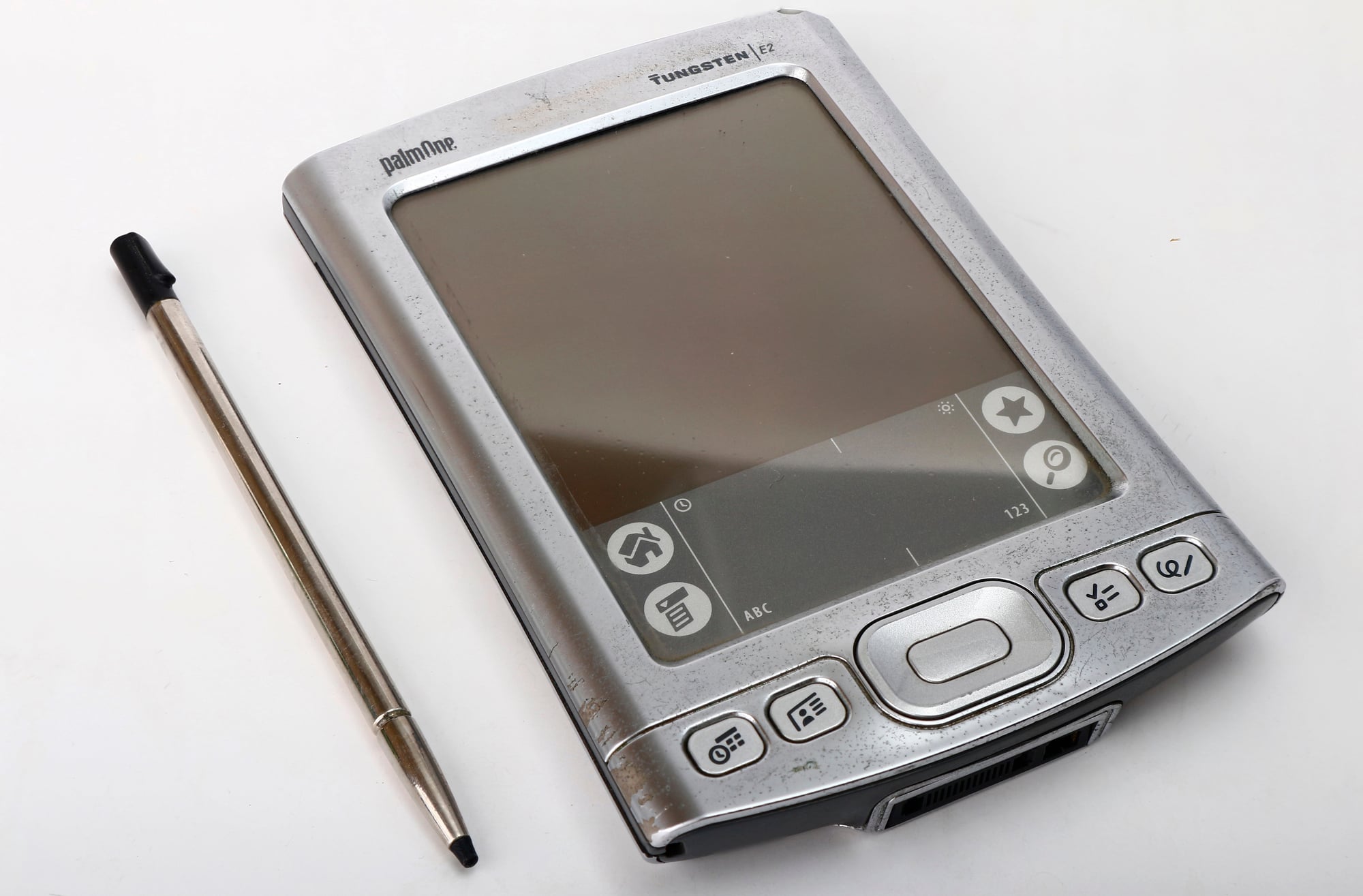
Palm Pilots were the kings of personal digital assistants throughout the 1990s and early 2000s. These pocket-sized devices could store contacts, calendars, and notes while syncing with desktop computers in ways that felt magical at the time.
The rise of smartphones with internet connectivity made dedicated PDAs obsolete almost overnight, even though many modern phone features trace their roots back to Palm’s innovations.
LaserDisc
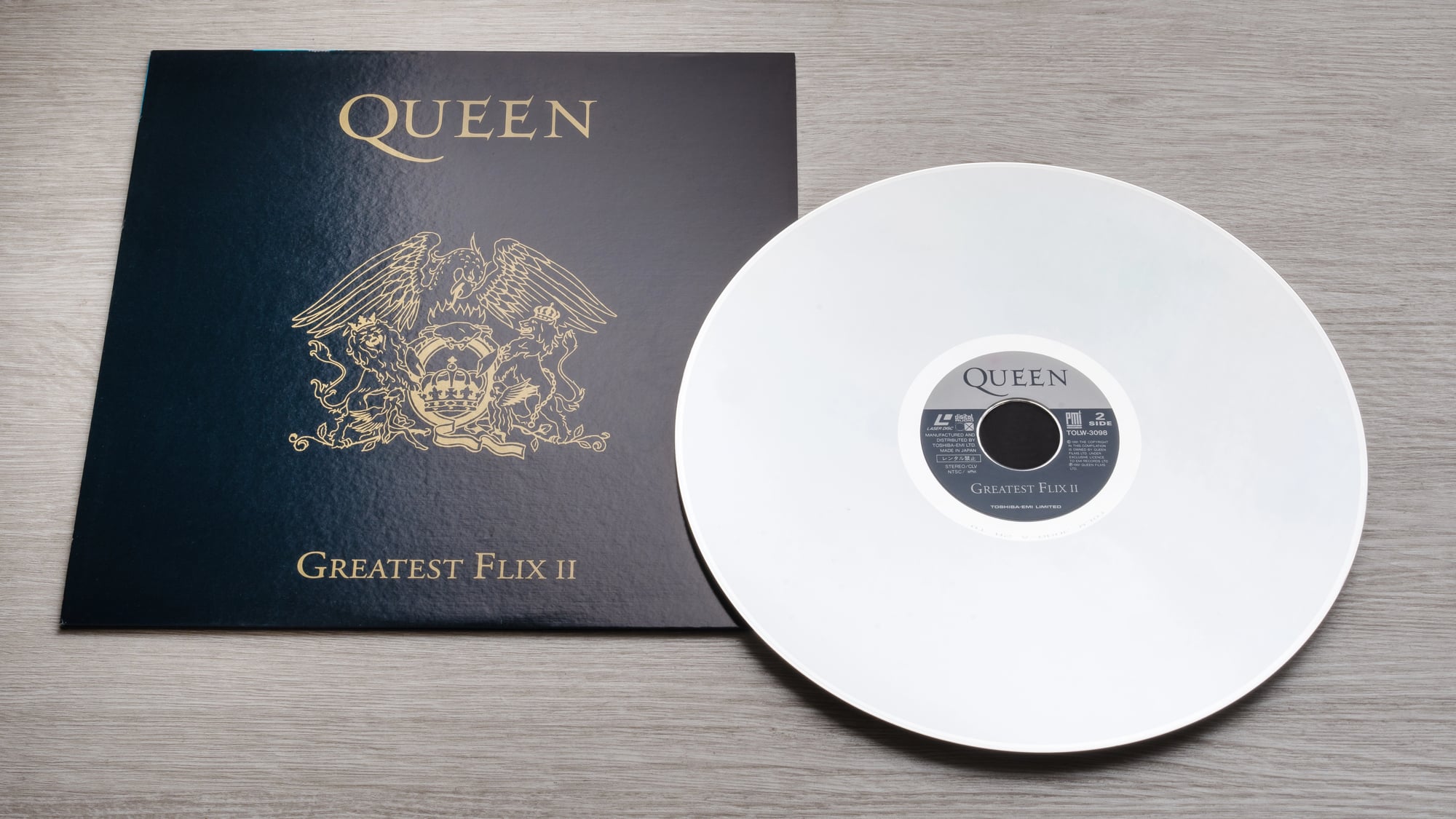
LaserDisc offered movie-quality video and pristine digital audio decades before DVDs existed. The 12-inch discs could store feature films with better quality than VHS tapes, and movie buffs loved the format for its special features and director commentaries.
High prices, enormous disc size, and the inconvenience of flipping discs halfway through movies kept LaserDisc as a niche format for enthusiasts.
Blackberry Phones

BlackBerry devices ruled the smartphone world in the early 2000s, especially among business users who needed reliable email on the go. The physical keyboards and push email service made BlackBerry phones indispensable for professionals and government officials.
When Apple’s iPhone demonstrated that touchscreen keyboards could work just as well while offering much more functionality, BlackBerry’s market share collapsed rapidly.
Like Go2Tutors’s content? Follow us on MSN.
MiniDisc

Sony’s MiniDisc format launched in 1992 as a digital alternative to cassette tapes that offered CD-quality sound in a compact, recordable format. The technology was genuinely impressive, allowing users to record, edit, and label tracks digitally while maintaining excellent audio quality.
Unfortunately, the format arrived just as CD burners became affordable, and later MP3 players offered even more convenience without physical media.
Windows Phone

Microsoft’s Windows Phone operating system featured a distinctive tile-based interface that was genuinely innovative and user-friendly. The platform offered smooth performance, excellent integration with Microsoft services, and some unique features that iOS and Android lacked.
Despite positive reviews from tech critics, Windows Phone never attracted enough app developers or consumers to challenge the iPhone and Android duopoly.
3D Television
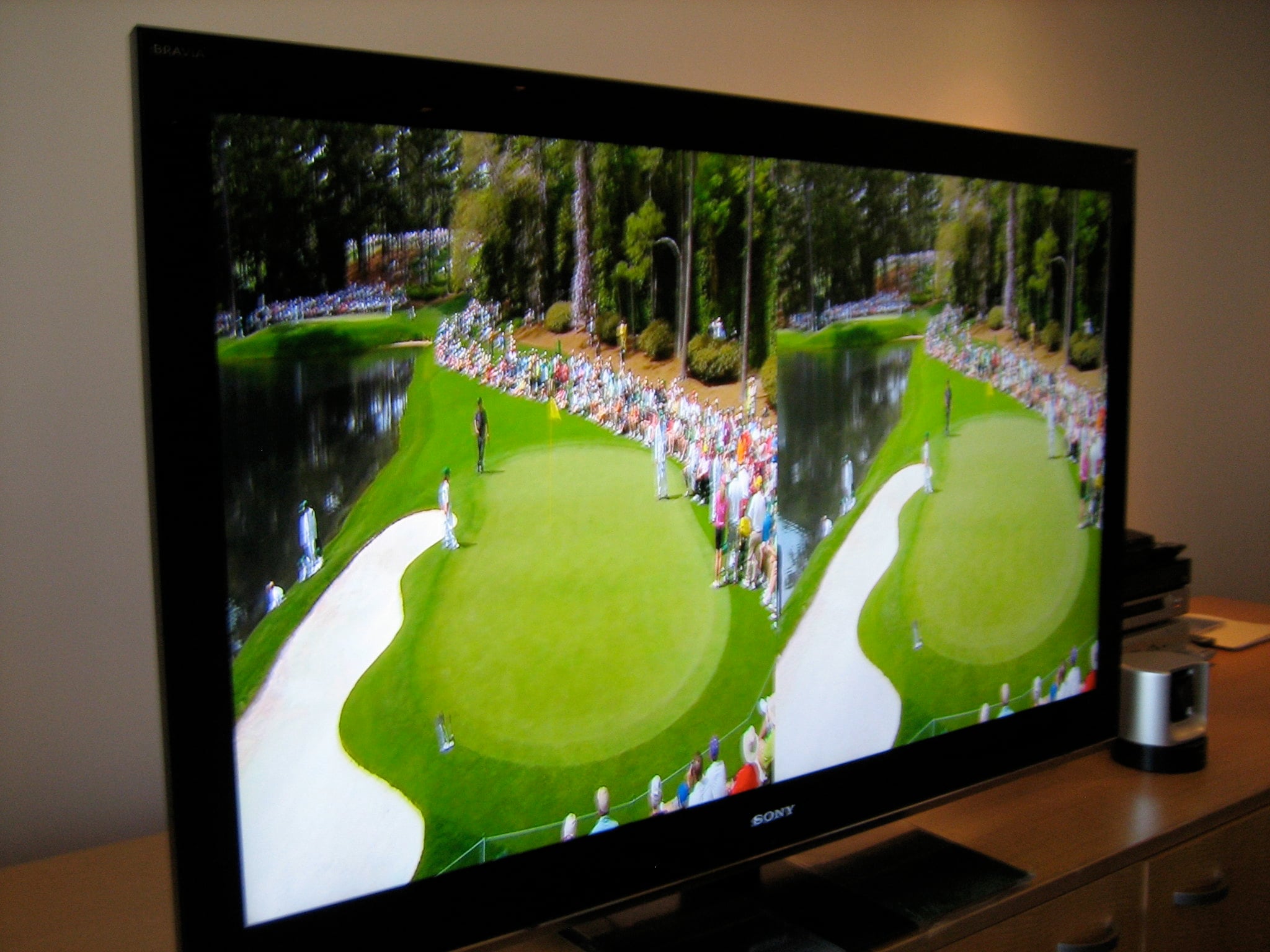
3D televisions were everywhere at electronics stores in the early 2010s, with manufacturers promising an immersive viewing experience that would transform home entertainment. The technology worked well enough, and some movies and shows were specifically produced for 3D viewing.
However, the need for special glasses, limited 3D content, and viewer fatigue from extended use meant most people used their 3D TVs in regular 2D mode.
Like Go2Tutors’s content? Follow us on MSN.
Google Cardboard VR
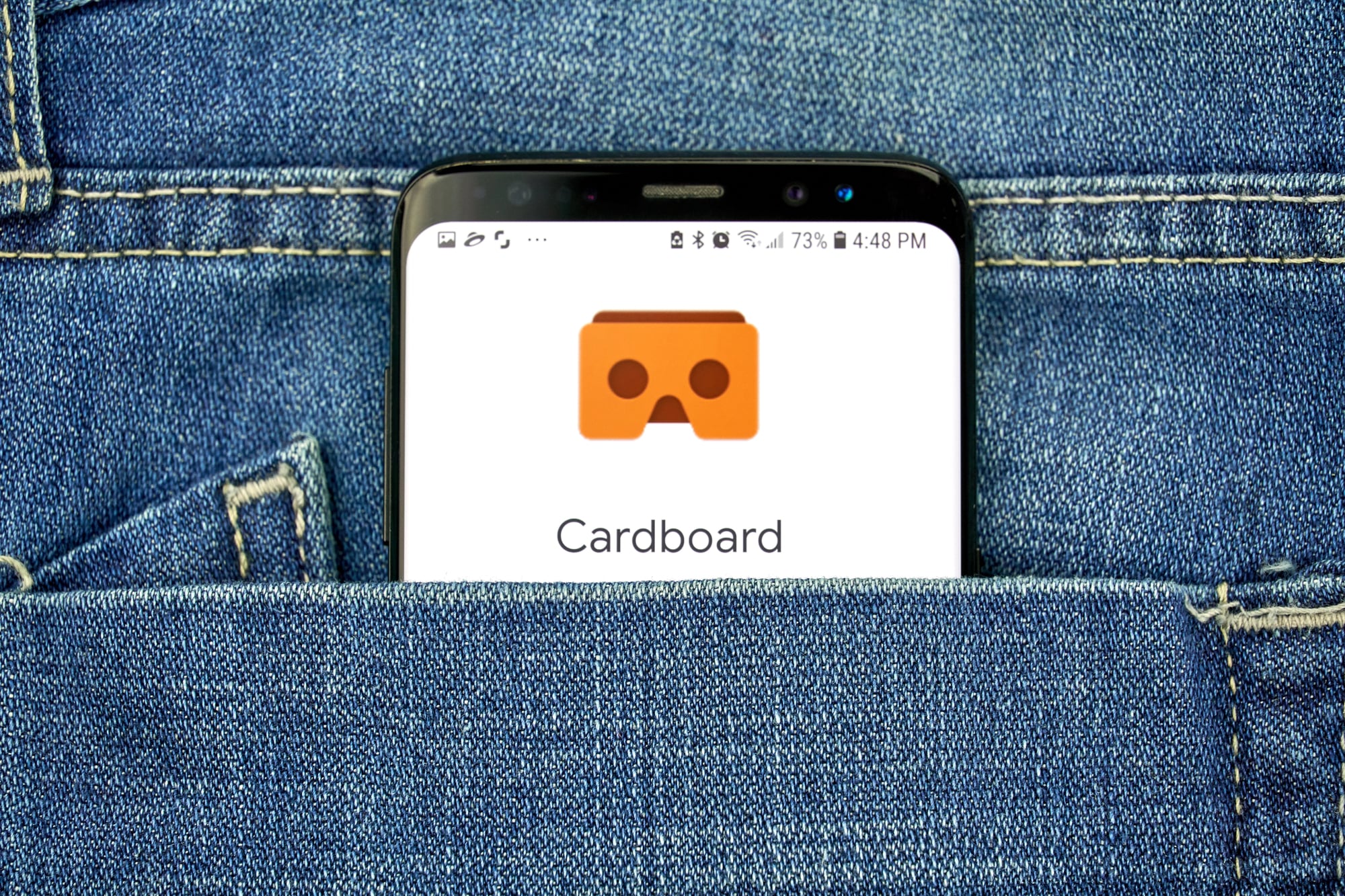
Google Cardboard democratized virtual reality by turning any smartphone into a VR headset using a simple cardboard viewer. The concept was brilliant in its simplicity and incredibly affordable compared to high-end VR systems costing hundreds of dollars.
While Cardboard introduced millions of people to VR, the limited tracking capabilities and smartphone overheating issues made it more of a novelty than a serious computing platform.
When Innovation Meets Reality

These forgotten technologies remind us that being first or even being better doesn’t guarantee success in the tech world. Many of these innovations were genuinely ahead of their time, offering features and capabilities that wouldn’t become standard until years later.
The gap between revolutionary potential and market reality often comes down to timing, pricing, and whether consumers can easily understand why they need something new. What seemed destined to change everything often ends up as a curious footnote, while the technologies that actually stick around are usually the ones that make our lives noticeably easier without requiring us to completely change our habits.
More from Go2Tutors!

- 16 Historical Figures Who Were Nothing Like You Think
- 12 Things Sold in the 80s That Are Now Illegal
- 15 VHS Tapes That Could Be Worth Thousands
- 17 Historical “What Ifs” That Would Have Changed Everything
- 18 TV Shows That Vanished Without a Finale
Like Go2Tutors’s content? Follow us on MSN.