20 Times History Repeated Itself Exactly
History doesn’t just rhyme – sometimes it plays on repeat. From ancient empires to modern politics, humans seem determined to walk the same paths their ancestors once trod, often stumbling over the same stones.
Here is a list of 20 remarkable instances where history circled back on itself with uncanny precision.
Invasion of Afghanistan
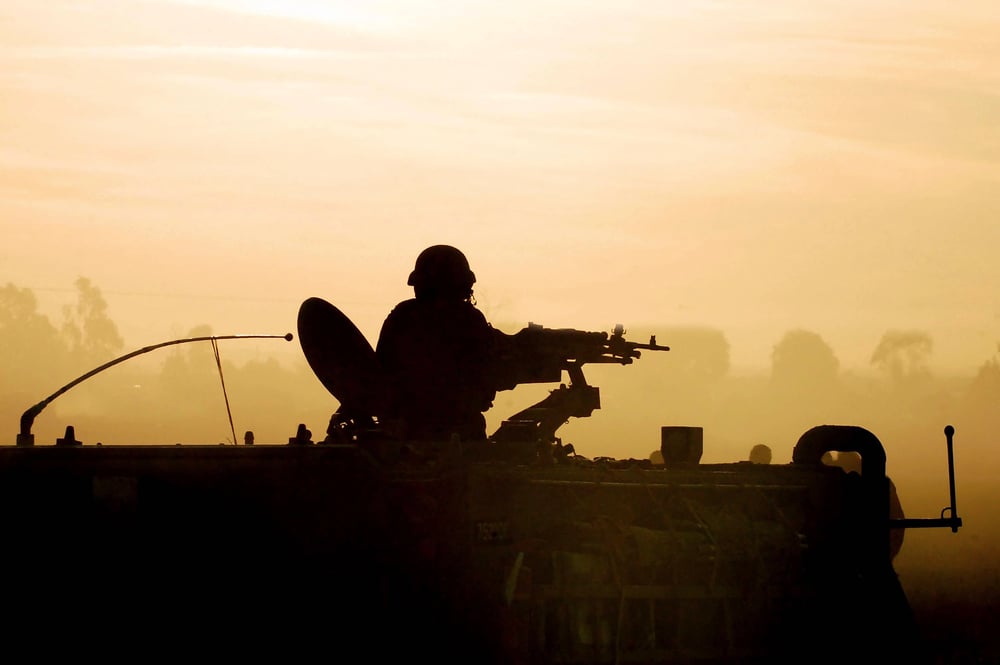
Both the Soviet Union and the United States learned Afghanistan’s harsh lesson exactly 20 years apart. The Soviets invaded in 1979, facing fierce resistance from local fighters supported by foreign powers, ultimately withdrawing in defeat a decade later.
Then in 2001, America stepped into the same quagmire, spending trillions on a 20-year occupation that ended in a hasty 2021 withdrawal remarkably similar to the Soviet retreat. Military strategists call Afghanistan ‘the graveyard of empires’ for good reason.
Stock Market Crashes of 1929 and 2008

The economic meltdowns of 1929 and 2008 followed nearly identical patterns. Both began with rampant speculation, leveraged investments, and financial deregulation creating massive bubbles.
When these bubbles burst, they triggered banking collapses, credit freezes, and devastating recessions. The similarities even extended to the response – initial government hesitation followed by massive intervention and new financial regulations.
Economic historians note that both crashes happened after periods of excessive optimism about endless market growth.
Like Go2Tutors’s content? Follow us on MSN.
Spanish Flu and COVID-19 Pandemic Responses

The public health responses to the 1918 Spanish Flu and 2020 COVID-19 pandemics mirrored each other across a century. Both saw initial downplaying of the threat, followed by mask mandates, social distancing measures, and public resistance to these interventions.
Even the pattern of multiple waves hitting communities that relaxed restrictions too early repeated itself. The debates about individual freedom versus public health played out in almost identical ways, down to the political divisions and conspiracy theories.
Napoleon and Hitler’s Russian Campaigns
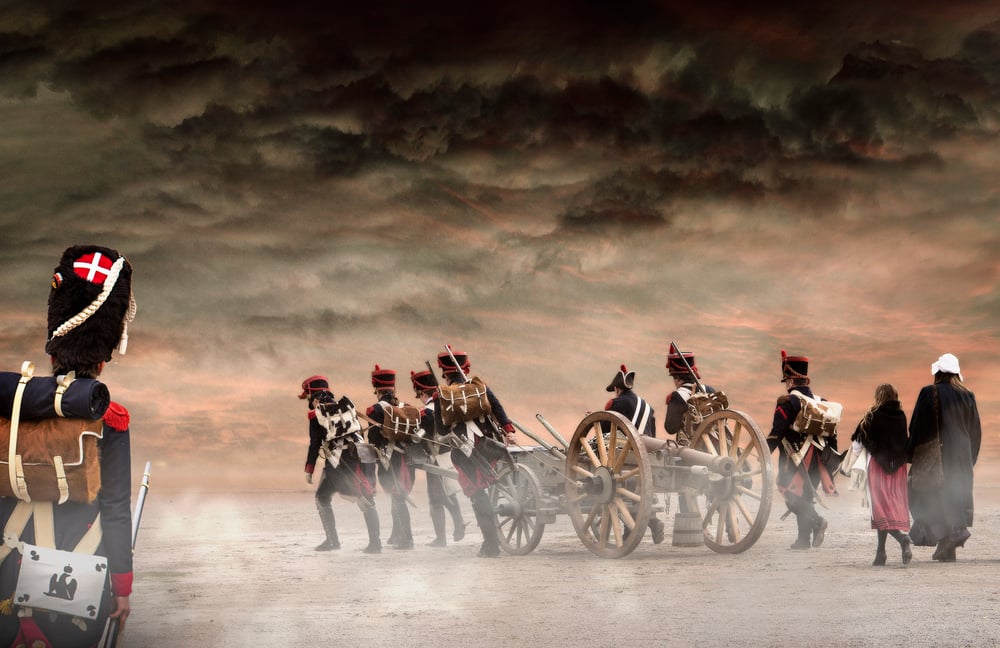
Napoleon’s 1812 invasion of Russia and Hitler’s 1941 Operation Barbarossa followed eerily similar trajectories. Both commanders launched massive summer offensives, initially making rapid progress before becoming bogged down by Russian strategic retreats.
In both cases, the harsh Russian winter proved devastating to supply lines and troop morale. Both armies reached within striking distance of Moscow before being forced into catastrophic retreats that marked the beginning of their downfalls.
Military historians consider these campaigns textbook examples of imperial overreach.
Prohibition and the War on Drugs

America’s experiment with alcohol prohibition (1920-1933) and the ongoing War on Drugs demonstrate how substance bans create nearly identical outcomes. Both policies criminalized widely used substances, empowered organized crime networks, overwhelmed law enforcement, and filled prisons while failing to significantly reduce consumption.
The enforcement of both prohibition efforts also disproportionately targeted marginalized communities. Social scientists point to these parallels as evidence that supply-side approaches to substance control consistently produce the same unintended consequences.
Like Go2Tutors’s content? Follow us on MSN.
Roman and American Empire Trajectories
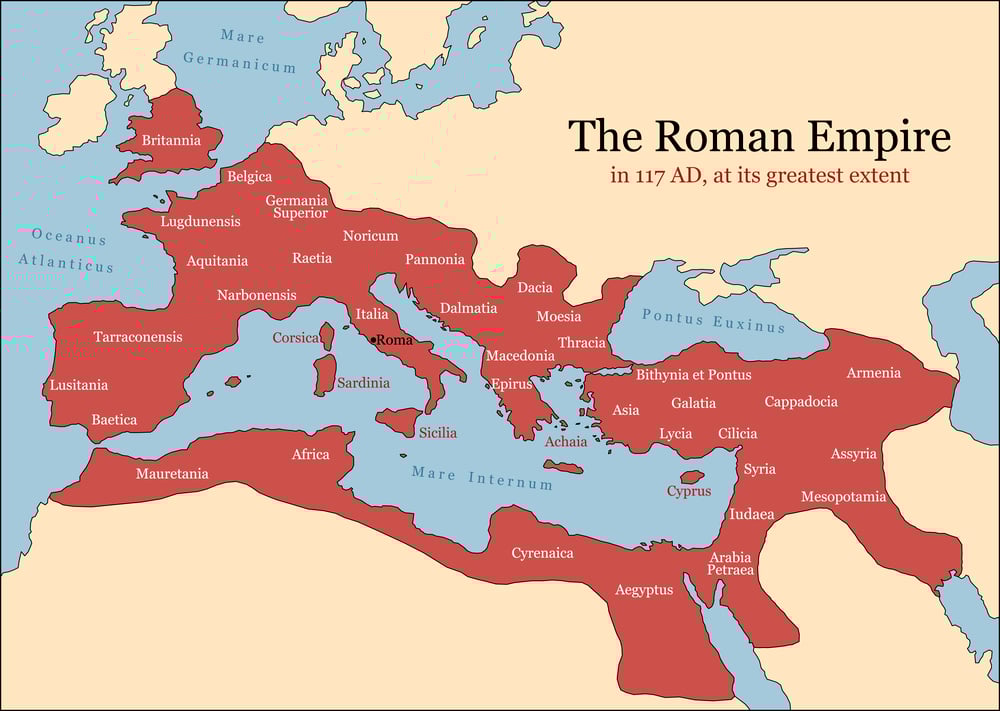
The Roman Empire’s decline phase and America’s post-WWII imperial arc have followed remarkably similar patterns. Both powers experienced a golden age of economic prosperity and military dominance, followed by imperial overextension, increasing wealth inequality, and political polarization.
Both saw their manufacturing bases erode, relied increasingly on foreign labor, and struggled with the financial burden of maintaining a global military presence. The shift from republican values toward more authoritarian governance occurred in both empires as external threats and internal divisions mounted.
Chernobyl and Fukushima Nuclear Disasters
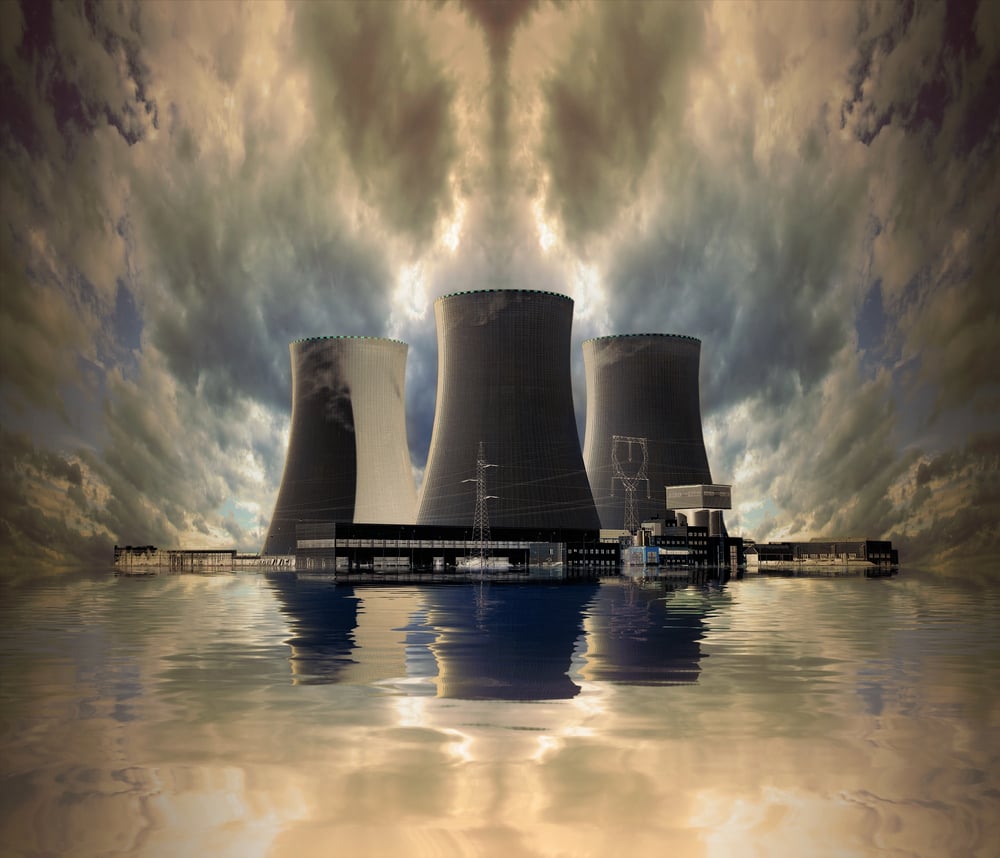
The Chernobyl (1986) and Fukushima (2011) nuclear accidents followed the same tragic script of cascading failures. Both disasters resulted from a combination of design flaws, human error, and institutional complacency about safety risks.
Both involved delayed evacuation orders and initial government downplaying of radiation dangers. The aftermath of each crisis saw extensive contamination zones, mass evacuations, and heated international debates about nuclear power safety.
Energy policy experts note that both accidents occurred after periods of growing confidence in nuclear safety protocols.
Athens and America’s Democratic Decline
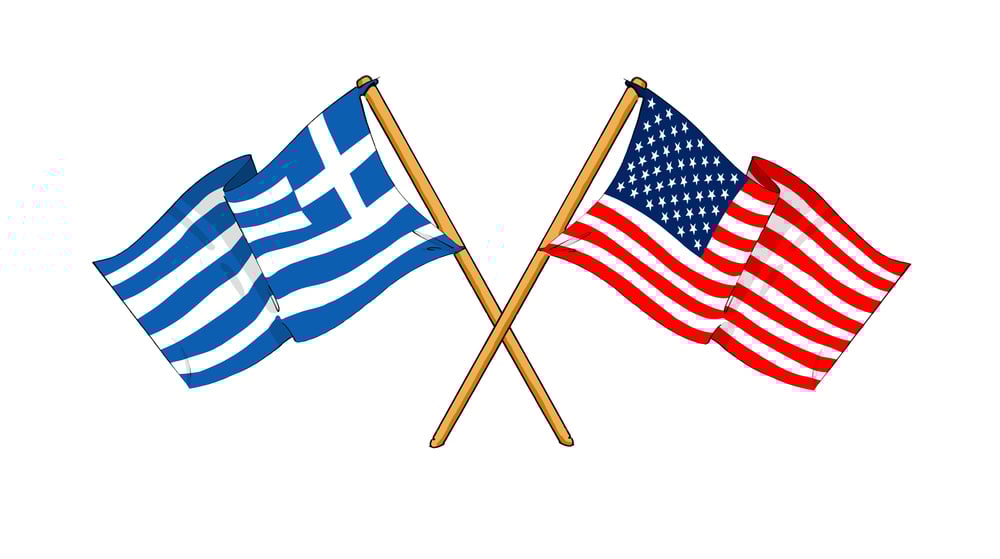
Ancient Athens and modern America experienced nearly identical patterns of democratic erosion. Both began as revolutionary experiments in self-governance that expanded citizen participation over time.
Both democracies then suffered from increasing factionalism, concentration of wealth among elites, foreign policy overreach, and the rise of populist demagogues who capitalized on public distrust of institutions. Political scientists observe that both democracies struggled with the tension between majority rule and protection of minority rights during periods of social upheaval.
Like Go2Tutors’s content? Follow us on MSN.
British and Soviet Afghan Withdrawals

Before the Americans experienced their Afghan defeat, the British Empire suffered an almost identical failure in the 19th century. The British invaded Afghanistan three times between 1839 and 1919, facing the same guerrilla warfare tactics and tribal resistance that would later defeat the Soviets and Americans.
All three foreign powers installed puppet governments that collapsed once their troops departed. The British retreat from Kabul in 1842 was particularly devastating, with only one European survivor reportedly making it back to British India – a precedent for later catastrophic withdrawals.
Mayan and Khmer Civilizations Collapses

The mysterious disappearances of the Classical Maya civilization (8th-9th centuries) and the Khmer Empire of Angkor (14th-15th centuries) followed virtually identical patterns. Both advanced societies built spectacular temple complexes and sophisticated water management systems before experiencing sudden collapse.
Archaeological evidence shows both civilizations suffered from a combination of climate change (extended droughts), resource depletion, overpopulation, and increasing warfare between rival cities. The abandoned monuments of both cultures remained reclaimed by the jungle for centuries before being rediscovered.
Great Depression and Great Recession Recovery Patterns
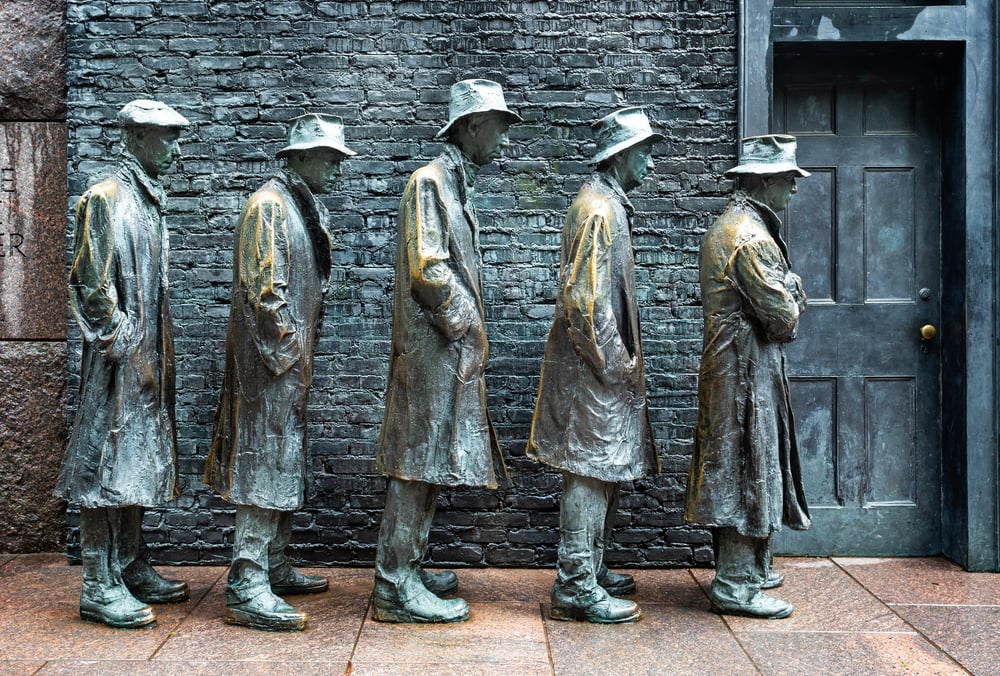
The economic recoveries from the Great Depression and the 2008 Great Recession traced remarkably similar paths. Both featured initial rebounds followed by setbacks (1937’s “recession within the depression” and 2011’s European debt crisis).
Both saw tremendous growth in government debt, extended periods of low interest rates, and widening wealth inequality during the recovery phase. The labor markets in both eras experienced structural shifts that permanently eliminated certain categories of jobs despite overall economic growth returning.
Like Go2Tutors’s content? Follow us on MSN.
Han and Ming Dynasty Isolationism

China’s Han Dynasty (206 BCE–220 CE) and Ming Dynasty (1368–1644 CE) both followed identical cycles of expansion and isolation. Both dynasties initially pursued aggressive foreign policies and international trade before abruptly shifting to isolationist approaches.
The Ming famously destroyed their massive treasure fleet and banned maritime trade, while the later Han similarly retreated from Central Asian engagement. In both cases, the turn inward eventually weakened the dynasties by reducing technological exchange and allowing external threats to grow unchecked.
Historians see these as classic examples of how great powers can decline through voluntary disengagement.
Athenian and American Wars in Sicily/Vietnam

Athens’ disastrous Sicilian Expedition (415-413 BCE) and America’s Vietnam War played out with stunning similarities. Both democracies entered distant conflicts with unclear objectives, overconfidence in their technical superiority, and misunderstanding of local conditions.
Both wars drained national treasuries, divided citizens at home, and undermined democratic institutions. Both military adventures represented tragic turning points – Athens never fully recovered its former power, while Vietnam permanently altered American attitudes toward military intervention.
Military historians consider both conflicts cautionary tales about the limits of power projection.
Tulip Mania and Cryptocurrency Bubbles

The Dutch Tulip Mania of 1636-1637 and the cryptocurrency boom of 2017-2018 followed identical speculative patterns. Both began with legitimate innovations (rare tulip varieties/blockchain technology) before transforming into speculation-driven manias where assets traded at values completely detached from utility.
Both featured ordinary people mortgaging homes to participate, elaborate derivative markets, and price collapses of over 90% within months. Economic historians note that both bubbles were fueled by similar psychological factors: fear of missing out, disdain for traditional financial expertise, and belief that new paradigms had eliminated normal market constraints.
Like Go2Tutors’s content? Follow us on MSN.
Ottoman and Soviet Empire Dissolutions
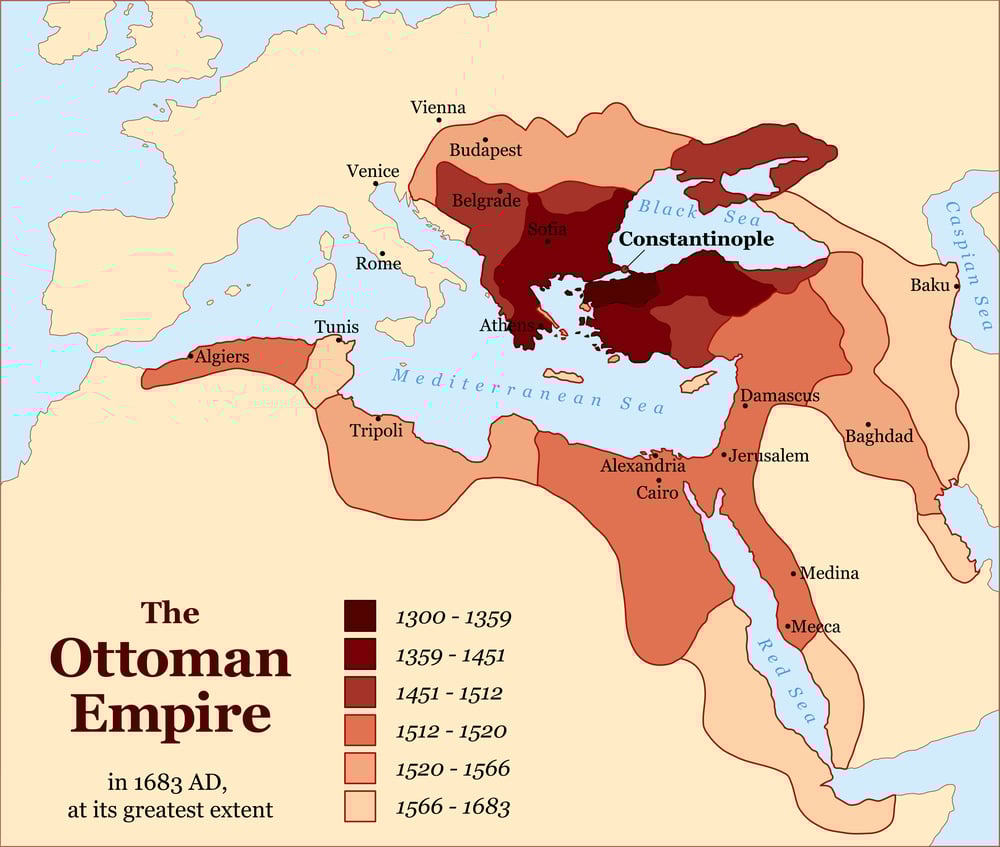
The collapse of the Ottoman Empire (early 20th century) and the Soviet Union (1991) followed strikingly parallel trajectories. Both multinational empires experienced decades of economic stagnation and failed reforms before breaking apart along ethnic lines.
Both dissolutions unleashed violent separatist movements, created numerous successor states with disputed borders, and left power vacuums that led to regional instability. In both cases, former imperial territories experienced varying degrees of success transitioning to new governance models, with some embracing democracy while others fell under authoritarian rule.
Maya and Easter Island Deforestation Cycles

The environmental collapse on Easter Island and in the Maya lowlands repeated the same ecological tragedy. Both societies engaged in accelerating deforestation to support growing populations and monument construction.
In both cases, elite competition for prestige drove increasing resource consumption even as environmental warnings became apparent. The loss of forest cover triggered soil erosion, agricultural failure, and societal breakdown in identical sequences.
Environmental historians see these parallel collapses as perfect examples of how societies can prioritize short-term cultural values over long-term sustainability.
Fall of Constantinople and Singapore
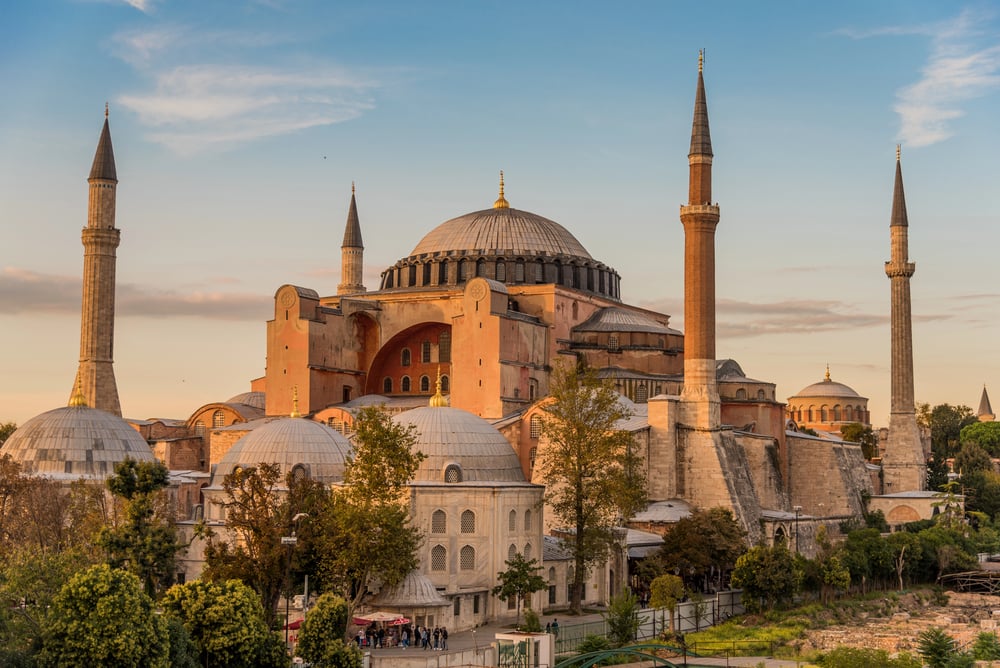
The Ottoman conquest of Constantinople (1453) and Japan’s capture of Singapore (1942) represent identical military shocks that transformed global power balances. Both cities were considered impregnable fortresses protected by geography and massive defenses.
Both fell to innovative military tactics that overcame these natural advantages – the Ottomans transported ships overland to bypass sea walls, while the Japanese attacked through the supposedly impassable jungle. Both conquests shattered the mystique of a dominant power (Byzantine Empire/British Empire) and announced the arrival of new regional hegemonies.
Military historians consider both events watershed moments that redefined regional power dynamics for generations.
Like Go2Tutors’s content? Follow us on MSN.
Spartan and Soviet Military States

Ancient Sparta and the Soviet Union developed eerily similar militarized societies despite being separated by millennia. Both states subordinated individual desires to collective military needs, implemented cradle-to-grave systems of military education, and created powerful secret police forces to maintain internal control.
Both achieved impressive military capabilities while struggling with economic production and demographic sustainability. Both societies collapsed partly due to their inability to reform rigid systems in the face of changing external circumstances.
Historians consider them classic examples of how states organized primarily for war often struggle with long-term viability.
Spanish and American Empires in the Philippines

Nearly comparable imperial patterns were followed by America’s colonial administration (1898-1946) and Spain’s 333-year control of the Philippines (1565-1898). Both countries established English and Spanish as governmental languages, arrived as Pacific expansion projects, used civilizing missions to justify colonization, reorganized the economy to their advantage, and encountered opposition groups from the native population.
Despite eventually granting independence, both imperial powers continued to have a considerable military and economic impact. In contemporary Filipino society, the cultural and architectural legacies of both colonial eras are still evident, forming intricate tiers of national identity.
The Fall of Rome and Modern Climate Challenges
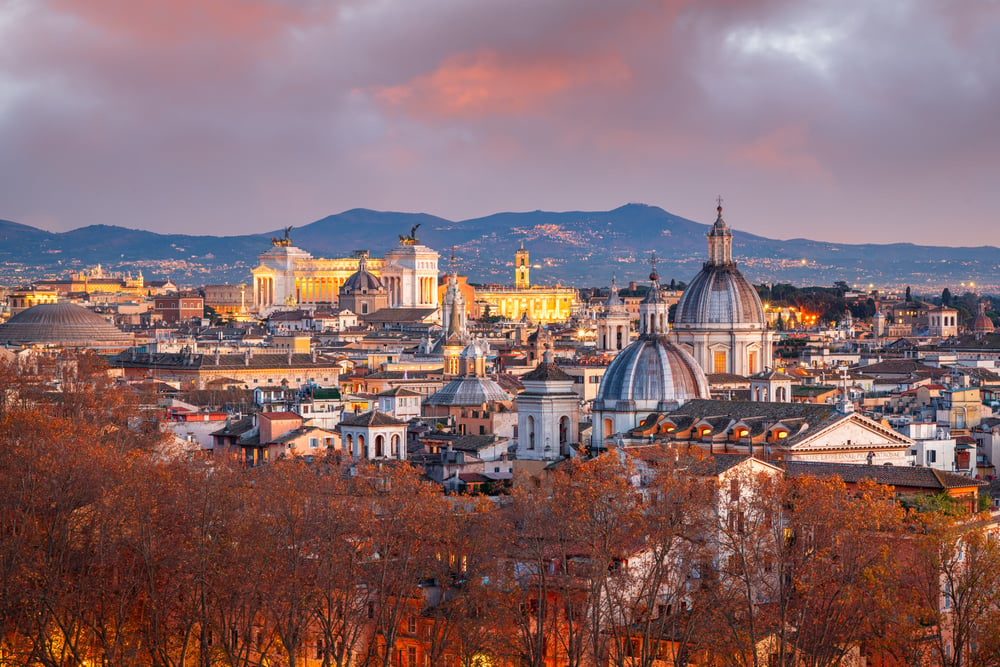
There are unsettling parallels between the fall of the Western Roman Empire in the fourth and fifth centuries and the current climatic problem. In both cases, societies are confronted with environmental issues that are systemic and beyond the scope of their political structures.
Mass migrations and resource conflicts were brought on by Rome’s agricultural failures due to soil degradation and climate change. Similar challenges to agriculture are faced by modern society due to resource competition, population displacement, and shifting weather patterns.
Many contemporary political responses to climate threats are similar to the Roman response, which involved fortifying borders, erecting walls, and defending elite interests while neglecting fundamental issues.
Like Go2Tutors’s content? Follow us on MSN.
The Price of Forgetting

These historical relics reflect humanity’s collective forgetfulness and are more than just academic curiosity. Even if the experiences of earlier generations are extensively documented, we nonetheless follow in their footsteps, from financial speculation to imperial overreach.
As our technical capacity to impact our planet develops, the cost of these repetitions rises with each cycle. The trend is apparent: societies that are unable to learn from the precise recurrences of history suffer from increasingly dire outcomes over time.
Our best chance of building a really different future may lie in improving our understanding of the past.
More from Go2Tutors!

- 18 Unexpectedly Valuable Collectibles You Might Have Lying Around
- 15 Things Every Teenager in the ’70s Did That Teens Today Wouldn’t Understand
- 15 Strange Things People Have Tried to Ban (And Failed)
- 15 Inventions That Were Immediately Banned After Being Created
- 20 Actors Who Were Almost Cast in Iconic Roles
Like Go2Tutors’s content? Follow us on MSN.