15 Futuristic Designs From the Distant Past
Looking back at how people imagined tomorrow can be both hilarious and surprisingly insightful. From the late 1800s through the 1980s, inventors, artists, and visionaries crafted elaborate predictions about what our world would look like today. While some came remarkably close to reality, others were so wildly off-base they seem like comedy sketches rather than serious forecasts.
These retrofuturistic visions reveal as much about the hopes and anxieties of their time as they do about human creativity. Here is a list of 15 fascinating futuristic designs that never quite made it past the drawing board.
Steel Everything

Thomas Edison, America’s greatest inventor, had a peculiar vision for 21st-century homes: everything would be made of steel. He predicted that ‘the baby of the 21st century will be rocked in a steel cradle; his father will sit in a steel chair at a steel dining table, and his mother’s boudoir will be sumptuously equipped with steel furnishings.’ Apparently, Edison thought we’d all embrace the aesthetic of living inside a refrigerator. While steel appliances became popular, thankfully we didn’t abandon wood, fabric, and other comfortable materials for our daily lives.
Mobile Homes for the Wealthy

Science fiction legend Arthur C. Clarke envisioned houses that could move anywhere on Earth at their owner’s whim. His prediction included autonomous homes freed from water pipes, drains, and power lines thanks to compact power sources. French artist Jean-Marc Côté created similar images showing luxurious mobile dwellings in his 1900 World’s Fair series. While we do have mobile homes today, they’re quite different from Clarke’s vision of wealthy homeowners casually relocating their mansions to tropical beaches on a whim.
Square Tomatoes

In the era of agricultural mechanization, Deere and Co.’s Research and Development Chief made a bizarre prediction about the humble tomato. He declared that ‘another phenomenon in the not-too-distant-future is square tomatoes,’ reasoning that straight-edged tomatoes would be easier to package by machine and fit better in sandwiches. This perfectly logical yet absurd prediction shows how people sometimes focused on mechanical efficiency over natural biology. Fortunately, tomatoes kept their natural round shape, and we adapted our packaging instead.
Rocket Mail Delivery

In 1959, US Postmaster General Arthur Summerfield boldly proclaimed that mail would be delivered via missile before humans reached the Moon. He declared, ‘We are on the threshold of rocket mail,’ envisioning letters crossing countries in mere hours. While express mail has certainly improved since then, we never quite reached the dramatic heights of intercontinental missile-powered postal service. The idea of getting your electric bill delivered by rocket remains charmingly over-the-top.
Six-Foot-Tall Women
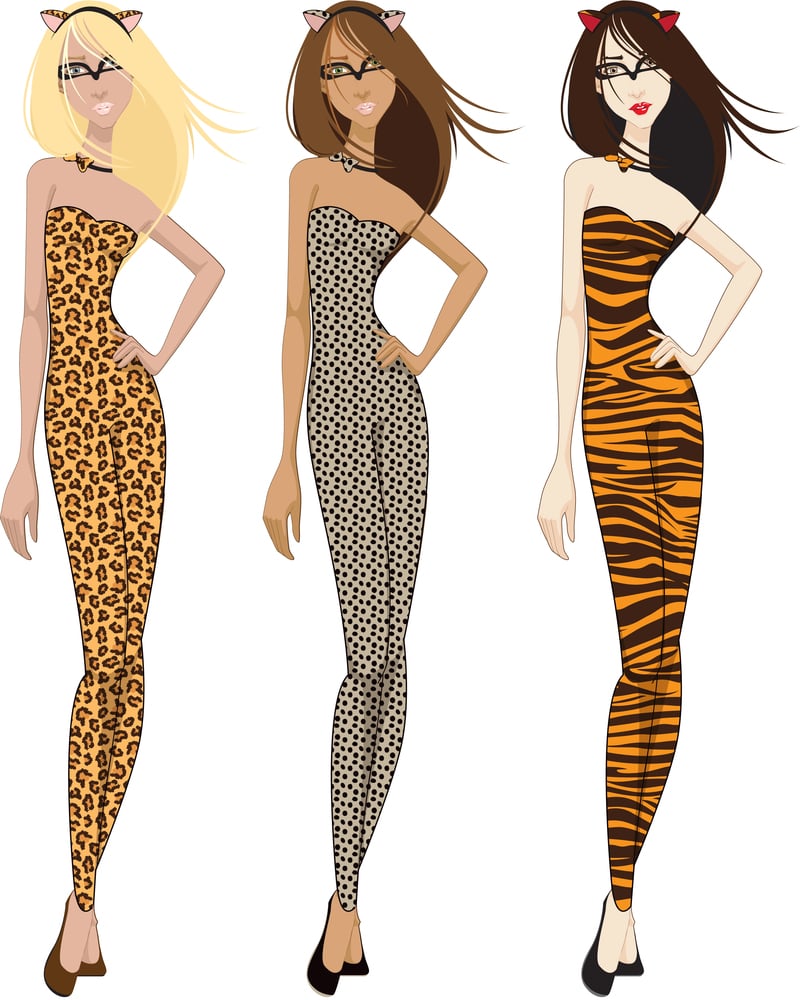
Associated Press writer Dorothy Roe used what she called ‘scientific evidence’ to predict that by 2000, all women would be six feet tall with perfect Amazonian proportions. She believed science would perfect a balanced ratio of vitamins, proteins, and minerals to produce maximum bodily efficiency with minimum fat. While people have gotten taller on average, this prediction missed the mark by several inches and completely overlooked the natural diversity in human body types.
Waterproof Everything
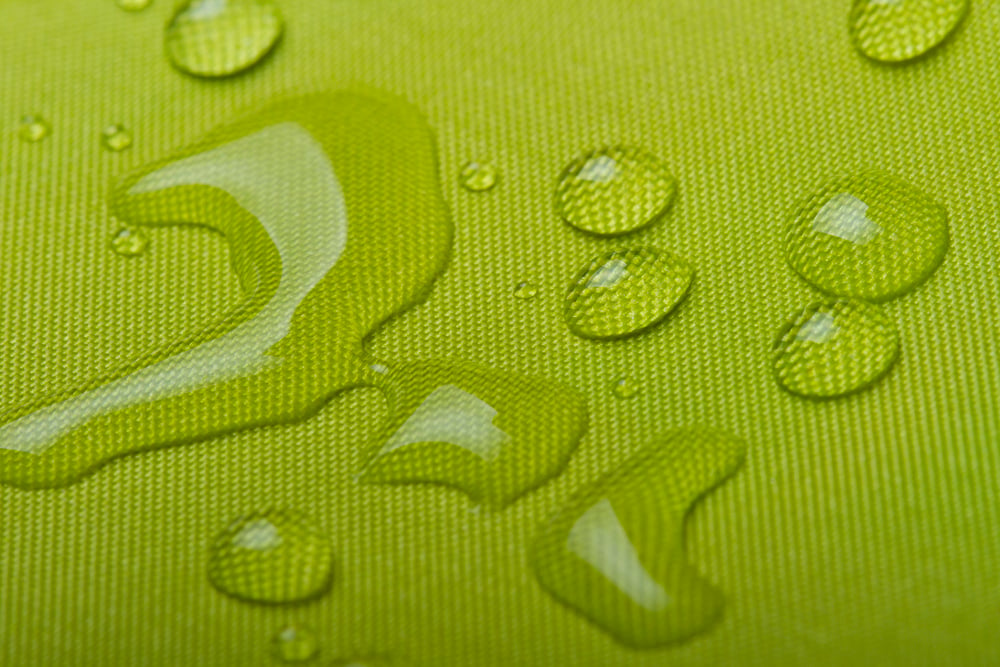
New York Times science editor Waldemar Kaempffert painted a picture of future housekeeping where cleaning meant simply hosing down everything. His fictional housewife ‘Jane Dobson’ would clean the house by turning a hose on furniture, rugs, draperies, and floors, all made of synthetic fabric or waterproof plastic. This vision of a completely waterproof home sounds convenient until you imagine the constant dampness and the complete absence of cozy, soft materials.
Flying Automobiles
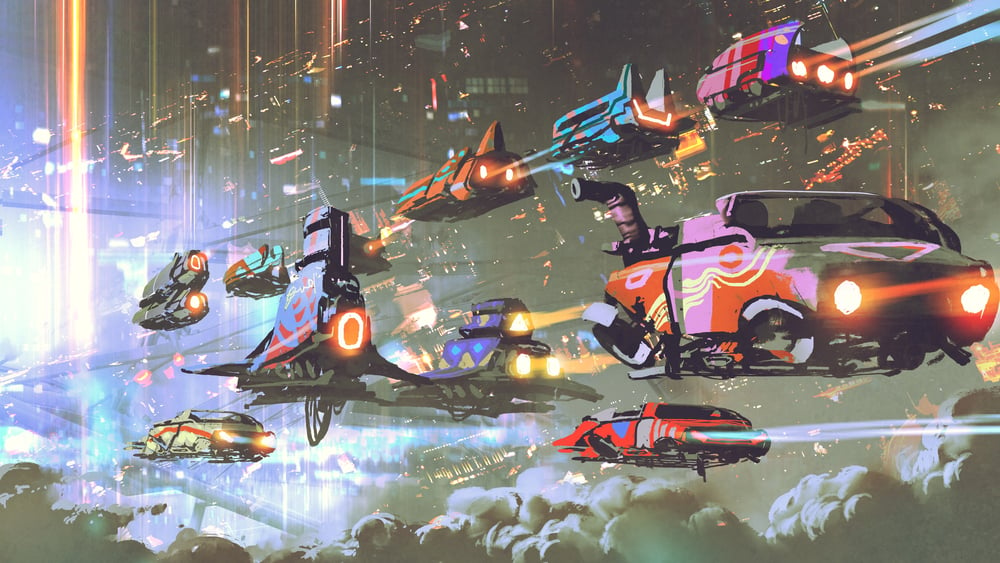
Flying cars appeared repeatedly in futuristic predictions, from Jean-Marc Côté’s 1900 illustrations showing wing-flapping aerial vehicles cruising through Paris to Popular Mechanics’ repeated features on personal air travel. Movies like ‘Back to the Future Part II’ promised flying cars would be commonplace by 2015. Despite decades of attempts and prototypes, we’re still stuck with ground-based vehicles, though the dream of aerial commuting refuses to die.
Robot Pets
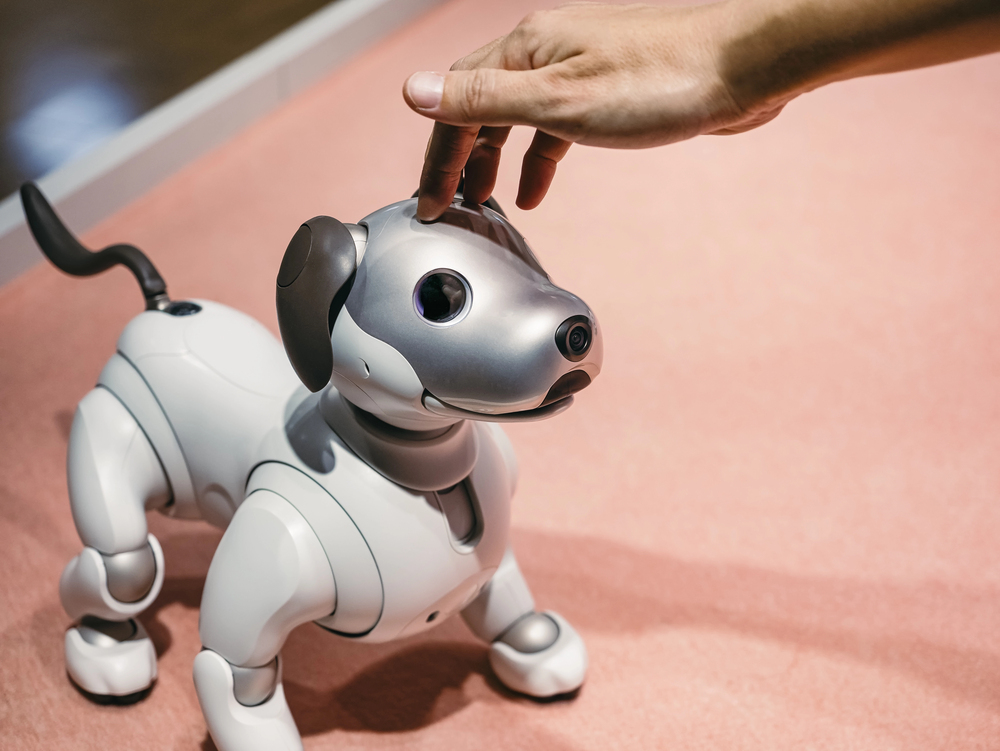
— Photo by viteethumb
A 1923 vision described a robot dog companion that readers could build themselves – a simple battery-powered rolling device that used a magnet to follow a metal cane. While the concept seems quaint now, it predicted our modern fascination with artificial companions. Today’s robot pets are more sophisticated than this magnetic follower, but they still haven’t replaced the appeal of real furry friends for most people.
Mechanical Teachers
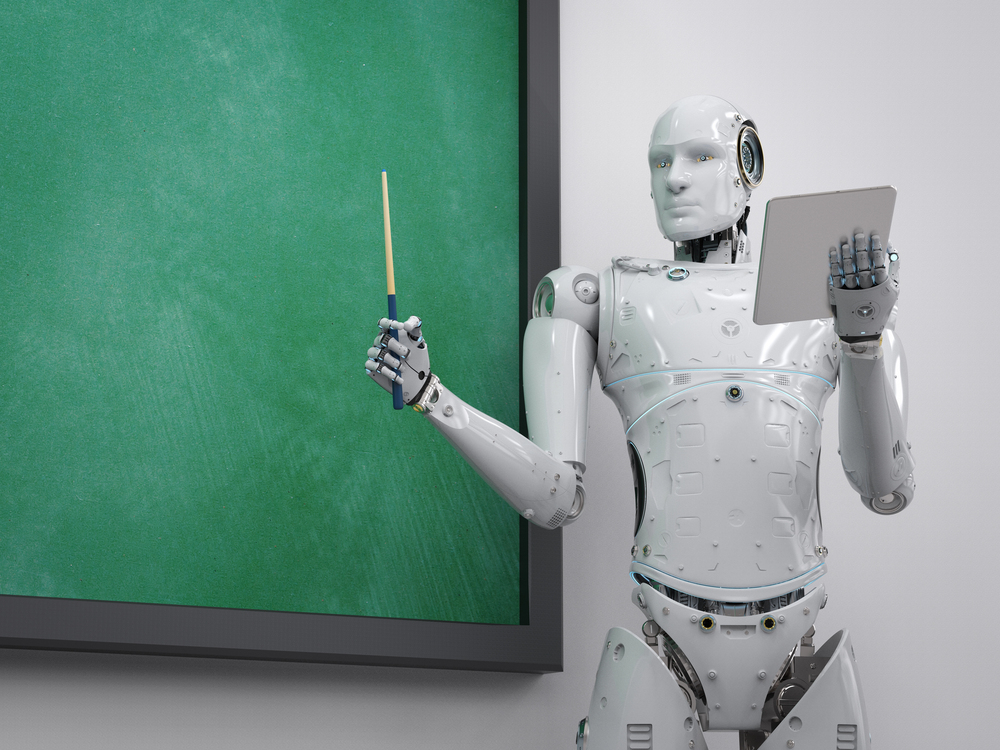
An 1901 prediction showed teaching becoming remarkably easy: a schoolmaster would feed history books into a machine while an assistant turned a crank, somehow sending the book’s content through wires to headsets worn by pupils, directly into their minds. Similar French predictions from 1910 showed knowledge being telegraphically fed into students’ brains. This early vision of digital learning got the convenience part right but completely missed how education actually works.
Telephot Communication

In 1918, Electrical Experimenter magazine reported on inventors trying to create devices for seeing someone while talking on the telephone. The magazine predicted this ‘telephot’ would allow people to see ‘a faithful likeness of a distant friend whether he is only five blocks away or one thousand miles.’ This prediction was remarkably accurate, essentially describing modern video calling decades before the technology existed.
Underwater Seagull Hunting

One of the more bizarre predictions from Jean-Marc Côté’s series showed divers underwater using some kind of device to attract seagulls from the surface. This strange image defies both logic and biology, since seagulls are flying birds that don’t typically interact with underwater activities. It represents the kind of whimsical impossibility that made retrofuturistic art so entertaining.
Radium-Powered Homes

During World War I, Electrical Experimenter magazine predicted that radium would power future homes, providing heat and light as commonly as coal furnaces. However, they warned that ‘man must not remove too much radium from the earth or the earth may freeze to death.’ This prediction came before we fully understood radiation’s dangers, making it both scientifically naive and inadvertently ominous.
Rooftop Airports

A 1926 issue of Popular Mechanics envisioned runways for airplanes built on top of skyscrapers, solving urban transportation through vertical aviation infrastructure. While helipads do exist on some tall buildings, the idea of full airports atop skyscrapers proved impractical due to weight, noise, and safety concerns. The vision of planes landing between office meetings never quite took off.
Pneumatic Reading Machines
The April 1935 issue of Everyday Science and Mechanics described the ‘next logical step in publishing’: a mechanical microfilm reader mounted on a large pole that would allow readers to scroll through book pages from their armchair with the push of a button. This cumbersome contraption was meant to revolutionize reading but looks absurdly impractical compared to modern e-readers and tablets.
Scientific Love Matching

An April 1924 Science and Invention magazine featured a ‘mating machine’ that could determine marriage compatibility by measuring physical attraction and sympathy between potential partners. This bizarre device promised to solve romance through scientific measurement, predicting the success of relationships with mechanical precision. While dating apps now use algorithms for matching, the idea of hooking yourself up to a physical contraption to test romantic chemistry seems delightfully ridiculous.
When Tomorrow Met Yesterday

These retrofuturistic visions remind us that predicting the future is equal parts science and imagination. While inventors and artists of the past sometimes overestimated our appetite for steel furniture and rocket mail, they also anticipated video calling and mobile technology with remarkable accuracy. The retrofuturism aesthetic continues to influence modern design, from toy stores to fashion, proving that these ‘failed’ predictions still capture our collective imagination. Perhaps the real value of these fantastical designs isn’t in their accuracy, but in their reminder that the future is always stranger than we expect—just not always in the ways we imagine.
More from Go2Tutors!

- 16 Historical Figures Who Were Nothing Like You Think
- 12 Things Sold in the 80s That Are Now Illegal
- 15 VHS Tapes That Could Be Worth Thousands
- 17 Historical “What Ifs” That Would Have Changed Everything
- 18 TV Shows That Vanished Without a Finale
Like Go2Tutors’s content? Follow us on MSN.