18 Times a Supporting Role Made the Whole Thing Work
Great movies and TV shows aren’t just about the lead performers. Sometimes it’s the supporting players who elevate everything around them, turning good entertainment into something truly unforgettable.
The perfect supporting performance can add depth, humor, or emotional weight that transforms the entire production. Here is a list of 18 supporting roles that didn’t just complement their projects but became essential to their success.
Heath Ledger as The Joker
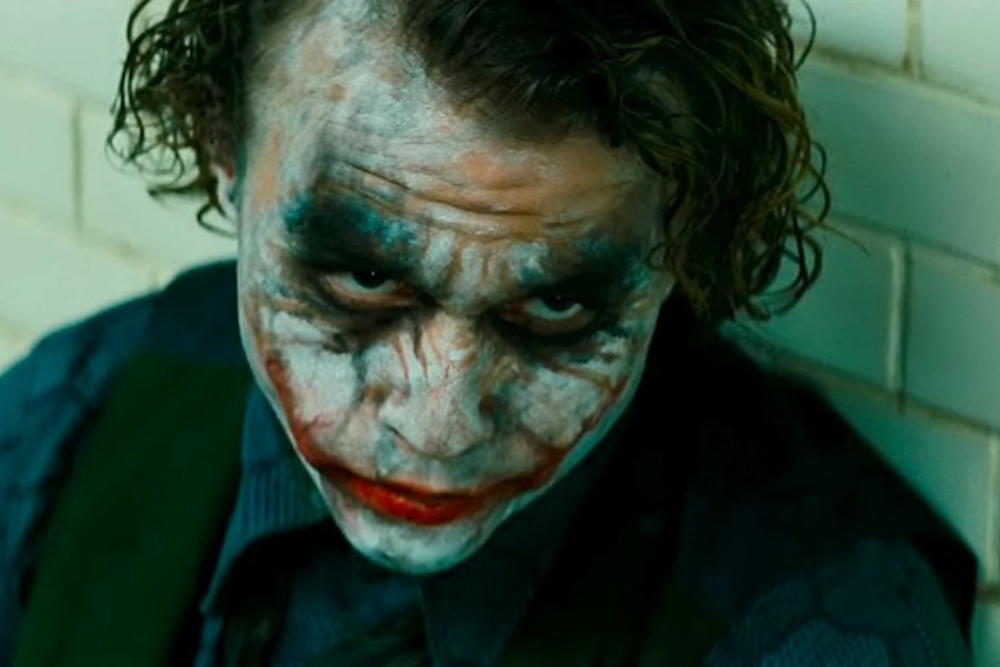
Heath Ledger’s portrayal of the Joker in ‘The Dark Knight’ redefined what a villain could be in a superhero film. His chaotic energy and psychological depth created such a compelling antagonist that many viewers found themselves anticipating his screen time more than Batman’s.
The performance earned Ledger a posthumous Academy Award and permanently altered how audiences view comic book films.
Viola Davis as Aibileen Clark
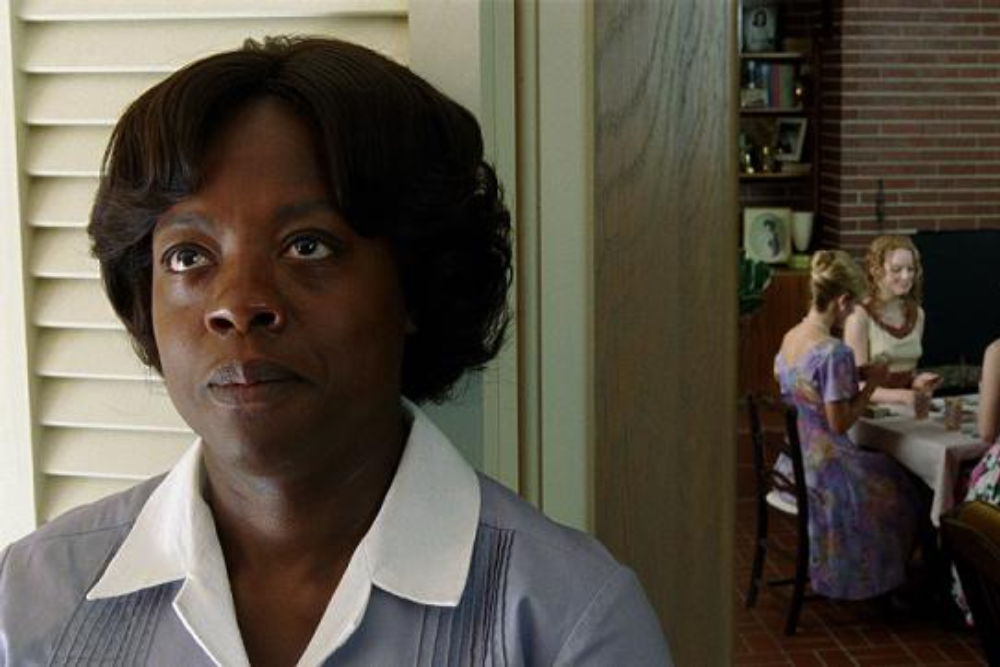
In ‘The Help,’ Davis delivered a performance of quiet dignity and immense emotional power that anchored the entire film. Despite Emma Stone having the technical lead role, Davis’s portrayal of a maid in 1960s Mississippi brought authenticity and gravitas to the story.
Her ability to convey volumes with just a glance elevated what could have been a simplistic narrative into something truly moving.
Anthony Hopkins as Hannibal Lecter

Hopkins appeared in ‘The Silence of the Lambs’ for less than 25 minutes, yet his presence dominates the entire film. His calculated, unnervingly calm portrayal of Dr. Lecter created one of cinema’s most memorable villains.
The character became so iconic that many people forget he wasn’t actually the main antagonist of the film, but rather a supporting character to Jodie Foster’s lead.
Meryl Streep as Miranda Priestly
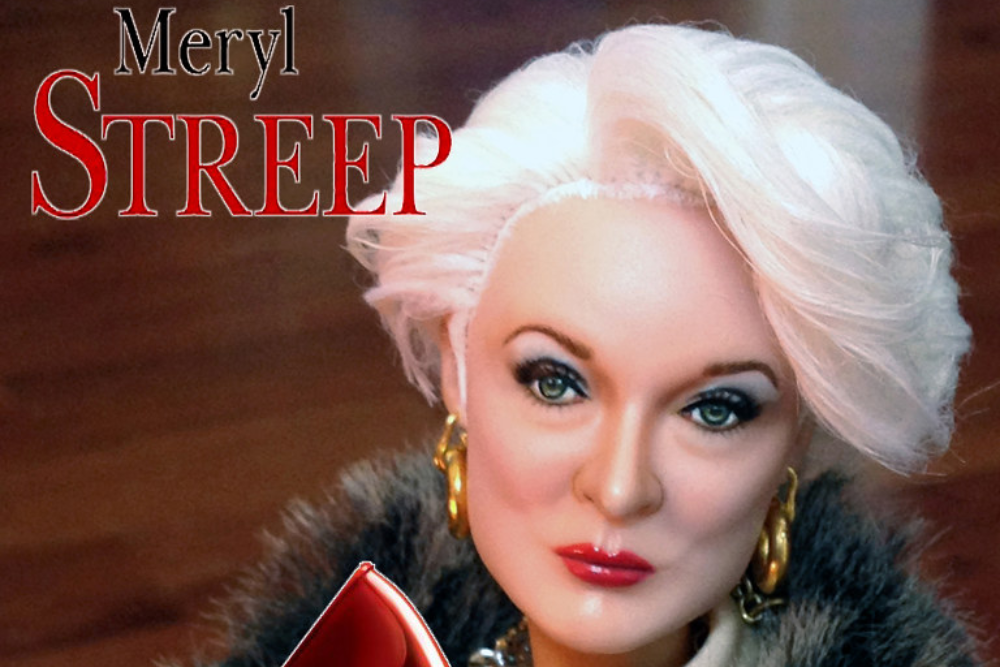
‘The Devil Wears Prada’ technically centers on Anne Hathaway’s character, but Streep’s ice-cold fashion editor steals every scene. With just a whispered ‘That’s all’ or a subtle purse of the lips, Streep communicates volumes of judgment and power.
Her performance turned what could have been a one-note villain into a complex character that audiences couldn’t help but respect, even as they feared her.
Joe Pesci as Tommy DeVito

In ‘Goodfellas,’ Pesci created one of the most terrifyingly unpredictable characters in film history. His explosive temper and hair-trigger violence provided the perfect counterbalance to Ray Liotta’s more measured narrator.
The infamous ‘Funny how?’ scene remains one of cinema’s most tense moments, showcasing how Pesci could shift from charming to murderous in an instant.
Allison Janney as C.J. Cregg

While ‘The West Wing’ featured an ensemble cast, Janney’s press secretary became the show’s moral compass and beating heart. Her combination of razor-sharp intelligence, wit, and fundamental decency made C.J. a fan favorite and earned Janney multiple Emmy Awards.
The character’s growth from press wrangler to Chief of Staff provided some of the series’ most satisfying character development.
Samuel L. Jackson as Jules Winnfield
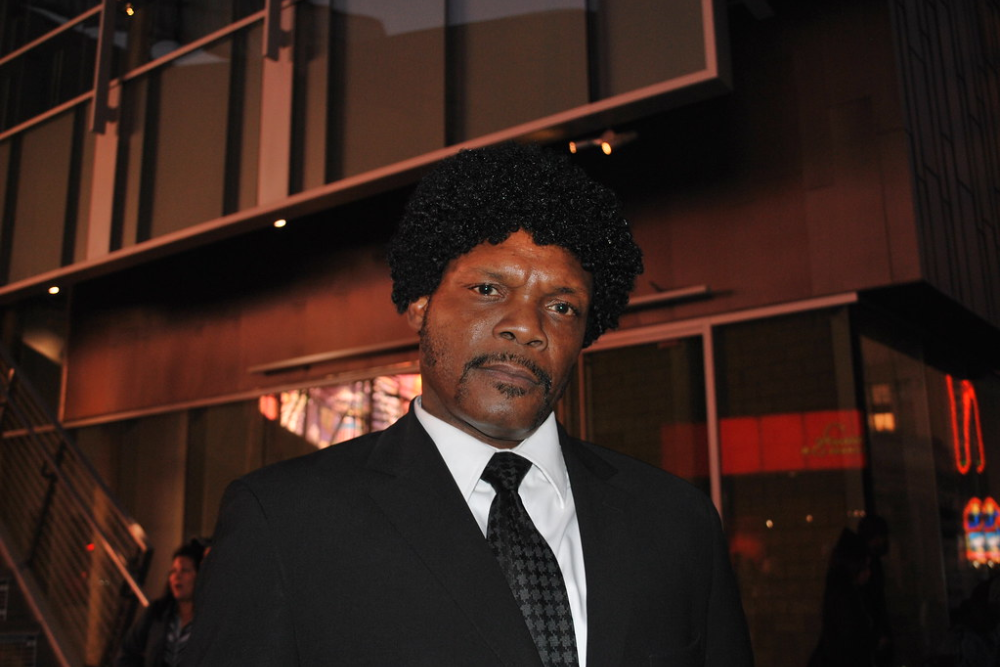
‘Pulp Fiction’ features numerous memorable performances, but Jackson’s philosophical hitman provides the moral center to Tarantino’s fragmented narrative. His delivery of the famous Ezekiel 25:17 speech is now cinematic legend.
What makes the performance truly remarkable is how Jackson balances intimidating violence with genuine spiritual awakening.
Robin Williams as Sean Maguire
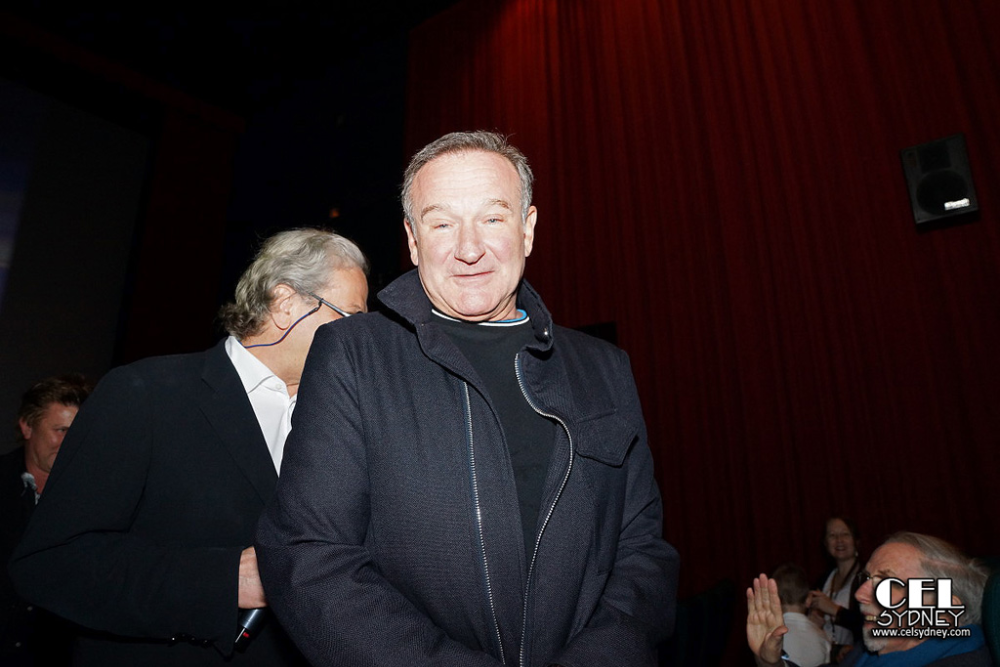
In ‘Good Will Hunting,’ Williams provides the emotional foundation that allows Matt Damon’s character to evolve. As therapist Sean Maguire, Williams dials back his trademark energy to deliver something raw and authentic.
The ‘It’s not your fault’ scene demonstrates how a supporting role can create the emotional climax of an entire film.
Judi Dench as Queen Elizabeth I

Dench won an Academy Award for ‘Shakespeare in Love’ despite appearing on screen for just eight minutes. Her Elizabeth I is regal, intimidating, and surprisingly witty.
The performance demonstrates how quality trumps quantity—in just a handful of scenes, Dench created a character so memorable that her limited screen time feels impossible in retrospect.
Brad Pitt as Tyler Durden
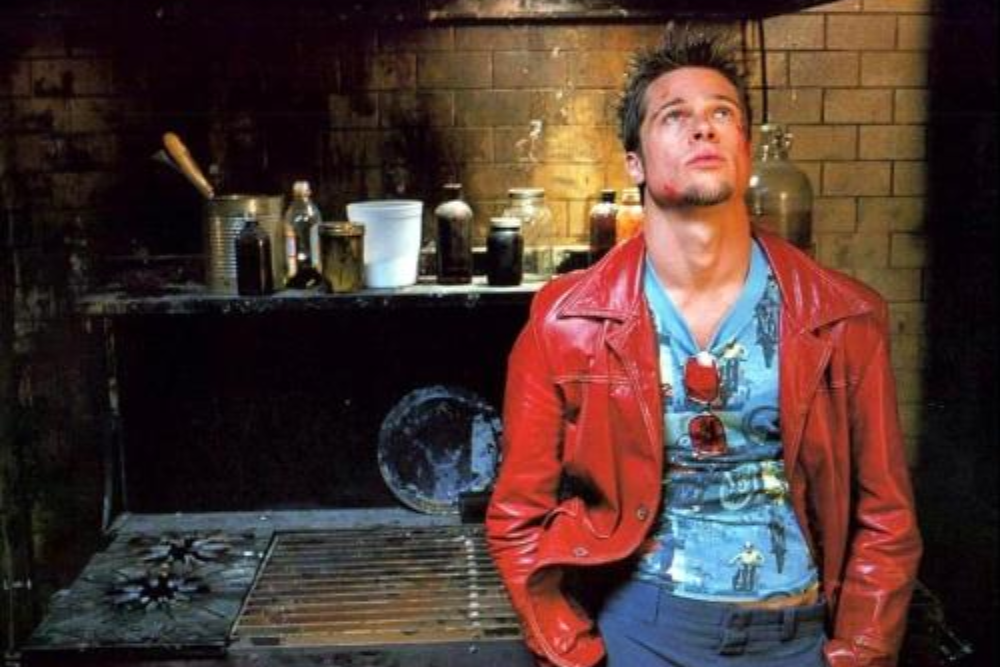
While Edward Norton serves as the protagonist and narrator of ‘Fight Club,’ Pitt’s charismatic, anarchic Tyler Durden drives the story forward. The freedom and confidence Pitt brings to the role makes Tyler’s philosophy seductive to both the narrator and the audience.
His performance is vital to the film’s exploration of masculinity and consumer culture.
Tilda Swinton as Karen Crowder

In ‘Michael Clayton,’ Swinton creates a corporate villain unlike any other—desperate, insecure, and terrified beneath her polished exterior. Her bathroom rehearsal scenes reveal the fragility behind corporate power.
Swinton’s ability to make viewers simultaneously despise and pity her character adds unexpected complexity to the legal thriller.
Christoph Waltz as Hans Landa

Tarantino’s ‘Inglourious Basterds’ opens with a 20-minute scene featuring Waltz’s SS officer that immediately establishes him as one of cinema’s great villains. Shifting effortlessly between languages and moods, Waltz makes Landa’s intelligence as frightening as his cruelty.
The performance earned Waltz an Oscar and turned him into an international star overnight.
Michelle Yeoh as Eleanor Young

In ‘Crazy Rich Asians,’ Yeoh brings unexpected depth to what could have been a stereotypical disapproving mother. Her portrayal of Eleanor balances traditional values with maternal love, creating an antagonist who’s not actually villainous.
Yeoh communicates volumes through posture and subtle expressions, stealing scenes without saying a word.
R. Lee Ermey as Gunnery Sergeant Hartman

Ermey’s drill instructor in ‘Full Metal Jacket’ creates such an indelible impression that many forget he only appears in the first half of the film. Drawing on his actual military experience, Ermey delivers a performance of terrifying authenticity.
His creative insults and psychological manipulation techniques make the audience feel as terrorized as the recruits.
Mahershala Ali as Juan

Ali won an Academy Award for his role in ‘Moonlight’ despite appearing only in the first third of the film. His portrayal of drug dealer Juan avoids clichés by emphasizing the character’s tenderness and complexity.
The swimming lesson scene, where Juan teaches young Chiron to float, creates a moment of peace and connection that resonates throughout the rest of the film.
Sterling K. Brown as Christopher Darden
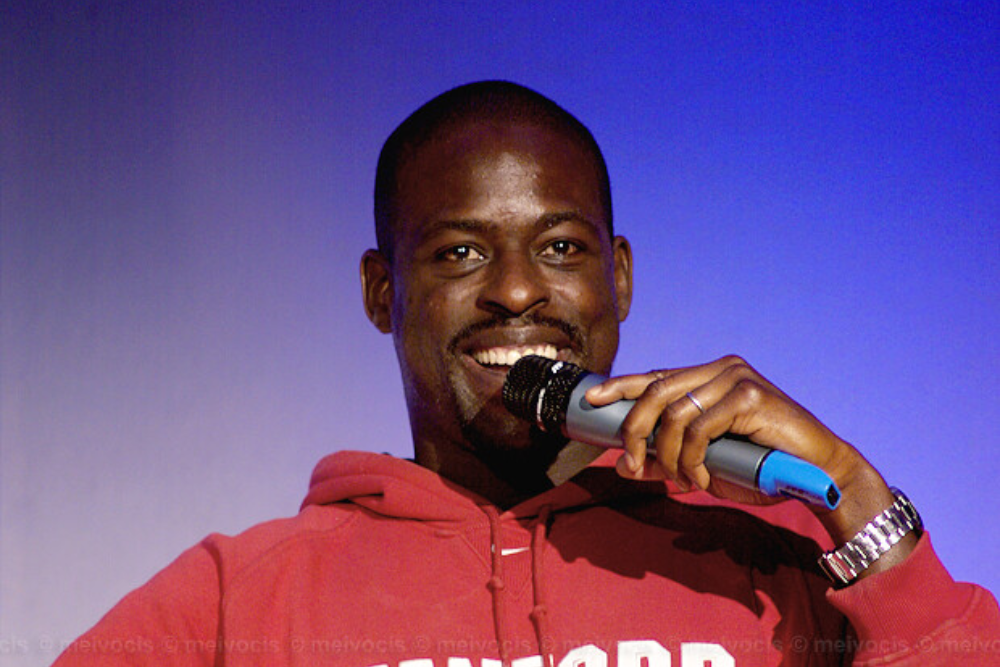
In ‘The People v. O.J. Simpson,’ Brown’s performance as prosecutor Christopher Darden brings emotional depth to the procedural drama. Caught between professional duty and racial identity, Darden’s internal conflicts provide some of the series’ most compelling moments.
Brown’s restrained portrayal makes Darden’s occasional emotional outbursts all the more powerful.
Kathy Bates as Annie Wilkes
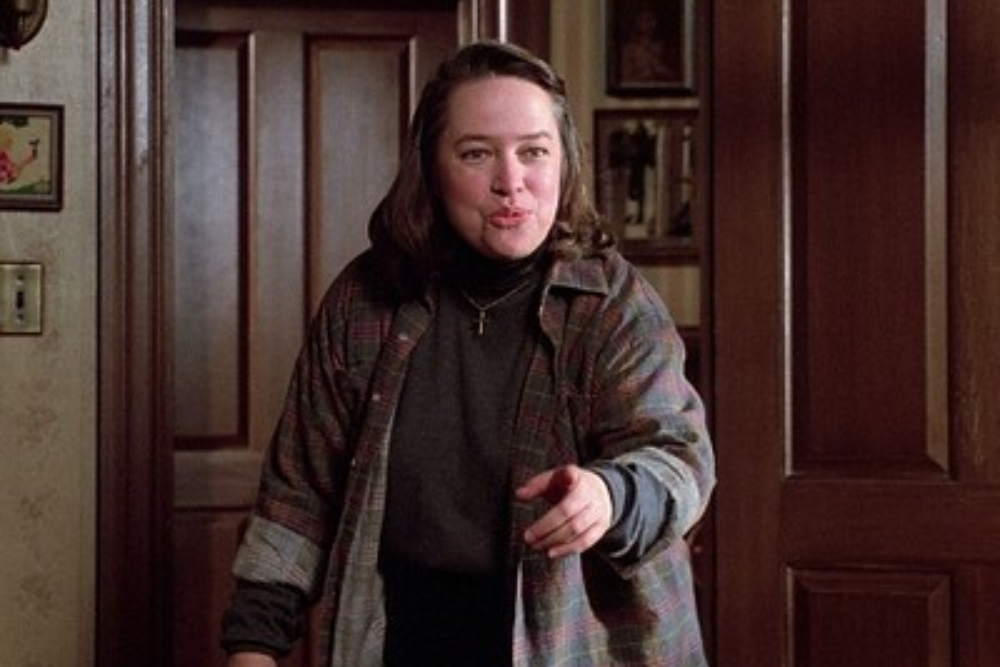
In ‘Misery,’ Bates creates one of film’s most memorable villains by balancing folksy charm with psychotic obsession. Her ability to switch from nurturing to violent in an instant keeps the tension unbearable throughout.
The performance works because Bates makes Annie’s twisted logic comprehensible—she’s not just crazy, she’s crazy in a specific, detailed way that feels horribly plausible.
Alan Rickman as Severus Snape
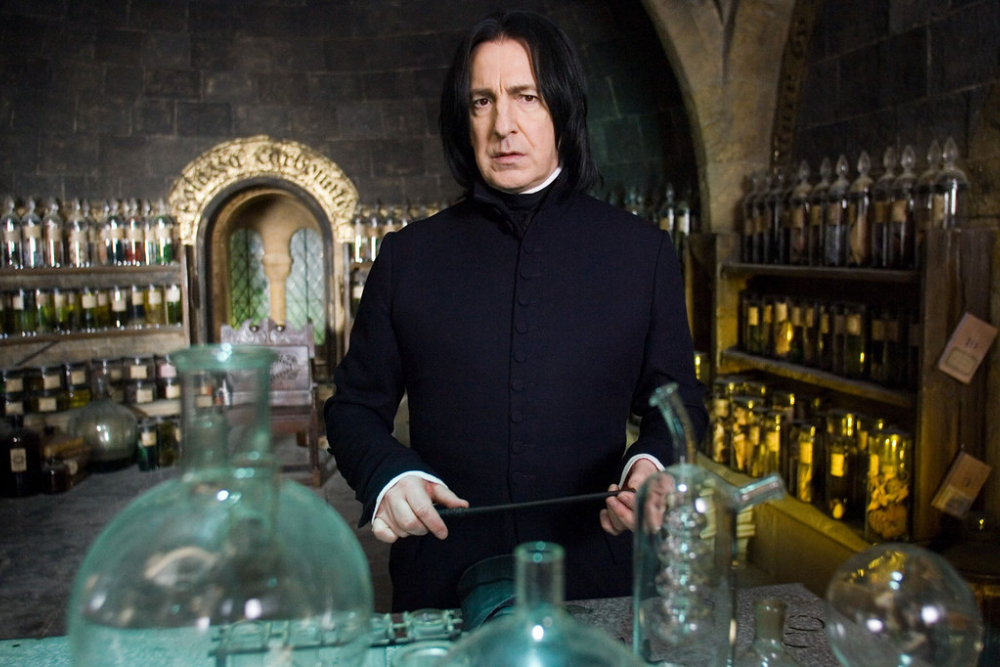
Throughout the ‘Harry Potter’ series, Rickman’s Snape remains enigmatic and complex, gradually revealing unexpected depths. His impeccable timing and distinctive vocal delivery turned even simple lines into memorable moments.
The final revelations about Snape’s true motivations work largely because Rickman had carefully layered his performance across eight films.
The Supporting Player’s Impact

The magic of these performances lies not just in their individual brilliance but in how they elevate everything around them. Great supporting roles create balance and contrast, providing the friction that allows main characters to evolve.
They remind us that memorable entertainment is rarely a solo act but rather a delicate ecosystem where every role matters. These performances prove that sometimes the most impactful work happens not in the spotlight, but in the spaces that make the spotlight possible.
More from Go2Tutors!

- The Romanov Crown Jewels and Their Tragic Fate
- 13 Historical Mysteries That Science Still Can’t Solve
- Famous Hoaxes That Fooled the World for Years
- 15 Child Stars with Tragic Adult Lives
- 16 Famous Jewelry Pieces in History
Like Go2Tutors’s content? Follow us on MSN.