15 Giant Spider Species People Have Actually Seen
The natural world isn’t short on creatures that seem pulled straight out of a sci-fi script. Giant spiders top that list for a lot of folks, giving even the bravest ones pause. Whether they’re tucked away in rainforest undergrowth or dashing across open desert, these oversized arachnids have spooked and amazed humans for generations.
Here are 15 real-life spider species that don’t just live in your nightmares — they’re very much out there.
Goliath Birdeater
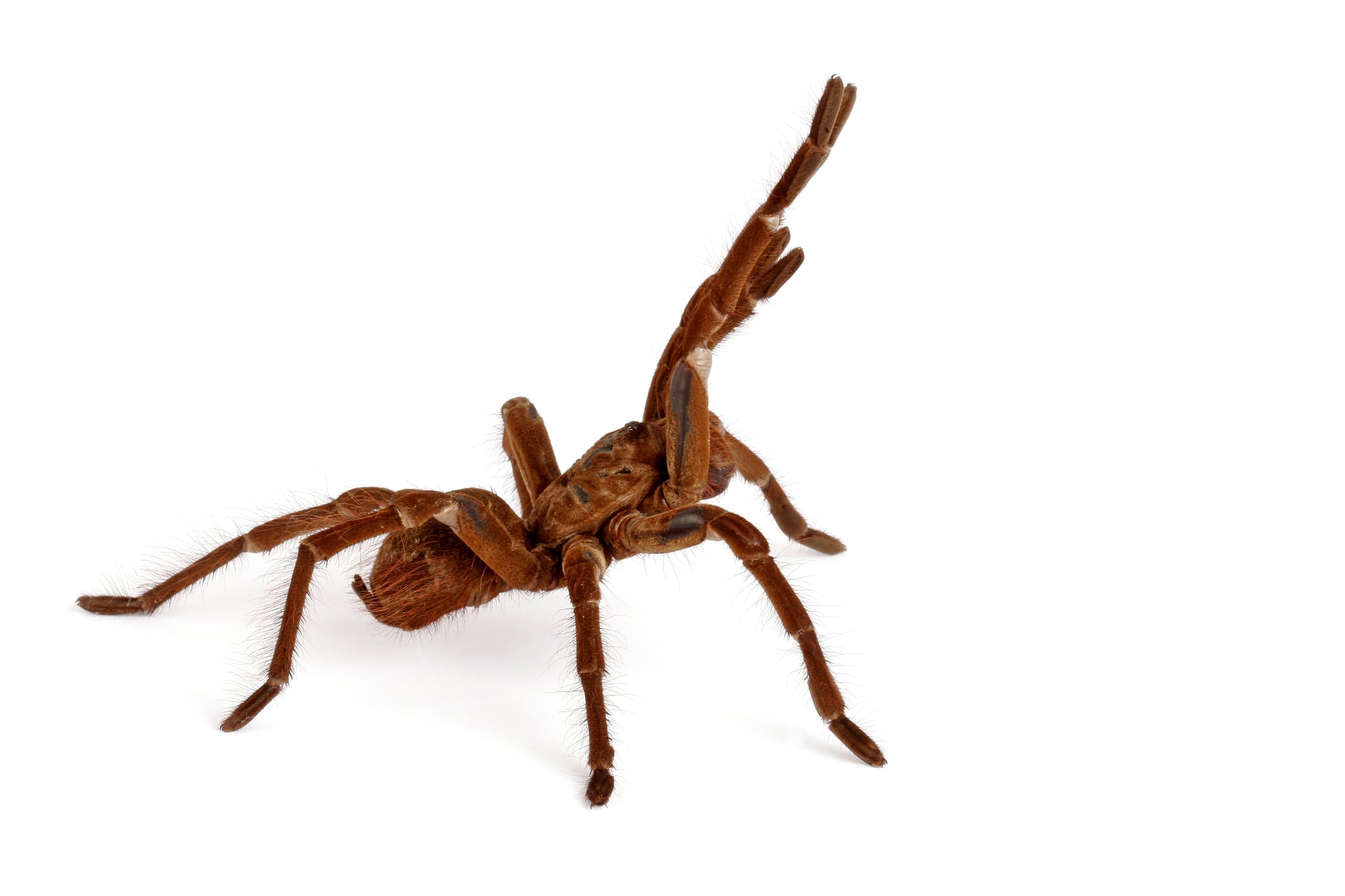
The Goliath Birdeater (Theraphosa blondi) holds the heavyweight title — literally. It can weigh up to 175 grams – about the same as a small mobile phone – and stretch its legs nearly 11 inches across.
Found deep in the rainforests of northern South America, it’s more likely to snack on insects, frogs, and the occasional small rodent than an actual bird. Despite its name, bird-eating isn’t its go-to move.
Giant Huntsman Spider

When it comes to leg span, the Giant Huntsman Spider (Heteropoda maxima) takes the prize. It can reach up to 12 inches tip to tip – a full foot of spider.
First discovered in the caves of Laos in 2001, this fast-moving arachnid doesn’t build webs. Instead, it chases prey – often sprinting up to 3 feet per second.
Like Go2Tutors’s content? Follow us on MSN.
Brazilian Salmon Pink Birdeater
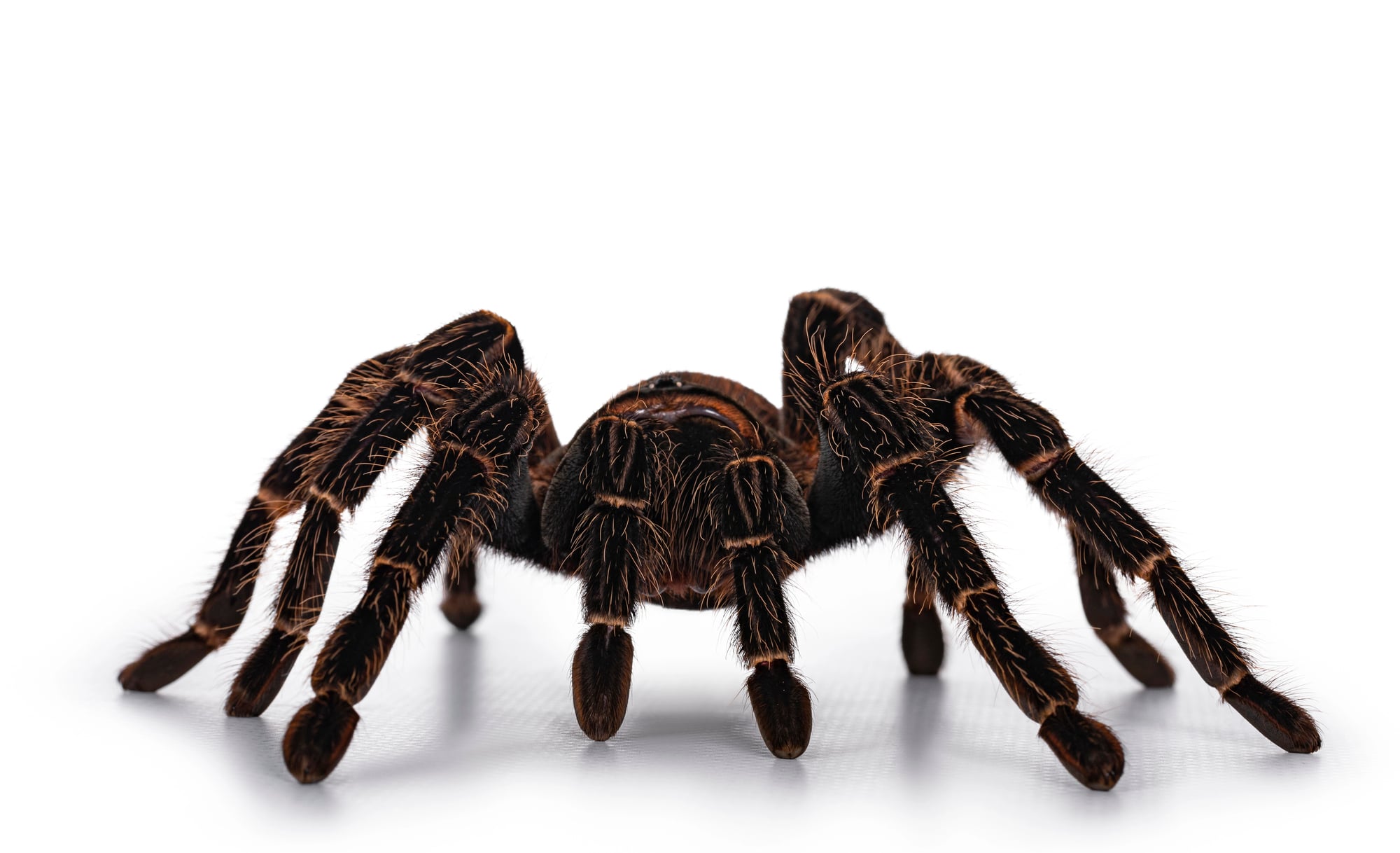
A favorite in the exotic pet world, the Brazilian Salmon Pink Birdeater (Lasiodora parahybana) is no small fry. With a leg span pushing 10 inches, it’s hard to miss – especially thanks to the light pink hairs scattered across its body.
Native to Brazil’s forests, it tends to stay calm, but if it feels threatened, it’ll kick up clouds of irritating hairs as a defense.
Brazilian Giant Tawny Red Tarantula
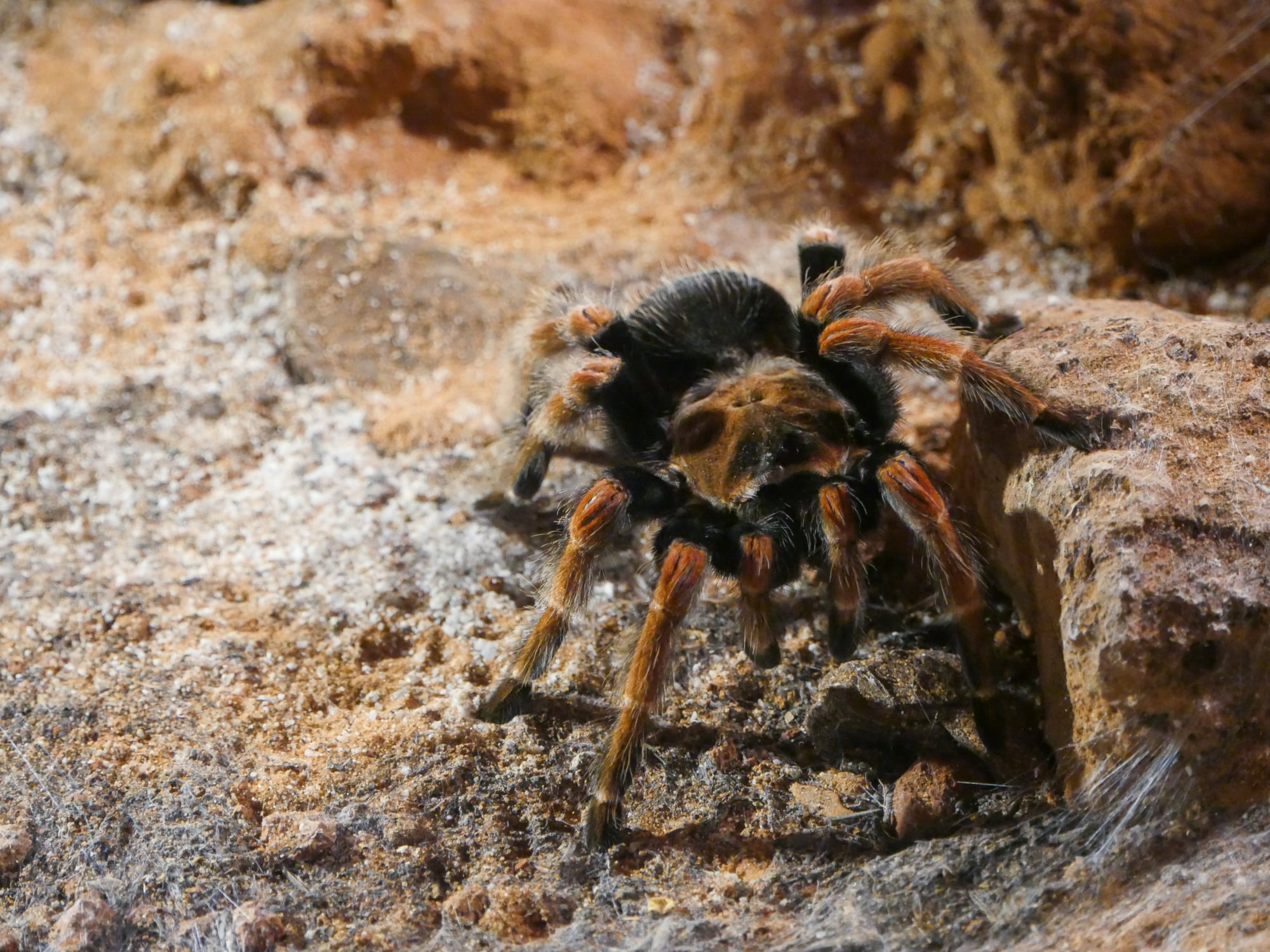
This tarantula is all about presence. The Brazilian Giant Tawny Red (Lasiodora klugi) spans roughly 10 inches and has a deep reddish-brown coat that catches the eye.
It roams parts of South America, from Brazil to Argentina. Females of the species are especially long-lived – often surviving up to 30 years in captivity.
Colombian Giant Redleg Tarantula

The Colombian Giant Redleg Tarantula (Megaphobema robustum) stands out thanks to its vivid leg coloring – black bodies with burnt-orange fuzz. It typically reaches about 7 inches in leg span and lives in the tropical forests of Colombia and Brazil.
When danger shows up, this spider doesn’t just bite – it spins and uses its spiny hind legs to fend off attackers in a surprisingly acrobatic show.
Like Go2Tutors’s content? Follow us on MSN.
King Baboon Spider

With leg spans reaching 8 inches, the King Baboon Spider (Pelinobius muticus) is Africa’s biggest arachnid. Its coppery-brown coat looks eerily like a baboon’s fur – hence the name.
Living mostly in Kenya and Tanzania’s grasslands, it’s known for one creepy trick: it hisses. By rubbing its front legs together, it makes a noise meant to warn anything foolish enough to get too close.
Face-Sized Tarantula
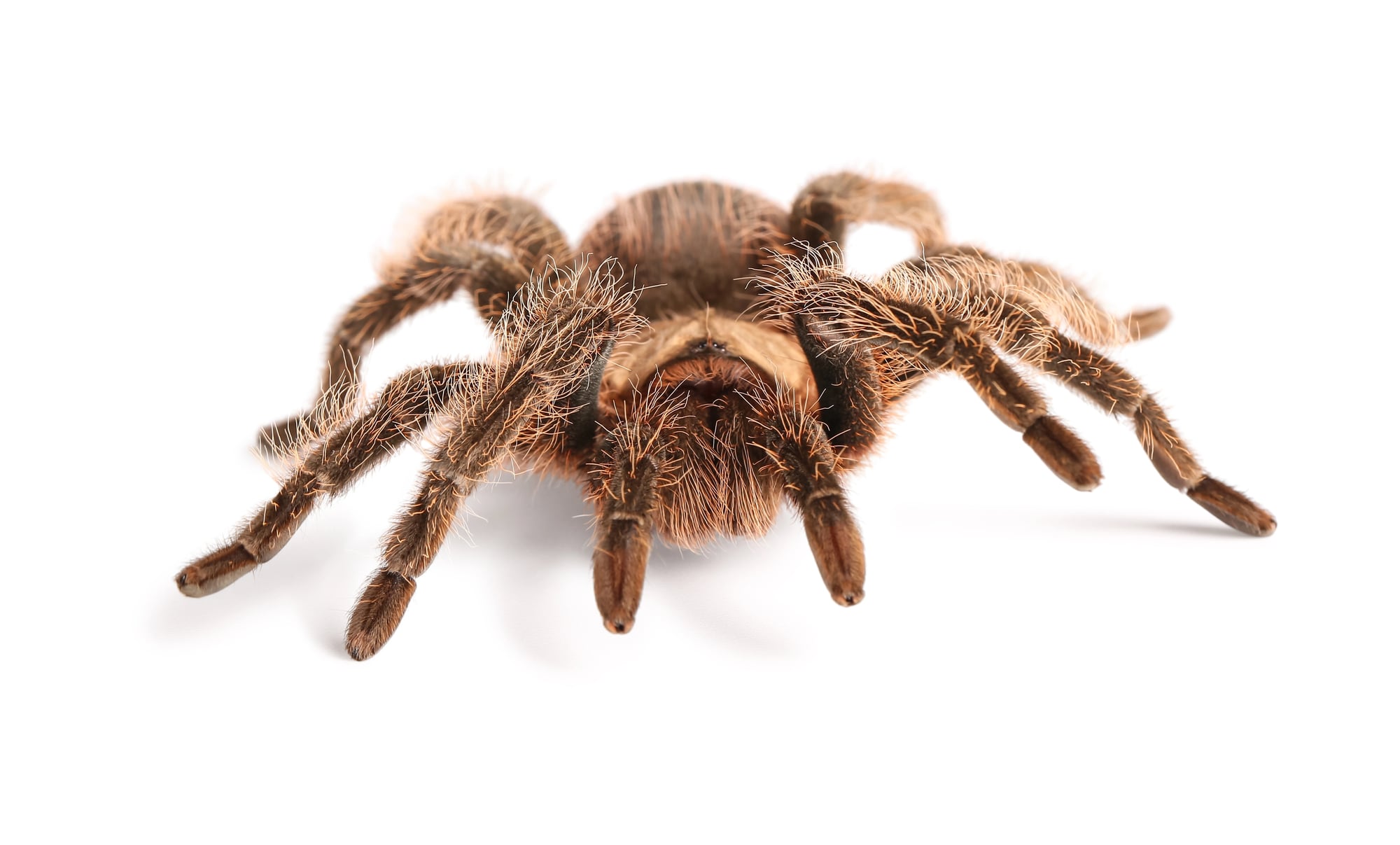
The Face-Sized Tarantula (Poecilotheria rajaei), found in Sri Lanka and parts of India, earns its name honestly. With an 8-inch leg span, it’s big enough to cover a human face fully.
Discovered in 2009, this species has started turning up in homes and buildings more frequently as forests shrink – leading to more than a few jump scares.
Gooty Sapphire Ornamental Tarantula

One look at the Gooty Sapphire (Poecilotheria metallica), and it’s easy to see why collectors are obsessed. With shimmering blue coloring and legs spanning up to 8 inches, it looks like it belongs in a jewelry display.
Unfortunately, it’s critically endangered – found only in a small pocket of southeastern India. Demand from the exotic pet trade continues to push it toward extinction.
Like Go2Tutors’s content? Follow us on MSN.
Chaco Golden-Knee Tarantula
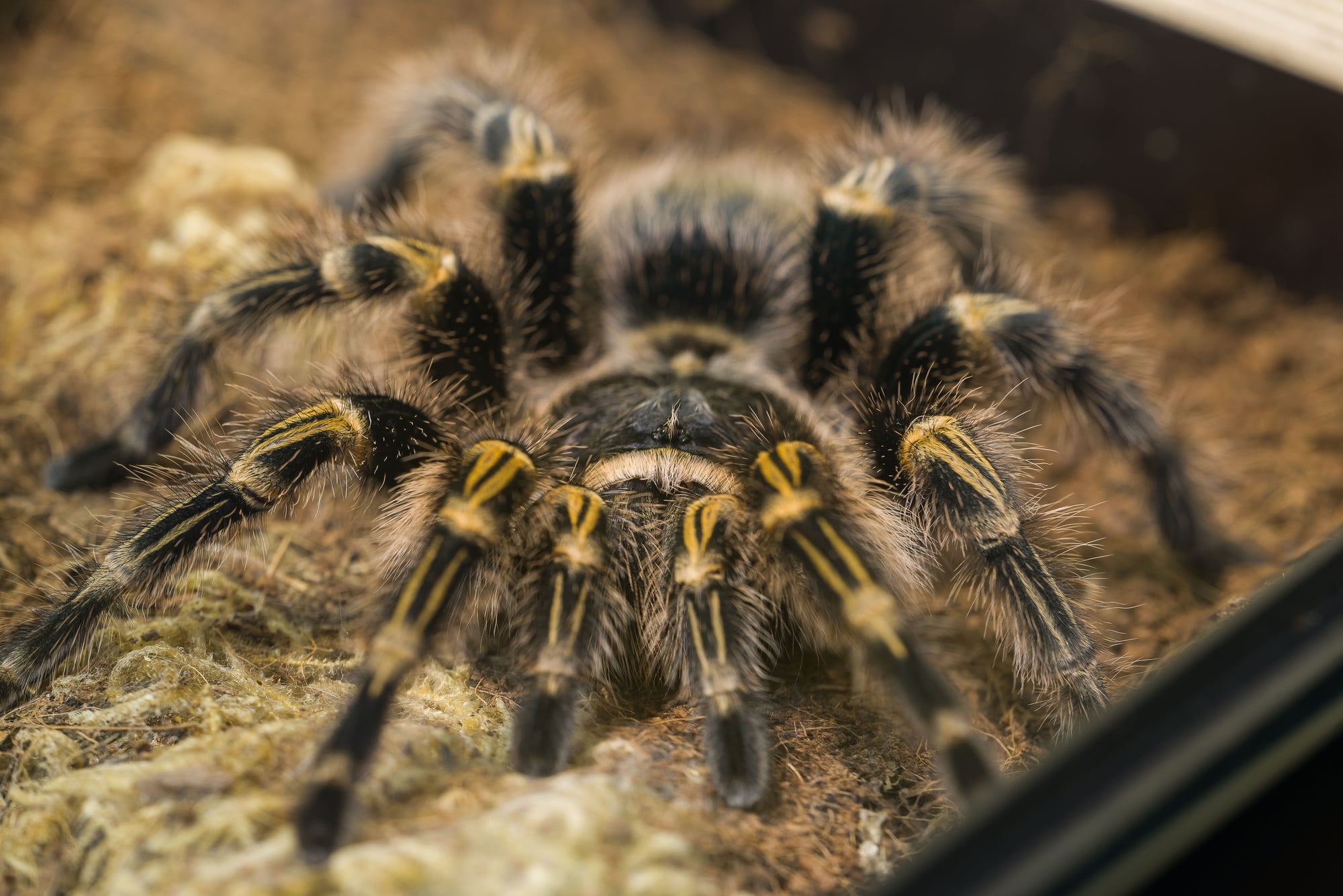
Striking golden bands across the legs make the Chaco Golden-Knee Tarantula (Grammostola pulchripes) instantly recognizable. It lives in the grasslands of Paraguay and Argentina and can reach up to 8 inches across.
Despite its size, it’s a mellow species and often kept as a pet for its calm nature.
Brazilian Black Tarantula
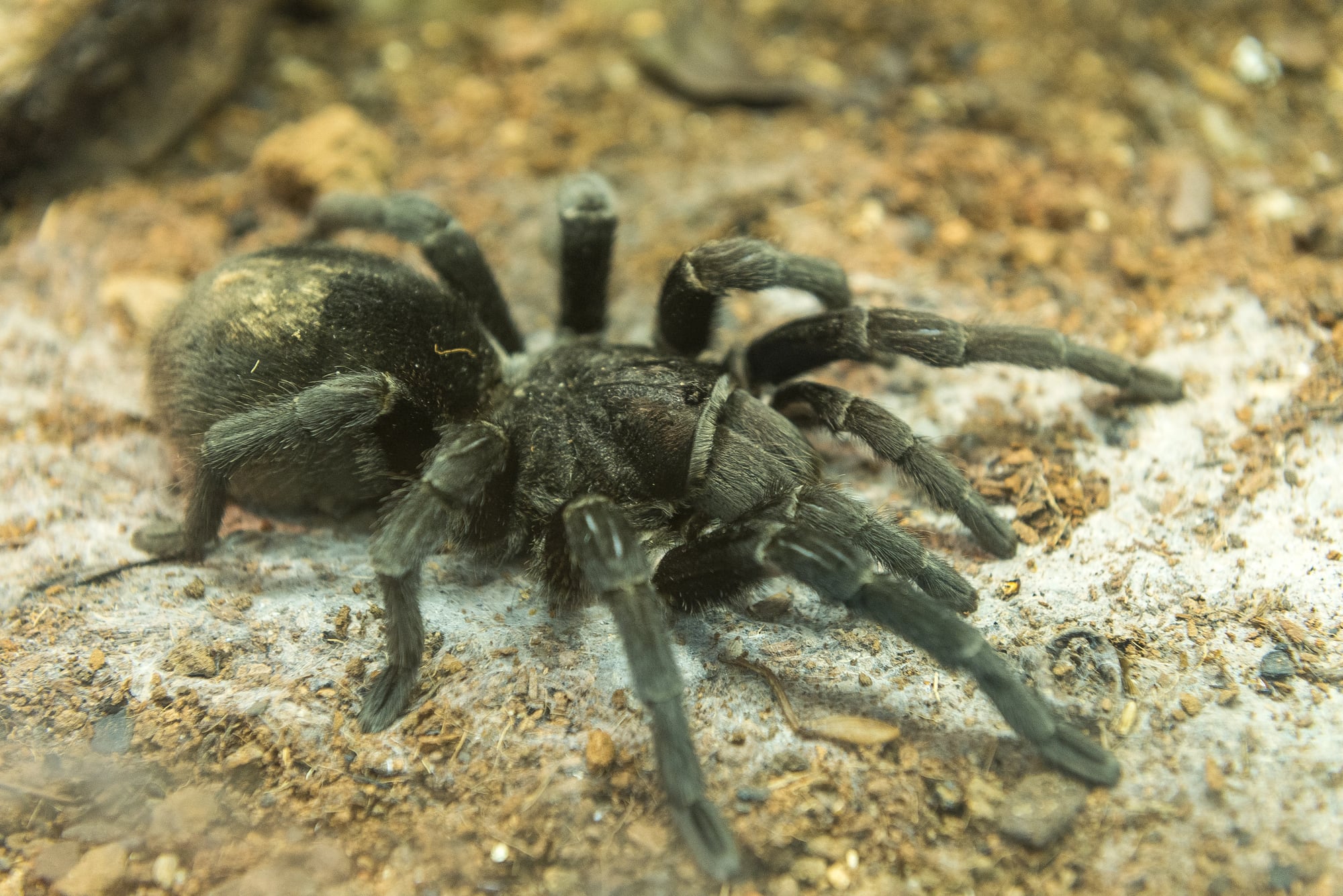
Elegant in appearance, the Brazilian Black (Grammostola pulchra) is covered in soft black fuzz and measures around 8 inches wide. It’s found across Brazil and Uruguay, where it’s loved not only for its looks but for its temperament.
Unlike many tarantulas, it doesn’t release irritating hairs — it simply relies on its size to make its point.
Hercules Baboon Spider
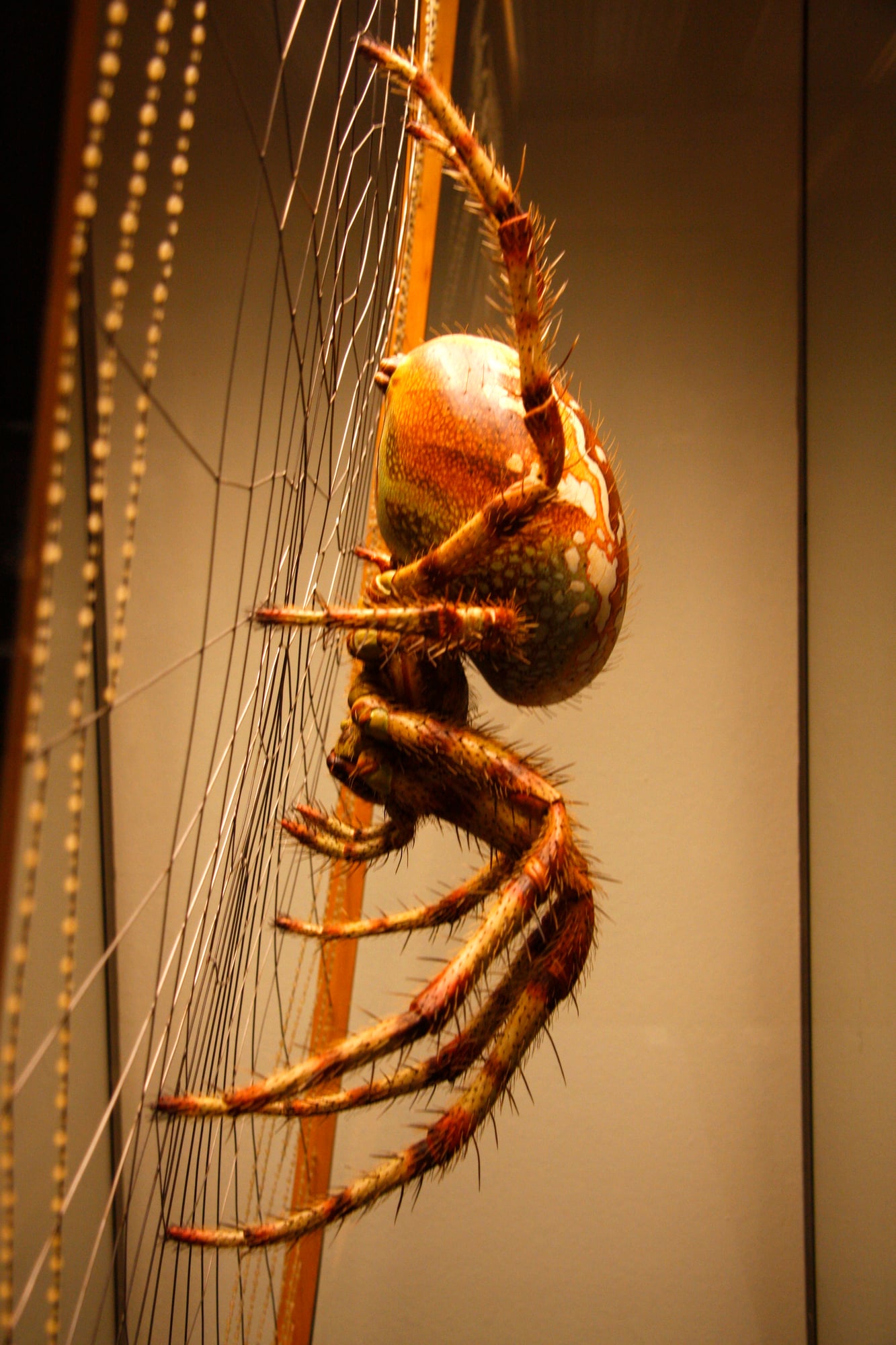
The Hercules Baboon Spider (Hysterocrates hercules) is more legend than reality. Only one specimen has ever been recorded, over 100 years ago, in Nigeria.
That long-lost spider now sits preserved in London’s Natural History Museum. No one knows if it still exists in the wild or if it quietly vanished before we had a chance to study it further.
Like Go2Tutors’s content? Follow us on MSN.
Camel Spider
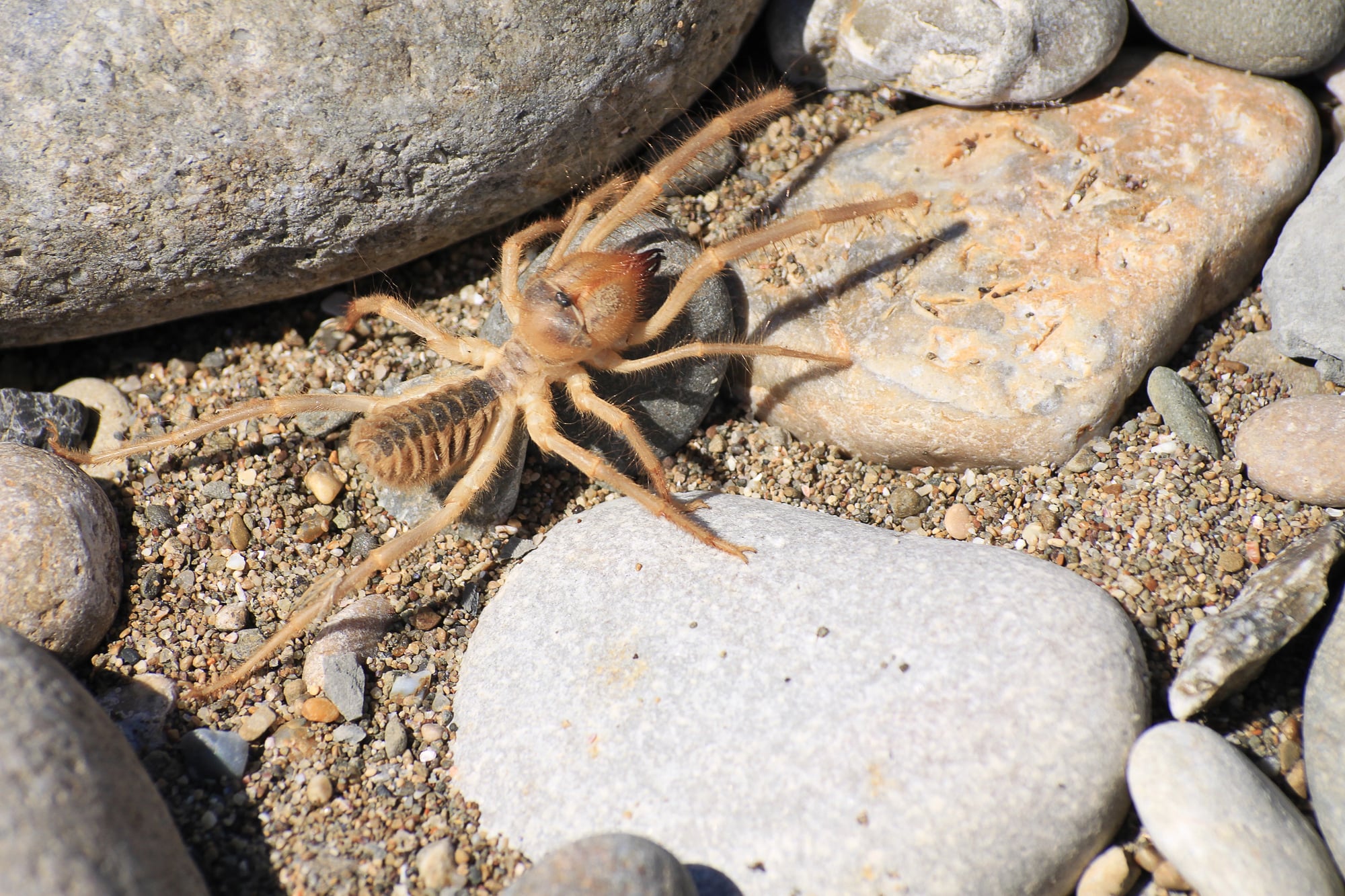
Technically not a true spider, the Camel Spider (Solifugae) still earns a spot here. These desert dwellers can grow to 6 inches and use their massive jaws to hunt insects and even small lizards.
They’re not venomous – though their bite packs a punch – and their speed and size have helped fuel plenty of tall tales, especially among soldiers deployed to desert regions.
Giant Tarantula Hawk Wasp
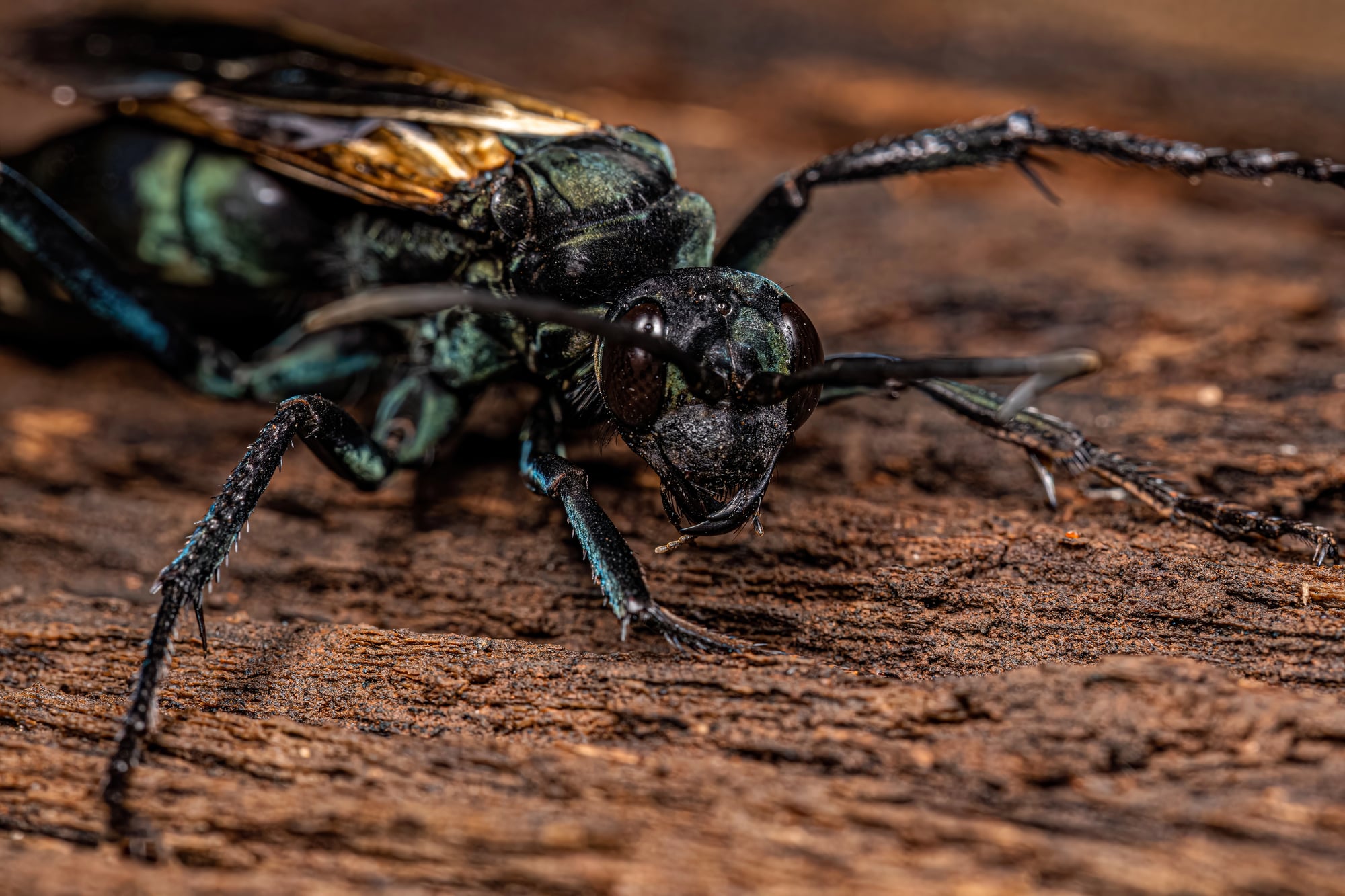
Not a spider, but certainly worth a mention – the Giant Tarantula Hawk Wasp hunts tarantulas for a living. At up to 2 inches long with a 4-inch wingspan, this wasp doesn’t play around.
Its sting is among the most painful of any insect. After paralyzing a tarantula, it drags the spider to its nest to feed its young.
Joro Spider
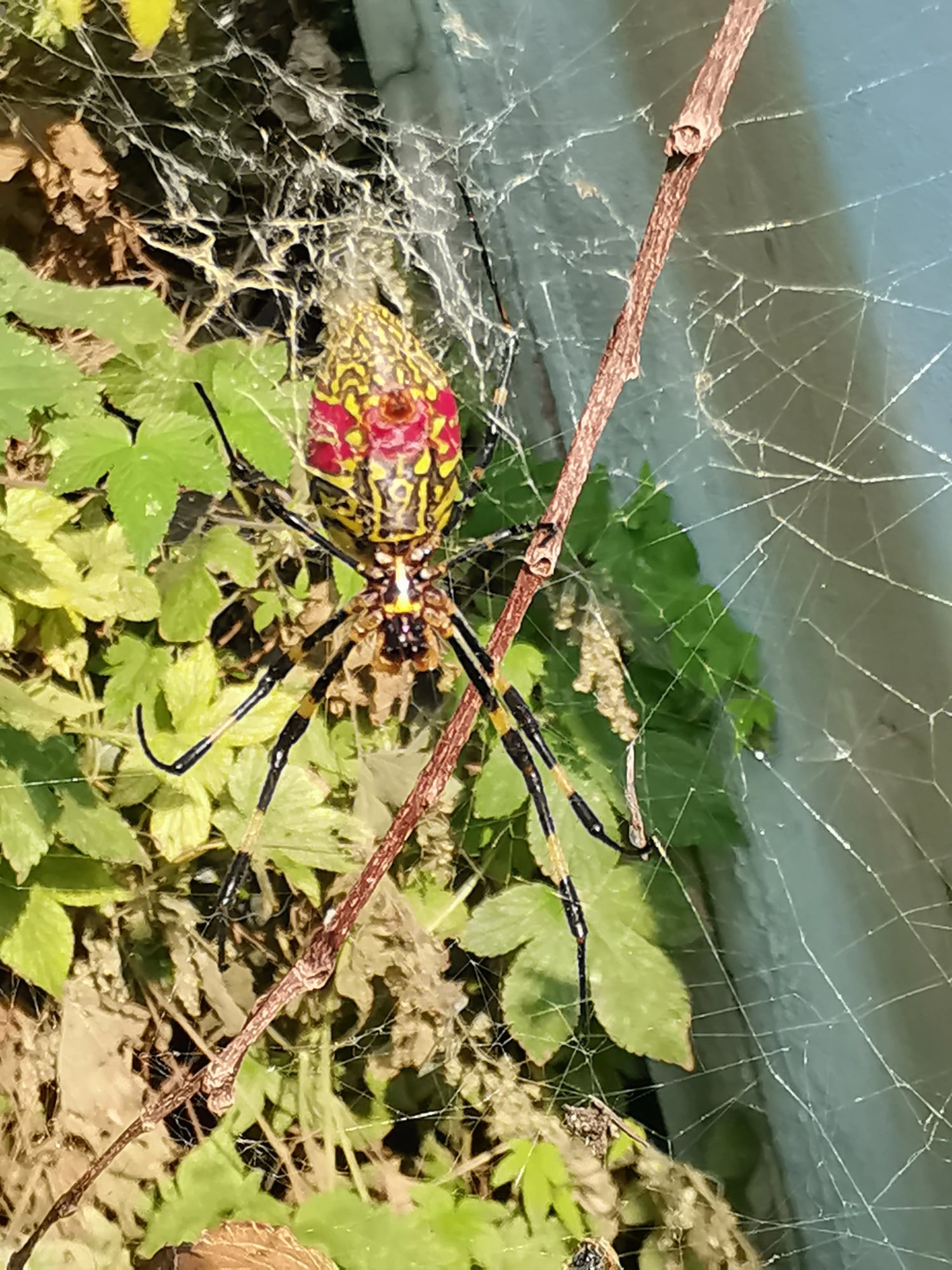
The Joro Spider (Trichonephila clavata) comes from Asia but has recently settled across the southeastern United States. Females can span 3 to 4 inches including legs and are known for spinning enormous golden webs that stretch between trees, power lines – even across porches.
Their bold coloring and web size are hard to ignore.
Like Go2Tutors’s content? Follow us on MSN.
Giant Fishing Spider

Native to Australia, the Giant Fishing Spider (Dolomedes briangreenei) does exactly what the name suggests – it fishes. Using surface tension, it walks on water and can catch small fish or insects near the surface.
Its legs can reach about 6 inches, and it’s able to dive underwater to hide or hunt, often staying submerged for several minutes at a time.
The Arachnid Connection

Across cultures and generations, giant spiders have played a curious role – part villain, part mystery, sometimes even revered. While plenty of people can’t stand the sight of them, these spiders are master survivalists.
Their adaptations are no accident. Every bristly leg, fang, and web-spinning trait has helped them thrive across environments — from jungle floors to desert sands. In the end, these 15 spiders prove one thing: nature’s imagination goes far beyond our own. Whether you’re fascinated or freaked out, it’s hard not to respect the design behind these eight-legged giants.
More from Go2Tutors!

- 16 Restaurant Chains That Went Too Fast
- 12 Things Sold in the 80s That Are Now Illegal
- 15 Strange Things People Have Tried to Ban (And Failed)
- 16 Collectibles People Tossed Out Too Soon
- 17 Myths from Your Childhood That Were Actually Based on Real Things
Like Go2Tutors’s content? Follow us on MSN.