15 Languages That Almost Disappeared From History
Languages die quietly. They fade from daily conversation first, then from family dinners, then from the last speaker’s memory.
Unlike monuments or artifacts, languages leave no ruins when they vanish — just silence where stories once lived. Throughout history, countless tongues have balanced on the edge of extinction, some rescued by determined speakers, others lost forever to time and circumstance.
Cornish

Cornish stopped being a living language in 1777 when Dolly Pentreath died. That was it — the last native speaker gone, and with her, centuries of Celtic tradition spoken along England’s southwestern coast.
For nearly 200 years, Cornish existed only in dusty manuscripts and the occasional place name that refused to be translated. But death, it turns out, isn’t always permanent for languages.
Twentieth-century scholars began piecing Cornish back together from medieval texts, teaching it to new speakers who had to learn their own heritage as foreigners. Today, several hundred people speak Cornish again, though whether this counts as resurrection or elaborate historical recreation remains an open question.
Hawaiian

The missionaries arrived in Hawaii with good intentions and devastating consequences for the native language — which (and this is one of those historical ironies that cuts deep) they helped preserve by creating the first Hawaiian alphabet, even as their schools systematically discouraged children from speaking it. By the 1980s, fewer than 50 children spoke Hawaiian fluently, and the language that had once carried the stories of an entire Pacific civilization was teetering on the edge of silence.
Hawaiian’s rescue came through immersion schools where children learned math, science, and literature entirely in their ancestral tongue. So the language lives again, carried by young voices that their great-grandparents might not have expected to hear.
And yet there’s something bittersweet about a culture having to fight so deliberately to remember itself — about children sitting in classrooms to learn what should have been whispered to them as lullabies. The politics of language death are never simple: sometimes preservation requires the very institutional structures that caused the damage in the first place.
But Hawaiian speakers chose survival over purity, and the language is stronger for it, even if it will always carry the scars of its near-disappearance.
Manx
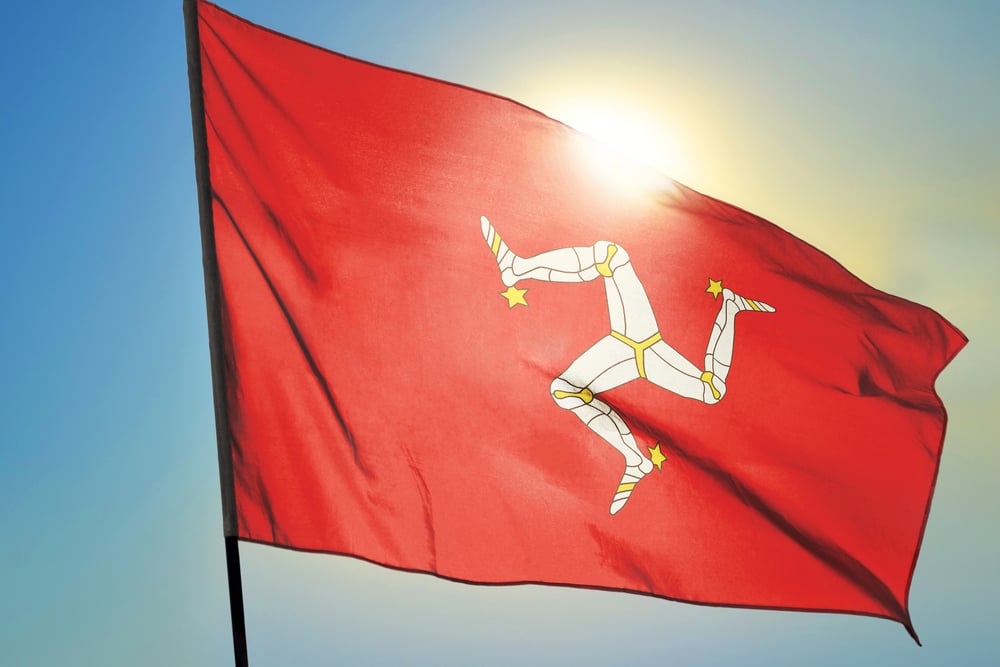
The Isle of Man sits in the Irish Sea like a linguistic time capsule that someone nearly forgot to preserve. Manx Gaelic thrived there for over a thousand years until English crept across the island, offering better jobs and broader opportunities to anyone willing to abandon their mother tongue.
By 1974, Ned Maddrell died and took the last thread of native Manx with him. The island could have shrugged and moved on — plenty of places have buried their languages without ceremony.
Instead, teachers began reconstructing Manx from recordings of those final speakers, building pronunciation guides from voices that had already fallen silent. Children now learn Manx in schools again, though they’re essentially studying a language that died and came back as an academic subject rather than a living tradition passed from parent to child.
Scottish Gaelic

Highland Clearances did more than move people — they scattered a language across oceans. Scottish landlords decided sheep were more profitable than Gaelic-speaking tenants, so families found themselves on ships to Nova Scotia and Australia, carrying their language into exile.
Those who stayed faced schools that punished children for speaking Gaelic and economic systems that rewarded English fluency above cultural preservation. The language survived in pockets.
Remote islands. Stubborn families.
Evening classes in cities where displaced Highlanders gathered to remember what they’d lost. Scottish Gaelic still exists, but thinly.
Road signs in the Highlands display it proudly now, and BBC Alba broadcasts in the language, yet fluent speakers remain scarce enough that each one feels precious.
Occitan
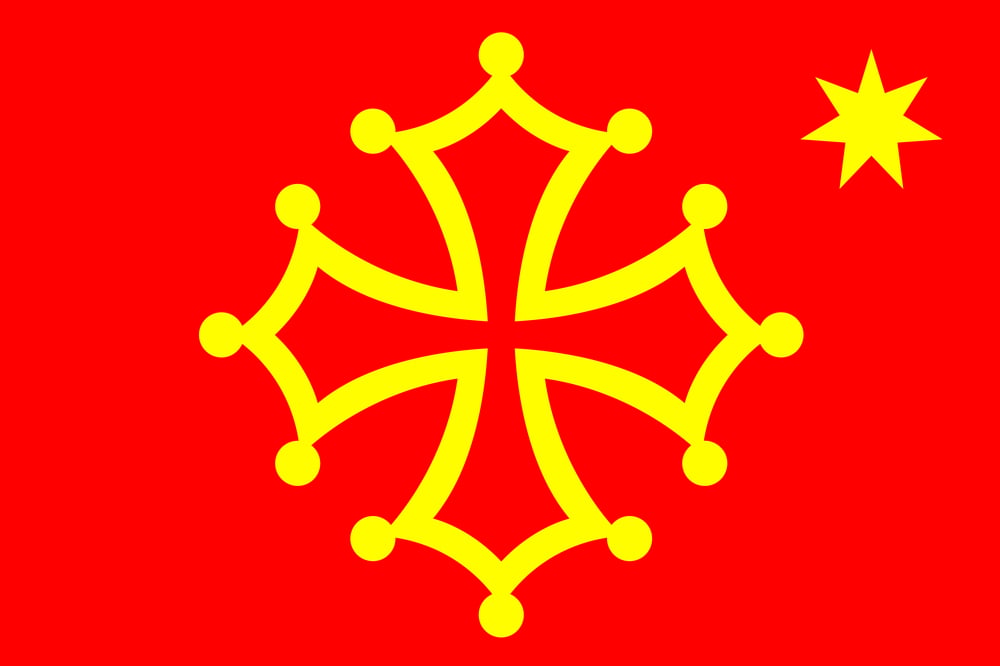
Medieval troubadours sang in Occitan across southern France, crafting the love songs that would influence European poetry for centuries. The language of courtly romance and sophisticated literature commanded respect from the Mediterranean to the Atlantic.
Then French nationalism arrived with its tidy vision of one country, one language, one cultural identity that left no room for regional variation. Occitan retreated to villages and family kitchens — the linguistic equivalent of going underground.
Children learned it from grandparents who whispered stories in the old tongue while teachers at school explained why French was the language of progress and opportunity. The songs faded, the poetry stopped, and Occitan became something rural and backward, spoken by people who supposedly didn’t know better.
Revival efforts exist now, but they feel archaeological — scholars excavating a literary tradition that was buried under centuries of systematic discouragement.
Miami-Illinois

The Miami-Illinois language died with its last speaker in the 1960s, another casualty of American expansion and cultural assimilation policies that treated indigenous languages as obstacles to progress. For decades, Miami existed only in academic papers and linguistic reconstructions, studied by researchers who analyzed its grammar like they might examine artifacts from an ancient civilization.
Then Daryl Baldwin decided to teach himself his ancestors’ language using those dusty academic sources. He learned Miami-Illinois from dictionaries and linguistic analyses, becoming fluent in a tongue that had been silent for decades.
Baldwin now teaches the language to other Miami tribal members, including his own children, who speak Miami-Illinois at home as if it never left. The family represents something unprecedented: native speakers of a language that was technically extinct, carrying on conversations that hadn’t happened for half a century.
Ainu

Japan’s northern islands once echoed with Ainu, a language unlike any other in the region — neither Japanese nor connected to mainland Asian language families. The Ainu people had their own oral traditions, their own ways of understanding the world through words that had no equivalents in Japanese.
Then modernization arrived with its familiar demand for cultural uniformity and national identity that left no space for indigenous difference. The Japanese government actively suppressed Ainu culture and language, forcing children into schools where speaking their mother tongue earned punishment.
Families faced a brutal choice: preserve their linguistic heritage and remain marginalized, or abandon it and gain access to economic opportunities. Most chose survival over tradition, and Ainu faded from daily use.
Today, perhaps ten native speakers remain, all elderly. Language classes attempt to pass Ainu to younger generations, but the transmission feels fragile — more like preserving a historical artifact than maintaining a living culture.
Livonian
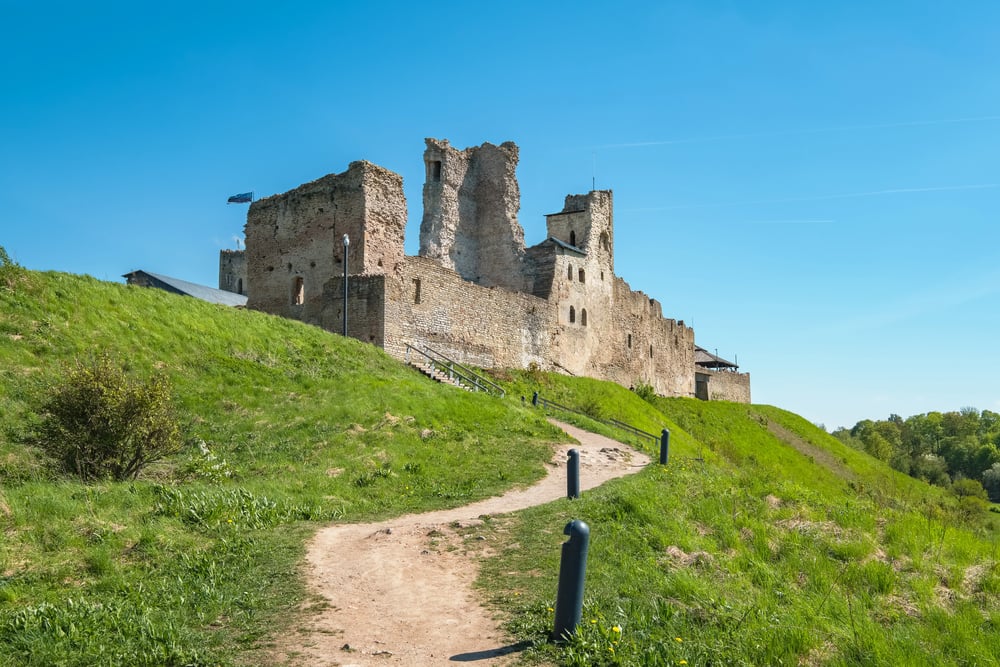
The Baltic coast of Latvia once rang with Livonian, a Finno-Ugric language that had survived Viking raids, medieval conquests, and centuries of foreign rule. Livonian speakers were fishermen and coastal dwellers who maintained their linguistic identity even as empires rose and fell around them.
The language held on through remarkable persistence — small communities keeping their words alive through sheer stubbornness and cultural pride. But the 20th century brought disruptions that even the most determined communities couldn’t withstand.
World wars, Soviet policies, and economic changes that drew young people away from traditional coastal villages toward cities where Livonian had no currency. By the 1990s, fewer than 30 people spoke the language fluently.
The last native speaker, Grizelda Kristiņa, died in 2013, and with her went the final link to centuries of unbroken Livonian tradition. Language enthusiasts now work to document and revive Livonian, but they’re essentially rebuilding something that has already been broken.
Cornish

Wait, we already covered Cornish. That’s the thing about languages that almost disappear — they exist in this strange liminal space where they’re simultaneously dead and alive, lost and recovered, forgotten and remembered.
Cornish died in 1777 and was reborn in the 1900s, but the version being spoken now isn’t quite the same language that Dolly Pentreath carried to her grave. Revival brings its own complications.
Scholars debate which historical period to use as a model, how to handle gaps in the written record, whether to purify the language or let it evolve naturally. Modern Cornish incorporates elements from different centuries of the language’s development, creating something that’s historically informed but not historically authentic.
Aromanian
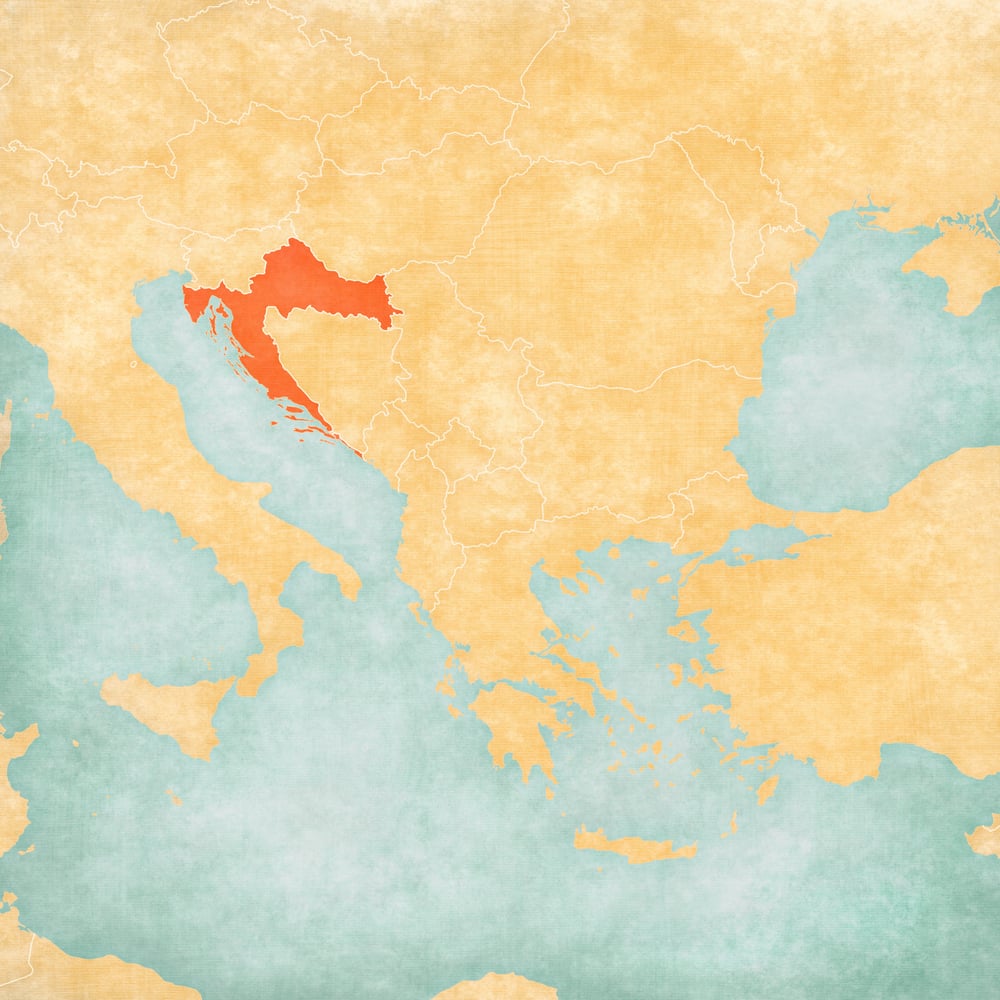
The Balkans scatter Aromanian speakers across several countries like seeds that took root in foreign soil. Also called Vlach, the language connects to Romanian but developed its own character through centuries of geographic separation and cultural isolation.
Aromanian speakers have been shepherds, merchants, and mountain dwellers who maintained their linguistic identity despite lacking a nation to call home. Political borders ignore Aromanian communities, splitting them between Greece, Albania, North Macedonia, and Romania.
Each country has different policies toward minority languages, different levels of tolerance for linguistic diversity, different ideas about what constitutes national identity. Aromanian speakers navigate this complex terrain while trying to pass their language to children who might need Greek for school, Albanian for work, or Macedonian for official business.
The language persists in families and cultural organizations, but each generation faces the question of whether maintaining Aromanian is worth the effort when other languages offer clearer practical advantages.
Seto
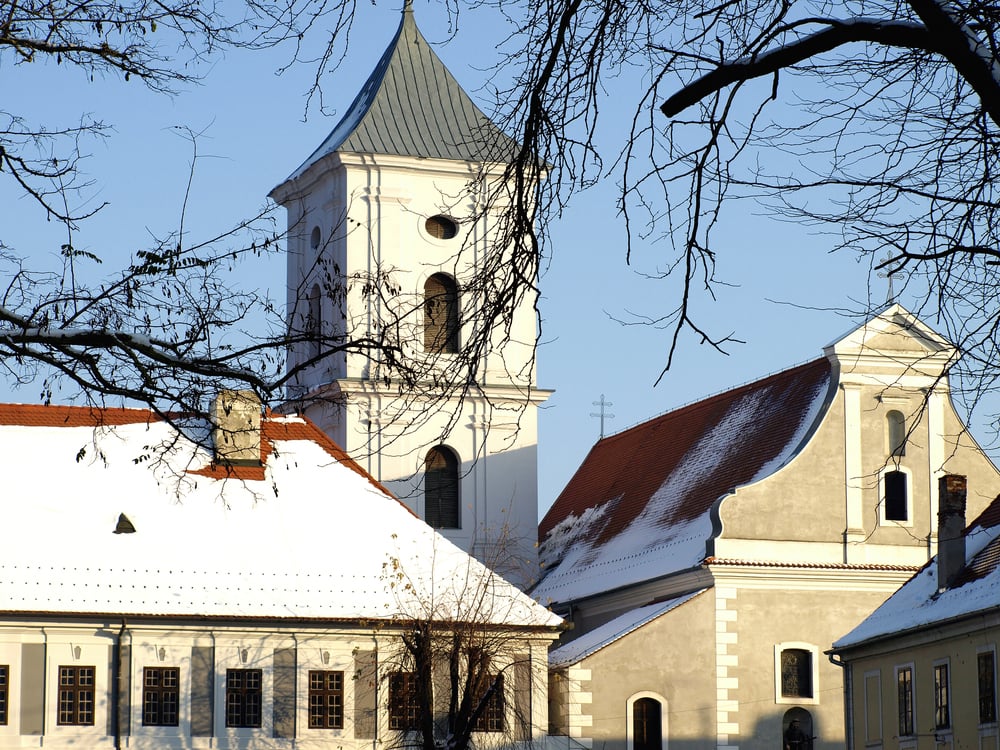
The border between Estonia and Russia cuts through Seto territory like a linguistic fault line. Seto speakers traditionally ignored national boundaries, following cultural and family connections that predated modern nation-states.
Their language blends Finno-Ugric roots with Orthodox Christian traditions, creating a unique cultural identity that doesn’t fit neatly into either Estonian or Russian categories. Political changes in the 20th century made border-crossing difficult, separating Seto communities and limiting the natural flow of language and culture.
Speakers found themselves classified as Estonian or Russian minorities depending on which side of the border they inhabited, but Seto identity transcended those political designations. Today, maybe 12,000 people identify as Seto, but far fewer speak the language fluently.
Cultural festivals and language classes work to maintain Seto traditions, though the community struggles with the familiar challenge of keeping a minority language alive in a world that rewards linguistic conformity.
Yevanic

Greek Jews once spoke Yevanic, a unique blend of Hebrew and Greek that developed over centuries of Mediterranean Jewish life. Also called Judeo-Greek, the language carried rabbinical discussions, family stories, and community traditions that couldn’t be expressed in any other tongue.
Yevanic speakers navigated between Jewish religious life and Greek cultural contexts, creating a linguistic bridge that served both identities. The Holocaust devastated Greek Jewish communities, and with them, the social structures that sustained Yevanic.
Survivors scattered to other countries where Greek, Hebrew, or local languages served their daily needs better than their ancestral Judeo-Greek dialect. The language had no institutional support, no schools or publications to maintain its vitality beyond the memories of increasingly dispersed speakers.
By the late 20th century, Yevanic existed mainly in the recollections of elderly survivors and the notes of linguists who recognized its historical importance. The last fluent speakers died without passing the language to younger generations, and Yevanic joined the long list of Jewish languages that disappeared with the communities that created them.
Gottscheerish
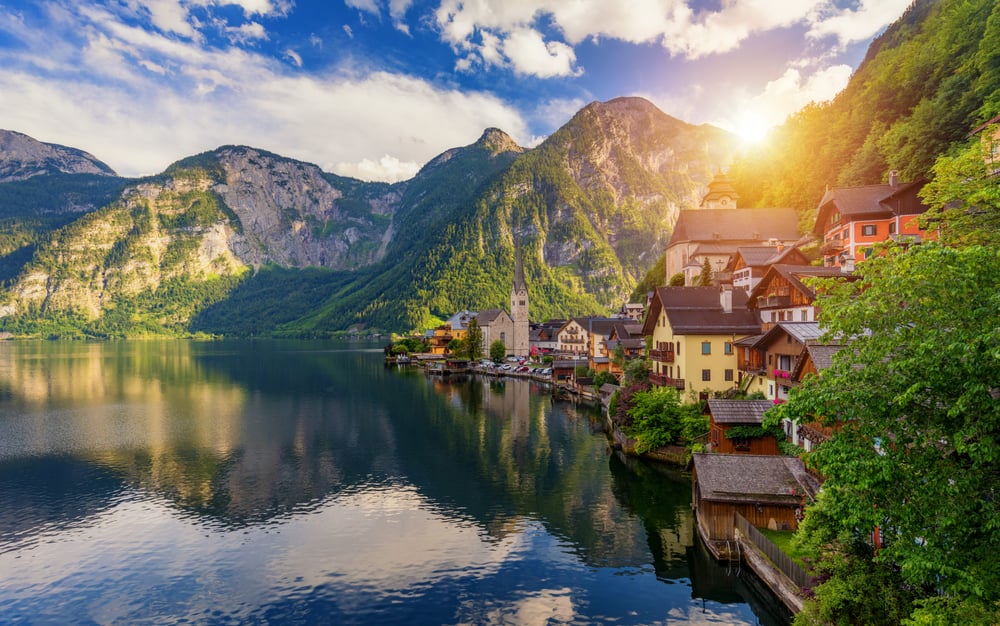
The Austrian Alps harbored Gottscheerish speakers for over 600 years in what is now Slovenia. German-speaking settlers had established communities in the region during the 14th century, and their language evolved in isolation, developing characteristics that distinguished it from standard German while maintaining its Germanic roots.
Gottscheerish speakers maintained their linguistic identity through centuries of political changes, from Habsburg rule through various Balkan configurations. World War II shattered the Gottscheer community.
Resettlement policies moved speakers to different regions, and post-war borders made return to traditional homelands impossible for many families. The language lost its geographic center, scattering speakers across different countries where Gottscheerish had no official status or cultural support.
A few hundred elderly speakers remain, mostly in the United States and Austria, but transmission to younger generations has essentially stopped. Cultural associations work to document Gottscheerish traditions and language, but these efforts feel more like historical preservation than living linguistic practice.
Pontic Greek
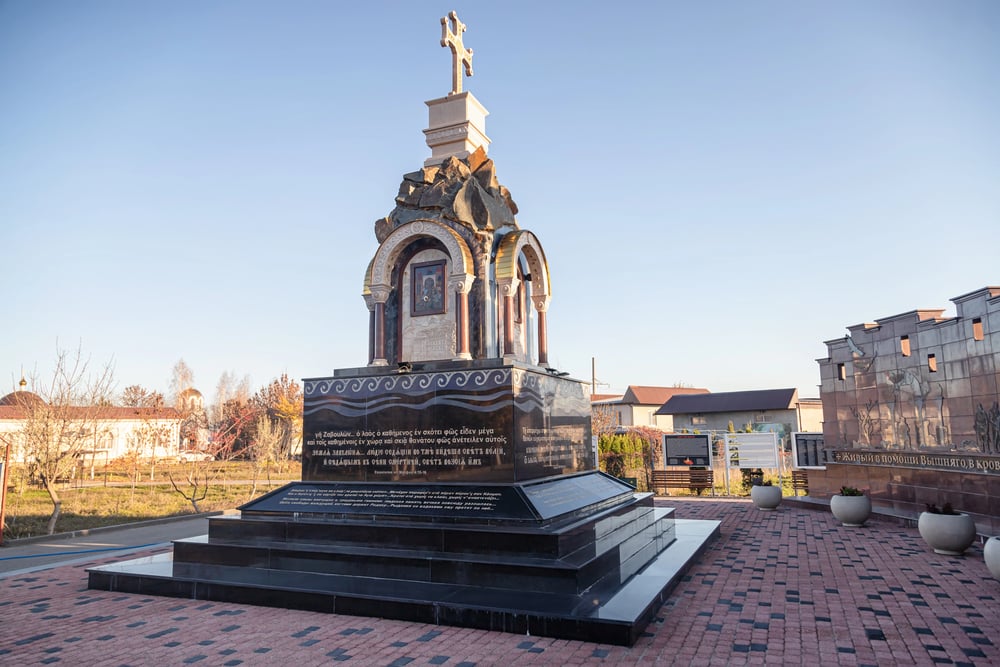
The shores of the Black Sea once resonated with Pontic Greek, a dialect that had evolved over millennia from ancient Greek colonization of the region. Pontic speakers maintained their linguistic identity through Byzantine times, Ottoman rule, and into the early 20th century, when political upheavals forced most Greek-speaking populations to leave their ancestral homes in modern-day Turkey.
The 1923 population exchange between Greece and Turkey relocated Pontic speakers to regions where their dialect seemed foreign and archaic compared to standard Modern Greek. Refugee communities struggled to maintain cultural traditions while adapting to new environments where their specific linguistic heritage marked them as outsiders even among fellow Greeks.
Pontic Greek survives in cultural organizations and family traditions, particularly in northern Greece where many refugees settled. But the language functions more as a marker of historical identity than a medium for daily communication, preserved through folk songs and cultural events rather than natural intergenerational transmission.
Judaeo-Spanish

Sephardic Jews carried Spanish with them when they fled the Iberian Peninsula in 1492, preserving the language of their homeland even as Spain expelled them. Judaeo-Spanish, or Ladino, developed in the Ottoman Empire, North Africa, and other destinations where Sephardic communities established themselves.
The language maintained medieval Spanish characteristics while incorporating Hebrew, Turkish, Arabic, and other local influences. For centuries, Judaeo-Spanish served as the literary and conversational language of Sephardic communities across the Mediterranean and beyond.
Newspapers, novels, and religious texts were published in the language, and families passed down Spanish ballads and folklore that had been preserved since medieval times. The Holocaust destroyed many Sephardic communities, and surviving speakers often faced pressure to assimilate into their host countries’ dominant languages.
Today, perhaps 200,000 people worldwide have some familiarity with Judaeo-Spanish, but fluent speakers are increasingly rare, and the language exists more as a cultural heritage than a living means of communication.
When Silence Falls

Languages die differently than people do. They fade gradually, losing speakers one conversation at a time until the day arrives when no one remembers the exact word for how morning light looks through kitchen windows, or the particular way grandmothers used to scold children, or the songs that made sense of grief.
Some languages get rescued at the last moment by scholars and activists who understand what’s about to be lost forever. Others slip away quietly, leaving only their echoes in place names and borrowed words that outlive the voices that first spoke them.
The languages that almost disappeared from history remind us that culture is more fragile than we like to believe, and more resilient than we dare to hope.
More from Go2Tutors!

- The Romanov Crown Jewels and Their Tragic Fate
- 13 Historical Mysteries That Science Still Can’t Solve
- Famous Hoaxes That Fooled the World for Years
- 15 Child Stars with Tragic Adult Lives
- 16 Famous Jewelry Pieces in History
Like Go2Tutors’s content? Follow us on MSN.



