15 Hardest Colleges and Universities in the World to Get Into
Getting into college used to mean filling out an application and hoping for the best. Those days are long gone.
Today’s most selective institutions operate more like exclusive clubs than educational institutions, turning away brilliant students by the thousands. The numbers tell a sobering story — acceptance rates that hover in the single digits, applicant pools that grow larger each year, and admissions processes so competitive they’ve spawned entire industries built around gaming the system.
Stanford University
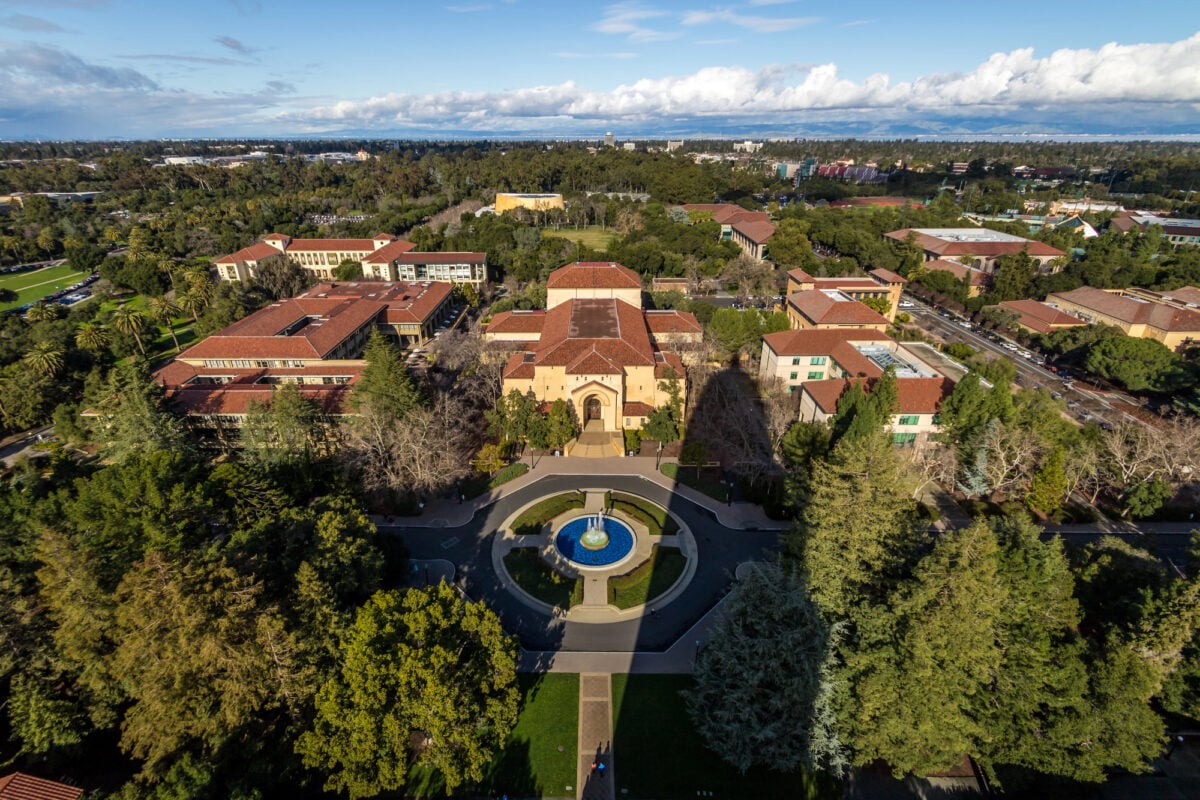
Stanford doesn’t just reject qualified applicants — it rejects perfect ones. Students with 4.0 GPAs, perfect test scores, and impressive extracurriculars get turned away regularly (which happens at other elite schools too, but Stanford has perfected the art of saying no).
The university accepts roughly 4% of applicants, and even that number feels generous when you consider the caliber of students being rejected. Silicon Valley’s proximity creates additional pressure; every tech executive’s kid thinks they deserve a spot, and Stanford has become expert at managing those expectations.
The admissions office reads applications looking for something indefinable beyond academic excellence — a spark, an unusual perspective, proof that a student will contribute something unique to campus culture. But here’s the thing about looking for the indefinable: most people don’t have it, at least not in ways that translate to a college application.
Harvard University
Harvard’s acceptance rate drops lower each year, currently sitting around 3%, but the real story isn’t the numbers (though they’re brutal enough). It’s that Harvard has become a symbol that extends far beyond education — parents see acceptance as validation of their child-rearing, students see it as a guarantee of future success, and society treats it as shorthand for intellectual achievement.
None of which is entirely fair to Harvard, but all of which makes getting in exponentially harder. The university receives applications from students who’ve spent their entire high school careers crafting the perfect Harvard applicant profile, and the admissions office has gotten very good at spotting manufactured excellence.
They’re looking for authentic achievement, which becomes nearly impossible to demonstrate when everyone knows what they want to see. And so the cycle continues — students try to appear authentic while carefully managing every aspect of their applications, and Harvard sifts through thousands of nearly identical profiles of manufactured uniqueness.
Massachusetts Institute Of Technology
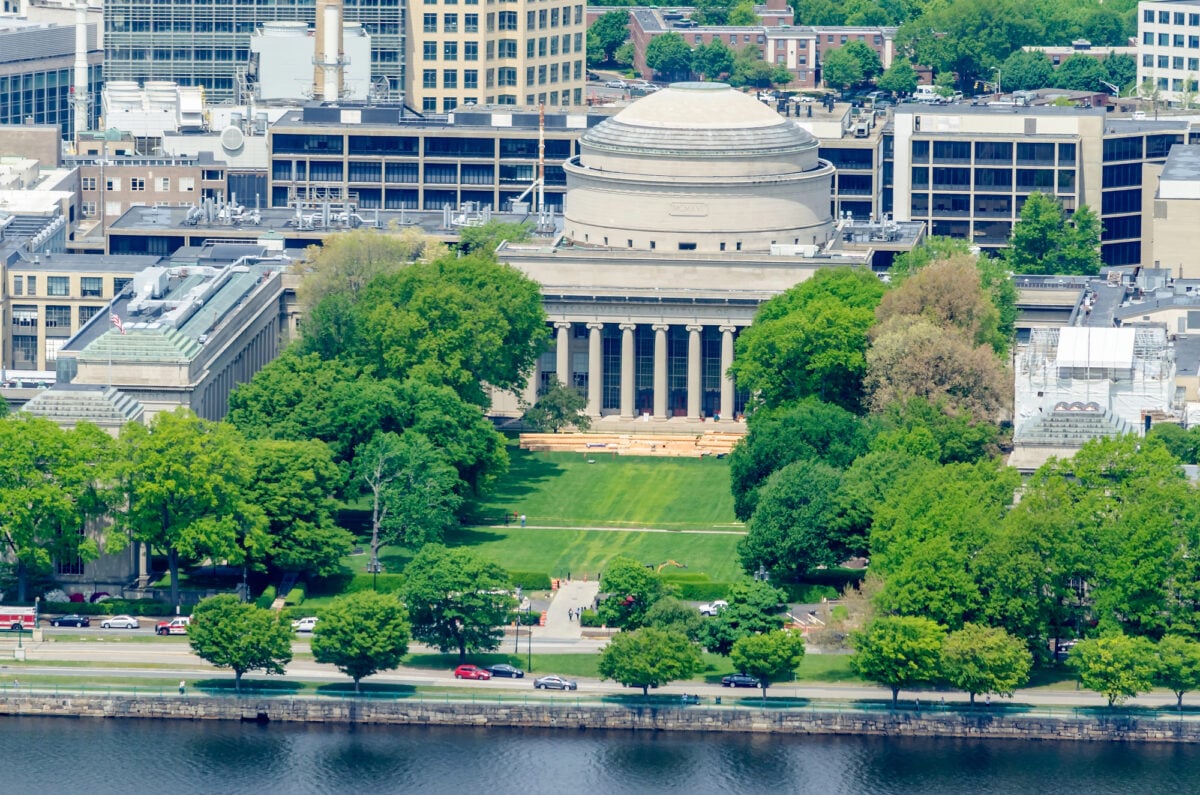
MIT operates like a puzzle that only certain minds can solve. The university doesn’t just want students who are good at science and math — plenty of schools can find those.
MIT wants students whose brains work in specific ways, who see problems as opportunities rather than obstacles, who can handle the peculiar combination of intense academic pressure and collaborative problem-solving that defines the campus culture. The acceptance rate hovers around 7%, but those numbers don’t capture how self-selective the applicant pool is.
Most students know whether they’re MIT material before they apply. Those who don’t figure it out quickly during the application process, which asks for detailed explanations of how students approach problems, what they build in their spare time, and why they’re drawn to certain types of challenges.
University Of Cambridge
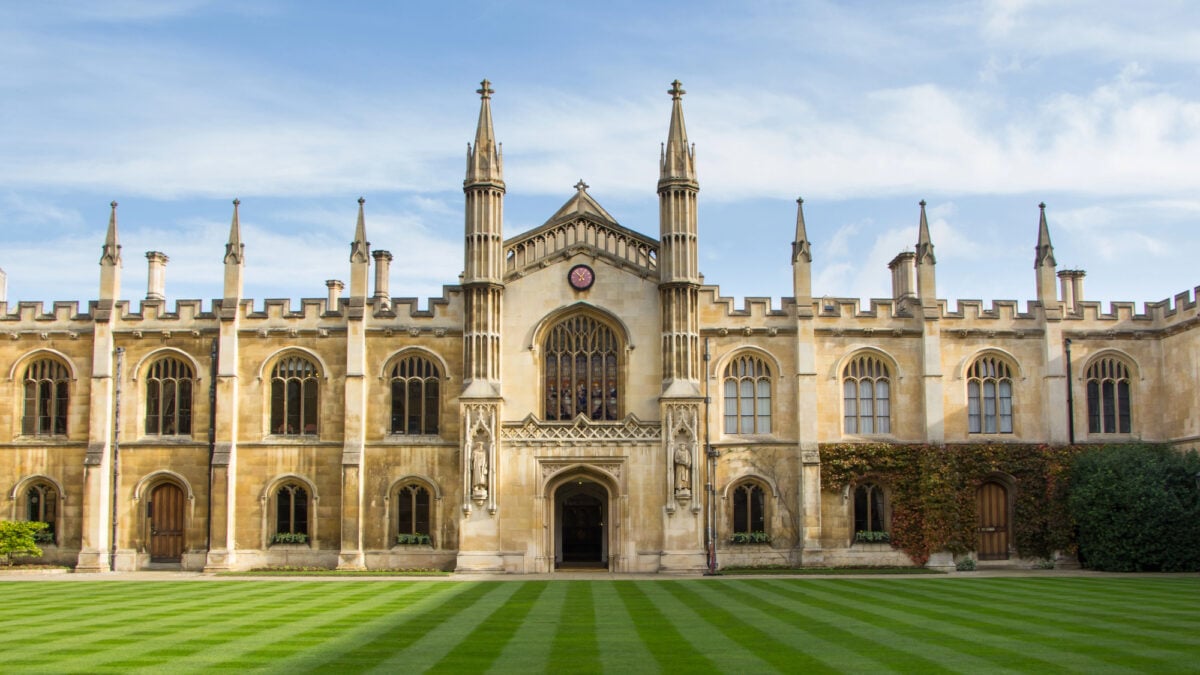
Cambridge has been rejecting brilliant students since 1209, so they’ve had plenty of practice. The university maintains a tradition of academic rigor that makes other elite institutions look relaxed, and their admissions process reflects this uncompromising approach.
Students don’t just submit applications — they sit for additional exams, participate in intensive interviews, and demonstrate mastery of their chosen subject at a level that would challenge college seniors. The tutorial system means every admitted student will spend hours each week in small groups or one-on-one sessions with world-class academics (which sounds appealing until you realize those academics expect you to hold up your end of the conversation).
So Cambridge looks for students who won’t just survive this environment, but thrive in it. Most applicants, no matter how accomplished, simply aren’t prepared for that level of intellectual intensity.
The acceptance rate for international students can drop below 5%, and even domestic applicants face fierce competition.
University Of Oxford
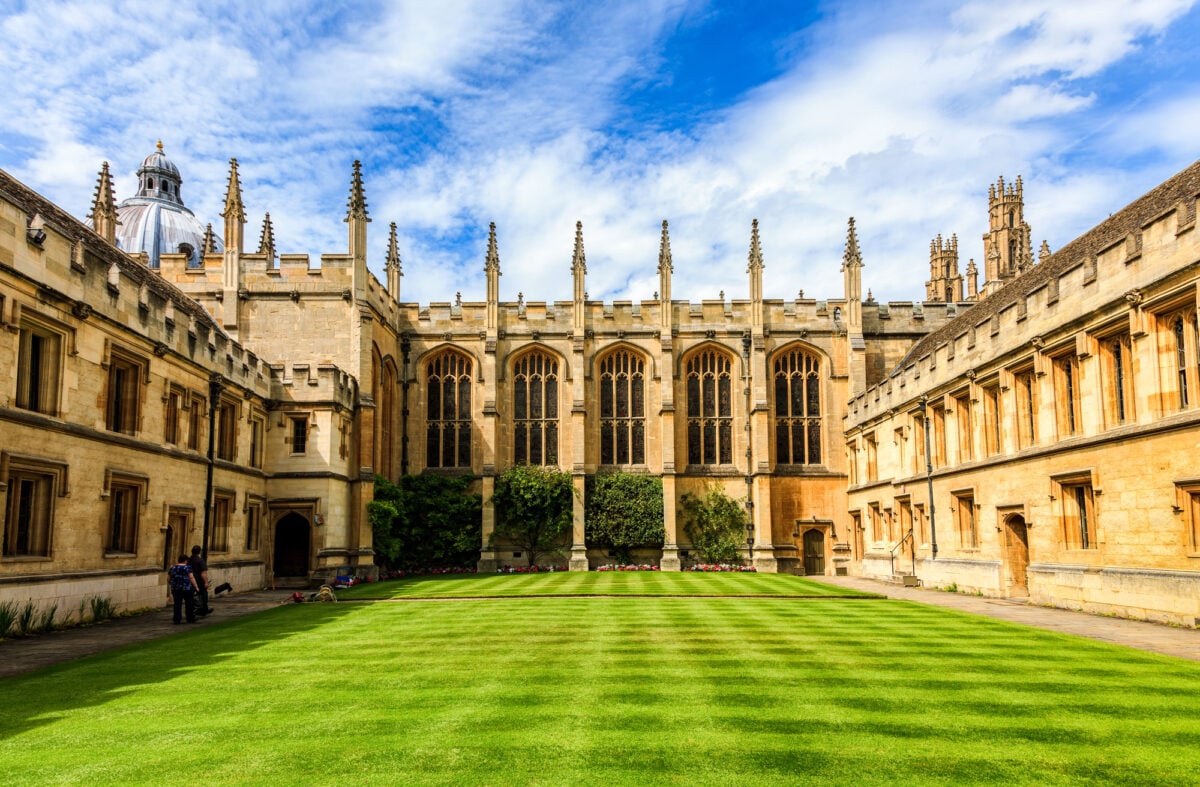
Oxford’s admissions process feels like an intellectual marathon designed to weed out anyone who can’t handle sustained academic pressure. Students submit applications, sit for specialized exams, and then — if they make it that far — endure multiple rounds of interviews that probe not just what they know, but how they think.
The interviews aren’t designed to be comfortable; they’re designed to reveal how students respond when pushed beyond their comfort zones. The university maintains a collegiate system that means students apply to specific colleges within Oxford, each with its own personality and admissions requirements.
But here’s what makes Oxford particularly brutal: they assume every applicant is already academically excellent, so they’re looking for evidence of intellectual curiosity, original thinking, and the ability to engage with complex ideas under pressure. And yet (this is the part that trips up many applicants), they want to see all of this demonstrated naturally, without the polished presentation that dominates American college applications.
The overall acceptance rate sits around 17%, but that number is misleading — it includes all applicants, many of whom have no realistic chance of admission. For competitive applicants, the real acceptance rate feels much lower.
California Institute Of Technology
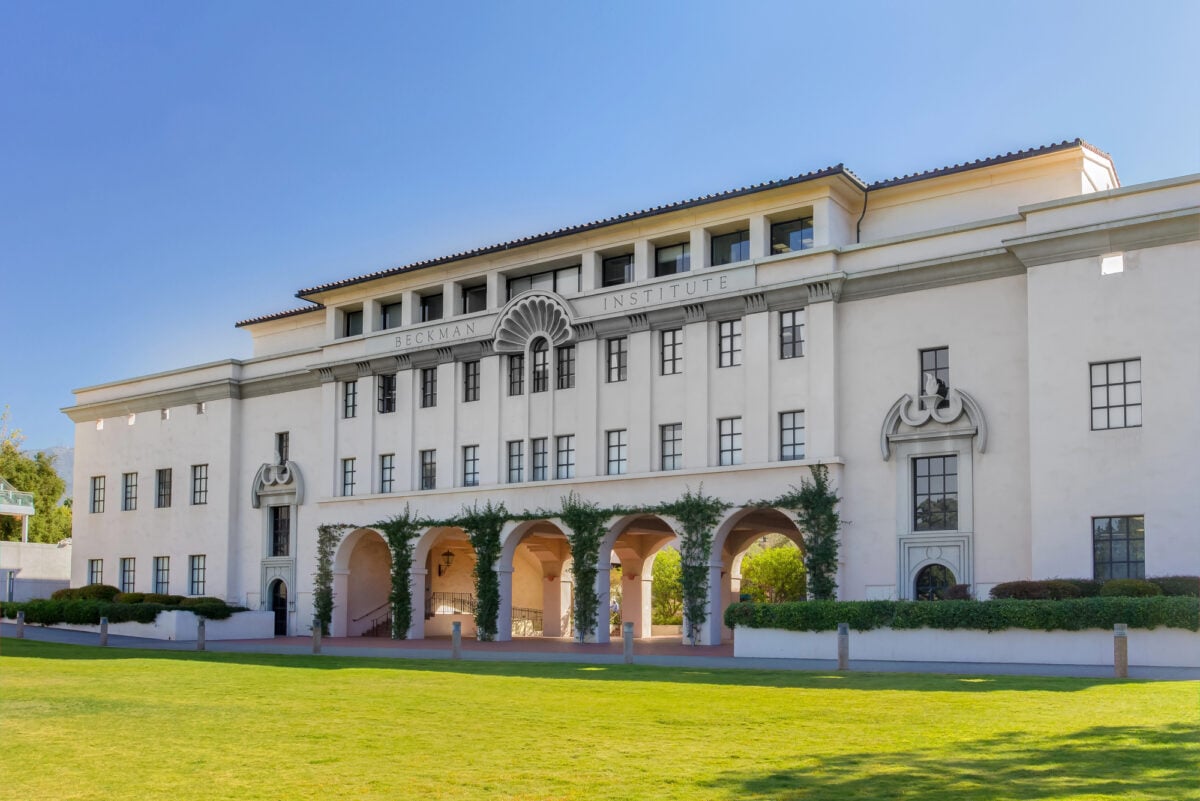
Caltech doesn’t pretend to be for everyone. The university is small, focused, and ruthlessly selective about the type of student who will succeed there.
With fewer than 1,000 undergraduates total, Caltech can afford to be choosy, and they take full advantage of that luxury. The acceptance rate hovers around 6%, but the real selectivity happens before students even apply — most people self-select out once they understand what Caltech actually offers.
The curriculum is built around the assumption that students can handle graduate-level work by their junior year, and the collaborative culture means struggling students can’t simply hide in large lecture halls. Everyone knows everyone, and academic weaknesses become apparent quickly.
So Caltech looks for students who aren’t just smart, but resilient — people who can handle repeated intellectual challenges without losing confidence or curiosity.
École Normale Supérieure (Paris)

ENS operates on a completely different model from American universities. Students don’t just apply — they spend years preparing for entrance exams that cover material most American college seniors haven’t encountered.
The preparatory classes (classes préparatoires) are legendary for their intensity; students spend two years after high school doing nothing but preparing for these exams, often studying 12-15 hours per day. The acceptance rate is around 5%, but that statistic undersells how selective the process really is.
Only students who survive the preparatory classes even take the entrance exam, which means the applicant pool has already been filtered multiple times. Those who make it through are joining an institution that has produced more Nobel laureates per capita than any other university in the world, which creates its own pressures and expectations.
And yet the system works, in its own brutal way — ENS graduates go on to dominate French intellectual life, politics, and business. But the process of getting there breaks a lot of brilliant students along the way.
Princeton University
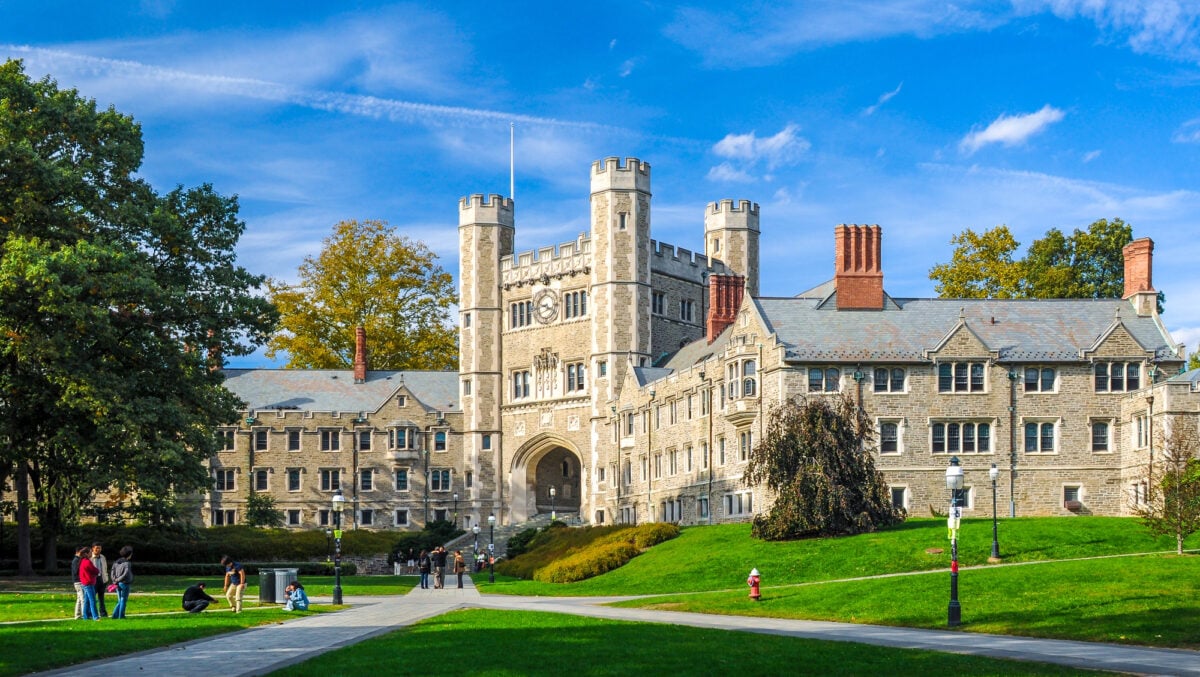
Princeton perfected the art of holistic admissions, which sounds more humane than pure academic selection until you realize it just makes the process more unpredictable. The university claims to evaluate each applicant as a whole person, considering academic achievement alongside extracurricular activities, personal essays, recommendation letters, and evidence of character.
In practice, this means students never know exactly what Princeton wants, so they try to excel at everything. The acceptance rate sits around 4%, and the admissions office receives applications from students who’ve spent years crafting the perfect Princeton applicant profile (student government president, varsity athlete, volunteer work in developing countries, perfect test scores, compelling personal story).
But Princeton has seen every version of this profile, so they’re looking for authenticity in a process that almost guarantees manufactured experiences. The eating club system adds another layer of social complexity that prospective students either love or find completely off-putting.
Princeton doesn’t apologize for its culture, which means students need to genuinely fit the environment, not just survive it.
Yale University
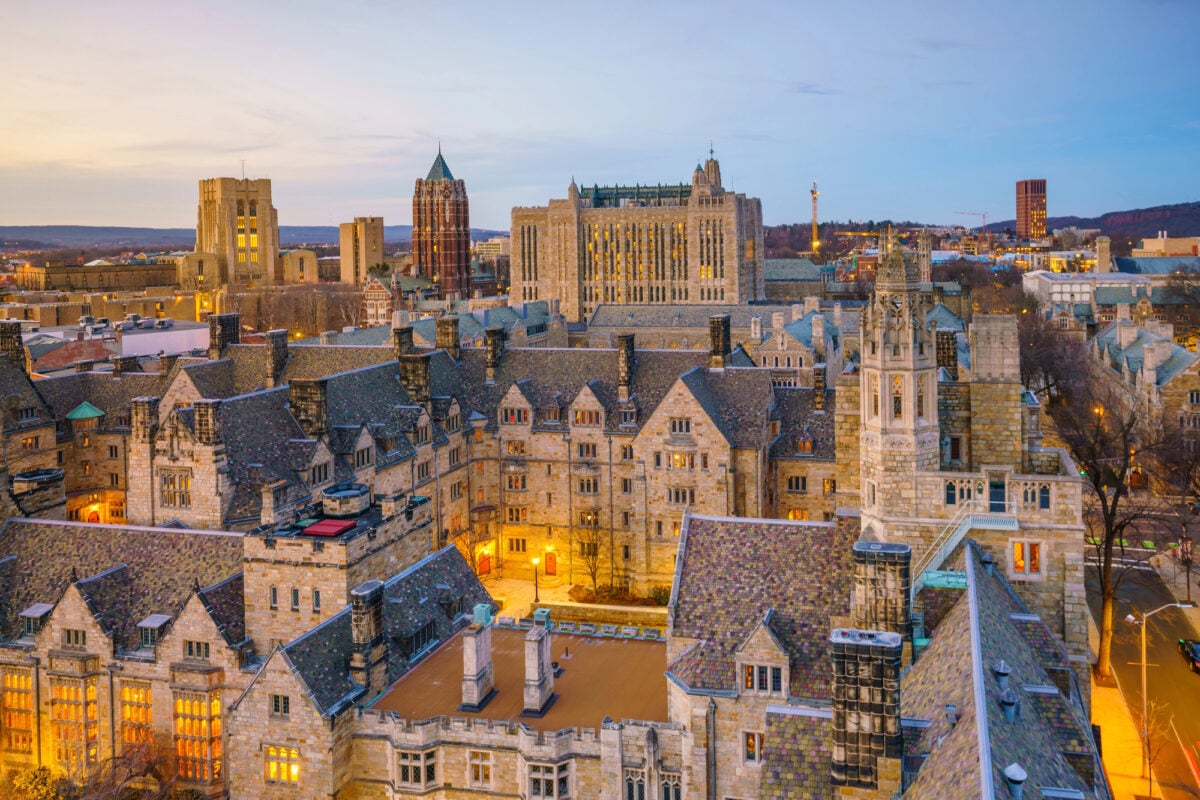
Yale’s secret societies cast a long shadow over the admissions process, even though they have nothing to do with undergraduate admission. The mystique attracts students who want to be part of something exclusive and historically significant, which means Yale gets applications from people drawn to prestige as much as education.
This creates a particular type of competitive pressure — students aren’t just competing for admission, they’re competing for membership in what they perceive as an elite club. The acceptance rate hovers around 5%, but Yale’s holistic admissions process makes it impossible to predict who gets in (which is probably intentional).
The university looks for students who will contribute to campus life in specific ways, but those ways change depending on what the current student body needs. A brilliant musician might get rejected if Yale already has enough musicians that year, while a good student with an unusual hobby might get accepted because they fill a particular gap.
Yale interviews more applicants than most Ivy League schools, which gives them better information but makes the process longer and more stressful for students. The interviews are meant to be conversations rather than interrogations, but try telling that to nervous seventeen-year-olds who’ve spent months preparing for a fifteen-minute conversation that could determine their future.
Indian Institutes Of Technology

The IIT entrance exam (JEE Advanced) makes other standardized tests look like warm-up exercises. Students spend years preparing for an exam that covers physics, chemistry, and mathematics at a level that would challenge graduate students, and even then, most fail.
The acceptance rate across all IITs is typically under 2%, but that number doesn’t capture the true selectivity — millions of students take the preliminary exam, hundreds of thousands qualify for the advanced exam, and only a few thousand get admitted. The preparation process has spawned an entire industry of coaching centers, study materials, and support systems, all built around helping students survive one of the world’s most competitive academic contests.
Students often start preparing in middle school, spend their final years of high school doing nothing but exam preparation, and still face rejection rates that would make Harvard admissions officers wince. But those who make it through join institutions that produce a disproportionate share of global technology leaders.
The IIT network extends throughout Silicon Valley, major corporations, and startup ecosystems worldwide. So the brutal selection process serves a purpose, even if it leaves hundreds of thousands of qualified students without options.
University College London
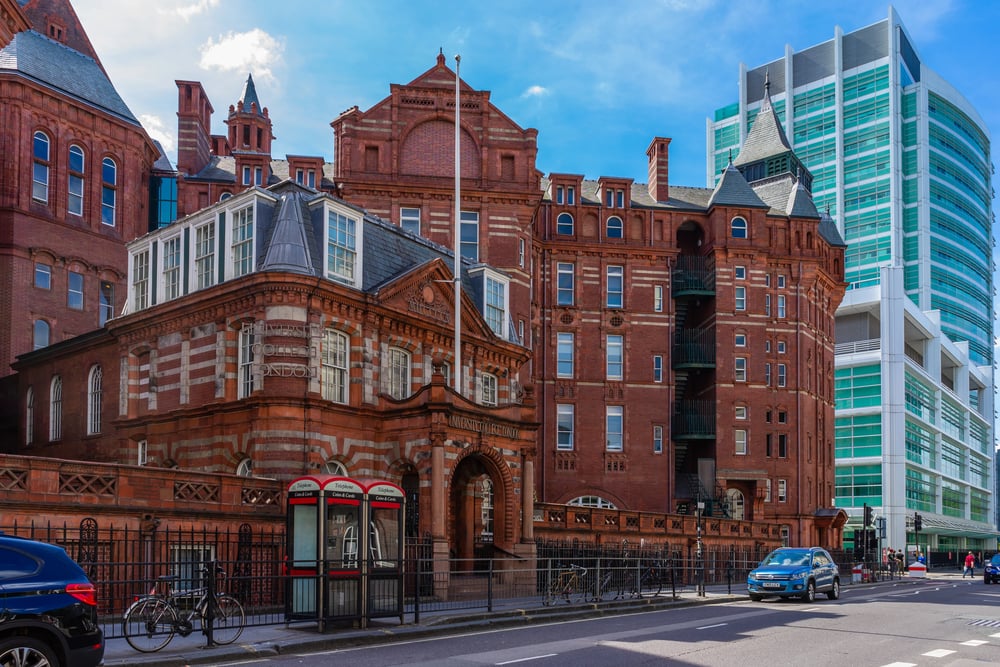
UCL maintains British academic traditions while competing in an increasingly global education market, which creates its own unique pressures. The university expects students to demonstrate not just academic achievement, but intellectual maturity and specific preparation for their chosen field of study.
Unlike American universities that encourage broad liberal arts exploration, UCL expects students to know what they want to study and why. The acceptance rate varies dramatically by program — some departments accept fewer than 10% of applicants, while others are more forgiving.
But even the more accessible programs maintain high standards and expect students to demonstrate genuine passion for their subject area. The personal statement carries enormous weight in the admissions process, and UCL has become expert at distinguishing between authentic intellectual curiosity and carefully crafted application strategies.
The London location adds another layer of complexity. Students need to handle not just academic pressure, but the expense and intensity of life in one of the world’s major cities.
UCL looks for students who can thrive in that environment, which means academic ability alone isn’t enough.
Columbia University
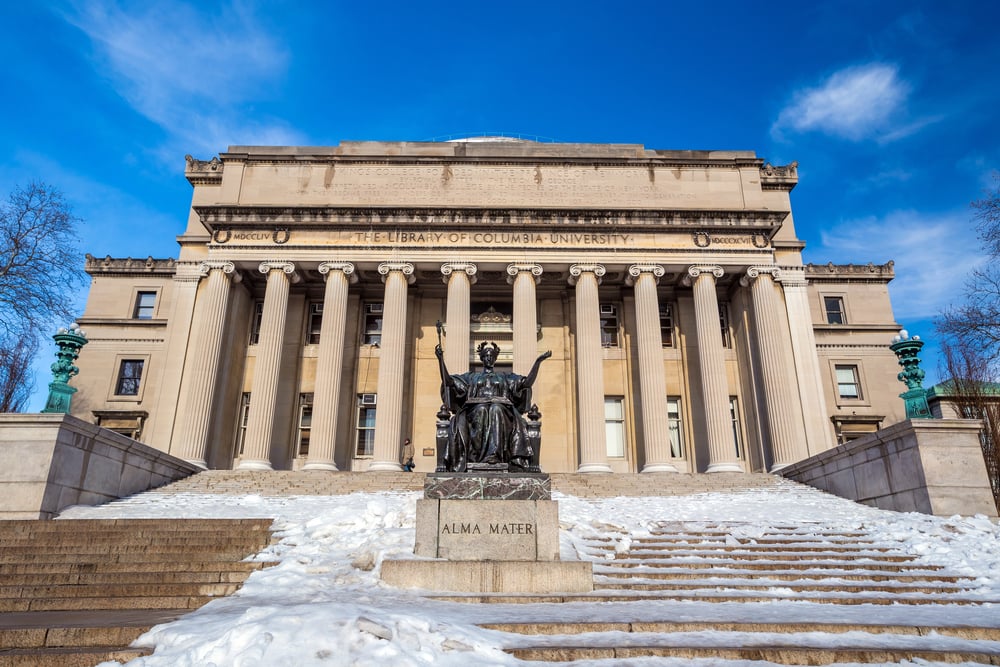
Columbia’s location in Manhattan shapes everything about the student experience, starting with admissions. The university attracts students who want to be in New York City as much as they want to attend Columbia, which creates a particular type of applicant — ambitious, independent, comfortable with urban complexity.
The admissions office has gotten very good at identifying students who will thrive in that environment versus those who are just attracted to the prestige. The acceptance rate sits around 4%, and Columbia’s Core Curriculum means every admitted student needs to handle intensive liberal arts requirements regardless of their intended major.
So the admissions process looks for intellectual flexibility and curiosity, not just excellence in a specific area. Students who’ve spent high school focused narrowly on STEM or humanities often struggle to demonstrate the broad intellectual engagement Columbia wants to see.
The interview process, when offered, focuses heavily on fit — Columbia wants to admit students who will take advantage of New York’s opportunities while contributing to campus life. It’s a delicate balance that many qualified applicants never quite achieve in their applications.
University Of Edinburgh
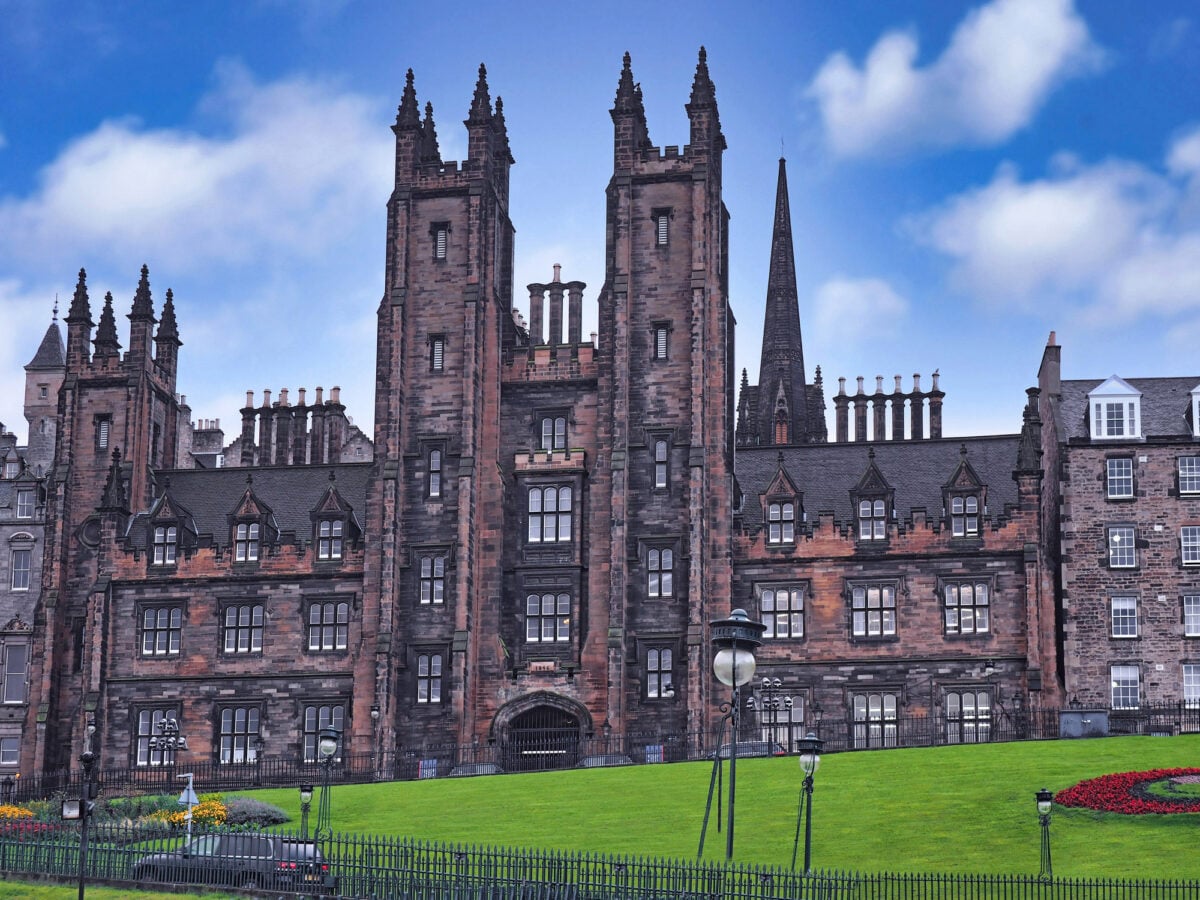
Edinburgh represents the best of Scottish higher education, which means academic rigor combined with a more relaxed social culture than England’s most prestigious universities. But don’t mistake relaxed for easy — the university maintains high academic standards and expects students to demonstrate genuine intellectual engagement with their chosen field.
The acceptance rate varies by program and nationality, with some departments accepting fewer than 15% of applicants. International students face particular challenges, as Edinburgh has become increasingly popular among American students looking for prestigious education at a lower cost than comparable US institutions.
This has made admission more competitive and pushed Edinburgh to develop more sophisticated evaluation processes. The city itself becomes part of the admissions consideration.
Edinburgh during Festival season turns into one of the world’s cultural capitals, and the university looks for students who will engage with that broader intellectual and artistic community. Academic achievement matters, but so does evidence that students will contribute to the university’s role in Scottish cultural life.
École Polytechnique (France)

Polytechnique operates on military discipline and academic intensity that makes other engineering schools look casual. Students don’t just attend classes — they join a program that includes military service, rigid scheduling, and academic expectations that push even brilliant students to their limits.
The acceptance rate hovers around 8%, but like other French grandes écoles, the real selectivity happens in the preparatory classes. The entrance exam covers mathematics, physics, and chemistry at a level that requires years of focused preparation.
Students who make it through join an institution that produces a disproportionate share of French business leaders, politicians, and intellectuals. But the process demands everything — social life, hobbies, and relaxation all take a backseat to academic preparation.
And here’s what American students often don’t understand about the French system: there’s no backup plan built into the process. Students commit to the preparatory classes knowing they might spend two years preparing for exams they ultimately fail.
The system produces exceptional graduates, but it’s ruthless in its selectivity.
National University Of Singapore

NUS has transformed itself into one of Asia’s premier universities, which means admission standards have risen dramatically over the past decade. The university now competes directly with American and European institutions for top students, and the admissions process reflects those global ambitions.
International students face acceptance rates as low as 5% for popular programs, and even domestic students encounter fierce competition. The university’s strength in engineering, business, and medicine attracts students from across Asia and beyond, creating diverse and highly competitive applicant pools.
NUS looks for students who can handle not just academic pressure, but the cultural complexity of Singapore itself — a city-state where Eastern and Western approaches to education and business intersect. The interview process, when required, often focuses on how students will contribute to NUS’s growing international reputation.
The university wants graduates who will build networks and opportunities that enhance Singapore’s position as a global education hub, which creates pressure that extends well beyond undergraduate academics.
The Crucible Of Modern Education

These institutions represent something larger than just selective admissions — they’ve become symbols of achievement in a world obsessed with credentials and rankings. Students spend years crafting applications for universities that reject perfect candidates, parents invest enormous resources in admissions consulting, and entire educational systems orient themselves around preparing students for competitions most will lose.
But perhaps that’s missing the point. The difficulty of admission creates value that extends beyond education itself.
These universities don’t just teach students — they provide membership in networks, access to opportunities, and social capital that can last lifetimes. The brutal selection process, unfair as it often feels, serves to maintain the exclusivity that makes membership valuable in the first place.
More from Go2Tutors!

- The Romanov Crown Jewels and Their Tragic Fate
- 13 Historical Mysteries That Science Still Can’t Solve
- Famous Hoaxes That Fooled the World for Years
- 15 Child Stars with Tragic Adult Lives
- 16 Famous Jewelry Pieces in History
Like Go2Tutors’s content? Follow us on MSN.