17 Substances That Were Medicines Before Being Banned
The history of medicine reads like a cautionary tale filled with good intentions and disastrous consequences. Throughout the centuries, doctors prescribed substances that seemed miraculous at first—only to discover they were slowly poisoning their patients.
From radioactive tonics to addictive painkillers, the medical world has made some spectacularly dangerous mistakes. What’s fascinating is how many of these banned substances started as legitimate treatments, backed by the medical establishment of their time.
Here is a list of 17 substances that were once considered medicines before being banned due to their harmful effects.
Heroin
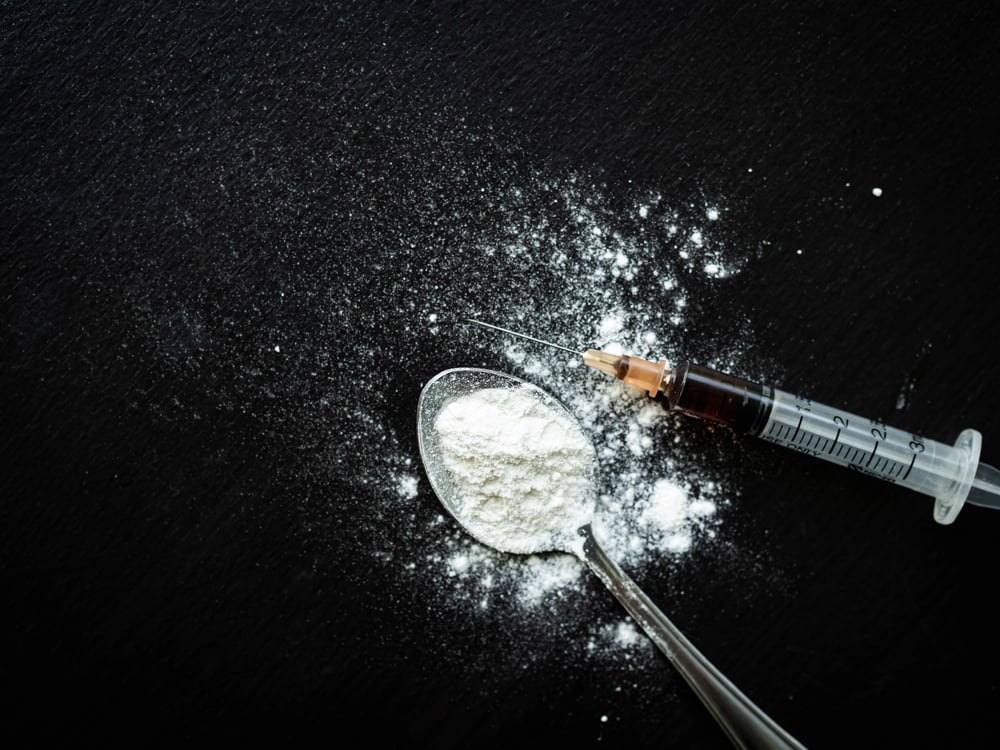
The Bayer pharmaceutical company introduced heroin in 1898 as a cough suppressant and pain reliever, marketing it as a safer alternative to morphine. Doctors prescribed it for everything from tuberculosis to menstrual cramps, believing it was non-addictive.
The medical community didn’t realize until the 1910s that heroin was actually more addictive than morphine, leading to its eventual ban in most countries by the 1920s.
Cocaine
Before anyone understood its addictive properties, cocaine was hailed as a wonder drug in the late 1800s. Doctors used it as a local anesthetic for dental procedures and nasal surgeries, while pharmacists added it to tonics and remedies.
Even Coca-Cola originally contained cocaine until 1903, when the company switched to caffeine after growing concerns about the drug’s effects.
Radium
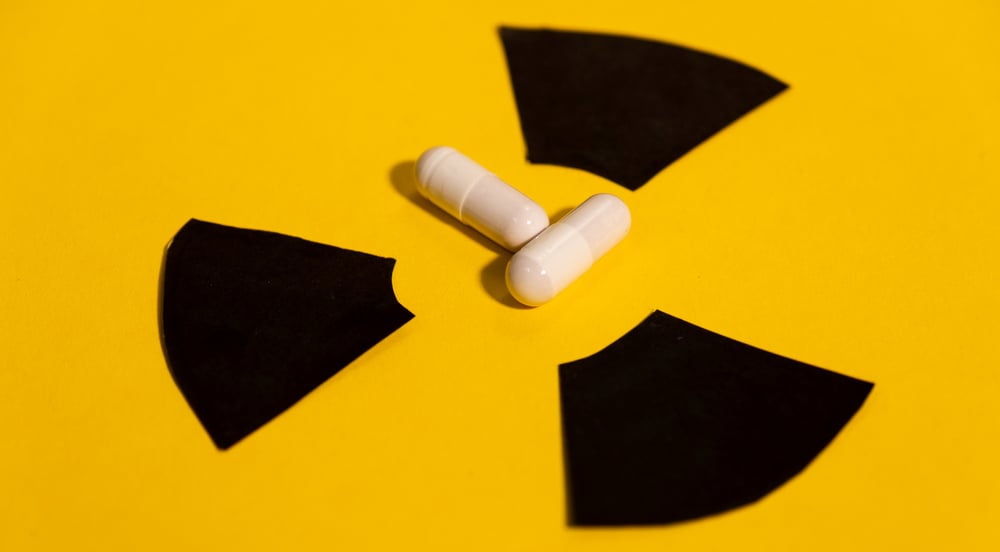
In the early 1900s, radium was considered a miracle cure for virtually everything. Companies sold radium-laced water, chocolate, and cosmetics, claiming they could treat arthritis, depression, and even impotence.
The deadly reality of radiation poisoning didn’t become clear until the 1930s, when factory workers who painted radium dials began dying from bone cancer.
Mercury
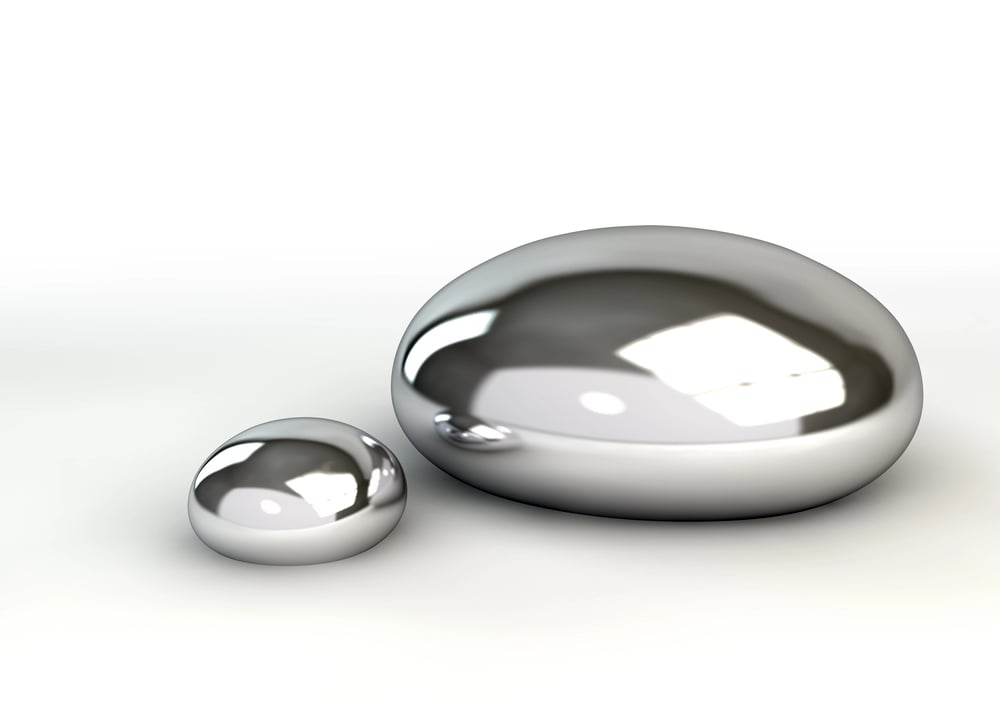
For over 400 years, mercury was the standard treatment for syphilis, earning the medical saying ‘a night with Venus, a lifetime with Mercury.’ Despite causing severe side effects like tooth loss, neurological damage, and death, doctors continued prescribing it well into the 20th century.
The practice only stopped when penicillin proved to be a safer and more effective treatment for syphilis in the 1940s.
Opium
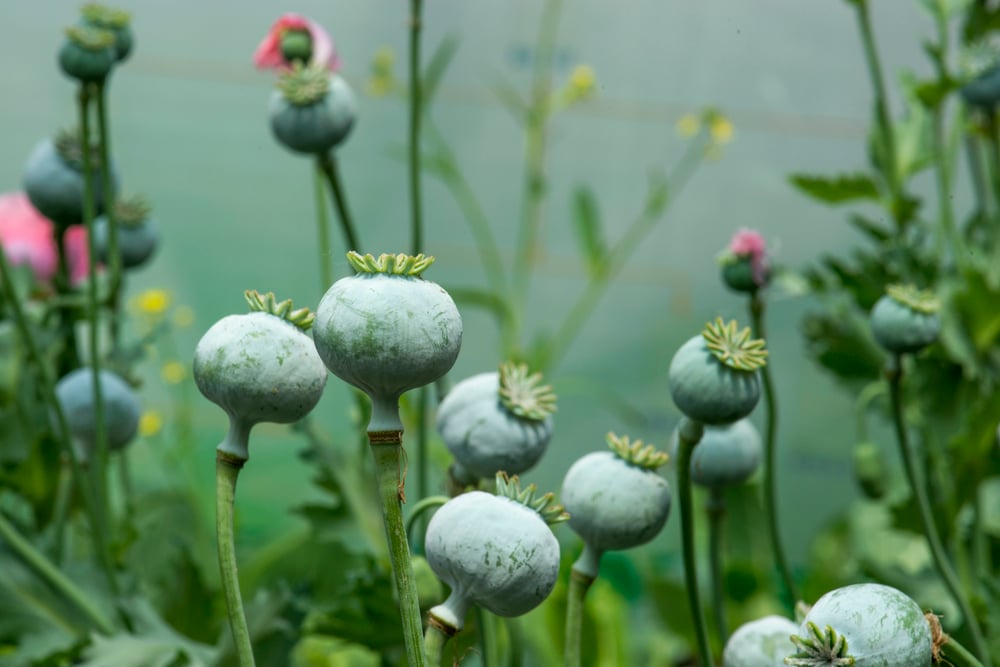
Ancient civilizations discovered opium’s pain-relieving properties thousands of years ago, and it remained a cornerstone of medicine until the early 1900s. Doctors prescribed opium tinctures for ailments ranging from headaches to dysentery, often without understanding the addiction risks.
The Harrison Narcotics Tax Act of 1914 began restricting opium use in the United States, though it took decades to fully control its medical applications.
Laudanum
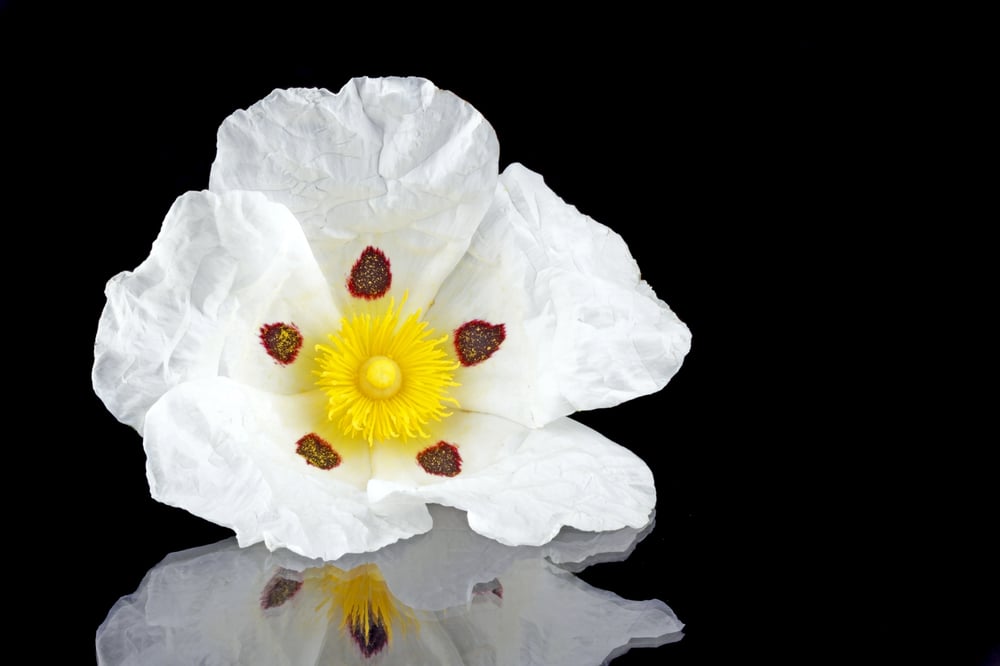
This opium-based liquid was Victorian medicine’s answer to almost every complaint. Mothers gave laudanum to teething babies, while adults used it for everything from menstrual pain to anxiety.
What seemed like a versatile remedy was actually creating widespread addiction across all social classes, leading to its gradual restriction throughout the early 20th century.
Thalidomide
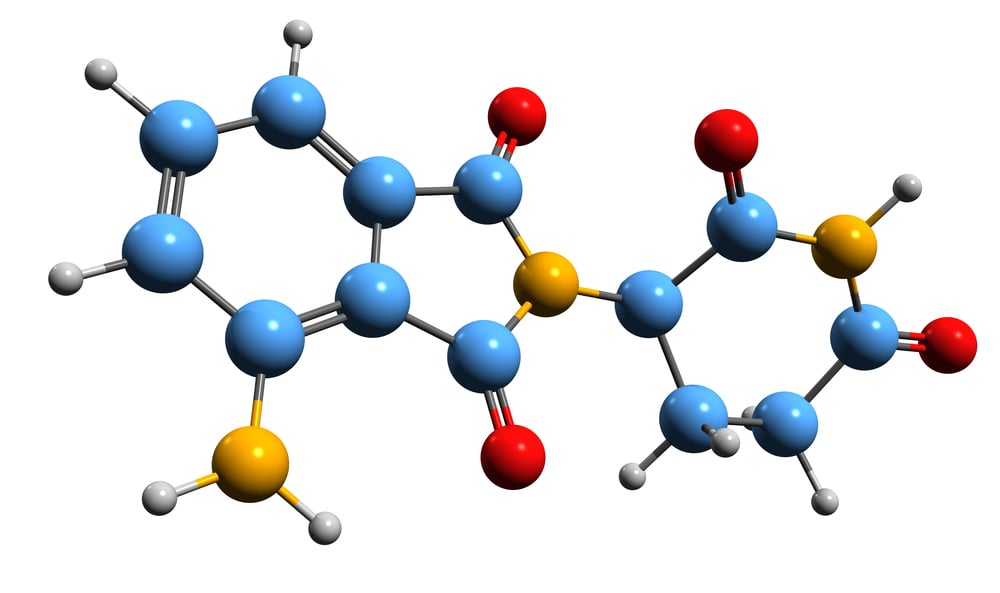
Developed in the 1950s as a sedative and morning sickness treatment, thalidomide seemed like the perfect safe drug for pregnant women. Doctors prescribed it widely across Europe and other countries, praising its apparent lack of side effects.
The drug was banned after causing severe birth defects in thousands of babies, though it later found legitimate uses in treating certain cancers under strict controls.
Chloroform
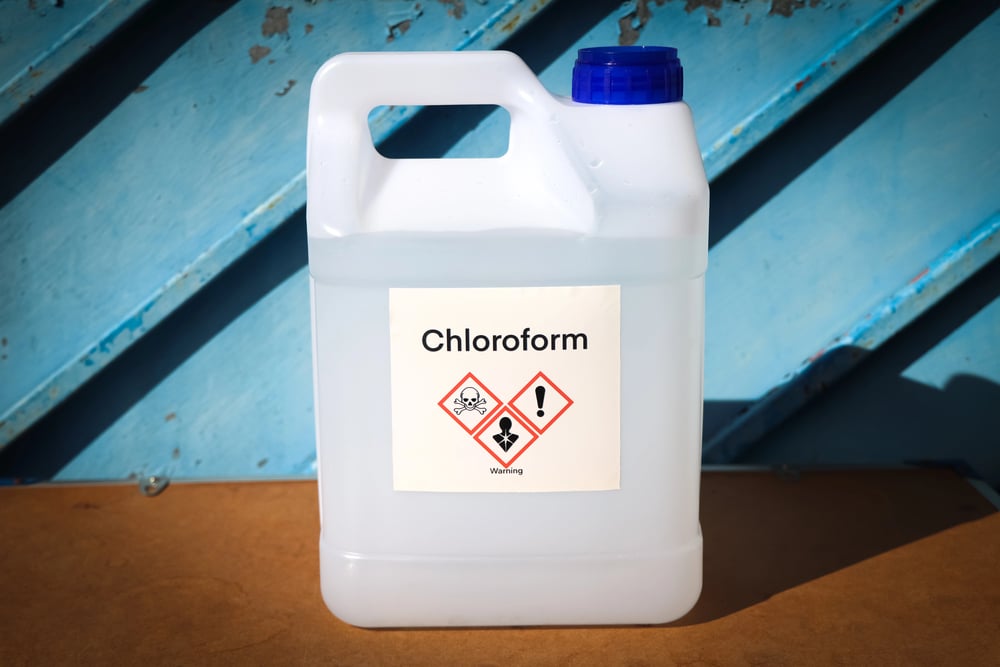
For decades after its introduction in 1847, chloroform was the anesthetic of choice for surgeries and childbirth. Queen Victoria herself used chloroform during labor, giving it royal approval and widespread acceptance.
However, the high risk of sudden cardiac arrest led to its replacement by safer anesthetics like ether and eventually, modern drugs.
Arsenic

Believe it or not, arsenic was once considered a legitimate medicine for treating syphilis, psoriasis, and various skin conditions. Victorian doctors prescribed arsenic compounds in carefully measured doses, believing small amounts could cure without killing.
The practice continued into the early 1900s until safer alternatives emerged and the toxic effects became undeniable.
Calomel
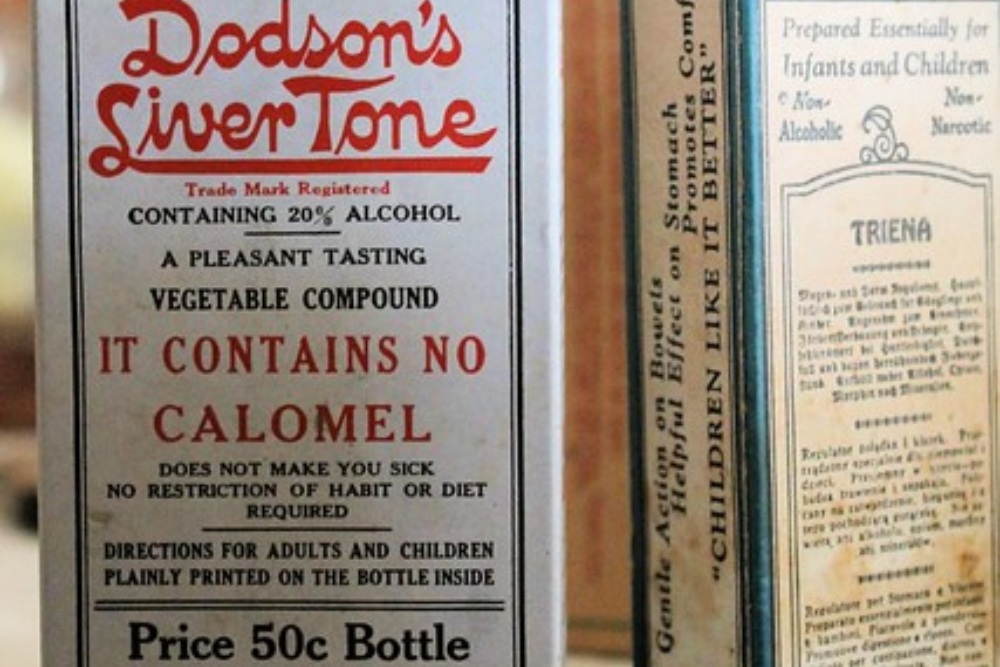
This mercury-based compound was America’s favorite cure-all for over a century, used to treat everything from yellow fever to teething pain in infants. Doctors prescribed calomel so liberally that mercury poisoning became commonplace, causing symptoms that patients often mistook for their original illness.
The practice largely ended in the early 1900s when the medical community finally connected calomel to mercury toxicity.
Barbiturates

First synthesized in 1903, barbiturates quickly became the go-to treatment for anxiety, insomnia, and seizures. Doctors loved prescribing them because they seemed to work for almost any nervous condition, and patients appreciated their calming effects.
However, the narrow margin between therapeutic and lethal doses, combined with their high addiction potential, led to strict controls by the 1970s.
Amphetamines
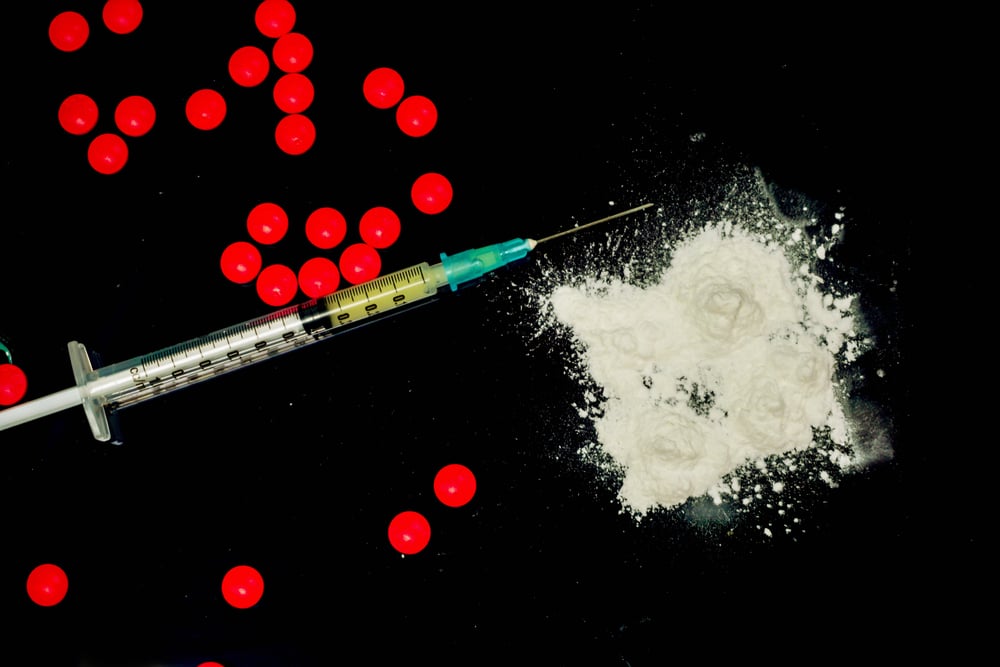
During World War II and beyond, doctors routinely prescribed amphetamines for weight loss, depression, and fatigue. The military issued them to soldiers to maintain alertness during long missions, while housewives took them as diet pills.
The widespread abuse and addiction that followed led to increasingly strict regulations throughout the 1960s and 70s.
Ether
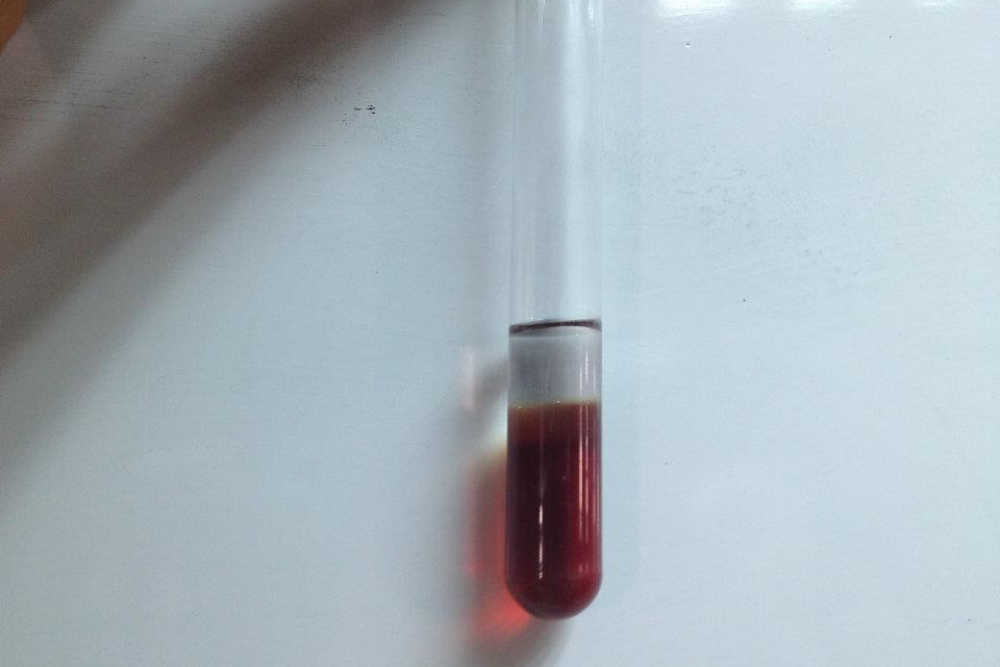
Before modern anesthetics, ether was revolutionary for making painless surgery possible. Introduced in the 1840s, it allowed doctors to perform complex operations that would have been torture for conscious patients.
Despite its medical importance, ether’s highly flammable nature and potential for abuse led to its replacement by safer alternatives.
Diethylene Glycol

In the 1930s, this industrial chemical found its way into medicine as a solvent for drugs, particularly in a liquid sulfanilamide preparation. Pharmaceutical companies used it because it dissolved medications well and had a sweet taste that patients found palatable.
The compound killed over 100 people in 1937, leading directly to the creation of modern drug safety laws requiring testing before approval.
Quaaludes
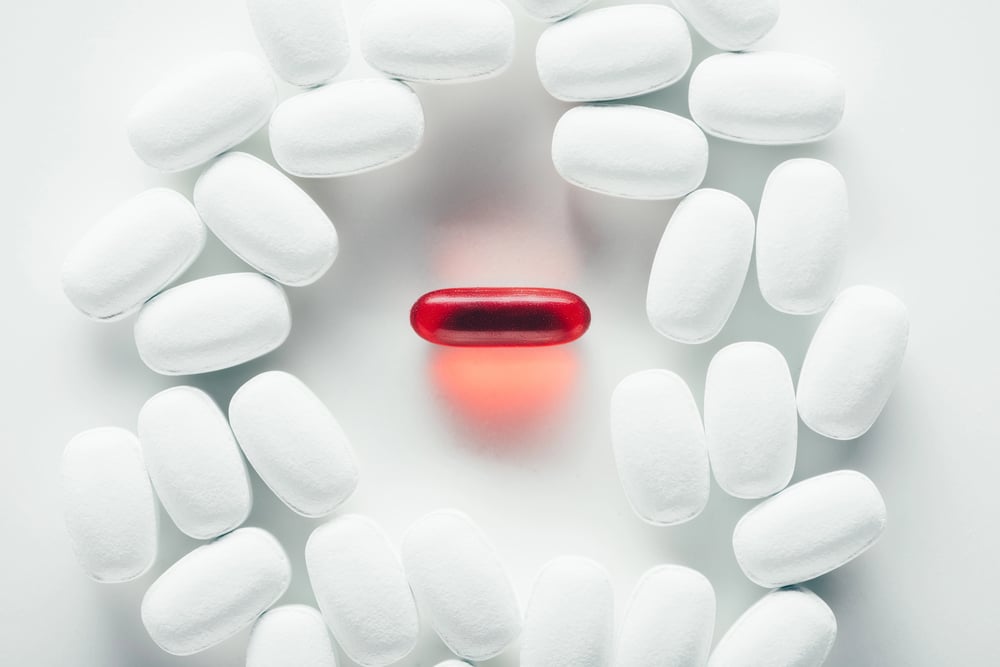
Methaqualone, sold as Quaaludes, entered the medical market in the 1960s as a supposedly safe sleeping pill and anxiety treatment. Doctors prescribed them widely, believing they were less addictive than barbiturates and safer for treating insomnia.
The drug’s popularity as a recreational substance, combined with its serious addiction potential, led to its complete ban in the United States by 1984.
Phenylpropanolamine
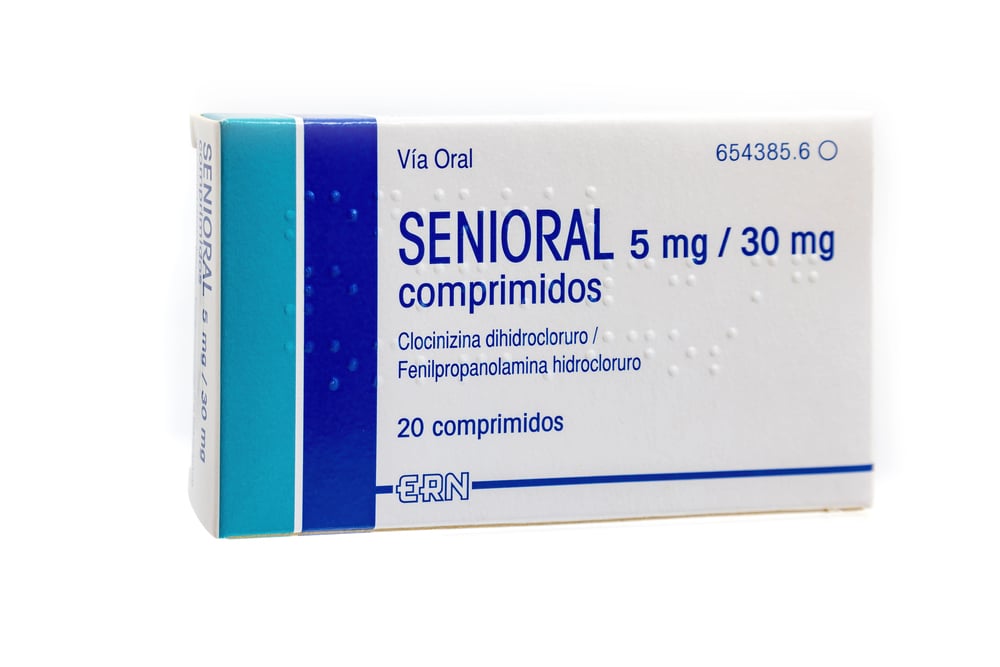
This stimulant was a common ingredient in over-the-counter cold medicines and diet pills for decades, helping millions of people breathe easier and lose weight. Pharmacies sold it freely in products like Dexatrim and Acutrim, with many people taking it daily for appetite suppression.
Studies linking it to increased stroke risk, particularly in young women, led to its removal from the market in 2000.
Ephedra

Also known as ma huang, this herbal stimulant was widely used in weight-loss supplements and energy boosters throughout the 1990s. Health stores marketed it as a natural alternative to synthetic diet pills, and athletes used it to enhance performance.
After numerous deaths and heart problems were linked to ephedra use, the FDA banned it from dietary supplements in 2004.
When Good Intentions Go Wrong

The story of these banned substances reveals how medical knowledge evolves through both triumph and tragedy. Each of these drugs seemed revolutionary at the time—solving problems that had plagued humanity for centuries.
Yet the same properties that made them effective also made them dangerous, teaching us that the line between medicine and poison often comes down to dosage, duration, and understanding. Today’s rigorous testing requirements exist because of these historical mistakes, ensuring that tomorrow’s medicines won’t repeat yesterday’s errors.
The next time you pop an aspirin or take an antibiotic, remember that someone learned the hard way to make sure it was safe for you.
More from Go2Tutors!

- The Romanov Crown Jewels and Their Tragic Fate
- 13 Historical Mysteries That Science Still Can’t Solve
- Famous Hoaxes That Fooled the World for Years
- 15 Child Stars with Tragic Adult Lives
- 16 Famous Jewelry Pieces in History
Like Go2Tutors’s content? Follow us on MSN.