15 Hardest Countries to Get Citizenship
Becoming a citizen of another country sounds like an adventure, but for some nations, it’s more like an impossible mission. While many countries welcome new citizens with open arms after a few years of residence, others have built walls so high that even decades of living there won’t guarantee you a passport.
These nations guard their citizenship like a precious treasure, and they’re not shy about making the process extraordinarily difficult.The reasons vary wildly.
Some countries want to preserve their unique culture and small populations. Others use citizenship as a way to maintain economic privileges for their native residents.A few simply don’t trust outsiders, no matter how long they’ve stuck around.
Here is a list of 15 countries where getting citizenship is about as easy as climbing Mount Everest in flip-flops.
Vatican City

The world’s smallest country takes the crown for being virtually impossible to access. With a population of barely 800 people, Vatican City doesn’t have a traditional citizenship process at all.
You’re either born within those famous walls, or you’re appointed by the Pope himself for a specific role. That’s it.
Those are your only two options. Even if you dedicate your entire life to the Catholic Church, you won’t automatically become a Vatican citizen.
The Pope hands out citizenship to diplomats, members of the Swiss Guard, and select clergy members who work in specialized positions. Once you leave that role, your citizenship vanishes like smoke.
Qatar

This wealthy Gulf nation requires a staggering 25 consecutive years of residency before you can even think about applying for citizenship. That’s a quarter century of uninterrupted living in Qatar, and even then, approval is far from guaranteed.
The government naturalizes roughly 50 people annually despite having a population where nearly 90 percent are foreign workers. You’ll need to master Arabic, prove substantial financial stability, and demonstrate deep integration into Qatari society.
Recent policy changes created a two-tier system where naturalized citizens can’t vote or hold elected office, making them permanent second-class citizens. Many applicants also face pressure to convert to Islam, and dual citizenship is absolutely forbidden.
Liechtenstein

This tiny principality nestled between Austria and Switzerland demands 30 years of residency for standard naturalization. Three decades is longer than most people stay in one job, let alone one country.
The requirements drop to a still-intimidating 10 years if you’re married to a citizen, but that’s where the ‘easy’ part ends. Every single application must be approved by the national parliament with a two-thirds majority vote.
The parliament reviews each case individually and rejects applications for reasons that can seem arbitrary to outsiders. Only about 20 people per year successfully navigate this gauntlet and become Liechtenstein citizens.
Kuwait
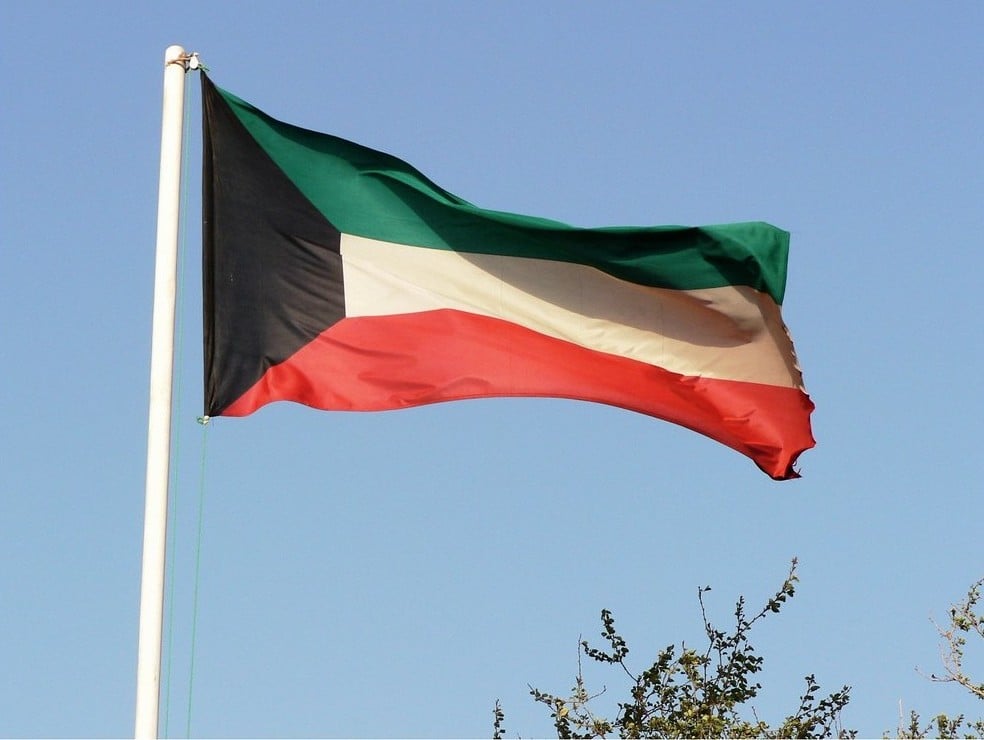
Kuwait asks for 20 consecutive years of residency from non-Arabs and 15 years from Arab nationals, but the timeline is just the beginning of your problems. You must be Muslim or convert to Islam, speak fluent Arabic, and maintain spotless financial records.
The country recently made things even tougher by eliminating the marriage pathway for foreign women through a 2024 decree. Between 2024 and 2025, Kuwait revoked over 42,000 citizenships in a massive denaturalization campaign.
Even if you manage to obtain citizenship, you can’t vote for 30 years, and if you ever leave Islam, your citizenship disappears instantly.
Saudi Arabia

The Kingdom demands 20 years of residency for citizenship eligibility, but living there for two decades doesn’t mean you’re getting approved. You’ll need fluency in Arabic covering reading, writing, and speaking.
The government uses a points system for skilled professionals and investors, with people spending over 7 million Saudi riyals (about 1.9 million dollars) able to fast-track their applications. Financial independence, social integration, and a spotless criminal record are non-negotiable.
Successful applicants typically fall into narrow categories like investors, scientists, or individuals personally sponsored by royalty. The process involves extensive interviews, security checks, and ministerial approval that can drag on for years.
United Arab Emirates
The UAE has opened its doors to long-term residence visas for wealthy investors and skilled professionals, but actual citizenship remains a fantasy for almost everyone. Only a few hundred people have received Emirati citizenship in recent years, and there’s no application process you can pursue on your own.
Citizenship comes by invitation only, granted to individuals who’ve made exceptional contributions to science, culture, or the economy. The criteria remain deliberately vague, and the government keeps tight control over who gets selected.
You could live in Dubai or Abu Dhabi for 40 years, build a successful business, and raise your family there without ever being considered for citizenship.
Switzerland
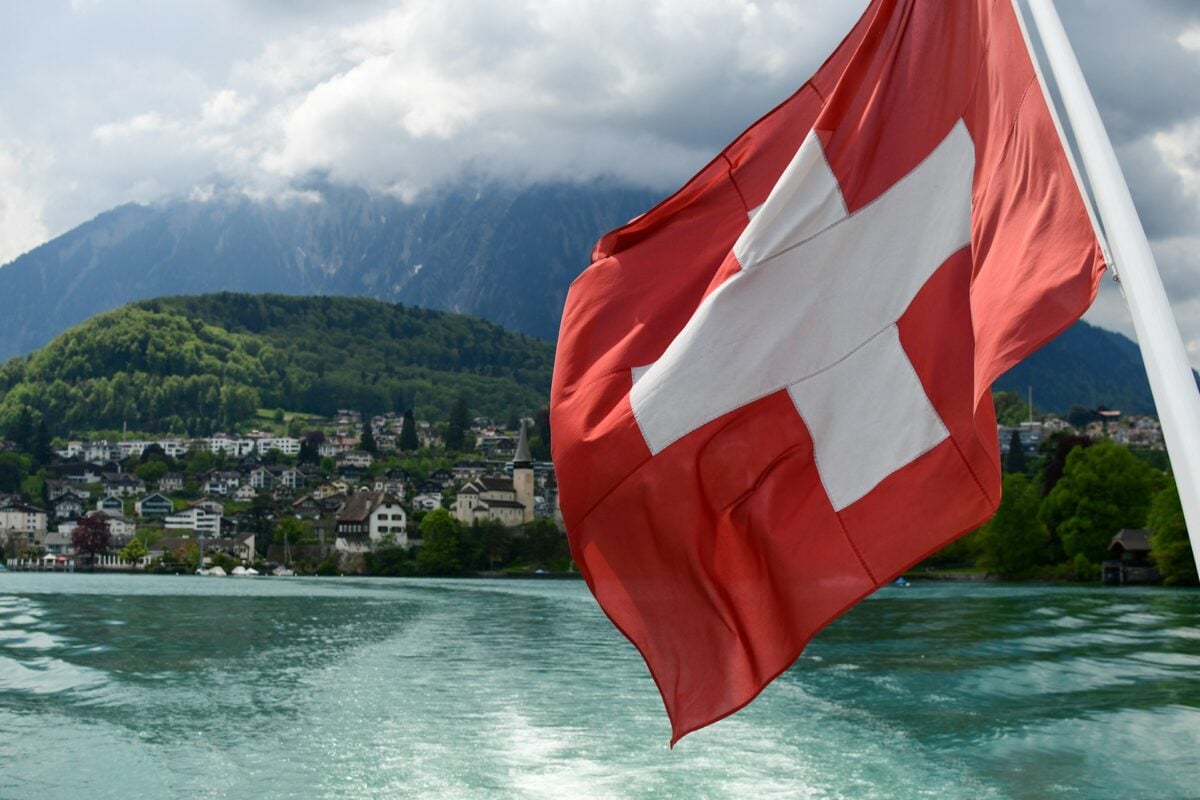
Beautiful Switzerland pairs its stunning Alps with one of Europe’s longest citizenship timelines at 10 years minimum residency. The Swiss don’t make things easy just because you’ve hit that decade mark.
You need to speak one of the national languages (German, French, Italian, or Romansh) at B2 level and write it at A2 level. The approval process happens at three different levels: federal, cantonal, and communal.
Local municipalities wield tremendous power and can deny your application even if you’ve met every federal requirement. In some regions, your neighbors essentially vote on whether you deserve to join their community.
A 2020 referendum rejected dual citizenship by more than 60 percent, so you’re giving up your original passport if you want a Swiss one.
Bhutan

This Himalayan kingdom has granted citizenship to only about 1,000 foreigners since 1949, which tells you everything you need to know about your chances. The Bhutanese Citizenship Act demands 15 years of residency, fluency in Dzongkha (the national language), and an absolutely clean criminal record.
Then comes the truly difficult part: a rigorous exam testing your knowledge of Bhutanese history, culture, and religion. Even after passing this gauntlet, citizenship isn’t guaranteed.
The government maintains complete discretion over whether to approve your application, and they frequently say no. During your residency period, any criticism of the monarchy can torpedo your chances permanently.
San Marino

One of the world’s smallest and oldest republics asks for 30 years of uninterrupted legal residence before you can apply for citizenship. That’s longer than most people’s entire careers.
After three decades of proving your commitment, your application goes before the Grand and General Council, which must approve it with a two-thirds majority. This parliamentary scrutiny results in fewer than 50 naturalizations per year in a country that wants to maintain its demographic balance.
San Marino offers sophisticated residency-by-investment programs starting at 500,000 euros, but those wealthy shortcuts provide exactly zero pathway to actual citizenship.
China

China reserves citizenship almost exclusively for people of Chinese descent, making it effectively closed to most foreigners. The country doesn’t recognize dual citizenship under any circumstances, so you’d have to renounce your current nationality.
Citizenship gets granted in extremely rare, strategic cases, usually to foreign athletes who can represent China in international competitions or scientists with crucial expertise. Being born on Chinese soil gives you no automatic right to citizenship unless at least one parent is Chinese.
The naturalization process is deliberately opaque, and approval rates hover near zero. Even marriage to a Chinese citizen rarely results in citizenship without extraordinary circumstances or connections.
Japan

Japan requires five years of continuous residence for naturalization, which sounds reasonable until you dig into the details. The application submitted to the Ministry of Justice includes exhaustive personal information that would make a background check look superficial.
Japan prohibits dual citizenship entirely, demanding that new citizens formally renounce their previous nationality in a ceremony. Immigration officials carefully evaluate your Japanese language skills and cultural adaptation, looking for evidence that you’ve truly embraced Japanese society.
The process can take anywhere from six months to several years depending on your individual circumstances. Japan’s strong desire to maintain cultural homogeneity makes them extremely selective about who gets accepted.
North Korea

Getting North Korean citizenship isn’t just difficult; it’s functionally impossible because no official process exists for foreigners. The hermit kingdom has zero interest in accepting new citizens from outside its borders.
Citizenship comes through descent from North Korean parents, and that’s essentially the only path. Marriage to a North Korean citizen provides no pathway to citizenship, and the government maintains no application process whatsoever.
Even if you somehow moved to North Korea and lived there for decades (which itself is nearly impossible), you’d remain a perpetual foreigner with no hope of naturalization. This makes North Korea arguably the single hardest country to obtain citizenship on the entire planet.
Austria

Austria has one of the most drawn-out citizenship procedures in the European Union.Anyone planning to stay longer than six months needs a resident visa, and those staying beyond 24 months must sign an Integration Agreement.
This agreement requires you to improve your German language proficiency and demonstrate your ability to participate in Austrian social, economic, and cultural life. The residency requirement stretches to 10 years, during which you’ll need to prove continuous German language improvement.
Unlike some countries where meeting requirements guarantees approval, Austrian authorities maintain significant discretion. You’ll also need to show you can earn a living, have contributed to the national pension system, and possess acceptable accommodation.
After eight years (seven if you pass a competency exam), you can apply, but only after renouncing citizenship in any other country.
Monaco

This glamorous principality on the French Riviera attracts billionaires and celebrities, but money alone won’t buy you a Monégasque passport. You need 10 consecutive years of residency before applying, and the government scrutinizes every application with intense skepticism.
Monaco wants to maintain its exclusive character and small citizen population of around 9,000 people. Financial stability is assumed given Monaco’s cost of living, but you’ll also need to prove French language proficiency and genuine integration into Monégasque society.
The approval rate stays deliberately low, and the government provides little transparency about what tips the scales toward acceptance. Even wealthy residents who’ve lived there for decades often find themselves stuck with residency status but no citizenship.
Finland

Language proficiency creates the biggest barrier to Finnish citizenship, and anyone who’s tried learning Finnish understands why. The Finnish language bears little resemblance to other European languages, with complex grammar and vocabulary that takes years to master.
You need 10 years of continuous residence (reduced to five years in certain circumstances), but that timeline means nothing if you can’t pass the language exam. Finnish authorities take language requirements seriously, testing your ability to communicate in everyday situations and professional contexts.
You’ll also need to demonstrate you can support yourself financially and haven’t committed any serious crimes. The combination of a difficult language and strict integration requirements keeps Finland’s naturalization numbers relatively low despite the country’s high quality of life.
When Citizenship Becomes a Privilege Few Can Claim

These nations have transformed citizenship from a reasonable goal into an almost mythical achievement. The barriers they’ve erected—whether through decades-long residency requirements, impossible language tests, or outright rejection of applications—reflect deeper anxieties about preserving identity in an increasingly connected world.
What once took five or ten years of commitment now demands 20, 25, or even 30 years of your life, and even then, approval remains uncertain. For millions of long-term residents in these countries, the passport of their adopted home stays forever out of reach, leaving them as permanent outsiders in the only place they know as home.
More from Go2Tutors!

- The Romanov Crown Jewels and Their Tragic Fate
- 13 Historical Mysteries That Science Still Can’t Solve
- Famous Hoaxes That Fooled the World for Years
- 15 Child Stars with Tragic Adult Lives
- 16 Famous Jewelry Pieces in History
Like Go2Tutors’s content? Follow us on MSN.



