15 Haute Couture Secrets You Didn’t Know
Haute couture exists in a world of intense luxury and exclusivity, rarely seen by anyone outside the inner circle. Behind the glitz of runway shows and the glamour of red carpet gowns, there’s a whole hidden system of traditions, craftsmanship, and closely guarded secrets. These fashion houses protect their knowledge and techniques fiercely—sometimes even more than government secrets. From unusual client customs to astonishing prices for a single dress, the rules that govern haute couture would seem bizarre in almost any other business.
Most fashion lovers admire the stunning results but rarely understand what goes on behind those ornate atelier doors. Here are 15 fascinating haute couture secrets you probably didn’t know.
Only 21 brands can legally call themselves haute couture

The label “haute couture” isn’t just a marketing ploy—it’s a legally protected term controlled by the French government through the Chambre Syndicale de la Haute Couture. To qualify, fashion houses must meet very strict standards: they need at least 15 full-time employees, present two collections per year with a minimum of 25 original designs, and maintain an atelier based in Paris.
Right now, only 21 fashion houses have this coveted status, making it more exclusive than admission to an Ivy League school.
Fittings can take up to 10 sessions per garment

Creating a single haute couture gown can involve up to 10 separate fittings spread over several months. Some clients fly to Paris repeatedly just to perfect one dress. Each session focuses on tiny adjustments where seamstresses pin and re-pin the fabric until the garment fits flawlessly—like a second skin.
These sessions are so detailed that it’s common for clients and fitters to develop close, lasting relationships.
Like Go2Tutors’s content? Follow us on MSN.
Dresses are cut and sewn entirely by hand

Every haute couture dress is made using centuries-old hand-sewing techniques, with seamstresses sometimes spending as many as 700 hours on one gown. No machines are used in constructing the actual garment—even buttonholes are stitched by hand using methods passed down through generations.
This painstaking craftsmanship means couture pieces often last well beyond their owners’ lifetimes, becoming treasured family heirlooms.
Clients remain anonymous through elaborate code systems

To protect privacy, haute couture houses assign famous clients coded numbers or pseudonyms known only to senior staff. Purchase records are stored in locked safes, and employees sign confidentiality agreements that remain in effect long after they leave.
Some houses even use separate entrances and private elevators to ensure clients don’t cross paths during fittings.
Fabric costs can exceed the price of a luxury car
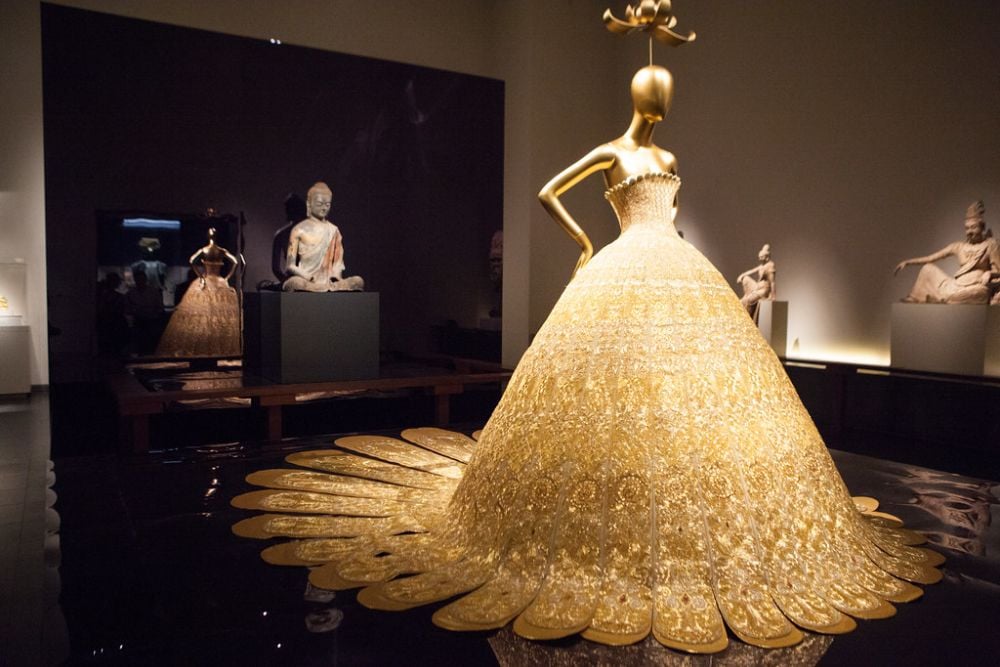
Fabrics used in haute couture can cost more than most people’s annual income. Rare silks priced at over $1,000 per yard, hand-embroidered laces that take months to make, and vintage textiles from closed mills push fabric costs for a single dress into six figures.
Some houses buy entire bolts of exceptional fabric just to guarantee enough material for one masterpiece.
Like Go2Tutors’s content? Follow us on MSN.
Embellishments are applied using medieval techniques

The beadwork and embroidery on couture gowns rely on handcrafting methods dating back to medieval times. Artisans at specialized workshops, such as Lesage, may spend months decorating a single dress. Every bead, sequin, and embroidered thread is applied by hand using traditional tools unchanged for centuries.
Some garments are so heavily embellished that the decorations alone can weigh over 20 pounds.
Sample sizes don’t exist in traditional measurements

Haute couture doesn’t use standard sizing. Instead, every piece is custom-made to a client’s precise measurements, which are carefully recorded during extensive fittings. Fashion houses keep detailed measurement files that sometimes go back decades, allowing them to create garments even when clients can’t attend fittings in person.
These records are treated with the utmost confidentiality, much like medical records.
Garments are never sold off the rack
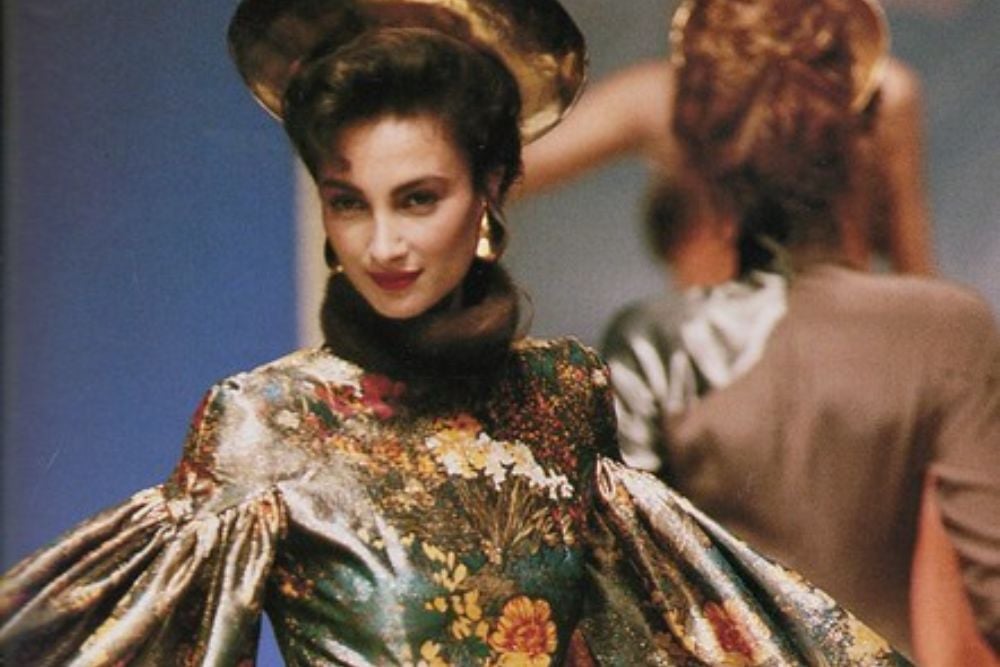
Unlike ready-to-wear fashion, haute couture pieces aren’t available for immediate purchase. Each garment is commissioned and crafted specifically for its buyer, often beginning six months before it’s needed.
Deposits frequently start at $50,000 before any sewing begins, and houses often turn away customers who expect quick turnaround or don’t understand the time involved.
Like Go2Tutors’s content? Follow us on MSN.
Seamstresses train for years before touching client garments

Apprentice seamstresses spend as long as seven years learning their craft before working on real client pieces. They start by preparing materials and watching senior artisans, gradually mastering dozens of specialized hand-sewing techniques.
Understanding how different fabrics behave and meeting haute couture’s exacting standards is crucial. Many apprentices never reach the level of premier main d’atelier, the master seamstresses who oversee garment construction.
Prices are never publicly disclosed
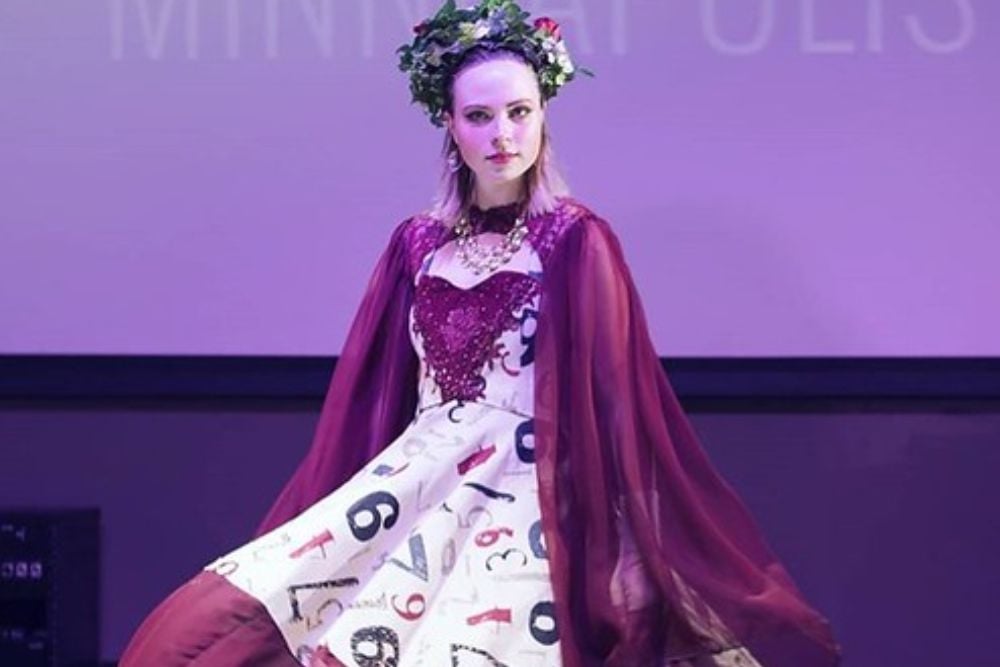
Haute couture houses keep their prices under wraps, revealing costs only in private consultations with vetted clients. This secrecy lets houses tailor pricing based on the complexity of the piece and the client’s relationship with the brand.
Industry insiders say simple day dresses start around $80,000, while elaborate evening gowns can top $500,000.
Collections are shown to clients before public runway shows
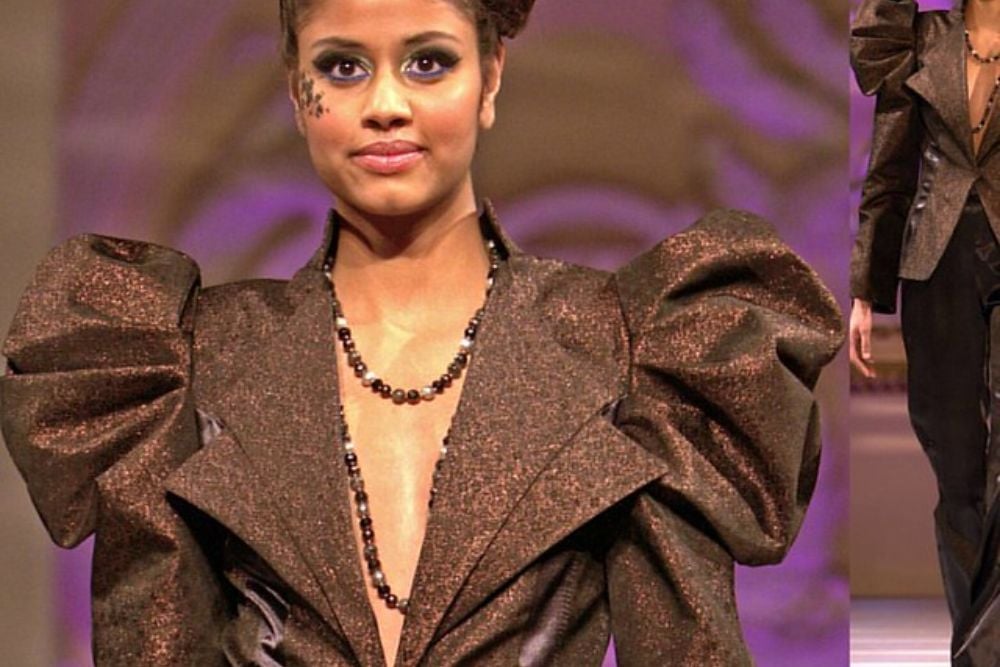
VIP clients get sneak peeks of new collections weeks before public runway shows. These private events, often held in lavish salons, let clients examine garments closely and discuss customizations with designers.
The most important customers often influence designs, requesting exclusive colors or embellishments that won’t appear elsewhere.
Like Go2Tutors’s content? Follow us on MSN.
Storage and care instructions read like scientific protocols

Haute couture garments come with detailed care instructions resembling scientific guidelines. They specify exact temperature and humidity levels for storage, special cleaning methods, and precise handling procedures.
Some dresses require climate-controlled storage and regular maintenance visits from house experts. Many owners build custom closets to meet these exacting needs.
Waitlists can span decades

The most sought-after couture houses have waitlists stretching 10 to 15 years. New clients sometimes wait decades for their first commission. Entry onto these lists usually requires referrals from existing clients or strong industry connections.
Some houses accept only a handful of new clients annually, making their clientele more exclusive than most private clubs.
Artisan workshops are more secretive than government facilities

The specialized workshops that create handmade buttons, embroidery, and other details operate under intense secrecy. Workers are forbidden from sharing techniques or client information. These ateliers, often hidden in unmarked Paris buildings, employ security rivaling jewelry manufacturers.
Master artisans guard their skills so carefully that some techniques die with them rather than being passed on.
Like Go2Tutors’s content? Follow us on MSN.
Return policies don’t exist
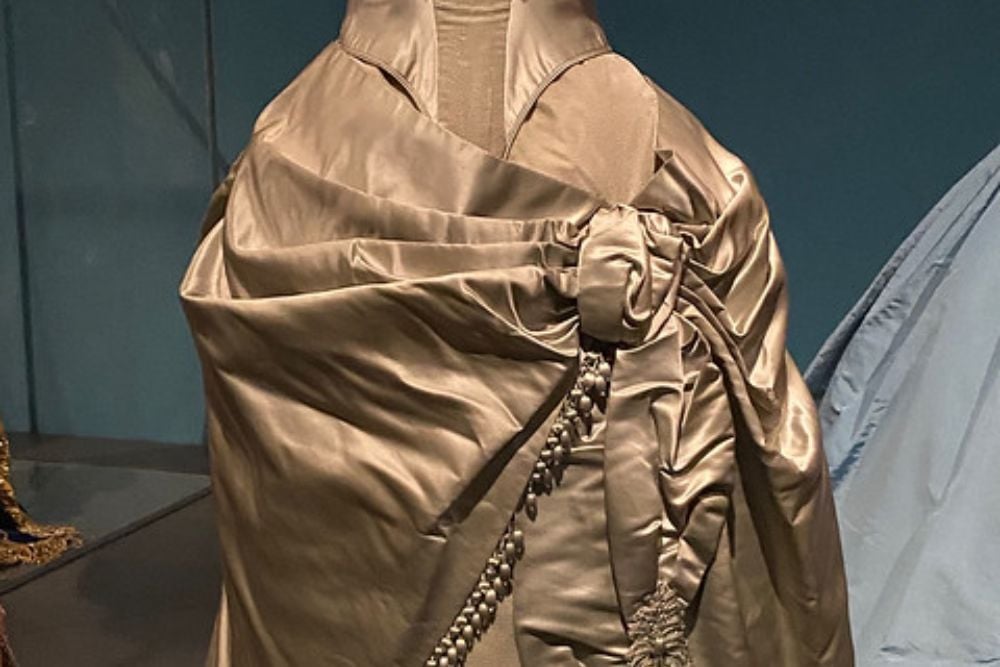
Once a couture piece is delivered, there are no returns, exchanges, or refunds. Each garment is so tailored to one individual that resale isn’t possible. However, alteration services are offered for size or style changes, but these can cost tens of thousands of dollars.
This policy reflects the uniqueness and permanence of haute couture ownership.
Where craftsmanship meets modern luxury
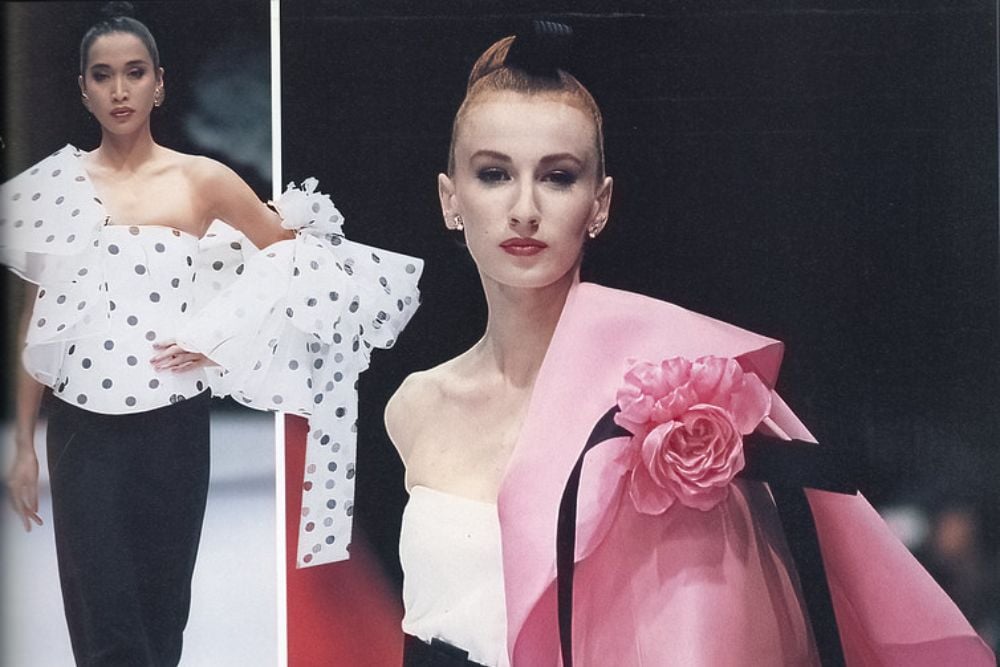
These insights reveal that haute couture is far more than just expensive clothing. It’s a celebration of traditional craftsmanship living within a world of modern luxury. The industry’s commitment to secrecy, exclusivity, and perfection elevates these garments to a nearly mythical status, justifying their incredible price tags.
While much of the fashion world embraces fast trends and digital innovation, haute couture remains a bastion of deliberate antiquity, showing that some customers will always pay premium prices for handmade artistry and unparalleled exclusivity. Knowing these behind-the-scenes facts helps explain why haute couture continues to mesmerize, even those who may never own a piece.
More from Go2Tutors!

- 16 Historical Figures Who Were Nothing Like You Think
- 12 Things Sold in the 80s That Are Now Illegal
- 15 VHS Tapes That Could Be Worth Thousands
- 17 Historical “What Ifs” That Would Have Changed Everything
- 18 TV Shows That Vanished Without a Finale
Like Go2Tutors’s content? Follow us on MSN.