Concerts Performed For The Weirdest Audiences
Most performers spend their careers chasing human applause. Standing ovations, screaming fans, encores demanded by thousands of voices. But some concerts have unfolded before audiences that couldn’t clap, couldn’t cheer, and in some cases couldn’t even see the stage.
These performances challenge everything you might assume about why musicians play and who they play for. The stories range from deliberate artistic statements to accidents of circumstance to genuine scientific experiments.
What they share is a willingness to perform when the crowd defies every expectation of what an audience should be.
2,292 Plants at the Barcelona Opera House

When the Gran Teatre del Liceu reopened after pandemic lockdowns in June 2020, the seats weren’t filled with opera enthusiasts. They were filled with ferns, palms, and potted houseplants.
The Uceli Quartet performed Puccini’s “Crisantemi” to rows upon rows of greenery, creating one of the strangest sights in classical music history. Conceptual artist Eugenio Ampudia designed the event to reflect on humanity’s relationship with nature during a period of forced isolation.
The performance was livestreamed to humans watching from home while the plants sat in the ornate red velvet seats normally reserved for Barcelona’s cultural elite. After the concert ended, all 2,292 plants were donated to healthcare workers as a thank-you for their pandemic service.
Inmates at Folsom Prison

Johnny Cash didn’t just perform at Folsom State Prison in January 1968. He became permanently linked to the place through one of the most legendary live albums ever recorded.
The audience consisted of convicted criminals serving hard time at one of California’s toughest correctional facilities. Armed guards stood on walkways above the crowd.
The warden had prohibited standing during the performance. Cash had been receiving letters from prisoners for years, ever since “Folsom Prison Blues” became a hit in 1955.
They requested he come play for them. He finally did, tailoring his setlist specifically for an audience of incarcerated men. The performance revitalized his career and produced an album that went to number one on the country charts.
The inmates cheered wildly when Cash performed “Greystone Chapel,” a song written by Folsom inmate Glen Sherley, who was sitting in the audience not knowing Cash had learned his composition just the night before.
Cows in a Danish Pasture

In Denmark, a group of eight cellists from the Scandinavian Cello School discovered that their music school neighbored a cattle farm. What started as a publicity stunt became a weekly ritual.
The cellists, dressed in full concert attire, set up on hay bales and performed classical pieces for a herd of Hereford cows. The cows responded in unexpected ways.
They gathered close during Liszt’s Hungarian Rhapsodies. They wandered off during Dvořák.
One cellist noted their audience had developed surprisingly discerning tastes. Farmer Mogens Haugaard observed that the cows could tell when the musicians were relaxed, and that classical music seemed to calm both the performers and the livestock.
Studies have suggested cows produce more milk when exposed to slow, calming music, though the science remains debated.
Confused London Office Workers

On January 30, 1969, the Beatles climbed to the roof of their Apple Corps headquarters at 3 Savile Row in central London and started playing. Nobody knew they were going to do it.
The audience materialized spontaneously: office workers on lunch breaks, pedestrians who stopped on the street, employees in neighboring buildings who came to their windows wondering what the racket was about. The performance lasted 42 minutes before police arrived to shut it down.
Some spectators loved it. Others complained bitterly about the noise disrupting their workday.
One bank manager famously called police to demand the “bloody noise” stop. The Beatles played five songs multiple times while people on the street craned their necks upward, many unable to even see the band.
It became their final public performance together.
A 17-Piece Jazz Band Playing for Dairy Cows
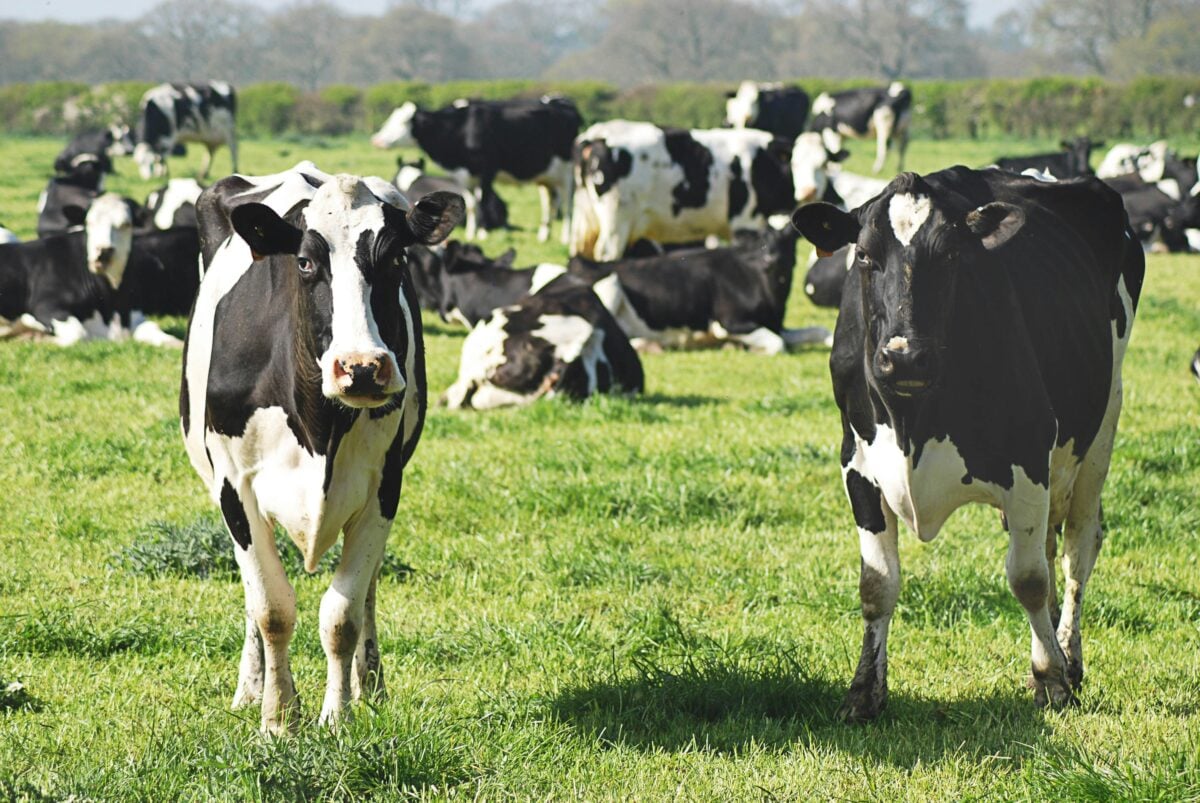
Ed Henderson manages Shenandoah Dairy in North Central Florida, overseeing roughly 3,700 cows. He also plays trombone in a 17-piece jazz band called the Gateway City Big Band.
Eventually, these two worlds collided in the most logical way possible: Henderson invited his entire jazz ensemble to perform a full concert for his cattle. The band set up in the middle of the pasture, surrounded by endless green fields in all directions.
The cows wandered closer as the music started, gathering around the musicians with apparent curiosity. Henderson believes in the therapeutic power of music for his animals and wanted to give back to the herd he cares for daily.
The concert went viral online, with millions of people watching footage of bovines swaying to brass arrangements.
Plants in the Royal Philharmonic’s Audience
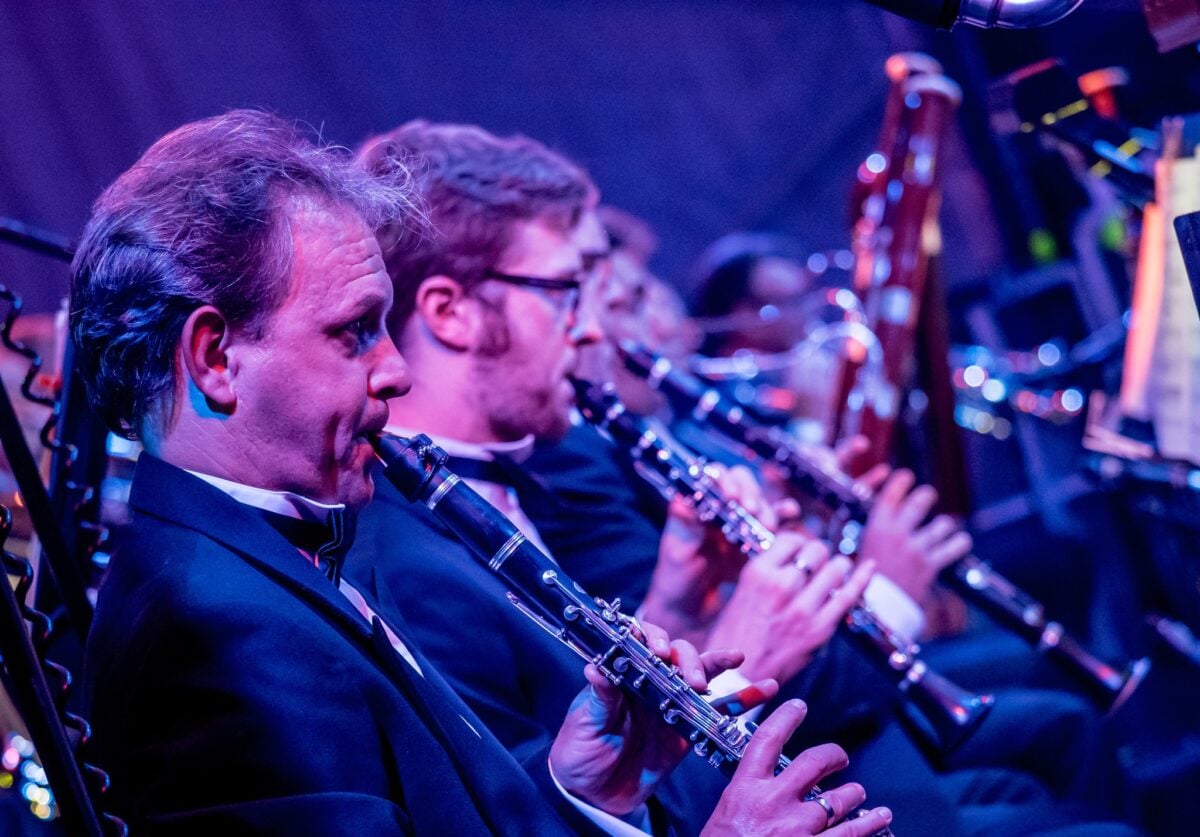
The Barcelona opera house wasn’t the only venue to experiment with botanical attendees. In 2021, the Royal Philharmonic Orchestra performed a three-hour recital at Cadogan Hall in London for an audience of more than 100 varieties of potted plants.
Mozart’s Eine Kleine Nachtmusik and his 40th Symphony filled the hall while rows of greenery sat in silence. The goal was to determine whether live classical music might help the plants flourish over subsequent months.
Conductor Benjamin Pope noted the experience was “slightly unnerving” to see bowed heads instead of applauding human beings. The concept draws on disputed research suggesting plants respond positively to certain types of music, though critics point out that plants show no preference between classical symphonies and the sound of dripping water.
Swimmers at a Lake in Armenia
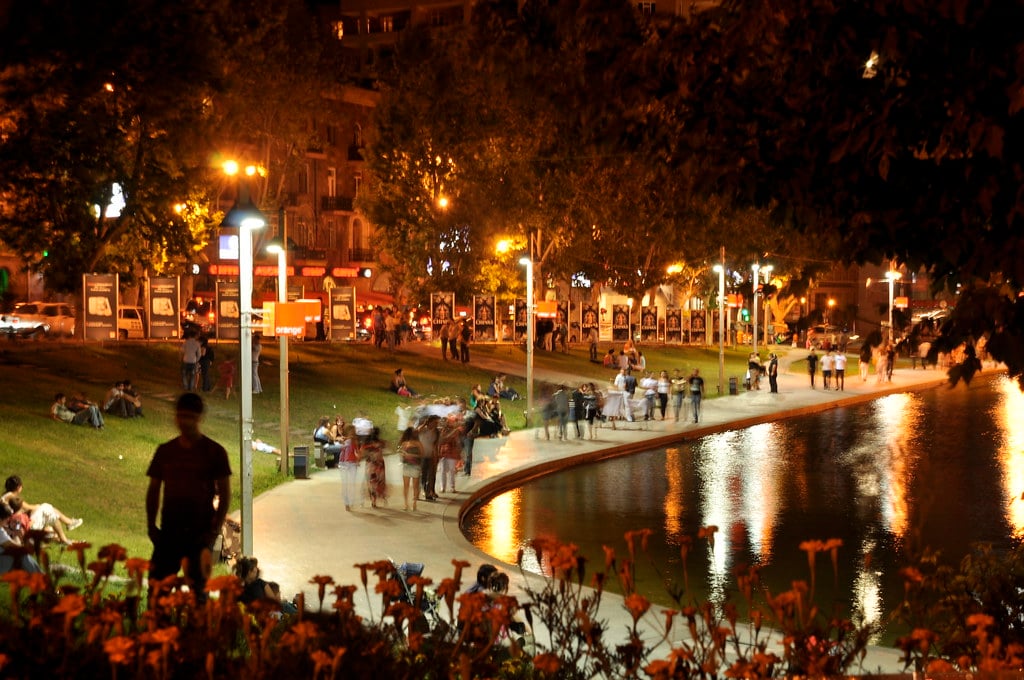
Kanye West woke up Kim Kardashian in their hotel room in Yerevan, Armenia in April 2015 and told her he was doing a free concert at midnight. Thousands of people showed up at Swan Lake in the Armenian capital for an impromptu performance that included “Stronger,” “Jesus Walks,” and “Power.”
The audience was standing on both sides of the lake, creating a separation between performer and fans that Kanye decided to solve in the most direct way possible. During “Good Life,” he announced he was going to do something different and jumped into the water.
Dozens of fans followed him in, turning a concert into a chaotic swimming party. Police shut the performance down shortly after, with security guards wading into the lake to escort the rapper to safety.
Musicians Submerged in Individual Aquariums

Danish ensemble Between Music spent nearly a decade developing AquaSonic, a concert performed entirely underwater. Each of the five musicians submerges in their own glass-walled tank, playing specially designed instruments that can produce sound beneath the surface.
They surface periodically during choreographed movements to breathe. The instruments include a hydraulophone (an underwater organ), a crystallophone related to the glass harmonica Benjamin Franklin invented, and a rotacorda inspired by the Byzantine hurdy gurdy.
The music that emerges sounds like whale songs filtered through human intention. Preparing for a single 50-minute performance requires nearly six hours of rehearsal in the tanks, with water kept at body temperature to prevent the musicians from getting cold.
The Vegetable Orchestra’s Various Audiences

The Vienna Vegetable Orchestra has performed over 340 concerts since 1998, playing instruments crafted entirely from fresh produce. Before each show, the 11 members arrive with 20 knives, six power drills, wood and metal drill bits, and 100 to 150 kilograms of vegetables.
They spend two hours building carrot flutes, pepper trumpets, pumpkin drums, and cucumber-phones. The audience receives an experience involving multiple senses: the sight of musicians earnestly playing root vegetables, the sound of organic tones that shift between guttural and electronic, and eventually the smell of soup.
Every vegetable that serves its musical purpose gets chopped and cooked on stage. At the end of each concert, the audience gets to eat the instruments.
Shoppers at an Impromptu Location
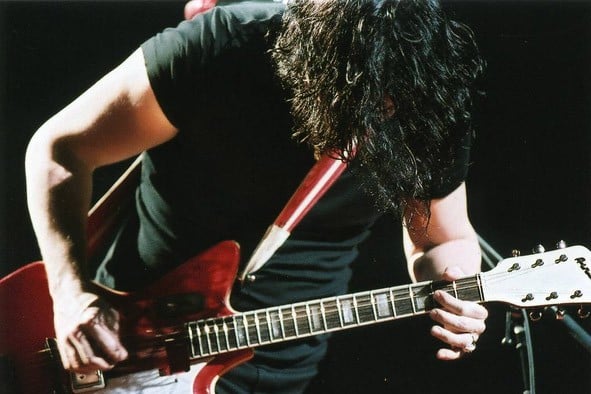
During their meteoric rise, The White Stripes performed at unconventional locations that put them in front of audiences who weren’t expecting rock music. Jack and Meg White played stripped-down sets in bookstores, bowling alleys, and other spaces where shoppers and patrons suddenly found themselves at a concert they hadn’t planned to attend.
The duo’s minimalist approach—just guitar, drums, and voice—made these guerrilla performances possible. No elaborate setup required.
They could appear, blast through a set of raw garage rock, and disappear before anyone fully processed what had happened. The startled shoppers and casual browsers became involuntary concert attendees, confronted with one of rock’s most intense live acts in the middle of their ordinary day.
Fish and Marine Life in Florida

The Lower Keys Underwater Music Festival has been staging concerts for marine life for over 38 years at Looe Key Reef in the Florida Keys. Divers and snorkelers gather while a local radio station pipes music through underwater speakers positioned near the coral reef.
The fish don’t buy tickets, but they definitely attend. The event exists primarily to raise awareness about coral reef conservation, with organizers careful to set up equipment in sandy areas away from the reef itself.
Performers play along with tracks including the theme from The Little Mermaid and the Beatles’ “Yellow Submarine.” Attendees dress as mermaids, sharks, and various sea creatures.
The fish seem indifferent to the genre selections, continuing their usual routines while human visitors float nearby pretending to perform for them.
Jazz Musicians and Wisconsin Cows in 1930

Long before viral videos made cow concerts internet fodder, a group called The Ingenues serenaded cattle at the University of Wisconsin-Madison in August 1930. The 25-woman jazz orchestra had just finished performing at a local theater and agreed to participate in an experiment about music’s effect on milk production.
A local newspaper reported on the meeting between an “enthusiastic band of girls” and “astonished cows.” The experiment produced no definitive results because, as the paper noted, “the cows were too astonished by the unusual threat to respond in an anticipated way.”
The musicians suggested that for reliable data, bands should perform every day during milking time. No university took them up on the proposal.
When the Stage Becomes Secondary
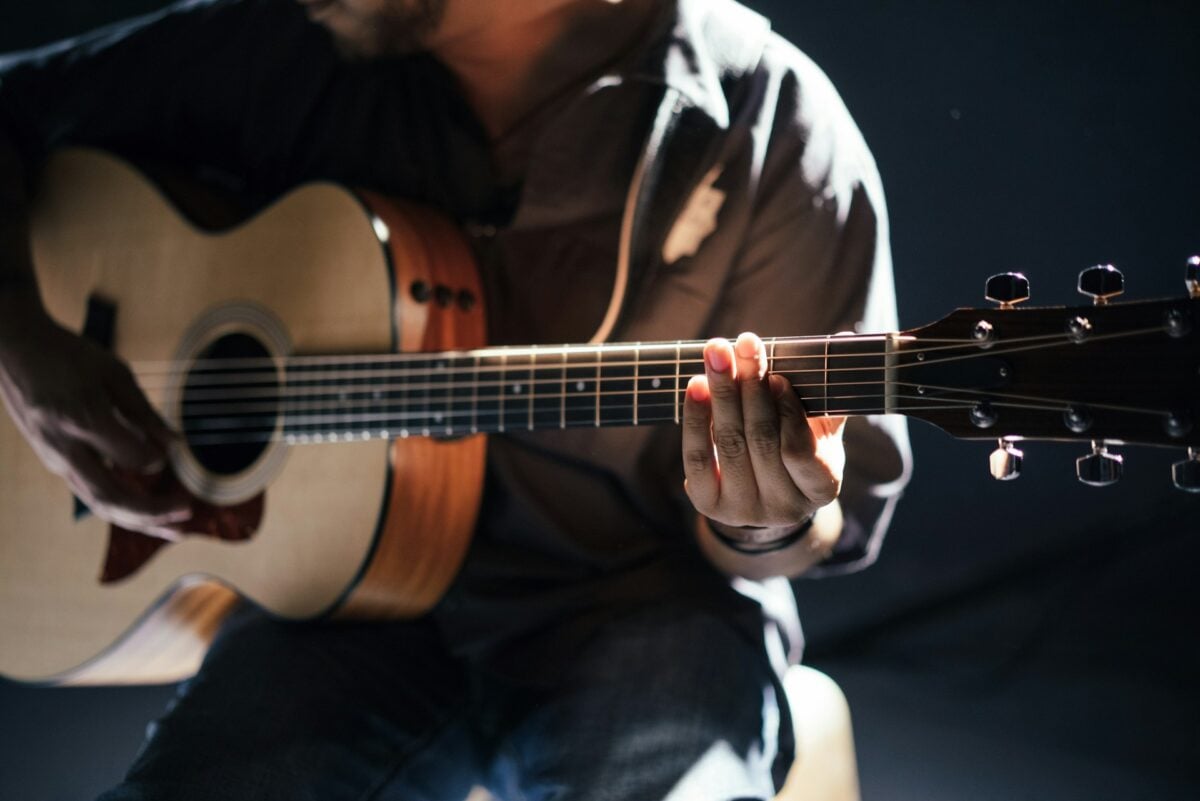
These performances share something beyond their unusual audiences. They reveal that music exists independently of human appreciation.
A cow doesn’t know it’s hearing jazz. A plant has no concept of Puccini.
Prison walls don’t make applause any less meaningful to the performer giving everything on stage. The musicians who play these shows often describe the experiences as among their most memorable.
Stripped of normal audience feedback, they discover something about why they perform in the first place. The music continues whether anyone claps or not.
And sometimes the weirdest audiences become the ones you never forget.
More from Go2Tutors!

- 16 Historical Figures Who Were Nothing Like You Think
- 12 Things Sold in the 80s That Are Now Illegal
- 15 VHS Tapes That Could Be Worth Thousands
- 17 Historical “What Ifs” That Would Have Changed Everything
- 18 TV Shows That Vanished Without a Finale
Like Go2Tutors’s content? Follow us on MSN.



