15 Historic Meals That Altered Diplomatic History
Throughout history, some of the most significant diplomatic breakthroughs haven’t happened in grand assembly halls or formal negotiation rooms, but around dinner tables. Food has a unique ability to disarm tensions and create an atmosphere conducive to honest conversation and relationship building.
Here is a list of 15 historic meals that fundamentally altered the course of diplomatic relations and, consequently, world history.
Nixon’s Beijing Banquet
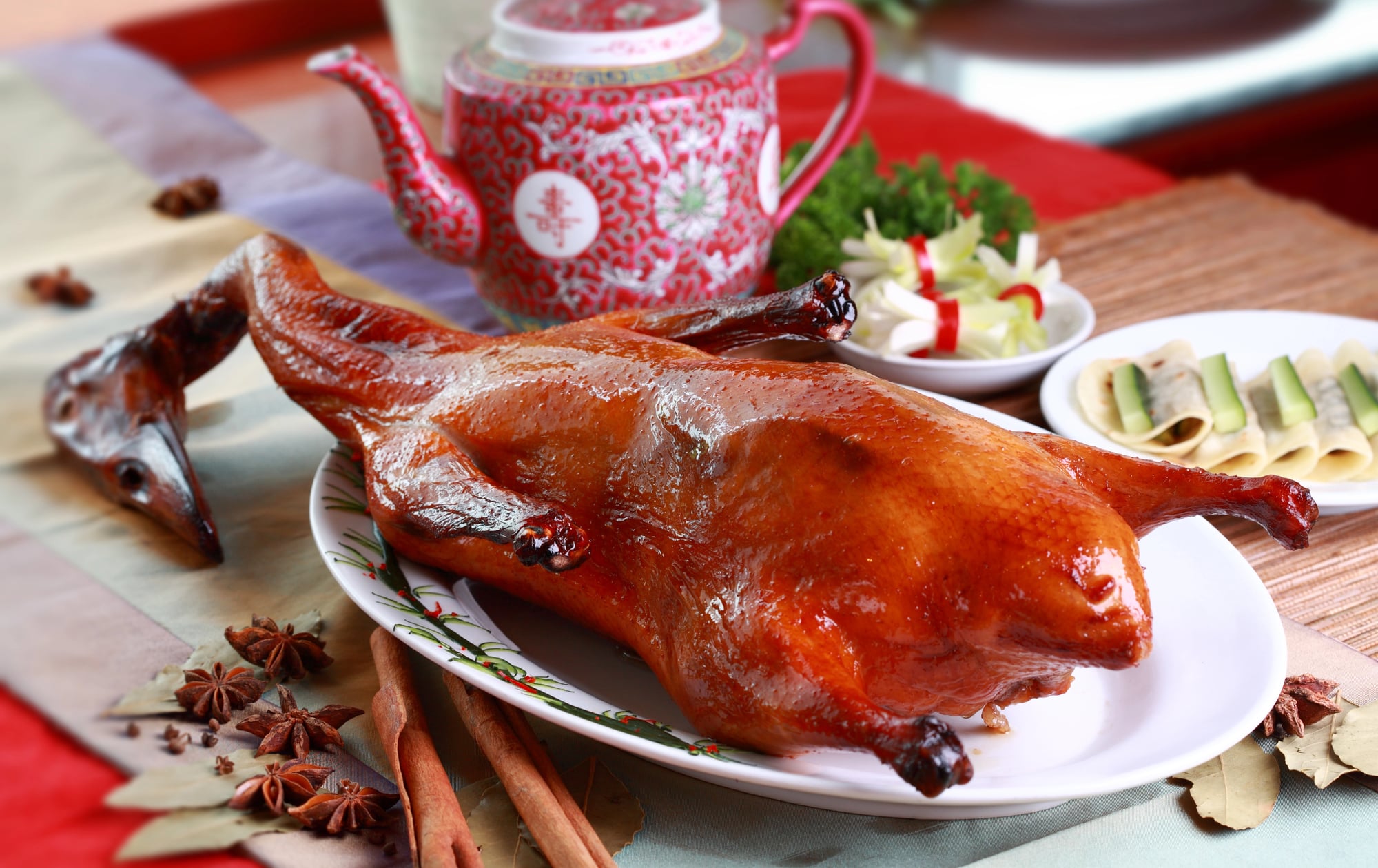
In February 1972, President Richard Nixon attended a lavish state banquet in Beijing hosted by Premier Zhou Enlai. The meal featured Peking duck and Moutai liquor, marking the first time an American president had visited Communist China.
This dinner symbolized the beginning of normalized relations between the two superpowers that had been locked in mutual isolation for over two decades.
Camp David Peace Accords Dinner
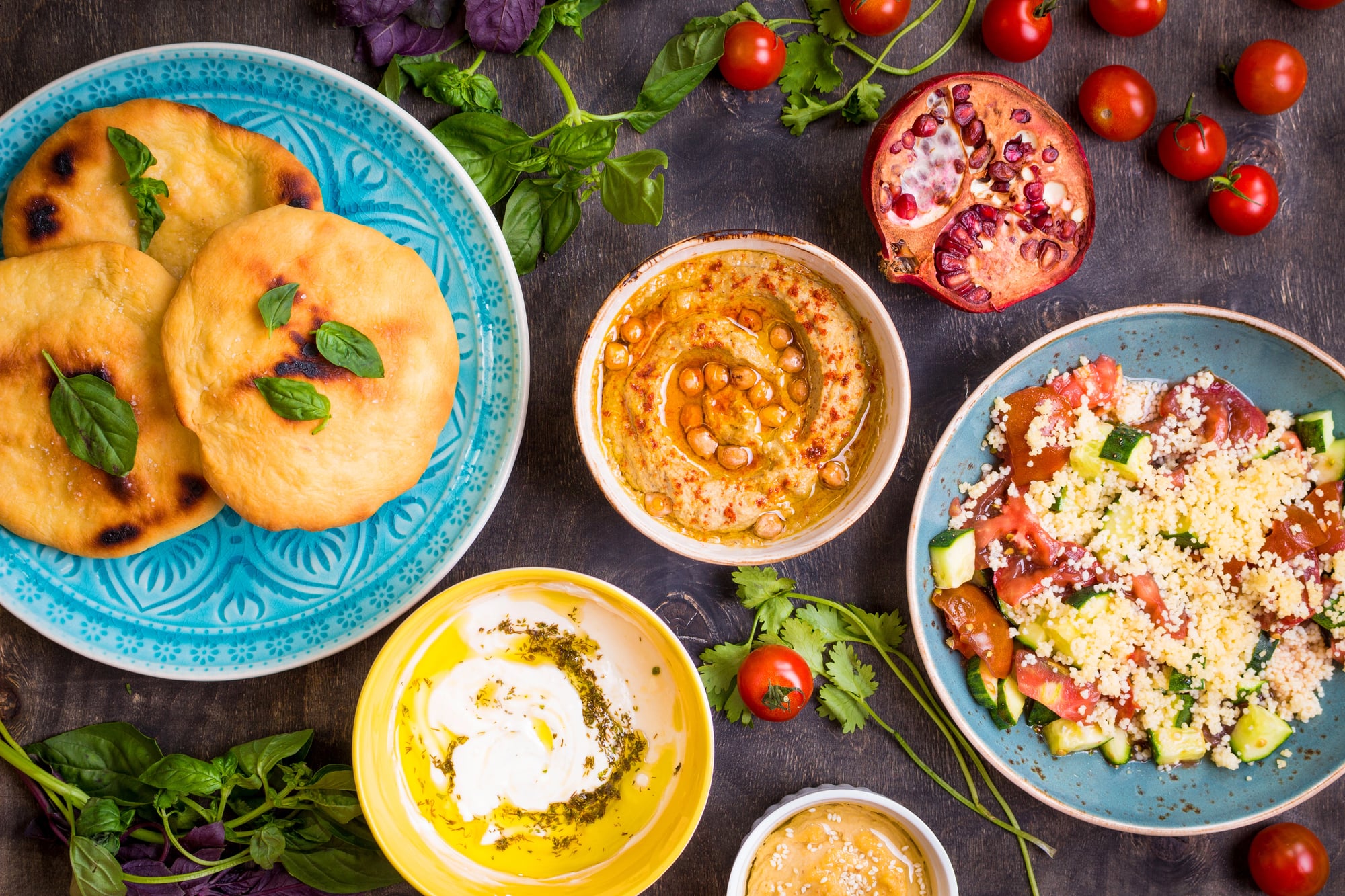
The famous 1978 dinner at Camp David brought together Egyptian President Anwar Sadat and Israeli Prime Minister Menachem Begin. Over a meal of traditional Middle Eastern cuisine, President Jimmy Carter facilitated discussions that led to the historic peace treaty between Egypt and Israel.
The informal dining atmosphere helped break down barriers between leaders whose nations had been at war for decades.
Like Go2Tutors’s content? Follow us on MSN.
Potsdam Conference Meals

The meals shared by Truman, Churchill (later Attlee), and Stalin during the 1945 Potsdam Conference set the stage for post-World War II geopolitics. These dinners, often featuring American steaks and Soviet vodka, established the framework for how the Allied powers would handle defeated Germany and the emerging Cold War power structure.
Diplomatic historians often note how the atmosphere at these meals reflected the shifting power dynamics.
Kennedy-Khrushchev Vienna Lunch
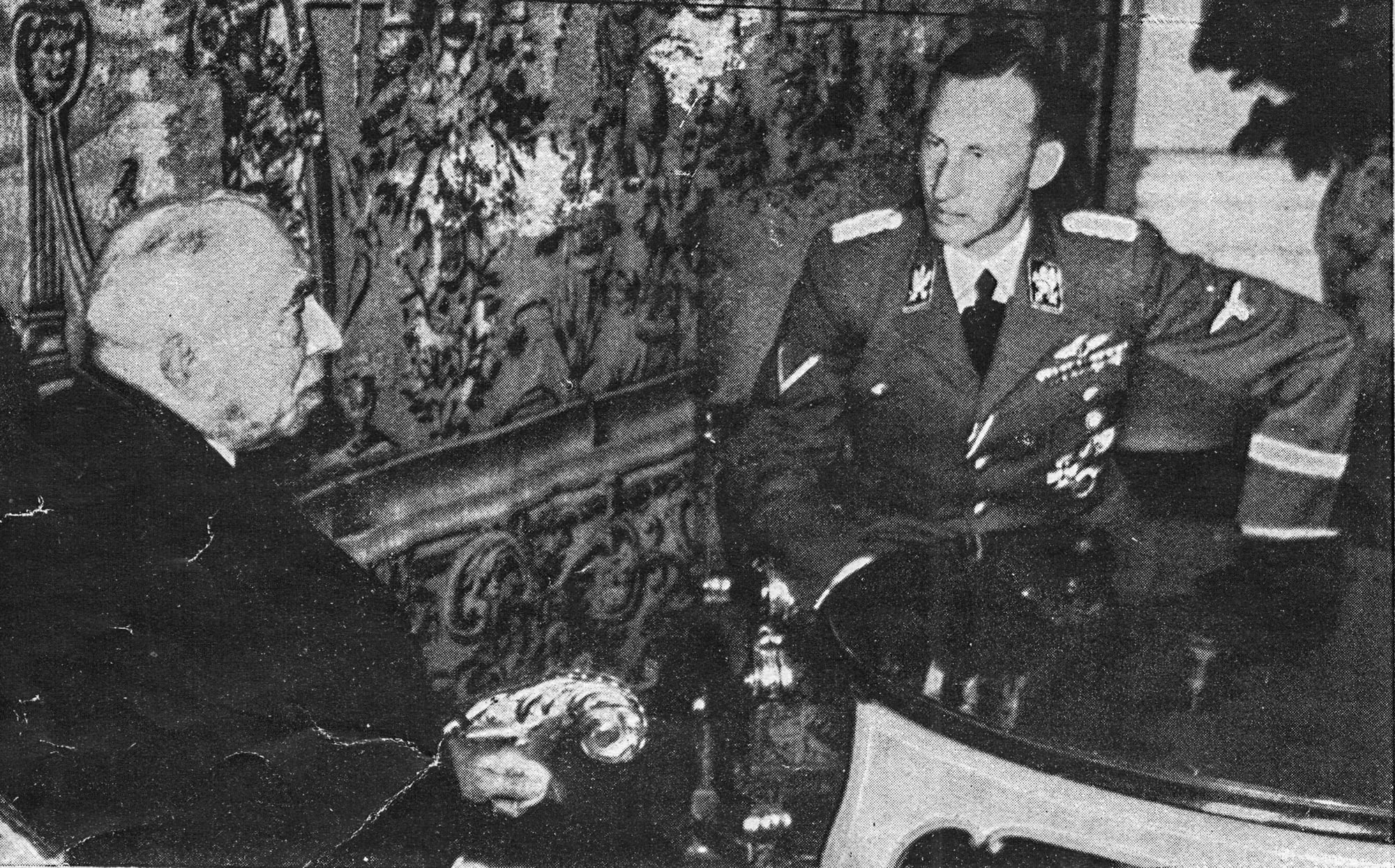
The 1961 lunch between John F. Kennedy and Nikita Khrushchev in Vienna might have seemed cordial, but the conversations over traditional Austrian fare were tense and consequential. Kennedy later admitted feeling overwhelmed by Khrushchev’s aggressive stance.
This meal directly influenced Kennedy’s approach to the Cuban Missile Crisis and Cold War strategy in the following years.
Reagan-Gorbachev Geneva Dinner
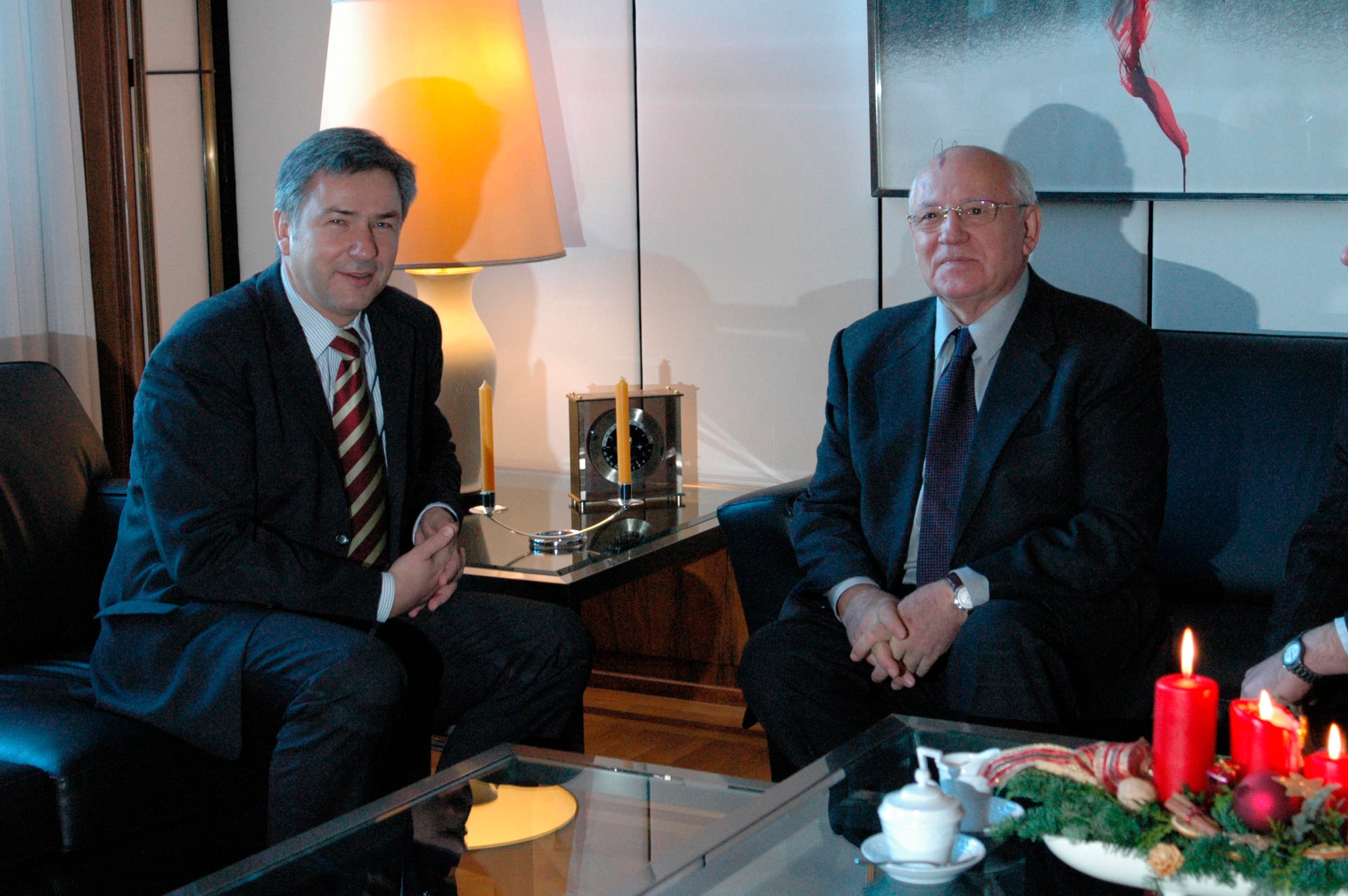
A private dinner in 1985 between Ronald Reagan and Mikhail Gorbachev in Geneva created unexpected personal chemistry between the leaders. Over a meal featuring American and Russian specialties, the two found common ground despite deep ideological differences.
This dinner laid the groundwork for later summits that would help end the Cold War and reduce nuclear arsenals.
Like Go2Tutors’s content? Follow us on MSN.
Jefferson’s Dinner Compromises

Thomas Jefferson regularly hosted intimate dinners at the White House where he seated political rivals next to each other with fine wine flowing freely. In 1790, one such dinner with Alexander Hamilton and James Madison resulted in the famous compromise that established Washington D.C. as the nation’s capital in exchange for federal assumption of state debts.
Jefferson understood that good food and wine could accomplish what formal meetings could not.
Yalta Conference Feasts

The elaborate meals during the 1945 Yalta Conference featured lavish Russian hospitality with countless toasts of vodka and champagne. Churchill, Roosevelt, and Stalin made critical decisions about the post-war world order while dining together.
The social dynamics at these meals, where Stalin served as an attentive host, helped establish the personal relationships that would shape the early Cold War years.
The Reykjavik Summit Dinner
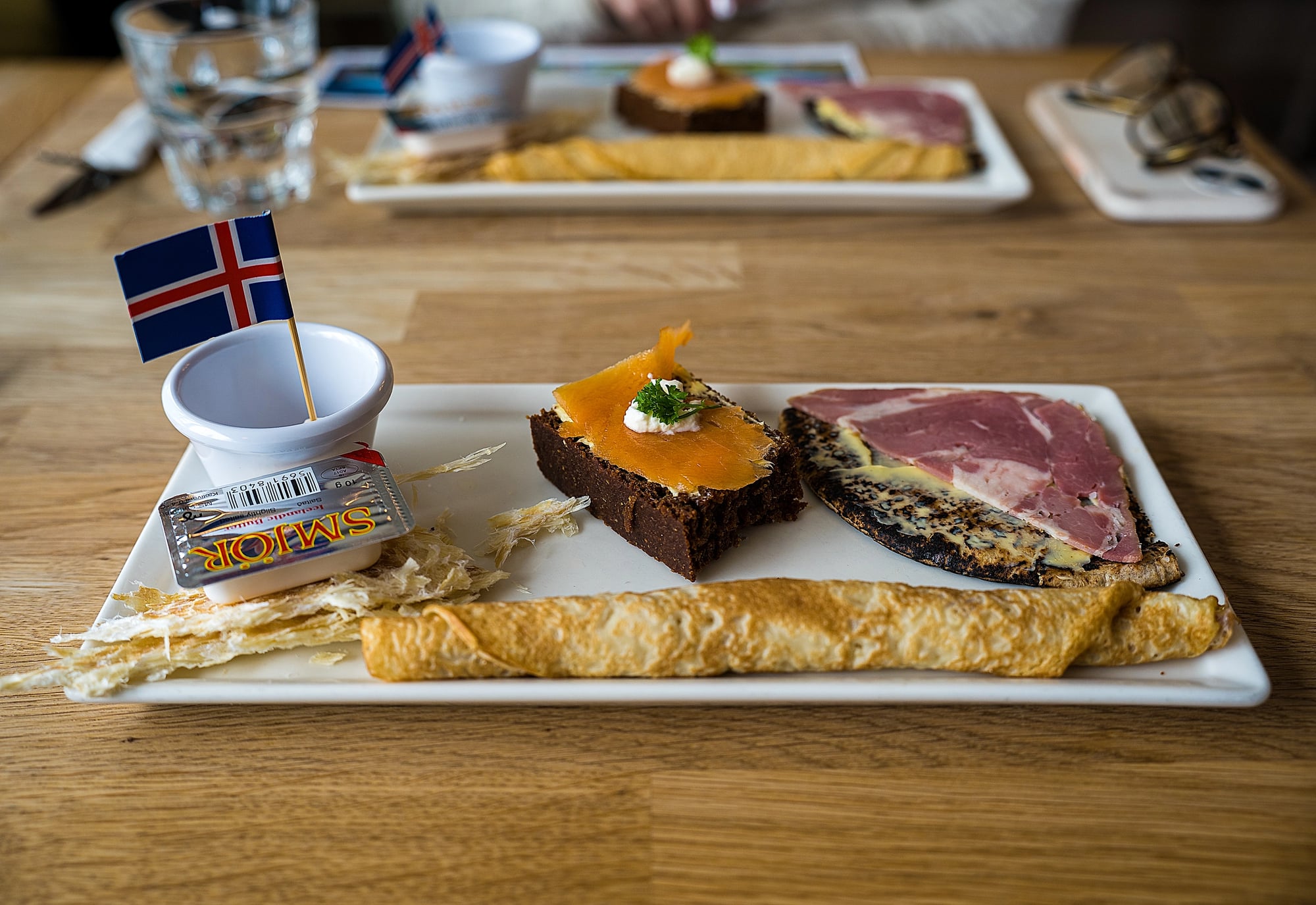
An intimate dinner in 1986 between Reagan and Gorbachev in Iceland nearly resulted in an agreement to eliminate all nuclear weapons. Over traditional Icelandic cuisine, the leaders found surprising common ground on arms reduction.
Though the final agreement collapsed over SDI (Strategic Defense Initiative) disagreements, this meal set the stage for future treaties that significantly reduced nuclear arsenals.
Like Go2Tutors’s content? Follow us on MSN.
Treaty of Paris Negotiations Dinner

The 1783 peace negotiations ending the American Revolutionary War took place partly over elegant dinners in Paris. Benjamin Franklin, known for his diplomatic charm, used these meals with British negotiators to secure surprisingly favorable terms for the fledgling United States.
French cuisine and wine helped soften positions and create an atmosphere of reconciliation after years of bitter conflict.
Clinton’s Middle East Peace Dinner
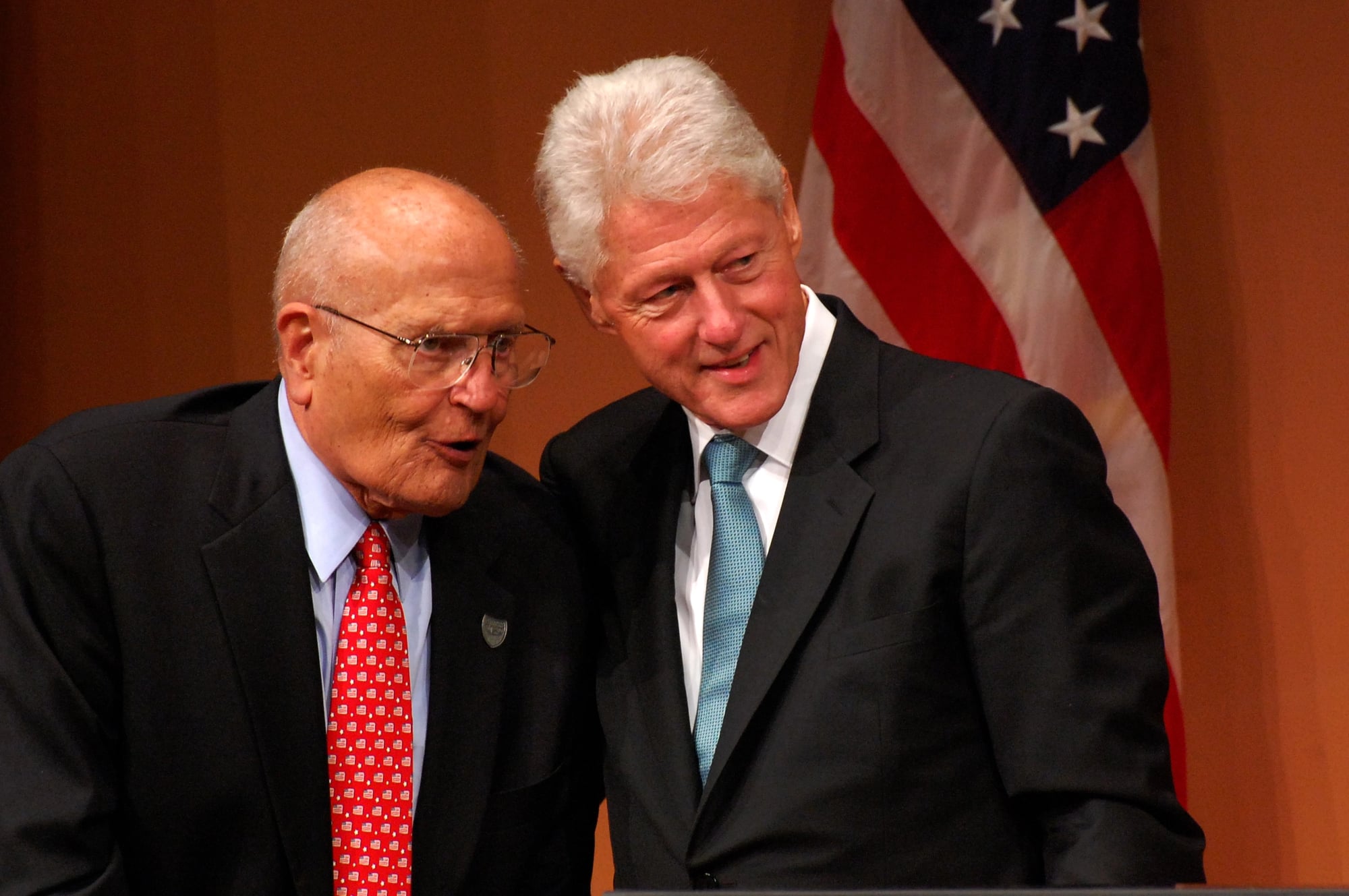
In 1993, President Bill Clinton hosted Israeli Prime Minister Yitzhak Rabin and PLO Chairman Yasser Arafat for a White House dinner. The meal preceded the famous handshake and signing of the Oslo Accords.
White House chefs carefully prepared dishes acceptable to all parties’ cultural requirements, creating a neutral ground where historic enemies could begin to see each other as potential partners.
Dinner of the Three Emperors
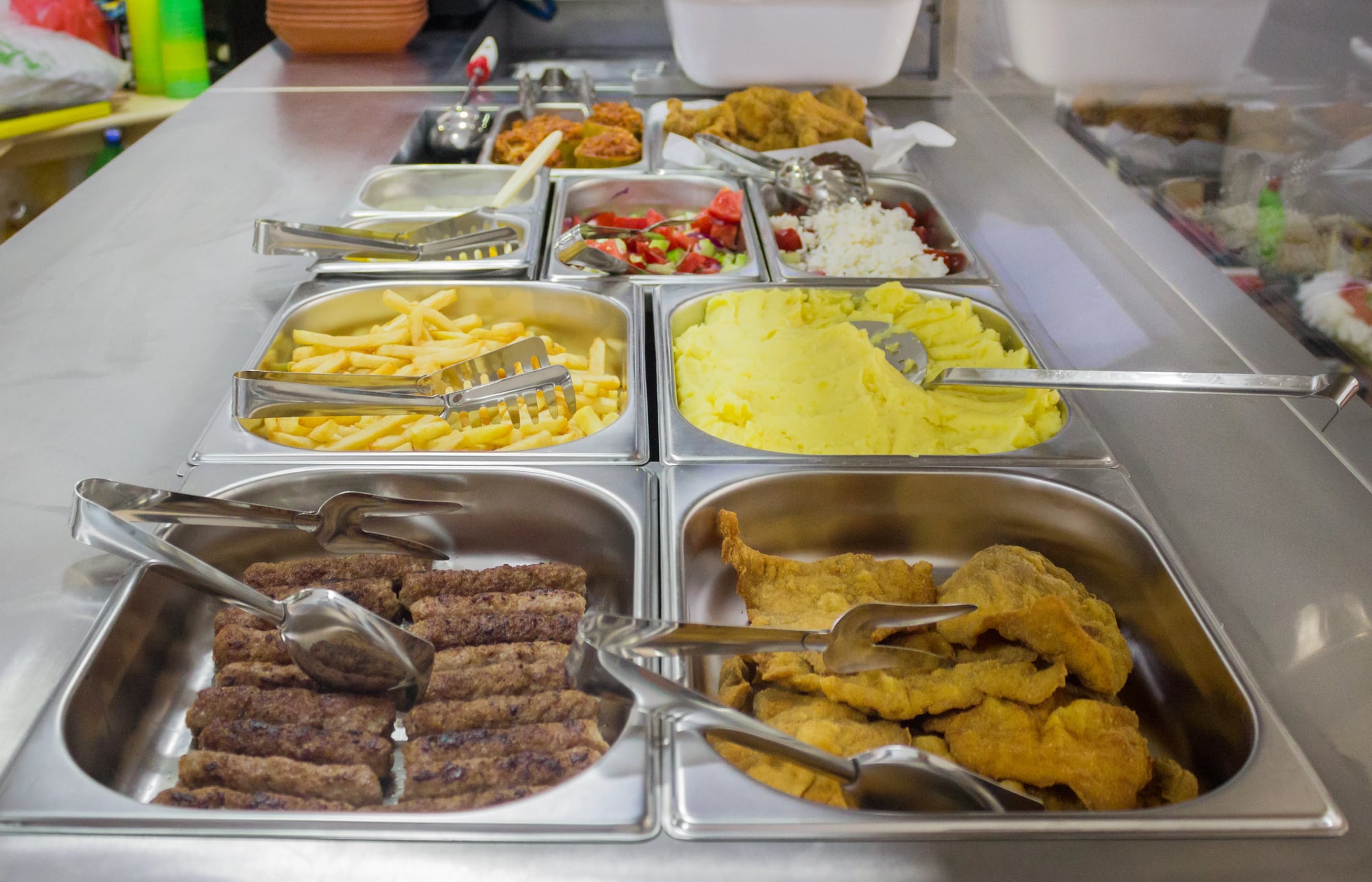
In 1867, renowned chef Auguste Escoffier prepared the legendary ‘Dinner of the Three Emperors’ for Kaiser Wilhelm I of Germany, Tsar Alexander II of Russia, and Otto von Bismarck at Café Anglais in Paris. This extraordinary 16-course meal helped cement diplomatic ties between these European powers.
The culinary diplomacy on display influenced European alliance structures for decades afterward.
Like Go2Tutors’s content? Follow us on MSN.
Mao-Kissinger Secret Meetings
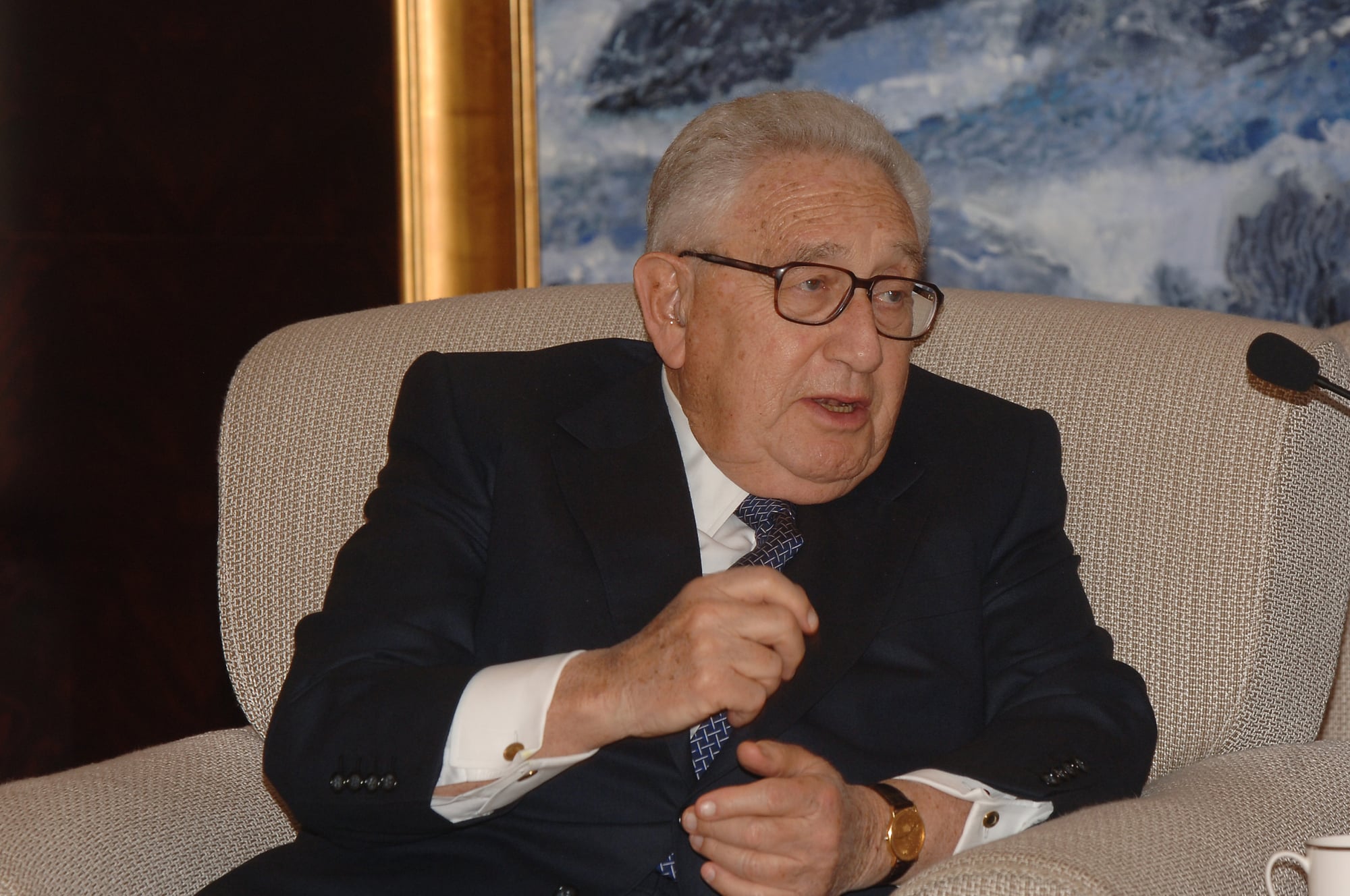
Before Nixon’s famous China visit, Henry Kissinger held secret meetings with Chinese Premier Zhou Enlai in 1971. Their discussions over traditional Chinese banquets established the framework for renewed relations.
Chinese hosts strategically used elaborate meals to demonstrate hospitality while discussing sensitive diplomatic issues, showing how shared dining experiences could bridge vast ideological divides.
London Naval Treaty Dinners
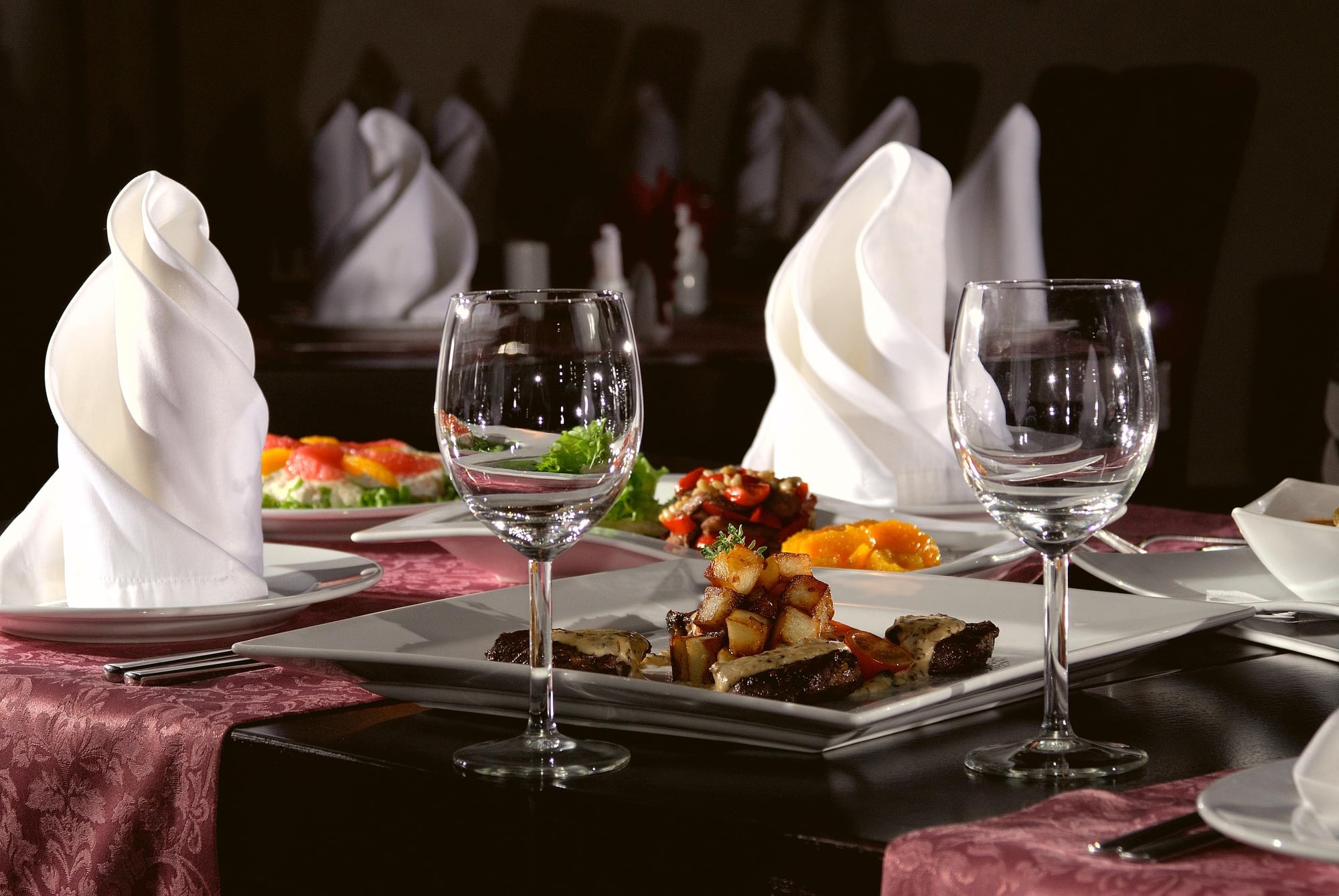
The 1930 London Naval Treaty negotiations featured numerous formal dinners where representatives from the world’s naval powers discussed arms limitations. These meals at London’s finest establishments provided neutral settings where Japanese, British, and American delegates could speak more freely than in formal sessions.
The resulting treaty temporarily stabilized naval power ratios during a tense period in international relations.
Eisenhower-Khrushchev Camp David Weekend
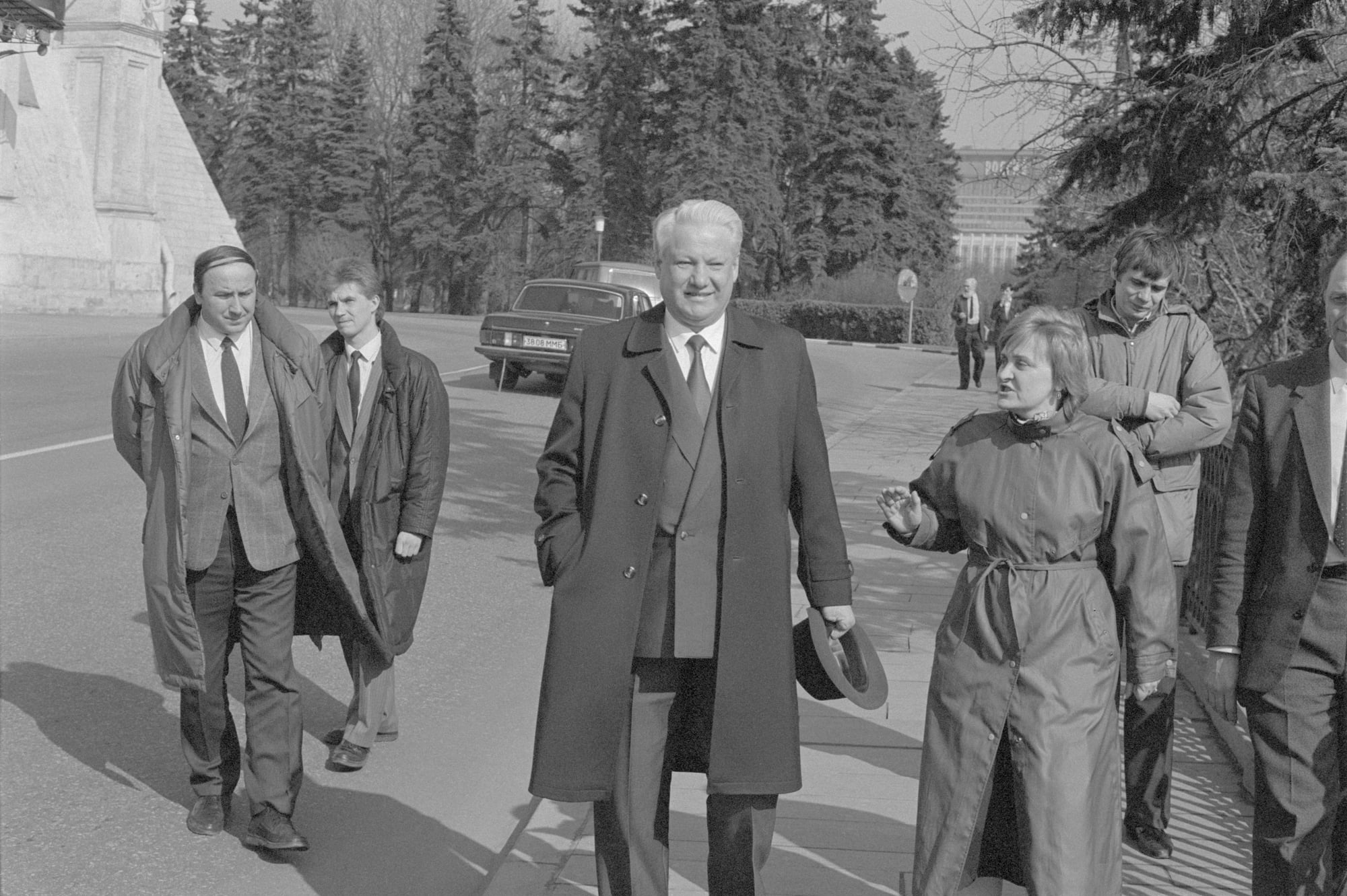
Dwight Eisenhower hosted Nikita Khrushchev at Camp David in 1959 for an informal weekend that included several shared meals featuring American comfort food. These casual dining experiences created a temporary ‘spirit of Camp David’ that eased Cold War tensions.
Khrushchev reportedly loved the American hot dogs, showing how even simple foods could create diplomatic connections.
Like Go2Tutors’s content? Follow us on MSN.
Roosevelt’s Good Neighbor Banquets

Franklin D. Roosevelt hosted Latin American leaders for state dinners throughout the 1930s and 40s as part of his Good Neighbor Policy. These carefully orchestrated meals featuring pan-American cuisine helped repair relationships damaged by previous U.S. interventionism.
The cultural respect shown through these diplomatic dinners helped secure crucial Latin American support during World War II.
Breaking Bread, Making History

Historic diplomatic meals remind us that politics ultimately depends on human relationships. From Nixon’s surprise opening to China to the Camp David Accords, food has provided the setting for some of history’s most consequential conversations.
The meals themselves might seem like mere footnotes, but their impact on diplomatic history has been profound and lasting.
More from Go2Tutors!

- 16 Restaurant Chains That Went Too Fast
- 12 Things Sold in the 80s That Are Now Illegal
- 15 Strange Things People Have Tried to Ban (And Failed)
- 16 Collectibles People Tossed Out Too Soon
- 17 Myths from Your Childhood That Were Actually Based on Real Things
Like Go2Tutors’s content? Follow us on MSN.