Highest Capital Cities in the World
Most people think of capital cities as places filled with government buildings, busy streets, and urban sprawl. But some capitals exist in places where the air gets thinner and breathing becomes harder.
These cities sit thousands of meters above sea level, perched on mountain plateaus and in valleys surrounded by towering peaks. Living at such heights changes everything from how your body functions to how buildings are designed.
La Paz Takes the Crown
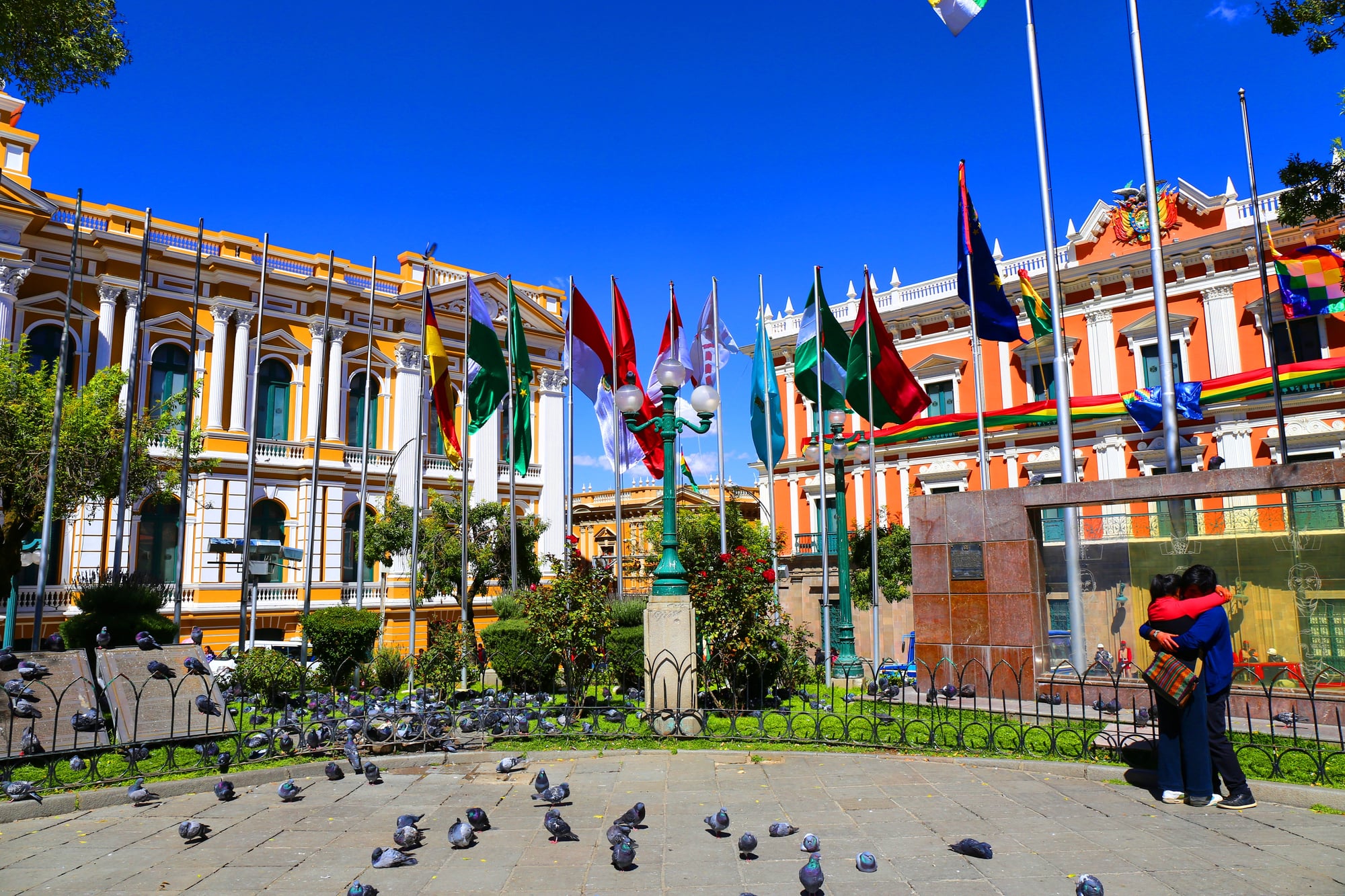
Bolivia’s La Paz holds the record as the world’s highest capital city, sitting at 3,640 meters above sea level. That’s roughly 40% of Mount Everest’s height.
The city sprawls across the Altiplano plateau in the Andes Mountains, creating a metropolitan area that extends into neighboring El Alto, which sits even higher. When you fly into La Paz, altitude sickness hits many visitors within hours.
Headaches, nausea, dizziness—these symptoms show up because your body isn’t getting enough oxygen. Locals have adapted over generations, developing larger lung capacities and more efficient cardiovascular systems.
The airport sits in El Alto at an elevation that makes it one of the highest international airports in the world. Planes require longer runways because the thin air reduces lift.
The city’s elevation creates strange effects. Water boils at a lower temperature here, around 87 degrees Celsius instead of 100. Cooking pasta takes longer, and your golf drive flies noticeably farther.
The La Paz Golf Club, one of the highest golf courses anywhere, attracts players curious about how their game changes in thin air.
Quito’s Mountainous Setting
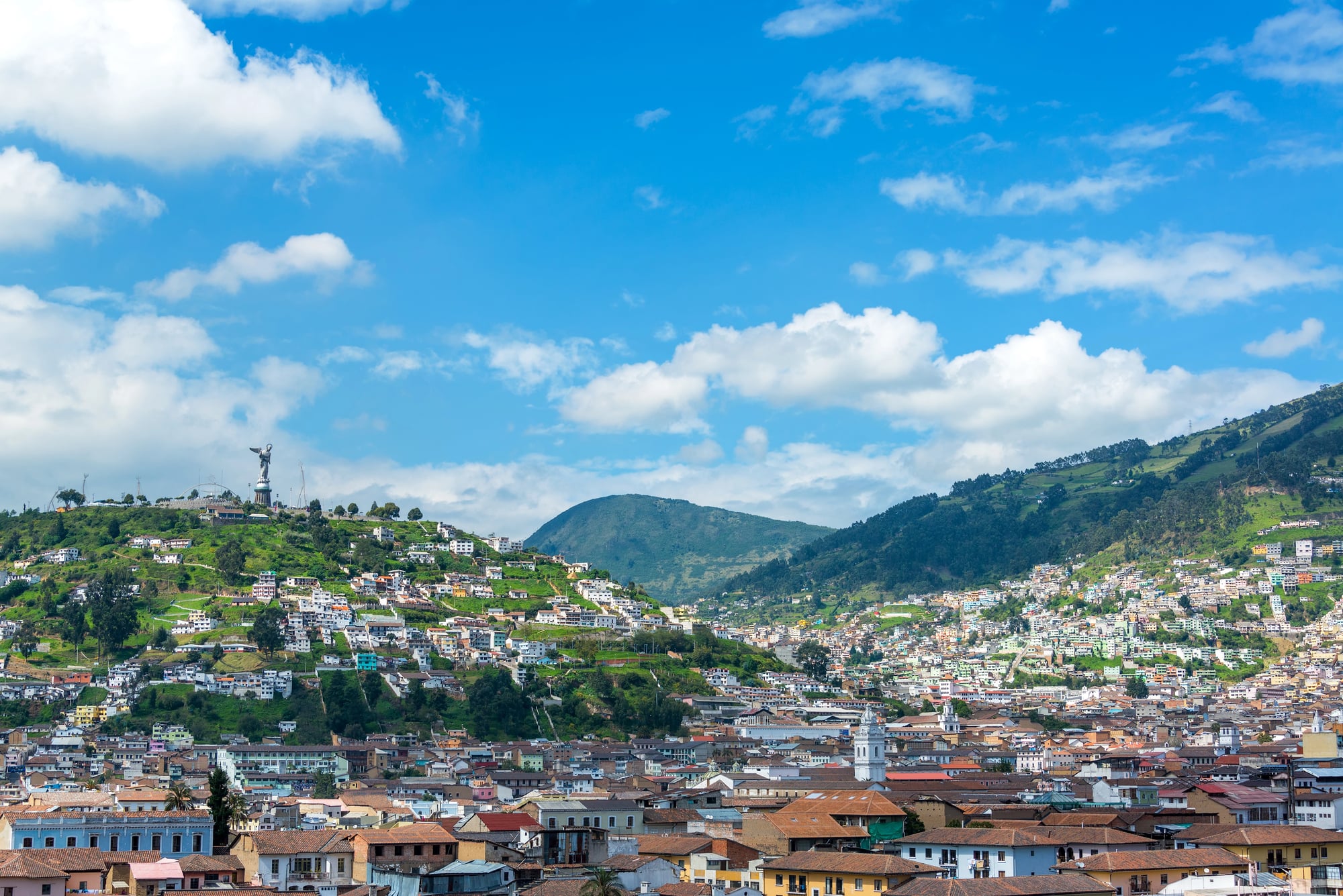
Ecuador’s capital, Quito, comes in second at 2,850 meters. The city sits on the eastern slopes of Pichincha, an active stratovolcano.
Over 200 mountains surround the city, some reaching heights above 4,800 meters. This creates a dramatic skyline that changes depending on which neighborhood you’re in.
Buses that travel into Quito climb steadily for hours, and passengers often feel the effects before they arrive. The city sprawls along a narrow valley, limited by mountains on both sides.
This geographic constraint has forced Quito to grow in length rather than width. It has become one of the longest capital cities in terms of its north-south dimension.
Bogotá in the Clouds
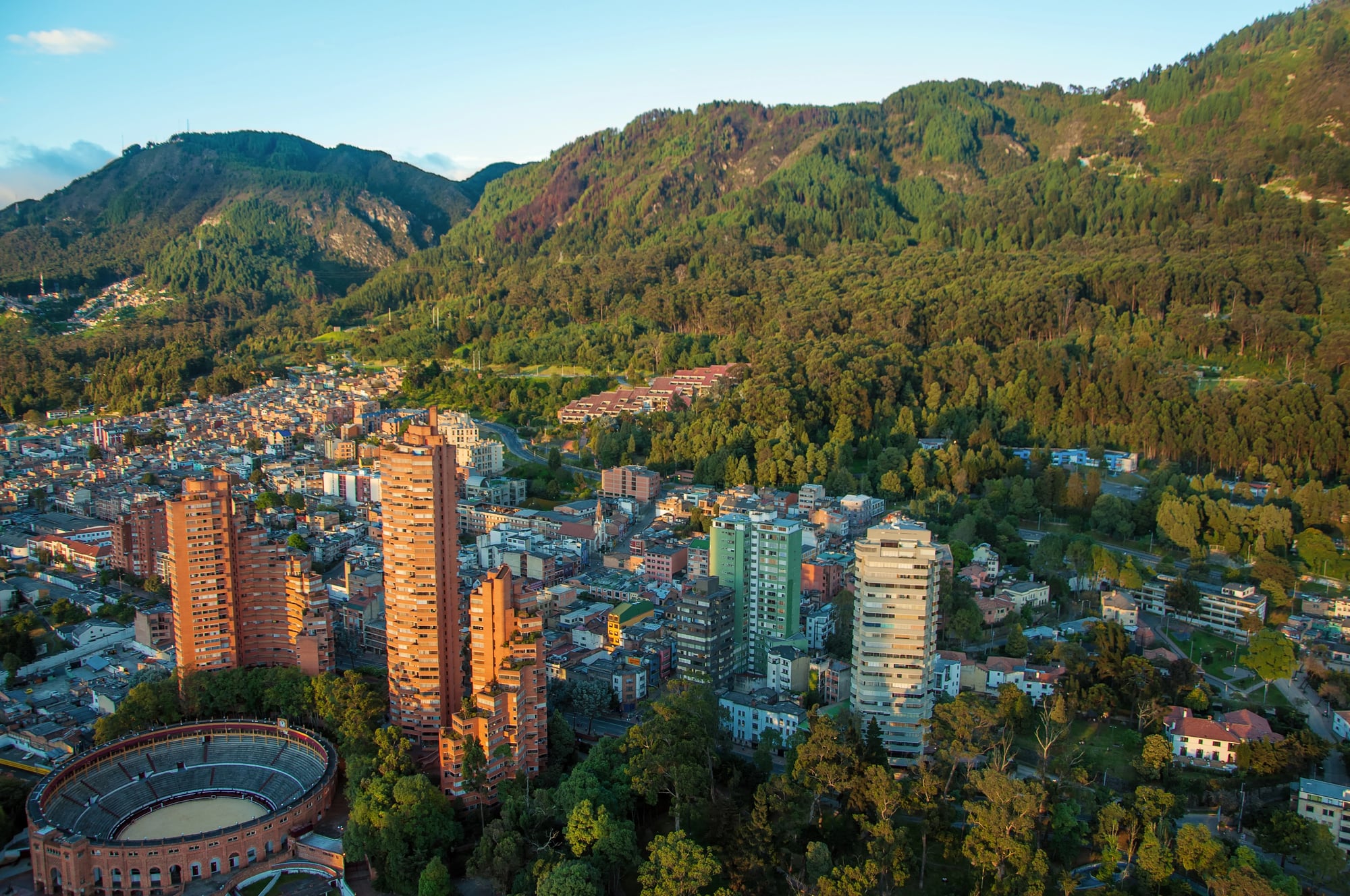
Colombia’s capital sits at 2,625 meters on a high plateau in the Andes. With over 8 million residents, Bogotá ranks as one of the largest high-altitude cities anywhere.
The elevation contributes to the city’s nickname as a place where spring weather lasts year-round. Temperatures rarely get too hot or too cold.
The city’s elevation affects sports in unexpected ways. When international teams visit to play football matches, they often arrive days early to acclimate.
The thinner air makes running harder but allows the ball to travel faster. Local teams have a significant home-field advantage that goes beyond just familiar surroundings.
Bogotá’s location also means the sun feels more intense. The city sits near the equator, and the combination of elevation and latitude creates strong UV radiation.
Locals and visitors alike need to take sun protection seriously.
Ethiopia’s Highland Capital
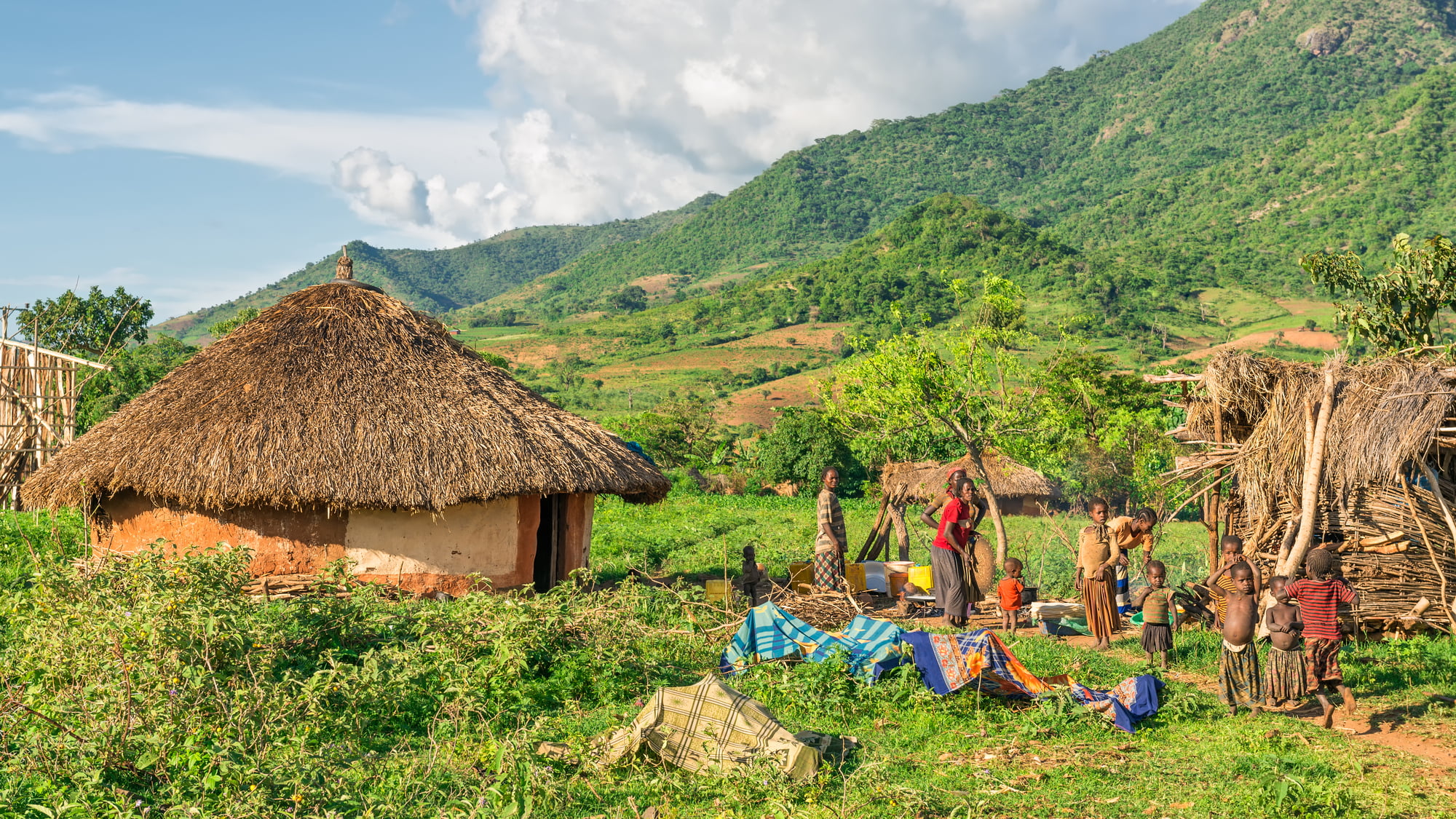
Addis Ababa, Ethiopia’s capital, sits at 2,355 meters. The city serves as the political center of Ethiopia and hosts the headquarters of the African Union, making it an important diplomatic hub.
The elevation gives Addis Ababa a mild climate despite its proximity to the equator. The city’s name translates to “new flower” in Amharic, and its founding in the late 19th century was influenced partly by the area’s elevation and climate.
Eucalyptus trees, which thrive at high altitudes, define the cityscape and were introduced to provide much-needed firewood for the growing population.
Thimphu’s Valley Location
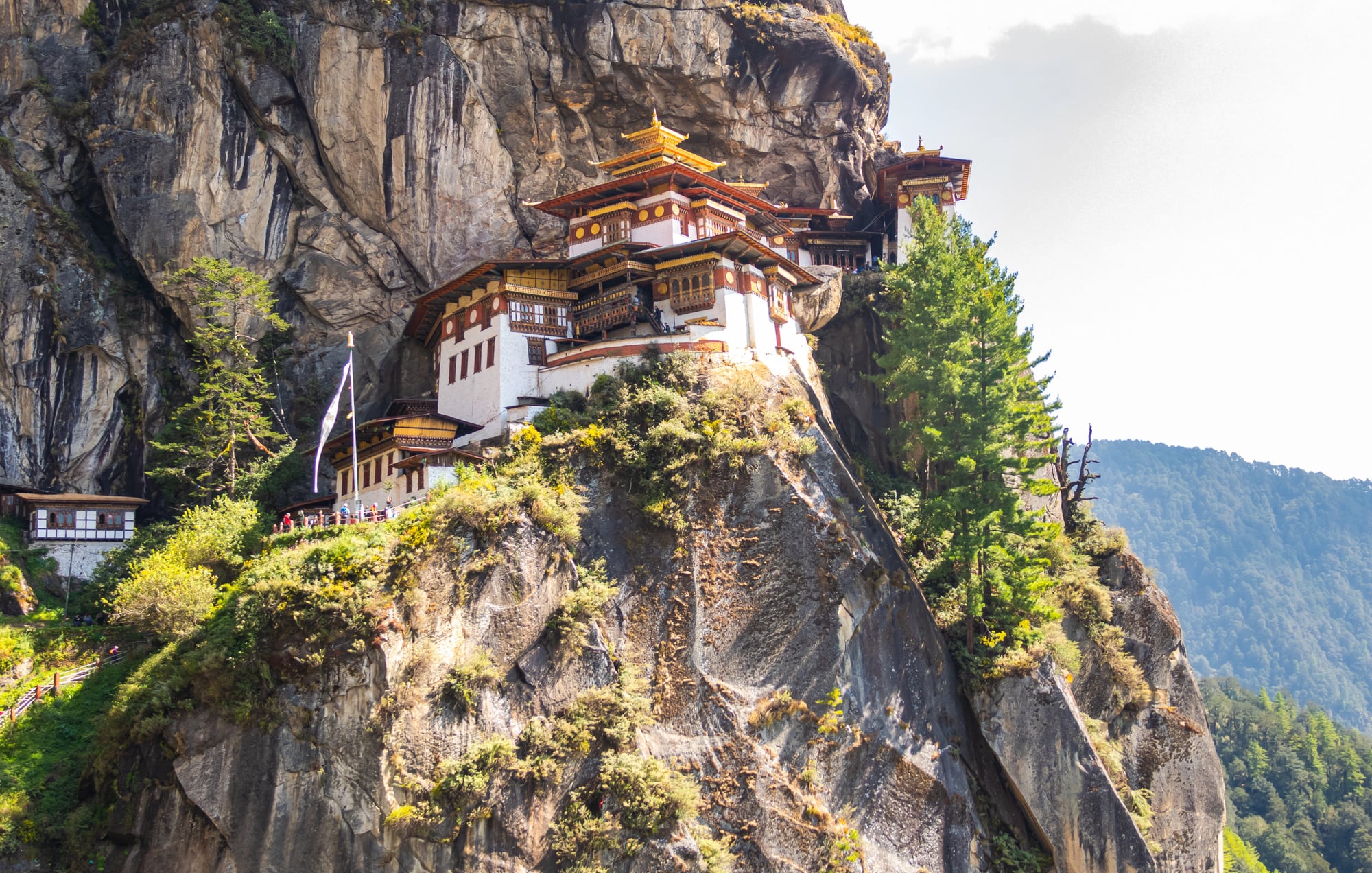
Bhutan’s capital, Thimphu, rests at 2,334 meters in a valley of the Eastern Himalayas. The city has grown rapidly in recent decades but maintains strict building codes that preserve traditional architectural styles.
The elevation means Thimphu experiences cold winters with occasional snow, unusual for a South Asian capital. Thimphu has no traffic lights.
The government tried installing them once but removed them after residents complained they looked ugly and impersonal. Instead, police officers direct traffic at major intersections, standing in small decorated booths that have become something of a tourist attraction.
Asmara’s Preserved Architecture
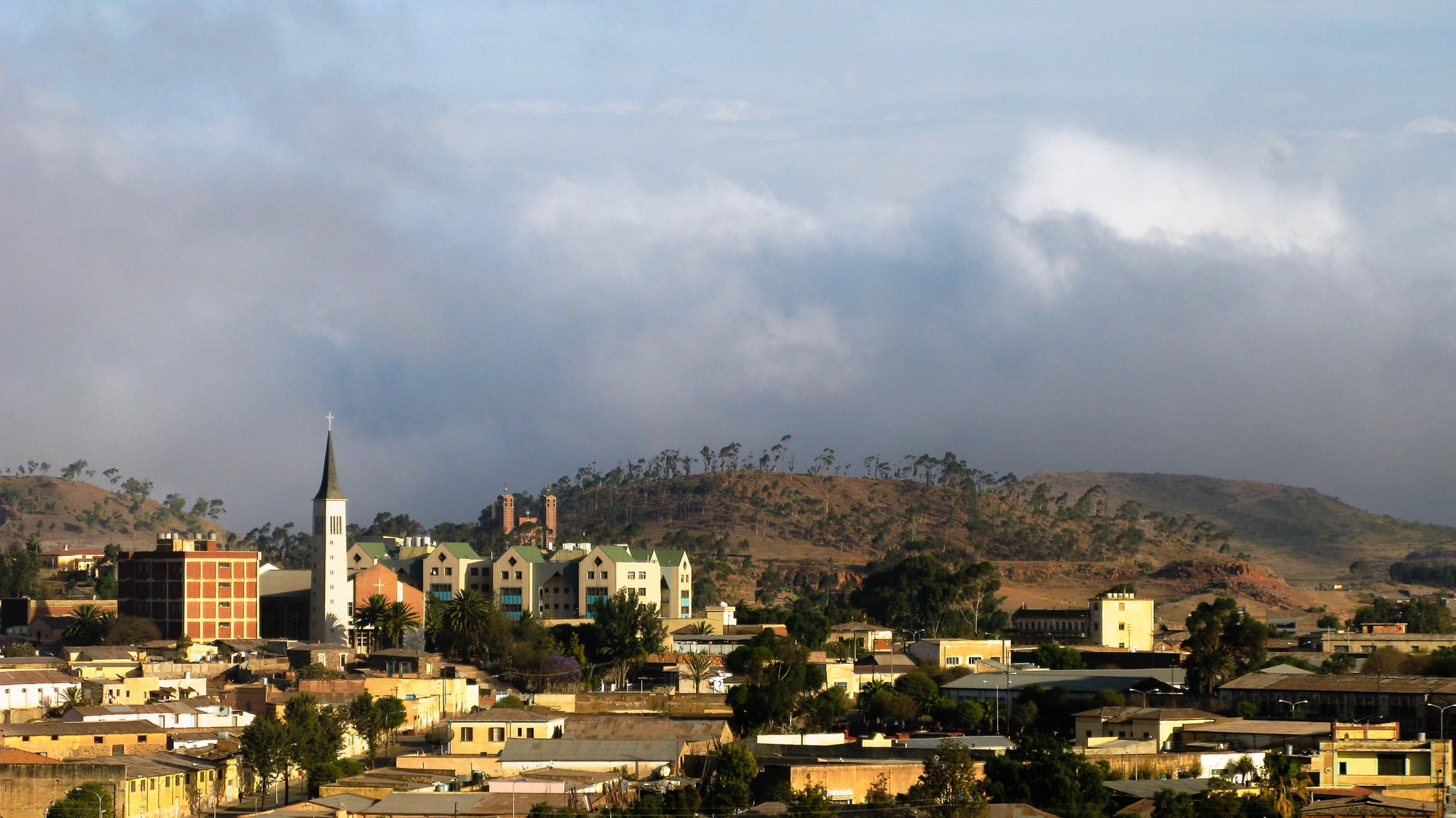
Eritrea’s capital, Asmara, sits at 2,325 meters on the edge of the East African highlands. The city became a UNESCO World Heritage Site in 2017 thanks to its remarkably well-preserved modernist architecture from the Italian colonial period.
The elevation contributes to the comfortable climate that has helped preserve these structures. Walking through Asmara feels like stepping back to the 1930s.
Art Deco buildings, Cubist designs, and Futurist structures line the streets. The high altitude means these buildings avoided the humidity and heat that accelerates decay in coastal cities.
Mexico City’s Volcanic Foundation
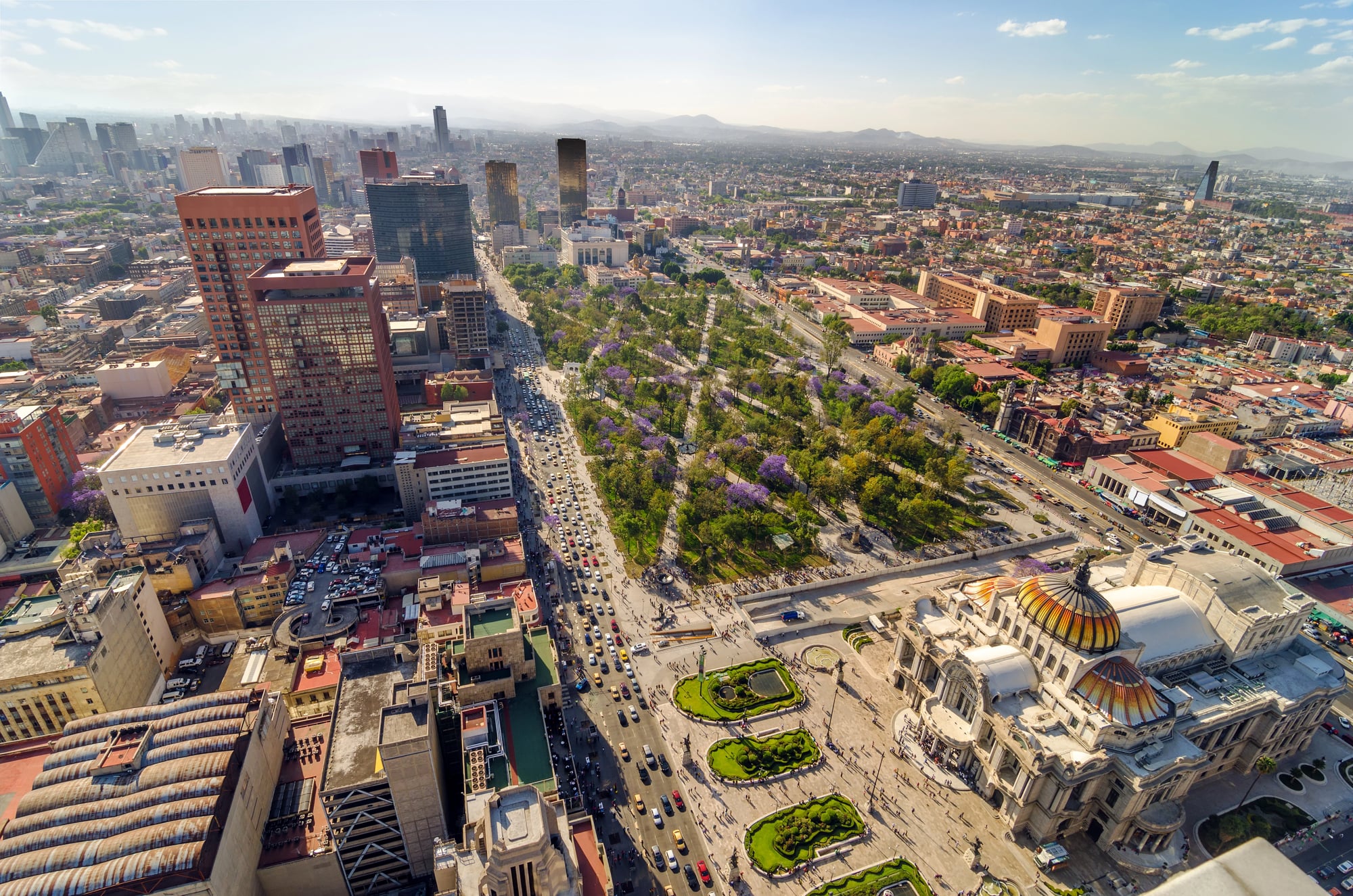
Mexico City stands at 2,240 meters in the Valley of Mexico, built on what was once a lake bed. The city sits within the Trans-Mexican Volcanic Belt, surrounded by mountains and volcanoes.
On clear days, you can see the snow-capped peaks of Popocatépetl and Iztaccíhuatl looming over the urban sprawl. The combination of high elevation and being situated in a valley creates unique air quality challenges.
Pollution gets trapped, and the thin air makes vehicle emissions more problematic. The city has implemented various measures to combat this, including restricting car use based on license plate numbers.
Despite its elevation, Mexico City houses over 21 million people in its metropolitan area. This makes it not just one of the highest major cities but also one of the most populated.
Sana’a’s Ancient Roots
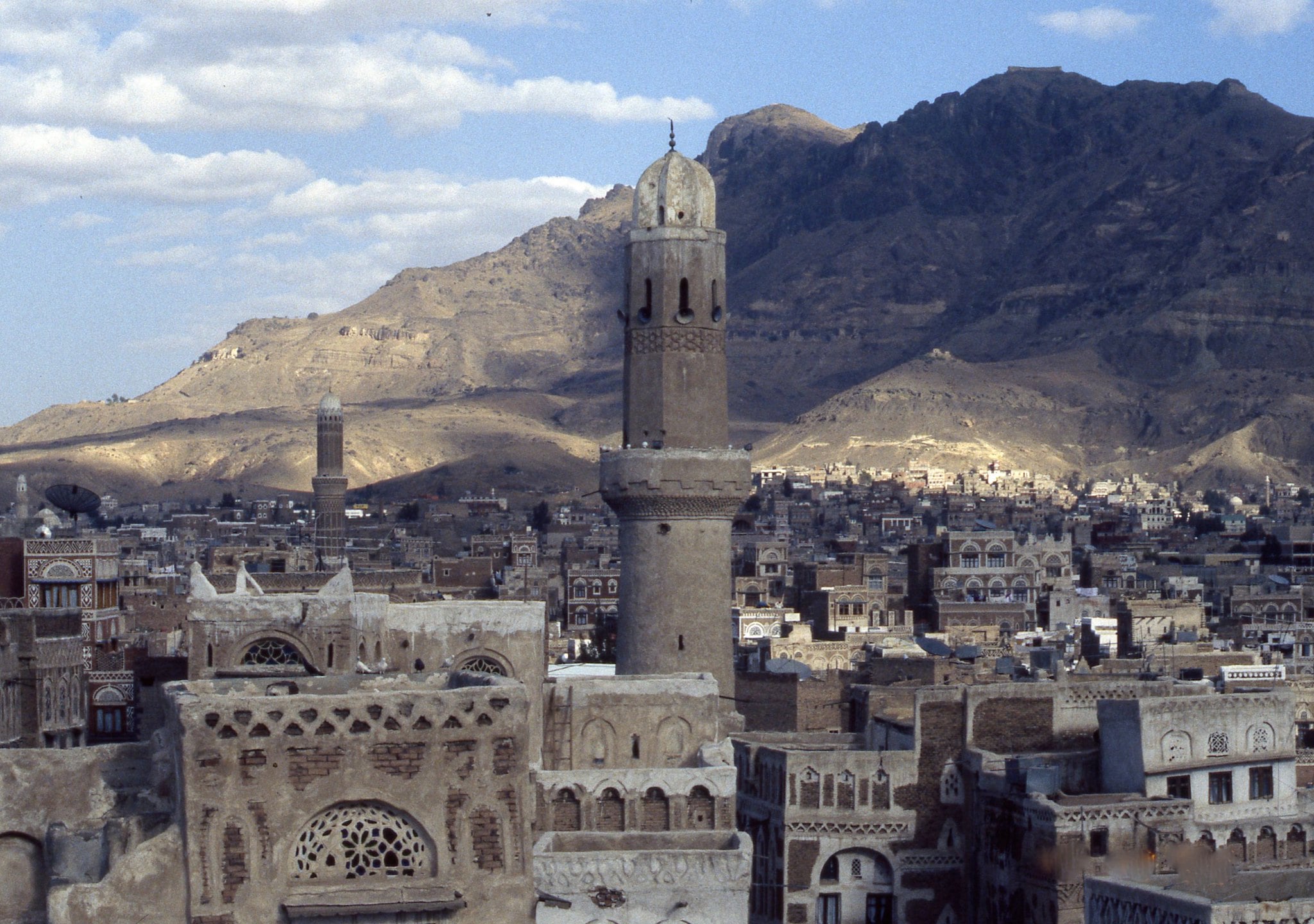
Yemen’s capital, Sana’a, reaches 2,200 meters above sea level. The city has been continuously inhabited for over 2,500 years, making it one of the oldest inhabited cities anywhere.
Its elevation on the Arabian Peninsula gives it cooler temperatures than most other cities in the region. The old city of Sana’a features distinctive tower houses made of rammed earth and burnt brick, some rising six or seven stories.
These traditional buildings were designed partly with the elevation in mind—the thin air and intense sun influenced construction techniques and materials.
Kabul’s Strategic Position
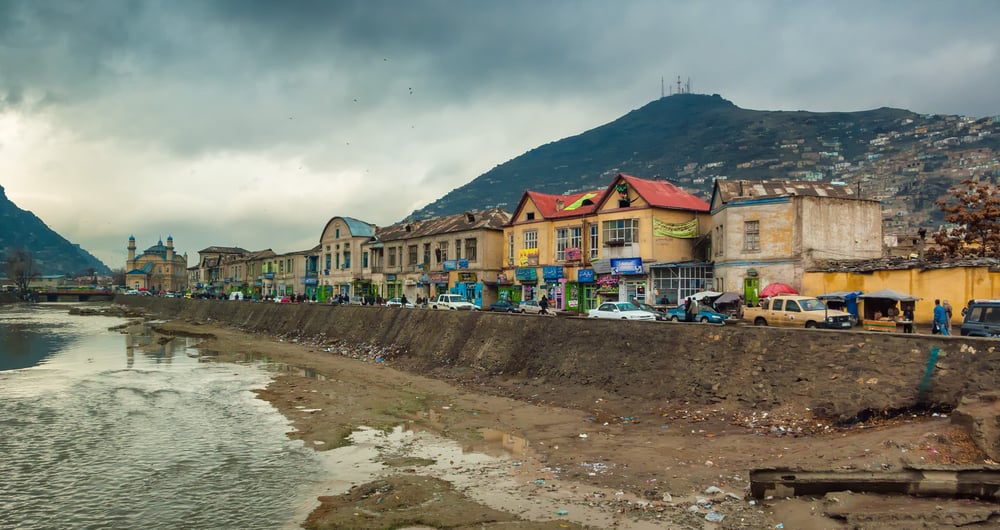
Afghanistan’s capital, Kabul, sits at 1,790 meters in a high valley surrounded by mountains. This elevation has shaped the city’s strategic importance throughout history.
The mountains provide natural barriers but also make the city difficult to access, especially in winter when snow closes mountain passes. The elevation contributes to Kabul’s continental climate with cold winters and hot summers.
Snow falls regularly from December through March, and winter temperatures can drop well below freezing. The city’s expansion has been constrained by the surrounding mountains, forcing development into steeper terrain.
Nairobi Rounds Out the Top Ten
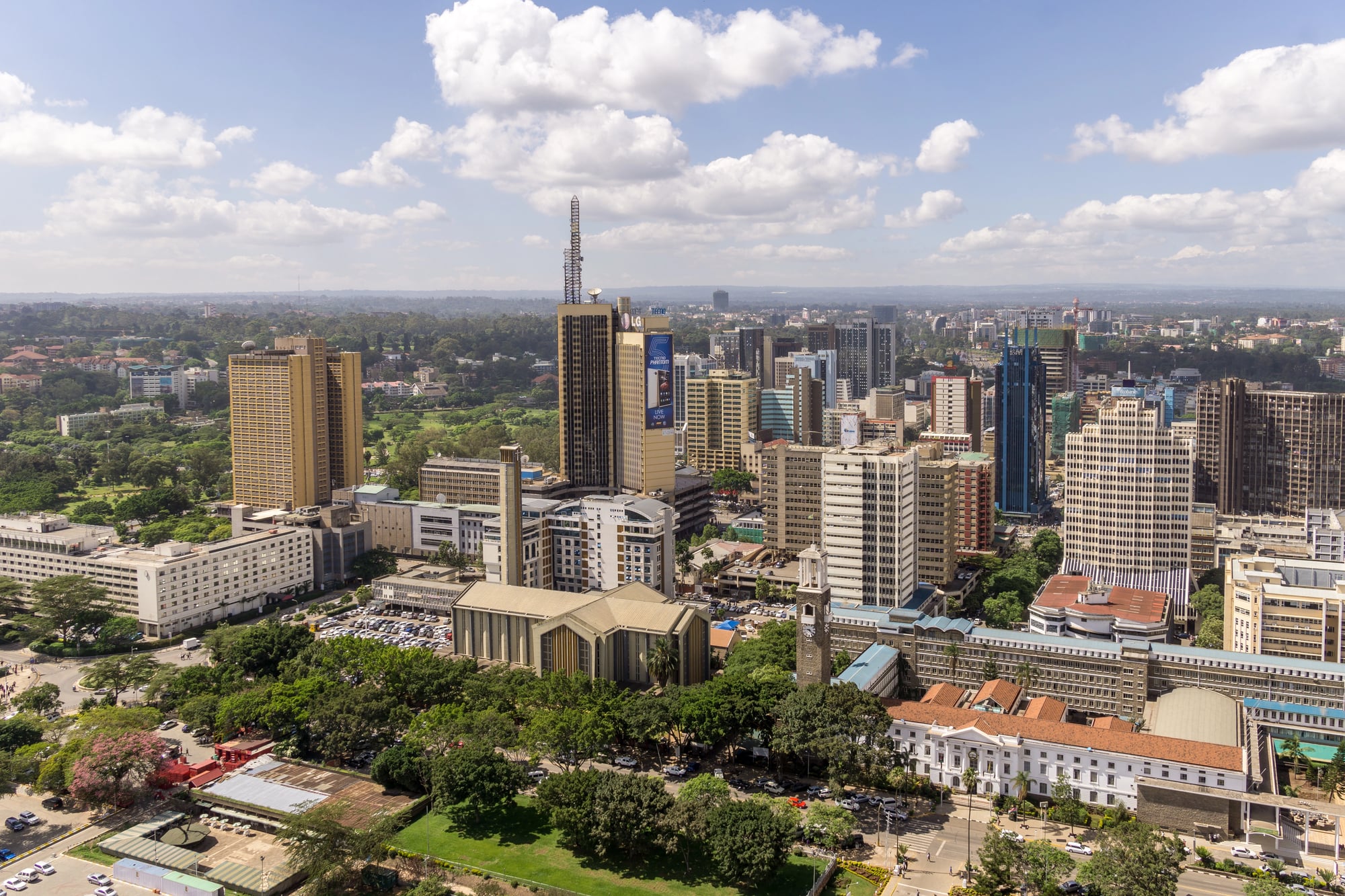
Nairobi sits high—1,661 meters above sea level—making it one of the tallest capital cities on Earth. Though close to the equator, its air stays mild during days, then dips into crisp nights all through the year.
Because temperatures stayed balanced, the town slowly expanded beyond its start as just a rail stop. Over time, that quiet hub transformed into Kenya’s bustling urban heart.
High up, the air stays fresh—that’s one reason behind the name, drawn from a Maasai word for “cool waters,” tied to a flowing river close by. Elevation plays its part, shaping how things feel here.
How Height Changes Everyday Living
Up where the air’s thinner, everyday routines shift without notice. Boiling water runs cooler there, so cooking times stretch out.
Sea-level recipes fall apart when lifted into those heights. Ingredient mixes for cakes or breads must bend to new rules. A simple pot of tea? That simmers longer than expected.
Things change inside you as well. Right away, those who train see shifts—jogging gets tougher, breath comes quicker, heartbeat spikes higher when moving.
People living up there long enough shift how their bodies work, yet newcomers take longer to settle in. Many physicians suggest slowing down at first once stepping into a mountain town.
High up, sleep often gets shaky. The first few nights might bring shallow rest for lots of folks. Breathing sometimes pauses and restarts during slumber.
When perched above sea level, your system pushes extra to grab air—even as you lie still.
Where Mountains Meet Metropolis
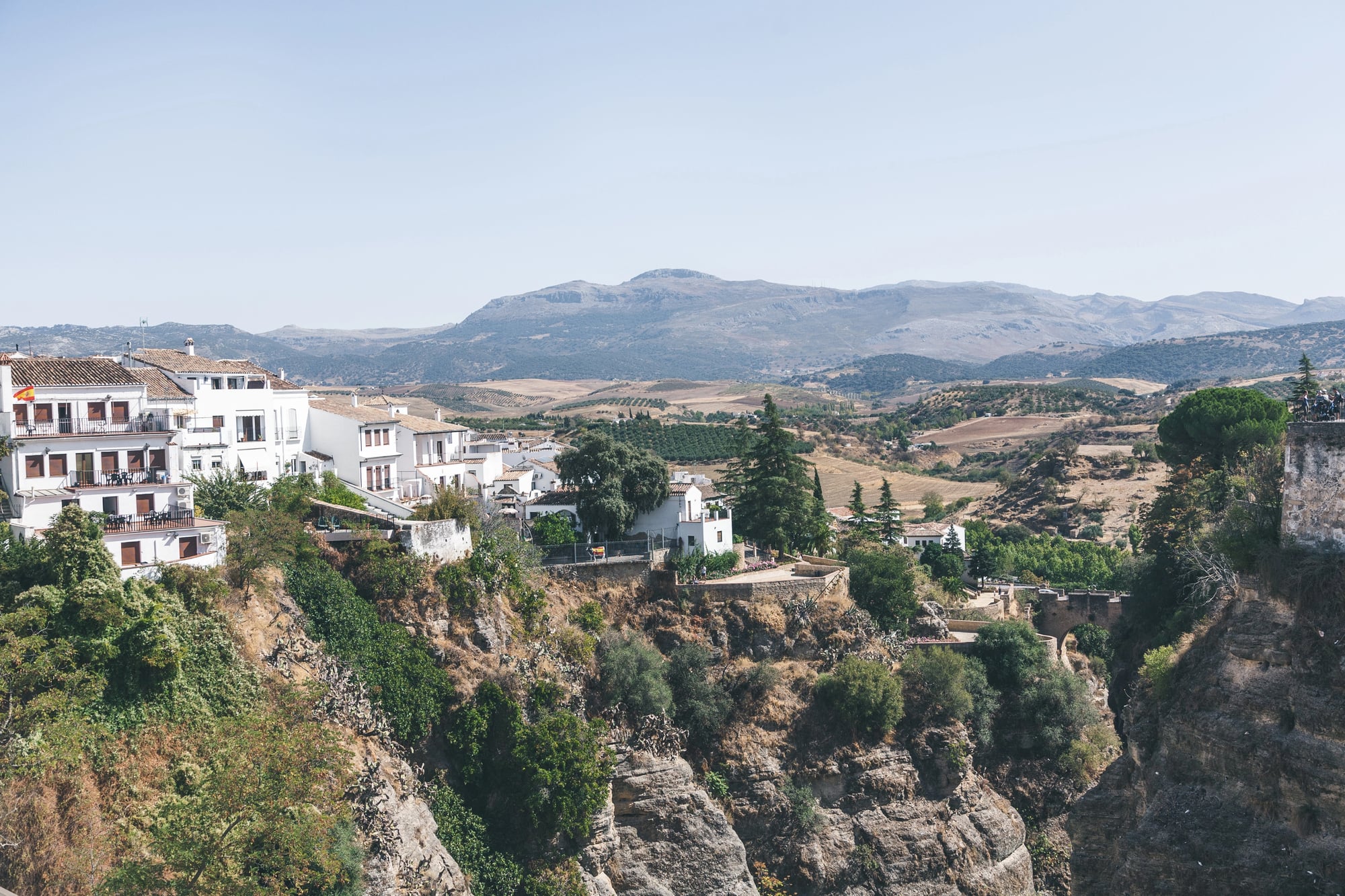
High up on Earth, some capital cities are built where land meets bold choices. Not far below clouds, folks settle despite steep odds.
La Paz climbs into the atmosphere while Nairobi rests on breezy plateaus—each works around altitude differently. Breathing takes more effort here, which changes how life unfolds.
Culture shifts. Buildings adjust. Ways of living form that do not appear elsewhere. Most humans never stay this near the sky, yet these places hold steady populations.
More from Go2Tutors!

- The Romanov Crown Jewels and Their Tragic Fate
- 13 Historical Mysteries That Science Still Can’t Solve
- Famous Hoaxes That Fooled the World for Years
- 15 Child Stars with Tragic Adult Lives
- 16 Famous Jewelry Pieces in History
Like Go2Tutors’s content? Follow us on MSN.