18 Forgotten Fast Food Items from the 80s
Back in the 80s, restaurants served up meals nobody saw coming. Risky bets ruled the scene – companies tossed bizarre concepts onto menus like darts on a board.
A few caught on fast, vanishing just when folks got used to them. Others? So out there they lingered in memory long after the wrappers hit the trash.
Back then, fast food spots took risks on tastes, designs, and ideas we’d never see now. These were the dishes that shaped a time – and quietly disappeared.
McDonald’s McDLT
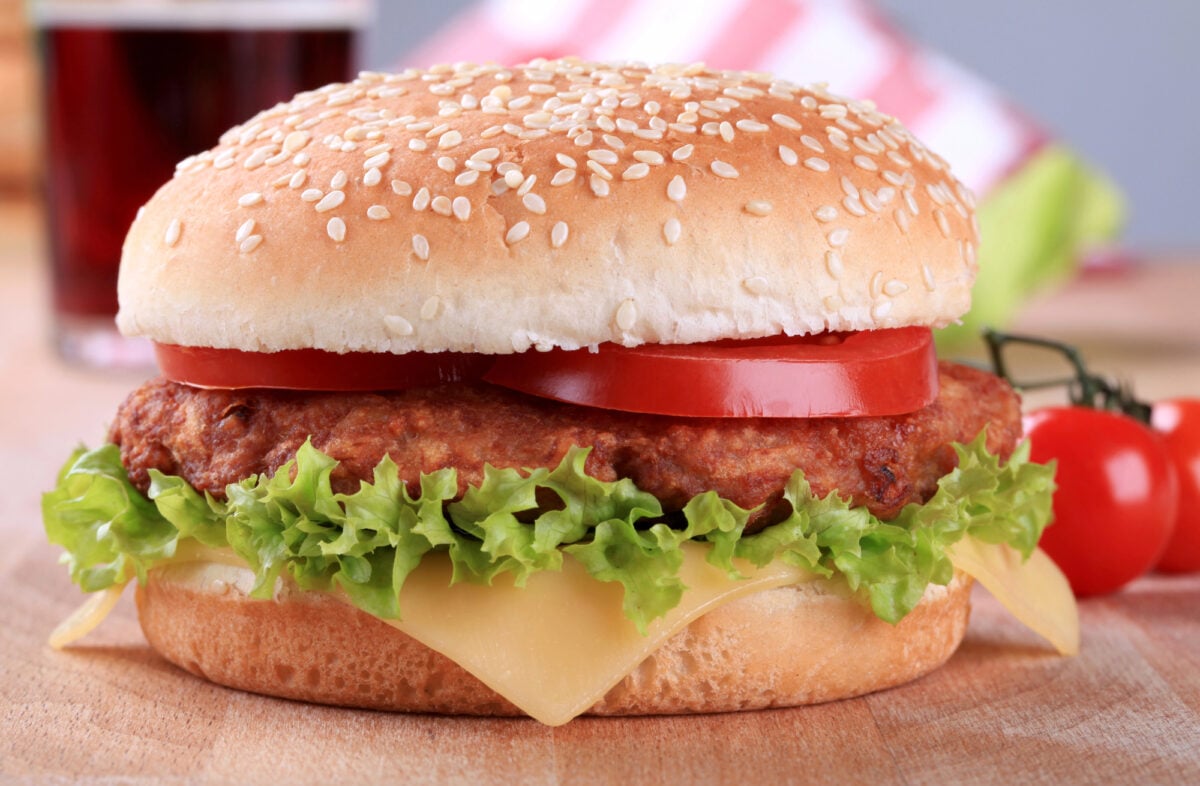
A foam box once split heat from chill inside a fast food meal. Hot meat stayed warm beneath one lid, cold veggies under another.
An actor belted out jingles for it years before TV fame found him. Clever design, yes – yet mountains of trash followed just the same.
By the decade’s turn, silence replaced those ads, shelves emptied quietly.
Burger King’s Burger Bundles

Little burgers showed up at Burger King just when folks were talking about White Castle’s small ones. Sold in groups, they aimed to fit tight budgets and quick stops.
Pickles plus onions topped each bite-sized patty – flavor stood out sharp next to bigger Whoppers. Vanished fast, those exact bundles.
Still, now and then, something close pops up again under the same roof.
Taco Bell’s Enchirito

A twist on two classics, one bite brought together flavors few expected. Smothered slow in red warmth, each plate wore cheese like a blanket, scattered with olives and sharp onion bits.
First showing up when bell-bottoms ruled streets, it stuck around long after its time should’ve ended. Years passed without a trace – then suddenly, here again, tucked behind glass at random spots.
Not loud, not proud, just quietly missed by those who remembered too well.
Wendy’s Superbar

A mountain of choices waited at Wendy’s when they launched their wide-open buffet. Piles of pasta sat beside trays of tacos under bright heat lamps.
One flat fee covered every bite from creamy fettuccine to chopped lettuce with toppings stacked nearby. Folks loaded up without limits until the next customer stepped in line.
Workers scrambled behind counters refilling bowls, wiping spills, keeping things fresh by the hour. High effort plus rising costs made the whole setup hard to keep running smoothly.
Years later after closing shop, people still talk about those days like campfire stories. That bold move never stuck around long but left deep marks across quick-service dining.
Pizza Hut’s Priazzo
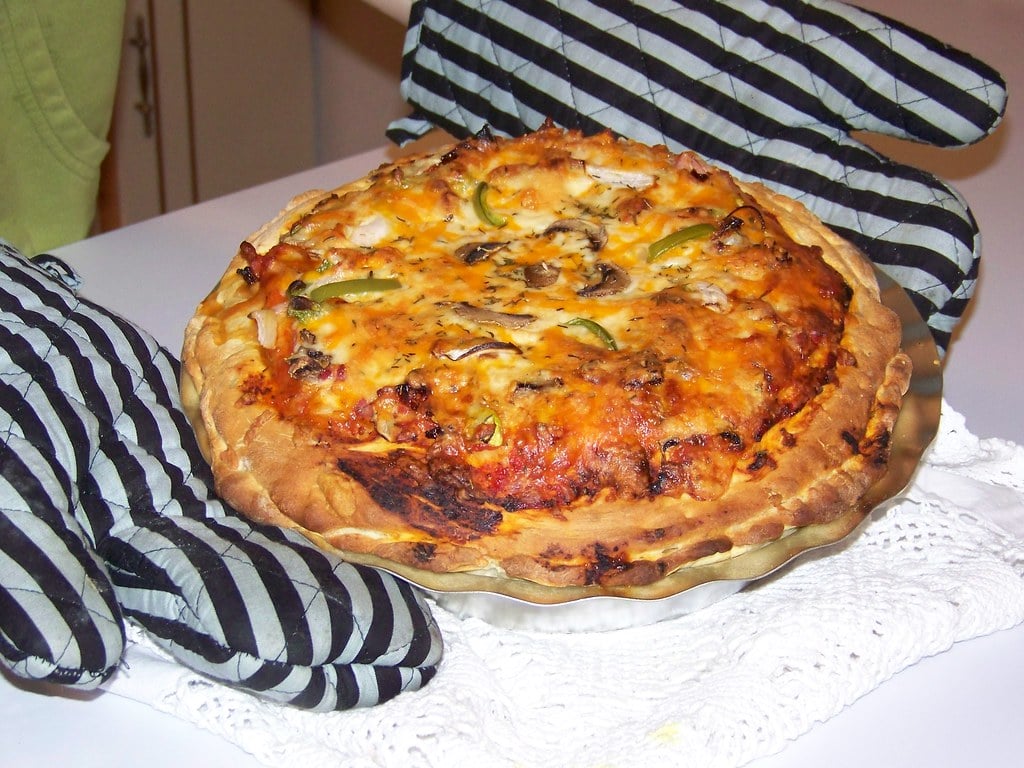
Pizza Hut once tried something different: a thick, two-layered pie baked slowly, nearly forty minutes start to finish. Inside, layers of cheese hugged meats and chopped veggies before getting sealed under more crust and fresh toppings.
Because it needed so much time, folks had to call in their orders early – no quick stop here. That long prep clashed with the usual rush of fast service they were known for.
In the end, too many steps killed its run, despite how good it actually tasted.
McDonald’s Cheddar Melt

A juicy beef center warmed by caramelized onions made this sandwich stand apart. Yet instead of your usual roll, a hearty rye base added depth you rarely saw back then.
Sharp cheese poured generously over the top cut through the richness like a bright note in music. While many classics stayed safe, this one took chances others ignored.
Even though it only lasted several seasons, people still mention it when talking about forgotten flavors. Unlike most test items that faded fast, this version held attention longer than expected.
Arby’s Chicken Cordon Bleu Sandwich

Fancy wasn’t typical for Arby’s, yet here came a sandwich dressed in breading – chicken tucked beneath ham and melted Swiss. Not quite Parisian, though it echoed one of France’s favorites in a way car windows could enjoy.
Weightier than nearly anything else parked on the chicken-sandwich menu back then. Over time, speed won out; lighter builds took its place behind the counter.
Dairy Queen’s Breeze
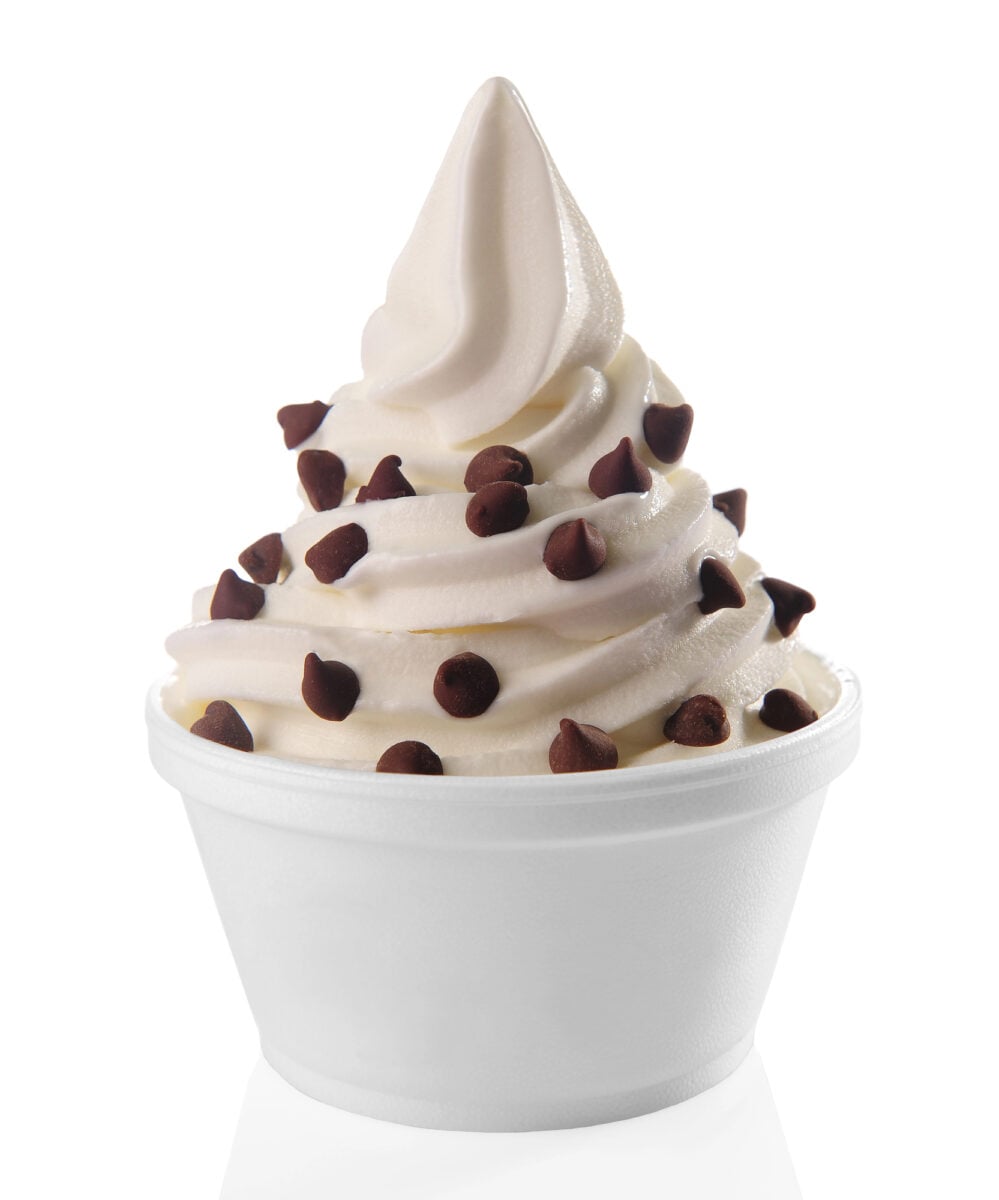
A frosty swirl of change hit Dairy Queen when the Breeze arrived – frozen yogurt stepped in where ice cream once reigned. Flavors mirrored the familiar, swirling with bits and chunks the way Blizzards always did.
Back then, during the eighties, people watching fat intake welcomed something sweet but lighter. Though it tasted fun, the Breeze didn’t stick around like its richer sibling.
Slowly, without much notice, it vanished from most menus.
Taco Bell’s Bell Beefer

Taco Bell took taco meat and served it on a regular burger bun instead of a tortilla. The Bell Beefer basically turned their signature filling into a sloppy joe-style sandwich with lettuce, cheese, and tomatoes.
It gave customers a less messy way to enjoy Taco Bell’s flavors, though it seemed to confuse people who came specifically for Mexican-inspired food. The item quietly left menus as Taco Bell refocused on its core taco and burrito offerings.
Burger King’s Chicken Tenders
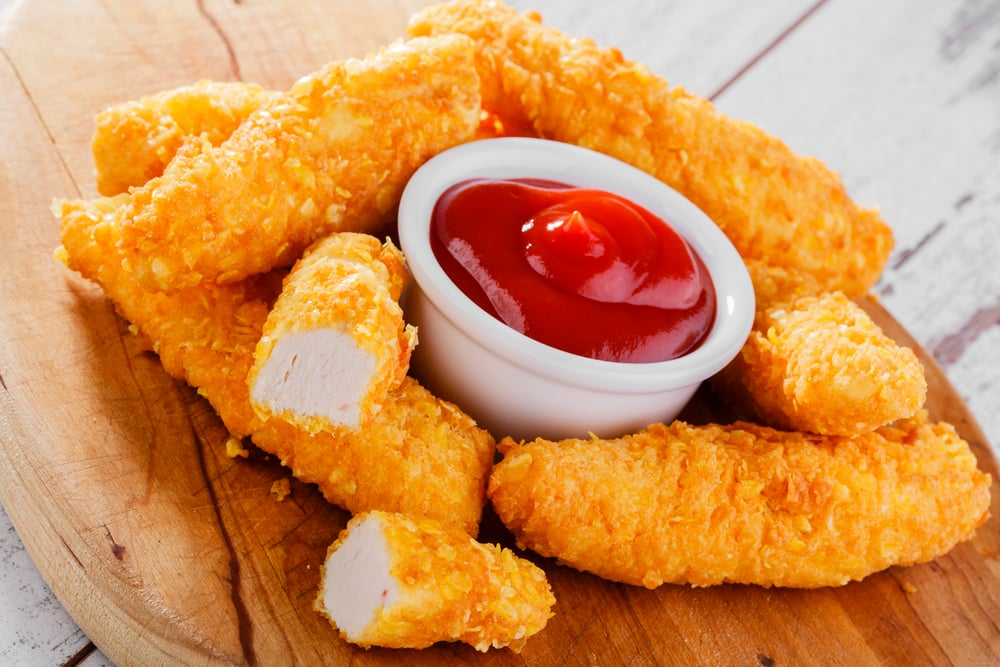
These weren’t just any chicken tenders but a specific version that Burger King offered in the 80s with a unique breading. The tenders came with a variety of dipping sauces and were marketed as a premium chicken option.
They were crispier and larger than the nuggets McDonald’s was selling at the time. Burger King has cycled through different chicken tender recipes over the years, but those original 80s versions had a distinct taste that fans still remember.
KFC’s Lite ‘N Crispy Chicken

KFC wanted to offer something for customers who thought their original recipe was too greasy. The Lite ‘N Crispy version used a thinner coating and was fried differently to reduce the fat content.
It actually tasted pretty good, but it confused KFC’s brand identity since people came there specifically for that rich, heavy flavor. The experiment didn’t last long as KFC went back to focusing on what made them famous in the first place.
McDonald’s Onion Nuggets

Before onion rings became common at fast food places, McDonald’s tested out breaded and fried onion pieces shaped like nuggets. These little bites were crispy on the outside and had sweet, tender onion on the inside.
They were meant to be a side dish alternative to fries, but most people stuck with what they knew. The onion nuggets vanished after a brief run in select test markets.
Hardee’s Apple Turnover
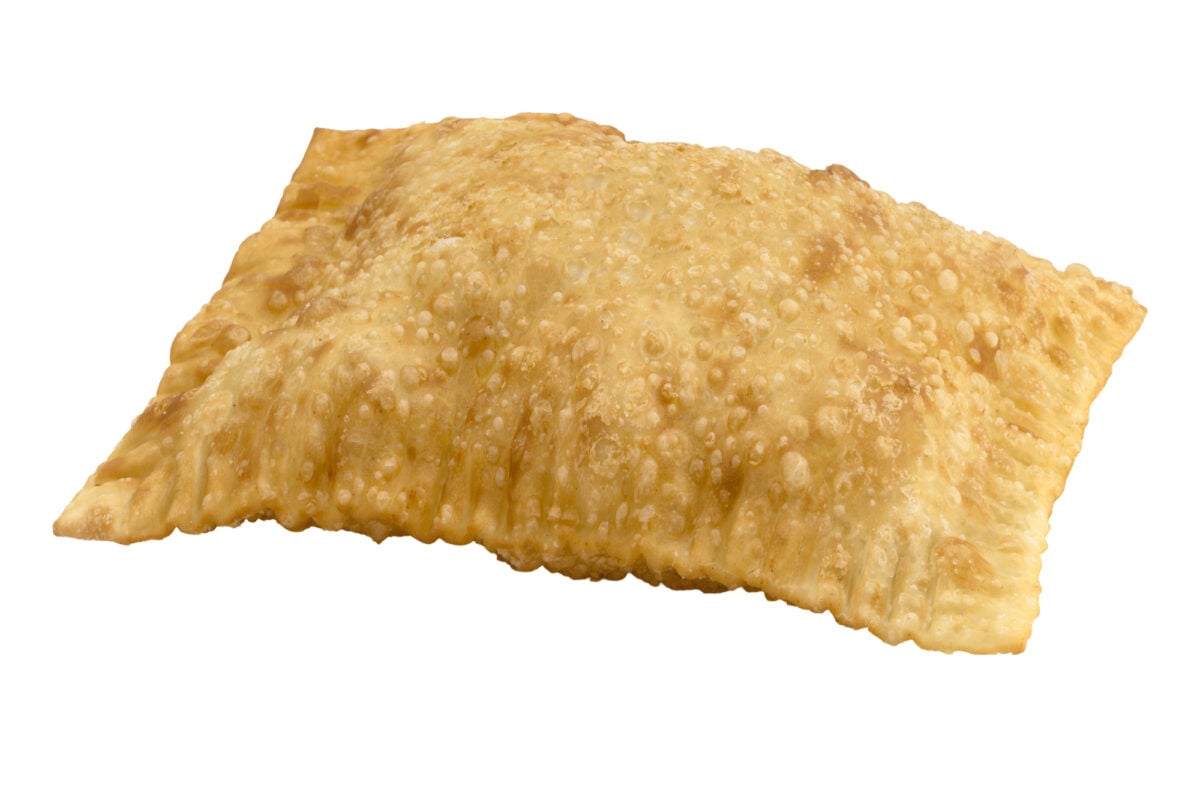
Hardee’s offered these hot, flaky turnovers filled with cinnamon apple filling throughout the 80s. The pastry came in a special sleeve and was perfect for breakfast or as a dessert after a burger meal.
Unlike McDonald’s apple pies, which were fried, these had a different texture and shape that made them stand out. Menu simplification in later years led to their removal, though Hardee’s occasionally brings back similar pastry items.
White Castle’s Fish Nibblers

White Castle took their slider concept and applied it to small, bite-sized pieces of fish. The Fish Nibblers were breaded and fried, offering a seafood option at a chain known primarily for beef sliders.
They came in a small box and were meant to be eaten by the handful. The item had a decent following but never became a permanent fixture on the menu.
Subway’s Seafood and Crab Sandwich
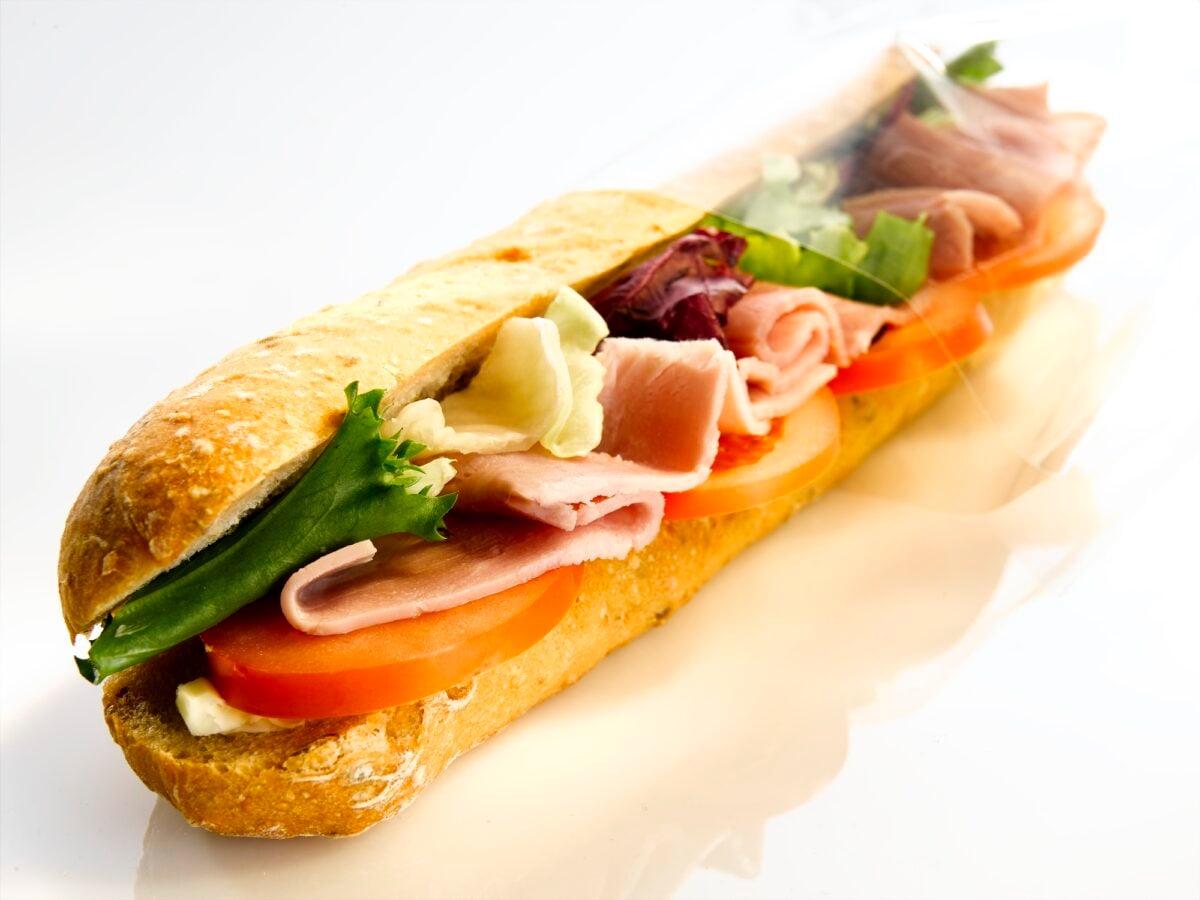
Subway offered a sandwich made with imitation crab and seafood mix that was surprisingly popular in the 80s. The filling had a creamy texture and came topped with lettuce, tomatoes, and other fresh vegetables.
It gave Subway something different from the usual cold cuts and meatballs. Concerns about seafood quality and consistency at sandwich shops eventually led Subway to phase it out in most locations.
Taco Bell’s Taco Light

This menu item used a fried tortilla shell instead of the traditional crunchy corn shell. Taco Bell marketed it as a lighter option, though frying a flour tortilla didn’t exactly make it healthy.
The shell puffed up during frying and created a unique texture that was simultaneously crispy and airy. The Taco Light disappeared as Taco Bell introduced other specialty shell options that were easier to produce consistently.
Burger King’s Yumbo

The Yumbo was Burger King’s answer to the hot ham and cheese sandwich trend of the 80s. It featured sliced ham and cheese on a hoagie-style bun, heated until the cheese melted perfectly.
The sandwich was simple but satisfying, offering something completely different from burgers and chicken. Burger King brought it back briefly in 2014 for a limited nostalgia run, proving some people never forgot about it.
Wendy’s Frescata Sandwiches

Though these came slightly later than the pure 80s era, they represented Wendy’s attempt to compete with Subway-style deli sandwiches. The Frescatas featured premium meats, cheeses, and toppings on artisan bread.
Wendy’s invested heavily in marketing these sandwiches but they never caught on with customers who came for square burgers and Frosties. The line was discontinued after a relatively short run, and Wendy’s went back to focusing on their core menu.
When Fast Food Took Chances

The 80s represented a time when fast food chains weren’t afraid to throw strange ideas at the menu board and see what happened. Some items bombed immediately while others became cult favorites that people still wish would come back.
These experiments shaped how chains approach new products today, even if most of them now play it safer with variations on proven sellers. The willingness to take risks back then gave us some truly memorable eating experiences that defined a generation.
More from Go2Tutors!

- The Romanov Crown Jewels and Their Tragic Fate
- 13 Historical Mysteries That Science Still Can’t Solve
- Famous Hoaxes That Fooled the World for Years
- 15 Child Stars with Tragic Adult Lives
- 16 Famous Jewelry Pieces in History
Like Go2Tutors’s content? Follow us on MSN.