15 Historical Figures Who Were Surprisingly Tall
When you think of historical figures, height probably doesn’t come to mind first. Most portraits and statues don’t give away much about actual physical stature, and the records that do exist often get overlooked in favor of more dramatic details about wars, discoveries, or political upheavals.
But some of history’s most influential people towered over their contemporaries in ways that went far beyond their achievements.
Abraham Lincoln

Lincoln stood 6’4″ in an era when the average American man was about 5’8″ to 5’9″. His lanky frame became as iconic as his beard and top hat.
Political cartoonists of the day had a field day with his height, often exaggerating it even further to emphasize his awkward, rail-thin appearance.
Napoleon Bonaparte
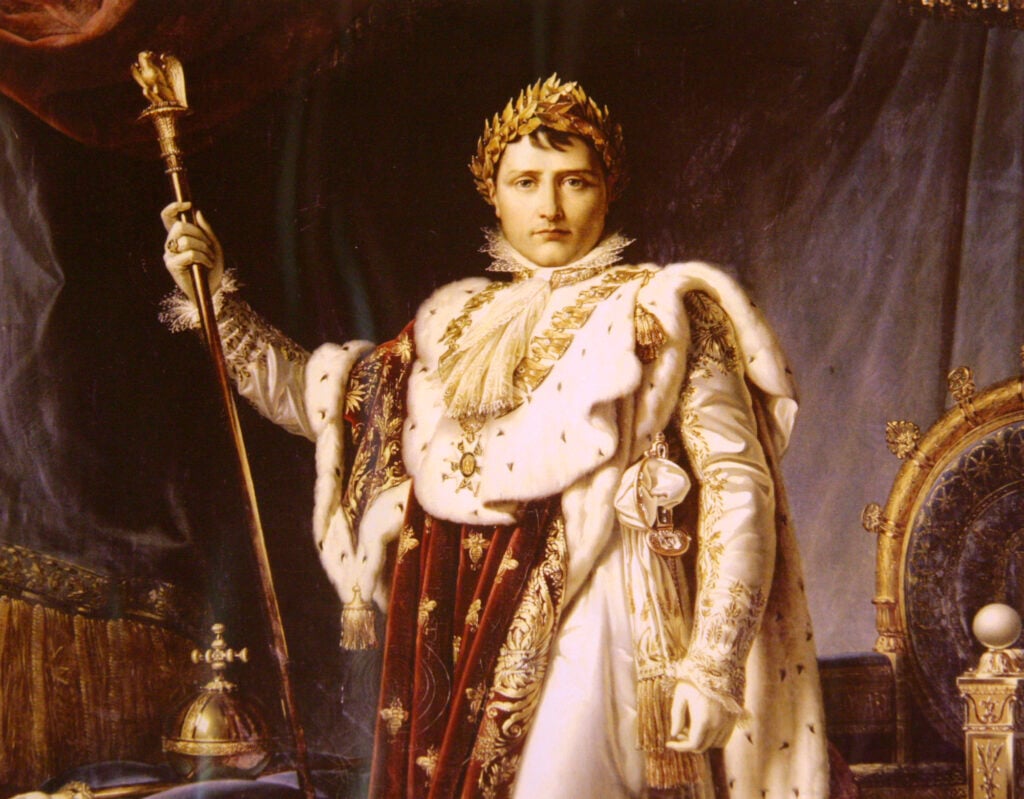
Wait — this one’s a trick. Napoleon wasn’t tall at all. He was 5’2″ in French measurements, which translated to about 5′ 7″ in English units, making him average for his time.
The “short Napoleon” myth comes from British propaganda and measurement confusion. History has a sense of humor about these things.
Charles de Gaulle
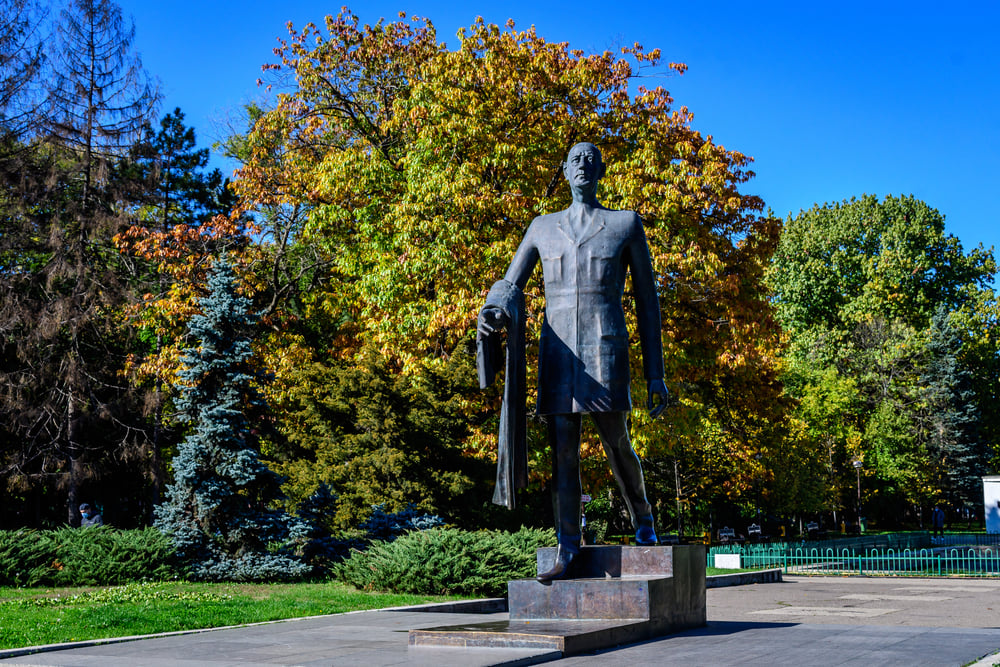
The French president and wartime leader stood 6’5″, which made him a giant among early 20th-century Europeans. His height became part of his political persona — he used it to literally and figuratively look down on opponents and rivals, and photographs from diplomatic meetings often show other world leaders craning their necks upward to meet his gaze (a detail that probably annoyed him less than it should have, given that de Gaulle was never particularly known for his humility, and his memoirs suggest he was quite aware of the psychological advantage his stature provided him in rooms full of shorter men who were accustomed to being the most imposing figures present).
Standing next to Churchill or Stalin must have felt like a physical manifestation of his belief in French superiority. So much for diplomatic equality.
George Washington
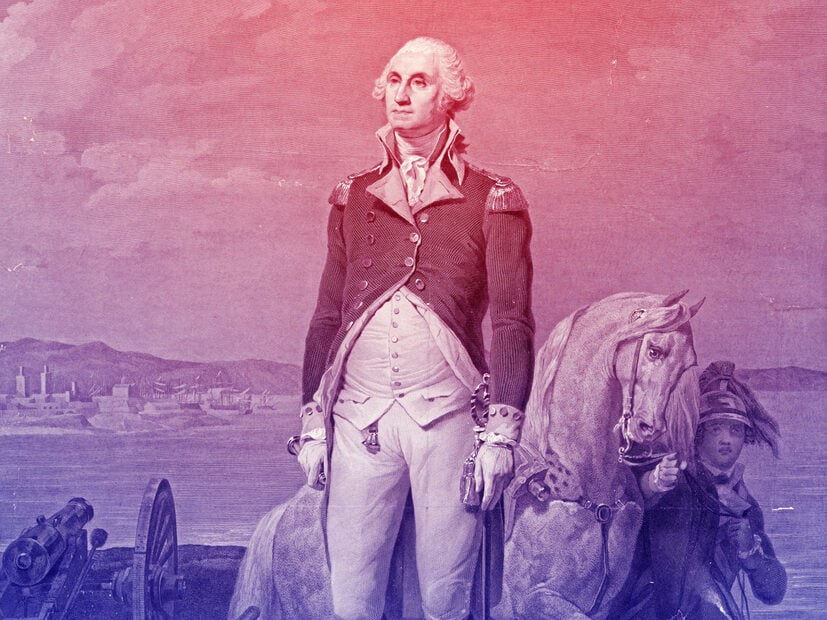
America’s first president measured 6’2″, making him exceptionally tall for the 18th century. There’s something poetic about the father of a nation that would eventually become obsessed with bigger-is-better literally standing head and shoulders above his contemporaries.
His height added to the natural authority that helped him command respect from both troops and fellow politicians. The wooden teeth get all the attention, but his height probably impressed people more on a daily basis.
Thomas Jefferson
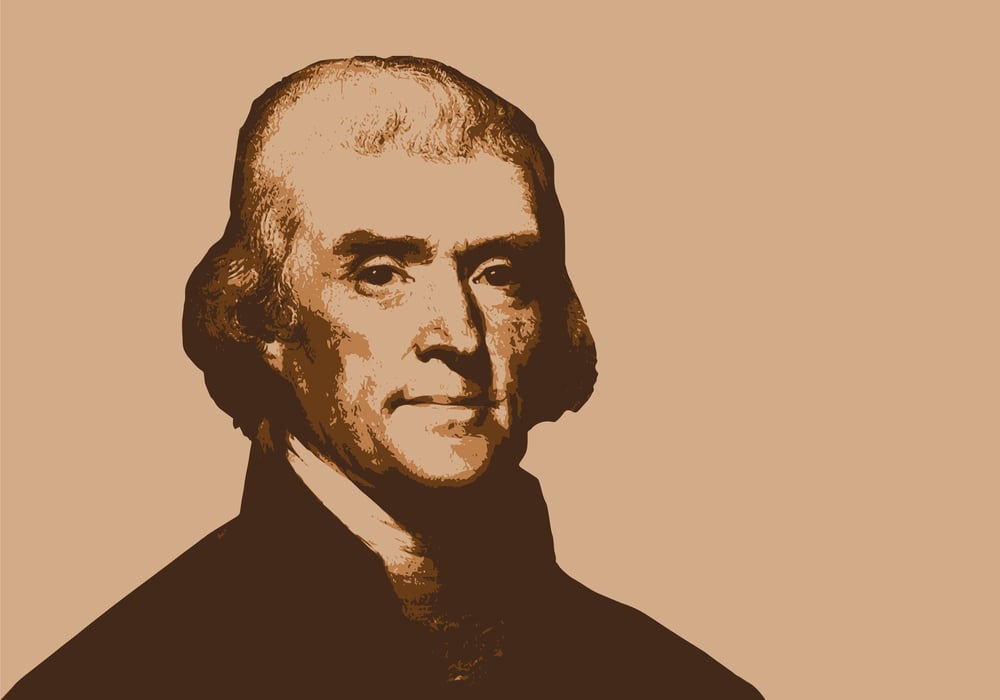
Jefferson stood 6’2″, same as Washington. Coincidence feels too neat here, like the founding fathers were cast from central casting with a height requirement (though the reality is that both men came from Virginia’s landed gentry, where better nutrition probably contributed to their above-average stature, and their social class meant they had access to the kind of diet and lifestyle that supported healthy growth during an era when most people were considerably smaller due to nutritional limitations and harder physical labor from an early age).
But Jefferson’s height fit his personality — he was a man who thought big about everything from architecture to political philosophy. Even his contradictions were oversized.
Charlemagne
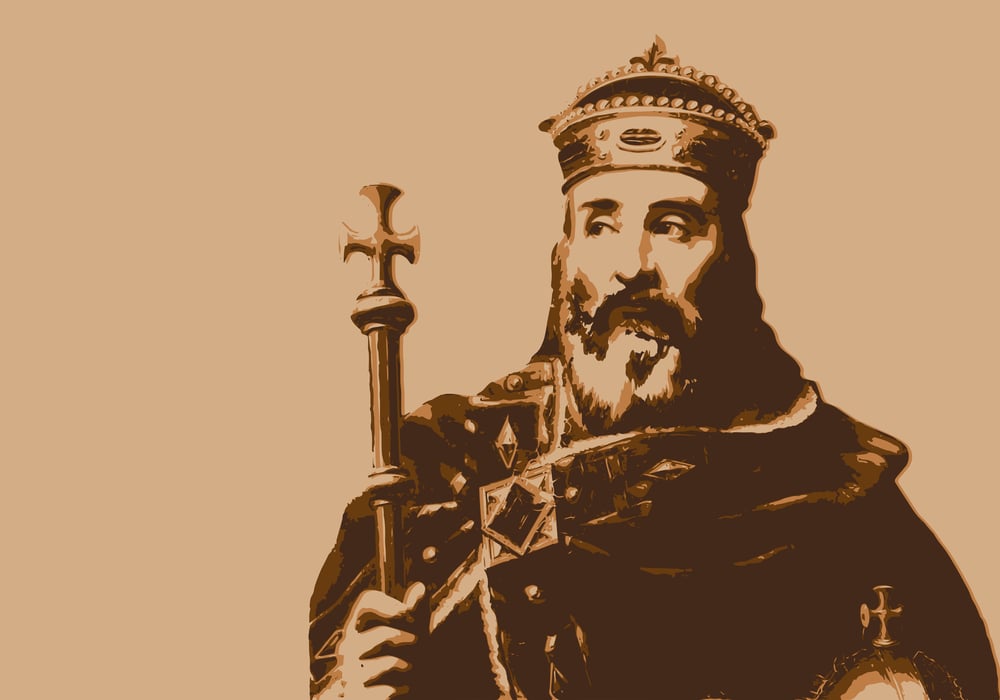
The Holy Roman Emperor reportedly stood around 6’4″ according to examinations of his remains. Medieval sources describe him as towering over other nobles, which makes sense — being physically imposing probably helped when you’re trying to unite most of Western Europe under your rule.
His nickname “Charles the Great” referred to his achievements, but the physical reality probably didn’t hurt the legend.
Peter the Great
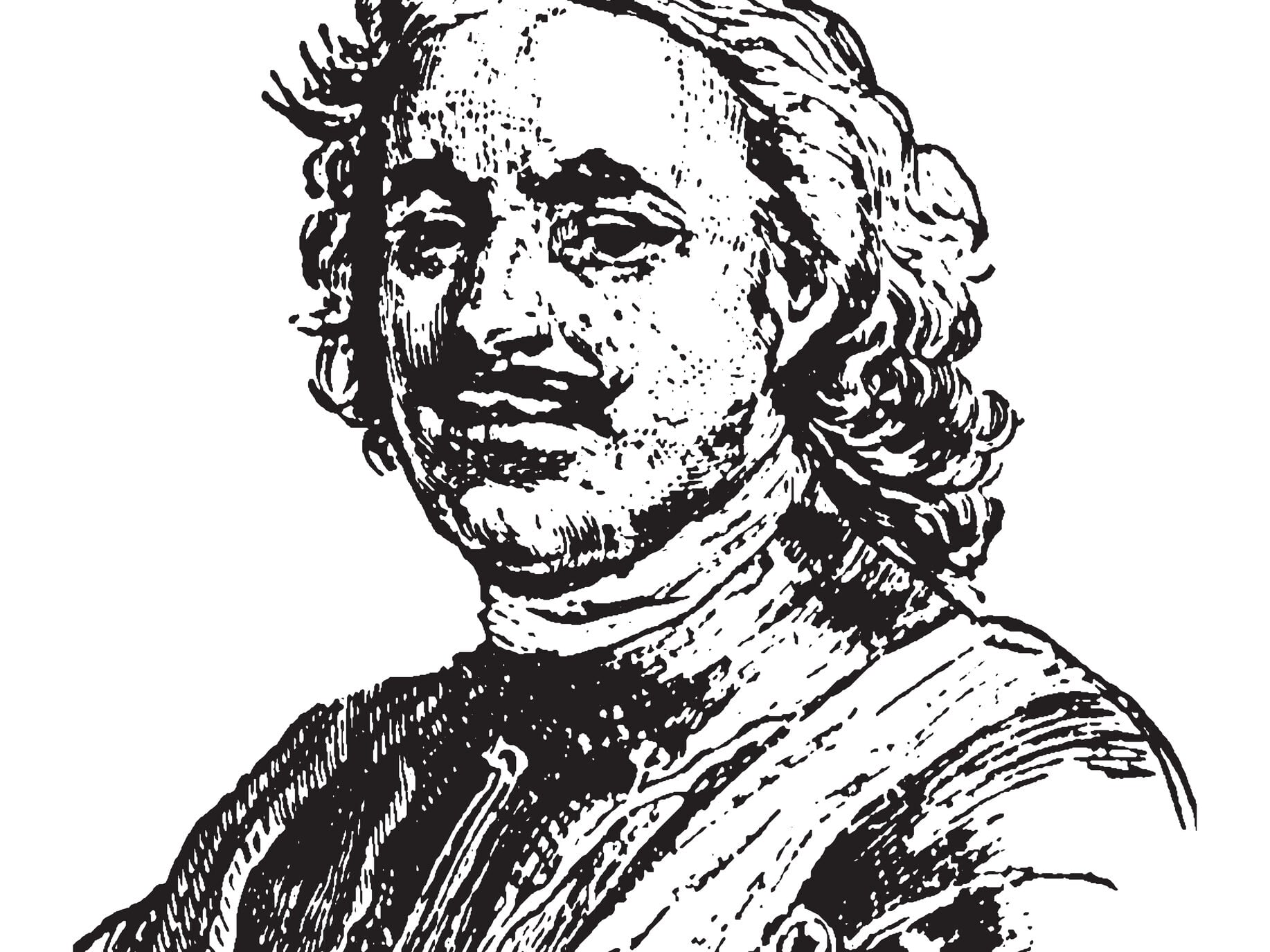
Russia’s transformative tsar measured an astounding 6’8″, making him not just tall but genuinely gigantic for his era. Peter used his height as a tool of statecraft just as deliberately as he used military force or economic policy.
Foreign ambassadors wrote home about being literally overshadowed by the Russian ruler, and domestic nobles found themselves looking up at a man who was reshaping their entire world. His height became part of Russia’s national mythology — a larger-than-life ruler for a larger-than-life country.
Alexander Hamilton
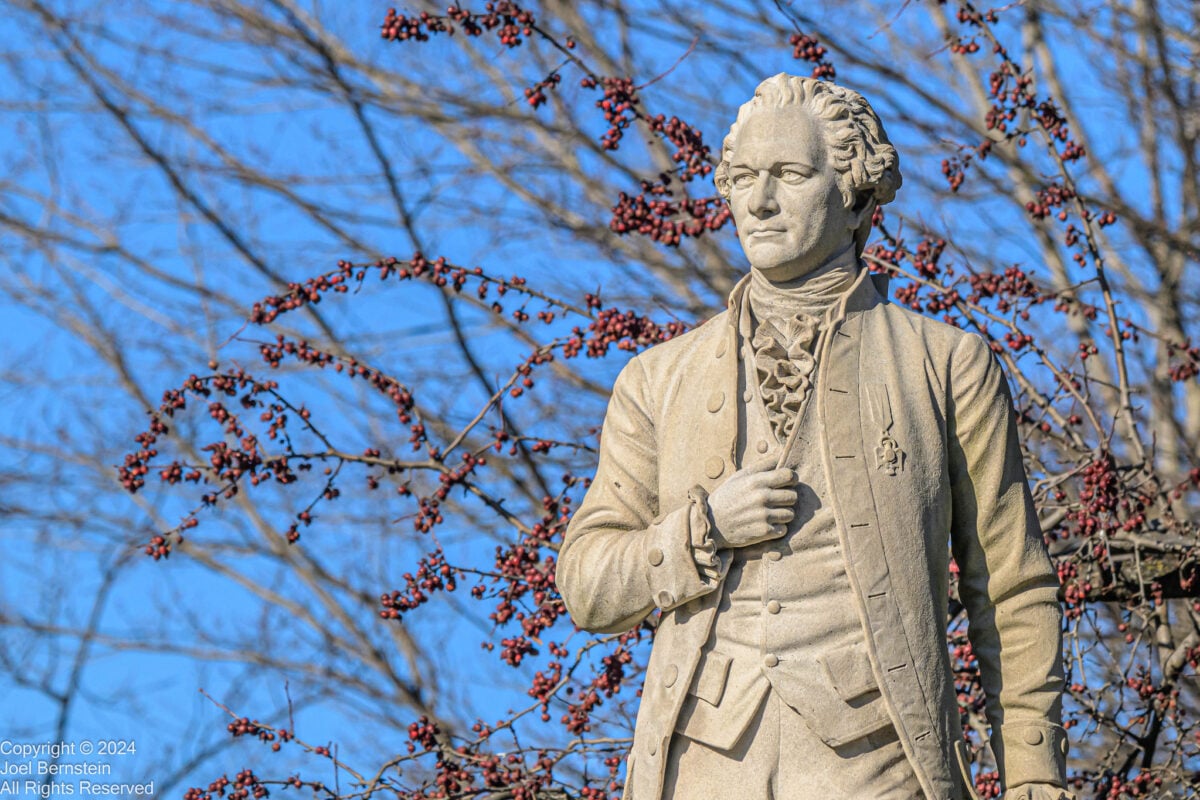
Hamilton stood around 5’7″, which doesn’t sound impressive until you remember that made him taller than average for men of his generation. His political opponents often mocked his foreign birth and humble origins, but rarely his physical presence.
Standing across from Aaron Burr at their fatal duel, Hamilton probably looked Burr in the eye — they were nearly the same height, which adds an extra layer of tragedy to their confrontation.
Franklin D. Roosevelt
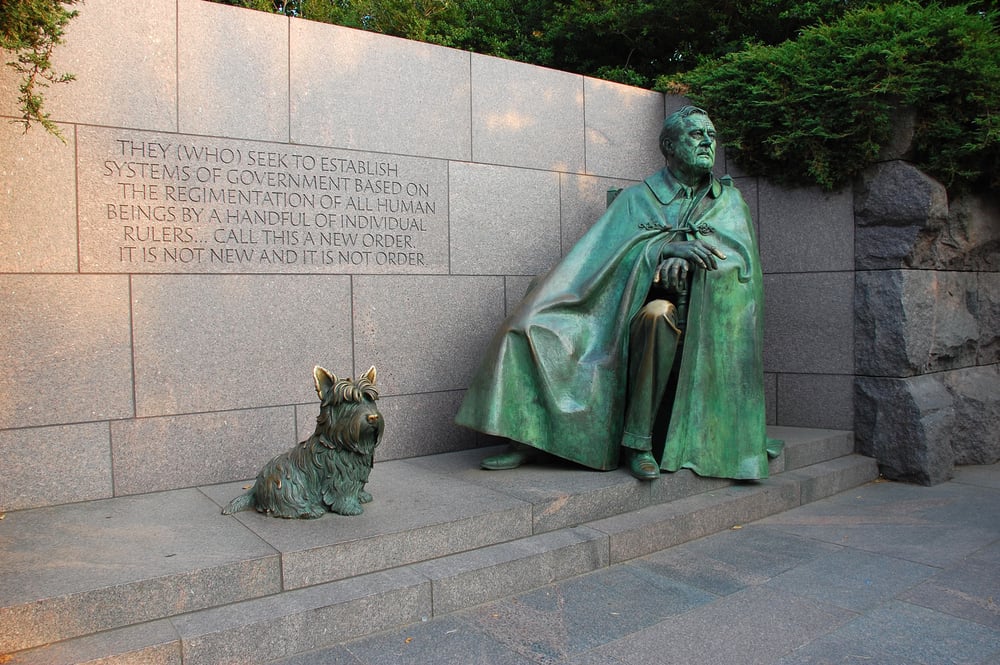
Before polio changed everything, Roosevelt was a tall, athletic man at 6’2″. The illness that would define his presidency also obscured his natural height — most Americans never saw him standing, and photographs were carefully managed to hide his physical limitations.
His height became another casualty of his disease (and perhaps another source of private frustration for a man who had grown accustomed to the subtle advantages that physical presence provides in political settings, though he adapted by developing the kind of commanding voice and personal charisma that could fill a room even from a seated position, proving that true authority comes from character rather than stature, even if stature certainly doesn’t hurt). But those who knew him before 1921 remembered a physically imposing figure. The wheelchair couldn’t diminish his presence, but it did hide part of what had made him naturally commanding.
John Adams
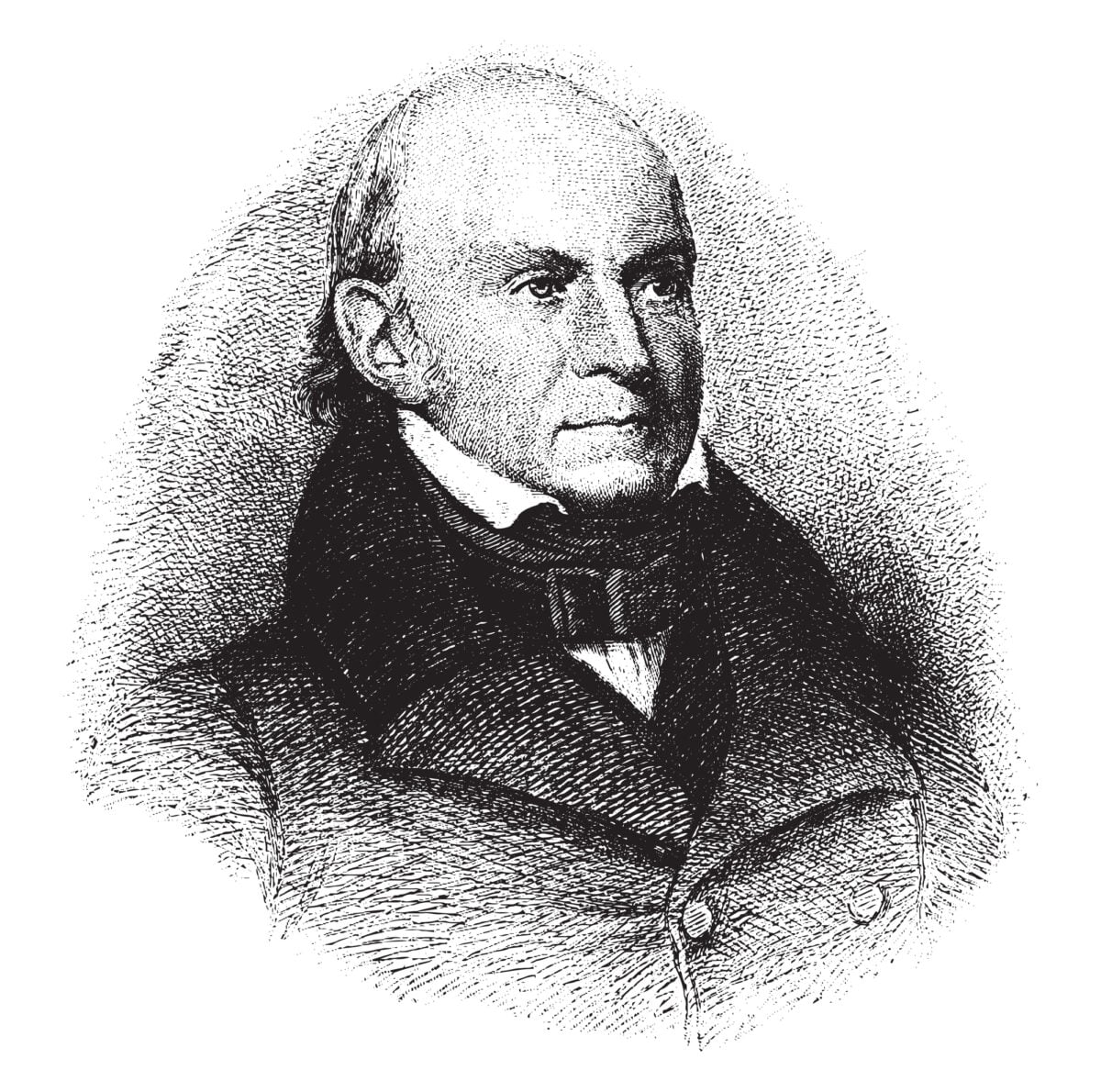
Adams was notably short at 5 ‘7″, which was average for his time but made him the shortest man in most rooms full of founding fathers. This one’s actually about the absence of height rather than its presence.
Adams seemed to develop his sharp tongue and stubborn streak partly as compensation for his physical limitations. When you’re standing next to Washington and Jefferson, you find other ways to command attention.
Otto von Bismarck
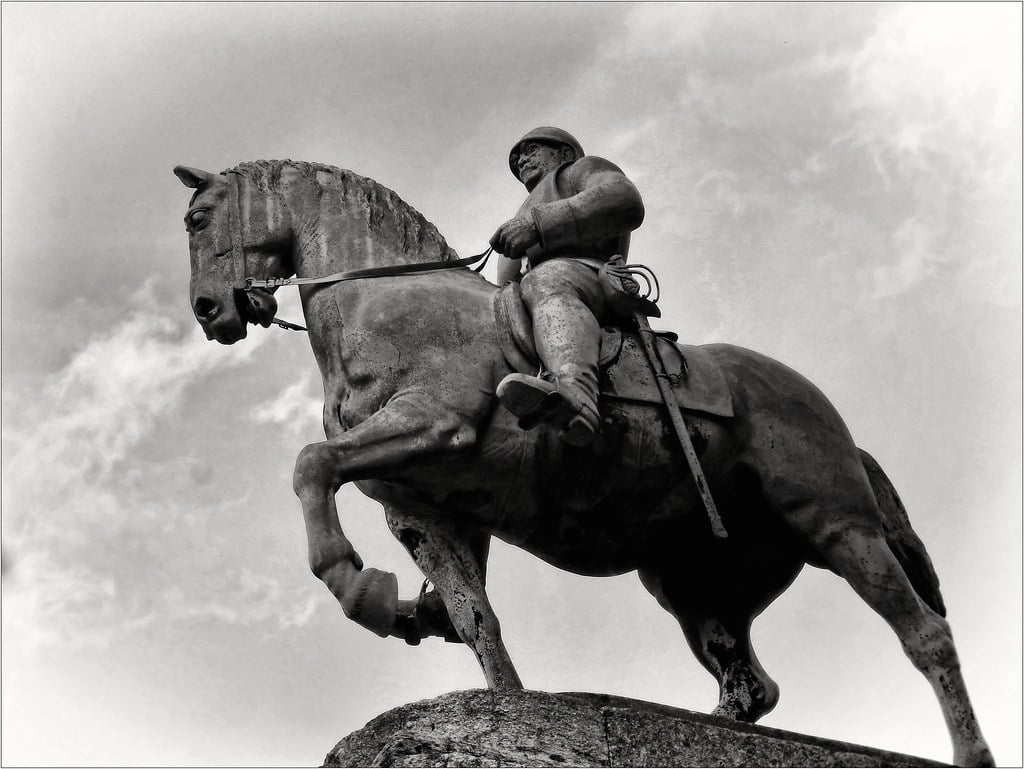
The Iron Chancellor stood 6’3″ and used every inch of it for political intimidation. Bismarck understood that diplomacy was partly theater, and his imposing frame helped sell the performance of Prussian strength.
Foreign ministers found themselves negotiating with a man who looked like he could personally enforce whatever treaties they were discussing.
King Louis XIV
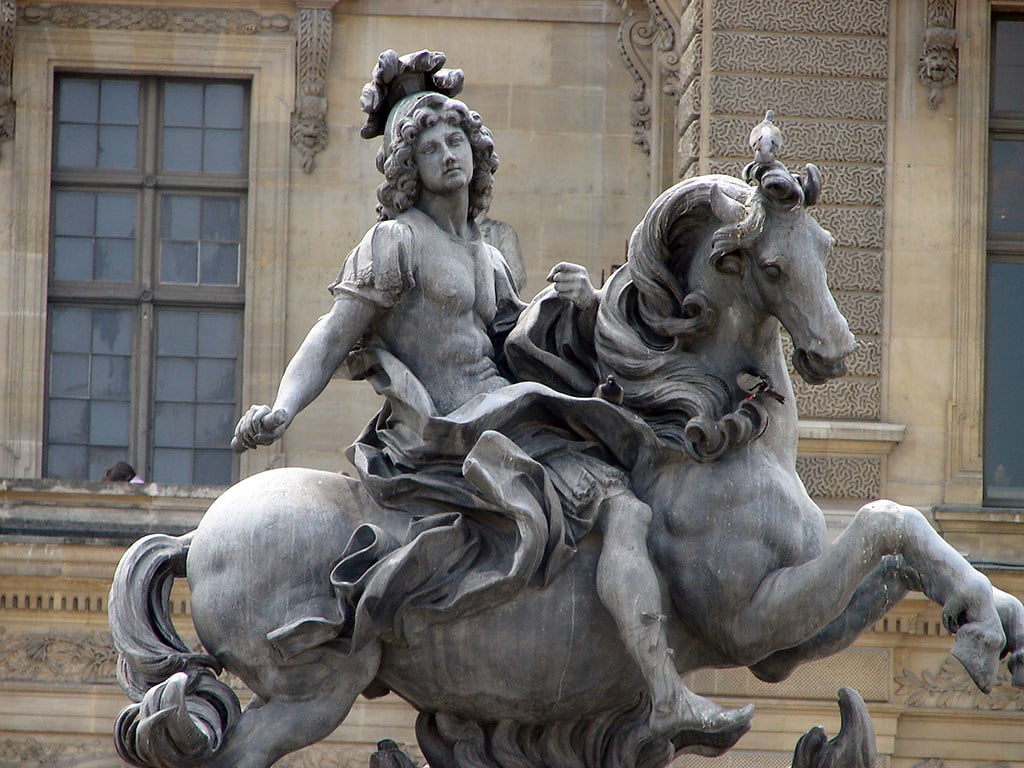
The Sun King measured about 6’4″ with his shoes off, which was enormous for 17th-century France. Louis understood spectacle better than perhaps any ruler in history, and his height was just another tool in his arsenal of magnificence (along with the elaborate wigs, the ornate clothing, the carefully choreographed court ceremonies, and the palace at Versailles that was designed to make visitors feel small and insignificant by comparison, though one has to wonder if his natural height made him more confident about all the theatrical elements or if the theatrical elements were partly compensation for some other insecurity that history hasn’t recorded).
French courtiers literally looked up to their king. The metaphor became reality every time he entered a room.
Voltaire
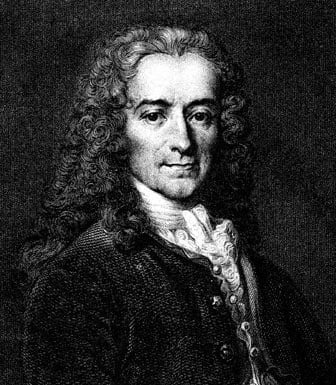
The great philosopher and writer stood around 6’0″, which was quite tall for 18th-century France. His sharp wit was matched by a physical presence that probably helped him get away with some of his more intriguing observations.
Standing tall while questioning everything from religious authority to political power takes a certain kind of confidence — physical and intellectual height seemed to reinforce each other in Voltaire’s case.
John F. Kennedy
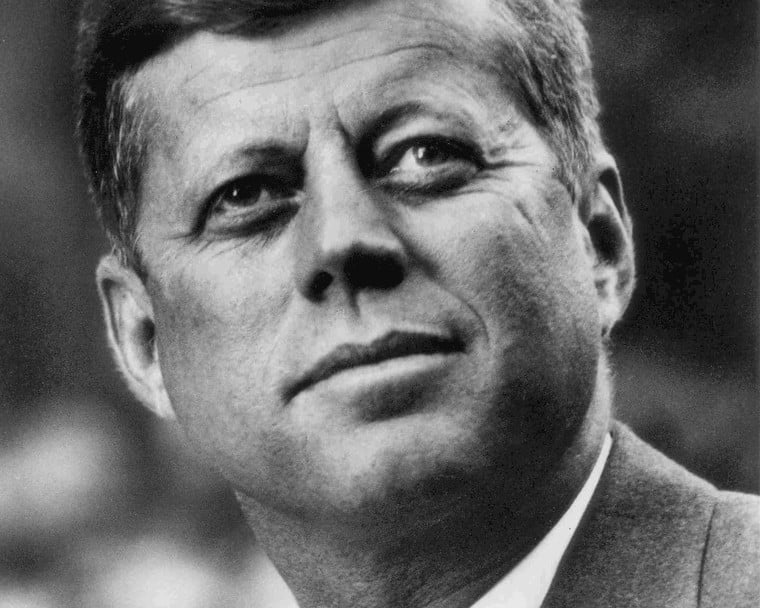
Kennedy was 6’1″, and he used his height along with his youth and good looks to project vigor and energy. The 1960 debates against Nixon weren’t just about policy — they were about presence, and Kennedy’s tall, confident bearing played well on television.
His height fit the image of America he wanted to project: young, strong, and looking toward the future.
Winston Churchill
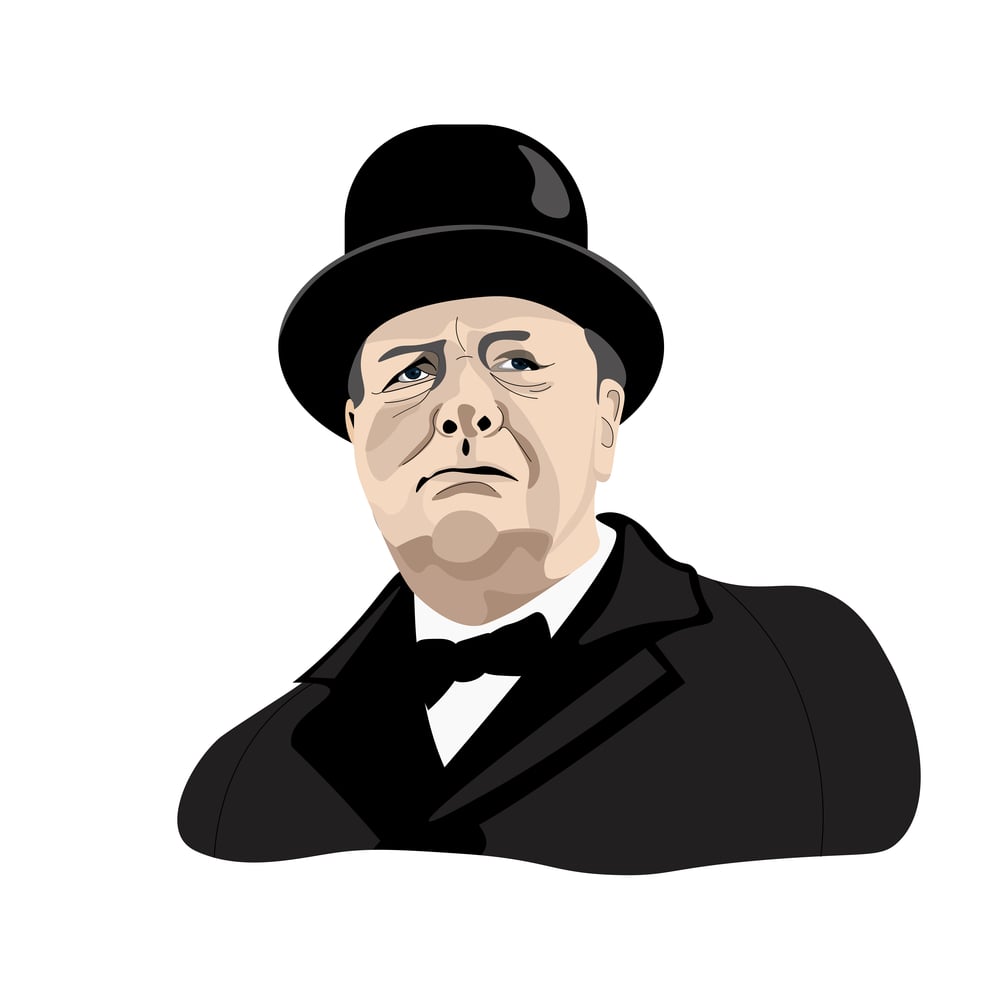
Churchill was actually quite short at 5 ‘6″, but his presence was so commanding that many people remembered him as taller than he actually was. This is the reverse of the height effect — instead of using physical stature to command respect, Churchill’s force of personality created an illusion of physical presence that transcended his actual measurements.
Giants Among Us

Height creates its own kind of historical footnote. These towering figures understood something that shorter leaders had to learn the hard way: physical presence opens doors that talent alone might leave closed.
Not that height guarantees greatness — plenty of tall people disappear into historical obscurity. But when exceptional ability meets exceptional stature, the combination tends to leave a longer shadow across the centuries.
More from Go2Tutors!

- The Romanov Crown Jewels and Their Tragic Fate
- 13 Historical Mysteries That Science Still Can’t Solve
- Famous Hoaxes That Fooled the World for Years
- 15 Child Stars with Tragic Adult Lives
- 16 Famous Jewelry Pieces in History
Like Go2Tutors’s content? Follow us on MSN.