Rare Sports Cards And Their Value
The smell of bubble gum and the crisp snap of a fresh pack opening — these memories tie millions of collectors to something far more valuable than nostalgia. What started as simple cardboard rectangles tucked into candy purchases has evolved into a market where single cards sell for more than most people’s homes.
The transformation didn’t happen overnight, but when it did, it caught everyone off guard.
Understanding which cards hold genuine value versus those gathering dust in closets requires knowing what separates the extraordinary from the everyday. Rarity, condition, and timing create a perfect storm that can turn a childhood keepsake into a life-changing asset.
1952 Topps Mickey Mantle
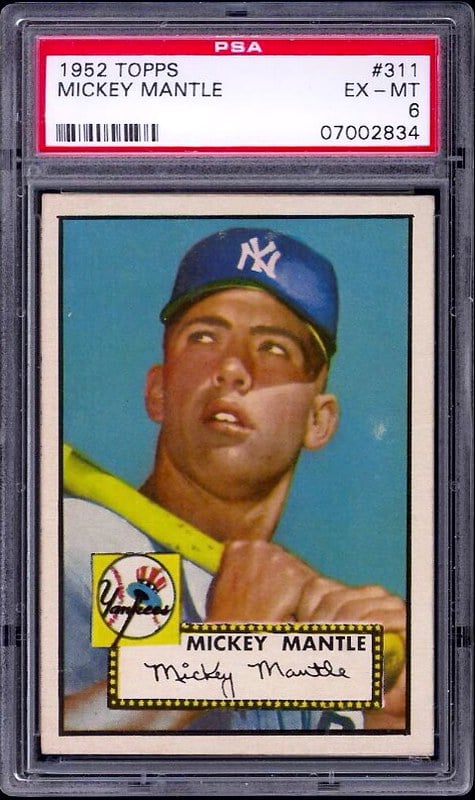
This card doesn’t just represent baseball history. It represents the moment when cardboard became currency.
The 1952 Topps Mickey Mantle sits at the intersection of perfect timing, legendary player, and scarcity that collectors dream about.
Mint condition examples have sold for over $12 million, making it the most expensive sports card ever purchased. Even lower-grade versions command six-figure prices, proving that condition matters but doesn’t eliminate value entirely.
1986 Fleer Michael Jordan Rookie
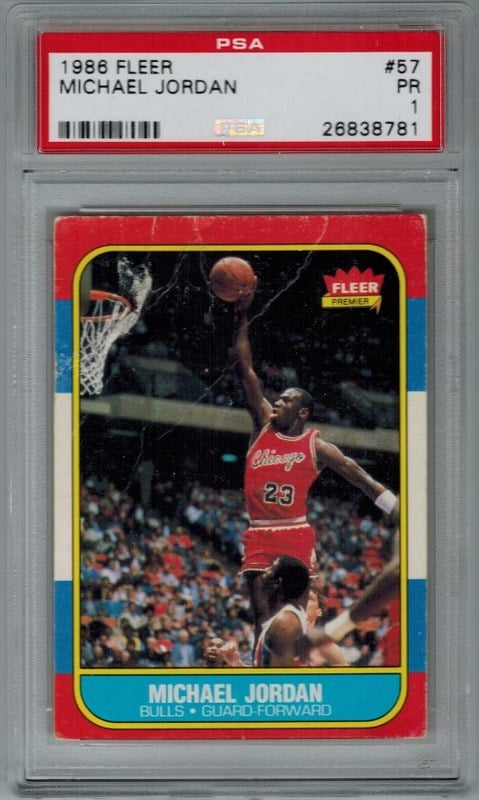
Basketball card collecting centers around one moment: Jordan’s rookie card release. The 1986 Fleer set was small, the distribution was limited, and nobody predicted what Jordan would become.
Perfect storm conditions created perfect rarity.
High-grade versions regularly sell for $500,000 and higher. The card’s value isn’t just about Jordan’s greatness — it’s about being the first mass-produced card of the greatest basketball player ever.
Timing matters, and this timing was impeccable.
T206 Honus Wagner
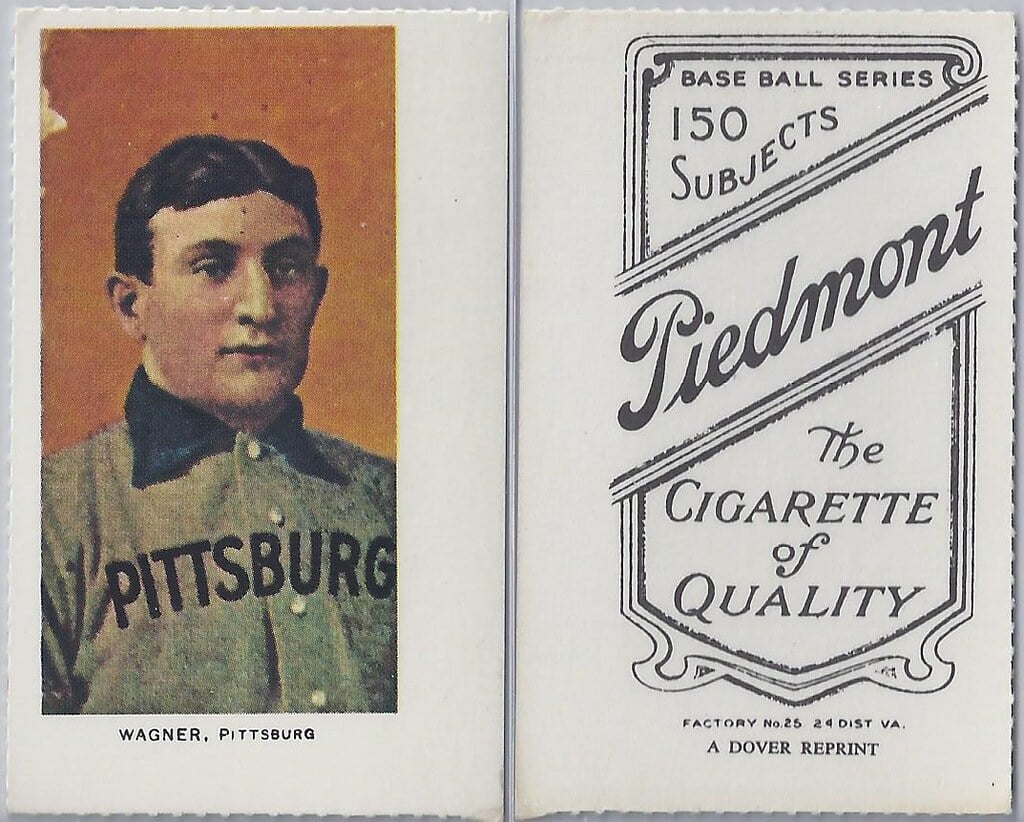
The Holy Grail exists, and it’s a cig card from 1909. The T206 Honus Wagner (often called “The Wagner”) represents everything rare card collecting aspires to achieve.
Wagner supposedly objected to his inclusion in cig products, which led to the card being pulled from production almost immediately, creating legendary scarcity that has only grown with time.
So few exist that each sale becomes headline news. And when they do surface — which happens maybe once every few years — the prices climb higher than anyone expects, because the Wagner isn’t just rare; it’s mythically rare, the kind of scarcity that exists more in story than reality.
But the stories are true. The card commands millions because it earned that status through a century of proving its worth.
1979 O-Pee-Chee Wayne Gretzky Rookie
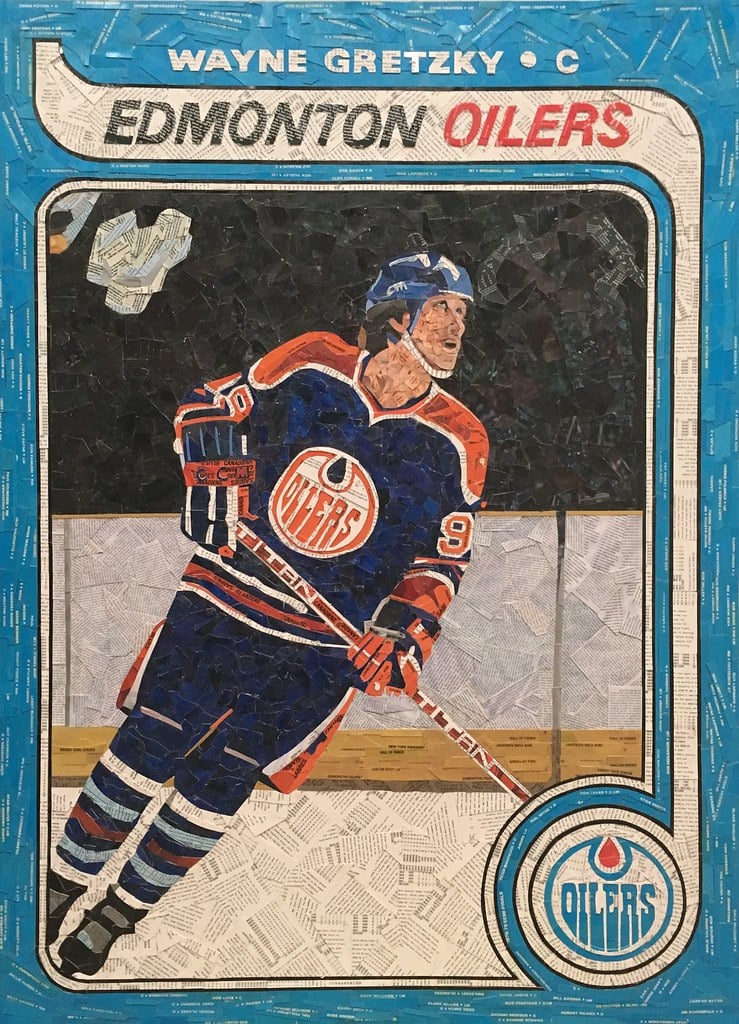
Hockey cards live in a smaller market than baseball or basketball, but Gretzky transcends sport boundaries. Like a perfect piece of machinery that only reveals its complexity under close examination, this card represents the pinnacle of hockey collecting — deceptively simple on its face, impossibly intricate in its significance.
The printing quality of O-Pee-Chee cards was notoriously inconsistent, which means finding high-grade examples becomes an exercise in patience and luck.
Most copies survived four decades with the kind of wear that tells stories — corner dings from bicycle spokes, surface scratches from being handled by kids who had no idea they were holding treasure. The few that escaped unscathed carry all that potential energy, all those close calls, in their pristine surfaces.
1933 Goudey Babe Ruth
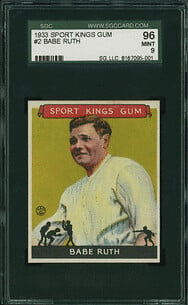
Ruth cards exist in multiple sets, but the 1933 Goudey stands apart. The Great Depression was crushing the country, yet Goudey Gum Company decided to produce high-quality cards anyway.
Most people couldn’t afford luxuries, which kept production numbers low and survival rates even lower.
Modern collectors pay $100,000 and higher for top examples because the card represents Ruth during his Yankees prime, captured in full-color artwork rather than photography. The artistic approach gives it a timeless quality that photographs from the era lack.
2009 Bowman Chrome Mike Trout Superfractor
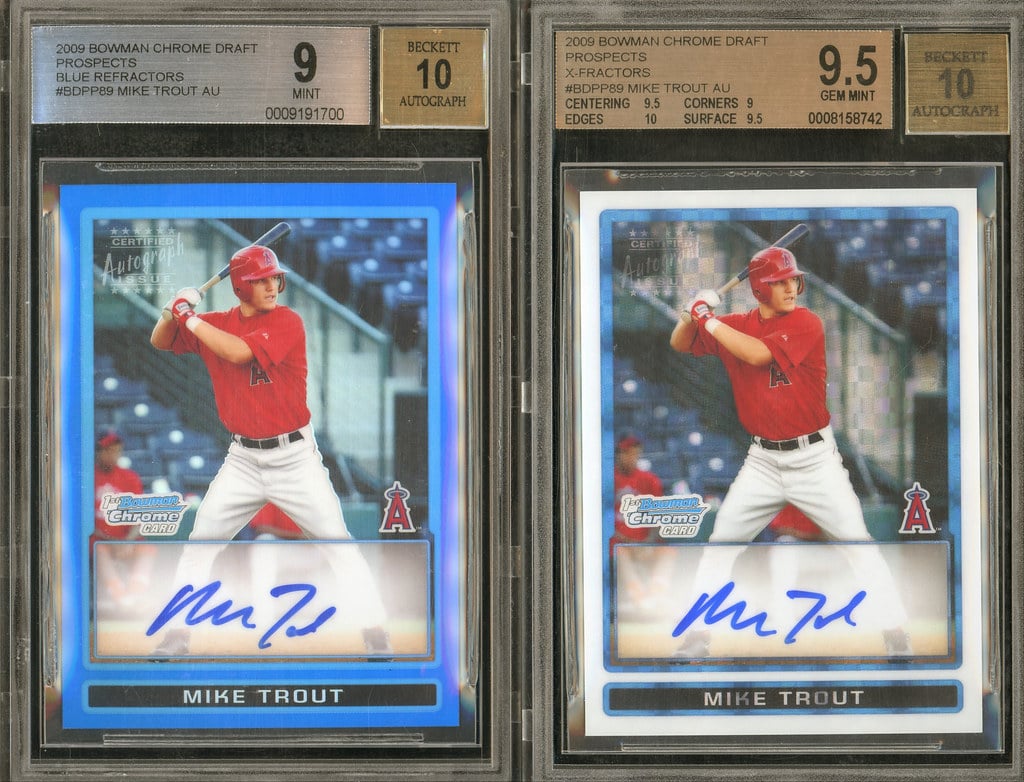
Modern card collecting operates differently than vintage markets. Print runs are massive, but parallel versions create artificial scarcity.
The 2009 Bowman Chrome Mike Trout Superfractor exists as a one-of-one card — literally the only one ever produced.
That single card sold for $3.93 million in 2020, proving that modern rarity can compete with vintage scarcity when the player and circumstances align perfectly. Trout became exactly what scouts predicted, and owning his ultimate rookie card became the modern equivalent of owning vintage legends.
1955 Topps Roberto Clemente Rookie
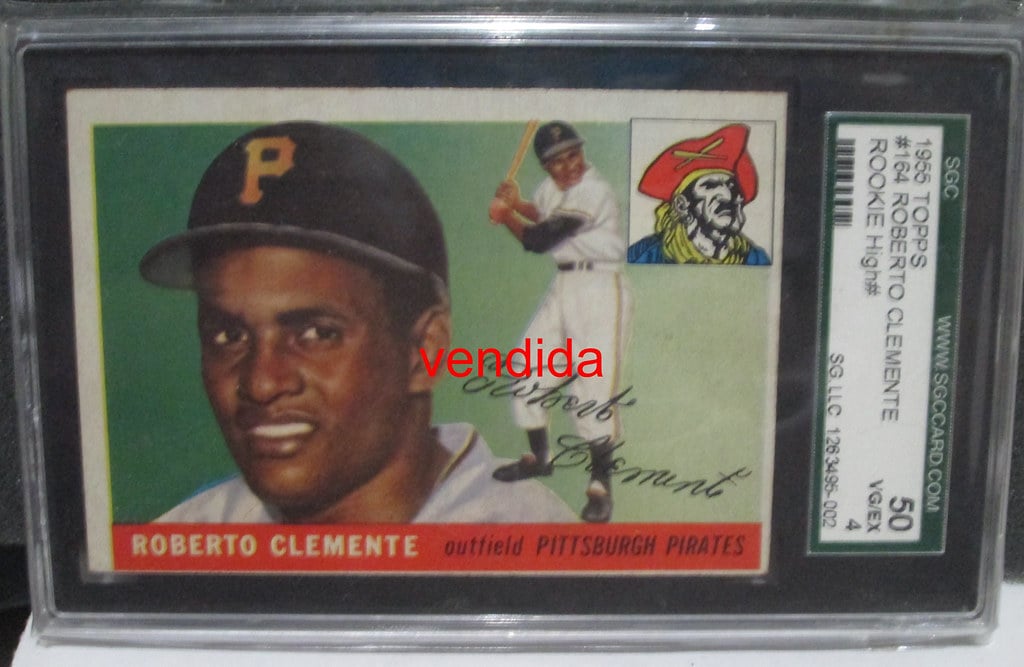
Clemente’s rookie card carries weight beyond statistics. Like watching someone write poetry in a language they’re still learning, there’s something both effortless and deliberate about how this card has aged into significance.
The 1955 Topps set was well-produced, but Clemente wasn’t yet the household name he’d become, so his rookie card didn’t receive the careful handling that obvious superstars commanded.
Most copies show their age through the particular kind of wear that comes from being genuinely loved rather than preserved. Corner softness, surface scuffs, the gentle fading that happens when cardboard lives in shoeboxes rather than protective sleeves.
But that history is part of what makes high-grade survivors so compelling — they represent the few that escaped decades of casual handling to emerge as genuine treasures.
The card’s value reflects not just Clemente’s Hall of Fame career, but his cultural impact and the tragic circumstances of his death while delivering humanitarian aid. Sometimes significance accumulates in ways that nobody plans for.
1948 Leaf Babe Ruth
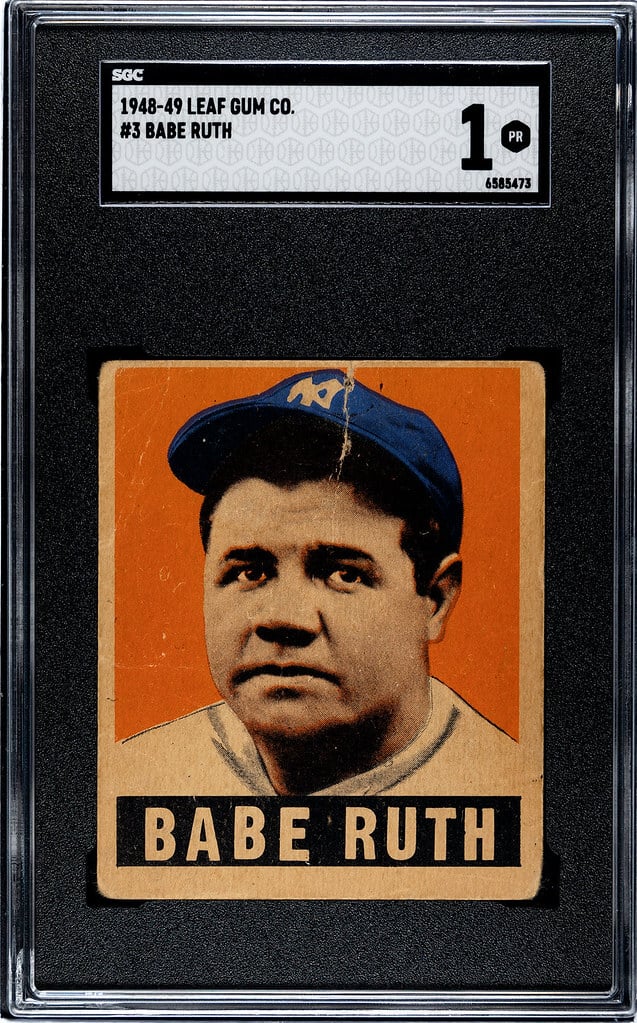
The 1948 Leaf set produced the last major Ruth card released during his lifetime. Ruth died later that year, which gives the card an unintended farewell quality that wasn’t apparent at the time but feels inevitable now.
Leaf cards used higher-quality cardboard than most contemporaries, but the printing process created centering issues that plague most examples.
Well-centered, high-grade versions command $50,000 and higher because they represent the intersection of Ruth’s final card appearance and superior production quality.
2003 Topps Chrome LeBron James Rookie
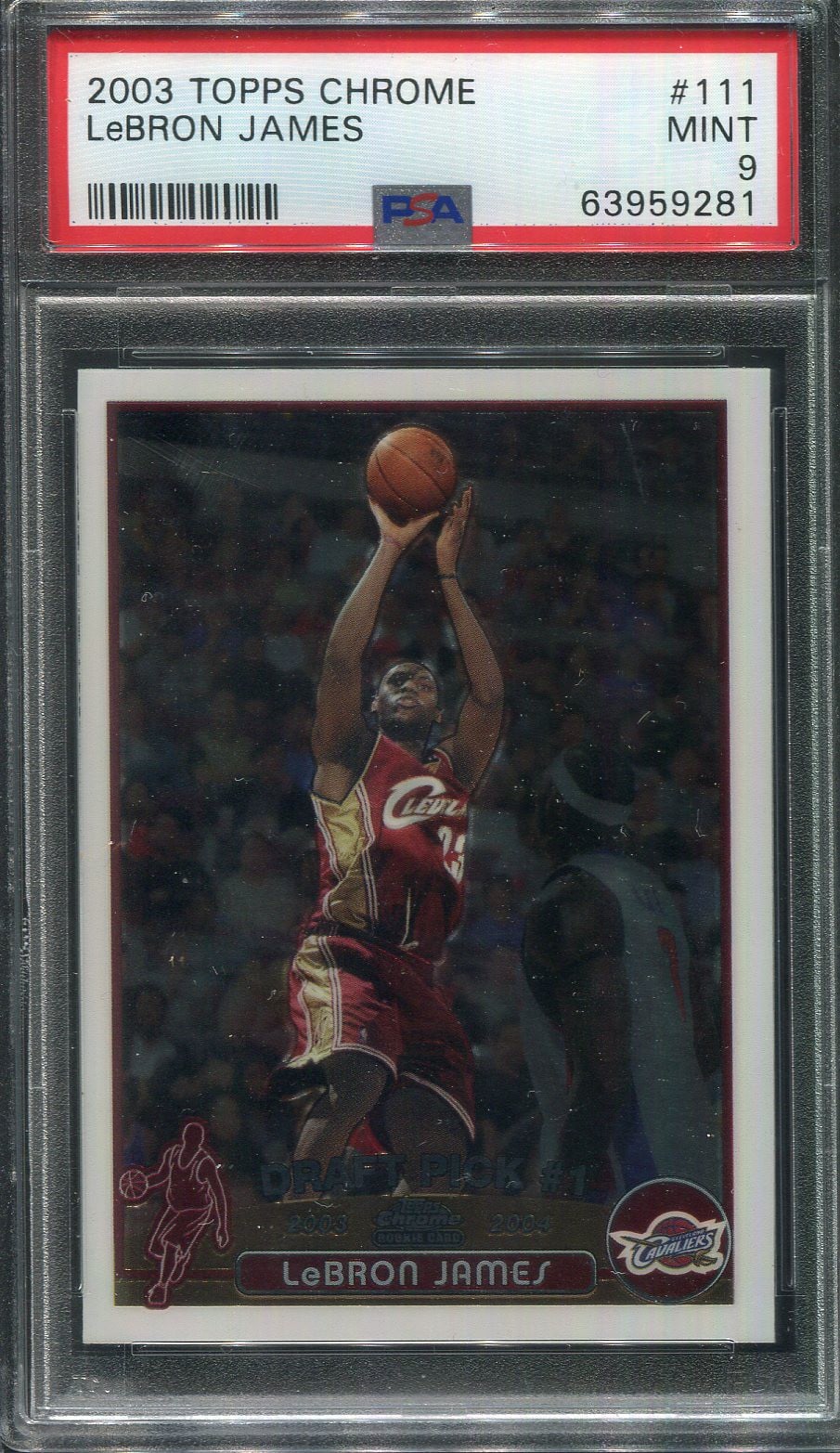
LeBron entered the NBA with unprecedented hype, which meant his rookie cards received immediate attention from collectors. The Topps Chrome version stands out because of its superior printing technology and the card company’s reputation for quality control.
High-grade versions sell for $300,000 and higher, but the real story is how quickly the values climbed.
Unlike vintage cards that appreciated slowly over decades, LeBron’s rookie cards achieved significant value within his first few seasons as collectors realized the hype was justified.
1914 Cracker Jack Ty Cobb
Cracker Jack cards came in actual Cracker Jack boxes, which means most got sticky, bent, or thrown away by kids who wanted the peanuts more than the pictures. The survival rate was catastrophically low, creating genuine scarcity that has only intensified over 110 years.
And yet, finding one in decent condition feels like archaeological discovery — not because they’re hidden, but because so few escaped the fate that befalls cardboard mixed with caramel-coated snacks and impatient children.
The ones that survived tell a story about luck, timing, and the occasional adult who understood that some things were worth saving even when nobody else agreed.
Cobb’s controversial legacy complicates the card’s appeal, but his statistical dominance and the set’s rarity maintain strong collector demand. Values for high-grade examples exceed $100,000 because the combination of player significance and scarcity trumps personal opinions about character.
1954 Topps Hank Aaron
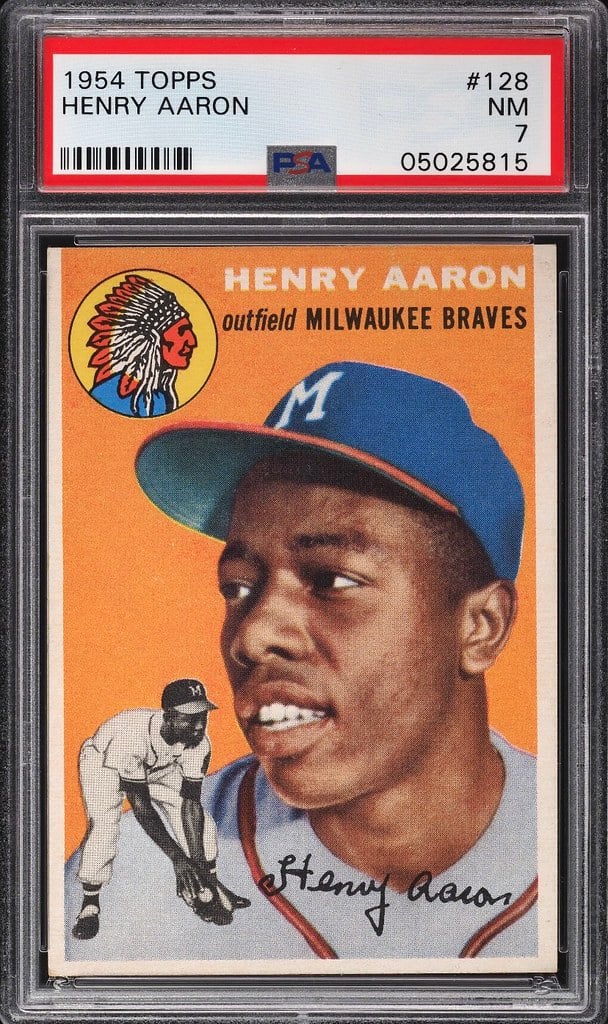
Aaron’s rookie card represents one of the most undervalued cards in the hobby relative to his achievements. The 1954 Topps set was well-produced and widely distributed, but Aaron was still overshadowed by established stars when the card was released.
The card’s value has grown steadily as collectors recognize Aaron’s true place in baseball history.
High-grade examples sell for $30,000 and higher, which sounds expensive until compared to other Hall of Fame rookies from the same era. The value gap suggests potential for future appreciation.
1969 Topps Reggie Jackson Rookie
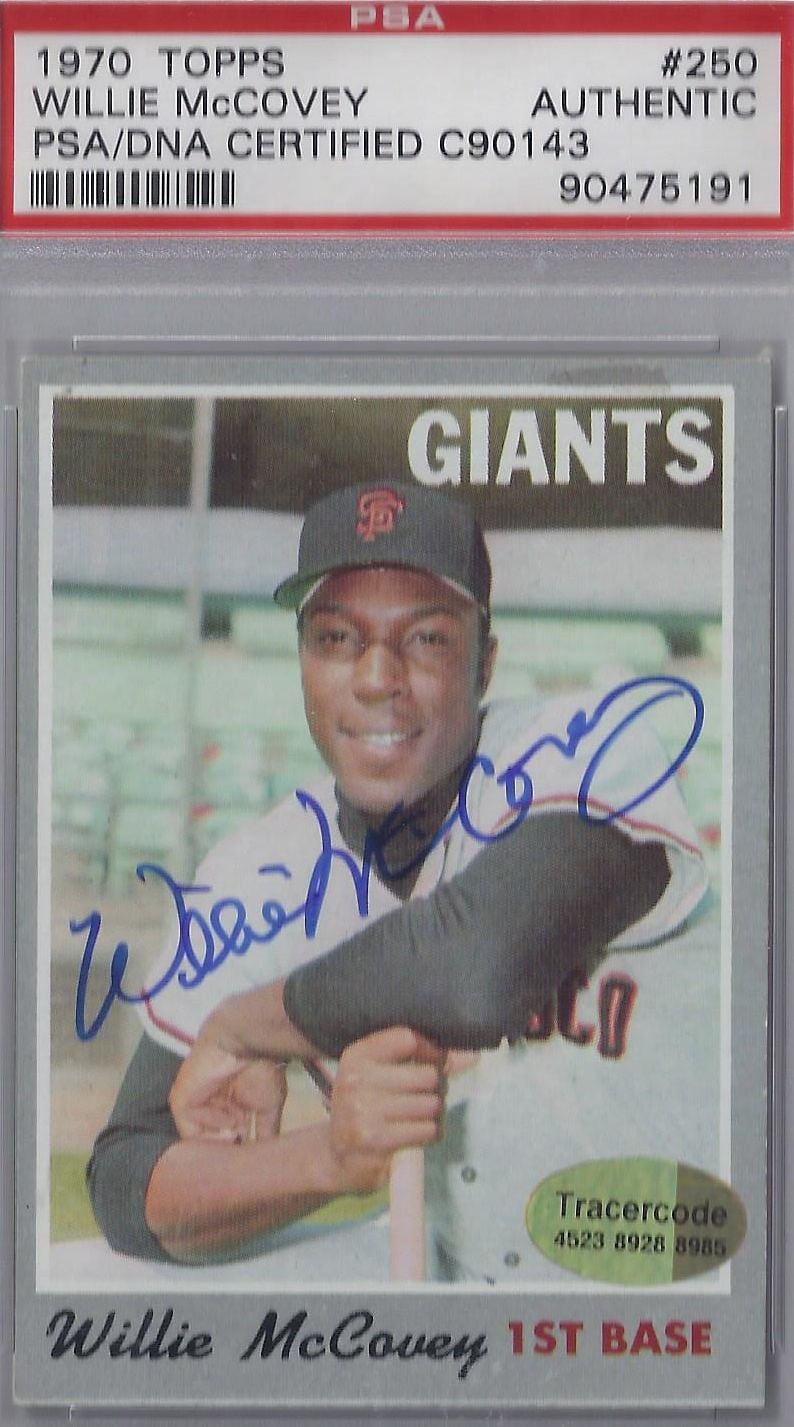
Jackson’s rookie card benefits from perfect timing and memorable design. The 1969 Topps set featured bright colors and sharp photography that still looks appealing decades later.
Jackson wasn’t yet “Mr. October,” but collectors recognized his potential early.
The card’s value reflects Jackson’s clutch reputation and colorful personality as much as his statistics. High-grade versions command $15,000 and higher, with the premium justified by the card’s visual appeal and Jackson’s lasting fame.
Sometimes personality matters as much as performance in determining long-term collectible value.
1951 Bowman Willie Mays Rookie
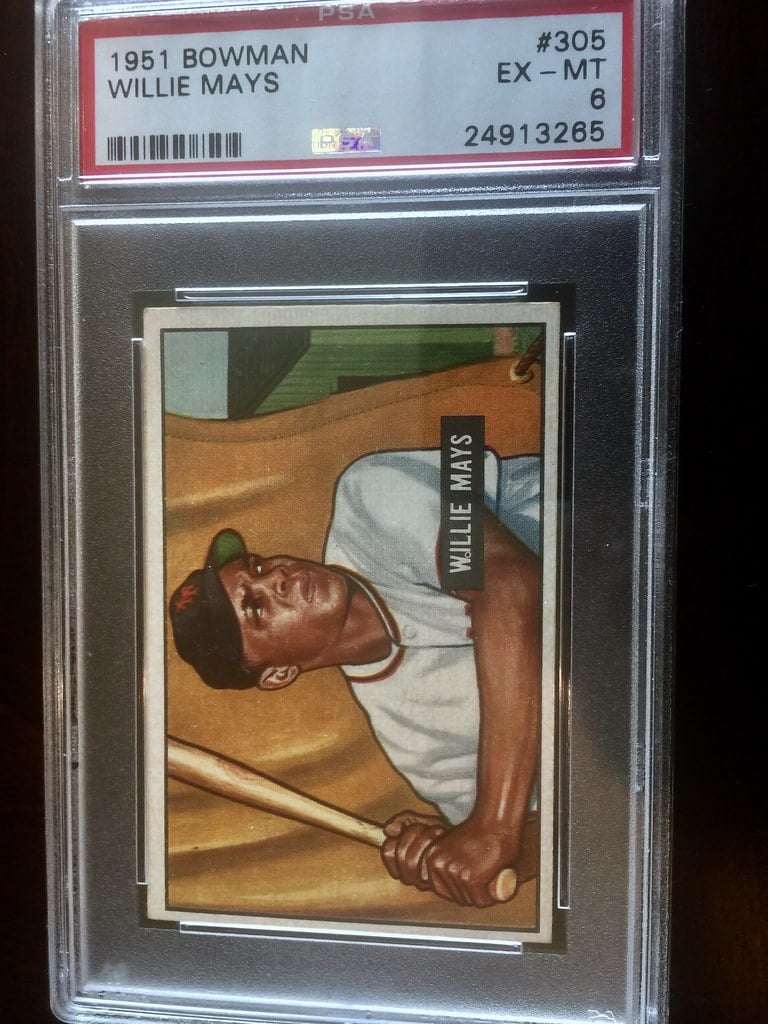
Mays rookie cards exist in multiple sets, but the 1951 Bowman captures him at the perfect moment — young, talented, and on the verge of greatness. The card’s design emphasizes Mays’ youthful appearance, creating a striking contrast with his later cards that show him as an established superstar.
High-grade examples sell for $100,000 and higher because Mays combined statistical excellence with spectacular defensive play that made him appointment television.
The card represents the last moment before everyone realized they were watching the most complete player in baseball history.
1911 T205 Christy Mathewson
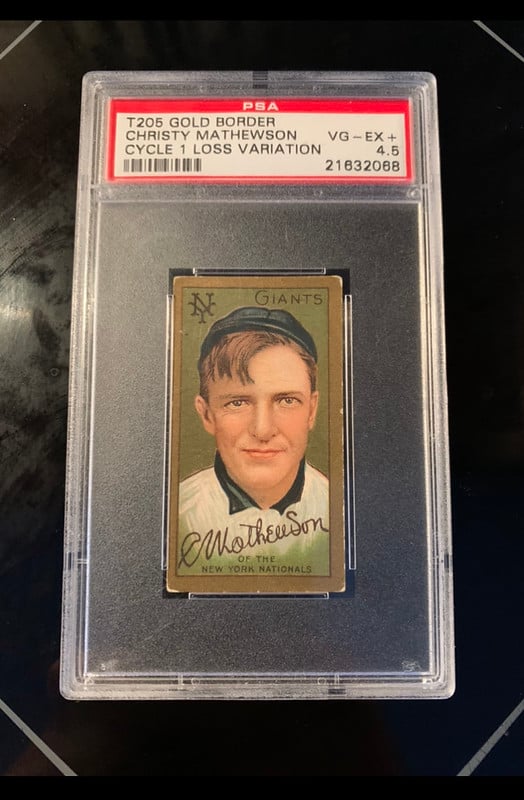
Early cig cards possess a dignity that modern cards struggle to match. Like old photographs that seem to hold more weight than their paper should allow, the T205 Mathewson carries the gravitas of an era when baseball was still finding its identity and players were more myth than celebrity.
Mathewson represented everything the sport wanted to project — intelligence, sportsmanship, and dominance — during an era when baseball’s reputation needed all the help it could find.
The card’s sepia-toned portrait captures that aspirational quality, presenting Mathewson not just as a player but as an ideal.
The T205 set’s survival rate was remarkably low, even by cig card standards, because the cards were slightly larger than most contemporaries and more prone to damage. Finding high-grade examples requires patience and substantial financial resources, with top versions commanding six-figure prices.
The Enduring Appeal Of Cardboard Gold
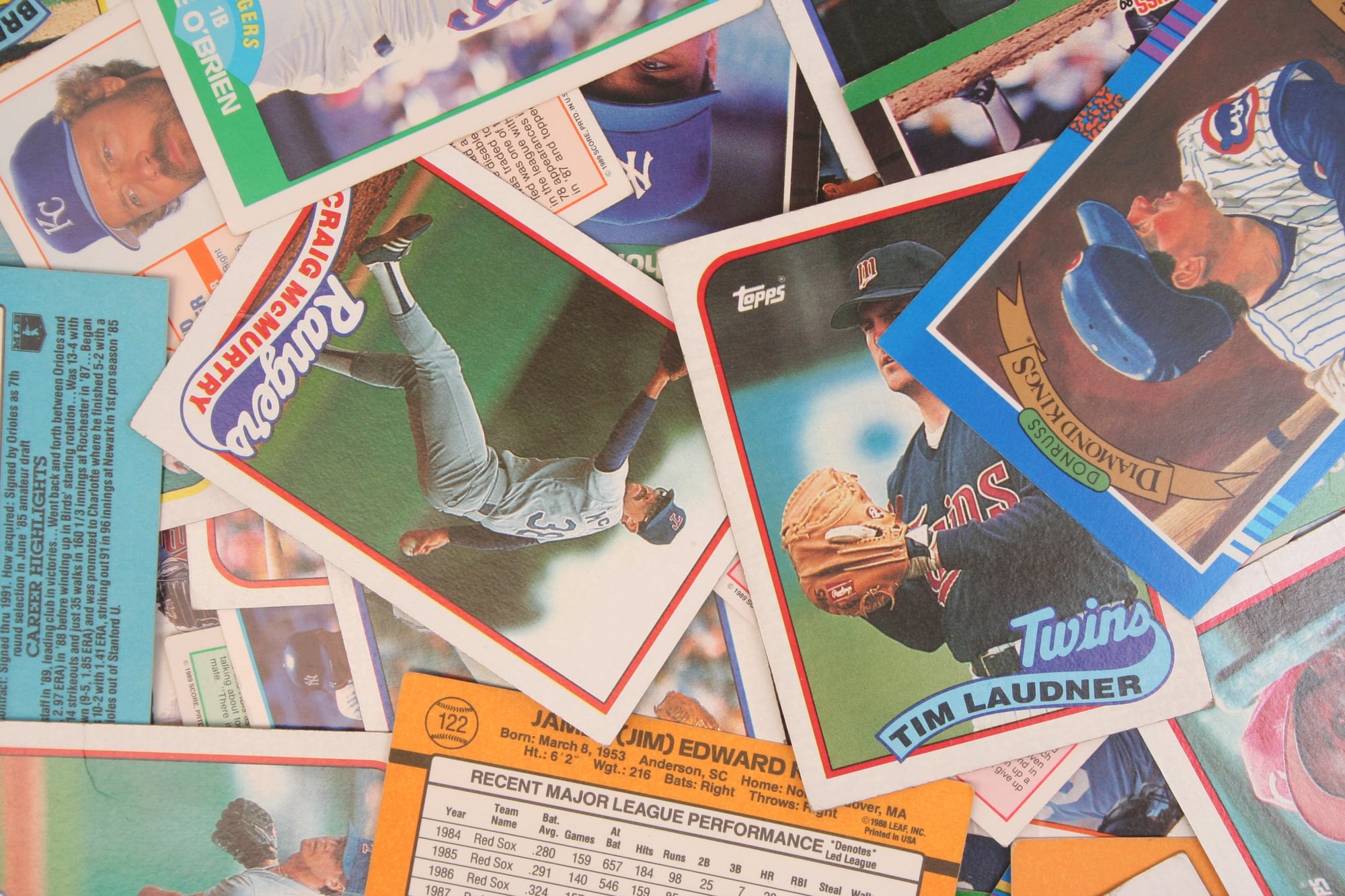
Sports cards create a unique form of time travel where touching cardboard connects collectors directly to moments that defined generations. The values may fluctuate with markets and trends, but the fundamental appeal remains constant: owning a piece of sporting immortality that fits in your hand.
The highest values will always concentrate around the perfect combination of legendary players, historical significance, and genuine scarcity. Everything else is just collecting — which isn’t a criticism, just a recognition of what separates the extraordinary from the merely memorable.
More from Go2Tutors!

- The Romanov Crown Jewels and Their Tragic Fate
- 13 Historical Mysteries That Science Still Can’t Solve
- Famous Hoaxes That Fooled the World for Years
- 15 Child Stars with Tragic Adult Lives
- 16 Famous Jewelry Pieces in History
Like Go2Tutors’s content? Follow us on MSN.