15 Hotels Known for One Tragic Event
Hotels are meant to be sanctuaries of comfort and rest, places where travelers feel safe and welcomed. But some hotels have become forever linked with tragedy, their names synonymous with devastating events that shook communities and changed the hospitality industry forever.
These stories remind us that behind every grand façade lies the potential for both triumph and catastrophe. Here is a list of 15 hotels that are primarily remembered not for their service or luxury, but for single tragic events that defined their place in history.
Winecoff Hotel

The Winecoff Hotel fire of December 7, 1946, in Atlanta, Georgia, claimed 119 lives and remains the deadliest hotel fire in American history. What makes this tragedy particularly heartbreaking is that the 15-story hotel was marketed as ‘absolutely fireproof’ due to its steel construction.
The fire started around 3:30 a.m., and guests found themselves trapped with no fire escapes and inadequate safety measures. The disaster led to sweeping changes in hotel fire safety regulations across the United States.
MGM Grand Hotel

On November 21, 1980, a fire broke out in the MGM Grand Hotel (now Horseshoe Las Vegas) in Paradise, Nevada, killing 85 people, most through smoke inhalation. The fire started in a restaurant and quickly spread through the casino and hotel areas.
Most victims died from smoke inhalation rather than burns, as toxic fumes traveled through the building’s ventilation system. This tragedy became Nevada’s worst disaster and led to major improvements in hotel fire safety systems throughout Las Vegas.
Hotel Cecil

The Hotel Cecil in Los Angeles became notorious for the mysterious disappearance and death of Elisa Lam in 2013. Her body was found in the hotel’s water tank after guests complained about the water’s taste and pressure.
The case sparked worldwide attention and conspiracy theories, partly due to disturbing elevator surveillance footage of Lam’s final moments. The hotel’s dark history includes numerous other incidents, but the Lam case cemented its reputation as one of America’s most haunted hotels.
Ambassador Hotel

The Ambassador Hotel in Los Angeles became forever linked with tragedy when Robert F. Kennedy was assassinated there on June 5, 1968. Kennedy had just finished delivering a victory speech after winning the California Democratic primary and was walking through the hotel’s kitchen when he was shot.
The assassination shocked the nation and marked the end of another Kennedy political dynasty. The hotel was demolished in 2006, but the tragedy remains a defining moment in American political history.
Mandalay Bay

The Mandalay Bay in Las Vegas became the site of the deadliest mass shooting in modern U.S. history on October 1, 2017. A lone gunman opened fire on the crowd from his hotel room, killing 58 people and injuring or wounding over 850 others as they fled the gunfire.
The shooter had been staying in a suite on the 32nd floor, targeting concertgoers at the Route 91 Harvest festival across the street. The tragedy prompted nationwide discussions about gun control and security measures at public events.
Hyatt Regency Kansas City
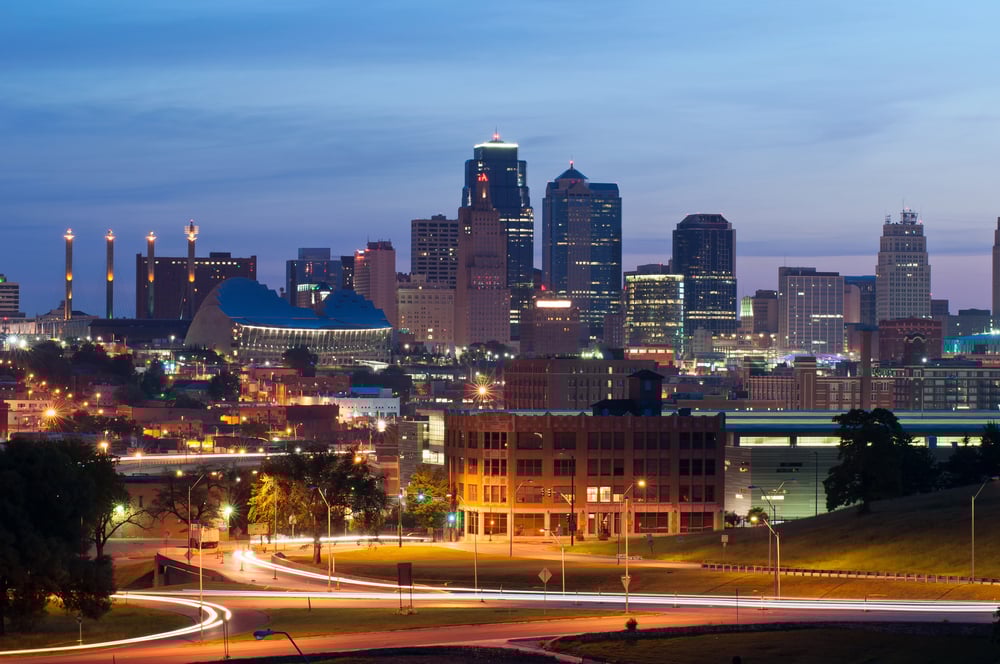
The Hyatt Regency Kansas City experienced one of the most devastating structural failures in U.S. history on July 17, 1981. Two suspended walkways in the hotel’s atrium collapsed during a crowded tea dance, killing 114 people and injuring 216 others.
The collapse was caused by a design flaw in the walkway’s support system. This disaster fundamentally changed engineering practices and building codes, making it one of the most studied structural failures in engineering history.
Daeyeonggak Hotel

The Daeyeonggak Hotel in Seoul, South Korea, suffered the world’s deadliest hotel fire on Christmas Day 1971. The fire killed 163 people and injured 63 others, making it worse than even the Winecoff Hotel disaster.
The blaze started in the hotel’s coffee shop and spread rapidly through the 21-story building. Poor fire safety measures and inadequate escape routes contributed to the massive loss of life, leading to significant changes in South Korean building codes.
Hotel New World

The Hotel New World in Singapore collapsed without warning on March 15, 1986, killing 33 people and trapping many others in the rubble. The six-story building had been showing signs of structural problems, but guests and staff were never evacuated.
The collapse was caused by structural defects and poor construction practices. The disaster led to major changes in Singapore’s building regulations and construction oversight, ensuring such tragedies would never happen again.
Dupont Plaza Hotel

The Dupont Plaza Hotel in San Juan, Puerto Rico, became the site of a devastating arson fire on December 31, 1986. Three disgruntled employees set fire to the hotel during a labor dispute, killing 97 people and injuring 140 others.
The fire started in a ballroom and quickly spread throughout the building, trapping guests in their rooms. The tragedy highlighted the dangers of labor disputes turning violent and led to improved hotel security measures.
Stouffer’s Inn

The Stouffer’s Inn in Harrison, New York, experienced a deadly fire on December 4, 1980, that killed 26 people and injured 30 others. The fire started in the hotel’s kitchen and spread rapidly through the building’s corridors and guest rooms.
Many victims died from smoke inhalation in their sleep, never having a chance to escape. The tragedy led to stricter fire safety regulations for hotels and improved emergency response procedures.
La Salle Hotel
The La Salle Hotel in Chicago became the site of a tragic fire on June 5, 1946, just months before the Winecoff disaster. The fire killed 61 people and injured 200 others, making it one of Chicago’s deadliest hotel fires.
The blaze started in the hotel’s cocktail lounge and quickly spread through the building’s wooden interior. The tragedy highlighted the need for better fire safety measures in older hotels and contributed to nationwide changes in fire codes.
Orrington Hotel

The Orrington Hotel in Evanston, Illinois, suffered a devastating fire on January 25, 1978, that killed 5 people and injured 30 others. While the death toll was lower than other hotel fires, the tragedy was particularly heartbreaking because it occurred during a conference for the hearing impaired.
Many guests couldn’t hear fire alarms or evacuation instructions, highlighting the need for visual and tactile emergency warning systems in hotels.
Coconut Grove Hotel

The Coconut Grove Hotel in Miami became linked with tragedy when it hosted the infamous Coconut Grove nightclub fire survivors in 1942. While the hotel itself wasn’t the site of the disaster, it became a makeshift hospital and refuge for the 492 people who died and hundreds more who were injured in the nightclub fire.
The hotel’s role in the aftermath of one of America’s deadliest nightclub fires forever connected it to the tragedy.
Imperial Hotel
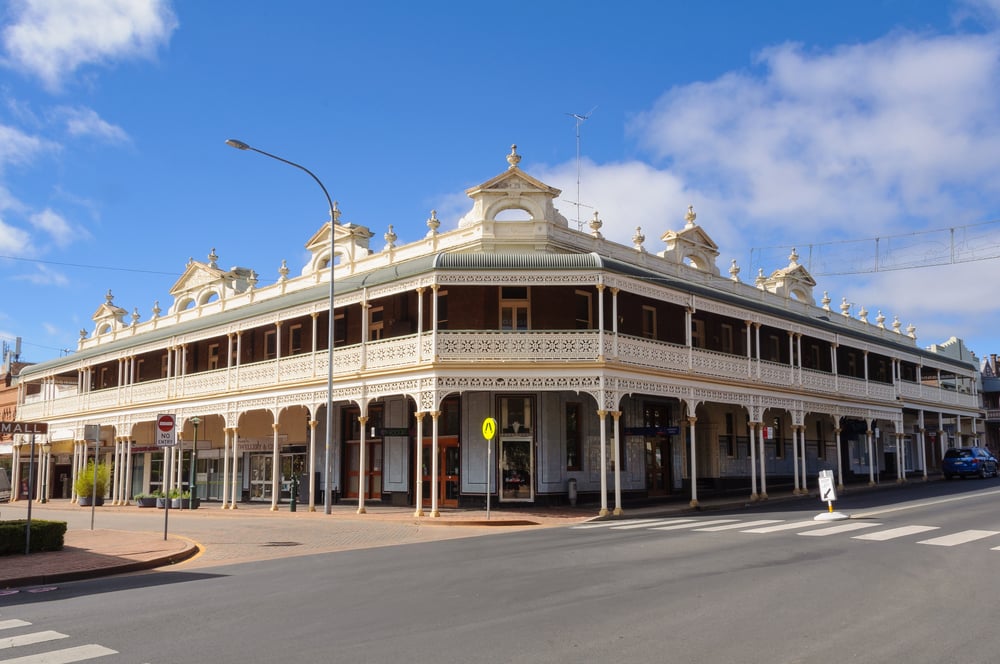
The Imperial Hotel in Tokyo gained worldwide attention not for a tragedy that occurred within its walls, but for surviving the Great Kanto Earthquake of 1923. Designed by Frank Lloyd Wright, the hotel was one of the few buildings to survive the massive earthquake and subsequent fires that killed over 100,000 people.
Ironically, the hotel’s fame comes from avoiding tragedy rather than experiencing it, but the disaster forever linked it to one of Japan’s deadliest natural disasters.
Rigopiano Hotel

The Rigopiano Hotel in Italy became the site of a devastating avalanche on January 18, 2017, that killed 29 people and destroyed the entire structure. The four-star resort was buried under tons of snow and debris when an avalanche triggered by earthquakes struck the building.
Rescue operations took days due to the remote location and harsh weather conditions. The tragedy highlighted the dangers of building in avalanche-prone areas and led to improved warning systems in mountainous regions.
When Tragedy Shapes Memory

These hotels remind us that single moments can define entire places and industries. The hospitality sector has been transformed by these tragedies, with modern safety systems and building codes born from lessons learned in smoke and rubble.
Today’s hotels are safer because of these disasters, though the memories of those lost continue to haunt the places where they occurred. While some of these buildings have been demolished or repurposed, their stories serve as permanent reminders of the importance of putting safety above all else in the places where people seek rest and refuge.
More from Go2Tutors!

- The Romanov Crown Jewels and Their Tragic Fate
- 13 Historical Mysteries That Science Still Can’t Solve
- Famous Hoaxes That Fooled the World for Years
- 15 Child Stars with Tragic Adult Lives
- 16 Famous Jewelry Pieces in History
Like Go2Tutors’s content? Follow us on MSN.



