Surprises Hidden in the History of Condiments
Condiments are those trusty bottles and jars we reach for without much thought, adding flavor to everything from fries to fancy dinners. They seem simple enough, right? Just squirt some ketchup, drizzle some ranch, shake on some hot sauce, and call it a day.
But behind these everyday flavor boosters are stories that would make your head spin—from accidental discoveries to ingredients you’d never guess. Here is a list of 15 surprises hidden in the history of condiments.
Ketchup Started as a Fish Sauce
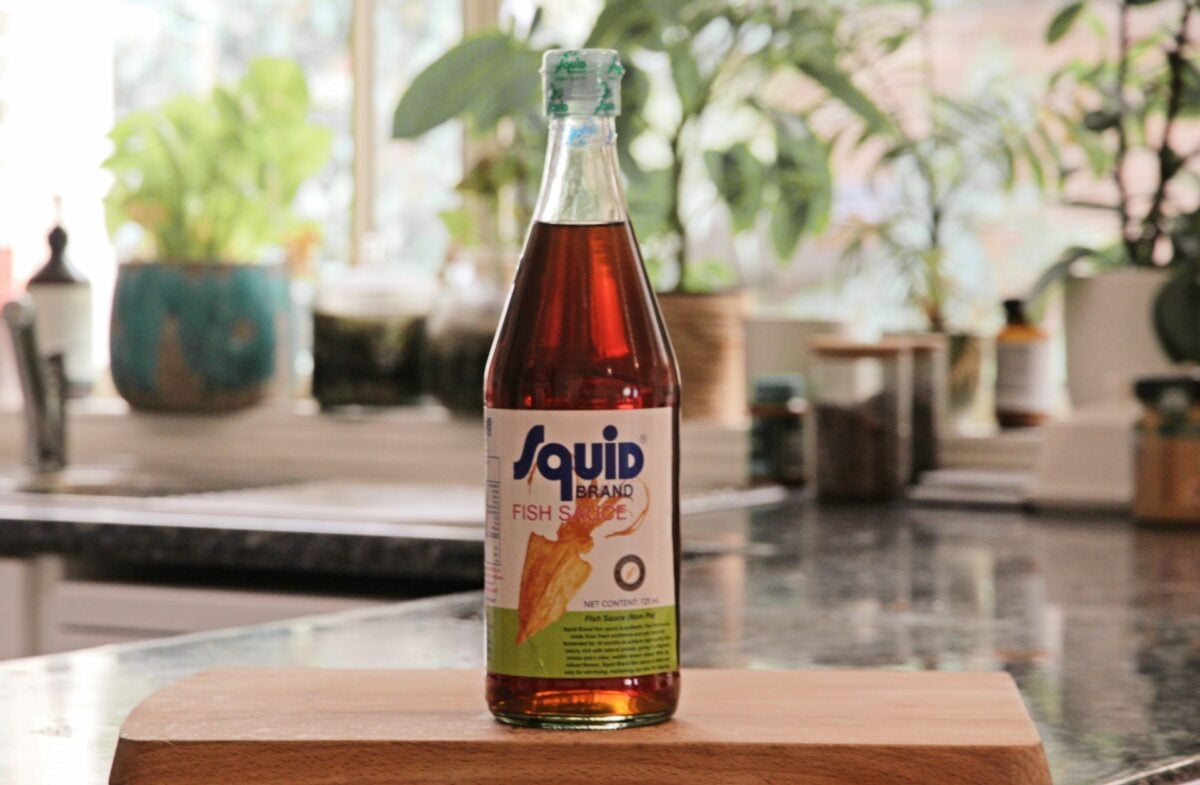
The ketchup we know today began as a Chinese fermented fish sauce called ke-tsiap or koe-chiap in the 1690s, which literally meant the brine of pickled fish. English explorers discovered it and brought the idea back to England, where they started making versions with mushrooms and other ingredients instead of fish.
Tomatoes didn’t even show up in ketchup until the early 1800s, which means for over a century, people were enjoying a completely different kind of ketchup. The transformation from fermented fish guts to the sweet tomato sauce sitting in your fridge took nearly 200 years.
Doctors Sold Ketchup as Medicine
In the 1830s, ketchup wasn’t squeezed onto burgers—it was prescribed by doctors as a cure for indigestion, diarrhea, and even jaundice. An Ohio physician named Dr. John Cook Bennett promoted tomatoes for their health benefits and turned ketchup into pill form, claiming it could treat various ailments.
The medicinal ketchup trend caught on briefly, but many fake versions flooded the market, leading to public skepticism. Eventually, people figured out ketchup worked better as a condiment than a cure, though it took a few decades for that realization to stick.
Britain’s Original Ketchup Was Made from Mushrooms
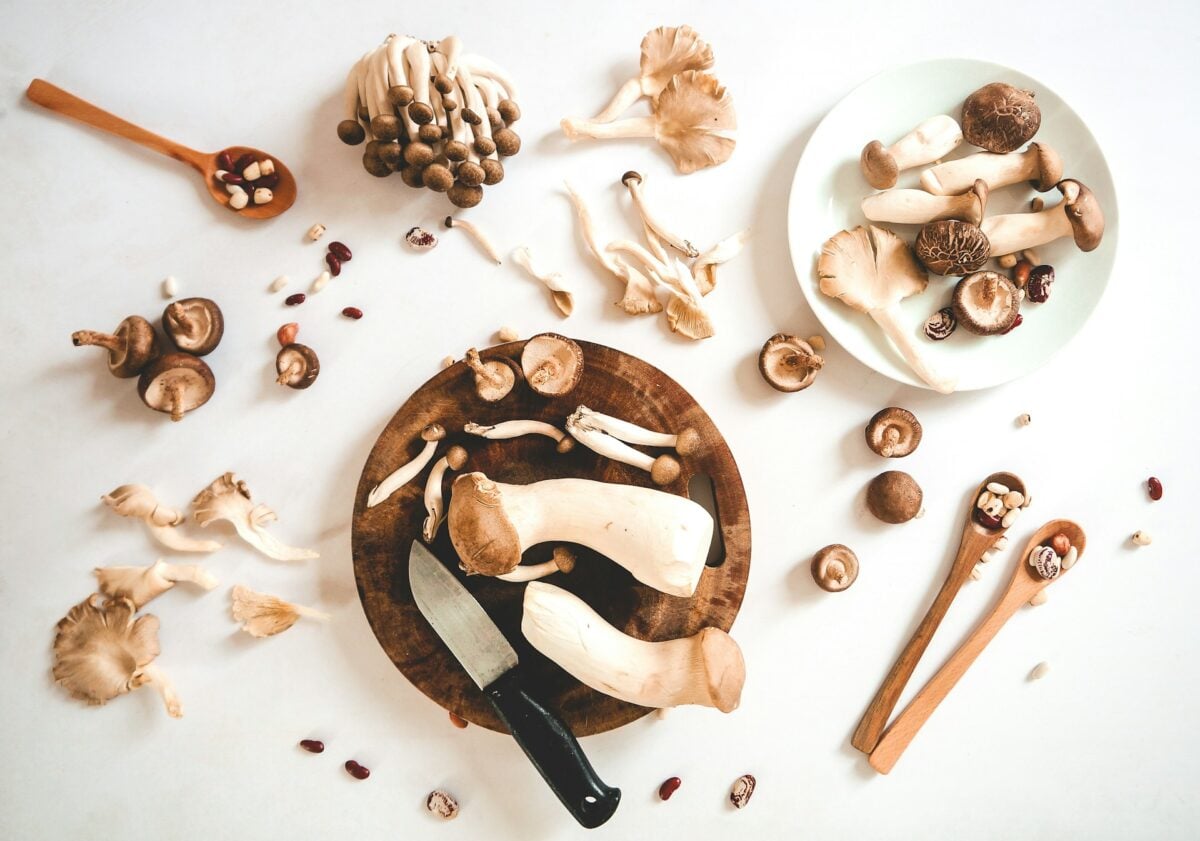
In the UK during the 19th and 20th centuries, the original ketchup was made from mushrooms rather than tomatoes—fresh or dried mushrooms were boiled with spices and then strained. Mushroom ketchup was a firm favorite in Victorian kitchens, and Geo Watkins, the most famous brand operating since 1829, still sells mushroom ketchup today.
The earthy, savory flavor was a far cry from the sweet red stuff Americans dump on everything. It made a recent comeback among foodies looking for more adventurous flavors, proving that sometimes old recipes deserve another shot.
Mustard Seeds Turned Up in Egyptian Tombs
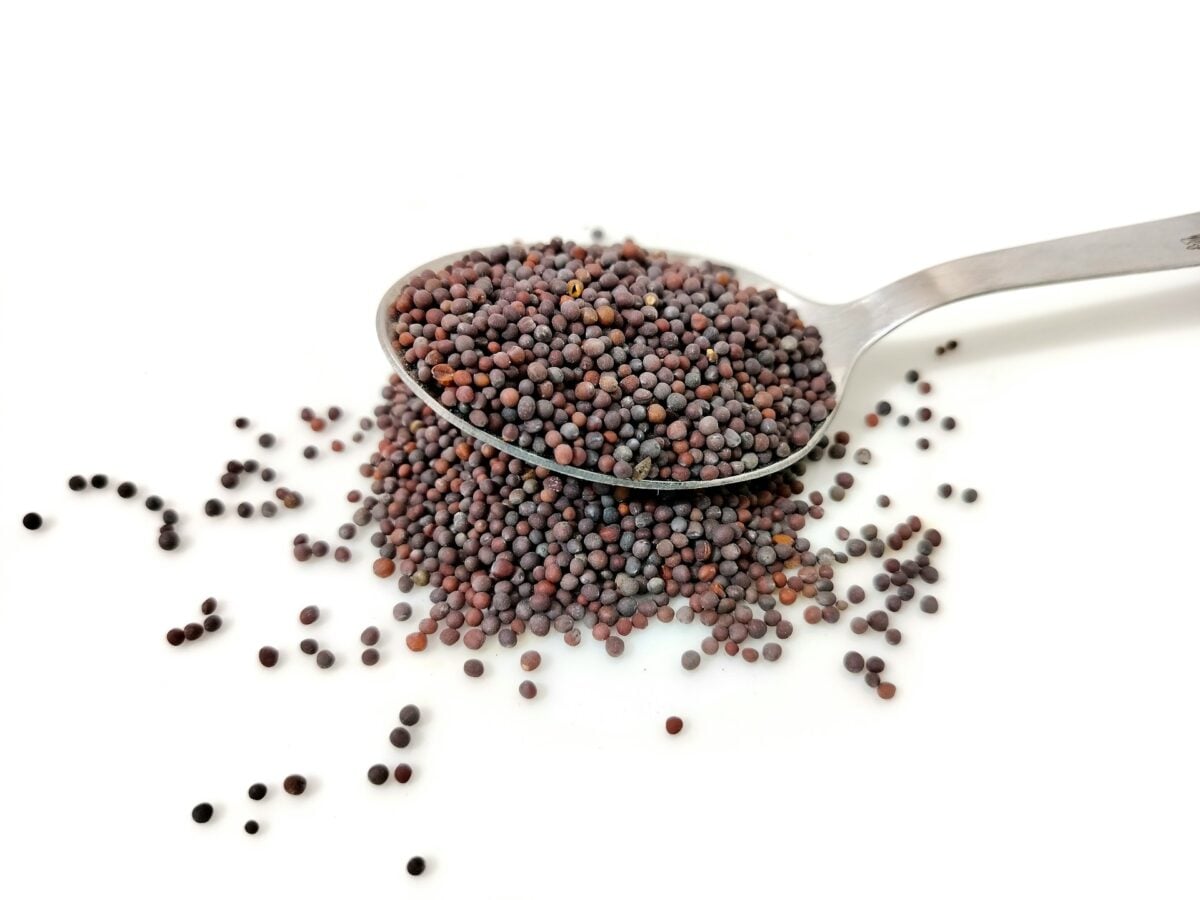
Mustard is one of the oldest condiments in the world, with evidence suggesting mustard seeds were consumed as far back as 3000 BC. Ancient Romans ground mustard seeds into paste and mixed it with wine, and the word mustard comes from the Latin for burning wine, referencing the spicy nature of mustard seeds.
The Romans loved it so much they introduced it across the parts of Europe they conquered. Mustard has been spicing up meals for literally thousands of years, long before anyone even dreamed of hot dogs and ballpark franks.
Worcestershire Sauce Was a Basement Mistake
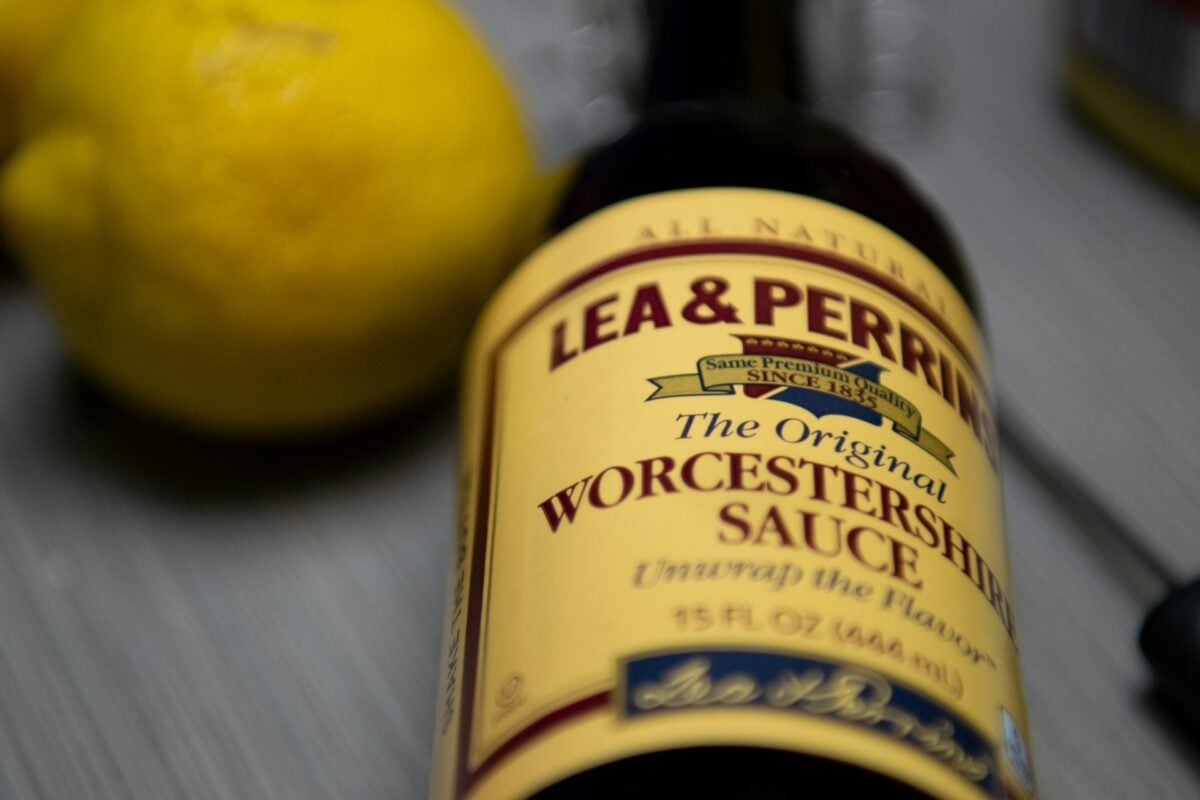
When chemists John Lea and William Perrins first mixed up Worcestershire sauce in the 1830s, they found it disgusting and abandoned a barrel of it in their basement. A few years later, they stumbled across the barrel and tasted it again—the aging process had transformed it into a delicious, savory sauce.
The origin story claims Lord Sandys brought back a recipe from India, though historians doubt he was ever actually there. Regardless of the murky backstory, that forgotten barrel became the foundation for one of the most popular sauces in the world.
Nobody Knows Where Mayonnaise Really Came From
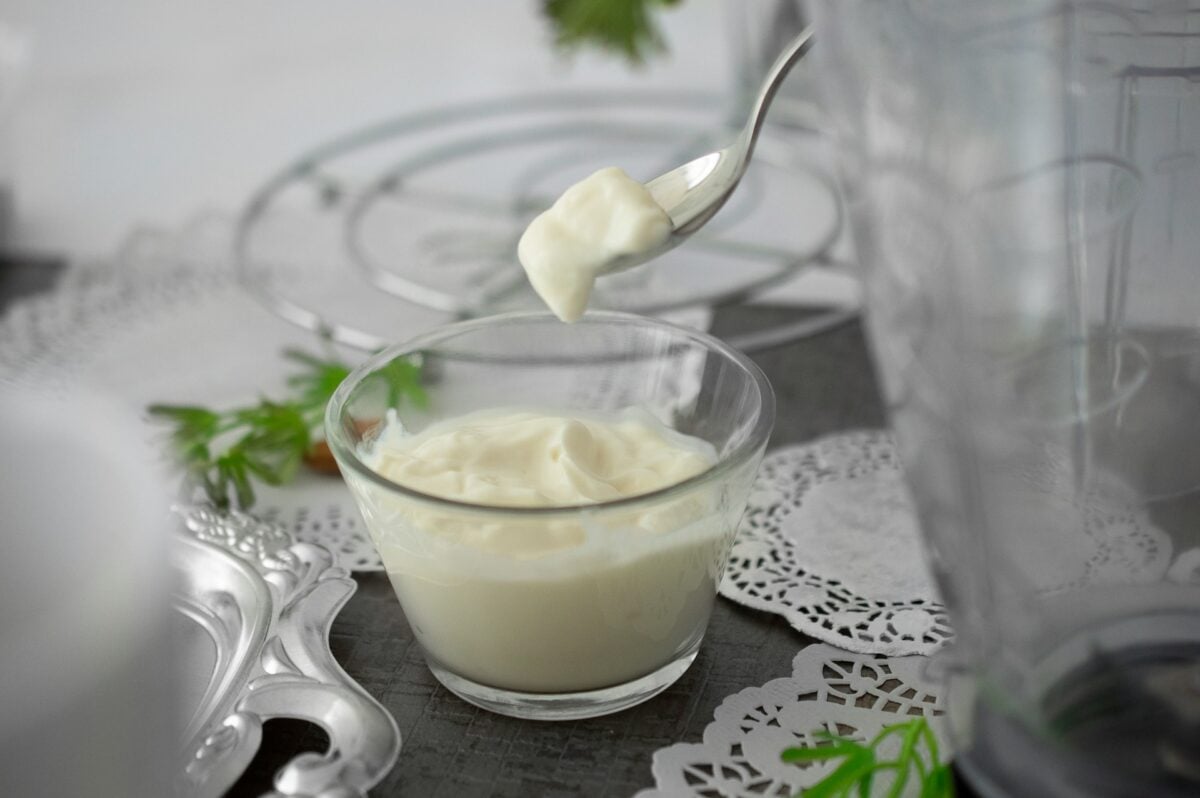
The origins of mayonnaise are wrapped in mystery and conflicting stories. One account says a French chef created it in 1756 after winning a battle, while food writer Tom Nealon argues the condiment came from Spain in the 17th century under the name salsa mahonesa.
Experts struggle to pinpoint the true origin because variations of mayonnaise didn’t appear in French books until more than 50 years after the supposed Port Mahon battle. Some scholars think it evolved from aioli in the Provencal and Catalan regions that straddle modern France and Spain.
The only thing everyone agrees on is that mayonnaise has been causing arguments for centuries.
A Plumber Invented Ranch Dressing in Alaska
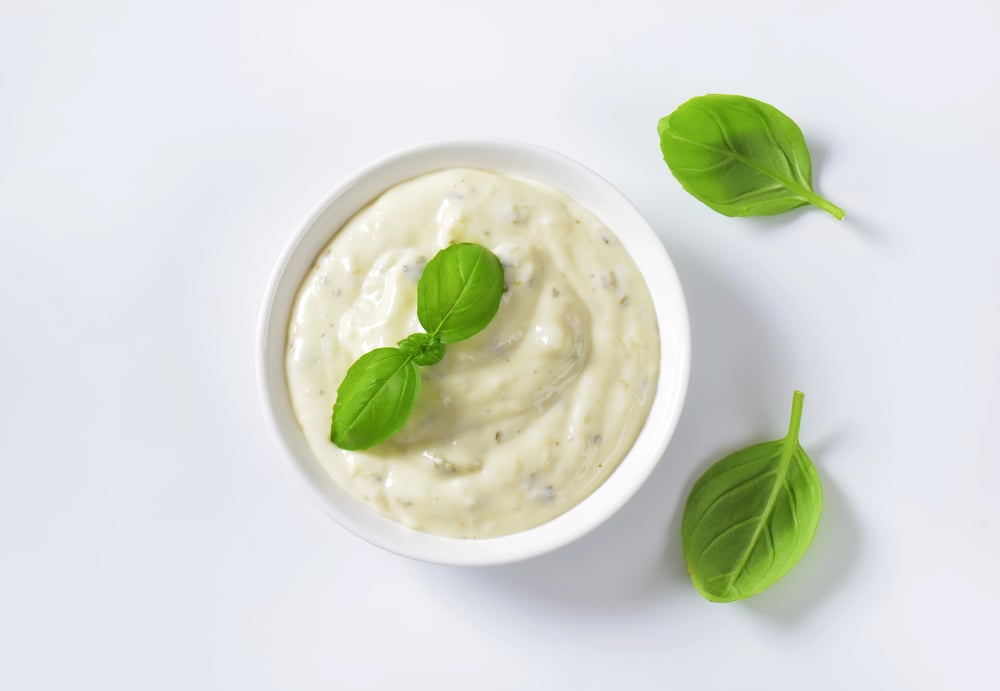
Ranch dressing was created in the early 1950s by Steve Henson, a plumber from Nebraska who was working in Anchorage, Alaska, cooking for his work crews. Henson needed something to keep his coworkers happy since they were likely to throw food at the cook or walk out cursing if they didn’t like what they were served.
His solution was a mixture of mayo, buttermilk, and various herbs. After moving to California, he and his wife opened Hidden Valley Ranch, where the dressing became more popular than the actual ranch itself.
It went from feeding grumpy construction workers to becoming America’s favorite salad dressing.
Tabasco Sauce Ages Like Fine Wine
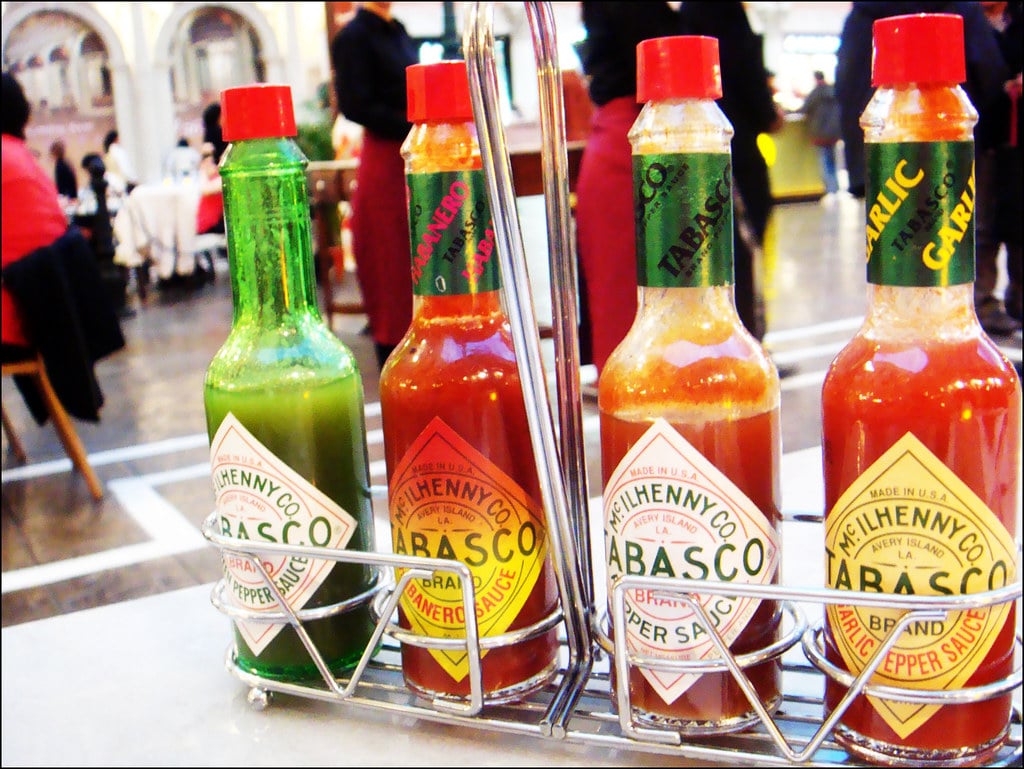
Tabasco sauce is made from pepper mash that’s aged in oak barrels for up to three years before being mixed with vinegar. The peppers are picked by hand as soon as they ripen to the perfect shade of bright red, then mashed and mixed with Avery Island salt the same day.
This lengthy aging process delivers the concentrated flavor and heat that makes Tabasco stand out from other hot sauces. The patience required to let those peppers ferment for years shows a commitment most condiment makers skip entirely.
Ancient Romans Paid Big Money for Fish Sauce

The Romans made a fermented fish sauce called garum by crushing fish intestines, fermenting them in salt for several weeks, and producing a liquid rich in glutamic acid. The popularity of garum led to a flourishing condiment industry, and the finest quality garum made from pickled fish guts was expensive and favored by the wealthy.
It was used to enhance the flavor of bread, meat, and vegetables across the Roman Empire. Archaeological findings in Pompeii even revealed a kosher version, showing just how widespread and important this pungent sauce was.
A1 Sauce Contains Raisin Paste
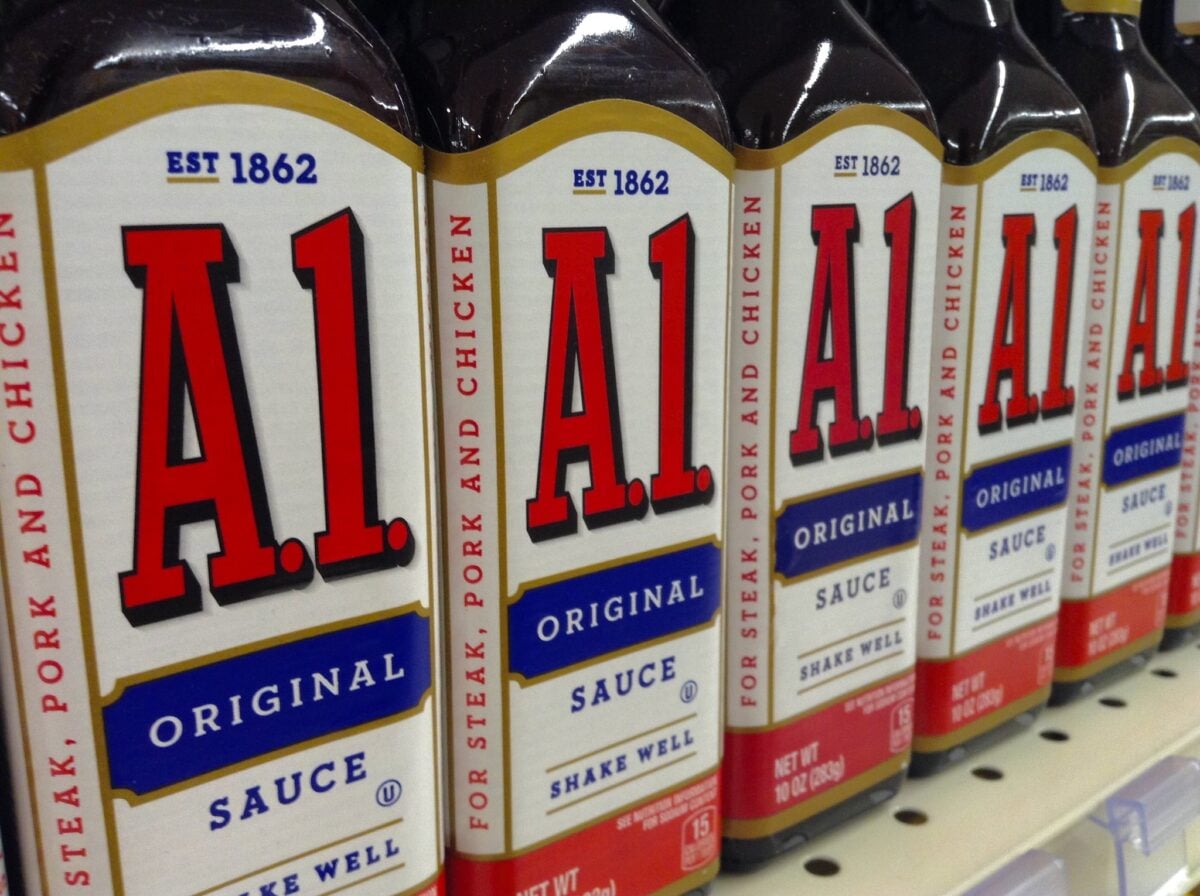
A1 Sauce was created by Henderson William Brand, the personal chef of King George IV, and earned its name after the king gave it an A1 rating. One of the key ingredients in the sauce is raisin paste, which helps it taste like a liquid extension of steak.
Most people would never guess their steak sauce contains dried grapes, but that unexpected ingredient contributes to the complex, savory-sweet flavor. The blend of fruits and spices explains why A1 works so well on meat despite containing things you’d normally find in dessert.
Salsa Briefly Outsold Ketchup
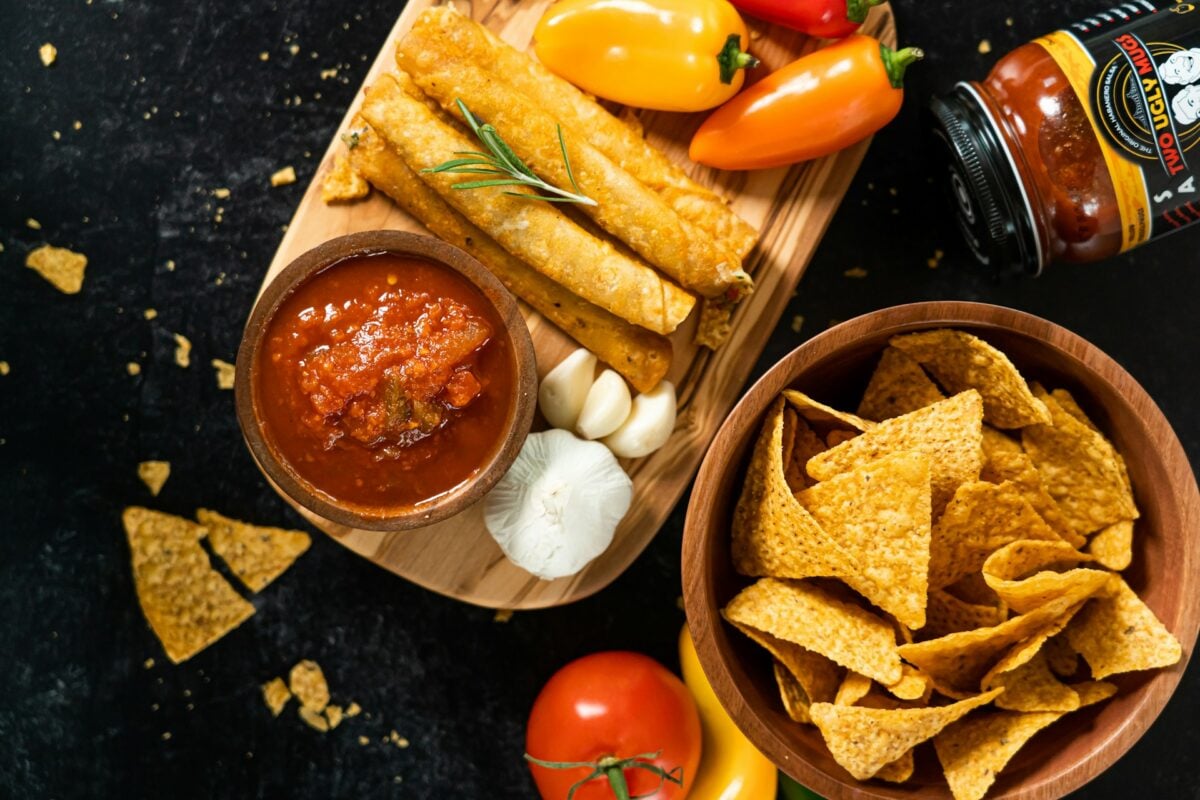
In 1991, salsa sales surpassed ketchup, making it America’s top-selling condiment for a time. This shift marked a major change in American eating habits, as Mexican flavors moved from specialty items to mainstream staples.
The rise of salsa reflected growing cultural diversity and changing tastes across the country. While ketchup eventually clawed its way back to the top spot, that moment proved Americans were ready to embrace bolder, spicier flavors beyond the traditional tomato squeeze bottle.
Tabasco Traveled to War Zones
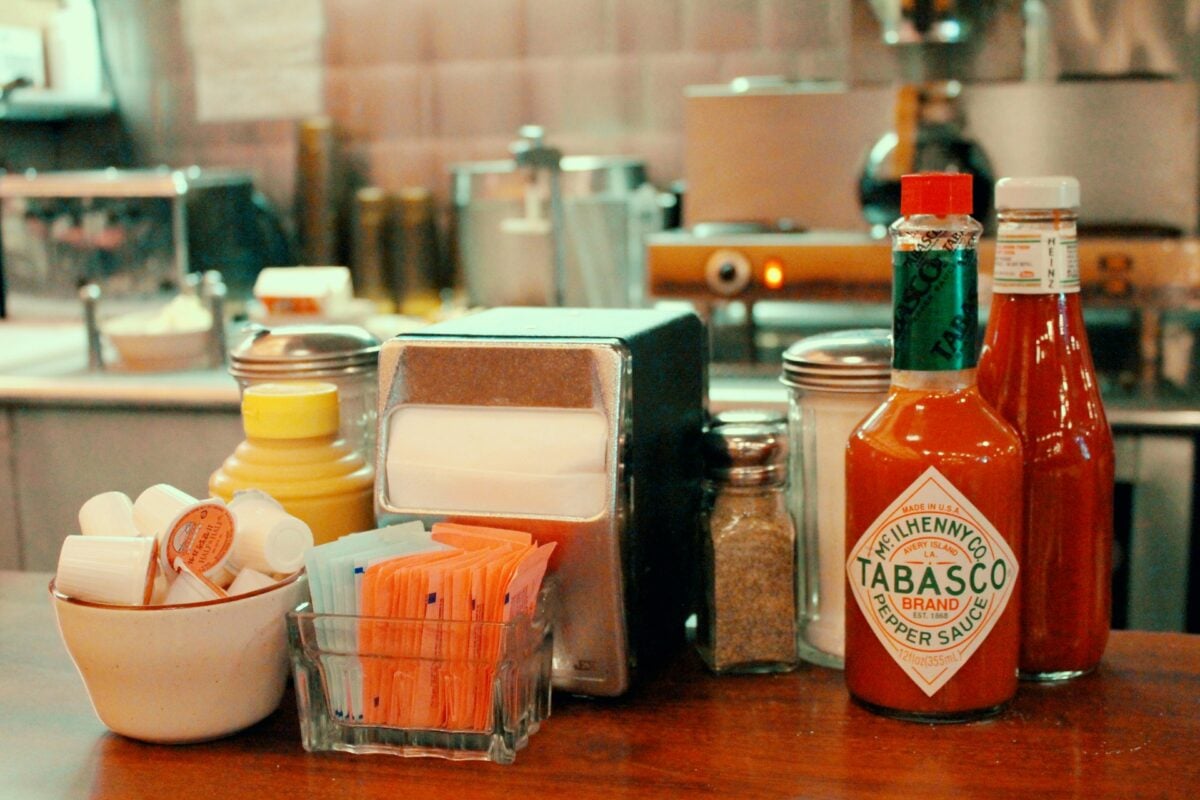
In 1966, the McIlhenny Company published the Charlie Ration Cookbook wrapped around two-ounce bottles of Tabasco sauce in waterproof canisters that could be mailed to service personnel in Vietnam. Starting in 1990, a tiny bottle of Tabasco sauce was packaged with every third U.S. military MRE, and General Norman Schwarzkopf wrote in 1991 that he had enjoyed spicing up his rations with Tabasco for many years.
The military recognized that troops needed something to make field rations more palatable. Those little bottles became so popular that after briefly switching to packets for cost reasons, the military went back to providing classic bottles in 2019.
Clorox Owns Ranch Dressing
In October 1972, Clorox bought the Hidden Valley Ranch brand for eight million dollars, and Steve Henson retired. Yes, the same company famous for bleach now controls America’s most beloved salad dressing.
Clorox reformulated the dressing several times to make it more convenient, including adding buttermilk flavoring so consumers could make it with regular milk instead of buttermilk. By 2017, the Hidden Valley Ranch brand was generating over 450 million dollars in revenue. That eight million dollar investment turned out to be one of the smartest acquisitions in condiment history.
The Bloody Mary Is a Condiment Cocktail
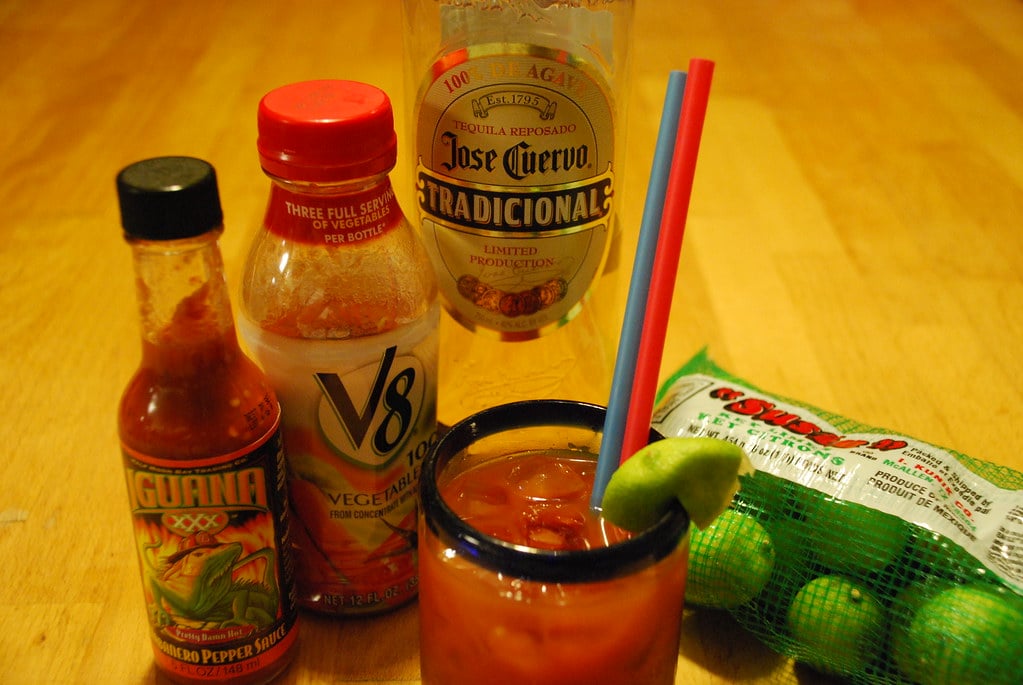
American bartender Fernand Petiot mixed vodka and tomato juice in Paris in 1921, but when he brought the drink to New York in 1934, he added pepper, Worcestershire sauce, Tabasco, lemon, lime, and horseradish. The cocktail essentially became a drinkable salad dressing, combining multiple condiments into one spicy, savory beverage.
Different bartenders kept adding their own twists over the decades, piling on even more ingredients. The Bloody Mary proves that when it comes to condiments, more is often better—at least when there’s vodka involved.
Heinz Put Ketchup in Clear Bottles First
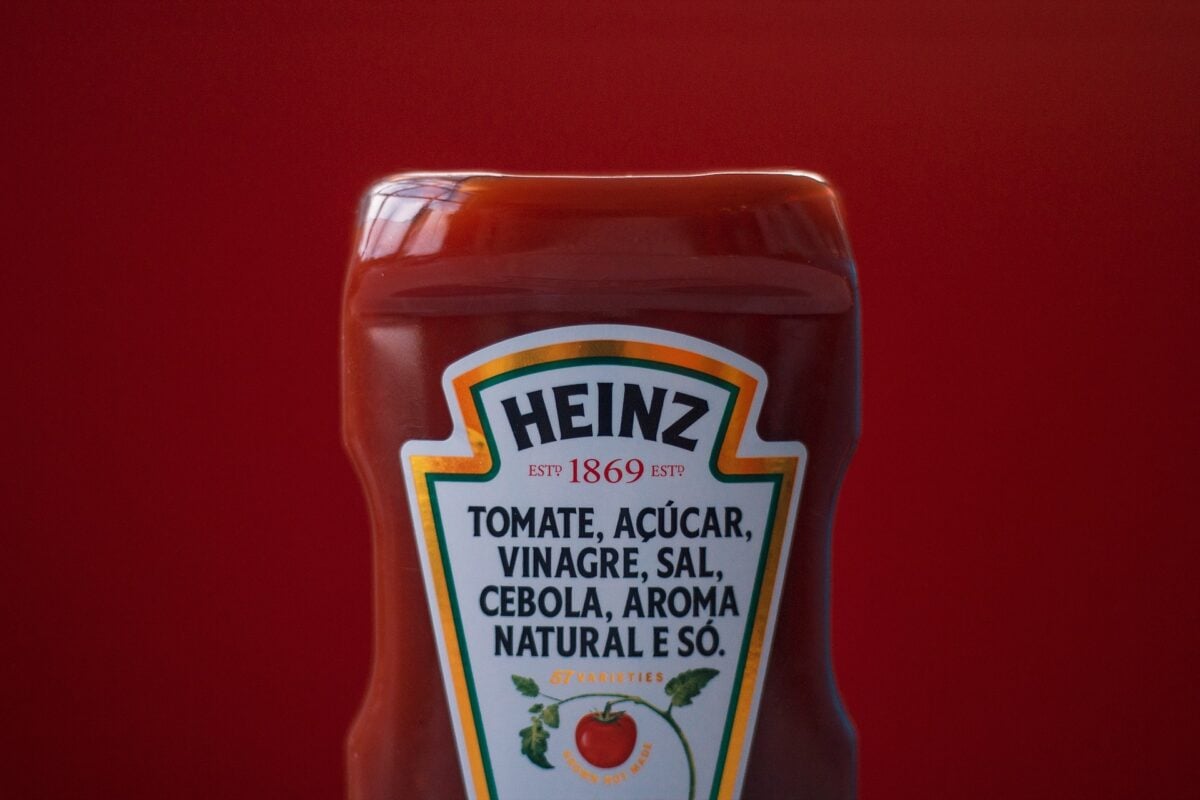
In 1876, Heinz introduced their famous tomato ketchup formulation and became the first company to use glass bottles so customers could see what they were getting. Before that, ketchup and other condiments were sold in opaque containers, making it impossible to know what you were buying.
This transparent approach built trust with consumers at a time when food safety was questionable and fake products were common. That simple innovation helped Heinz become the dominant ketchup brand, now selling more than 650 million bottles each year.
From Fish Guts to French Fries

The journey condiments have taken from ancient kitchens to modern tables shows how much our tastes have evolved—and how willing we are to experiment. These flavor enhancers have survived wars, crossed oceans, aged in forgotten basements, and occasionally served as medicine.
The next time you reach for that bottle of ketchup or ranch, remember it carries centuries of history, happy accidents, and a few ingredients you probably never expected.
More from Go2Tutors!

- The Romanov Crown Jewels and Their Tragic Fate
- 17 Halloween Costumes Once Considered Taboo
- Famous Hoaxes That Fooled the World for Years
- 15 Child Stars with Tragic Adult Lives
- 16 Famous Jewelry Pieces in History
Like Go2Tutors’s content? Follow us on MSN.