15 Household Items From the ’60s That Seemed Futuristic at the Time
The 1960s was a decade defined by innovation and optimism about technology. Families across the world were experiencing a transformation in their daily lives as space-age designs and newfangled gadgets made their way into ordinary homes.
The post-war economic boom combined with the excitement of the Space Race created perfect conditions for consumer products that promised a glimpse into tomorrow. Here is a list of 15 household items from the 1960s that seemed incredibly futuristic when they first appeared but have since become commonplace or even obsolete.
Electric Can Opener
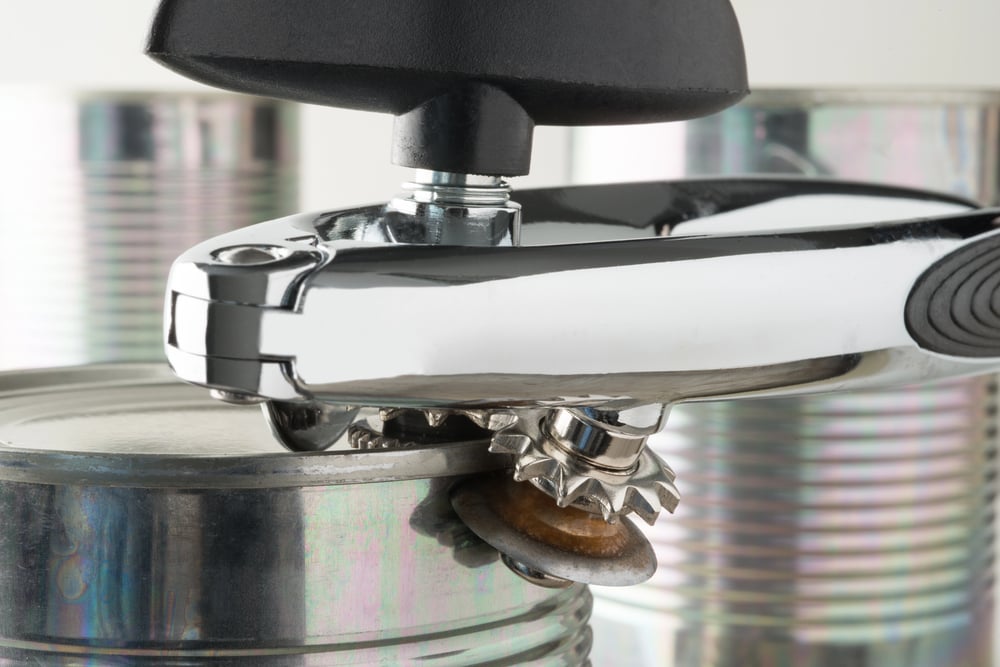
The electric can opener revolutionized kitchen efficiency when it became popular in the 1960s. These countertop marvels eliminated the hand cramping and potential injuries associated with manual openers.
Manufacturers often designed them with sleek chrome finishes and space-age curves to emphasize their modernity.
Teflon Cookware
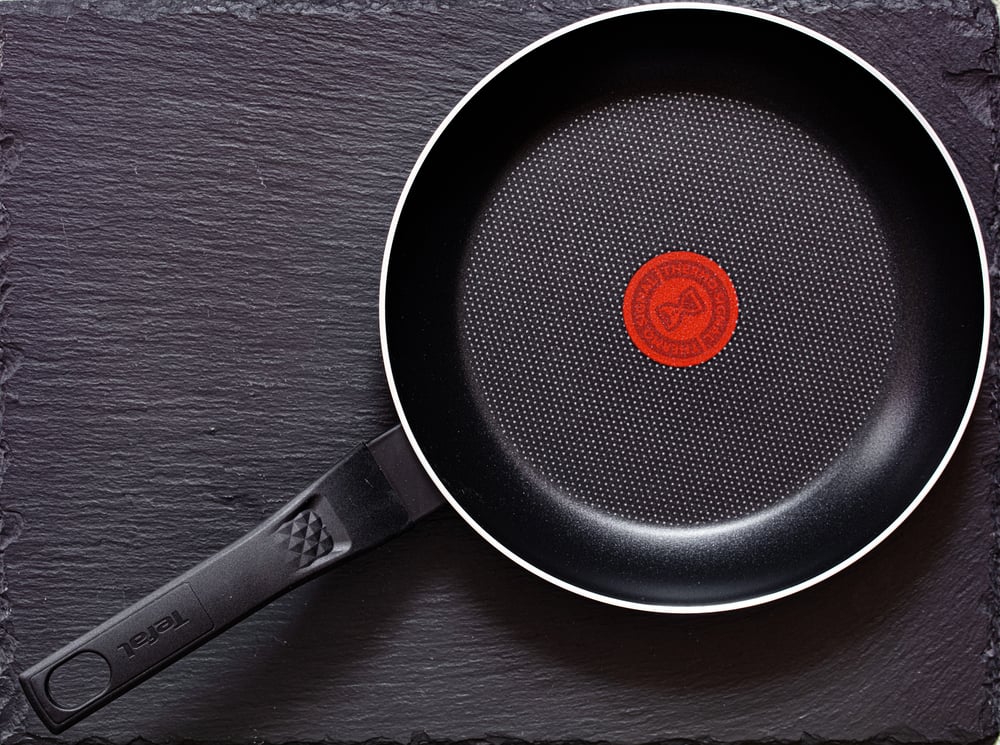
Non-stick cookware coated with Teflon appeared in kitchens during the ’60s like something straight from a science fiction novel. The idea that food wouldn’t stick to pans seemed almost magical to many homemakers.
This technology, originally developed from NASA research, promised to transform cooking and cleaning routines forever.
Like Go2Tutors’s content? Follow us on MSN.
Touch-Tone Phones
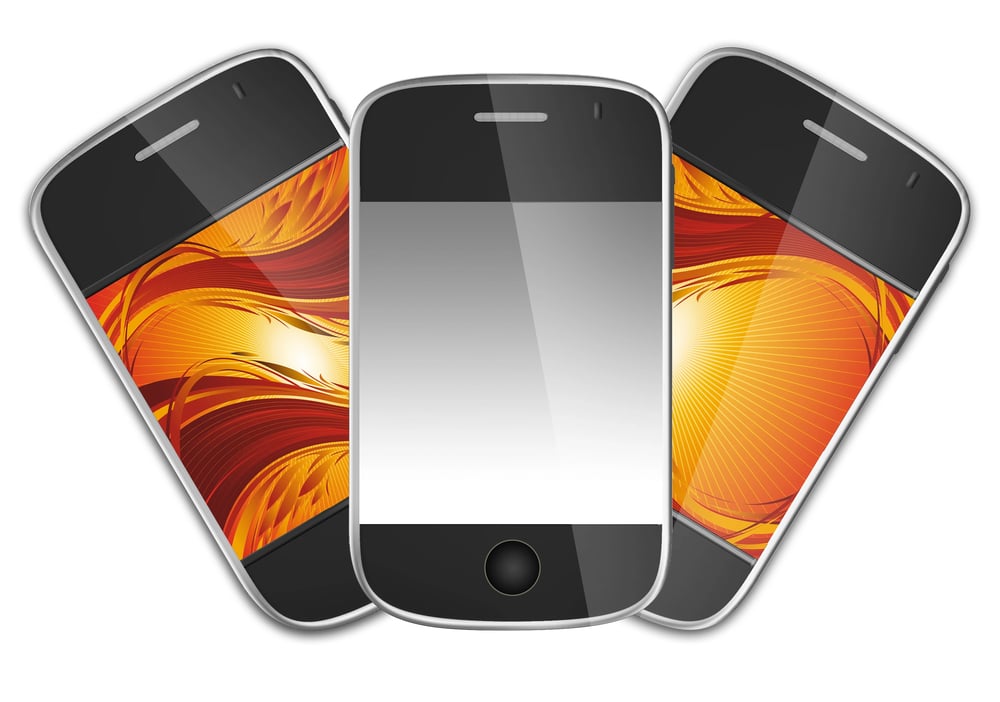
The introduction of touch-tone phones in the early 1960s marked a dramatic shift from rotary dialing. These phones used electronic tones instead of pulse dialing, making calls faster and opening the door to automated phone systems.
The distinctive electronic beep of each button felt like using equipment from the starship Enterprise.
Electric Carving Knife
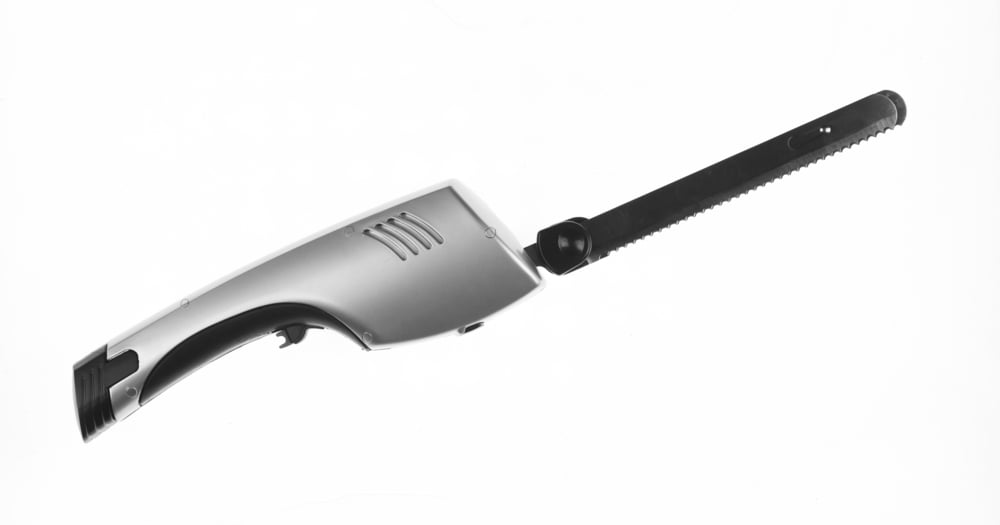
The electric carving knife brought power tools to the dinner table and was considered the height of sophistication. With its twin blades moving in opposite directions, it made carving the Thanksgiving turkey look effortless.
Families would proudly demonstrate this modern marvel to dinner guests, often storing it in its custom case between special occasions.
Instant Cameras
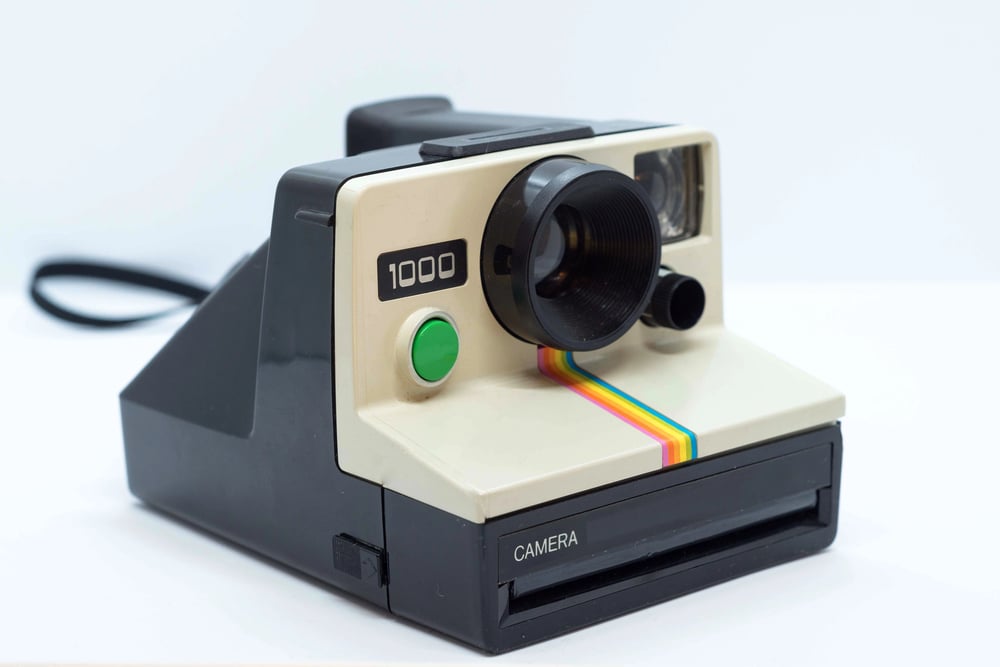
When Polaroid cameras gained widespread popularity in the ’60s, the ability to see photos develop before your eyes seemed nothing short of miraculous. The elimination of dark rooms and waiting periods for photo development represented a fundamental shift in how families captured memories.
These instant cameras brought a ‘wow factor’ that digital photography would later echo.
Like Go2Tutors’s content? Follow us on MSN.
Lava Lamps

The lava lamp became an iconic symbol of futuristic home decor in the 1960s. Its hypnotic flowing blobs of colored wax suspended in clear liquid captured the psychedelic aesthetic of the era.
These decorative pieces, with names like ‘Astro Lamp,’ perfectly represented the space-age fascination of the time.
Electric Blankets

Temperature-controlled electric blankets seemed like something from tomorrow’s world to many ’60s households. The idea that you could program your bedding to maintain a precise temperature throughout the night felt revolutionary.
These blankets featured space-age control panels with dials and indicator lights that mimicked the control consoles seen in science fiction.
Microwave Ovens
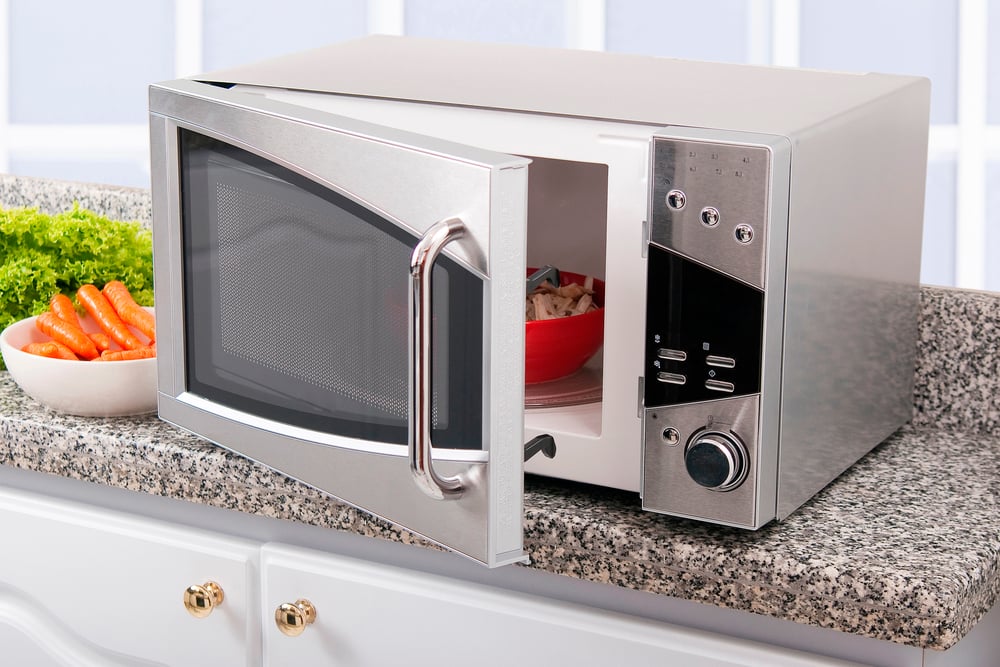
Though prohibitively expensive for most homes until the 1970s, microwave ovens began appearing in wealthier households during the late ’60s. The concept of cooking food with invisible waves rather than conventional heat sources seemed like pure science fiction.
Early microwave advertisements emphasized their futuristic technology with space-age designs and technical jargon.
Like Go2Tutors’s content? Follow us on MSN.
Home Hair Dryers

The transition from salon-only hair dryers to home versions changed personal grooming routines dramatically. Hard bonnet hair dryers that created a dome of hot air around the head looked like equipment from a space station.
These devices brought professional styling capabilities into everyday bathrooms across America.
Electric Toothbrushes

When electric toothbrushes entered homes in the 1960s, they represented a technological approach to personal hygiene that fascinated consumers. The vibrating bristles promised superior cleaning with minimal effort.
These devices often featured streamlined, futuristic designs with bright colors that made them look more like gadgets than grooming tools.
Self-Cleaning Ovens

Ovens that could clean themselves by heating to extreme temperatures seemed almost too good to be true. This labor-saving feature eliminated one of the most dreaded household chores with the flip of a switch.
The control panels on these appliances often featured red indicator lights and modern typography that emphasized their advanced capabilities.
Like Go2Tutors’s content? Follow us on MSN.
Television Remote Controls

While basic TV remotes existed earlier, the wireless remote control became more common in American homes during the 1960s. The ability to change channels from across the room without getting up felt like having magical powers.
Early remotes, which used ultrasonic technology, produced audible clicks that added to their space-age mystique.
Electric Pencil Sharpeners

Electric pencil sharpeners brought automation to the simple task of maintaining writing implements. The whirring sound of these devices in classrooms and home offices represented the mechanization of even the most basic activities.
Their sleek plastic casings and powerful motors turned a mundane task into a satisfying technological experience.
Automatic Coffee Makers

Programmable coffee makers that could brew an entire pot without human intervention beyond the initial setup transformed morning routines. The elegant designs often featured glass carafes, chrome accents, and indicator lights that made them centerpieces of modern kitchens.
The aroma of coffee brewing automatically at a preset time felt like living in the home of the future.
Like Go2Tutors’s content? Follow us on MSN.
Home Intercoms
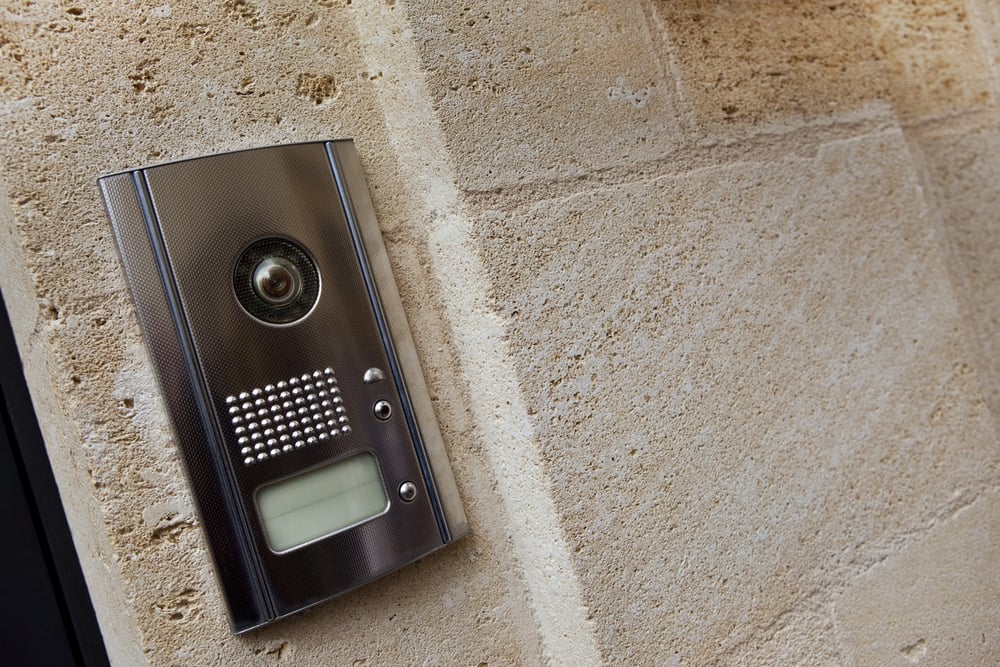
Intercom systems allowed family members to communicate between rooms without shouting or walking around the house. This networked home communication system presaged today’s smart home technologies in surprising ways.
Homeowners proudly showed off these systems to visitors as evidence of their forward-thinking lifestyle.
The Bridge Between Yesterday and Tomorrow
These household innovations from the 1960s represented more than just new products – they embodied America’s optimistic vision of domestic life transformed by technology. Many of these items have evolved into more sophisticated versions today, while others have disappeared entirely.
The futuristic household of the 1960s serves as a fascinating time capsule of what previous generations imagined tomorrow would bring. Their predictions weren’t always accurate, but the spirit of innovation they represent continues to drive the development of new household technologies that would seem equally magical to those living in that bygone era.
More from Go2Tutors!

- 18 Unexpectedly Valuable Collectibles You Might Have Lying Around
- 20 Little-Known Historical Battles That Had Huge Consequences
- 20 Historical Artifacts That Scientists Can’t Explain
- 15 Inventions That Were Immediately Banned After Being Created
- 20 Actors Who Were Almost Cast in Iconic Roles
Like Go2Tutors’s content? Follow us on MSN.