First Inventions That Paved the Way for Modern Tech
Every smartphone in your pocket stands on the shoulders of centuries of innovation. The apps you tap, the messages you send, the videos you stream—none of it happened overnight.
Behind every modern convenience sits a chain of breakthroughs that started with someone solving a problem nobody knew could be solved. These early inventions didn’t just make life easier.
They changed how people thought about what was possible. Each one opened doors that led to more doors, until suddenly we’re living in a world where you can video call someone halfway across the planet while standing in line for coffee.
The Wheel

Around 3500 BCE, someone in Mesopotamia figured out that round objects roll better than square ones. This sounds obvious now, but back then it was the kind of insight that changed everything.
The wheel gave humans their first real mechanical advantage. Moving heavy objects went from backbreaking to manageable.
Trade routes expanded. Civilizations grew.
And the principle of rotational motion? That shows up in literally every machine you use today.
Your car’s engine, your computer’s hard drive, the fan keeping your laptop from overheating—all spinning parts, all descendants of that first wooden disc.
The Printing Press
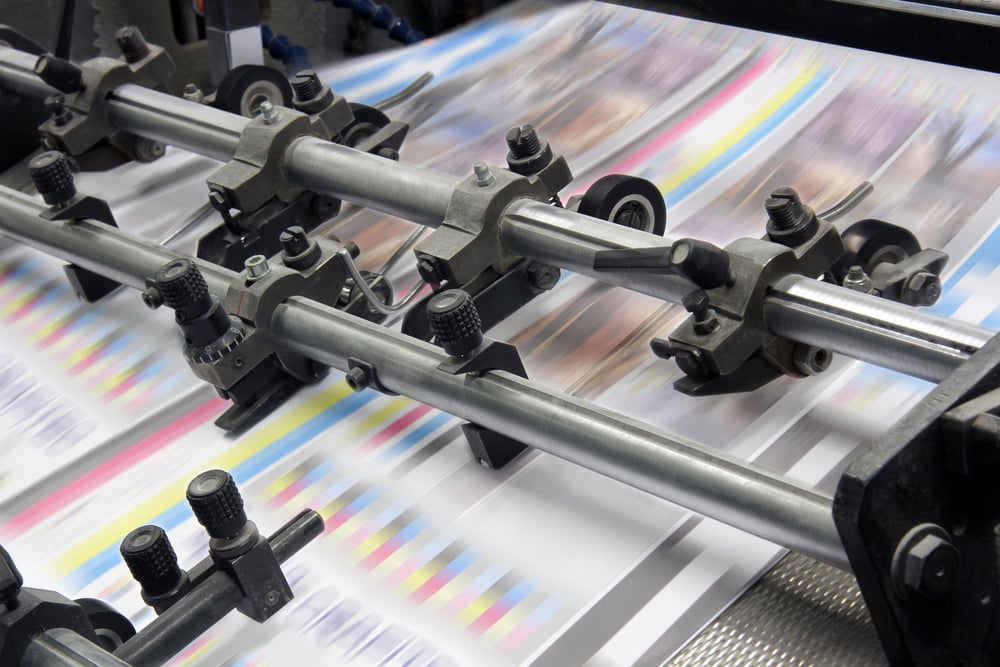
Johannes Gutenberg’s printing press in 1440 did something wild: it made knowledge cheap. Before that, books were hand-copied by monks, which meant they were rare and expensive.
Only the wealthy had access to written information. Gutenberg’s movable type changed that equation.
Suddenly books could be mass-produced. Ideas spread faster.
More people learned to read because there was actually something to read. The Protestant Reformation, the Scientific Revolution, the Enlightenment—none of those happen without the printing press.
Today’s internet is basically the printing press on steroids. Same concept, different medium.
Information wants to spread, and technology keeps finding faster ways to let it.
The Steam Engine
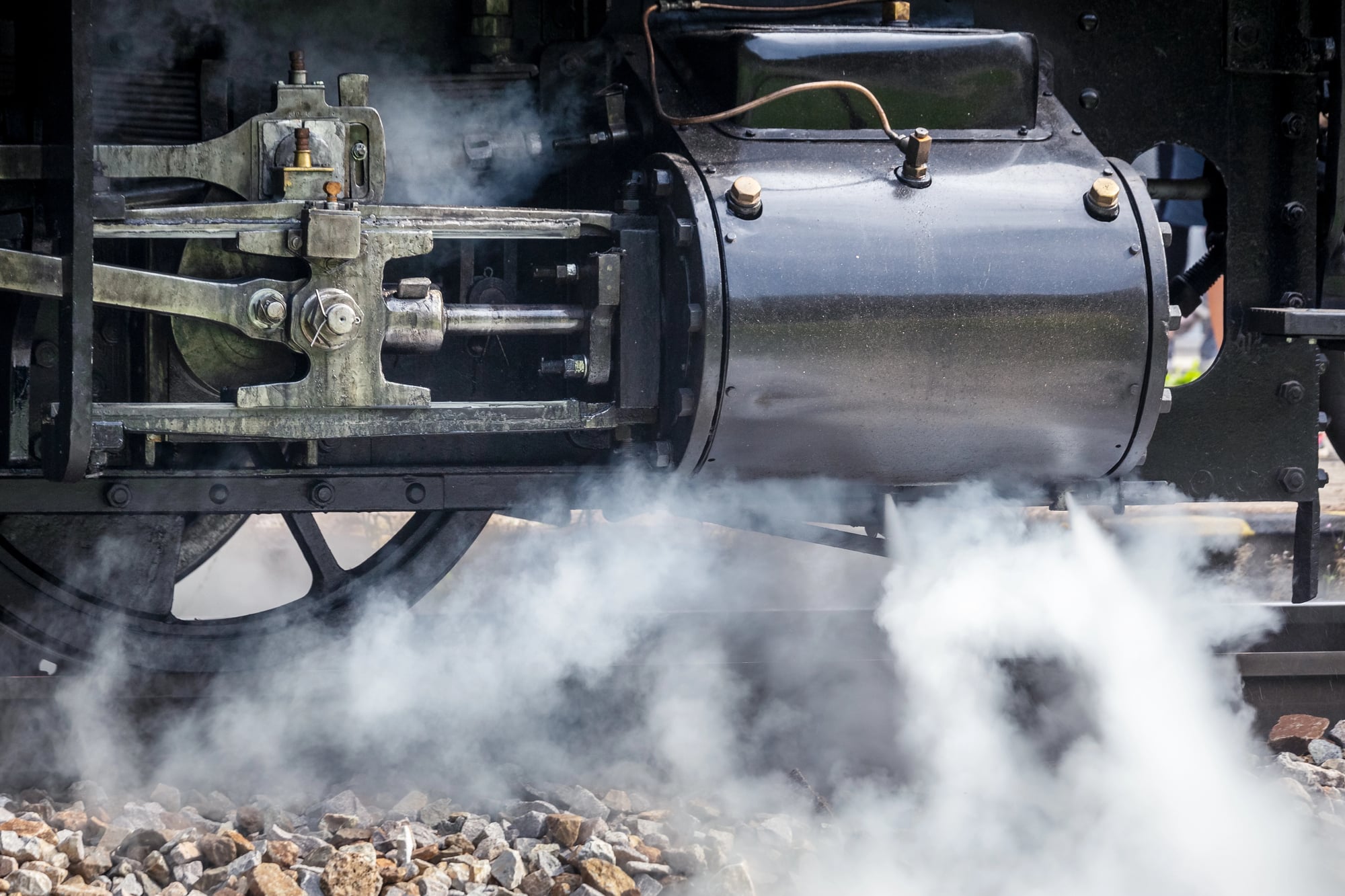
Thomas Newcomen built the first practical steam engine in 1712, but James Watt perfected it in the 1760s. This wasn’t just about trains and factories, though those mattered too.
The steam engine proved that you could convert heat into motion, reliably and at scale. You didn’t need horses or human muscle anymore.
You had a tireless machine that could work around the clock. This principle—converting one form of energy into another—sits at the heart of every power plant today.
Your electricity comes from turbines that work on basically the same physics Watt figured out. Different fuel source, same fundamental idea.
The Telegraph
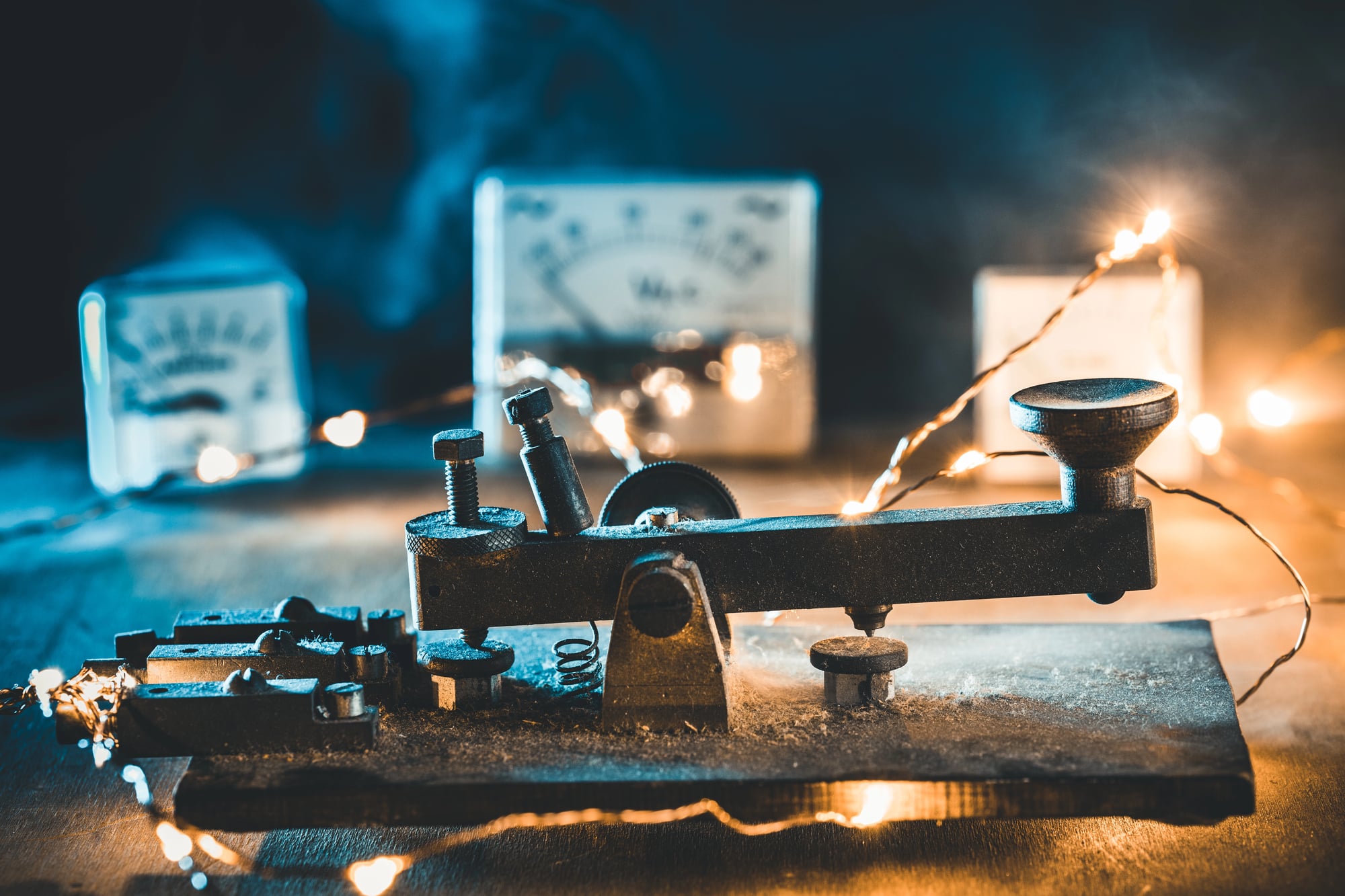
Samuel Morse sent the first telegraph message in 1844: “What hath God wrought?” Dramatic, sure, but appropriate.
For the first time in human history, information could travel faster than a horse. The telegraph used electrical pulses sent through wires to encode messages.
Morse code turned the alphabet into dots and dashes. Suddenly news from New York could reach California in minutes instead of weeks.
This invention rewired how people thought about distance and time. It created the first information network.
Businesses could coordinate across vast distances. News became immediate.
The telegraph laid the groundwork for every communications network that followed.
The Telephone

Alexander Graham Bell patented the telephone in 1876, and while plenty of others were working on similar ideas, he got there first. The telegraph sent codes.
The telephone sent an actual voice. This distinction matters more than it seems.
Hearing someone’s voice creates connection in a way that dots and dashes never could. The telephone made communication personal and immediate.
You could have a conversation with someone a thousand miles away. Within decades, telephone networks crisscrossed countries.
Operators connected calls by hand, plugging wires into switchboards. Those early networks taught engineers everything about routing signals and managing connections—lessons that directly informed how the internet works today.
The Electric Light

Thomas Edison didn’t invent the light bulb, but he made it practical in 1879. Others had created lights that burned out in hours.
Edison’s lasted for months. More importantly, he built the entire system: the bulbs, the power stations, the wiring, the meters.
Electric light extended the day. Factories could run night shifts.
People could read after dark without eyestrain. Cities became safer and more active after sunset.
But the bigger impact was the power distribution network. Edison had to figure out how to generate electricity and send it to thousands of homes safely.
That infrastructure became the backbone of modern life. Everything you plug into a wall today relies on the system Edison pioneered.
The Radio
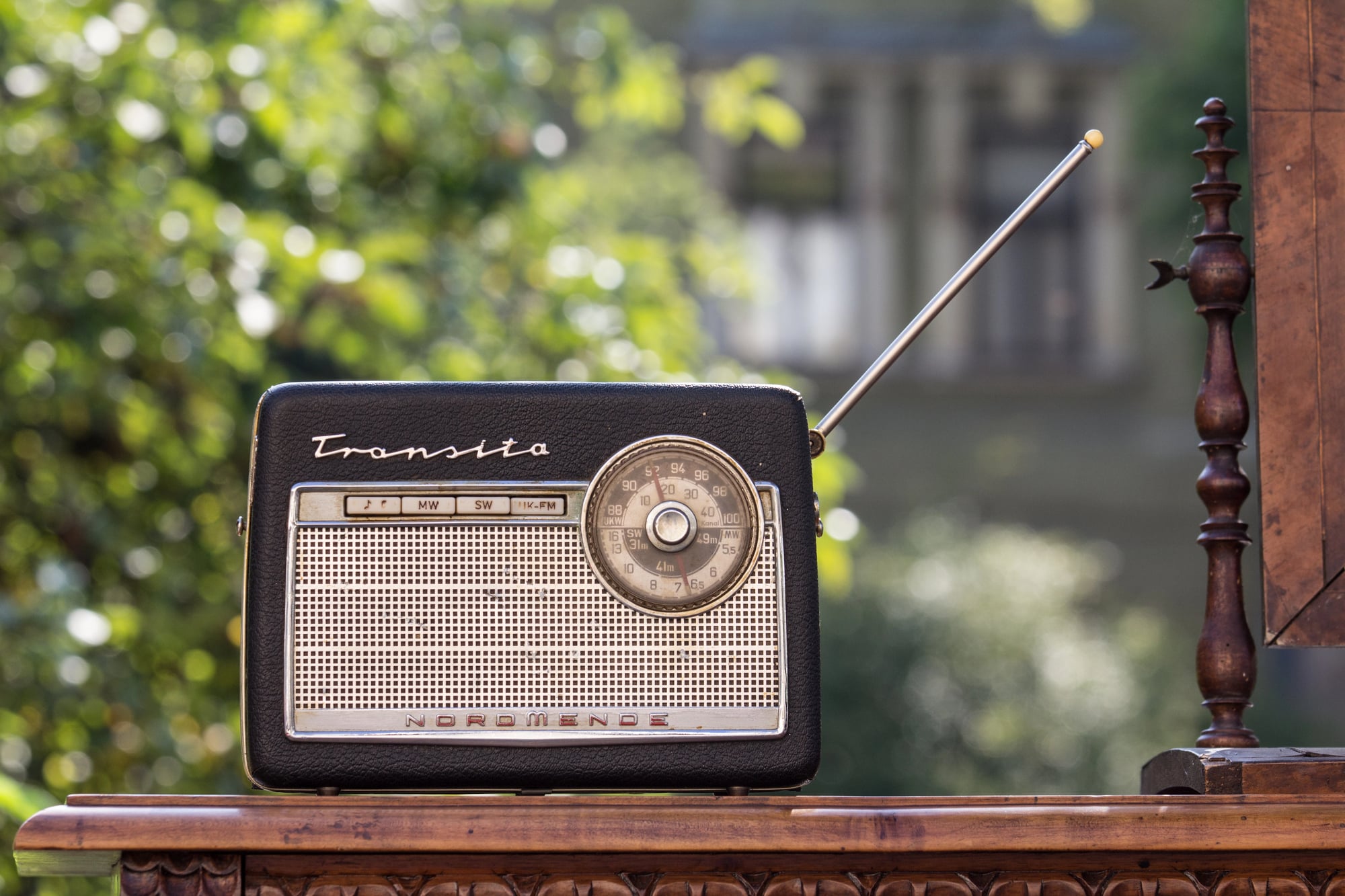
Guglielmo Marconi sent the first radio signal across the Atlantic in 1901. No wires, no cables, just electromagnetic waves traveling through the air.
This opened up wireless communication in ways that still shape your daily life. Radio waves don’t care about distance the way wires do.
They can reach ships at sea, planes in the air, and remote locations where running cables makes no sense. Early radio brought news and entertainment into homes.
It connected isolated communities. Your WiFi, your cell phone, your car’s GPS—all of them use radio waves to send information.
The frequency changed, the data format evolved, but the core technology traces back to Marconi’s experiments over a century ago.
The Vacuum Tube
The vacuum tube, developed in the early 1900s, was the first device that could amplify electrical signals. John Ambrose Fleming created the first one in 1904, and Lee de Forest improved it in 1906.
These glass tubes with metal components inside could control the flow of electricity. They made radio broadcasts possible because they could amplify weak signals.
They became the building blocks of early computers, the ENIAC used over 17,000 of them. Vacuum tubes were bulky, hot, and broke often.
But they proved that you could use electricity to process information, not just transmit it. That insight led directly to digital computing.
The Transistor
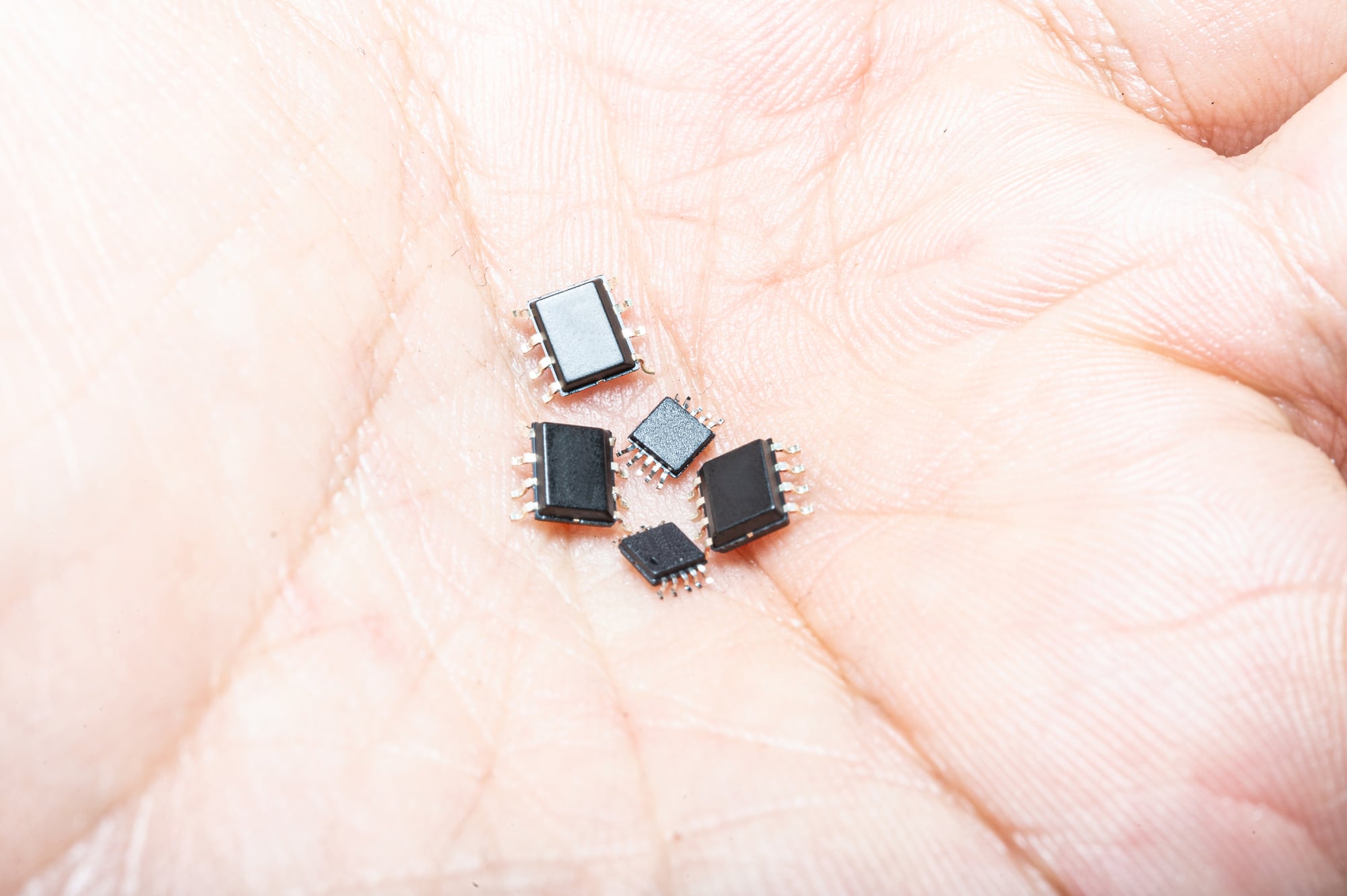
In 1947, three scientists at Bell Labs—John Bardeen, Walter Brattain, and William Shockley—invented the transistor. This tiny device could do everything a vacuum tube could do, but smaller, cooler, and more reliably.
The transistor is arguably the most important invention of the 20th century. It replaced vacuum tubes in every application.
Radios got smaller. Computers got faster and cheaper.
The entire electronics industry exploded. Your phone contains billions of transistors.
Your laptop has billions more. The transistor made miniaturization possible, and miniaturization made modern computing possible.
The Integrated Circuit
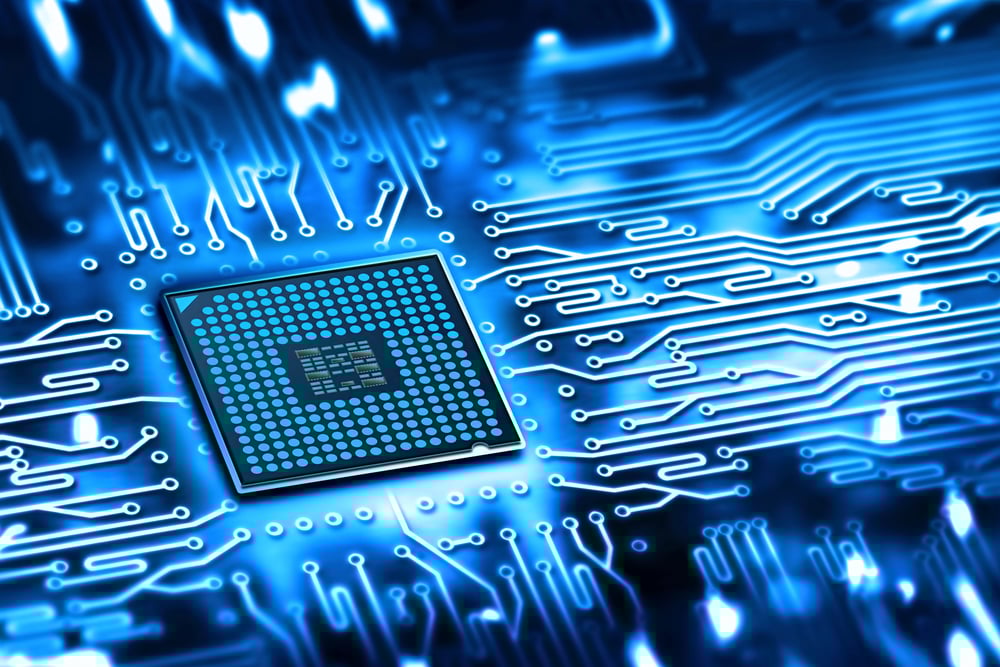
Jack Kilby at Texas Instruments and Robert Noyce at Fairchild Semiconductor independently invented the integrated circuit in 1958-1959. Instead of connecting individual transistors with wires, they figured out how to etch entire circuits onto a single piece of silicon.
This changed everything about manufacturing electronics. You could pack more components into less space.
Circuits became more reliable because there were fewer connections to fail. Costs dropped dramatically as production scaled up.
The integrated circuit made complex electronics practical and affordable. Without it, you wouldn’t have pocket calculators, personal computers, or smartphones.
The chip in your phone contains more transistors than there were people on Earth when the integrated circuit was invented.
The Microprocessor
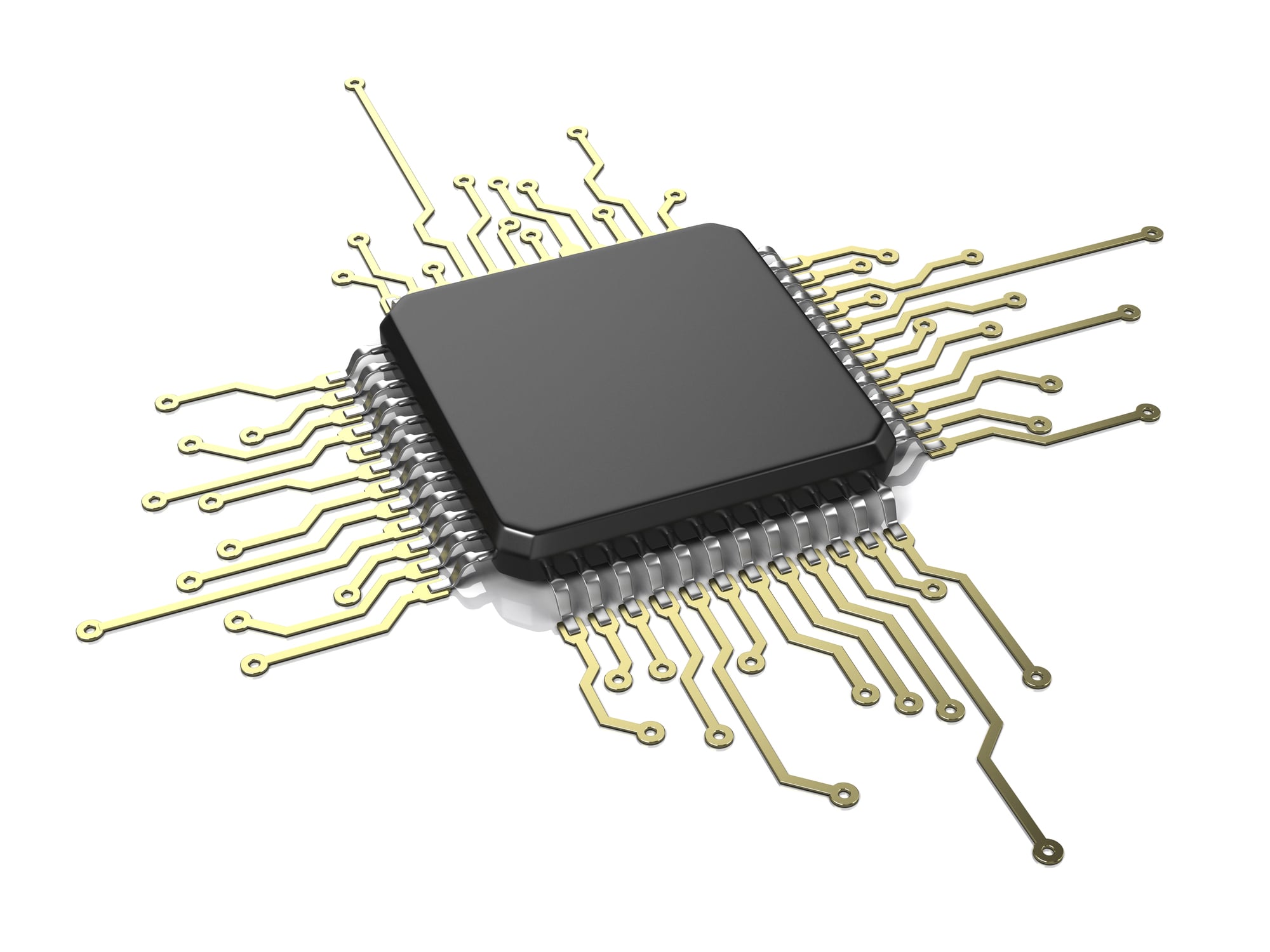
Intel’s 4004, released in 1971, was the first microprocessor—a complete central processing unit on a single chip. Ted Hoff designed it for a calculator, but he and his team realized they were building something bigger.
A microprocessor is a general-purpose computer on a chip. Give it different instructions and it becomes a different machine.
This flexibility transformed computing from specialized, room-sized equipment into something that could fit into anything. Every device with any intelligence uses a microprocessor.
Your car has dozens of them. Your washing machine has one.
Your coffee maker probably has one. The microprocessor brought computing power to everyday objects.
The Personal Computer
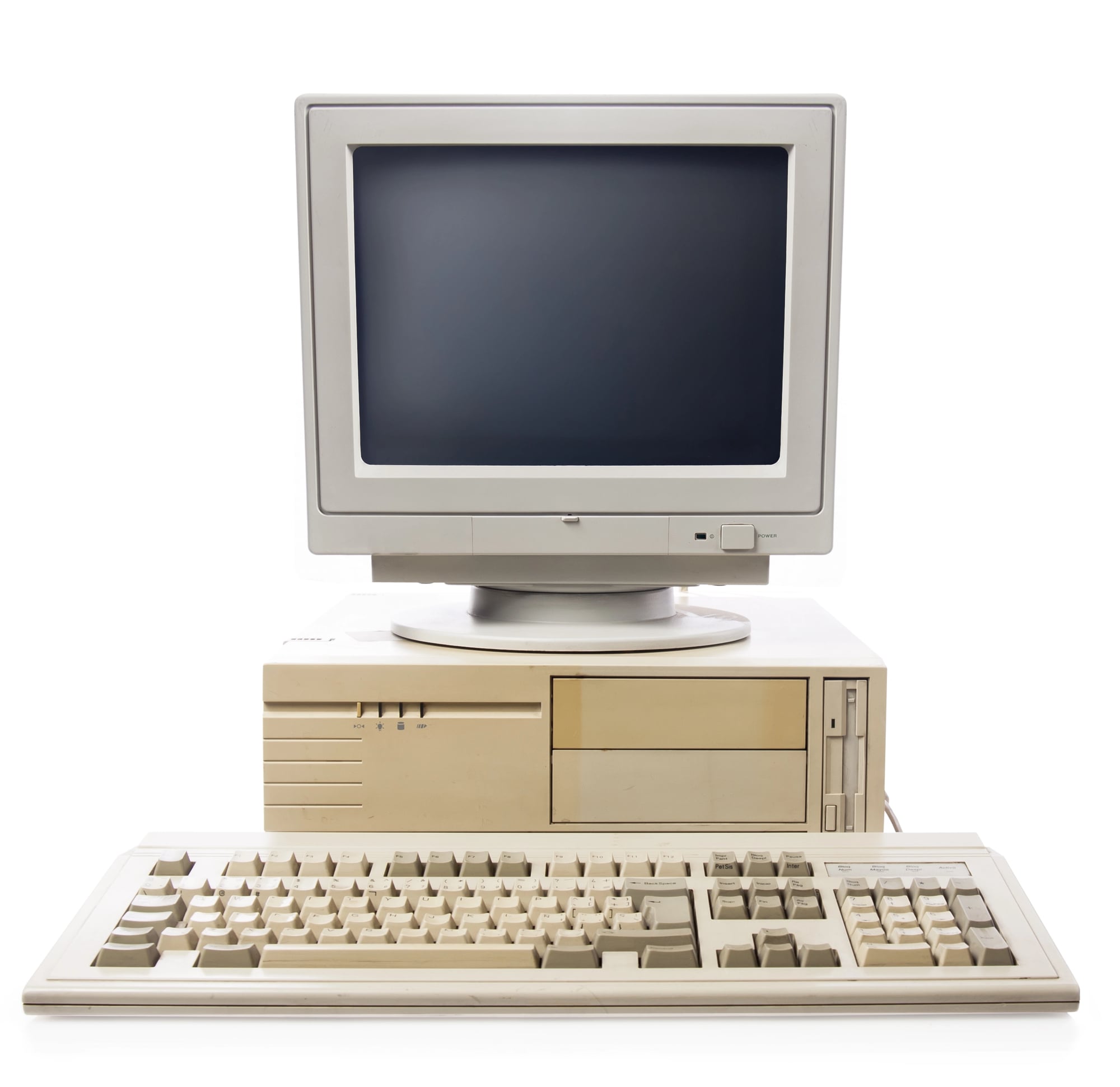
The Altair 8800 in 1975, the Apple II in 1977, the IBM PC in 1981—these machines brought computing into homes and small businesses. Before them, computers were expensive tools for corporations and universities.
Personal computers democratized technology. Suddenly anyone could write software, create documents, manage finances, or play games on their own machine.
The barrier between users and computers started to break down. This shift created an entire ecosystem.
Software companies formed to write programs for these machines. People learned to code at home.
The culture of computing moved from corporate mainframes to bedrooms and garages. That’s where the tech industry you see today was born.
The Internet

Back in 1969, what we now call the internet began as ARPANET – a setup by military researchers linking four university machines. Not new were networks themselves; they’d been around before.
What changed everything? Breaking data into chunks plus sending them through TCP/IP.That combo made separate nets understand one another.
A quiet shift.Huge effects.
Pieces of a message get split up before traveling across the network.Whatever road is open, that is where they go.
At the far end, they come back together again.The system keeps working even when part of it does not.
A broken link just means traffic flows somewhere else instead.Back then, around the 1990s, people started using the internet openly.
Thanks to email along with ways to swap files and later the web itself, it grew into something connecting everyone across continents.Each program you open, each site that loads, any online storage keeping your data – everything leans on how packets move and agreed-upon rules keep things talking smoothly.
When Technology Looks Back
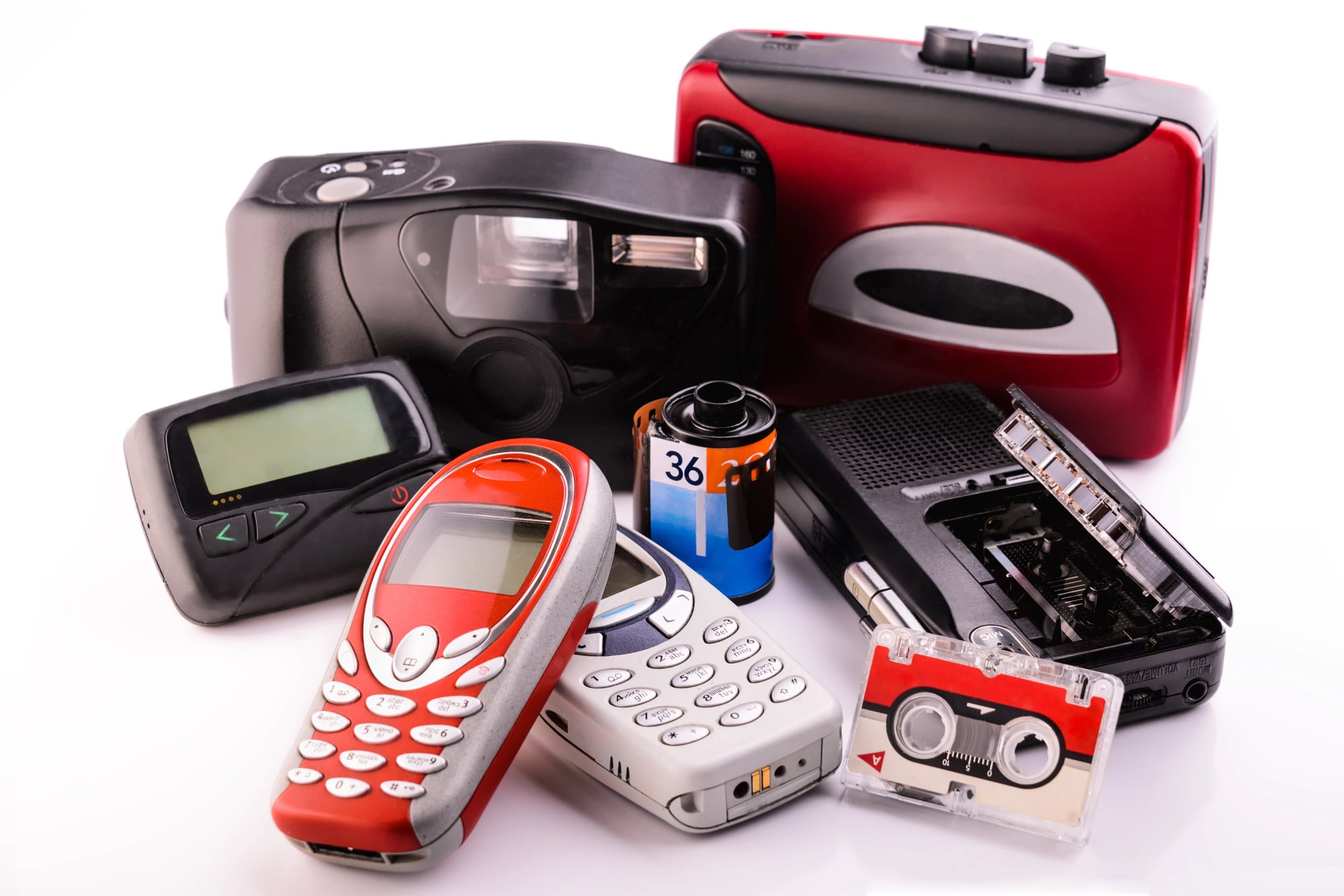
Look around a workplace, living room, or sidewalk today – traces of old breakthroughs hum beneath everything. That display in front of you works thanks to tiny switches called transistors and compact silicon brains.
What you’re reading made its way here over networks, broken into bits that zip between machines. Power runs to your gadget along lines shaped long ago by one stubborn inventor’s early plans.
Funny how none of them saw it coming – back then, just fixing what was broken. Tools at hand shaped their choices.
Yet every fix quietly turned into a stepping stone. Later folks picked up those pieces without thinking twice.
Step by step, tools get smarter. Each new device stands on the work of earlier ones.
What we have now grows from old ideas shaped again. Progress moves slowly, like layers stacking through years.
Past efforts feed present results without fanfare. People add small changes that shift how things work later.
Nothing arrives out of nowhere; it trails back through history.
More from Go2Tutors!

- The Romanov Crown Jewels and Their Tragic Fate
- 13 Historical Mysteries That Science Still Can’t Solve
- Famous Hoaxes That Fooled the World for Years
- 15 Child Stars with Tragic Adult Lives
- 16 Famous Jewelry Pieces in History
Like Go2Tutors’s content? Follow us on MSN.



