Capitals People Often Mix Up With Larger Cities
Most people can name a country’s most famous city without thinking twice. Ask someone where to fly into Australia, and they’ll say Sydney.
Ask about Brazil, and Rio de Janeiro comes up immediately. But ask for the capital, and things get interesting.
The assumption that a country’s biggest or most famous city must be its capital is surprisingly common — and surprisingly wrong.
Here’s a look at some of the most frequently mixed-up capitals around the world, and why the confusion makes sense in the first place.
Canberra, Not Sydney
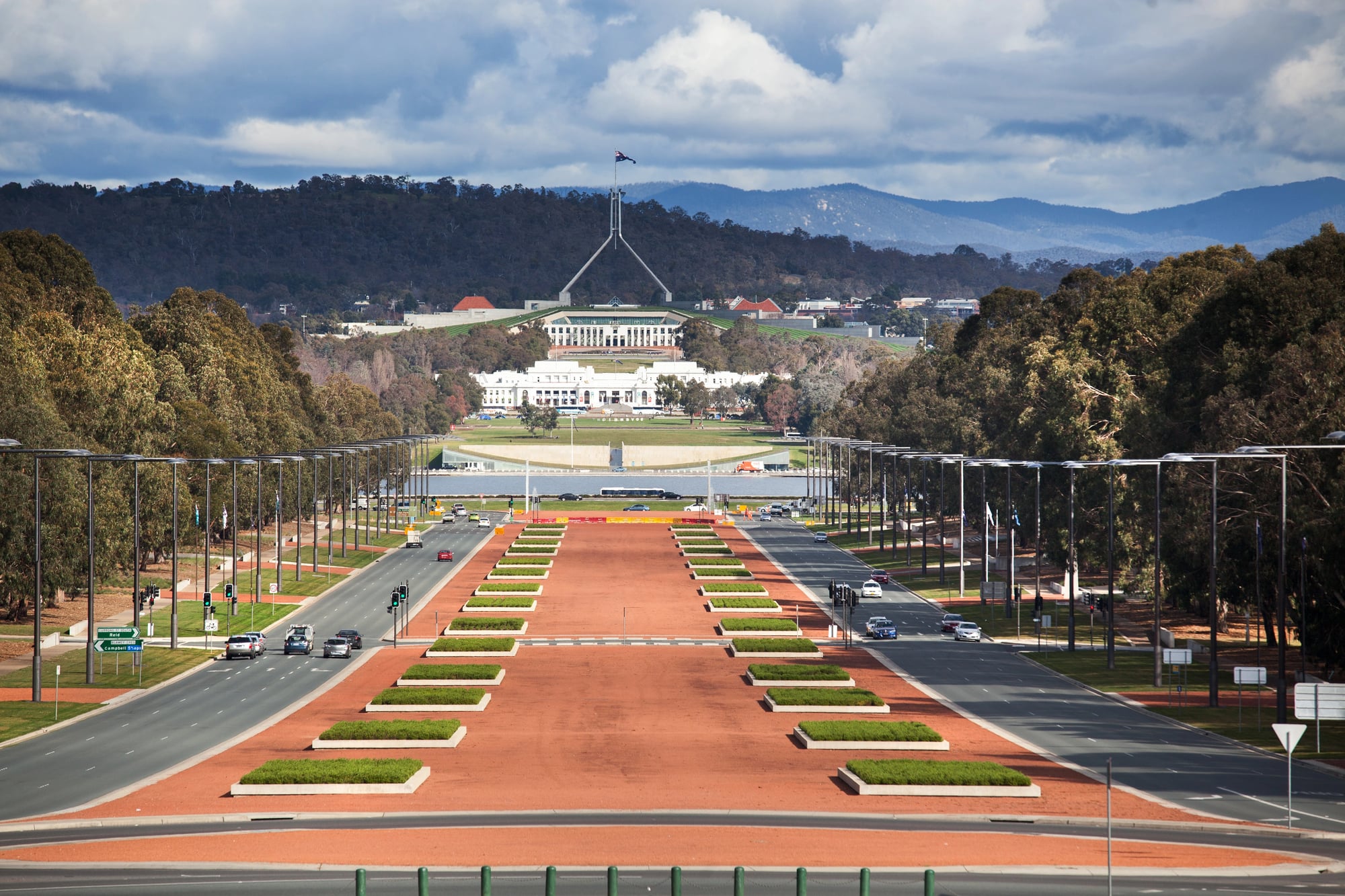
Sydney is Australia’s largest city and probably its most recognizable. The Opera House, the Harbour Bridge, the beaches — it’s the image most people carry in their heads.
So it’s easy to assume it’s the capital.
But Canberra holds that title. It was purpose-built as a compromise between Sydney and Melbourne, both of which competed fiercely for the honor when Australia federated in 1901.
The solution was to build a new city roughly between the two. Canberra became the capital in 1913 and has served that role ever since, though it remains far less visited and talked about than either rival.
Brasília, Not Rio or São Paulo
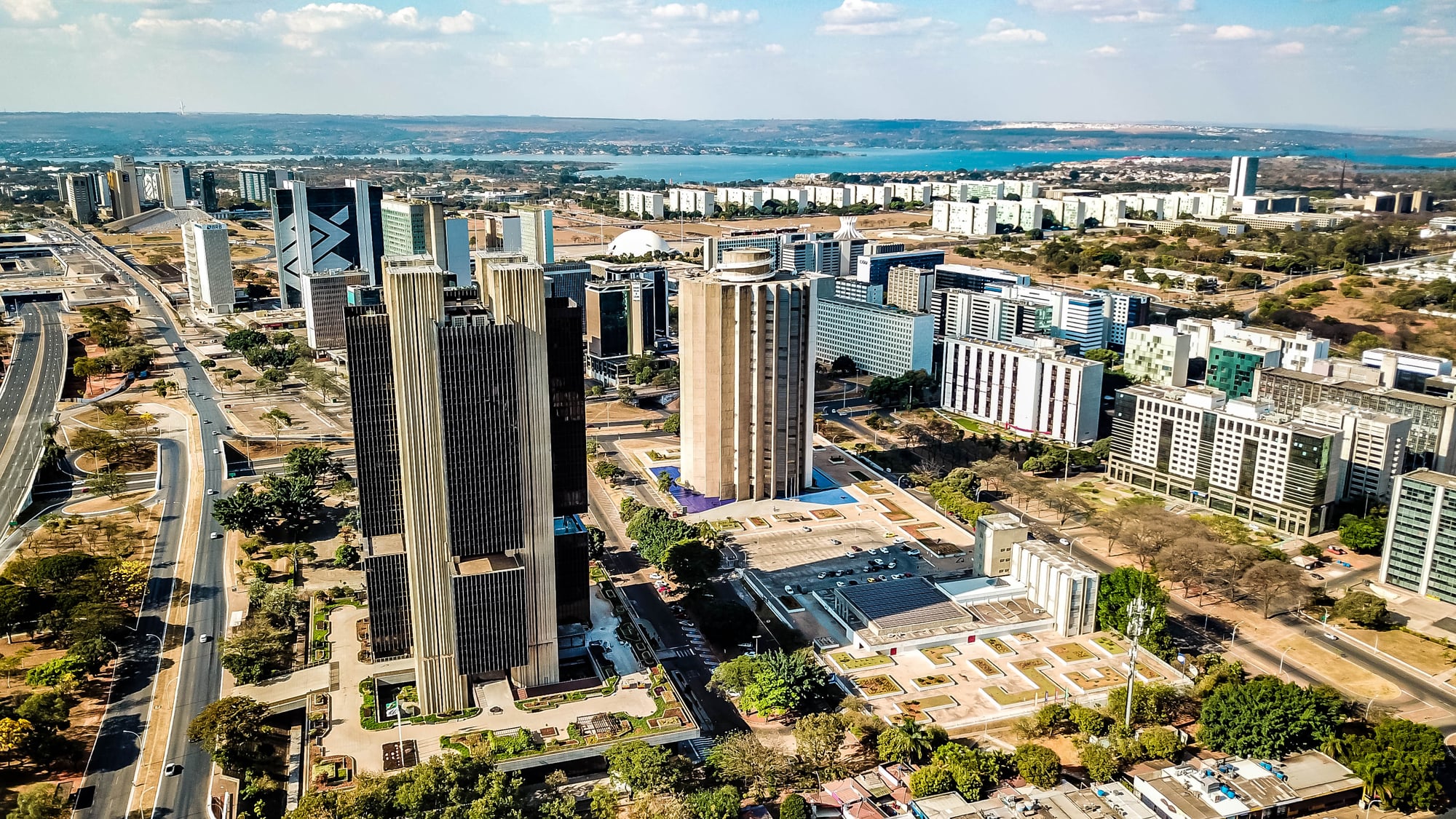
Brazil has two cities that dominate the global imagination: Rio de Janeiro, with its carnival and coastline, and São Paulo, with its sheer size and economic weight.
Neither is the capital.
Brasília was constructed from scratch in the late 1950s and inaugurated in 1960 under President Juscelino Kubitschek, who wanted to push development into Brazil’s interior.
It replaced Rio de Janeiro as the capital after nearly 200 years. The city is known for its striking modernist architecture, designed largely by Oscar Niemeyer.
But because it lacks the cultural familiarity of Rio or the commercial pull of São Paulo, it barely registers for most people outside Brazil.
Ottawa, Not Toronto
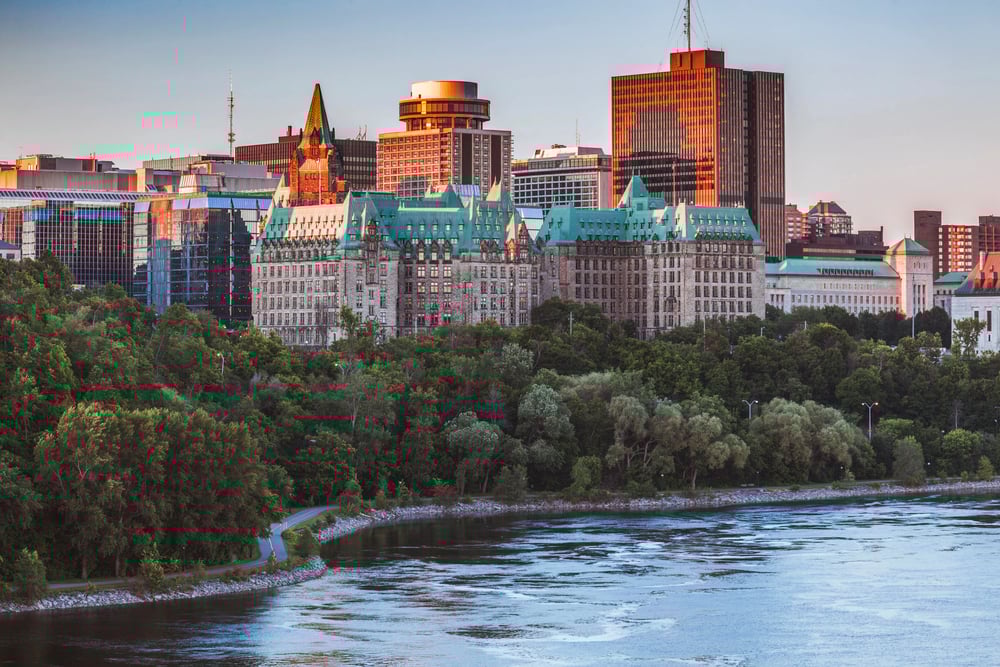
Toronto is Canada’s financial hub and its most populated city. It’s where many international businesses are based and where a lot of cultural conversation happens.
So visitors often assume it’s the capital.
Ottawa, located in Ontario near the Quebec border, is actually the seat of the Canadian government. It became the capital in 1857, chosen in part because of its position between the English and French-speaking regions of the country.
Parliament Hill sits right in the city center. Still, Toronto’s dominance in media and commerce keeps it in the spotlight while Ottawa operates quietly in the background.
Pretoria, Not Johannesburg
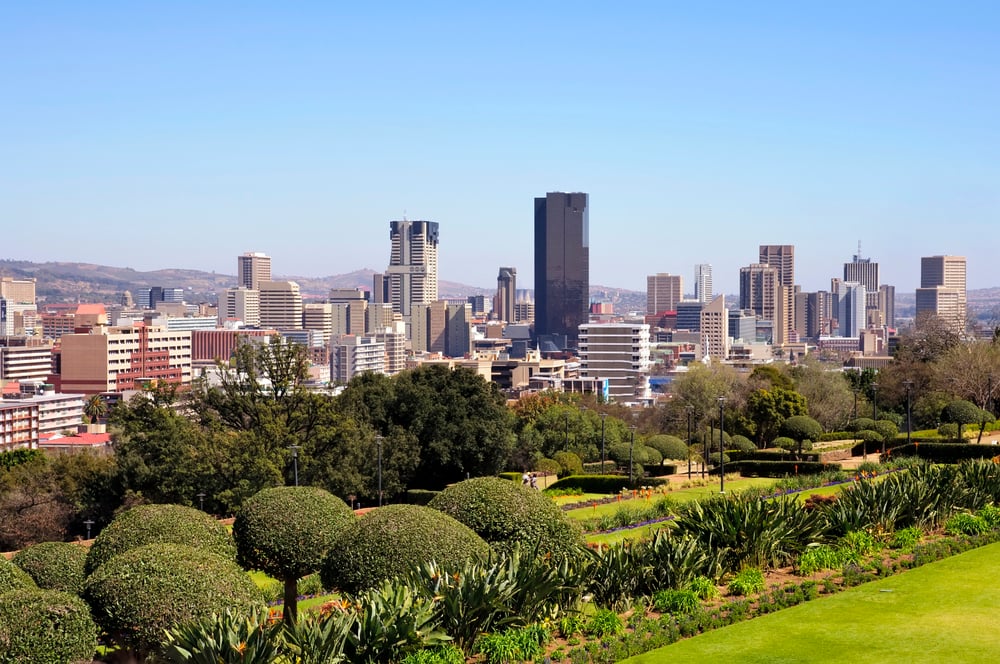
South Africa complicates the capital question even further because it technically has three. Pretoria serves as the executive capital, Cape Town as the legislative, and Bloemfontein as the judicial.
But when people think of South Africa’s urban center, Johannesburg usually comes to mind first.
Johannesburg grew out of the gold rush in the late 19th century and became the country’s economic engine. Pretoria, just 50 kilometers to the north, handles government functions but gets considerably less attention in international conversation.
Abuja, Not Lagos
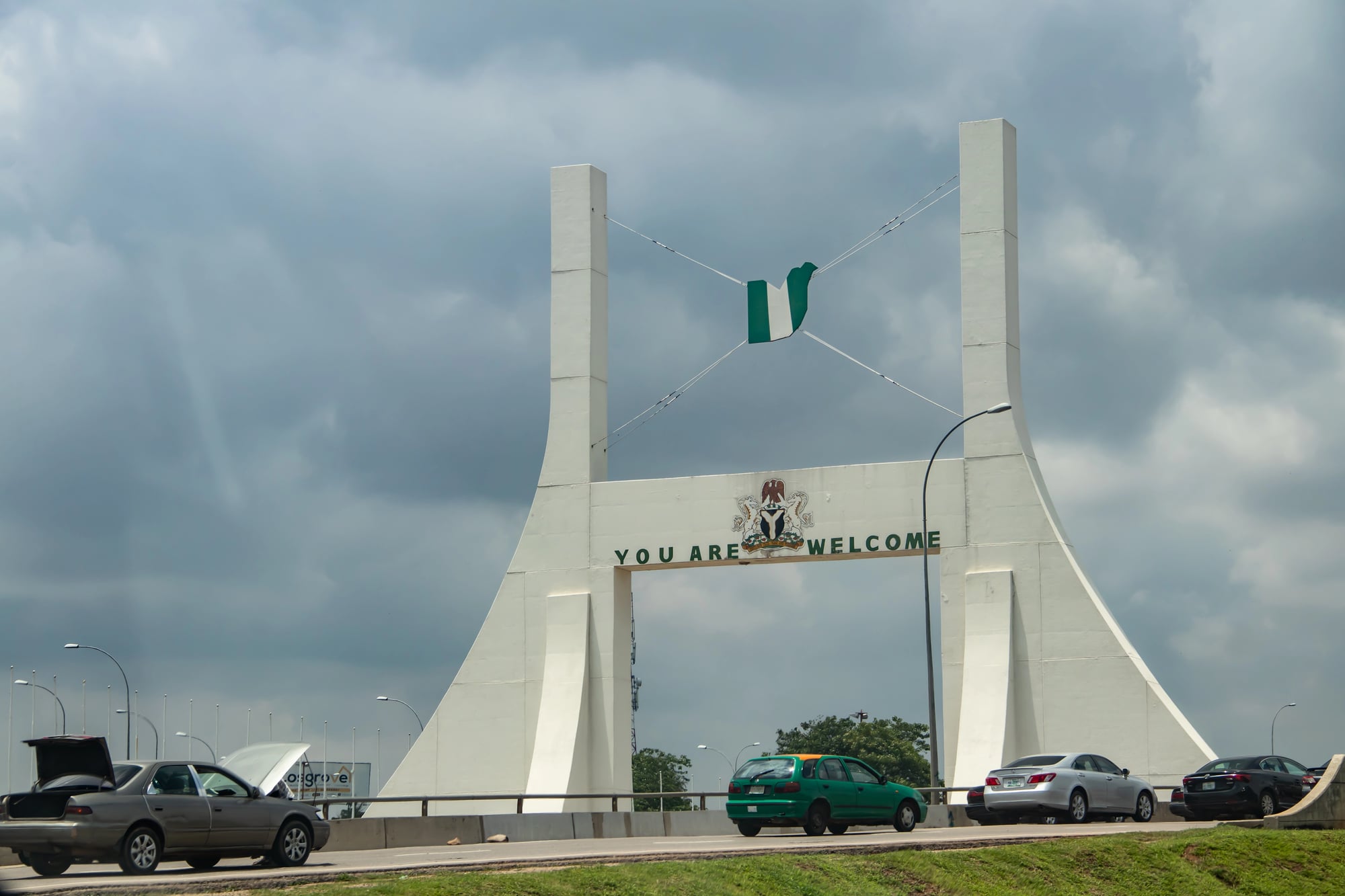
Lagos is one of Africa’s largest cities and one of the fastest-growing urban areas on the continent. It’s Nigeria’s commercial capital, the center of its film industry, and the city most associated with Nigerian culture abroad.
Abuja replaced Lagos as the federal capital in 1991. The move was deliberate — Lagos had become overcrowded and was seen as too tied to one ethnic group and one region.
Abuja was built centrally and was designed to represent all of Nigeria. Despite decades as the seat of power, Lagos still dominates the country’s identity in most outside perceptions.
Bern, Not Zurich or Geneva

Switzerland’s banking reputation and international profile make Zurich and Geneva the cities people associate with the country. Zurich is the financial center.
Geneva hosts the United Nations European headquarters and the International Red Cross. Both are internationally prominent in ways that Bern simply isn’t.
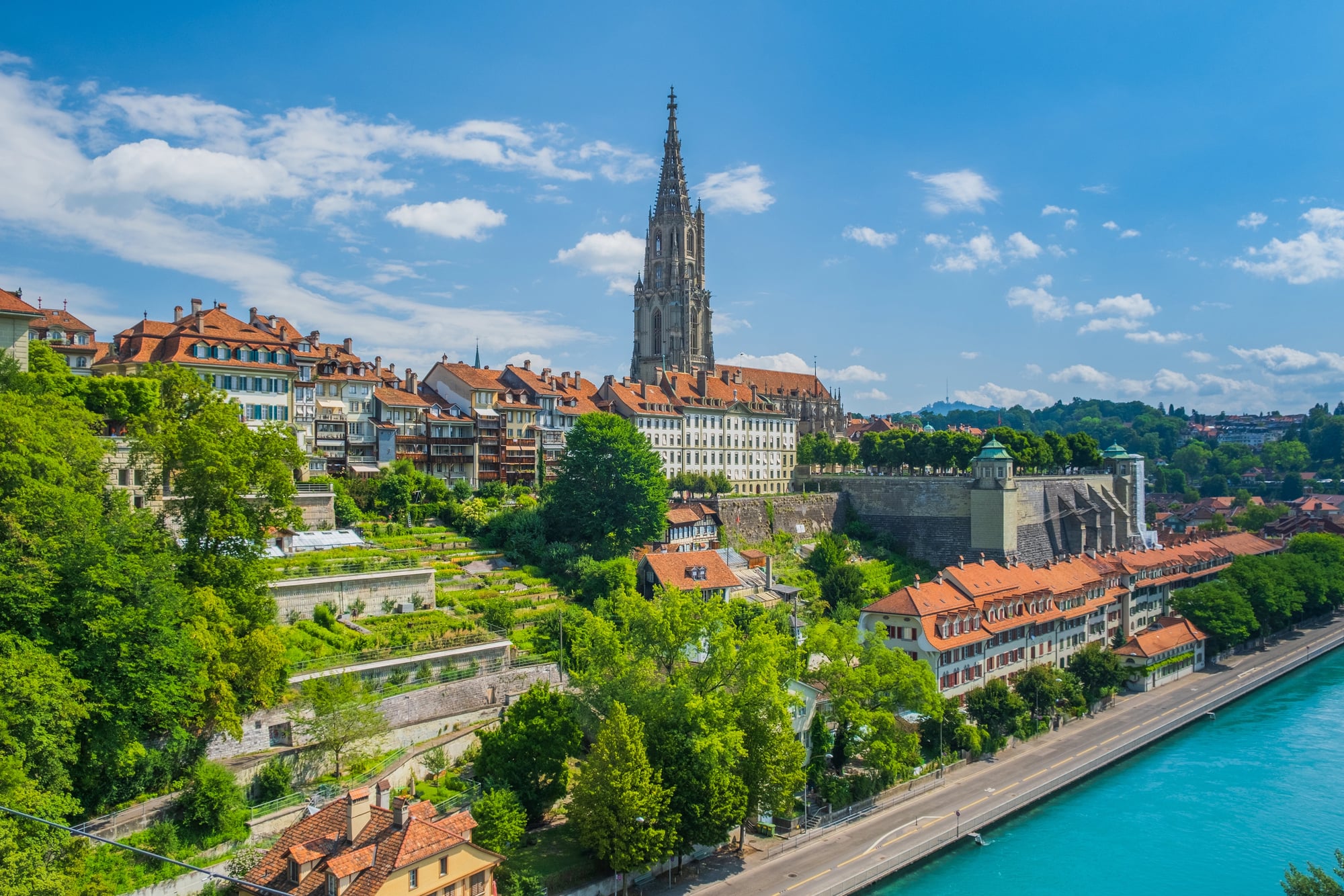
Yet Bern is the federal city — a term Switzerland uses rather than “capital,” though it functions as one. It’s been the seat of the Swiss federal government since 1848.
The city is smaller and quieter than its famous counterparts, which probably explains why it slips past people’s radar so consistently.
Islamabad, Not Karachi or Lahore
Karachi is Pakistan’s largest city and its commercial center. Lahore is the cultural heart of the country, rich with history and often called the soul of Pakistan.
Both cities carry enormous weight.
Islamabad, however, is the capital. It was built in the 1960s to replace Karachi, which was considered too far from the country’s geographic center.
The new city sits in the north, near the older city of Rawalpindi. It’s a planned city, relatively young compared to Lahore’s centuries of history, which makes it feel less culturally embedded in the popular imagination.
Ankara, Not Istanbul
Istanbul is one of the world’s great cities. It straddles two continents, carries the legacy of both the Byzantine and Ottoman empires, and draws millions of visitors each year.
It feels like the natural center of Turkey in almost every sense.
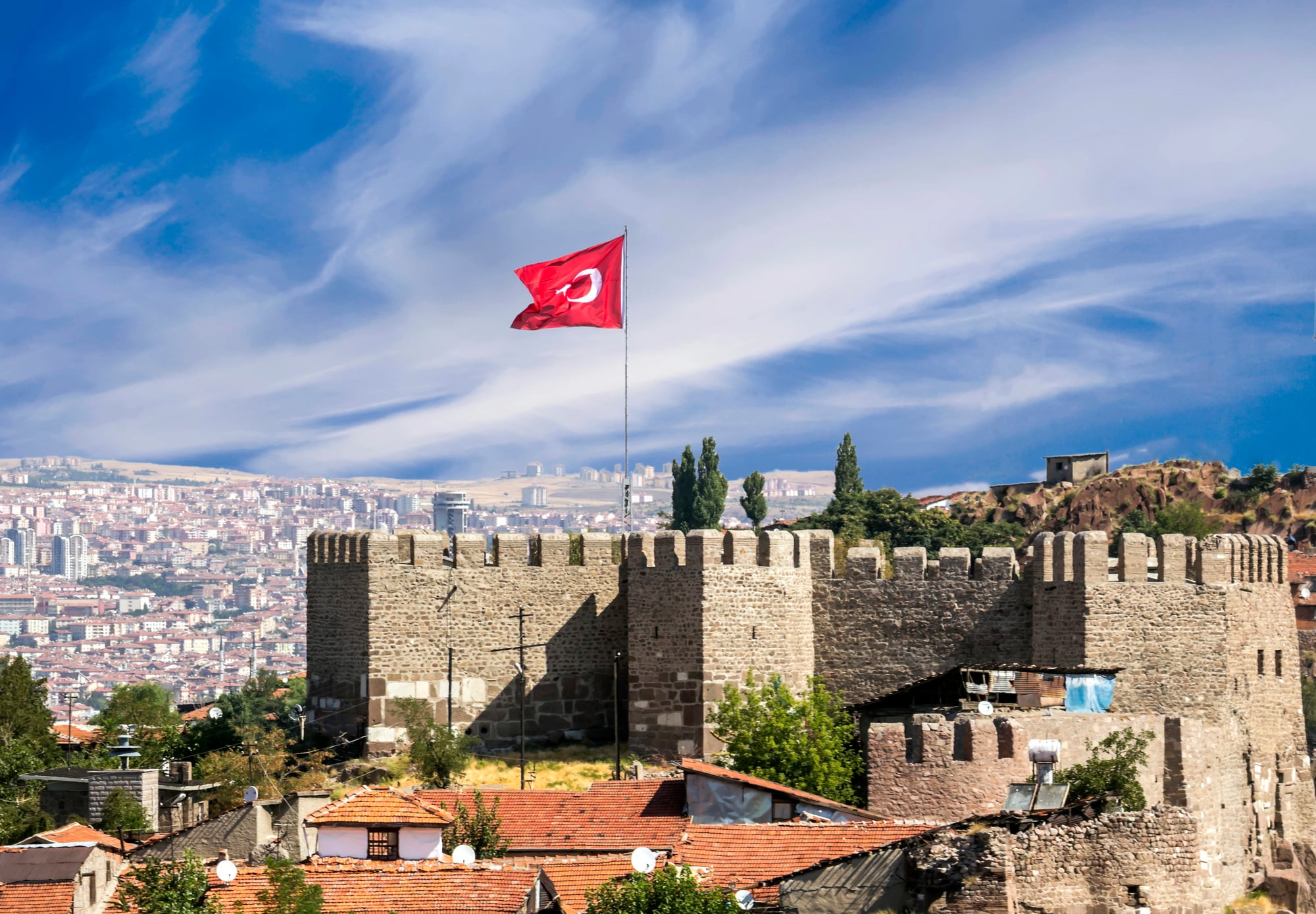
But when the Republic of Turkey was founded in 1923 under Mustafa Kemal Atatürk, Ankara was chosen as the capital.
The reasoning was partly strategic — Istanbul sat too close to the coast and was seen as vulnerable — and partly symbolic, marking a break from the Ottoman past.
Ankara has served as the capital ever since, though Istanbul remains the cultural, economic, and population center.
Astana, Not Almaty
Kazakhstan is a country many people know mainly in broad strokes, and when they do place a city there, Almaty is often the one that comes to mind.
It was the Soviet-era capital and remains the country’s financial center and largest city.
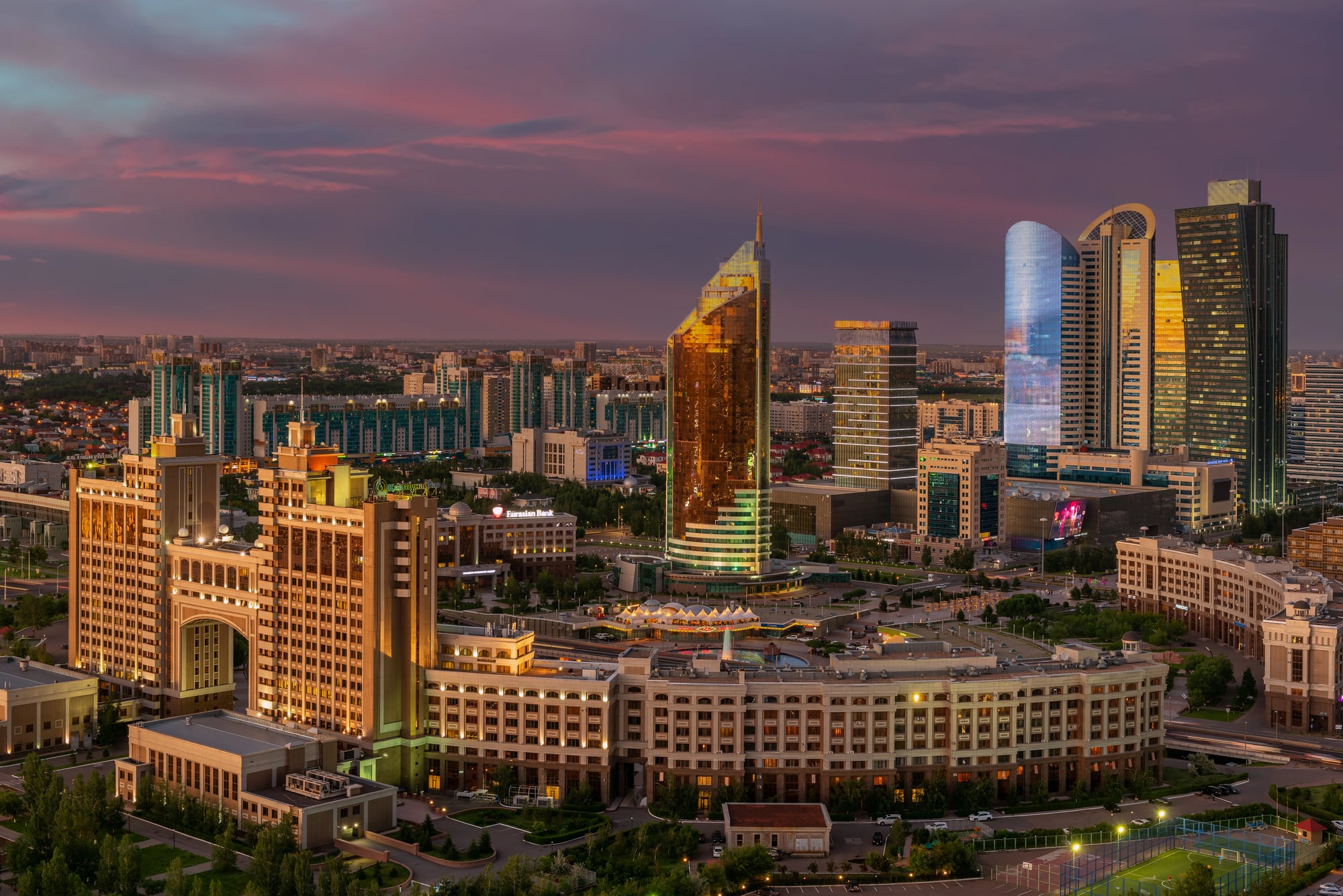
Astana became the capital in 1997 when the government relocated it from Almaty. The city has been renamed more than once — it was called Nur-Sultan between 2019 and 2022 before reverting to Astana.
Its futuristic skyline and rapid development have made it notable in architectural circles, but it hasn’t broken into widespread public consciousness the way Almaty has.
Wellington, Not Auckland
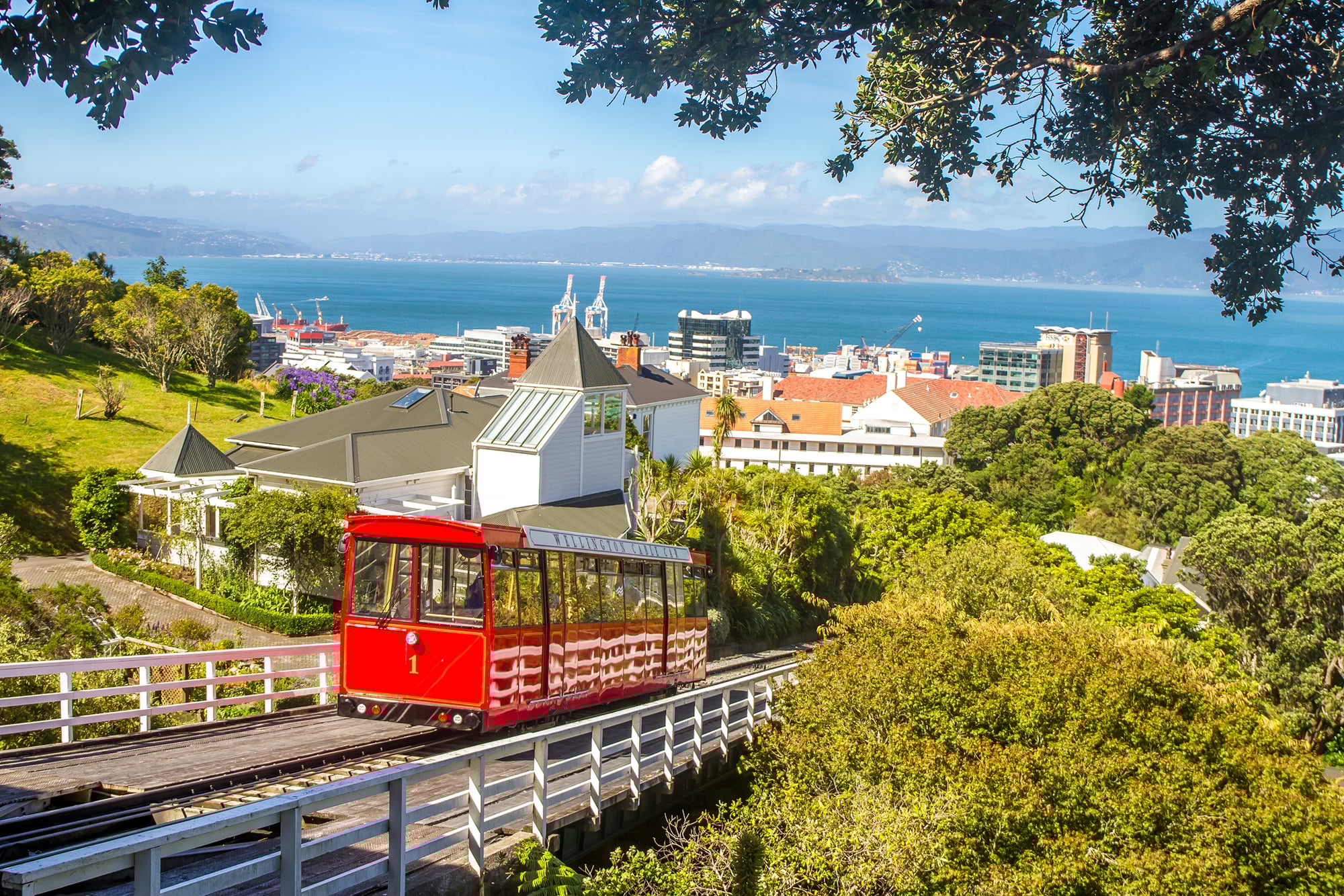
Most people in New Zealand call Auckland home. This city powers the nation’s economy, welcoming global visitors right away.
Many arrive thinking they’ve reached the capital – such a guess feels natural.
Down near the bottom of New Zealand’s North Island sits Wellington – this place is the real capital, even if some assume otherwise.
Back in 1865, leaders shifted governance here, drawn by how close it sits to both islands.
Blustery weather sweeps through often, yet creative energy thrives regardless. Home to Te Papa, the country’s main museum, it packs depth into compact streets.
Size doesn’t define impact, clearly; influence grows quietly where few expect. The government lives here, rooted firmly while bigger cities play different roles.
Dodoma Instead of Dar Es Salaam
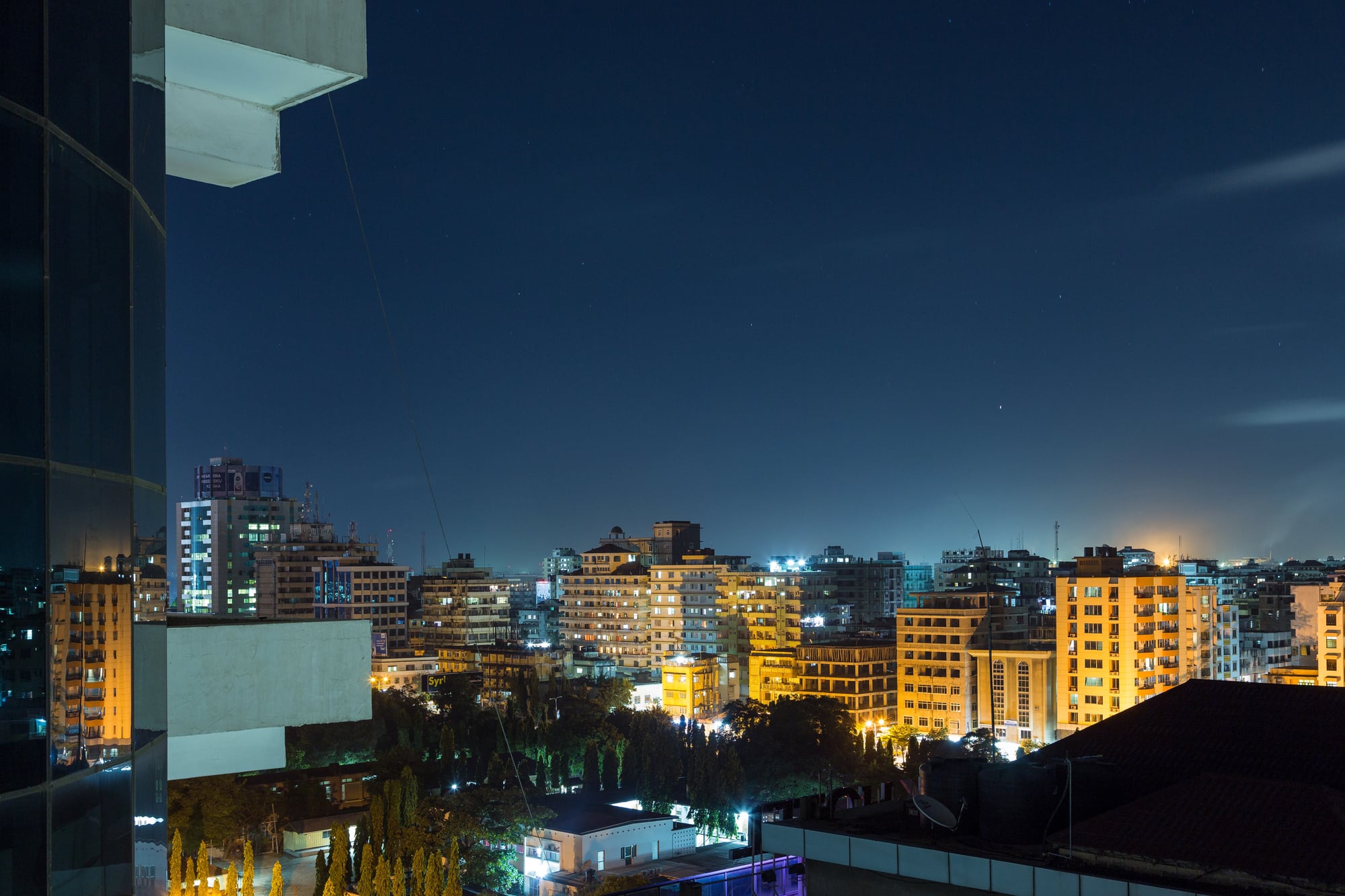
Home to more than six million, Dar es Salaam pulses with movement, trade humming through its docks. Though not the official seat of government, it draws global eyes like few others do.
Trucks roll in daily, trains arrive late, streets fill fast – this place never pauses long enough to catch breath. Its name means “House of Peace,” yet chaos runs deep beneath the surface calm.
Most travelers land here first, assuming they’ve stepped into a nation’s heart by default.
Only in 1996 did Tanzania name Dodoma the new capital, yet slowly, step by step, the change rolls on – parts of the government remain rooted in Dar es Salaam.
Right at the heart of the nation lies Dodoma, placed fair and central across the map. Still, minds haven’t caught up; most world headlines fixate on Dar es salaam when speaking of Tanzania.
Sri Jayawardenepura Kotte Instead Of Colombo
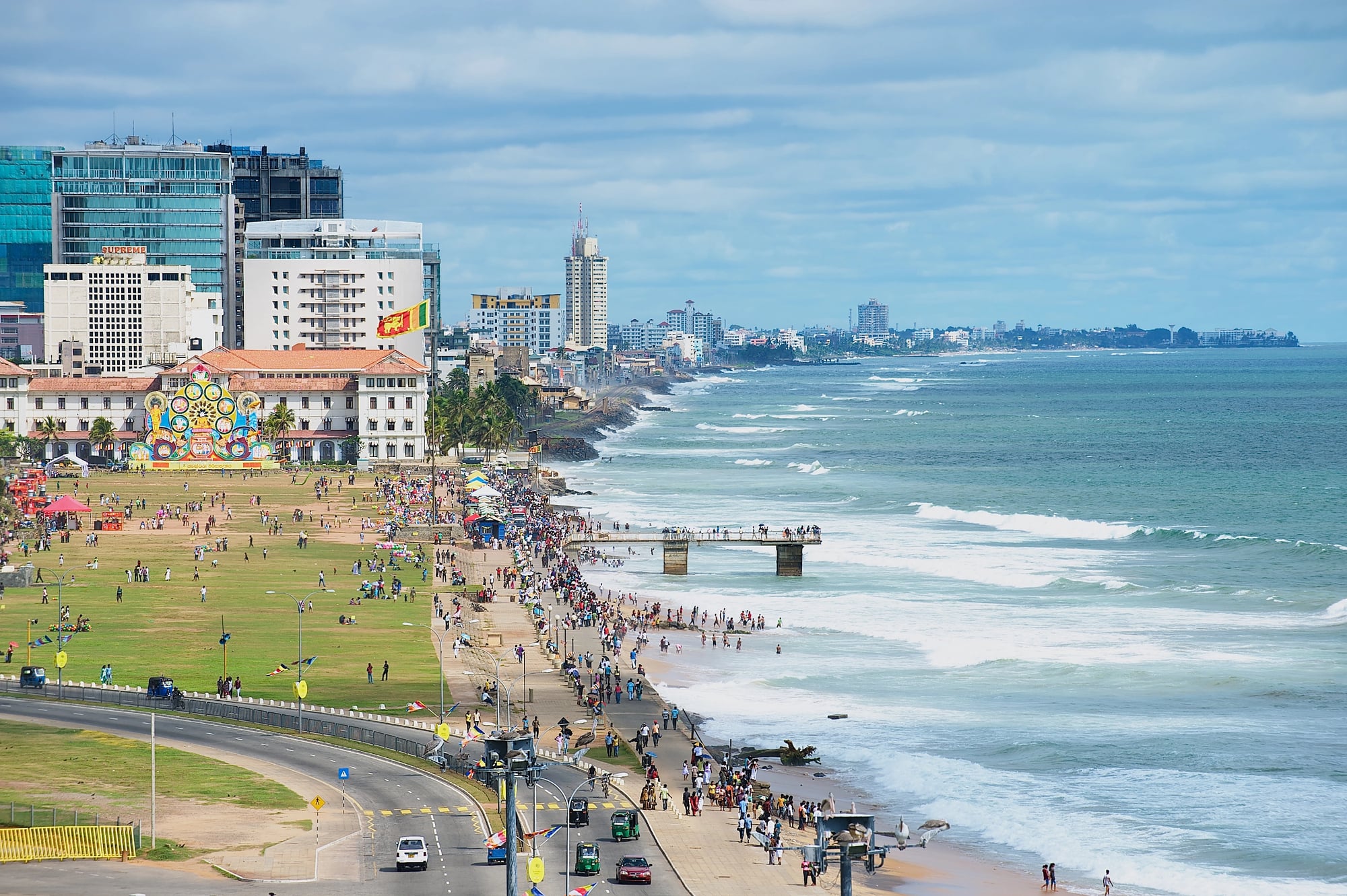
The biggest city in Sri Lanka, Colombo also runs the country’s commerce. Anyone familiar with the island usually knows this place well.
A port sets it apart, while offices fill its core, culture hums through streets.
Only since 1982 has Sri Jayawardenepura Kotte held the title of official capital.
Though labeled its own city near Colombo, boundaries fade where they meet.
While the parliament building stands in Kotte, real day-to-day government work – ministries, foreign missions – keeps humming in Colombo.
This split setup ranks among Earth’s stranger political setups. Few people elsewhere ever hear about it.
The Map Is Not Guided By Money
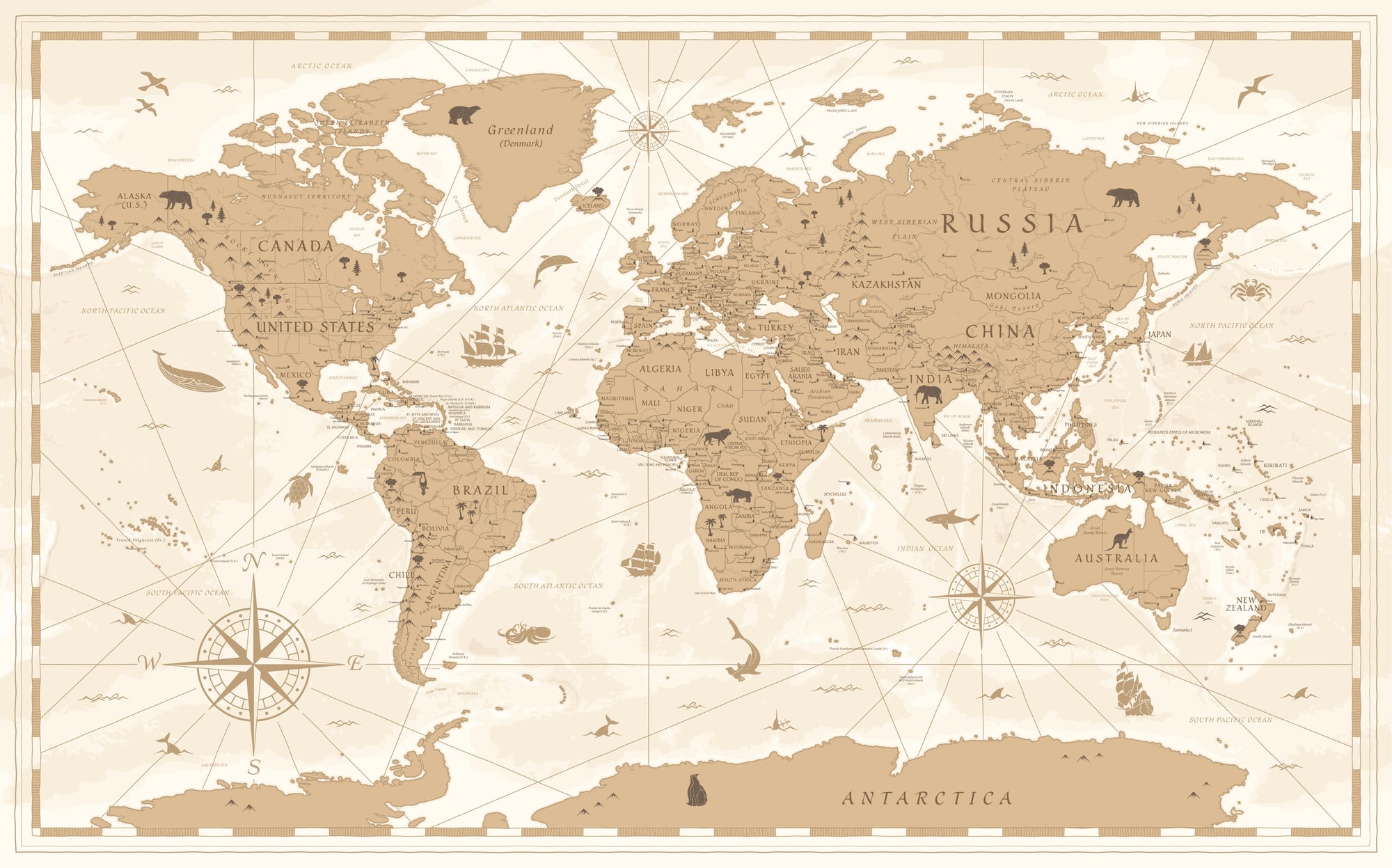
A thread links every example here. Big well known cities usually get that way thanks to commerce, location, or old empire rules.
Yet capitals? They’re picked differently – sometimes to calm tensions between areas, sometimes to show what the nation stands for, other times just to keep officials away from busy markets.
Here’s where image slips away from reality. Picture any nation, and your mind likely lands on the place that defined how it lives or earns.
Power gathers elsewhere – governance tends to hide behind closed doors. Skyscrapers stay in view.
Decisions? Not so much.
More from Go2Tutors!

- The Romanov Crown Jewels and Their Tragic Fate
- 13 Historical Mysteries That Science Still Can’t Solve
- Famous Hoaxes That Fooled the World for Years
- 15 Child Stars with Tragic Adult Lives
- 16 Famous Jewelry Pieces in History
Like Go2Tutors’s content? Follow us on MSN.



