14 Largest Birds Ever Recorded in History
Throughout Earth’s long evolutionary journey, certain avian species have grown to truly staggering proportions. Whether soaring through prehistoric skies or strutting across ancient landscapes, these feathered giants have captivated our imagination and challenged our understanding of biological limits.
Here’s a look at the 14 most massive birds that have ever existed – from prehistoric behemoths to modern heavyweights that still walk among us today.
Vorombe Titan

Standing as nature’s most imposing avian creation, the Vorombe titan dominated Madagascar until its extinction roughly 1,000 years ago. This colossal bird reached heights exceeding 10 feet and weighed an astonishing 1,400 pounds – with legs like tree trunks supporting its immense frame.
Archaeological evidence suggests humans contributed to its demise through hunting and habitat alteration, though climate shifts may have played a role in its ultimate disappearance.
Elephant Bird (Aepyornis maximus)

Long considered the heaviest bird in history until recent discoveries promoted Vorombe to that title, Aepyornis maximus still ranks among evolution’s most impressive creations. These Madagascan giants stood about 9.8 feet tall and weighed between 770-1,100 pounds.
Perhaps most remarkable were their eggs – roughly 160 times larger than a chicken’s which remain the largest eggs produced by any vertebrate in Earth’s history. The species persisted until about 1,000 years ago, with their demise coinciding with human settlement of Madagascar.
Like Go2Tutors’s content? Follow us on MSN.
Pachystruthio Dmanisensis

Recently discovered and only scientifically described in 2019, this enormous bird once roamed the regions around today’s Crimean Peninsula roughly 1.8 million years ago. Pachystruthio reached heights approaching 11.5 feet while weighing approximately 770 pounds.
What makes this discovery particularly fascinating is its location – it’s the first super-heavyweight bird known from the European continent. Early humans likely encountered these giants, as their fossil remains have been found alongside primitive human tools.
Dinornis Robustus

Better known as the Giant Moa, this flightless wonder of New Zealand stood nearly 12 feet tall – though much of that height came from its extraordinarily long neck. Unlike many giant birds that had substantial bulk, the moa was relatively slender, weighing “only” around 550 pounds.
This distinctive avian lacked even vestigial wings, making it truly wingless rather than merely flightless. The species survived until surprisingly recent times, disappearing around 1440 CE, just a few hundred years after Polynesian settlers arrived on the islands.
Gastornis Gigantea
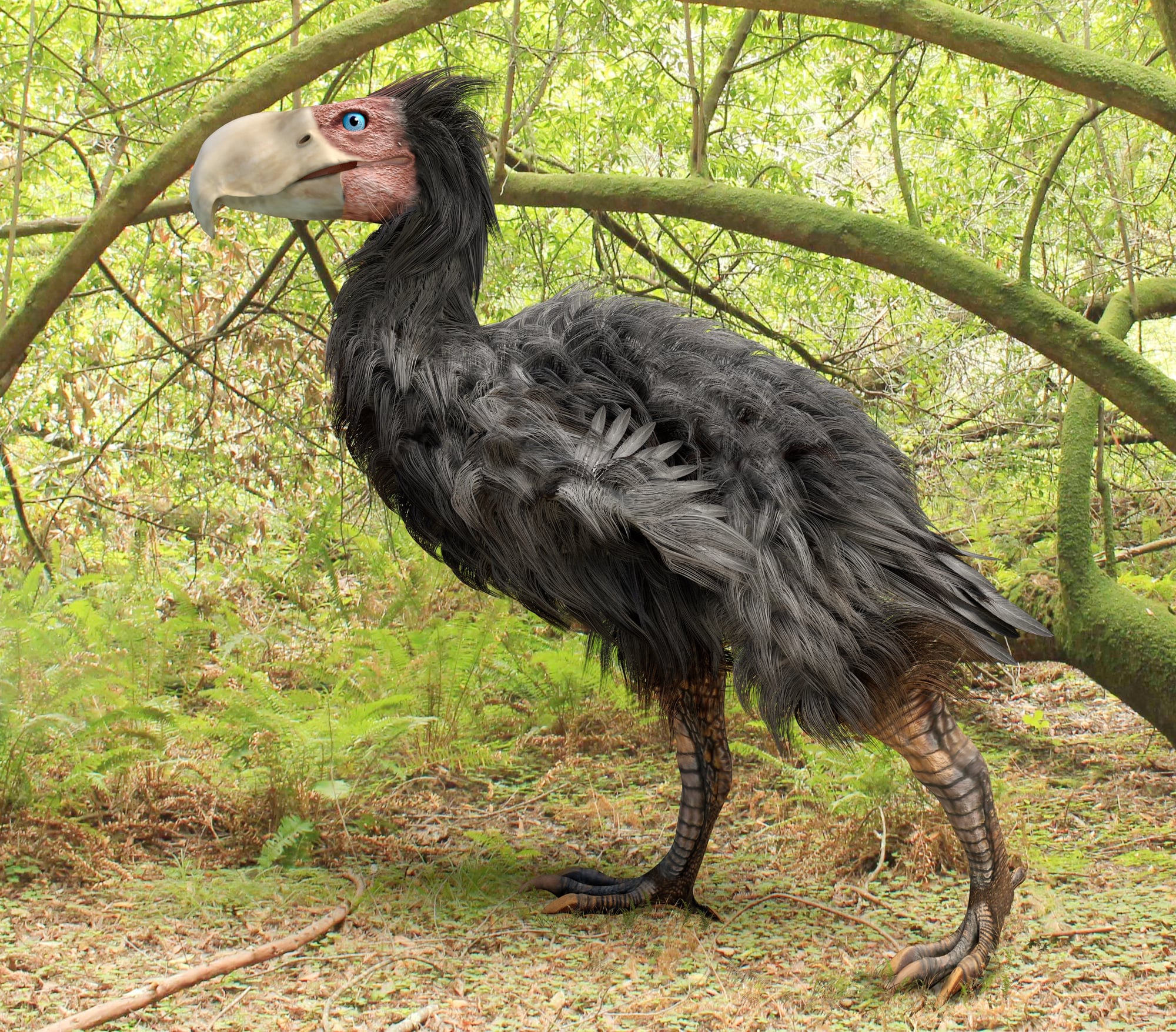
Once incorrectly labeled as “Diatryma” and mischaracterized as a fearsome predator, Gastornis lived across North America and Europe approximately 56-45 million years ago. Standing about 6.6 feet tall and weighing roughly 400 pounds, these birds possessed massive heads and powerful beaks that fueled speculation about carnivorous habits.
However, modern research suggests they were likely herbivores with beaks adapted for crushing tough plant material rather than tearing flesh. Gastornis evolved to fill ecological niches left vacant after the dinosaur extinction.
Like Go2Tutors’s content? Follow us on MSN.
Argentavis Magnificens
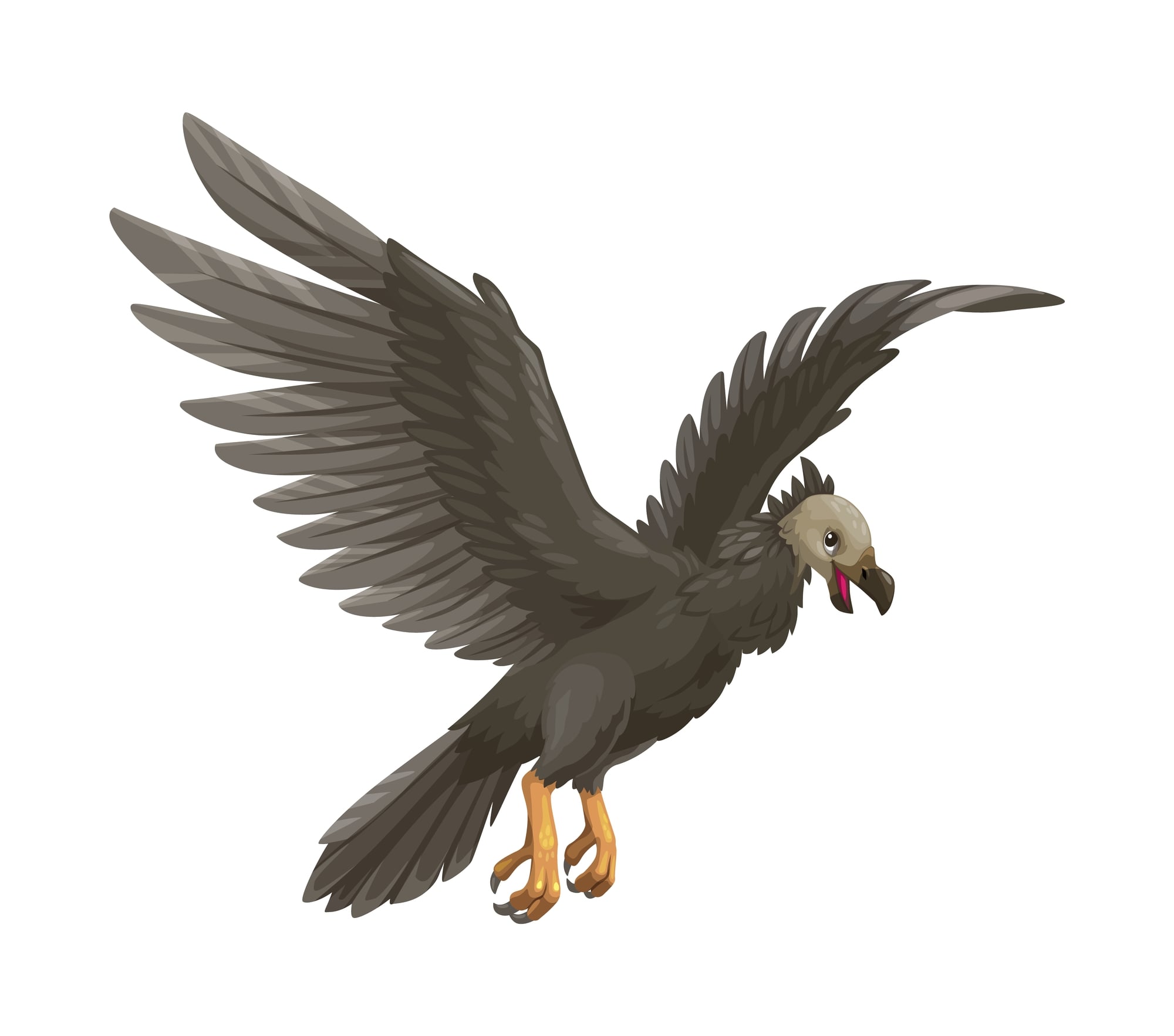
Holding the title of largest flying bird in history, Argentavis magnificens patrolled the skies above what’s now Argentina roughly 6 million years ago. With a wingspan stretching to 23 feet and weighing approximately 150-170 pounds, this aerial titan dwarfs today’s largest flying birds.
Such massive dimensions posed aerodynamic challenges – researchers believe Argentavis primarily soared on thermal updrafts rather than actively flapping its enormous wings. Its anatomy suggests a vulture-like lifestyle, likely scavenging carcasses of South America’s diverse Miocene megafauna.
Common Ostrich
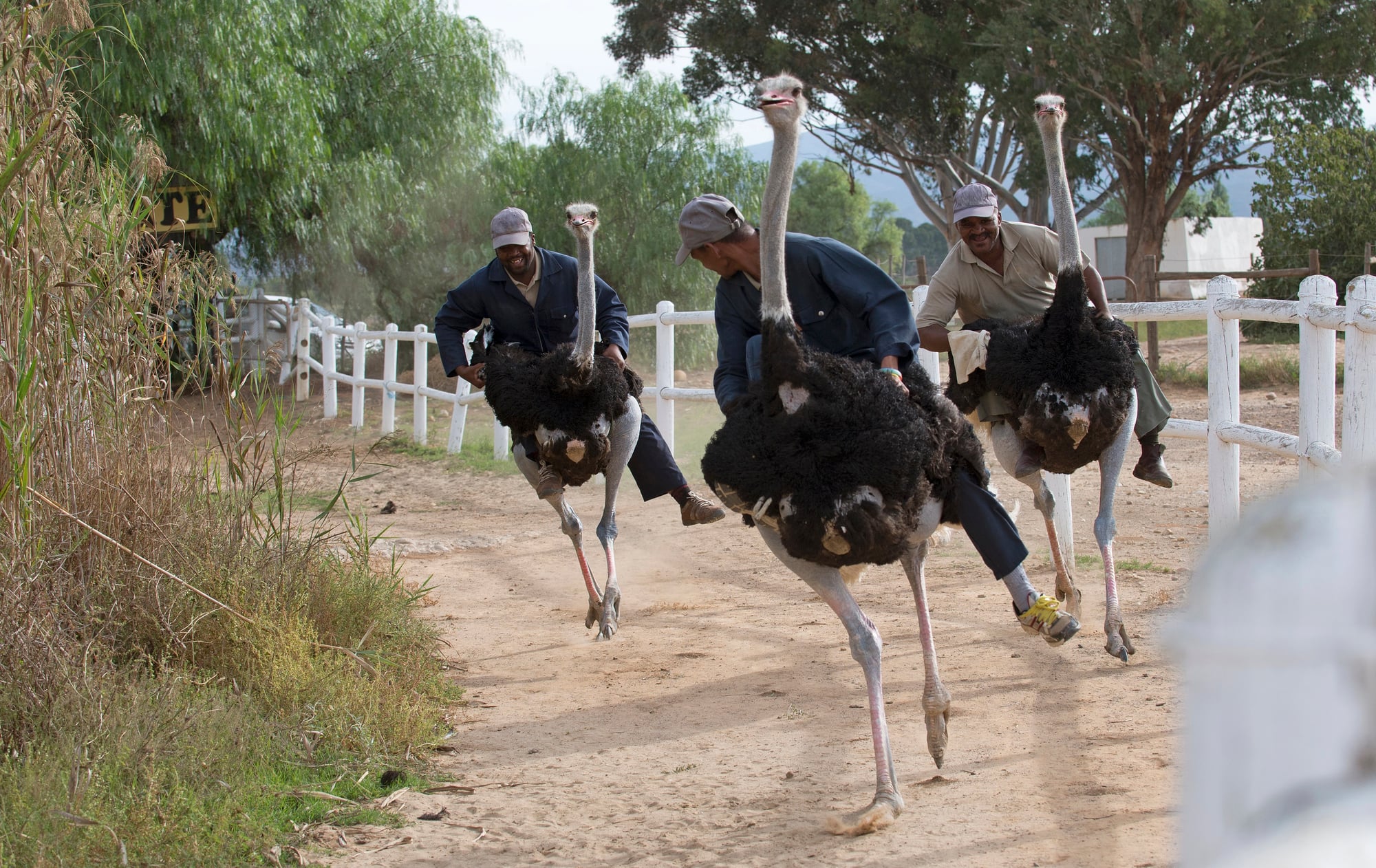
As the heaviest living bird and fastest animal on two legs, the common ostrich (Struthio camelus) represents an evolutionary success story that continues today. Adult males typically stand 7-9 feet tall and weigh between 220-350 pounds, though exceptional specimens reportedly approach 400 pounds.
Found across various African ecosystems, ostriches can sprint up to 45 mph and deliver potentially lethal kicks with their powerful legs. While their wings can’t provide flight, they serve important roles in courtship displays, balance while running, and temperature regulation.
Dwarf Elephant Bird (Mullerornis Modestus)

Don’t let the “dwarf” designation fool you – this smaller relative of Aepyornis still towered over humans at approximately 6 feet tall and weighed around 110-200 pounds. Living alongside its larger cousins on Madagascar until roughly 1,000 years ago, Mullerornis represents an interesting case of related species evolving different size adaptations within the same environment.
Recent genetic studies suggest the elephant birds diverged from other ratites surprisingly early – around 30 million years ago – adapting to different ecological niches across Madagascar’s varied landscapes.
Like Go2Tutors’s content? Follow us on MSN.
Southern Cassowary
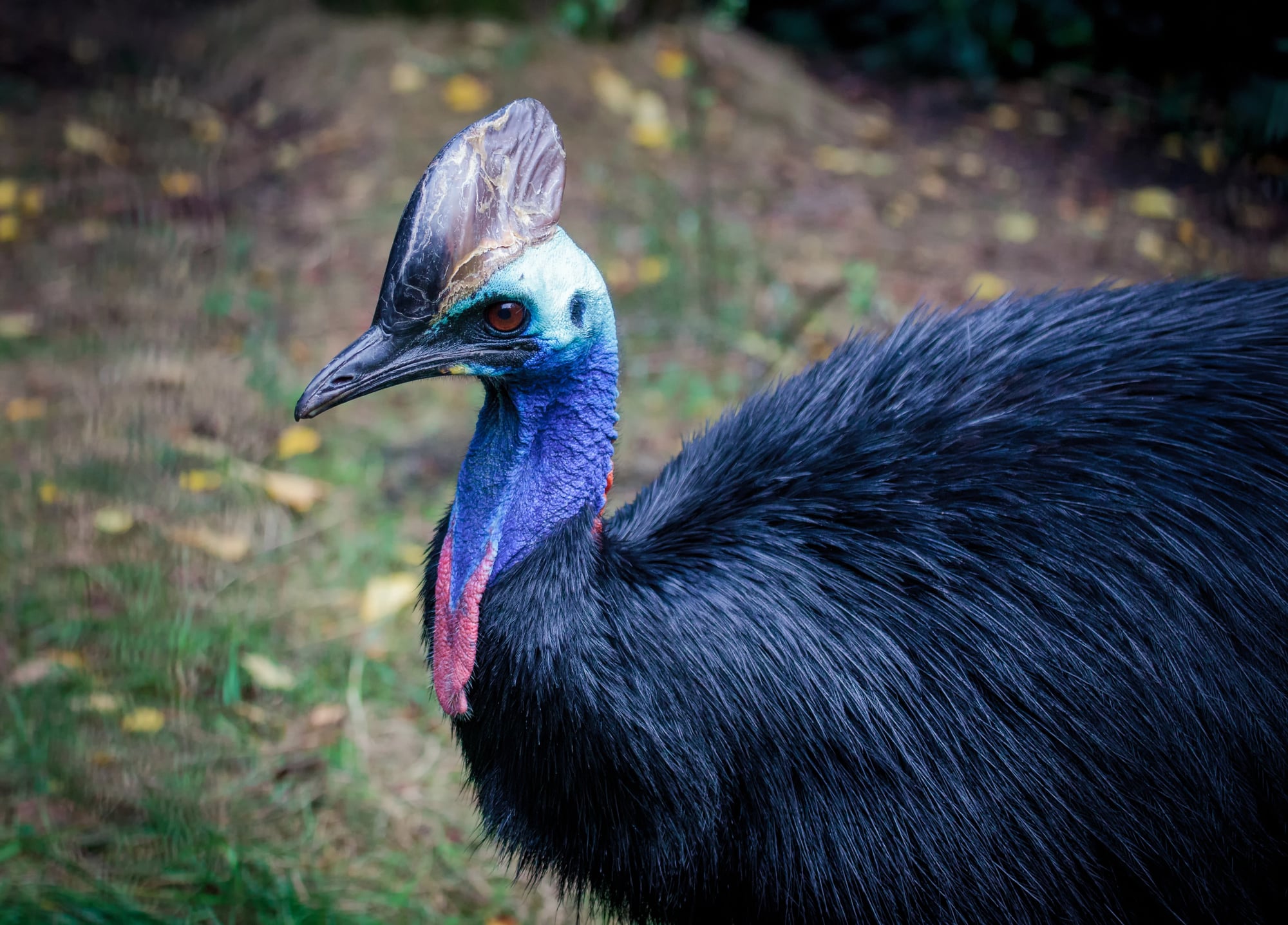
Often considered the world’s most dangerous bird, the Southern cassowary (Casuarius casuarius) combines impressive size with genuinely lethal potential. Standing up to 5.8 feet tall and weighing approximately 130 pounds, this flightless bird sports a distinctive casque (helmet-like structure) on its head and a dagger-like claw on each foot capable of disemboweling potential threats.
Native to the tropical forests of New Guinea and northeastern Australia, cassowaries can jump nearly 7 feet high and swim across rivers. Their territorial aggression has resulted in serious human injuries and even fatalities.
Emperor Penguin
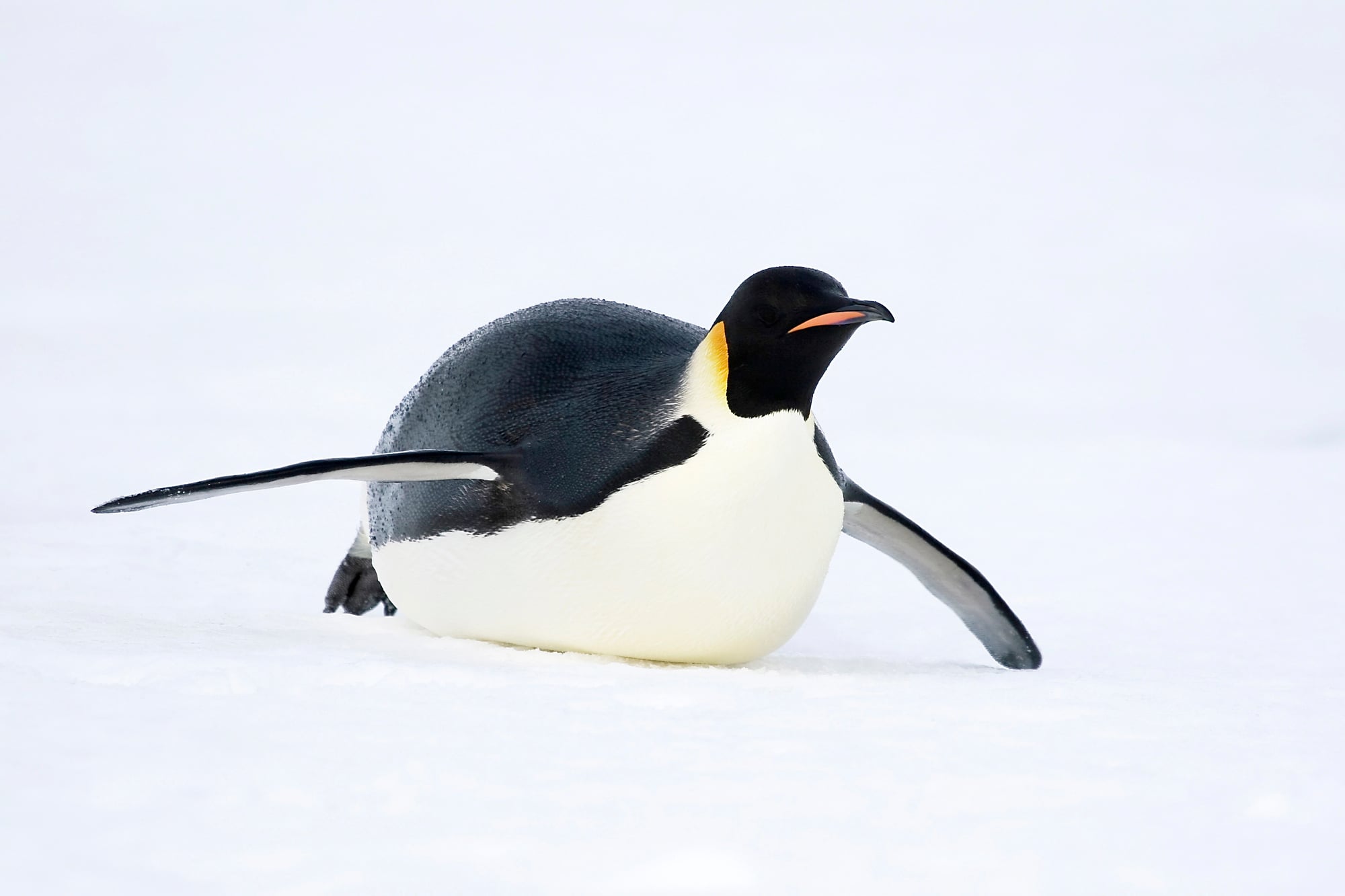
Holding the title of tallest and heaviest of all living penguin species, the Emperor penguin (Aptenodytes forsteri) showcases how birds have adapted to Earth’s most extreme environments. Standing nearly 4 feet tall and weighing up to 100 pounds, these Antarctic specialists endure conditions that would kill most vertebrates.
Their remarkable breeding cycle – which involves males incubating eggs in -40°F temperatures while fasting for months – represents one of nature’s most extraordinary parental investments. Unlike many giant birds that evolved in isolation, Emperor penguins developed their substantial size despite sharing their evolutionary history with formidable predators.
Andean Condor

With the largest wingspan of any land bird – stretching to an impressive 10.5 feet – the Andean condor (Vultur gryphus) remains one of the world’s most magnificent flying birds. Though weighing “only” about 33 pounds, these massive scavengers can soar for hours without flapping their wings, riding thermal currents along the Andes Mountains where they make their home.
Culturally significant throughout South America, Andean condors can live over 70 years in captivity, making them among the longest-lived birds.
Like Go2Tutors’s content? Follow us on MSN.
Eurasian Black Vulture

Sometimes overshadowed by its Andean cousin, the Eurasian black vulture (Aegypius monachus) stands as the largest true bird of prey in Eurasia. With a wingspan approaching 10 feet and weighing up to 31 pounds, these imposing scavengers play crucial ecological roles across their vast range stretching from Spain to Korea.
Unlike many vultures that have bare heads, the Eurasian black vulture sports a covering of dark feathers that gives it a distinctively hooded appearance. These birds build enormous nests – sometimes weighing over 400 pounds – in trees and on cliff ledges.
Great Bustard

Claiming the title of heaviest flying bird still capable of getting airborne under its own power, the Great bustard (Otis tarda) represents an evolutionary balance between size and flight capability. Males can weigh up to 40 pounds while females typically reach only half that weight – one of the most extreme examples of sexual dimorphism among birds.
During breeding season, male bustards perform spectacular displays, inflating special throat sacs and turning their feathers inside out to create a striking white “foam bath” appearance. Once widespread across Eurasia, these grassland birds have declined due to agricultural intensification.
Wandering Albatross
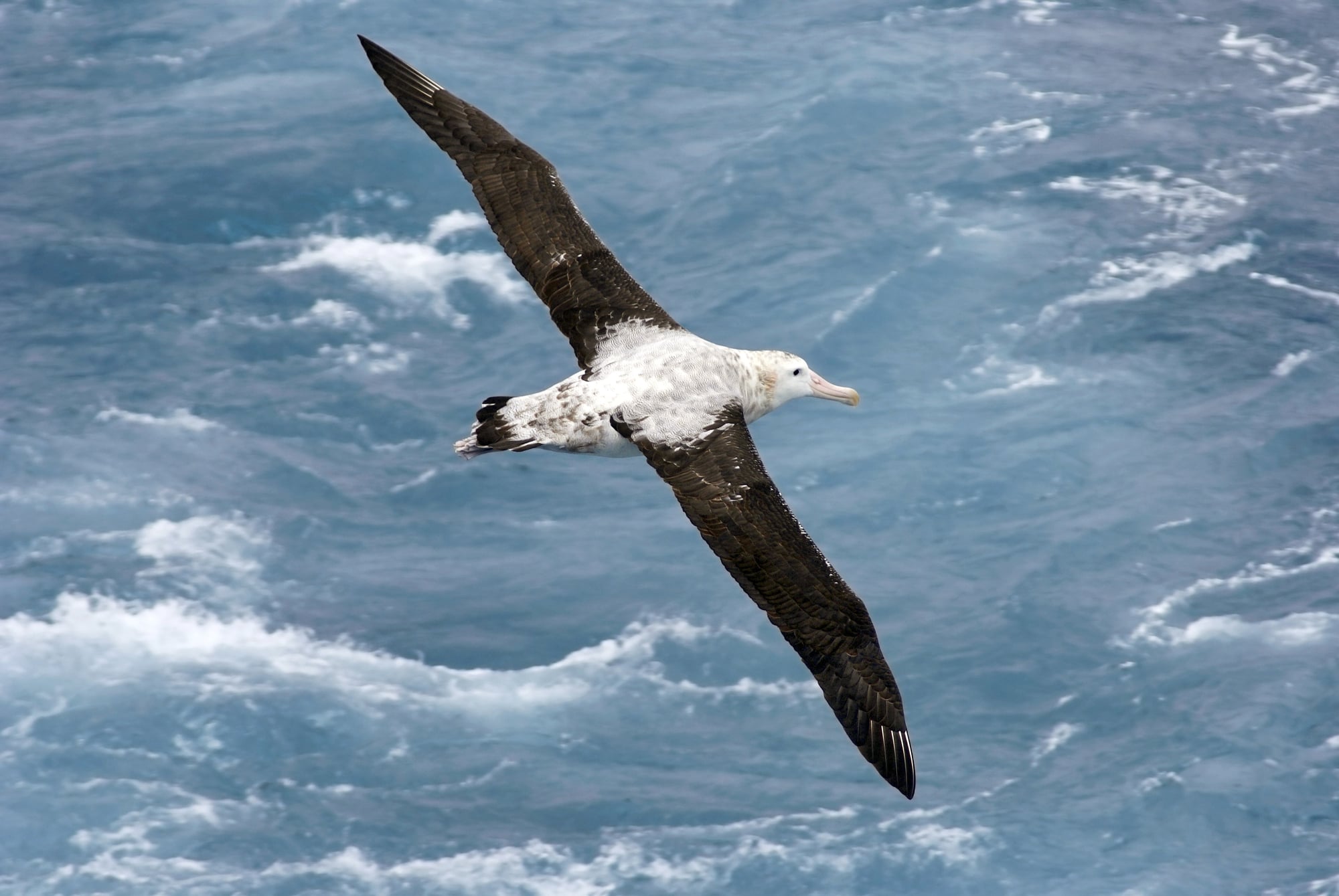
Possessing the largest wingspan of any living bird – up to 11.5 feet from tip to tip – the Wandering albatross (Diomedea exulans) epitomizes aerial efficiency. These oceanic wanderers can glide for hours without a single wing flap, traveling thousands of miles across the Southern Ocean where they spend most of their lives.
Though weighing just 16-28 pounds, their remarkable wingspan allows them to harness ocean winds with minimal energy expenditure. Wandering albatrosses don’t reach breeding age until around 11 years old and may live past 60 years.
Like Go2Tutors’s content? Follow us on MSN.
The Avian Giants’ Legacy

These 16 magnificent birds – some still with us, others known only through fossils – demonstrate the remarkable diversity of avian evolutionary pathways. From the mountain-sized Vorombe to the ocean-soaring albatross, each represents an extraordinary adaptation to specific environmental conditions and ecological opportunities.
The recent extinctions among this group serve as sobering reminders of human impact on even the most impressive creatures, while the survivors demonstrate nature’s resilience in the face of changing conditions. As research continues, our appreciation for these feathered giants only grows – along with our responsibility to protect those still with us.
More from Go2Tutors!

- 16 Restaurant Chains That Went Too Fast
- 12 Things Sold in the 80s That Are Now Illegal
- 15 Strange Things People Have Tried to Ban (And Failed)
- 16 Collectibles People Tossed Out Too Soon
- 17 Myths from Your Childhood That Were Actually Based on Real Things
Like Go2Tutors’s content? Follow us on MSN.



