Food Brands Invented To Fix A Single Problem
Sometimes the best ideas come from solving one very specific problem. A college football team gets dehydrated.
Potato chips keep breaking in bags. Babies need nutrition their parents can trust.
These moments of frustration led to some of the most recognizable food brands sitting in your pantry right now.
Gatorade: When Water Wasn’t Enough

The University of Florida football team kept losing players to heat exhaustion in the mid-1960s. Coaches watched their athletes wilt in the brutal Florida sun, and water alone wasn’t cutting it.
A team of researchers created a drink that replaced the electrolytes and carbohydrates athletes lost through sweat. The Gators started winning more games, and suddenly everyone wanted to know what they were drinking.
The formula spread beyond college sports faster than anyone expected. Professional teams started using it.
Amateur athletes bought it. Eventually, even people who just wanted something that tasted better than water after a workout made it a household name.
Pringles: The Broken Chip Solution

Procter & Gamble engineers got tired of opening bags of crushed potato chips. The irregular shapes meant too much empty space, too much movement, and too many broken pieces by the time you reached the bottom of the bag.
They decided to rethink everything about how chips were made. Instead of slicing potatoes, they created a dough.
Instead of random shapes, they made every chip identical. Instead of bags, they used tubes.
The result looked less like traditional chips and more like a science project, but it solved the problem completely.
Campbell’s Condensed Soup: Shipping Costs Matter
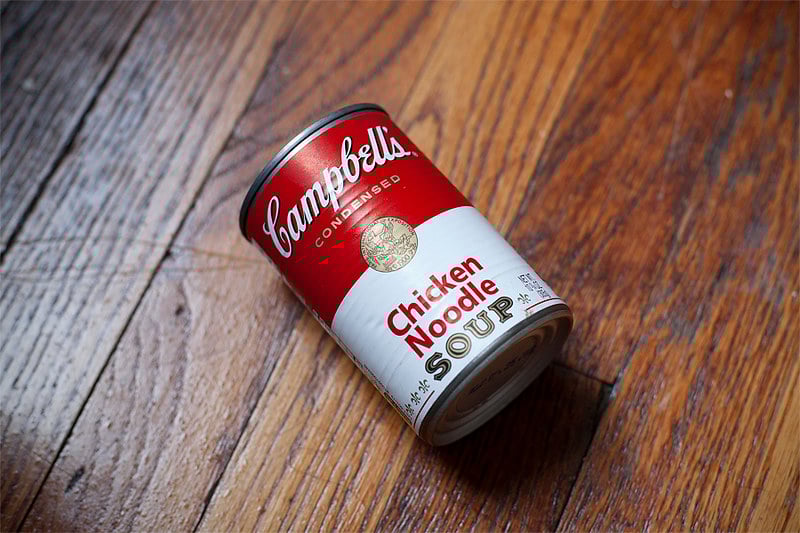
In 1897, a chemist at Campbell’s realized they were paying to ship mostly water across the country. Soup is about 90% water, and water is heavy.
The company was spending a fortune on transportation while competitors sold similar products for less. Condensing soup down to remove most of the water cut shipping costs dramatically.
Customers just had to add water back at home. The smaller cans took up less shelf space too, which stores appreciated.
What started as a logistics problem became a format that defined an entire category.
Cheerios: Making Heart Health Easy
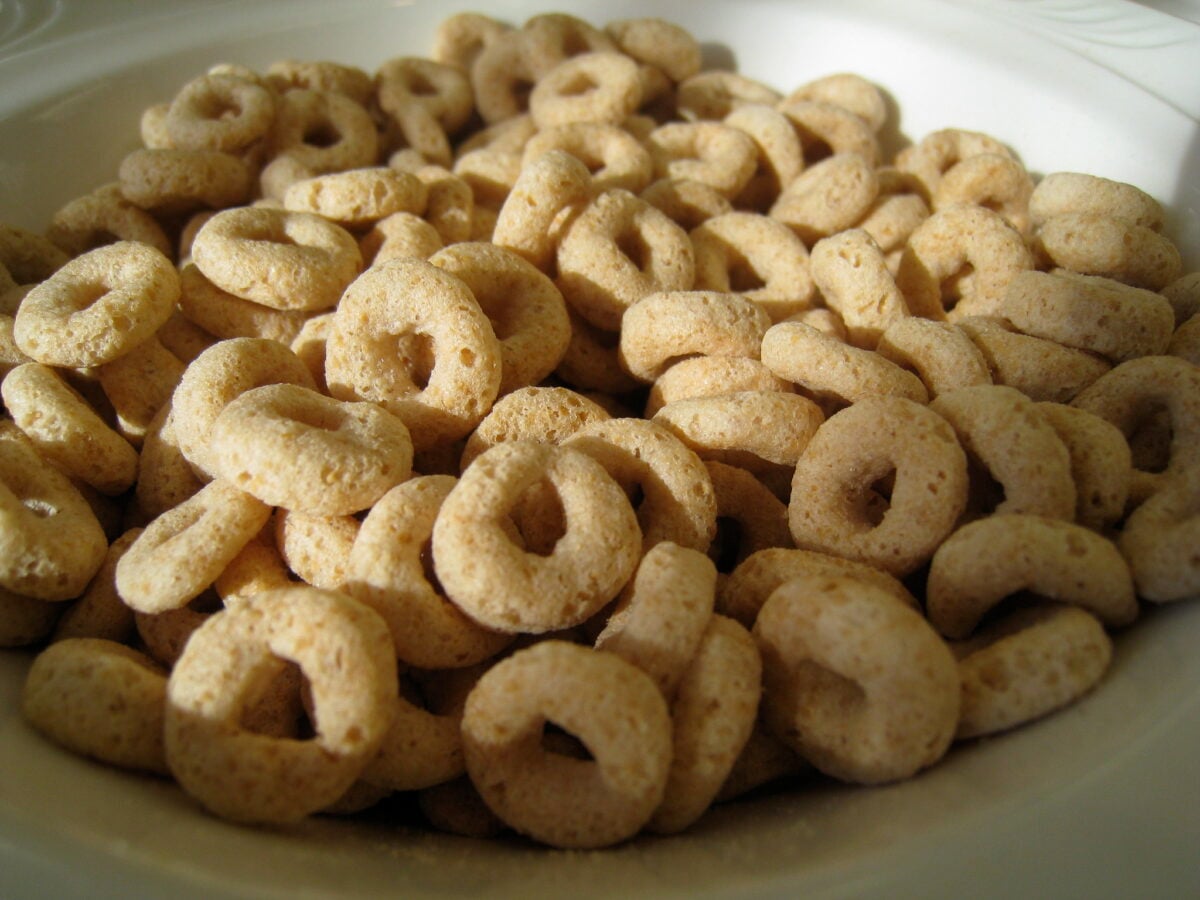
General Mills wanted to create a breakfast cereal that helped people lower their cholesterol without making them eat something that tasted like cardboard. Oats had the right properties, but getting people to eat oatmeal every morning was a hard sell for many families.
They processed oats into small O-shaped pieces that tasted good cold with milk. Kids would actually eat them.
Adults got the health benefits without choking down a bowl of plain oatmeal. The shape became so iconic that people still debate whether it counts as a donut.
Lactaid: When Milk Doesn’t Agree With You

About 65% of humans lose the ability to digest lactose after infancy. For them, dairy means discomfort.
A company realized that adding lactase enzyme to milk before people drank it solved the problem completely. You get all the nutrition and taste without any of the issues.
The concept seems obvious now, but it took years before someone actually brought it to market. People who thought they had to give up dairy forever suddenly had options again.
The brand grew beyond just milk to include ice cream, cottage cheese, and everything else dairy-based.
Spam: Making Meat Last
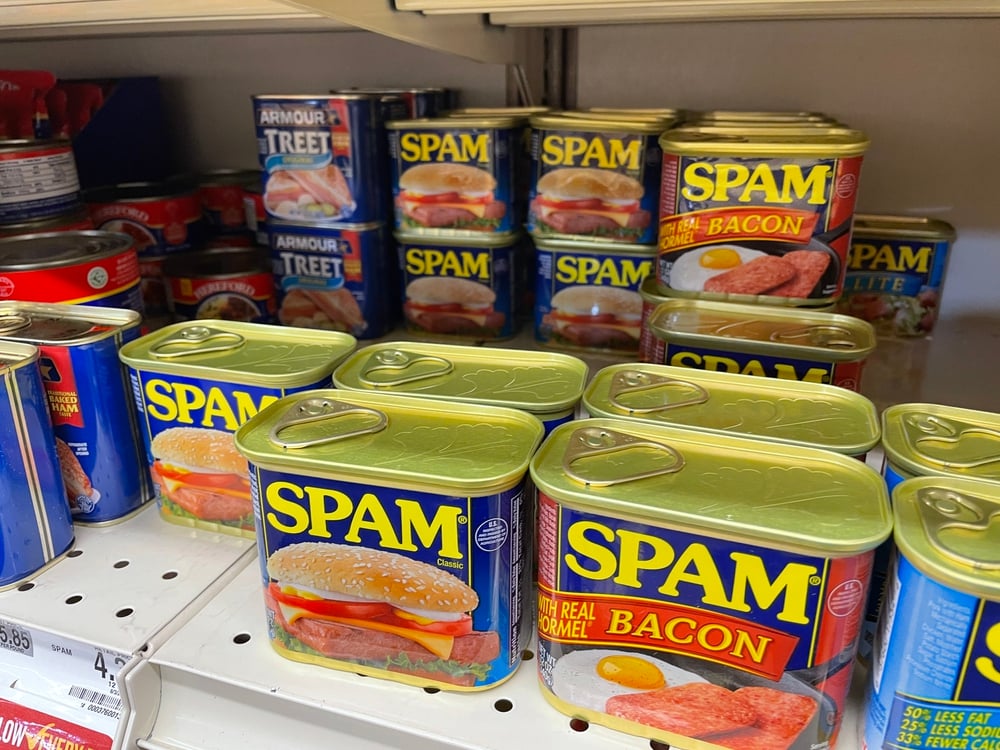
Hormel needed a way to use up pork shoulder, a cut that didn’t sell well fresh. They also saw an opportunity with World War II on the horizon.
Soldiers needed protein that wouldn’t spoil in the field, and traditional canned meats had mixed success. They created a product that could sit on a shelf for years and still taste decent when heated.
The military bought millions of cans. After the war, it had become such a staple in certain regions that people kept buying it even when better options became available.
Hawaii still consumes more Spam per capita than any U.S. state.
Gerber: Baby Food Parents Could Trust
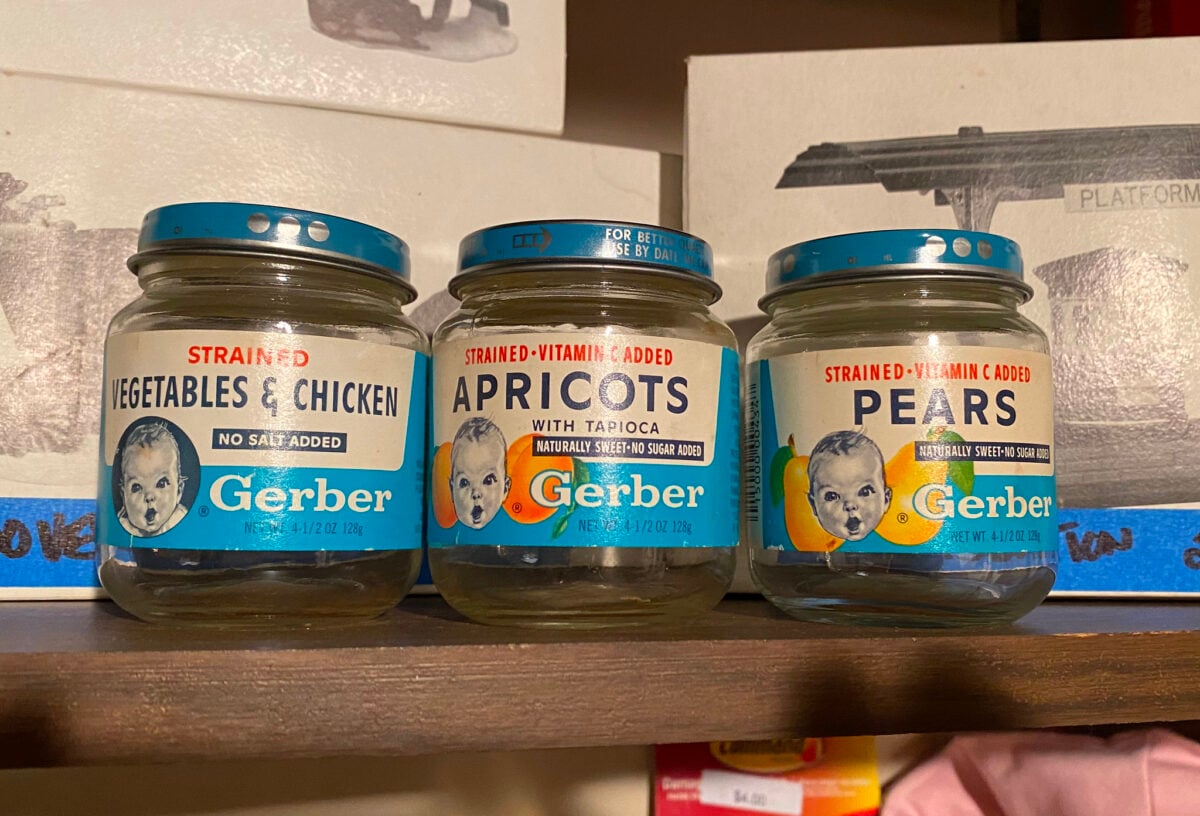
Before Gerber started in 1928, parents strained their own fruits and vegetables for babies. It took time and effort, and the results varied.
Dorothy Gerber got tired of the daily routine and suggested her husband’s canning company make baby food instead. The company started with strained peas, prunes, carrots, and spinach.
Parents could open a jar knowing exactly what was inside and that it met consistent standards. The time savings alone made it appealing, but the reliability sealed the deal.
Those little jars with the baby face became a symbol of modern parenting.
TV Dinners: The Nuclear Family Needs Dinner
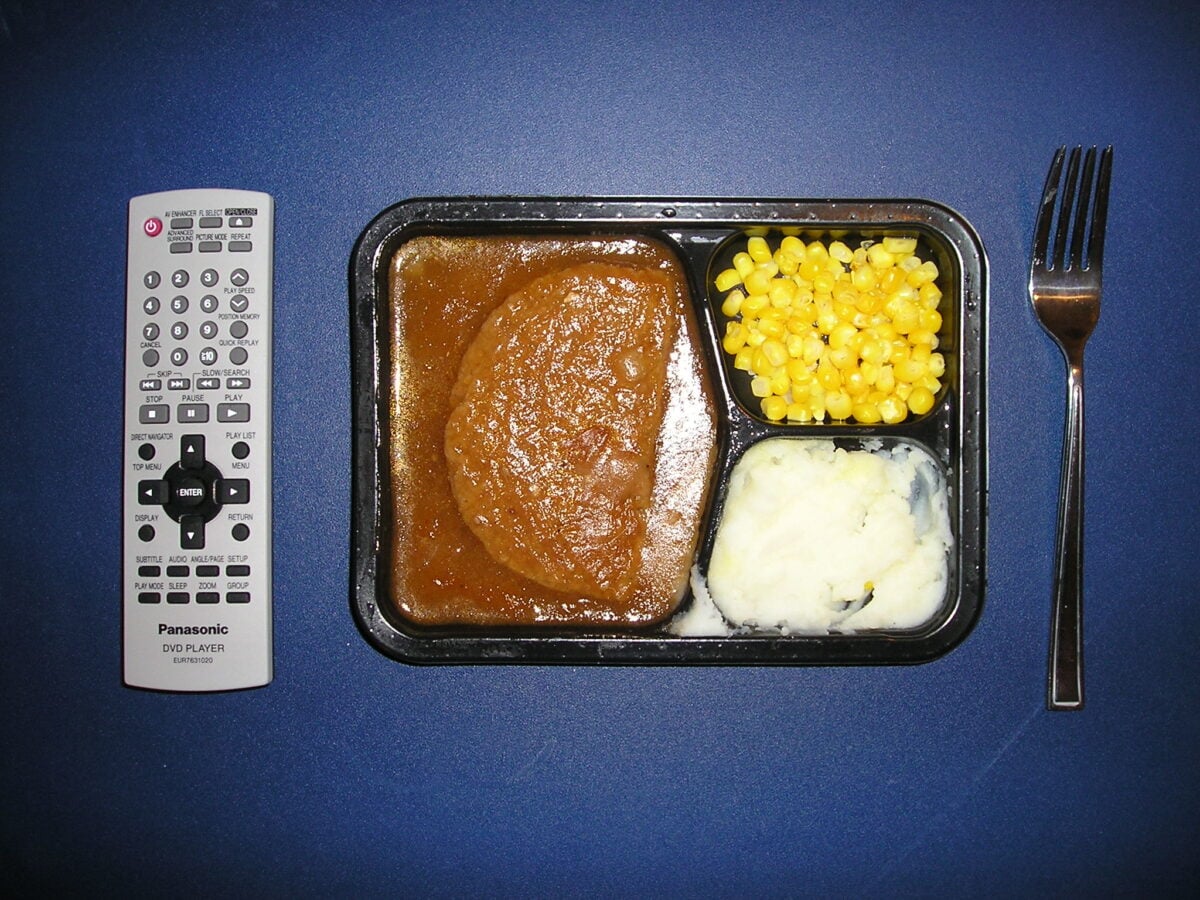
Swanson had a problem in 1953. They had ordered too many turkeys for Thanksgiving and ended up with 260 tons of extra frozen turkey in refrigerated train cars.
A salesman suggested packaging the turkey with sides in divided aluminum trays that people could heat and eat in front of their new televisions. The timing was perfect.
More women were working outside the home. Television was becoming the center of evening entertainment.
Nobody wanted to spend hours in the kitchen after a long day. The trays flew off shelves despite tasting pretty average.
Convenience beats quality for busy families.
Red Bull: Jet Lag Fighter

Dietrich Mateschitz discovered a Thai energy drink called Krating Daeng while working in Southeast Asia. Local truck drivers and workers used it to stay alert during long shifts.
He saw potential for something similar in Western markets where coffee was the only real option for quick energy. He modified the formula for European tastes, added carbonation, and created Red Bull.
The slim blue and silver can look nothing like soft drinks or coffee. Students pulling all-nighters became the first fans, followed by athletes, truck drivers, and anyone who needed to stay sharp.
The company built an empire by solving one simple problem: how to wake up without drinking coffee.
Jell-O: Food for the Sick

In the late 1800s, people who were sick or recovering from surgery struggled to eat solid food. Peter Cooper developed a gelatin dessert that provided nutrition in a form easy to swallow and digest.
Hospitals and home caregivers needed something gentle on weak stomachs. The product sat relatively unknown for years until the company started marketing it as a fun dessert for everyone, not just the ill.
The wobbly texture appealed to kids. The ease of preparation appealed to busy parents.
What began as invalid food became a party staple and the subject of countless strange recipe experiments in the mid-20th century.
Coca-Cola: The Headache Remedy

John Pemberton created Coca-Cola as a medicinal tonic in 1886. He marketed it as a cure for headaches and exhaustion.
The original formula contained extracts that definitely helped with alertness, though those ingredients got removed pretty quickly once regulations tightened.
Even after it stopped being marketed as medicine, people kept buying it. The taste was unique.
The carbonation felt refreshing. The brand pivoted to being a soft drink rather than a health tonic, but that original problem-solving mindset shaped how the company approached everything afterward.
They were solving thirst, sure, but also boredom and the desire for something special.
Lay’s: Too Many Potatoes

Herman Lay started as a traveling salesman in the 1930s, selling potato chips from the back of his car. He noticed that demand varied wildly by region, and excess product often went to waste.
He bought the potato chip company he worked for and focused on consistent distribution and freshness. The innovation wasn’t in the chip itself but in getting them to stores while they were still crisp and fresh.
He built a delivery network that ensured stores always had product but never had too much sitting around going stale. That reliability turned a regional snack into a national brand.
Post Grape-Nuts: Digestive Aid
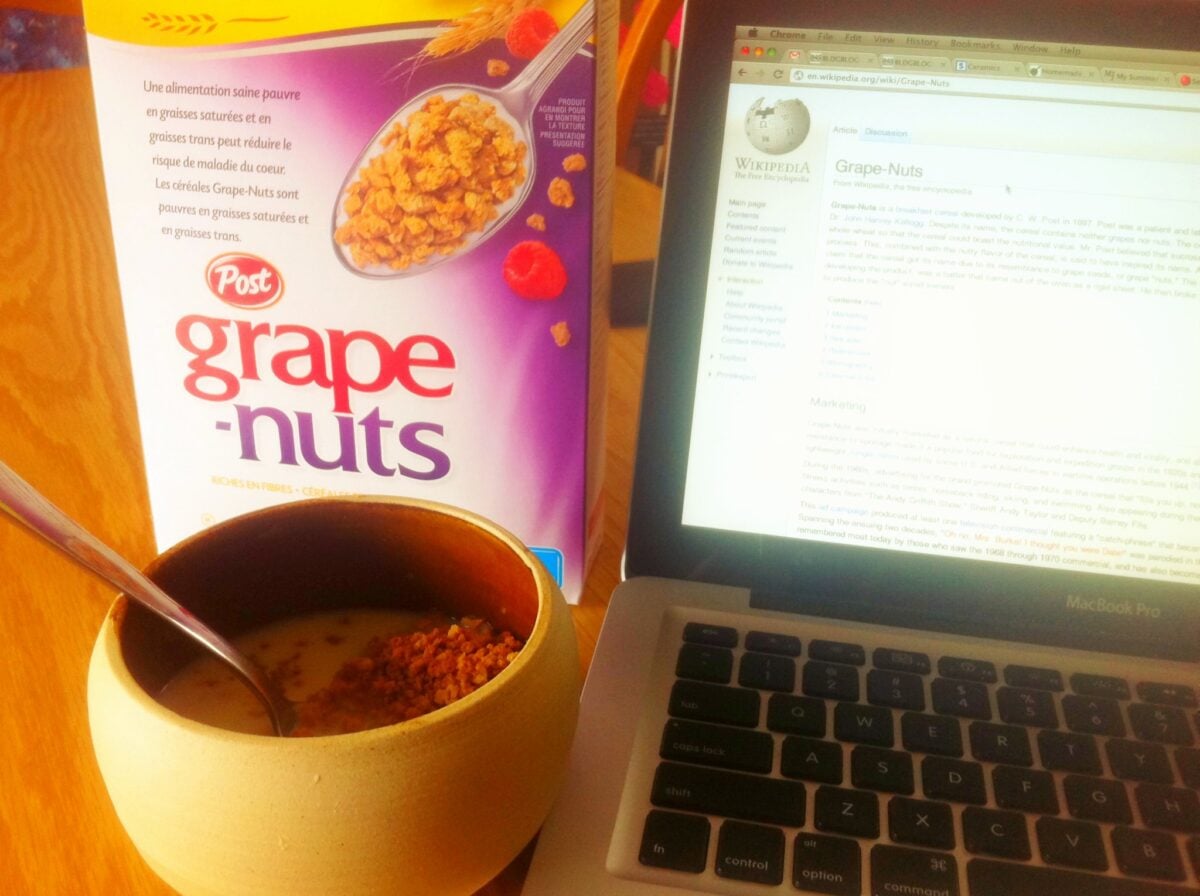
C.W. Post created Grape-Nuts in 1897 as part of his health sanatorium’s treatment program. He believed proper digestion was key to good health, and he needed a breakfast food that supported that goal.
The cereal contained no grapes and no nuts, but it did provide fiber and nutrients in a form that was easy on the digestive system. He marketed it aggressively as a health food that could cure everything from loose teeth to appendicitis.
Most of those claims were nonsense, but the basic idea about digestive health held some truth. People felt better after eating it regularly, even if the reasons weren’t quite what Post advertised.
The brand survived because the cereal actually tasted pretty good once you got used to the crunch.
Stouffer’s Frozen Meals: Restaurant Quality at Home
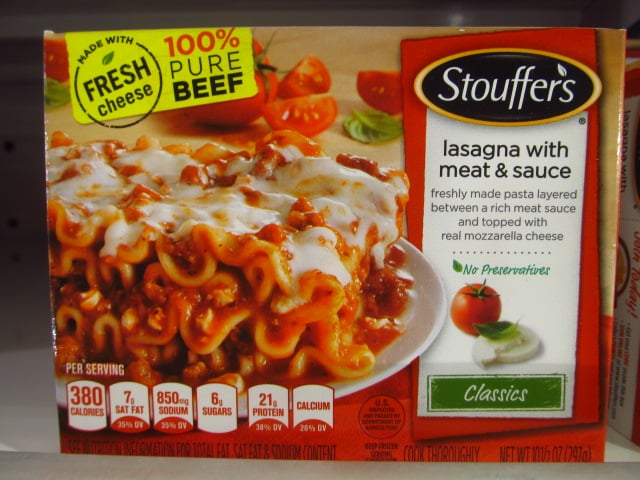
The Stouffer family ran restaurants in Cleveland and noticed something interesting. Customers asked if they could take meals home. The family started experimenting with freezing their restaurant dishes in a way that preserved flavor and texture when reheated.
They succeeded well enough that the frozen meal business eventually dwarfed their restaurant operations. People wanted the convenience of prepared meals without sacrificing quality.
A frozen lasagna that actually tasted like restaurant lasagna was worth paying extra for. The company proved that frozen food didn’t have to mean TV dinner quality.
Clif Bar: Better Than a Power Bar
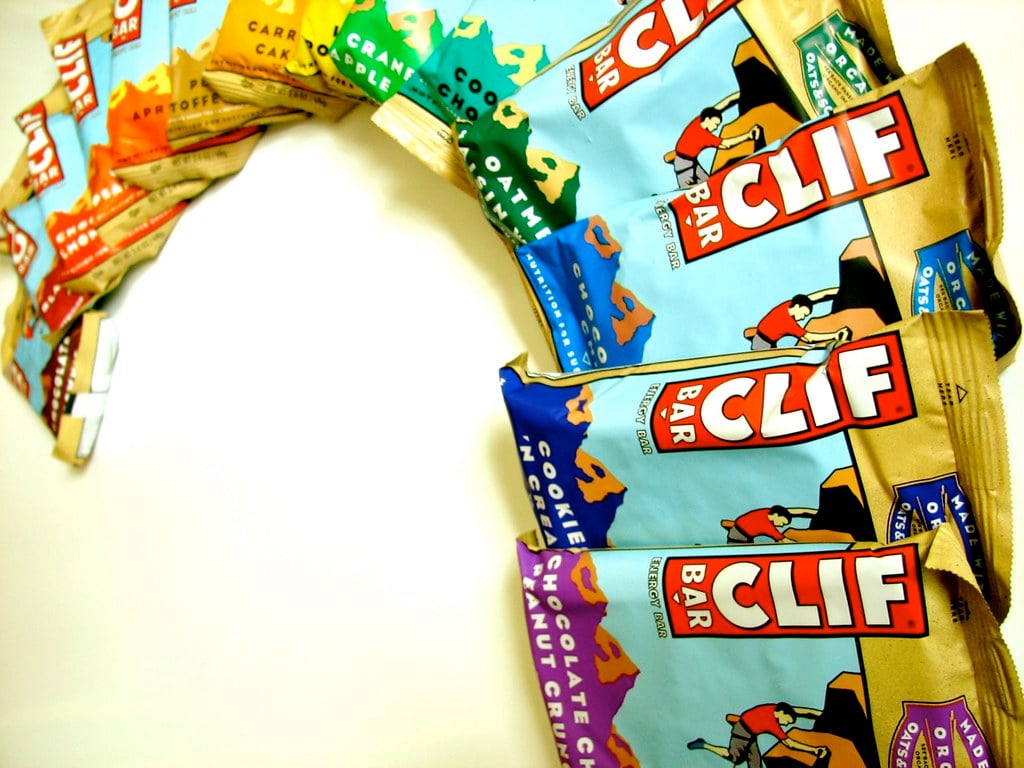
Gary Erickson struggled during a 175-mile bike trip – he just crashed hard. When he reached for another energy bar, he couldn’t choke it down.
Those things tasted like old paste soaked in wood chips. It hit him then – athletes need fuel that doesn’t suck to eat. He tried stuff for twelve months in his mum’s kitchen, aiming for a mix that didn’t just taste okay but made you crave it – yet still packed what riders require.
That idea kicked off an entirely new kind of snack bar folks reached for by choice, not obligation.
When One Problem Is Enough

The brands sticking around usually begin small – take a person who couldn’t handle milk, or another rushing home hungry. One wanted snacks that wouldn’t snap in half. Each fix clicked since it tackled daily struggles head-on.
The firms keeping their eye on the goal made it through. Others, distracted by new paths, slowly disappeared.
Inside your cupboard are solutions to problems people faced years back. A few of these fixes just happened to fit perfectly with what folks were looking for.
More from Go2Tutors!

- The Romanov Crown Jewels and Their Tragic Fate
- 13 Historical Mysteries That Science Still Can’t Solve
- Famous Hoaxes That Fooled the World for Years
- 15 Child Stars with Tragic Adult Lives
- 16 Famous Jewelry Pieces in History
Like Go2Tutors’s content? Follow us on MSN.