15 Iconic Gown Designers You Should Know
The fashion world is filled with countless talented individuals, but some designers have shaped the very definition of elegance through their gowns. These are the names that come to mind when someone mentions red carpet glamour, royal weddings, or those moments when clothing transcends into art.
Their creations have graced the bodies of icons, defined decades of style, and continue to influence how we think about formal wear. Understanding their contributions means understanding the evolution of sophisticated dressing itself.
Valentino Garavani

Valentino Red isn’t just a color — it’s a statement. The Italian master created gowns that made women look like they were floating rather than walking.
His designs caught light in ways that seemed almost impossible.
Christian Dior
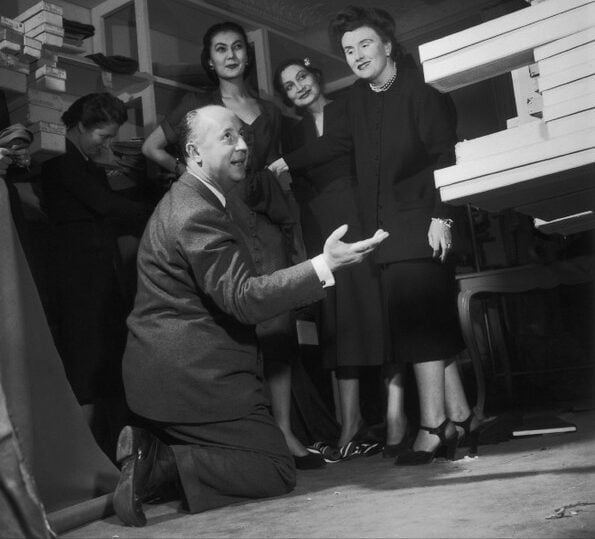
Dior understood something fundamental about fabric and the female form that others missed (or perhaps they just couldn’t execute it the way he could). His New Look didn’t just change fashion — it rewrote the rules entirely, and his evening gowns carried that revolutionary spirit into the realm of pure luxury.
But here’s what’s interesting about Dior’s approach: he treated each gown like it was meant to be the only one in the room, which meant that women wearing his designs often were. The construction was so meticulous, so obsessively detailed, that his gowns seemed to exist in their own category of clothing.
Different rules applied.
Elie Saab

There’s something about beadwork that either elevates a gown into something transcendent or turns it into a costume from a community theater production. Saab consistently achieves the former through an understanding that embellishment should feel like it grew naturally from the fabric rather than being applied to it.
His gowns don’t announce themselves through volume or dramatic silhouettes — instead, they whisper through intricate details that reward closer inspection. The Lebanese designer has mastered the art of making heavily decorated gowns that somehow feel weightless.
Each bead, each piece of embroidery, serves the overall composition rather than competing for attention. This restraint, combined with his technical precision, explains why his designs photograph beautifully under the harsh lights of red carpet events while still maintaining their magic in person.
Versace

Versace gowns don’t apologize for taking up space. The house has always understood that evening wear should be theater, and their designs deliver exactly that kind of drama.
To be fair, not everyone can pull off a Versace gown — which is exactly the point. The safety pin dress that Elizabeth Hurley wore in 1994 remains one of the most talked-about red carpet moments in history, which tells you everything about Versace’s approach to design.
They create gowns for women who want to be remembered.
Oscar de la Renta
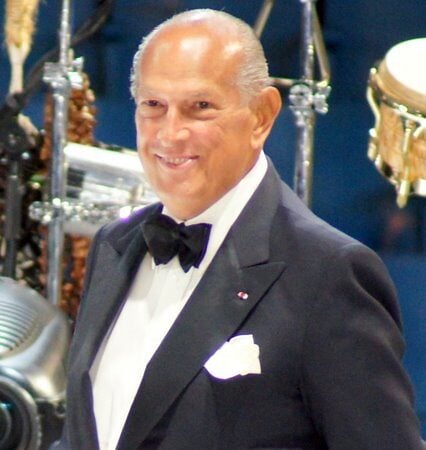
Like watching a master gardener arrange flowers, de la Renta approached gown design with an organic sensibility that made even his most elaborate creations feel effortless. His evening wear existed in that rare space where opulence meets restraint — gowns that were undeniably luxurious but never felt heavy-handed or desperate for attention.
The way he handled color was particularly telling. Where other designers might reach for the most saturated, attention-grabbing hues, de la Renta often chose shades that seemed to have been mixed with air and light.
His pastels had depth, his jewel tones had subtlety. The effect was gowns that seemed to glow from within rather than reflecting light from their surface.
Zac Posen

Posen builds gowns the way architects design buildings. Every seam serves a purpose, every curve has been calculated for maximum impact.
His structured approach to evening wear creates silhouettes that photograph beautifully but never look rigid in person. The man understands drama without resorting to gimmicks, which is rarer than it sounds in the world of red carpet dressing.
Giorgio Armani

Armani’s evening wear operates on a different frequency than most formal clothing — his gowns seem to absorb light rather than reflect it, creating an effect that’s both sophisticated and slightly mysterious. The Italian designer has spent decades perfecting a particular kind of understated glamour that looks effortless but requires extraordinary technical skill to achieve.
And here’s what separates Armani from designers who chase trends: his gowns from the 1990s still look current today, which suggests he was never really designing for a specific moment but rather for something more permanent. His approach to evening wear is almost architectural in its precision, yet the final result feels fluid and organic.
So the gowns move beautifully, photograph elegantly, and age gracefully — a combination that explains their enduring appeal.
Marchesa

The British design duo behind Marchesa understands that modern red carpet dressing requires a specific kind of fantasy. Their gowns feel like they belong in a fairy tale, but one that’s been updated for contemporary sensibilities.
Their use of floral appliques and delicate beadwork creates texture without weight, volume without bulk. It’s technical skill disguised as romantic whimsy.
Tom Ford
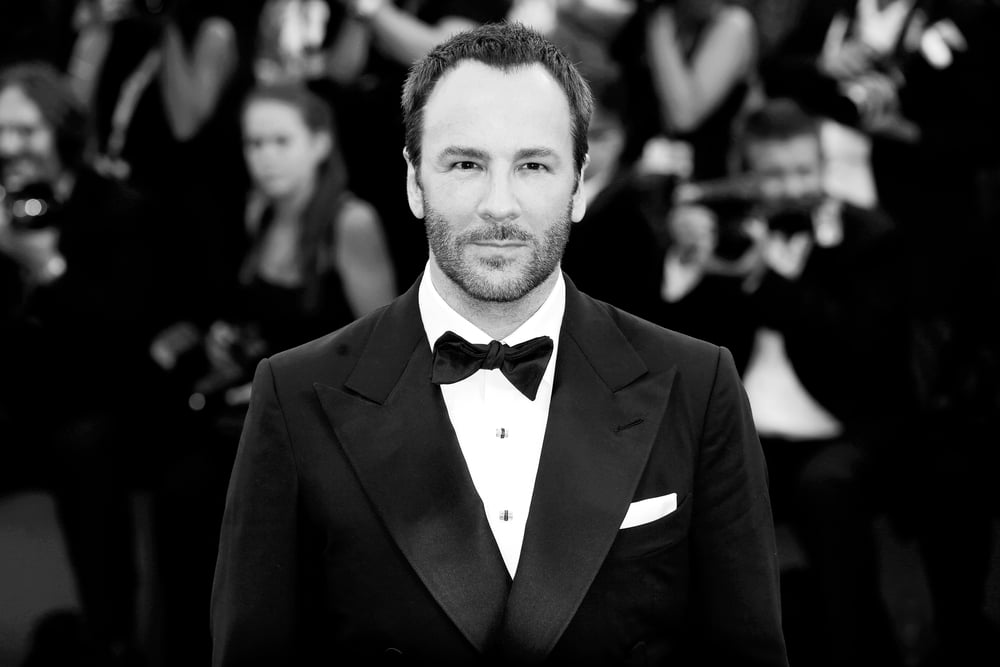
Ford treats evening wear like he’s solving a very expensive puzzle — every element must be precisely where it needs to be, serving both form and function in ways that aren’t immediately obvious but become clear once you see the finished result. His gowns have a sleek, almost predatory elegance that photographs magnificently under artificial light while maintaining their impact in person.
What’s particularly compelling about Ford’s approach is how he uses restraint as a design element. His evening wear rarely features the elaborate beadwork or dramatic embellishments that define other designers’ red carpet pieces, yet his gowns consistently create memorable moments.
The power comes from cut, proportion, and an almost surgical precision in construction.
Vera Wang

Wang transformed bridal wear, then applied that same meticulous attention to detail to evening gowns. Her designs prove that technical excellence and artistic vision don’t have to exist separately.
Every seam, every gathering, every proportion has been considered and reconsidered. Her gowns work because they’re built around the idea that clothing should enhance rather than overshadow the person wearing it.
Zuhair Murad
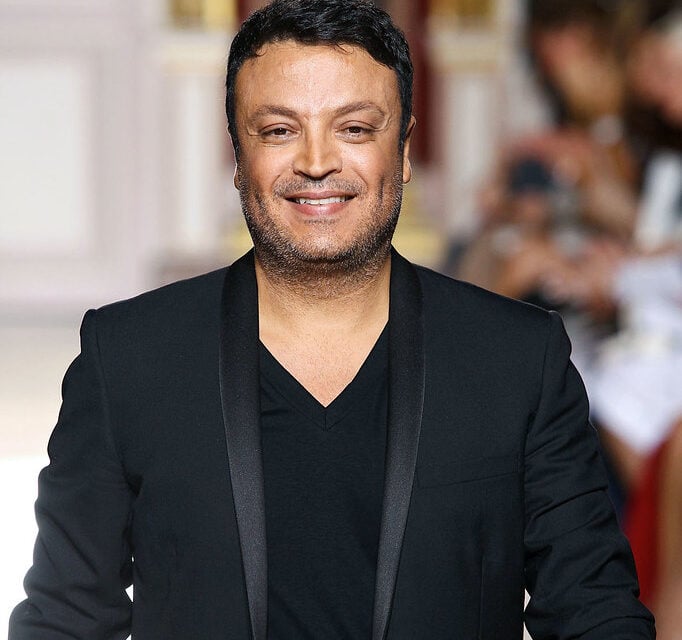
The Lebanese designer creates gowns that seem to have been assembled from light itself — his beadwork and embroidery catch illumination in ways that make the wearer appear to glow from within, which is probably the closest thing to actual magic that fashion can achieve. Murad’s evening wear operates in that sweet spot between opulent and tasteful, elaborate and wearable.
But what really sets his work apart is the way he handles proportion: even his most heavily embellished gowns maintain clean, elegant silhouettes that don’t compete with the surface decoration. And the result is clothing that photographs beautifully but doesn’t look costume-like in person, which is harder to achieve than it sounds. His gowns have become synonymous with Middle Eastern red carpet events, but they translate beautifully to any formal occasion that calls for serious glamour.
Ralph Lauren

Lauren’s evening wear draws from a very specific vision of American elegance — his gowns feel like they belong at a charity gala in the Hamptons or a state dinner at the White House. There’s something reassuringly classic about his approach that never goes out of style.
His designs work because they understand that sometimes the most powerful statement is restraint. A perfectly cut black gown needs no embellishment when the construction is flawless.
Carolina Herrera
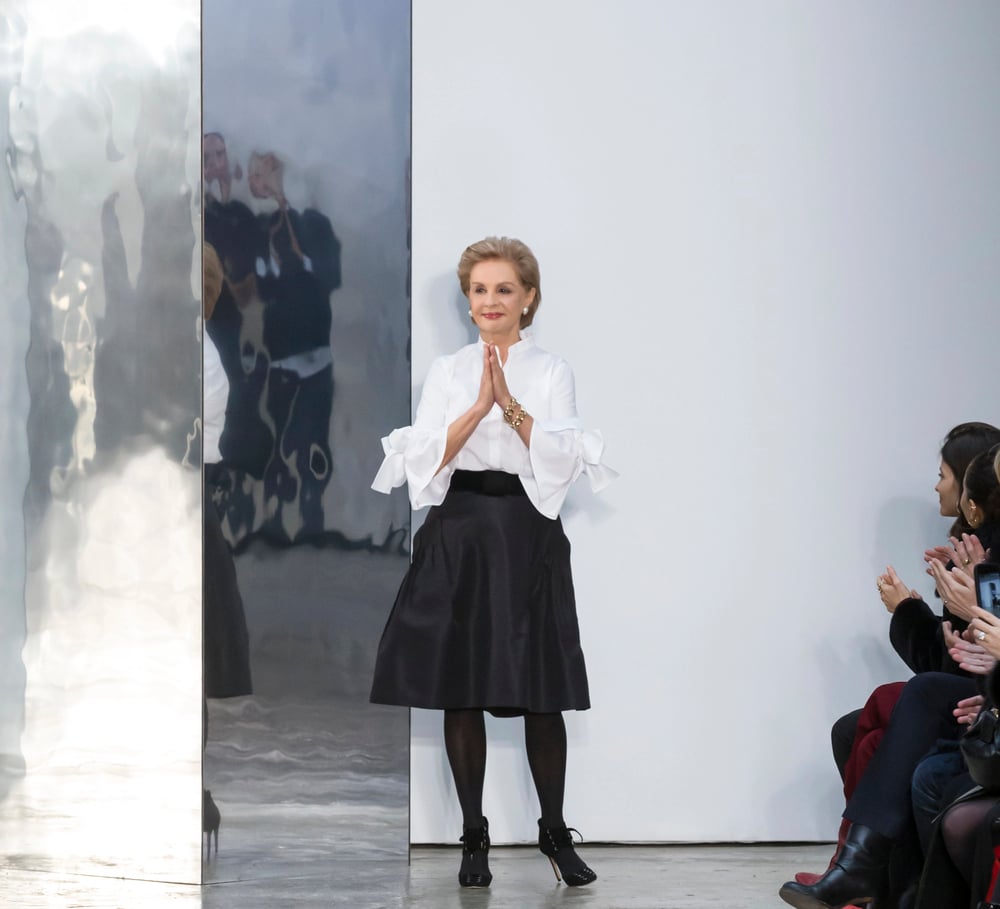
Herrera approaches gown design like she’s creating heirlooms rather than seasonal fashion pieces — her evening wear has a timeless quality that suggests it could work equally well at a formal event today or thirty years from now. The Venezuelan-American designer has built her reputation on understanding exactly how much embellishment a gown can handle before it tips from elegant into excessive.
Her use of color is particularly sophisticated. Where other designers might choose dramatic jewel tones or stark black and white, Herrera often works in shades that feel both rich and subtle. Her blues have depth, her reds have warmth, her pastels have complexity.
The effect is gowns that photograph beautifully but also reward closer inspection.
Tadashi Shoji

Shoji has mastered the art of creating red carpet glamour that doesn’t require a celebrity budget. His gowns deliver serious visual impact through clever construction and strategic embellishment rather than expensive materials or over-the-top details.
The Japanese-American designer understands that most women want to feel elegant rather than theatrical, and his designs consistently achieve that balance.
Jason Wu

Wu builds gowns with the precision of an engineer and the eye of an artist. His technical skills are extraordinary, but what sets him apart is his restraint — he never uses embellishment or drama as a substitute for good design fundamentals.
His gowns work because they’re designed around real women rather than fashion fantasies. The result is evening wear that photographs beautifully but also feels comfortable and confident to wear.
The Legacy Lives On

These designers have collectively shaped how we think about formal dressing, but their real achievement goes beyond individual gowns or memorable red carpet moments. They’ve established a language of elegance that continues to influence new generations of designers and dress countless women for the most important occasions of their lives.
Their work reminds us that true style transcends trends, that quality construction never goes out of fashion, and that the right gown can transform not just how someone looks, but how they feel. In a world increasingly dominated by fast fashion and disposable clothing, these masters of evening wear represent something more permanent — the idea that some garments are worth creating slowly, wearing proudly, and remembering forever.
More from Go2Tutors!

- The Romanov Crown Jewels and Their Tragic Fate
- 13 Historical Mysteries That Science Still Can’t Solve
- Famous Hoaxes That Fooled the World for Years
- 15 Child Stars with Tragic Adult Lives
- 16 Famous Jewelry Pieces in History
Like Go2Tutors’s content? Follow us on MSN.