Legendary Concerts Fans Still Talk About
Some nights in music history refuse to fade. Years pass, decades even, but certain performances stay vivid in the minds of everyone who was there.
These shows transcended entertainment and became cultural moments—the kind people describe in detail to anyone who’ll listen. Whether you caught them live or only heard the stories afterward, these concerts shaped how we think about what’s possible on stage.
Woodstock 1969: Jimi Hendrix’s Star-Spangled Banner
Most people had already left by Monday morning. Three days of rain, mud, and music had worn everyone down.
But the few thousand who stayed got to witness Hendrix dismantle and rebuild the national anthem through his guitar. He didn’t just play it—he channeled the entire Vietnam era through distortion and feedback.
The notes screamed like bombs and wept like sirens. You can hear every ounce of that moment’s tension in the recording, but being there added layers no tape could capture.
Queen at Live Aid 1985
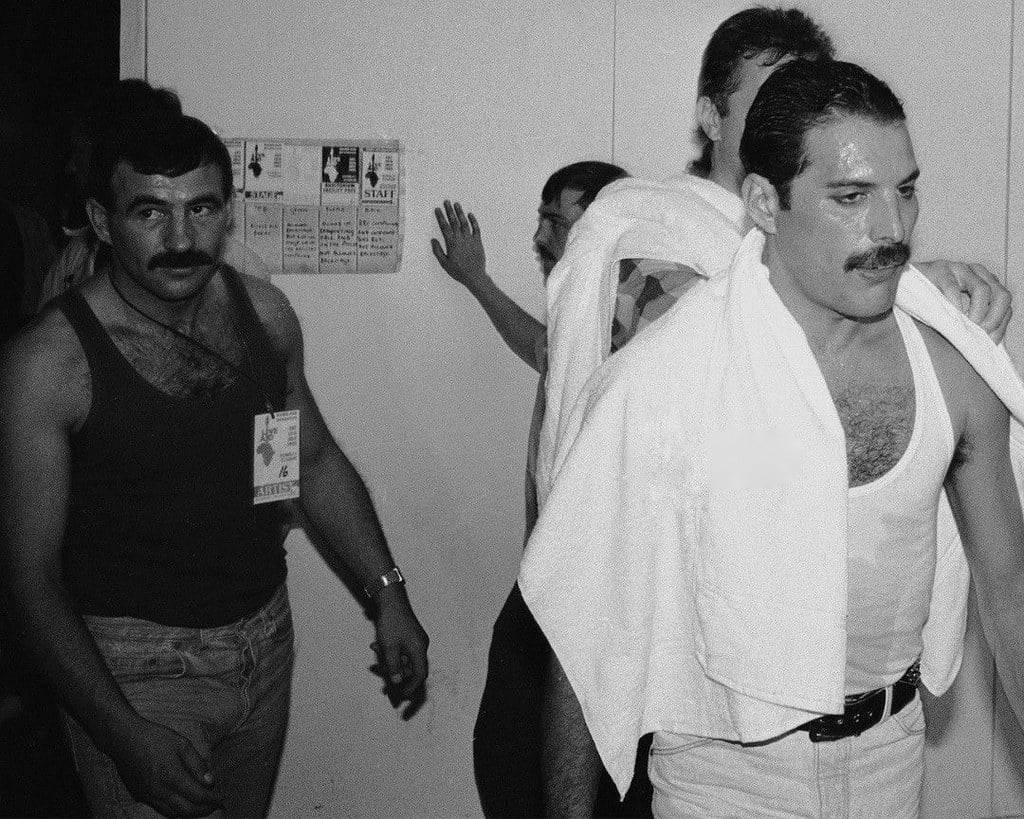
Twenty minutes changed everything for a band some critics had written off. Freddie Mercury owned Wembley Stadium that July afternoon with a performance so precise and powerful that it still serves as the benchmark for live rock.
The crowd of 72,000 became an extension of the band, singing back every line Mercury fed them. Brian May’s guitar work cut through perfectly, and the whole set felt like watching athletes at peak performance.
Other acts played that day, but Queen’s set is the one everyone remembers.
Johnny Cash at Folsom Prison 1968
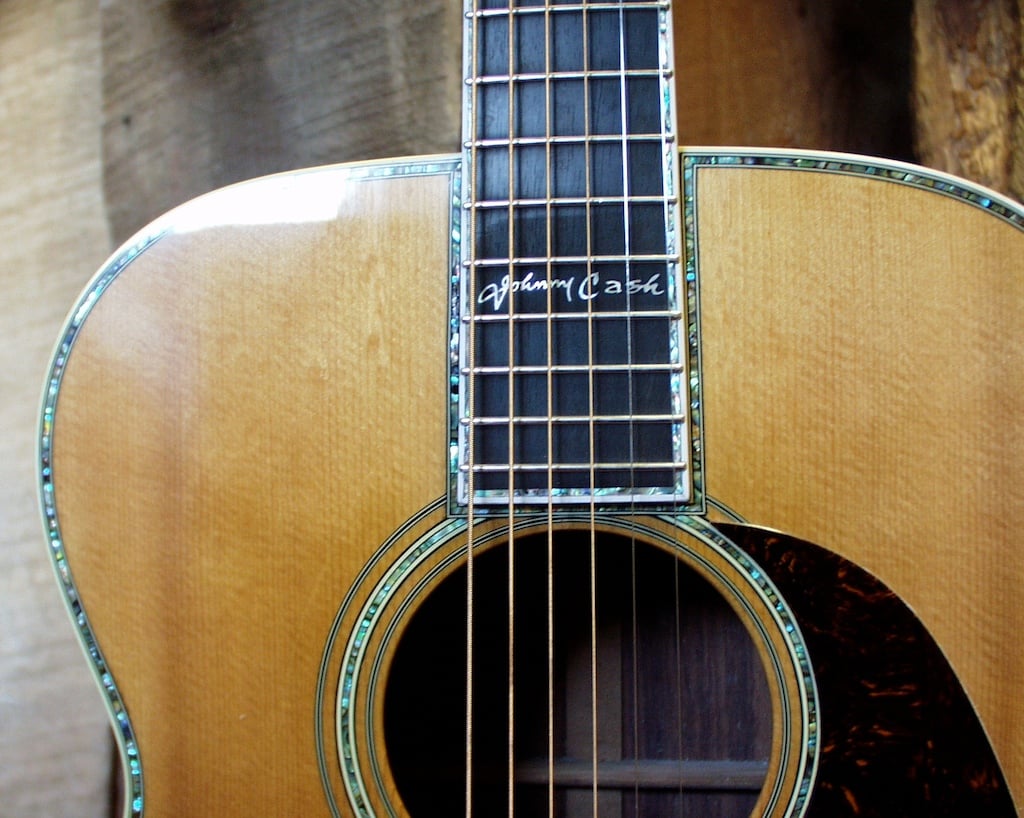
Cash walked into that California prison cafeteria and connected with an audience most artists never considered. The inmates responded to his authenticity—here was someone who understood trouble and didn’t pretend otherwise.
When he sang about shooting a man in Reno, the laughter and applause told you everything about why this show worked. The recording became one of his best-selling albums, but the power came from that specific moment when performer and audience recognized each other as human.
Nirvana’s MTV Unplugged 1993
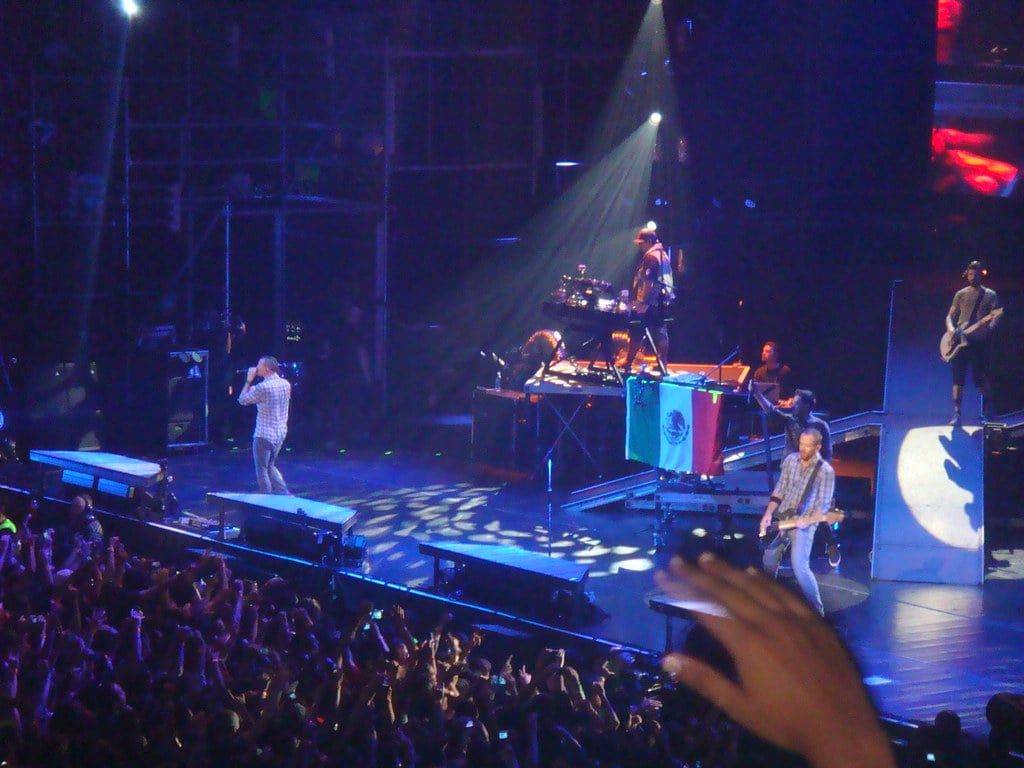
The band stripped away the volume and showed everyone what lived underneath. Kurt Cobain’s voice carried different weight without the distortion—more vulnerable, more haunting.
They covered songs by the Vaselines and Leadbelly instead of playing their hits. The stage featured candles and lilies, creating an atmosphere that felt more like a wake than a rock show.
Six months later, after Cobain’s death, the performance took on meanings nobody wanted it to have.
The Rolling Stones at Altamont 1969
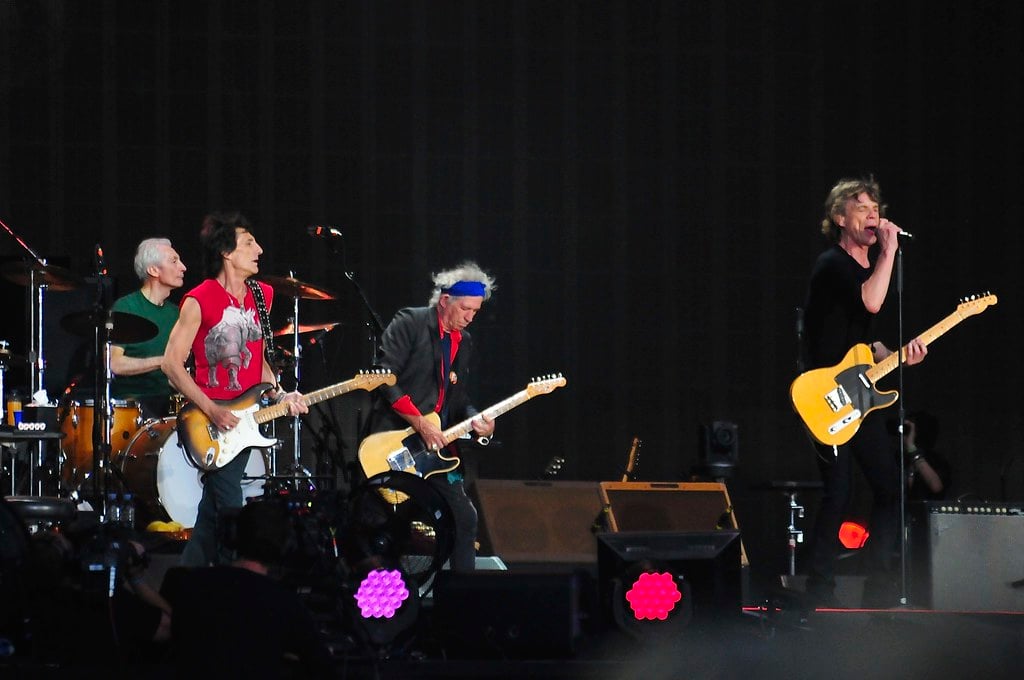
This one’s legendary for darker reasons. The free concert in California was supposed to be the West Coast’s answer to Woodstock, but violence overshadowed the music.
The Hells Angels, hired for security, beat concertgoers throughout the day. During the Stones’ set, they stabbed a young man named Meredith Hunter to death just feet from the stage.
The band kept playing because stopping seemed more dangerous than continuing. The show marked the end of the 1960s’ optimistic vision more decisively than any calendar date could.
Bob Dylan Goes Electric at Newport Folk Festival 1965
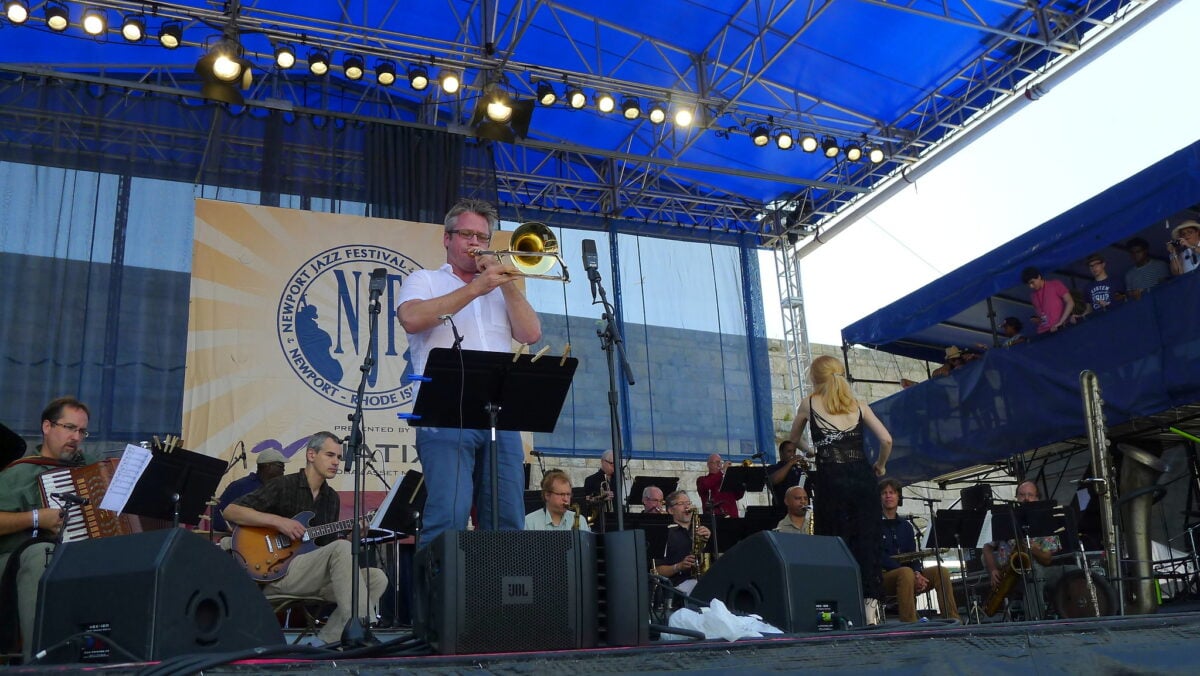
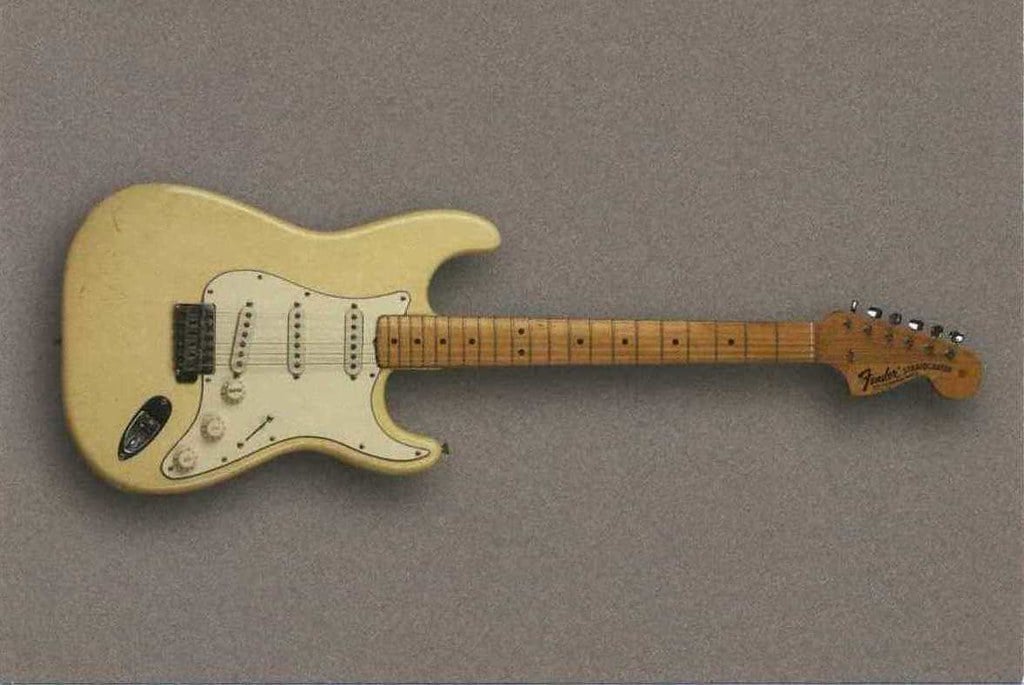
Half the audience booed. Dylan had been their acoustic folk hero, and here he stood with a Fender Stratocaster and a rock band, playing music that offended their purist sensibilities.
Pete Seeger allegedly tried to cut the sound cables. But Dylan was moving forward whether they liked it or not.
That night split folk music into before and after, and the shock waves reached far beyond Newport. The boos were as important as the music—they proved something significant was happening.
Pink Floyd at Pompeii 1971
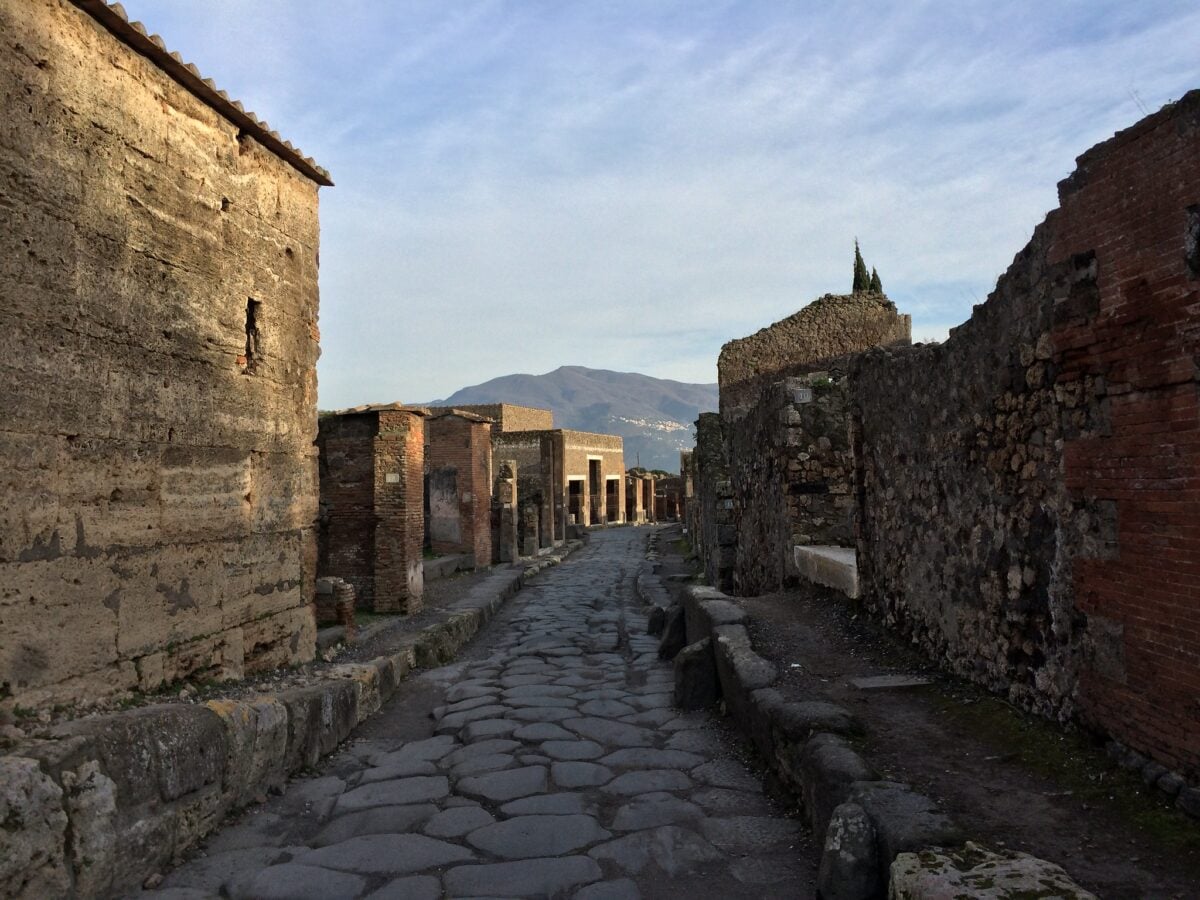
The band performed in an empty ancient Roman amphitheater with no audience except the film crew. Volcanic Mount Vesuvius loomed in the background while they played “Echoes” and other extended pieces.
The absence of crowd noise let the music breathe differently. You could hear every detail of their sound in that stone space built for performances two thousand years earlier.
The resulting concert film showed what Pink Floyd could do when freed from typical concert constraints.
Talking Heads Stop Making Sense Tour 1983
David Byrne walked onstage alone with an acoustic guitar and a boombox, singing “Psycho Killer” while band members gradually joined him. By the end, the stage was full of musicians and energy.
Byrne wore his famous oversized suit—absurdly large shoulders and all—and moved like someone channeling strange forces through his body. The tour’s concert film captured what made the band special: intelligence, humor, and rhythm that made you move without thinking about it.
James Brown at the Apollo Theater 1962
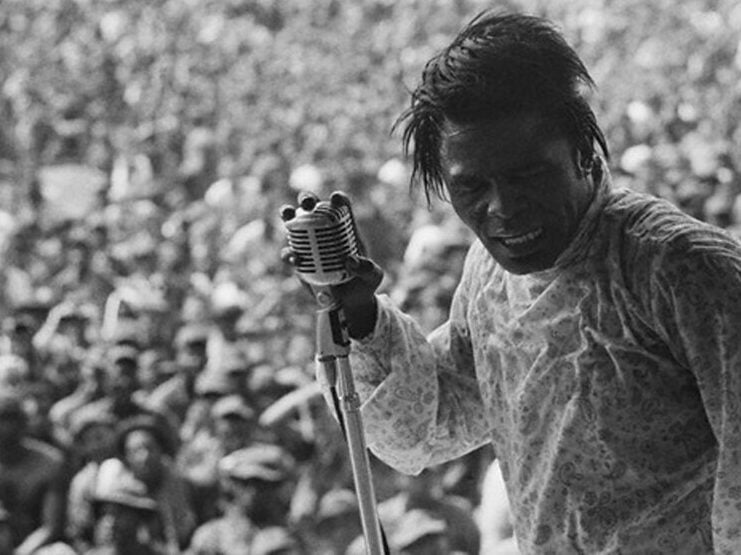
Brown recorded one of the best live albums in history during this October run. The crowd knew every song, anticipated every move, and pushed Brown to push harder.
His band was tight as any group that’s ever played, and Brown’s showmanship was already at legendary levels. The album’s success surprised his record label, who hadn’t wanted to release it.
But the Apollo crowd knew what they were hearing—proof that Brown was the hardest working man in show business.
Led Zeppelin at Madison Square Garden 1973
Three nights in New York captured the band at their peak power. The shows ran over three hours each, with extended improvisations that could either soar or drag depending on the night.
John Bonham’s drum solo lasted forever, but the crowd stayed transfixed. Jimmy Page’s guitar tone was impossibly thick.
Robert Plant’s voice was still pristine, hitting notes that would soon become harder for him to reach. The filming of these shows became the concert movie “The Song Remains the Same,” though the performances were better than the film suggested.
Bruce Springsteen’s Marathon Shows
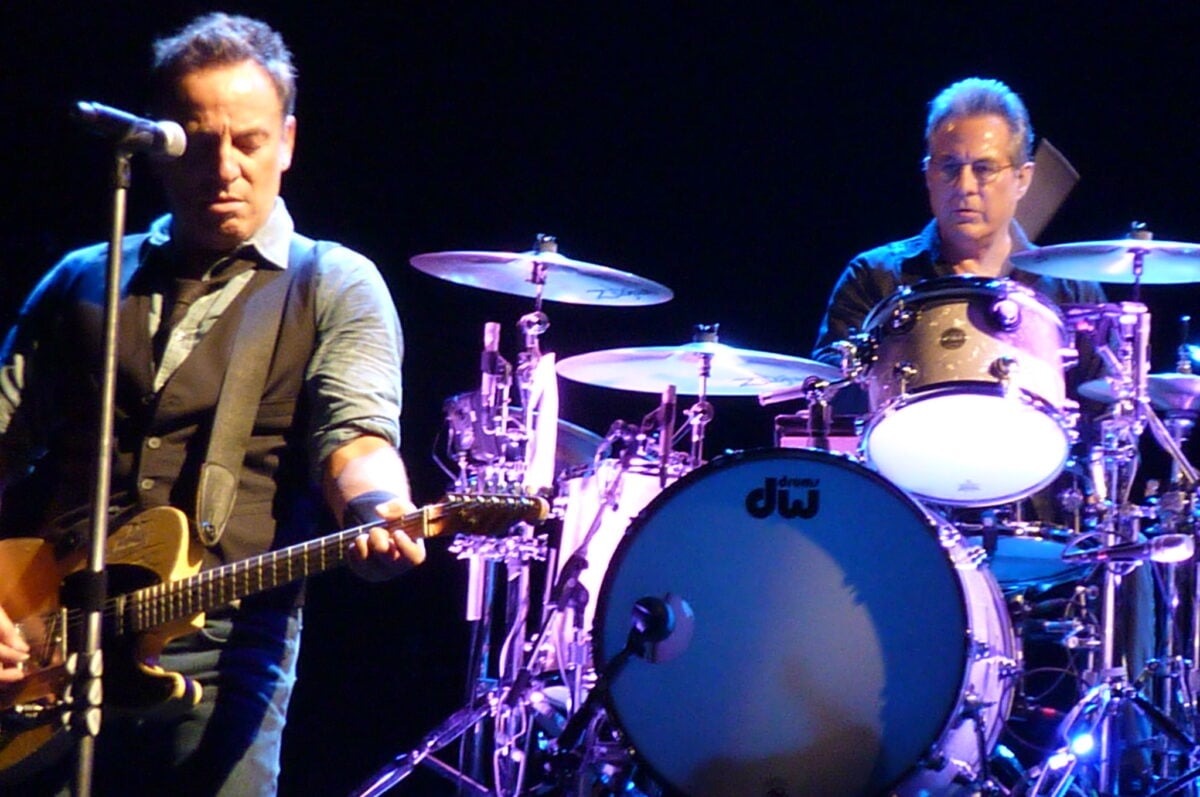
Pick almost any show from 1978 to 1985 and you’ll find a performance that lasted three to four hours. Springsteen treated concerts like religious experiences—places where working people could forget their troubles for a night.
He and the E Street Band played until exhaustion became transcendence. The setlists were never the same twice.
He’d talk to the crowd between songs, telling stories that connected the music to real life. Fans left these shows feeling like they’d been part of something bigger than entertainment.
David Bowie’s Retirement of Ziggy Stardust 1973
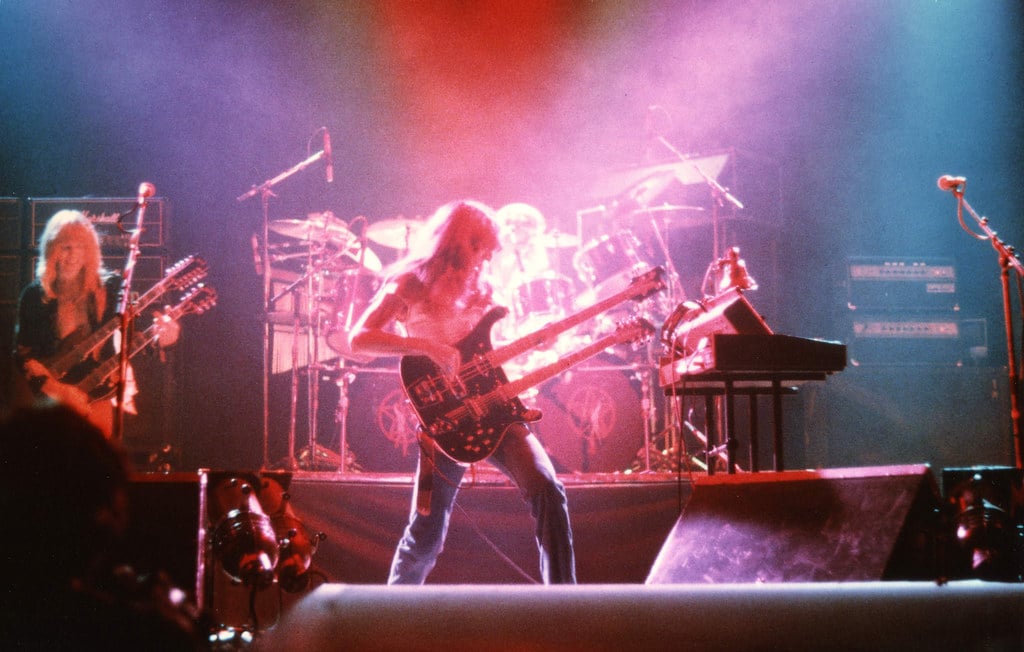
At London’s Hammersmith Odeon, Bowie announced that this show would be the last for his Ziggy Stardust character. The crowd didn’t know if he meant the character or the band or his entire career.
Confusion mixed with sadness as fans realized they were watching something die in real-time. Bowie was already thinking ahead to his next persona, but for the audience, losing Ziggy felt like losing a friend.
The show demonstrated how deeply theatrical rock could become while staying musically vital.
The Last Waltz: The Band’s Farewell 1976
Thanksgiving night in San Francisco, The Band invited friends to help them close sixteen years of touring. Bob Dylan, Neil Young, Joni Mitchell, Eric Clapton, Muddy Waters, and others joined them on stage at Winterland.
Martin Scorsese filmed it all, creating one of the great concert documentaries. The performances were strong, but the atmosphere of ending gave everything extra weight.
Musicians said goodbye to an era when bands stayed on the road for months and created music together rather than in separate studios.
Prince’s Small Club Residencies
Throughout his career, Prince would suddenly book tiny venues under fake names and play shows that left audiences speechless. He’d perform for three or four hours, running through hits and deep cuts and covers.
His band could follow him anywhere musically. In these small rooms, you could see every detail of his guitar work and watch him transform songs on the fly.
These shows were the opposite of arena spectacle—just pure musicianship and showmanship compressed into intimate spaces where every note mattered.
The Velvet Underground at Max’s Kansas City 1970
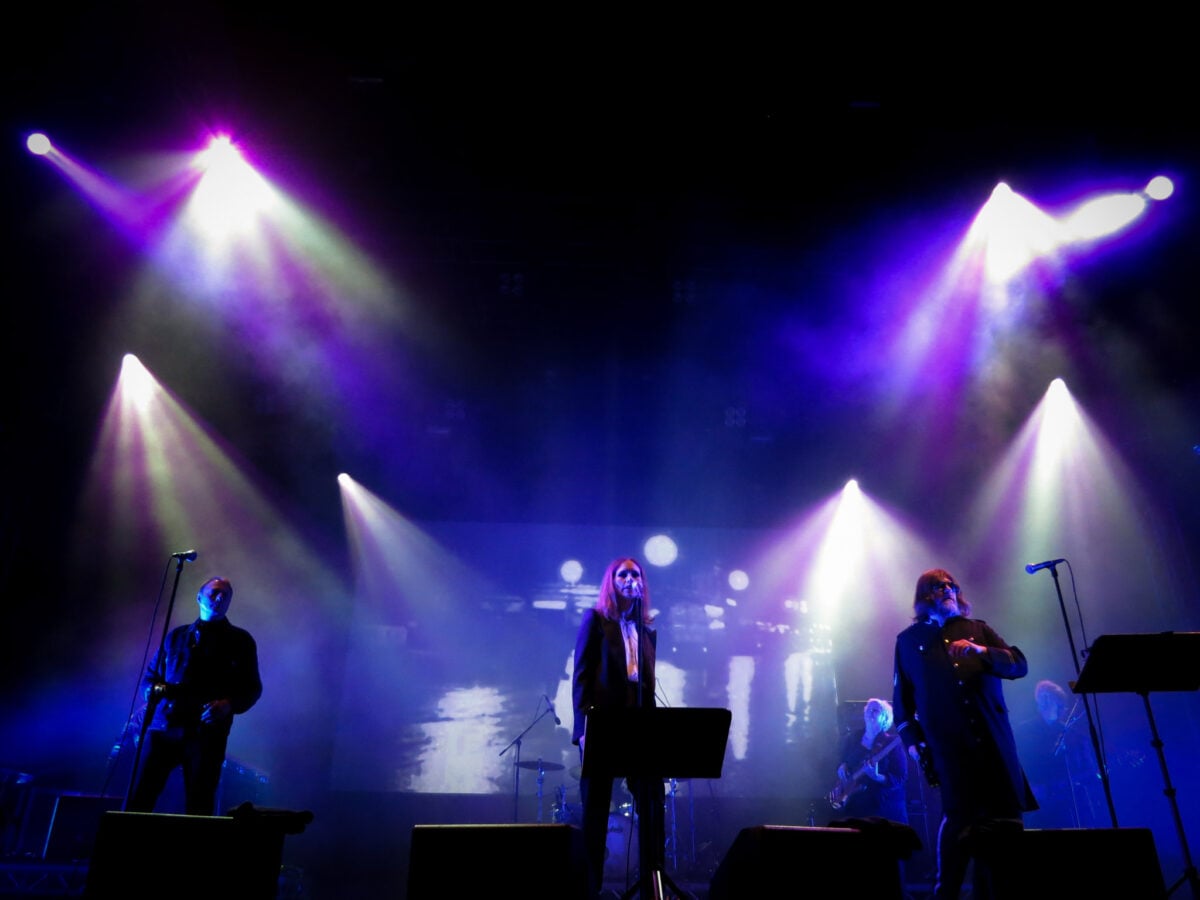
Few realized it at the time, yet those final gigs unfolded in a cramped NYC venue. Though the Velvet Underground remained unknown to most, the handful present sensed an ending.
Exhaustion clung to Lou Reed like smoke. Their music came out raw, jagged – edges sharpened by friction among them.
A fan captured the August nights using nothing more than a cheap tape machine. Fragments of sound, captured raw, eventually slipped into stores as a record – marking quiet closure for a band that shaped rock’s path.
Back then, few noticed its weight; understanding crept in slowly, long after the fact.
When Music Turns Into Memory

Something stays alive long after the last note fades. Not just how well it was played, but how it made people feel together.
Moments built not by solo acts, instead shared energy filled the room. Recordings exist, sure, though they miss the weight of presence.
What’s missing speaks louder than what’s saved. Memory stretches each time someone recalls that evening, shaping a tale no studio could capture.
More from Go2Tutors!

- The Romanov Crown Jewels and Their Tragic Fate
- 13 Historical Mysteries That Science Still Can’t Solve
- Famous Hoaxes That Fooled the World for Years
- 15 Child Stars with Tragic Adult Lives
- 16 Famous Jewelry Pieces in History
Like Go2Tutors’s content? Follow us on MSN.