15 Interesting Facts About World War I People Never Learned in School
World War I remains one of history’s most studied conflicts, yet the typical classroom barely scratches the surface of what actually happened between and . Beyond the familiar narrative of trenches, poison gas, and the assassination of Archduke Franz Ferdinand lies a war that defied logic in ways both tragic and absurd.
These lesser-known facts reveal a conflict stranger and more human than any textbook dared to admit.
Christmas Truces Happened Multiple Times

The Christmas Truce of gets all the attention. What history books skip is that informal ceasefires kept breaking out throughout the war, often without official approval.
Soldiers would call across no man’s land to arrange prisoner exchanges or simply to trade cigarettes for chocolate.
Animals Served as Soldiers Too
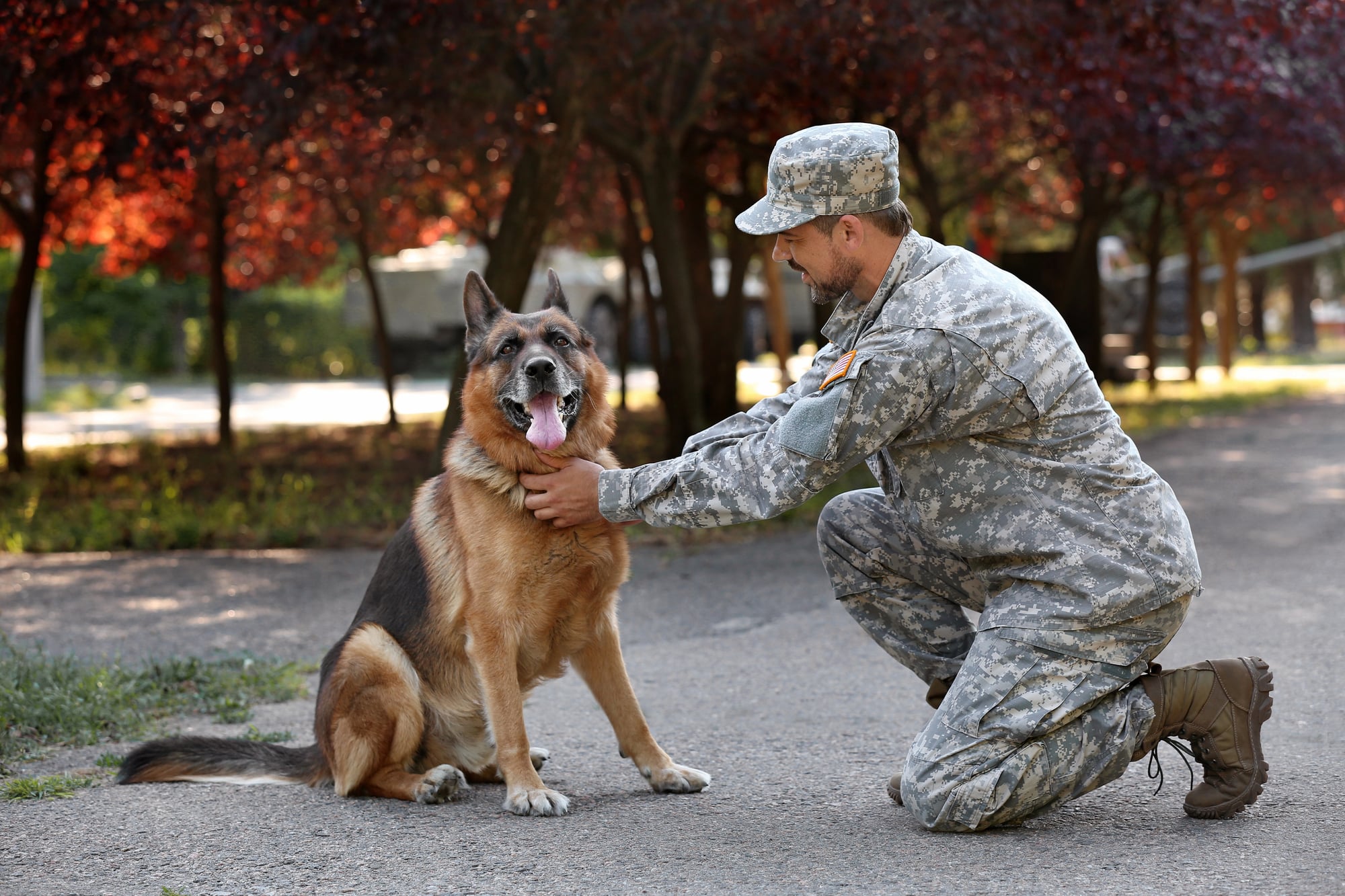
When you think of World War I animals, messenger pigeons probably come to mind. But the war featured bears carrying artillery shells, camels hauling supplies across deserts, and elephants moving heavy equipment in East Africa (because apparently someone thought that made perfect sense).
One bear named Wojtek even received military rank during World War II — serving as a corporal in the Polish Army after being adopted by soldiers during that conflict — demonstrating how seriously armies took animal service records. The strangest part wasn’t that armies used exotic animals for labor, it was how seriously they took their service records.
Military bureaucrats maintained personnel files for camels, complete with medical histories and performance evaluations, as if a dromedary might one day apply for veteran benefits.
Plastic Surgery Was Invented Out of Necessity
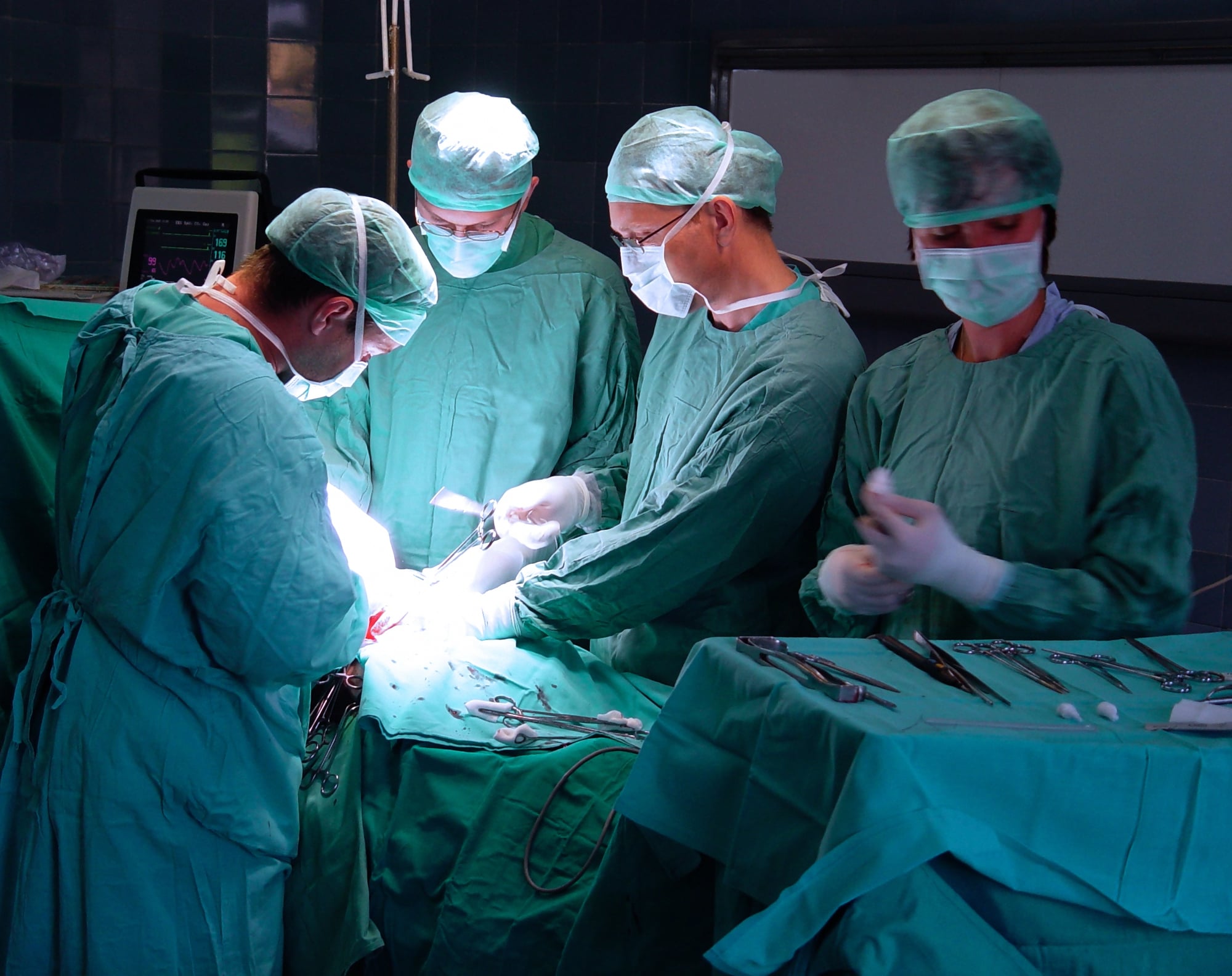
Before World War I, facial reconstruction barely existed as a medical practice, partly because society preferred not to think about what happened when faces met flying metal at high velocity — and partly because the surgical techniques simply weren’t there yet.
But the war’s unprecedented scale of facial injuries forced doctors to become pioneers whether they felt ready or not. Surgeons like Harold Gillies developed entirely new methods for rebuilding noses, jaws, and eye sockets, working with whatever materials they could find (early prosthetics were made from everything from tin to papier-mâché, which sounds improvised because it absolutely was).
And yet the most remarkable thing about these early reconstructive surgeries wasn’t their technical innovation. It was how they changed the way society thought about disfigurement and healing.
The War Created the First Modern Propaganda Machine
Governments discovered that controlling information was almost as important as controlling territory. Britain established the first Ministry of Information specifically to manage public opinion about the war.
They recruited famous authors like H. G. Wells and Arthur Conan Doyle to write propaganda — which explains why some World War I recruitment posters read like science fiction novels. The techniques developed during this period became the foundation for modern advertising and political messaging.
Every campaign slogan and marketing strategy traces back to someone trying to convince people that dying in a trench was glorious.
Soldiers Developed Their Own Underground Newspaper Network

Trench newspapers weren’t just morale boosters — they were acts of rebellion disguised as entertainment. Publications like “The Wipers Times” (named after the British pronunciation of Ypres) mocked military leadership, satirized the war’s absurdities, and somehow managed to stay in circulation despite constant attempts at censorship.
The papers were printed on captured German printing presses, which feels like adding insult to injury. These underground publications reveal something the official histories miss: soldiers knew exactly how ridiculous their situation was, and they weren’t afraid to say so in print.
Gas Masks for Horses Were a Real Thing
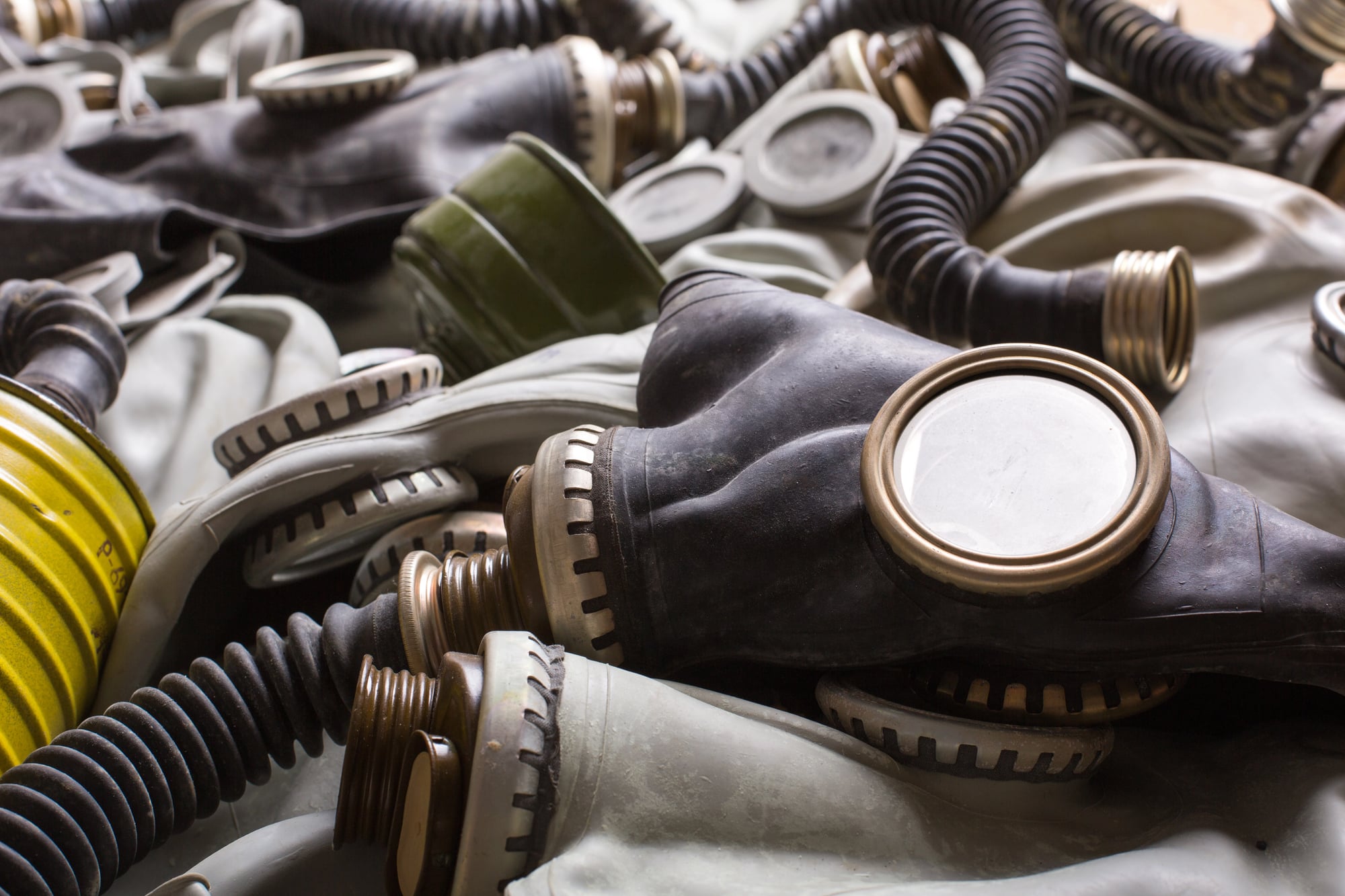
The image of a horse wearing a gas mask looks like something from a fever dream, but chemical warfare made protective equipment necessary for every living thing on the battlefield. Military engineers designed specialized masks for horses, mules, and even carrier pigeons (though the pigeon masks were about as effective as they sound — which is to say, not very).
The logistics of equipping millions of animals with properly fitted gas masks created an entire industry that vanished the moment the war ended. So armies spent enormous resources protecting animals they were simultaneously working to death.
The contradiction didn’t seem to bother anyone in charge.
Shell Shock Was Treated as Cowardice Until It Wasn’t
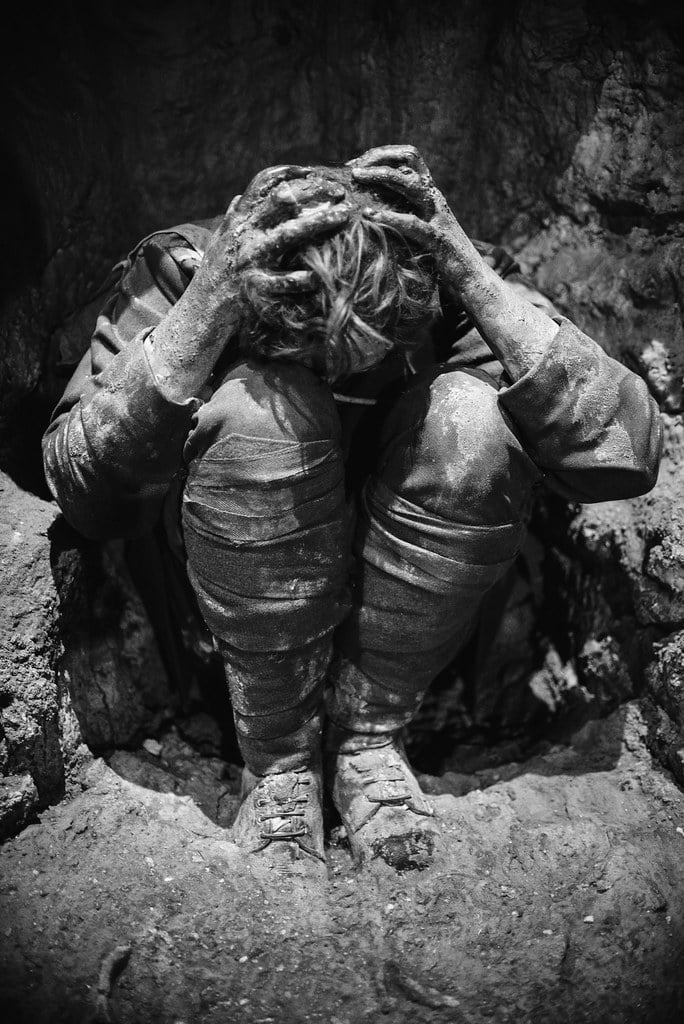
What we now recognize as post-traumatic stress disorder was initially dismissed as weakness or outright cowardice. Military courts sentenced thousands of soldiers to death for desertion when they were actually suffering from severe psychological trauma.
The medical establishment slowly came to understand that the human mind wasn’t designed to handle months of constant artillery bombardment, but this realization came too late for the men who were executed for having nervous breakdowns. The shift in understanding happened gradually, then suddenly — like many changes in how society processes trauma and mental health.
Entire Forests Were Replanted After the War

The Western Front didn’t just kill people — it killed landscapes. Artillery bombardment stripped entire regions of vegetation, turning fertile farmland into moonscapes that couldn’t support plant life.
Post-war reconstruction included massive reforestation projects, some of which are still ongoing more than a century later. The trees growing in parts of France and Belgium today are essentially war memorials, planted to replace forests that were blown to pieces between and . Walking through these replanted woods means walking through a living monument to ecological destruction and recovery.
Love Letters Were Censored But Never Stopped
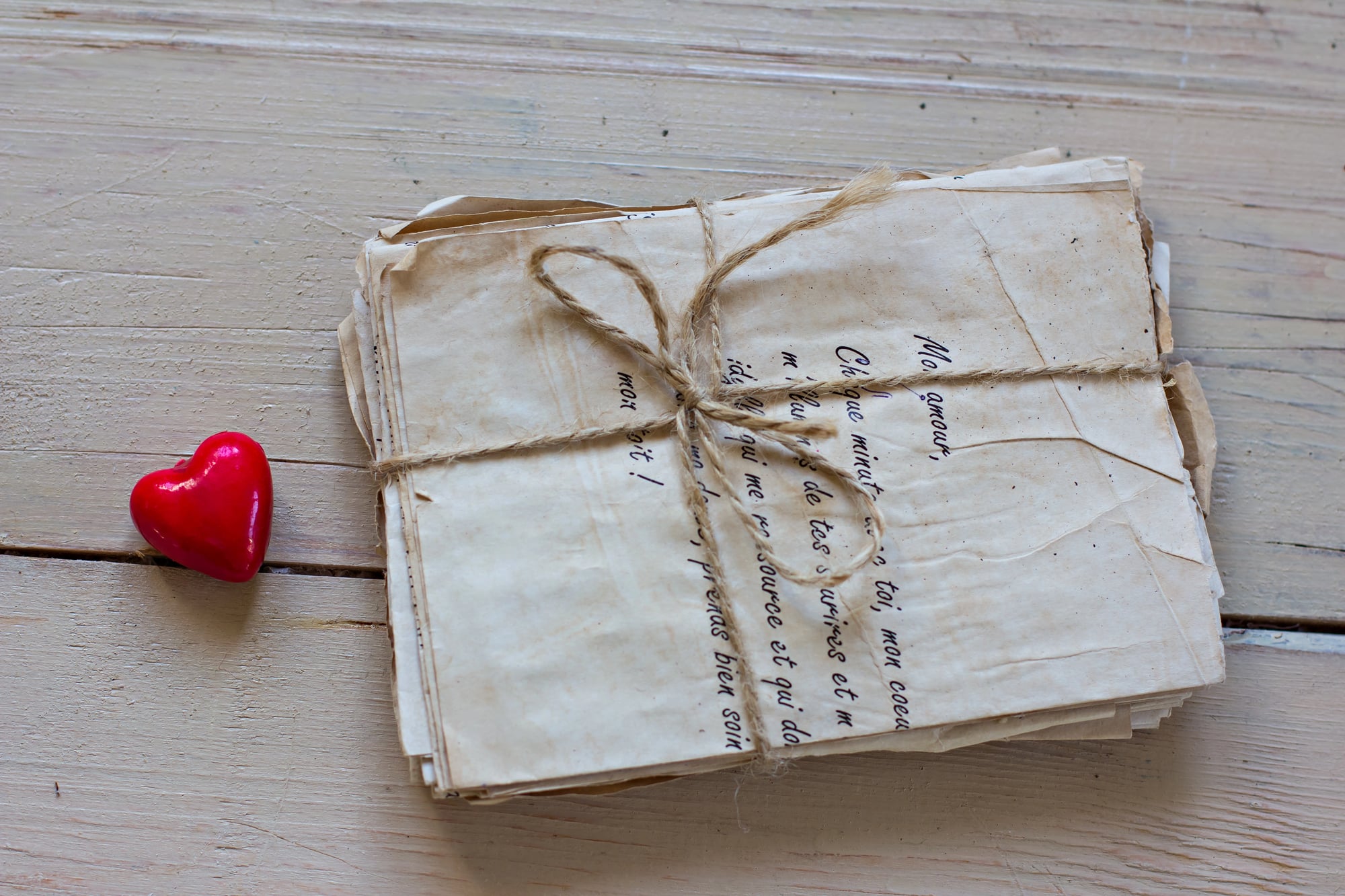
Military censors read every piece of mail soldiers sent home, crossing out anything that might reveal troop movements or damage morale. Couples developed elaborate codes to communicate affection and share real information about the war’s progress.
Some letters arrived home looking like abstract art — pages covered in black ink with only fragments of sentences visible between the redactions. The persistence of these communications, despite constant surveillance, says something profound about human connection under impossible circumstances.
Alcohol Was Both Banned and Officially Issued

Military authorities had a complicated relationship with drinking during World War I. Official policy often prohibited alcohol consumption, while simultaneously issuing daily rum rations to troops before major offensives (because apparently liquid courage was considered a tactical necessity).
This contradiction led to elaborate black market networks where soldiers traded everything from ammunition to family photographs for bottles of wine or whiskey. The cognitive dissonance was remarkable: the same officers who court-martialed soldiers for drunkenness were the ones ordering alcohol distributed before battles.
Medical Advances Came From Desperation

Blood transfusions, X-ray technology, and mobile surgical units all emerged from the urgent need to keep soldiers alive long enough to fight again. Doctors performed experimental procedures in battlefield conditions that would horrify modern medical ethics boards, but many of these desperate innovations became standard practice in civilian medicine after the war ended.
The irony cuts deep: a conflict dedicated to killing people accelerated medical discoveries that saved countless lives in peacetime.
Communication Technology Leaped Forward by Decades

Military necessity drove rapid advances in radio technology, telephone systems, and code-breaking techniques. The war compressed what might have been fifty years of gradual technological development into four years of frantic innovation (though much of this progress remained classified for decades after the armistice).
Armies went from relying on carrier pigeons and flag signals at the war’s beginning to operating sophisticated radio networks by its end. But the real breakthrough wasn’t technological — it was organizational.
Military communicators developed the first systematic approaches to information management that later became the foundation for modern telecommunications networks.
Art and Literature Changed Forever

The war didn’t just influence a generation of writers and artists — it fundamentally altered how creative expression worked. Poetry abandoned romantic notions of heroic death, visual art embraced fragmentation and abstraction, and literature developed new techniques for depicting psychological trauma.
The cultural shift was so profound that pre-1914 artistic movements suddenly felt ancient and irrelevant. Writers like Wilfred Owen and Siegfried Sassoon weren’t just documenting their experiences — they were inventing new ways to process collective trauma through language.
Peace Treaties Created More Problems Than They Solved

The Treaty of Versailles gets most of the attention, but the war’s end involved dozens of separate agreements that redrew maps across Europe, Africa, and the Middle East. Many of these treaties ignored ethnic boundaries, religious differences, and historical rivalries — essentially guaranteeing future conflicts in regions that are still dealing with the consequences today.
The negotiators weren’t necessarily incompetent, but they were trying to solve problems they didn’t fully understand with tools that weren’t designed for the job.
Some Battles Continued After the Official End
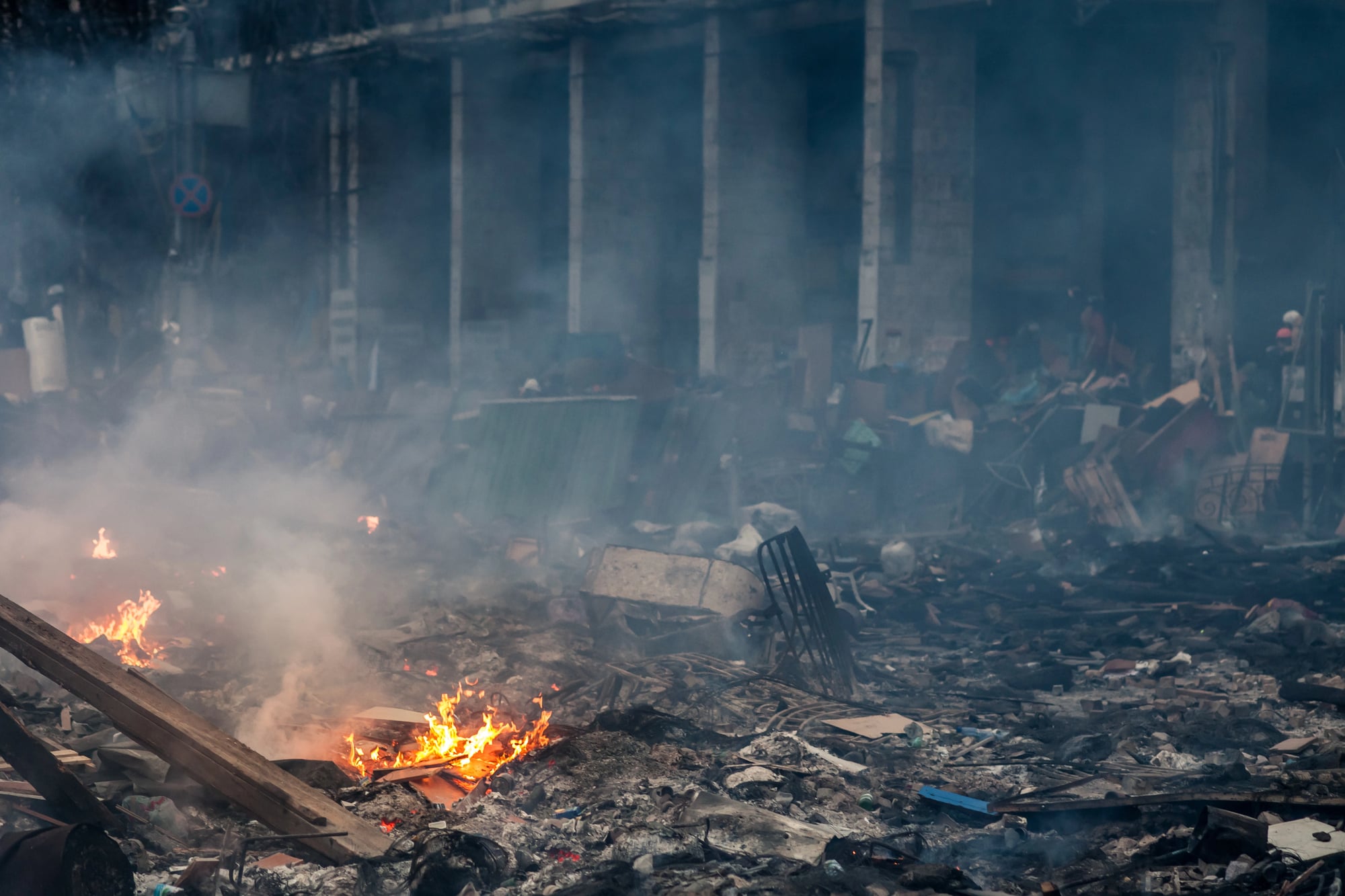
The armistice took effect at AM on November , , but news traveled slowly and some commanders kept fighting anyway. The last American soldier killed in World War I died at : AM — one minute before the official end of hostilities.
Other conflicts connected to the war continued for months or even years after the armistice, particularly in Eastern Europe and the former Ottoman Empire. The idea that wars end cleanly at a specific moment is mostly a convenient fiction for history books.
What We Still Don’t Understand
A century later, World War I remains fundamentally mysterious in ways that should make us uncomfortable. How did entire societies convince themselves that sending millions of young men to die in trenches made strategic sense? Why did military leaders persist with tactics that obviously weren’t working?
What made ordinary people capable of sustaining such brutality for four straight years? The mechanical facts of the war are well-documented, but the psychological and cultural forces that made it possible — and that could make something similar possible again — remain largely unexplored territory.
More from Go2Tutors!

- The Romanov Crown Jewels and Their Tragic Fate
- 13 Historical Mysteries That Science Still Can’t Solve
- Famous Hoaxes That Fooled the World for Years
- 15 Child Stars with Tragic Adult Lives
- 16 Famous Jewelry Pieces in History
Like Go2Tutors’s content? Follow us on MSN.