The Most Influential 70s Rock Bands
The 1970s were a strange and brilliant time for rock music. The loose, psychedelic energy of the late ’60s hadn’t fully faded, but something harder and more ambitious was taking shape.
Bands started pushing what rock could actually sound like — longer songs, bigger sounds, darker themes, and stadium-sized production. If you trace the roots of almost any rock music made after 1980, there’s a good chance one of these bands is somewhere in the family tree.
Some of these names are obvious. Others earned their influence quietly, shaping the sound of entire genres without always getting the credit they deserved.
Here are the bands that defined the decade and left marks that still show up today.
Led Zeppelin

There’s an argument to be made that Led Zeppelin is the single most influential rock band of all time, and the ’70s were their decade. Jimmy Page’s guitar work set a template that countless players have spent decades trying to replicate.
Robert Plant’s raw, almost primal vocals gave the band an intensity that most groups never touched. Albums like Led Zeppelin IV and Physical Graffiti weren’t just popular — they redefined what a rock album could be.
Heavy metal as a genre owes most of its DNA to this band.
Pink Floyd

Pink Floyd built a world around their music. While most rock bands were focused on the chorus, Pink Floyd was perfecting the concept album.
The Dark Side of the Moon, released in 1973, spent years on the Billboard charts and remains one of the best-selling albums ever made. Their sound was atmospheric, sprawling, and deeply personal.
They proved that rock music could be art — not just entertainment, but something that genuinely made you feel things.
The Rolling Stones

By the ’70s, the Stones had already been around for close to a decade. But they didn’t slow down.
Exile on Main St. came out in 1972 and is widely regarded as one of the greatest rock albums ever recorded. Mick Jagger and Keith Richards wrote songs that were loose, dirty, and completely alive.
The Stones weren’t chasing trends. They were setting them, quietly and confidently, decade after decade.
Queen

Freddie Mercury was one of a kind. Queen started the decade as a tight, versatile band and ended it as one of the biggest acts on the planet.
A Night at the Opera, News of the World, and The Game showed a group that refused to fit into a single box. They could write hard rock anthems, theatrical ballads, and everything in between.
Queen proved that being versatile wasn’t a weakness — it was a superpower.
The Who

The Who had been smashing things on stage since the ’60s, but the ’70s gave them their most ambitious work. Tommy — the first rock opera — came out in 1969 and carried right into the early part of the decade.
Who’s Next in 1971 is often considered one of the greatest rock albums ever made. Pete Townshend’s guitar playing was violent, inventive, and completely original.
The Who showed what happens when a band decides to push everything to its absolute limit.
Fleetwood Mac
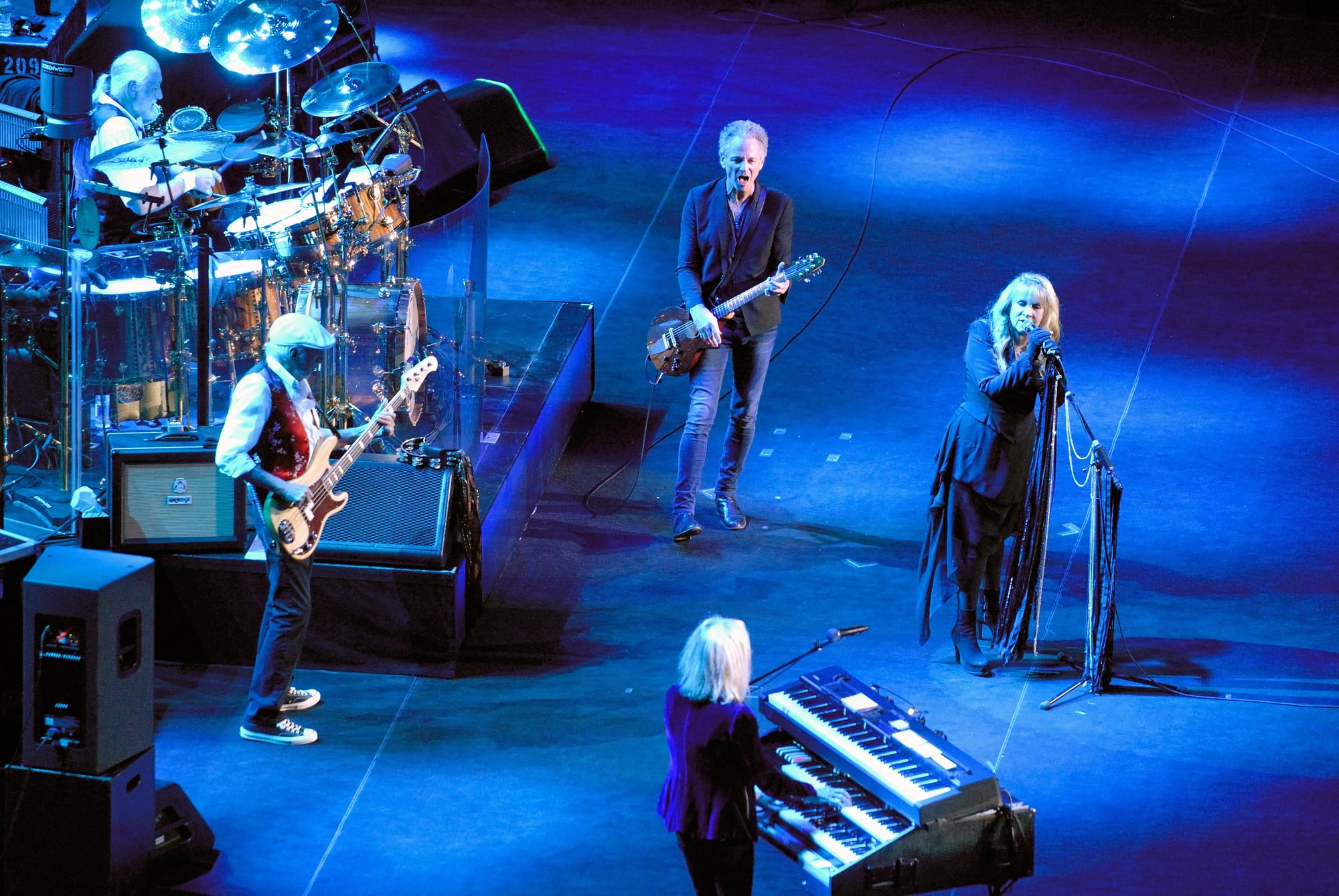
Rumours is one of those albums that everyone knows, and for good reason. Released in 1977, it was recorded by a band that was falling apart personally but somehow turning that chaos into some of the catchiest, most emotionally honest songs ever written.
Stevie Nicks, Christine McVie, and Lindsey Buckingham brought a songwriting chemistry that felt almost accidental. The album sold tens of millions of copies and turned Fleetwood Mac into one of the defining acts of the decade.
Eagles

The Eagles built the blueprint for what radio rock could sound like in the ’70s. Hotel California came out in 1977 and became one of the most recognizable albums in rock history.
Don Henley and Glenn Frey were sharp songwriters — witty, melodic, and just a little cynical. Their sound was polished in a way that some people loved and others found too clean.
Either way, their influence on ’70s rock radio is hard to overstate.
Black Sabbath
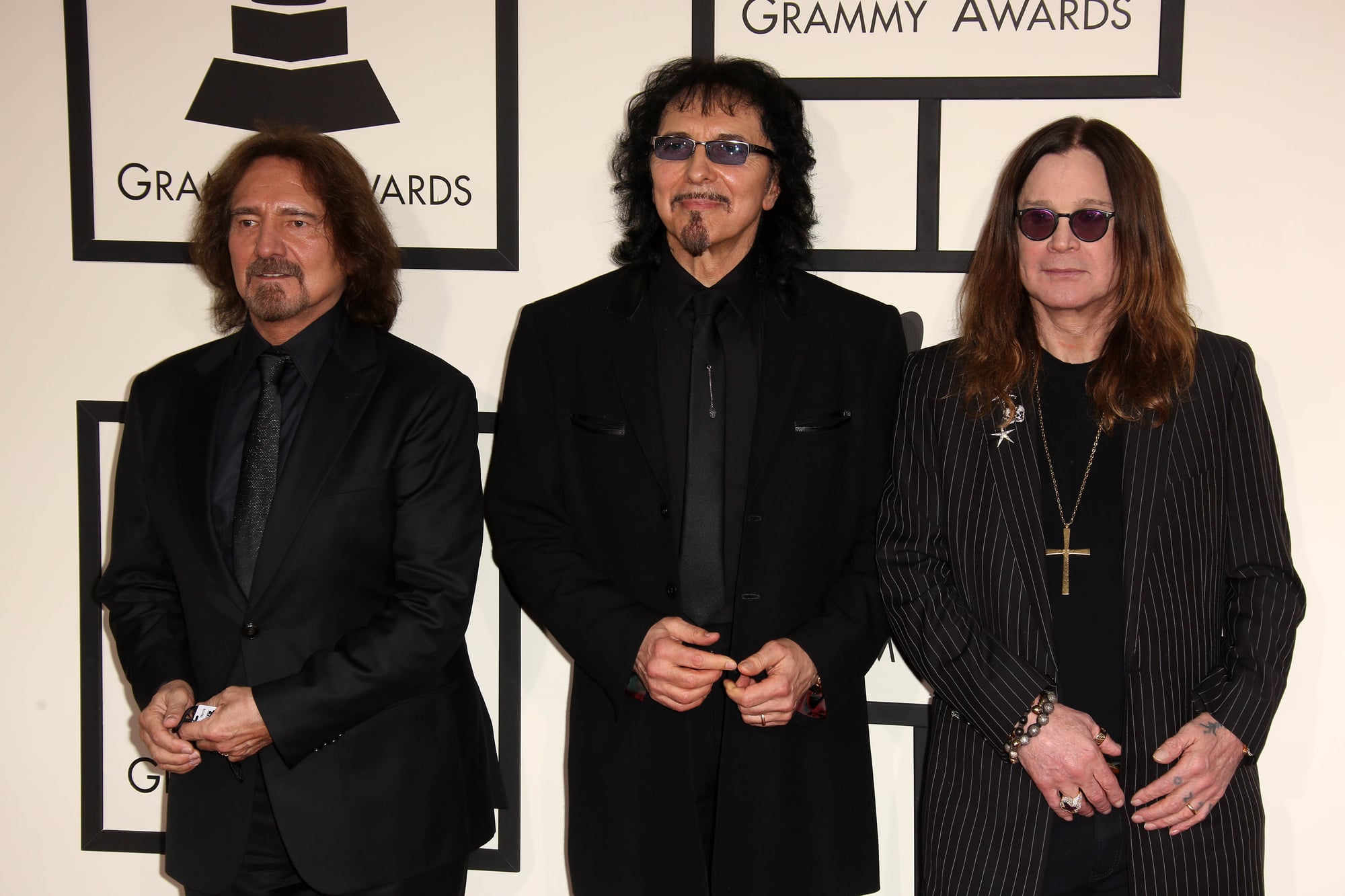
If Led Zeppelin lit the fuse, Black Sabbath built the bomb. Tony Iommi’s slow, heavy guitar riffs created a sound that nobody had quite heard before.
Ozzy Osbourne’s unhinged vocals added a darkness that made it feel like something was genuinely wrong — in the best possible way. The self-titled debut and Paranoid are foundational records for heavy rock and metal.
Every doom metal band, every stoner rock group, every act that’s ever written something genuinely heavy owes a debt to what Black Sabbath figured out in the early ’70s.
Lynyrd Skynyrd
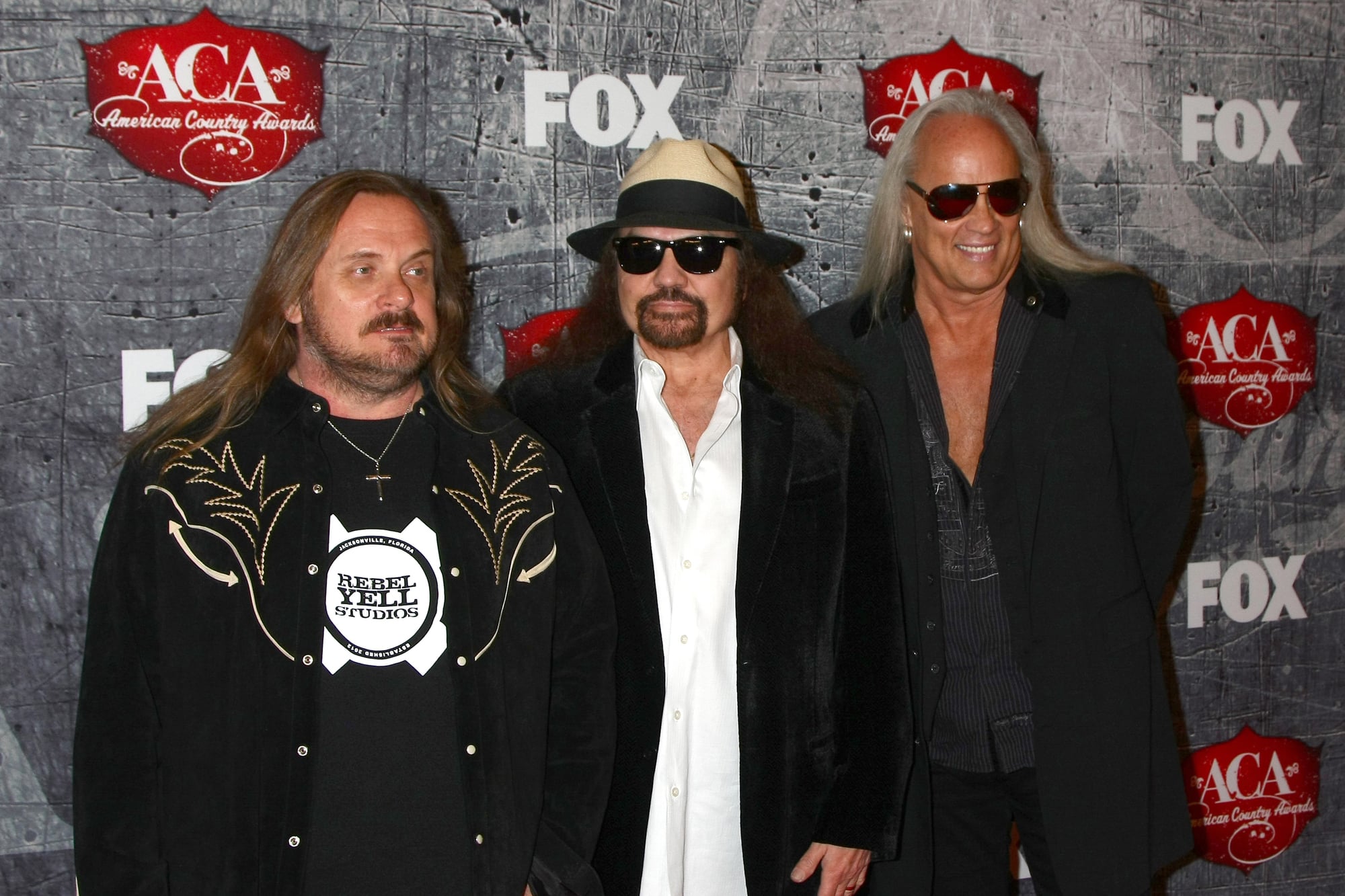
“Free Bird” is a cliché at this point. But strip that away and you’ve still got a band that did something nobody else was doing quite as well — blending Southern rock with real songwriting craft.
Ronnie Van Zant wrote lyrics that were specific, personal, and sometimes genuinely moving. The band’s guitar work, with multiple leads layered on top of each other, created a sound that felt wide open.
A 1977 plane crash took Van Zant and others, but the music stayed and kept influencing generations of musicians.
Genesis

Genesis started the decade as a progressive rock band with long, complex compositions, and Phil Collins wasn’t even the frontman yet. Peter Gabriel’s theatrical storytelling gave albums like The Lamb Lies Down on Broadway a dramatic weight that few rock bands ever matched.
When Gabriel left and Collins stepped up, the band shifted toward a more pop-friendly sound. That shift itself became one of the decade’s biggest stories in rock.
Either way, Genesis proved that progressive rock could actually find an audience.
Yes

Yes built some of the most technically ambitious rock music ever recorded. Close to the Edge and Tales from Topographic Oceans were albums that demanded your full attention.
Jon Anderson’s ethereal vocals floated over arrangements that shifted and twisted in ways other bands simply didn’t attempt. Yes wasn’t for casual listeners.
They were for people who wanted rock music to be genuinely challenging — and they delivered on that over and over again.
AC/DC

AC/DC showed up in the mid-’70s and immediately sounded like no one else. Angus Young’s guitar tone was raw, crunchy, and completely unpolished.
Bon Scott sang like he had nothing left to lose. The band’s early records — High Voltage, Dirty Deeds Done Dirt Cheap, T.N.T. — were loud, fast, and built for live shows.
They proved that rock music didn’t need to be complicated to hit hard. That lesson has echoed through decades of punk, hard rock, and garage rock since.
The Clash

Punk rock arrived in the late ’70s as a direct reaction to everything that had come before — the bloated solos, the excess, the distance between bands and their audiences. The Clash were at the center of it.
Joe Strummer and Mick Jones wrote songs with a political edge and a restless energy that set punk apart from just being loud. London Calling, released in 1979, showed the band expanding beyond punk into reggae, ska, and rockabilly without losing what made them sharp.
The Clash turned punk into something with real ideas behind it.
Jethro Tull

Jethro Tull was a strange band, and that was the point. Ian Anderson played the flute — on top of rock guitars and driving drums — and somehow made it work.
Aqualung, released in 1971, became one of the decade’s most talked-about albums. The title track wove together a portrait of a homeless man with hard-driving riffs in a way that sounded like nothing else on the radio.
Jethro Tull proved that rock had room for the unconventional, and a lot of bands quietly followed their lead.
Boston

That first Boston record from 1976? Pure craftsmanship behind every track. Years passed while Tom Scholz shaped each riff alone in his basement setup, long before studios got involved.
Then came “More Than a Feeling” – suddenly everywhere, instantly familiar. Yet even the deep cuts matched its energy, note for note.
Warm guitar tones filled huge stadiums, something others chased but rarely caught. Smoothness stayed present, yes, yet never slipped into sterile territory – easier said than done.
The Sound That Shaped What Came Next

Rock got its muscle in the 1970s. That decade built everything later bands stood on.
Heavy riffs from Black Sabbath, mixed with raw power from Led Zeppelin, poured straight into metal and then grunge. While some chased charts, Pink Floyd and Yes reached further – proving rock could breathe like art.
Not every song aimed at crowds; some aimed at ceilings. Rock music shifted when groups such as The Clash made space for indie voices to rise.
What kept listeners returning wasn’t complexity – it was how acts like the Eagles, Fleetwood Mac, and the Stones shaped basic chords into something lasting. Start anywhere.
Play one track after another. What hits first is not just how good it sounds.
It’s the space between them – each group carving its own path. Not a single pair settled into the same groove.
None stayed still once they began. Moving forward, always, like every record had weight.
That drive shaped something bigger than music. They became ground zero.
Everything later simply followed.
More from Go2Tutors!

- The Romanov Crown Jewels and Their Tragic Fate
- 13 Historical Mysteries That Science Still Can’t Solve
- Famous Hoaxes That Fooled the World for Years
- 15 Child Stars with Tragic Adult Lives
- 16 Famous Jewelry Pieces in History
Like Go2Tutors’s content? Follow us on MSN.



