15 Interior Details Inside Luxury Jets
Private aviation has always represented the pinnacle of travel, but the interiors of today’s luxury jets have evolved far beyond simple transportation. These flying palaces combine cutting-edge technology with craftsmanship that rivals the finest homes and yachts.
From materials sourced across continents to custom features that cost more than most houses, every detail serves a purpose while making a statement.
Hand-Stitched Leather Seating

The seats in high-end private jets feature leather from specific suppliers like Poltrona Frau or Edelman, chosen for their suppleness and durability at altitude. Each seat gets hand-stitched with precision that can take craftsmen days to complete, and the leather itself often comes from Scandinavian cattle raised in cold climates where insect bites don’t scar the hides.
You’ll find these seats can recline fully flat, swivel 360 degrees, and include heating, cooling, and massage functions that operate independently.
Full-Size Beds With Premium Linens

Forget cramming yourself into an airline seat that barely reclines—luxury jets feature actual beds with Frette or Pratesi linens that match what you’d find in five-star hotels. The mattresses are custom-made to fit the aircraft’s dimensions and account for the unique sleep challenges at 45,000 feet.
Some jets even include separate master bedrooms with enough space to walk around the bed, along with blackout shades that create a proper sleeping environment regardless of what time zone you’re crossing.
Onboard Shower Suites

Yes, full showers exist on private jets, complete with heated floors and walls finished in materials like Calacatta marble or onyx. The Gulfstream G650 and Boeing Business Jets can accommodate shower systems that recirculate and filter water efficiently since every pound matters at altitude.
These aren’t cramped airplane bathrooms either—they’re legitimate spa-like spaces with rainfall showerheads, premium toiletries, and enough room to actually dry off without bumping into everything.
Gourmet Galleys

The kitchens on luxury jets rival what you’d find in upscale apartments, with convection ovens, steam ovens, and induction cooktops that let chefs prepare restaurant-quality meals mid-flight. Storage includes wine chillers set to precise temperatures, espresso machines that would make Italian baristas jealous, and enough counter space to plate multiple courses properly.
The galley layout gets designed around the specific preferences of the aircraft owner, whether they want capacity for formal dinner parties or quick meal prep for family flights.
Exotic Wood Veneers

Walk into a luxury jet and you’ll encounter wood species like Macassar ebony, burled walnut, or Koa from Hawaii covering the cabin walls and cabinetry. These veneers get book-matched so the grain patterns mirror each other perfectly, creating visual symmetry that craftsmen achieve by slicing logs in specific ways and numbering each piece.
The wood itself gets treated with special finishes that resist the dry cabin air and temperature fluctuations that would destroy regular furniture finishes.
Conference Tables With Connectivity

Business doesn’t stop at 40,000 feet, so luxury jets include conference tables made from single slabs of wood or stone with integrated power outlets, USB ports, and wireless charging pads. These tables often rise and lower electronically to convert between dining and working heights, and some include hidden screens that emerge from the table surface for presentations.
The seating arrangement can accommodate six to eight people comfortably, with the same premium chairs that make long meetings actually bearable.
Gold And Platinum Fixtures
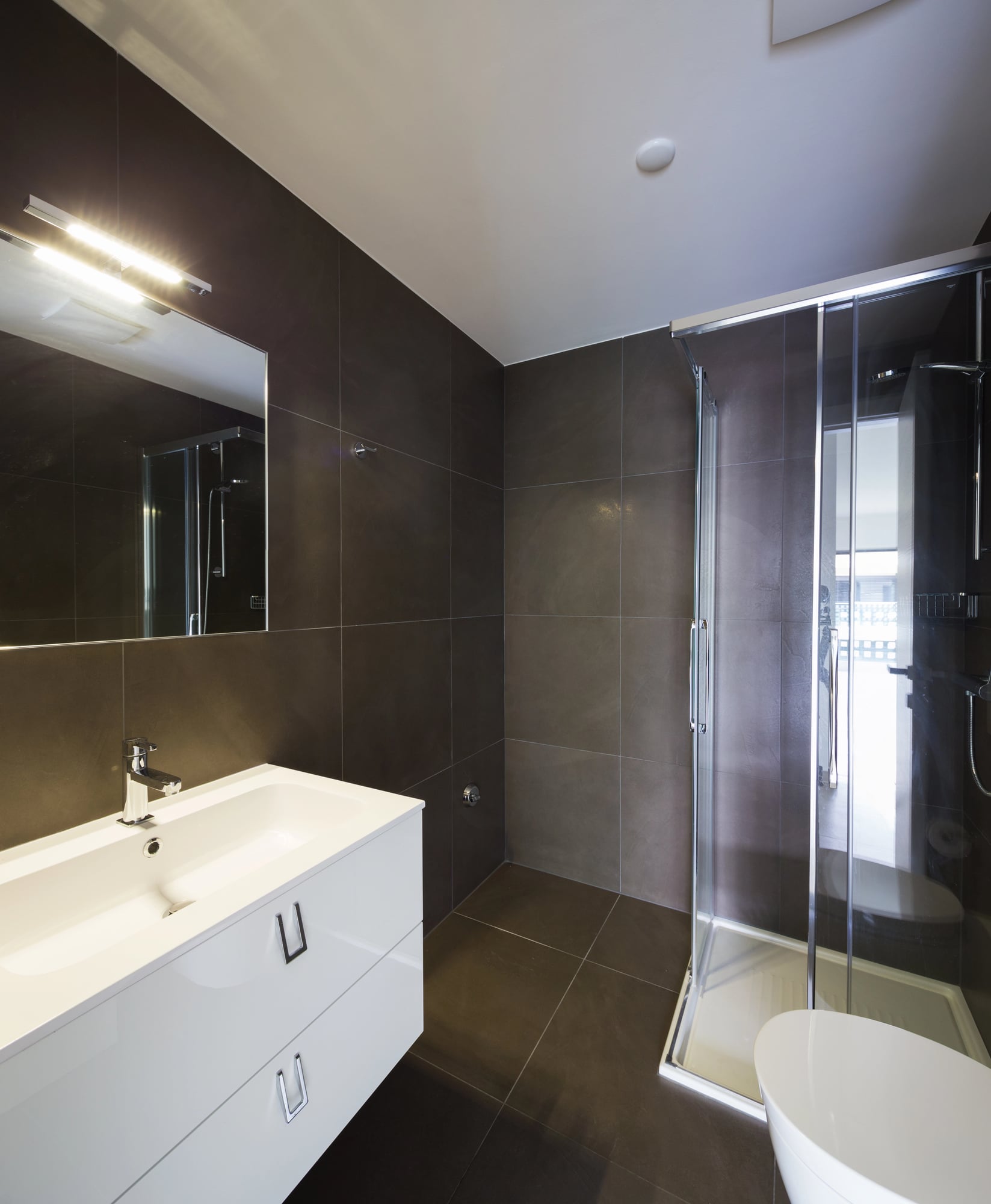
The bathroom and galley fixtures on ultra-luxury jets feature actual gold plating or platinum finishes that aren’t just for show—these materials resist corrosion better than standard chrome in the harsh altitude environment. Faucets, door handles, and even toilet fixtures might carry 24-karat gold plating applied through specialized processes.
Some Middle Eastern clients take this further with gold leaf applied to cabin details, though Western clients typically opt for more subtle platinum or brushed gold accents.
Stone Countertops And Surfaces

Real marble, granite, or onyx appears in the bathrooms and galleys of high-end private jets, despite the weight penalty these materials create. Engineers have developed ways to shave these stones down to thinner profiles while maintaining their strength and appearance.
The Bombardier Global 7500 showcases stone countertops in its bathroom that required custom cutting and installation techniques since you can’t just call a contractor if something cracks at 45,000 feet.
Advanced Soundproofing Systems

Luxury jets achieve cabin noise levels around 50 decibels—quieter than most restaurants—through multilayer insulation that includes specialized foam, barriers, and even active noise cancellation. This soundproofing adds significant weight but creates an environment where normal conversation happens without raising your voice.
The difference between a standard private jet and an ultra-quiet cabin like the Gulfstream G700 becomes immediately obvious when you’re trying to sleep or work during a long international flight.
Ambient LED Lighting Systems

Modern luxury jets feature LED systems that can create thousands of color combinations and adjust automatically based on time of day and flight phase to reduce jet lag. These aren’t simple mood lights—the systems integrate with circadian rhythm research to help your body adjust to new time zones.
You can preset scenes for dining, working, or sleeping, and some aircraft owners program custom lighting that matches their home or office environments.
Climate Zones

Forget fighting over the thermostat—luxury jets create multiple climate zones so the bedroom, main cabin, and seating areas maintain different temperatures simultaneously. The systems can adjust humidity levels too, which standard commercial flights ignore entirely, leaving passengers dehydrated and uncomfortable.
This climate control extends to heated or cooled cup holders, heated armrests, and even heated toilet seats, because when you’re spending eight figures on an aircraft, every detail gets considered.
Art Collections

Some jet owners treat their aircraft as flying galleries, installing original paintings, sculptures, or photography that gets secured with specialized mounting systems rated for turbulence and G-forces. These aren’t prints or reproductions—collectors have featured works by contemporary artists worth six or seven figures.
The installation requires working with art handlers and engineers to ensure the pieces stay protected while meeting aviation safety requirements that would make most curators nervous.
Bar And Wine Storage
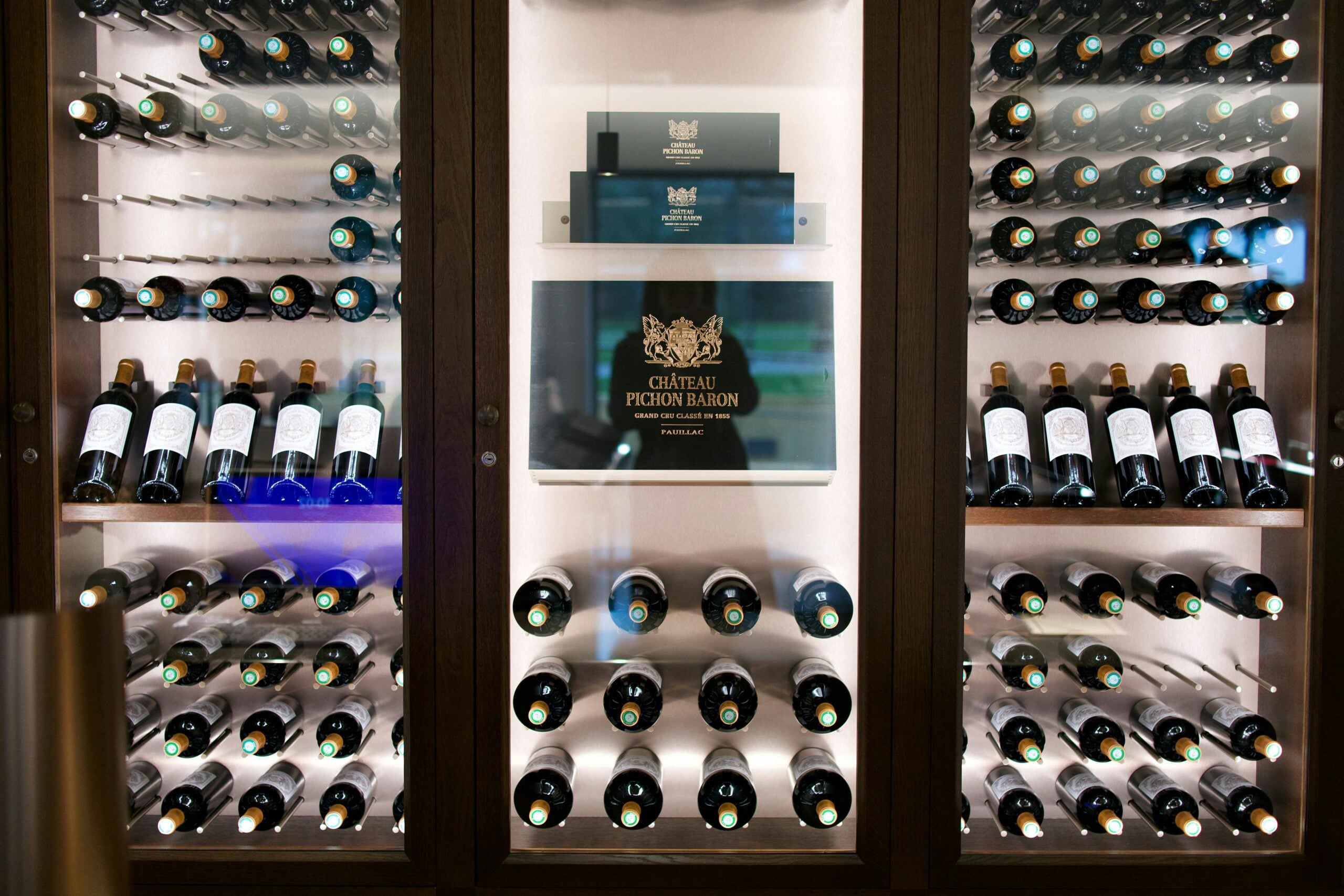
Dedicated bar areas in luxury jets include everything from crystal decanters secured in custom holders to wine refrigerators maintaining different temperature zones for reds and whites. Some jets feature backlit displays for spirits bottles, ice makers that produce crystal-clear cubes, and storage for full glassware sets including champagne flutes and cocktail glasses.
The bar setup often includes mixing surfaces and enough storage for clients who want their preferred spirits stocked regardless of where they’re flying.
Entertainment Systems
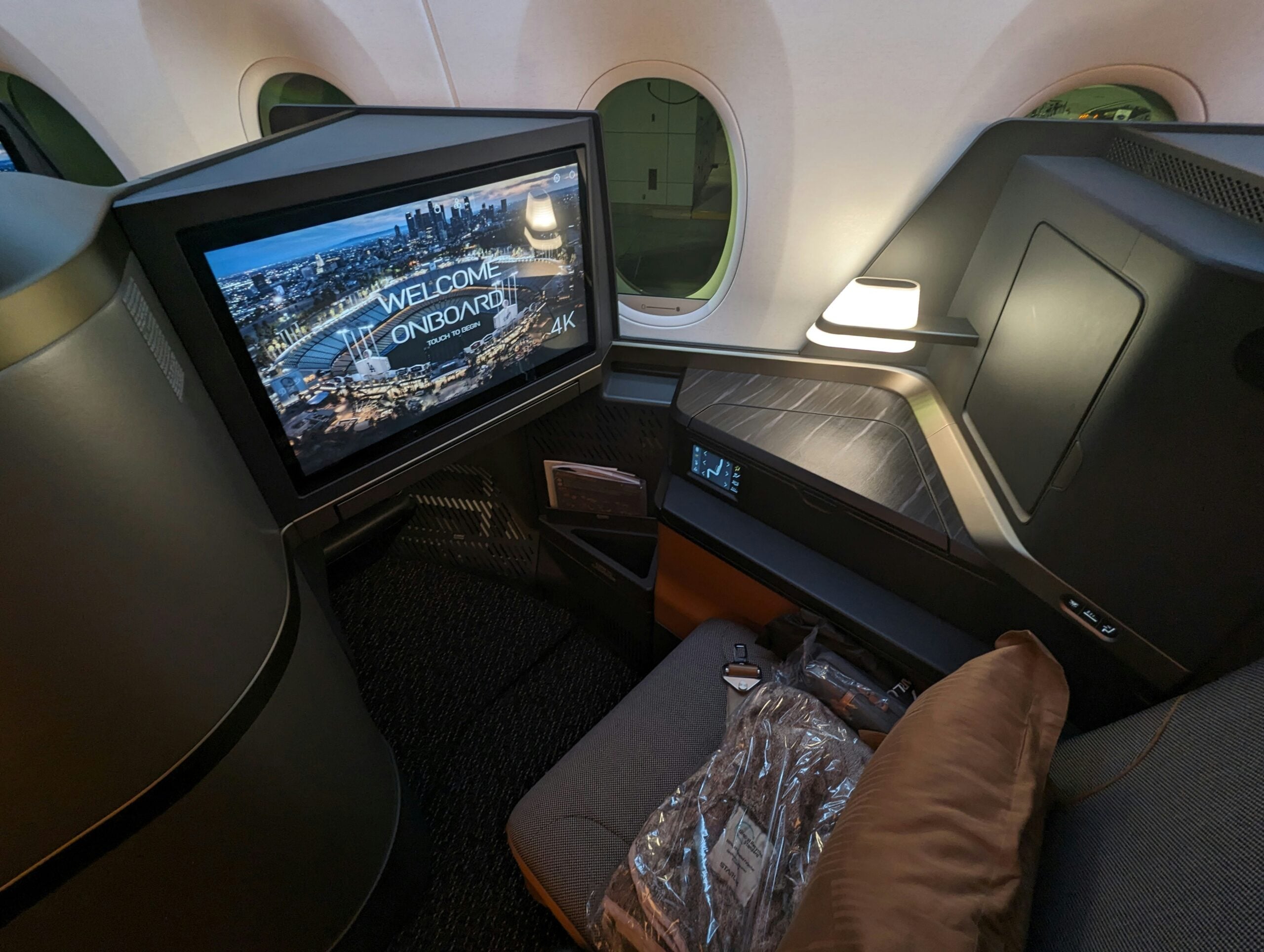
The entertainment options go far beyond seatback screens, with 4K displays up to 55 inches, surround sound systems from brands like Bose or Bang & Olufsen, and satellite connectivity for live TV or streaming. Some jets include gaming systems, karaoke setups, or even projection systems that turn cabin walls into movie theaters.
The technology integrates with cabin management systems that let passengers control everything from a tablet, including selecting their entertainment, adjusting lighting, or ordering food from the galley.
Panoramic Windows

Windows on luxury jets have grown substantially larger than standard commercial aircraft, with some measuring over two feet tall to maximize natural light and views. The Bombardier Global 7500 features the largest windows in business aviation, while the Gulfstream G700 uses 28 panoramic windows throughout the cabin.
These windows include electrochromic dimming that adjusts tint levels electronically instead of using those flimsy plastic shades that always seem to break, giving passengers precise control over brightness while maintaining their view.
When Luxury Takes Flight

The evolution of private jet interiors reflects how the ultra-wealthy view travel—not as time spent getting somewhere but as an extension of their lifestyle that deserves the same attention as their homes or yachts. What started with basic comfort improvements has become an industry where craftsmen and engineers collaborate to solve challenges that don’t exist anywhere else.
These flying residences prove that when budget becomes essentially unlimited, the only real constraint is imagination and physics. The next generation of private jets promises even more innovation, from virtual reality entertainment to materials not yet approved for aviation use, ensuring that luxury at altitude will continue pushing boundaries.
More from Go2Tutors!

- The Romanov Crown Jewels and Their Tragic Fate
- 13 Historical Mysteries That Science Still Can’t Solve
- Famous Hoaxes That Fooled the World for Years
- 15 Child Stars with Tragic Adult Lives
- 16 Famous Jewelry Pieces in History
Like Go2Tutors’s content? Follow us on MSN.