Highest Cable Car Rides With the Best Views
There’s something about leaving the ground that changes how you see the world. Not in a philosophical way — literally.
One moment you’re standing in a car park or a noisy valley town, and the next you’re suspended in glass and steel, watching the earth drop away beneath you. Cable cars do something that hiking never quite can: they hand you the view before you’ve had to earn it.
Some of the world’s cable cars are just transport. But others take you somewhere so high, so exposed, so visually overwhelming, that the ride itself becomes the destination.
Here are the ones worth going out of your way for.
Aiguille du Midi, Chamonix, France
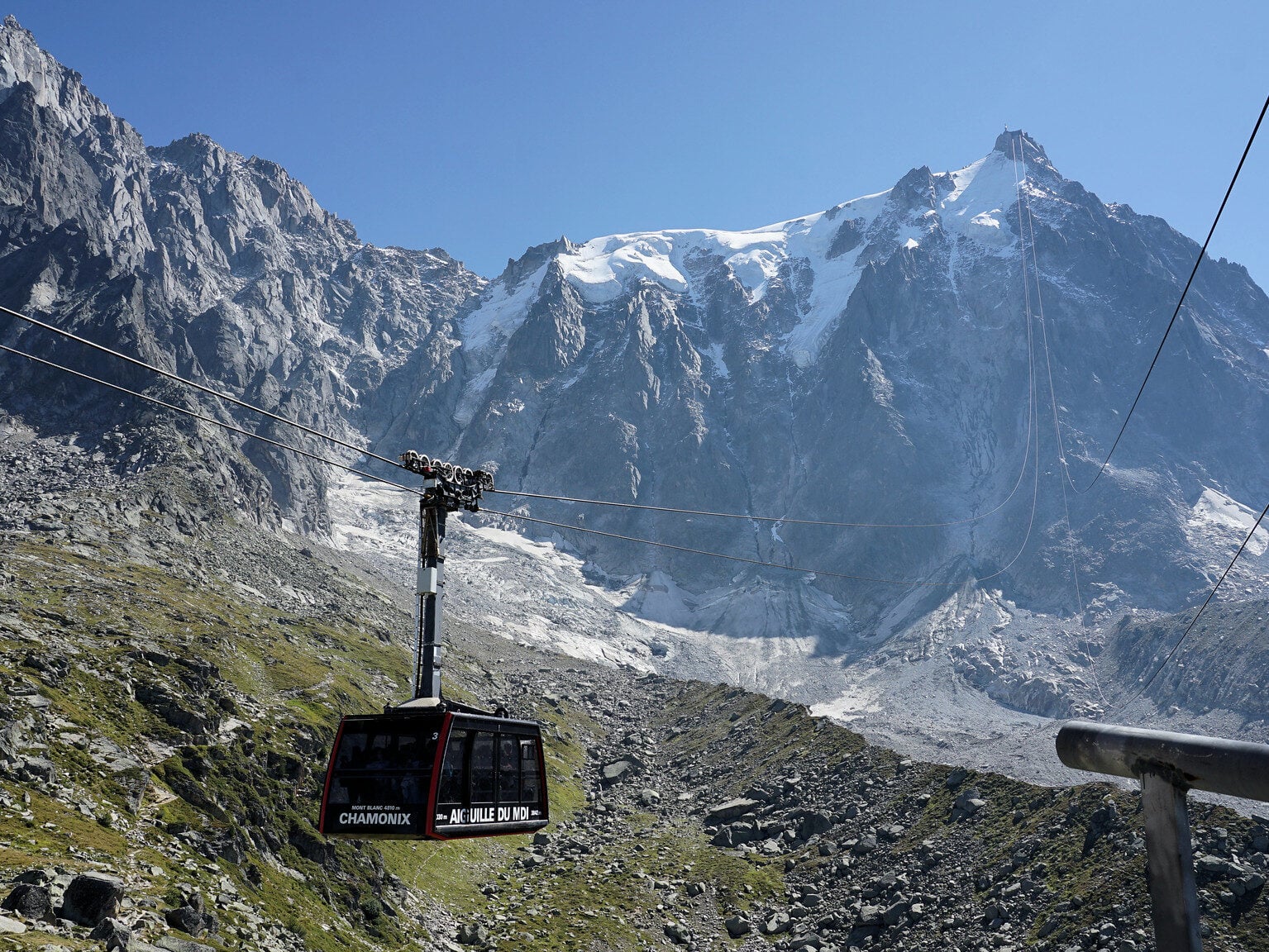
At 3,842 metres above sea level, the Aiguille du Midi cable car doesn’t mess around. The ascent from Chamonix takes about 20 minutes, and in that time the world shrinks from a busy Alpine town into something resembling a model village, then disappears entirely into rock and ice.
At the top, you step out onto a needle of granite with Mont Blanc just across the valley, looking close enough to touch. On a clear day the view stretches across France, Italy, and Switzerland.
There’s a glass-floored “Step into the Void” booth at the summit where you can stand on nothing but air — which either sounds thrilling or terrible depending on your relationship with heights. This is one of the most dramatic cable car ascents anywhere on earth, and the views at the top match the hype.
Matterhorn Glacier Paradise, Zermatt, Switzerland
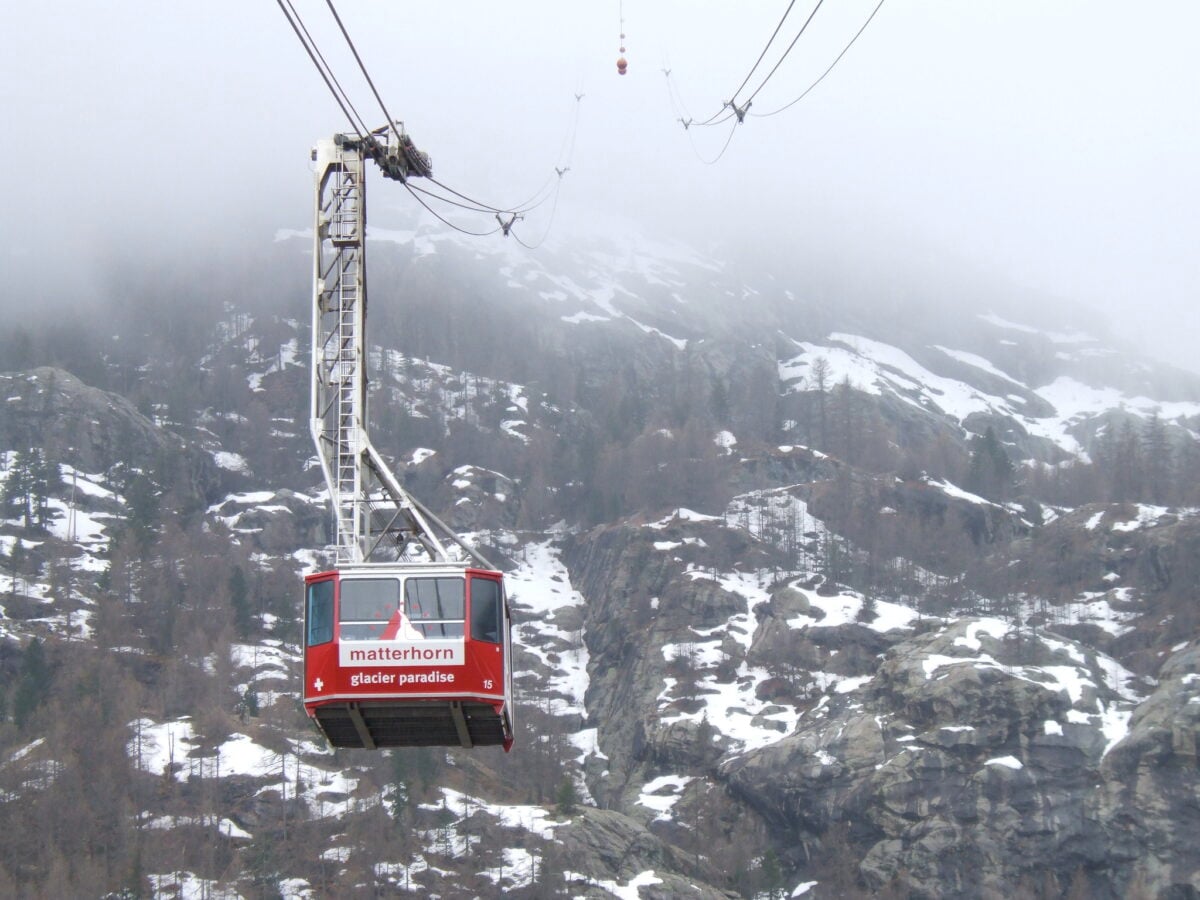
The Swiss know cable cars. They’ve had decades to perfect both the engineering and the positioning, and the Matterhorn Glacier Paradise is their crown jewel.
Running from Zermatt up to 3,883 metres, it’s the highest cable car station in the Alps. The Matterhorn stands right there as you ascend — that unmistakable pyramid of rock that appears on Swiss chocolate and countless travel posters.
Seeing it from this close, and from this height, is different from any photograph. The scale doesn’t translate to images.
At the top, there’s a glacier you can walk on year-round and a panorama that takes in 14 four-thousand-metre peaks.
Vanoise Express, France
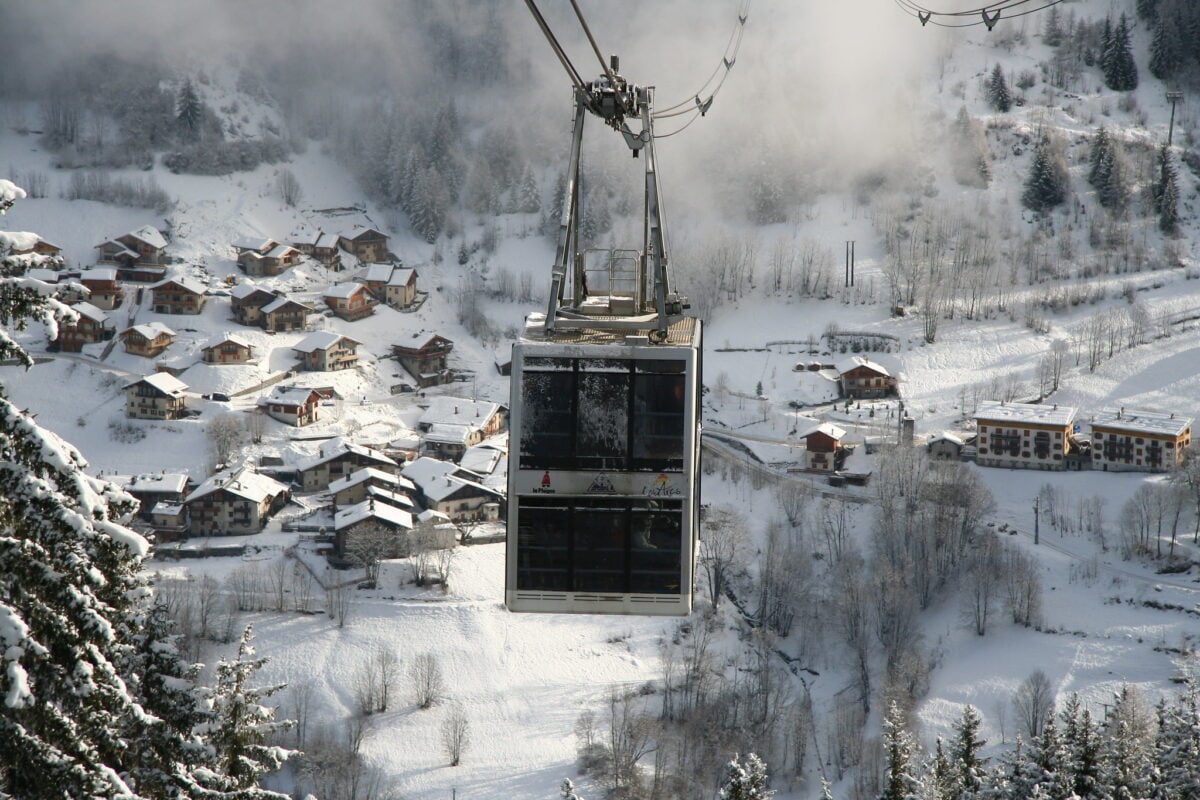
The Vanoise Express holds a record that’s hard to beat: it’s the world’s largest cable car, carrying up to 200 people in each of its two double-decker cabins. It runs between the ski resorts of La Plagne and Les Arcs in the French Alps, spanning a valley 380 metres deep.
The cabins are glassed on three sides, so there’s no hiding from the view. Below you, the valley floor is so far down it barely registers as real.
The ride lasts about four minutes, and the combination of scale — the sheer size of the cabin, the vast drop — makes it unlike anything else.
Whistler Peak 2 Peak Gondola, British Columbia, Canada
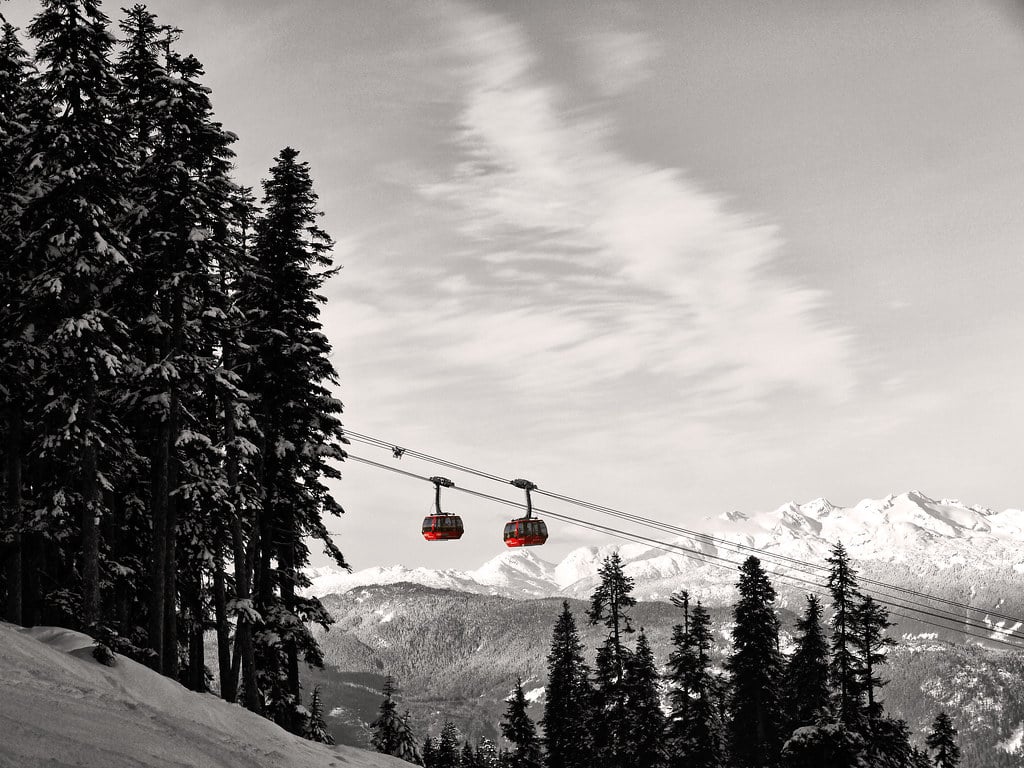
The Peak 2 Peak connects Whistler Mountain and Blackcomb Mountain in British Columbia, and it does so in a way that feels slightly absurd. The cable stretches 4.4 kilometres between the two peaks.
The highest point of the ride sits 436 metres above the valley floor — higher than most skyscrapers. Two of the gondolas have glass floors, which are worth waiting for if you can.
The view takes in glaciers, old-growth forest, and the mountain towns below. British Columbia has no shortage of dramatic scenery, but this ride puts it in a frame.
Sugarloaf Mountain, Rio de Janeiro, Brazil
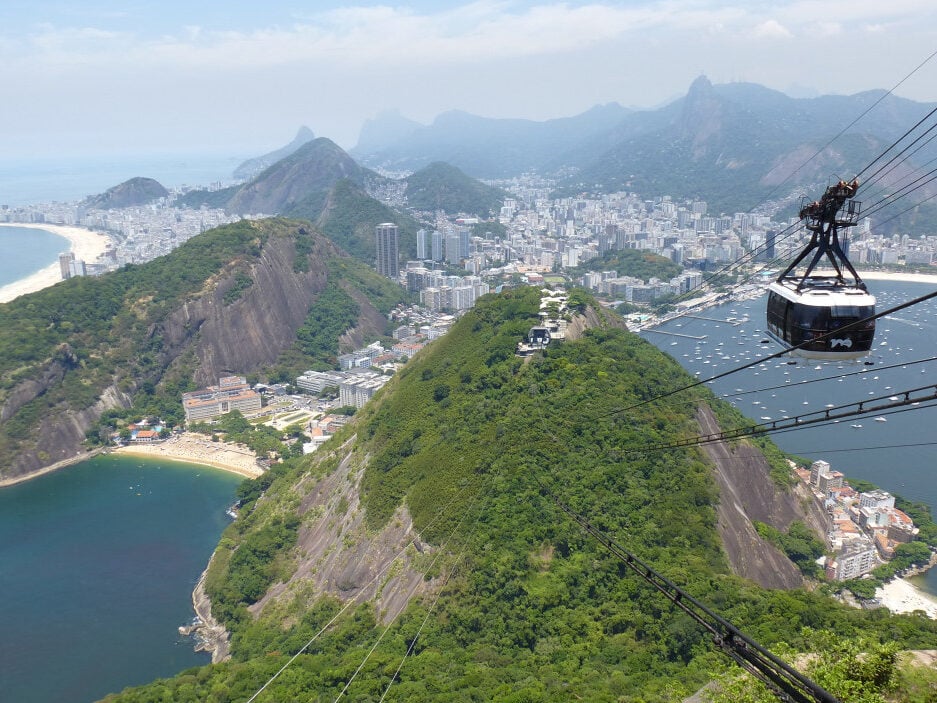
Not every great cable car ride is in the Alps. Sugarloaf Mountain in Rio is one of the most famous rides in the world, partly because the setting is so unexpected.
The cable car rises from the neighbourhood of Urca up to the summit of Pão de Açúcar, and on the way it crosses over Guanabara Bay. Rio spreads out in every direction — the beaches, the city, Corcovado with Christ the Redeemer in the distance, the mountains behind, and the ocean ahead.
The ride happens in two stages, stopping at Morro da Urca before continuing to the summit. By the time you get to the top, the city feels like a map.
Table Mountain Aerial Cableway, Cape Town, South Africa
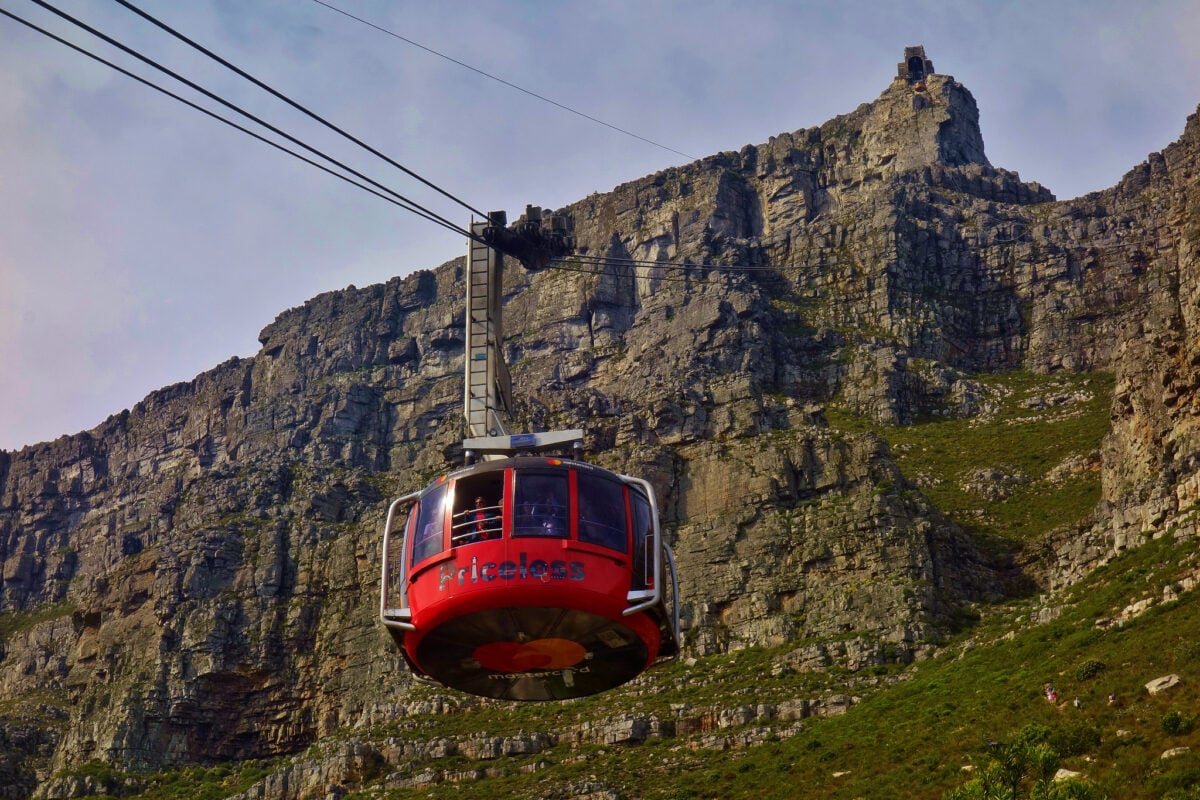
The Table Mountain cable car takes you somewhere that doesn’t look like it belongs on earth. The flat-topped mountain rises straight out of the Cape Peninsula, and from the summit you can see two oceans — the Atlantic and the Indian — on a clear day.
The cable cars rotate 360 degrees on the way up, which means everyone gets a view of the city, the ocean, and the mountain simultaneously. The ascent takes about five minutes.
What you find at the top is a plateau of fynbos — a dense, ancient scrubland found nowhere else on earth — stretching out under an enormous sky.
Jade Dragon Snow Mountain, Yunnan, China
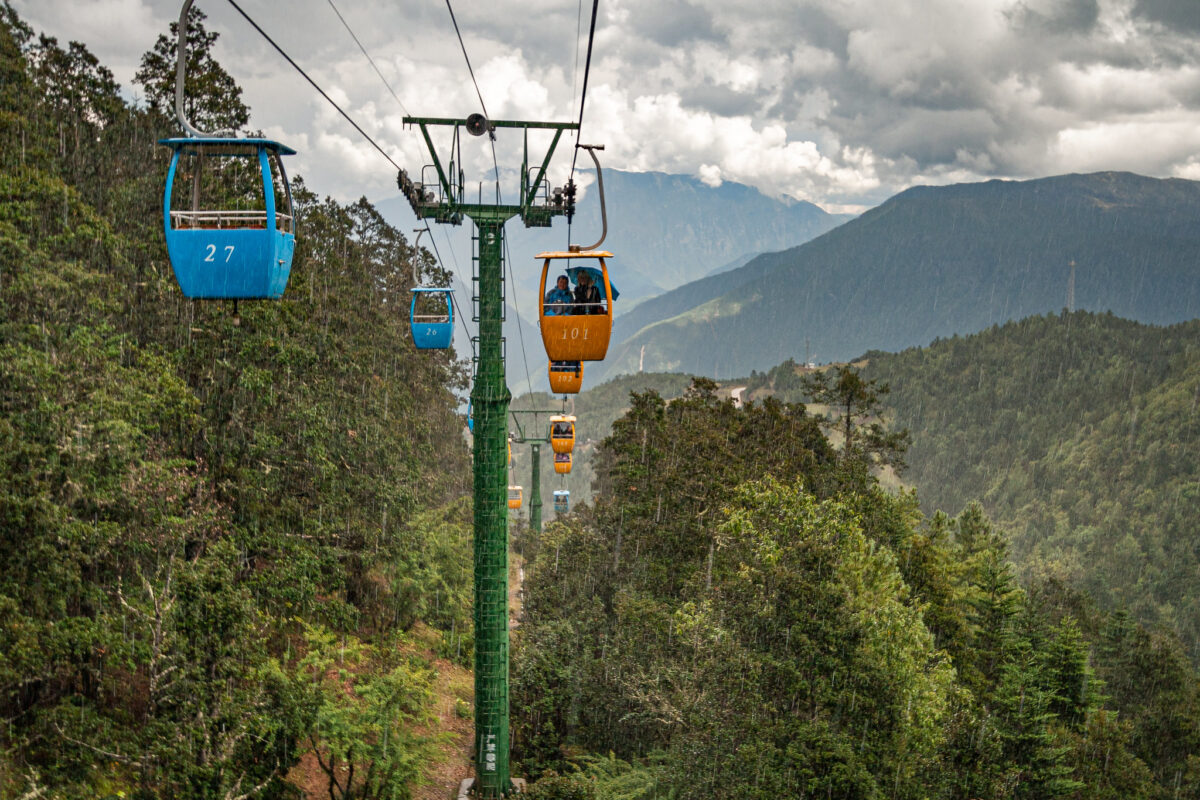
The cable car to the top of Jade Dragon Snow Mountain in Yunnan province climbs to 4,506 metres — higher than any peak in the Alps. The mountain is sacred to the Naxi people, and it sits above the town of Lijiang, visible from miles away.
The ride passes through multiple climate zones. You start in subtropical greenery and end on a glacier surrounded by snow.
The altitude is real — many visitors feel it, and oxygen canisters are sold at the base station. But the views of the snow-covered peaks and the Yunnan plateau below are worth the adjustment period.
Dachstein Glacier Cable Car, Austria
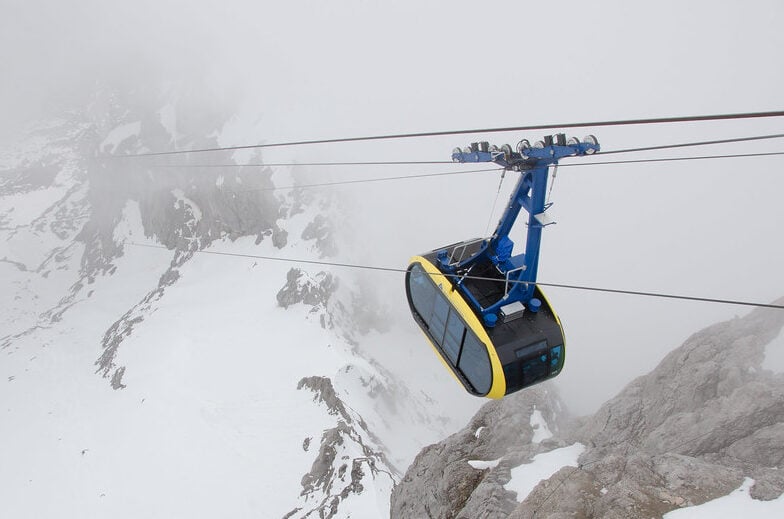
Austria’s Dachstein massif is one of those places that looks computer-generated. The glacier cable car climbs to over 2,700 metres, where the ice plateau stretches out flat and white in every direction.
The Dachstein peak looms above, and on clear days the view reaches across the Salzkammergut lakes far below. What makes this one interesting is the contrast.
The valley below is all green meadows and wooden farmhouses. Up top it’s another world entirely — white, silent, cold, and almost completely still.
Titlis Rotair, Engelberg, Switzerland
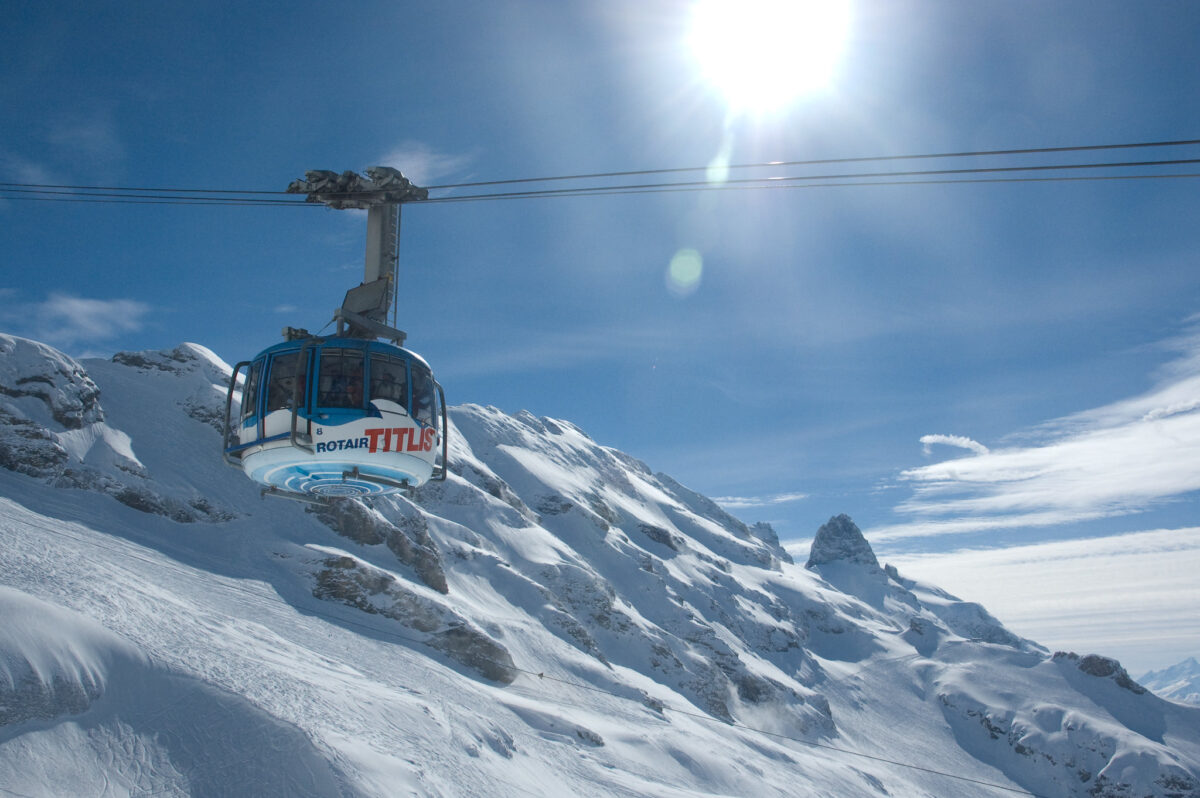
The Titlis Rotair earns its name. It’s the world’s first rotating cable car, completing a full 360-degree turn during the ascent to the Titlis glacier above Engelberg.
This isn’t a gimmick — the rotation means you see the entire landscape as you rise, including the vertical cliff faces that most cable cars just face away from. At the top, the glacier terrace sits at 3,020 metres.
There’s a suspension bridge crossing a crevasse, an ice cave cut into the glacier, and the kind of panoramic view across Central Switzerland that makes you understand why this country takes its mountains so seriously.
Sandia Peak Tramway, New Mexico, USA
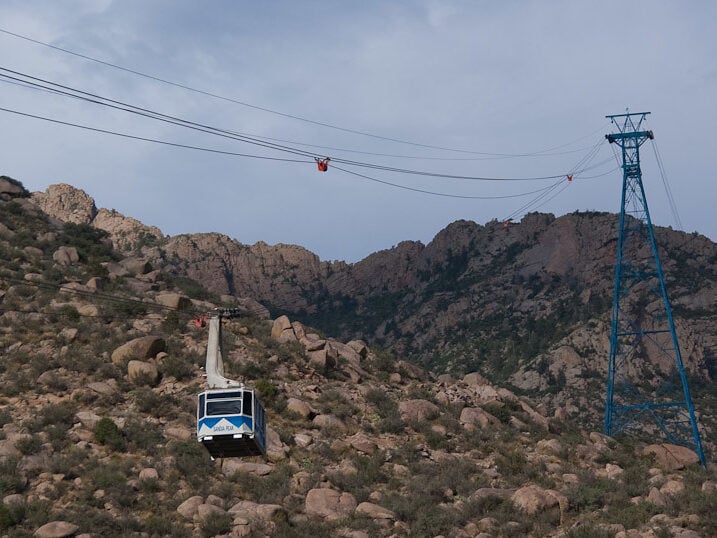
Most people don’t think of New Mexico when they think of cable cars. The Sandia Peak Tramway outside Albuquerque is one of the longest aerial tramways in North America, and it rises over 1,000 metres in a single unbroken span.
From the base in the desert, you’re surrounded by scrub and dry air. By the top — at just over 3,250 metres — you’re in a dense conifer forest, and the view back down over Albuquerque and the Rio Grande valley is genuinely stunning.
The desert city looks impossibly flat and vast from up here.
Ngong Ping 360, Lantau Island, Hong Kong
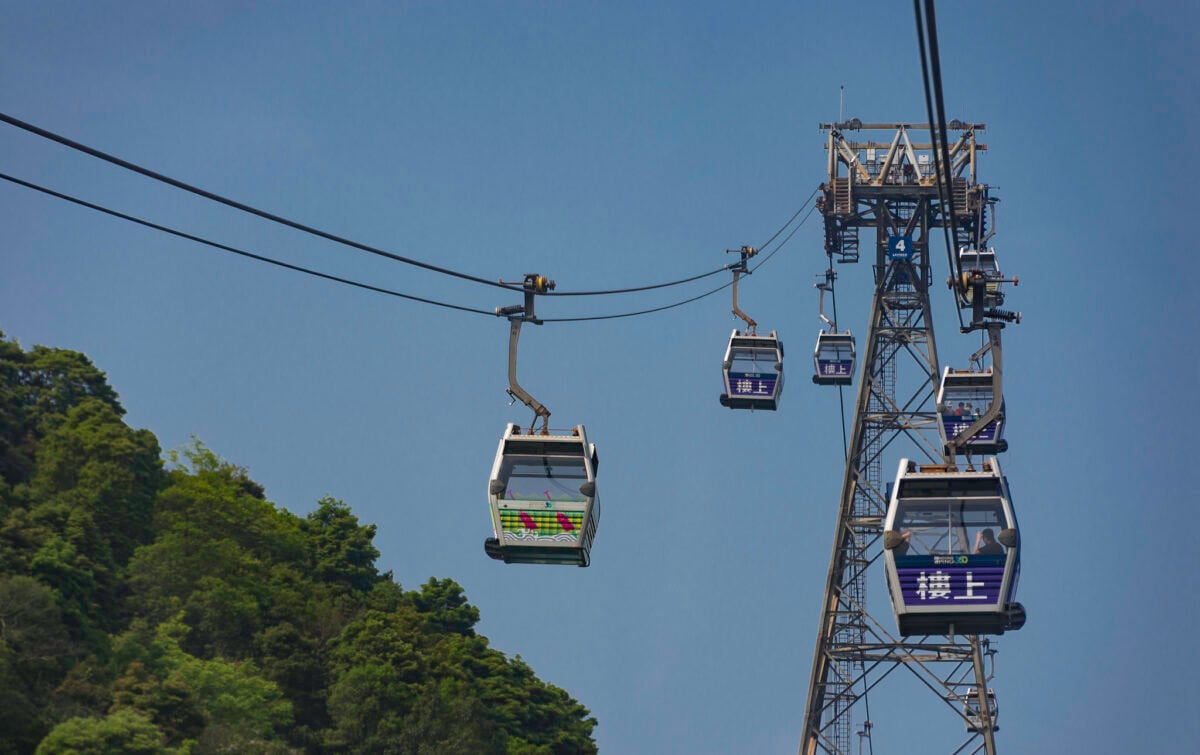
The Ngong Ping gondola on Lantau Island travels 5.7 kilometres from Tung Chung to the Ngong Ping plateau, home to the famous Tian Tan Buddha. The ride takes 25 minutes each way.
Crystal cabins with glass floors are available, and the view on the way up takes in the South China Sea, the mountains of Lantau, and Hong Kong International Airport below. The destination — a hilltop monastery surrounded by mountains — gives the journey an extra layer of purpose.
Palm Springs Aerial Tramway, California, USA
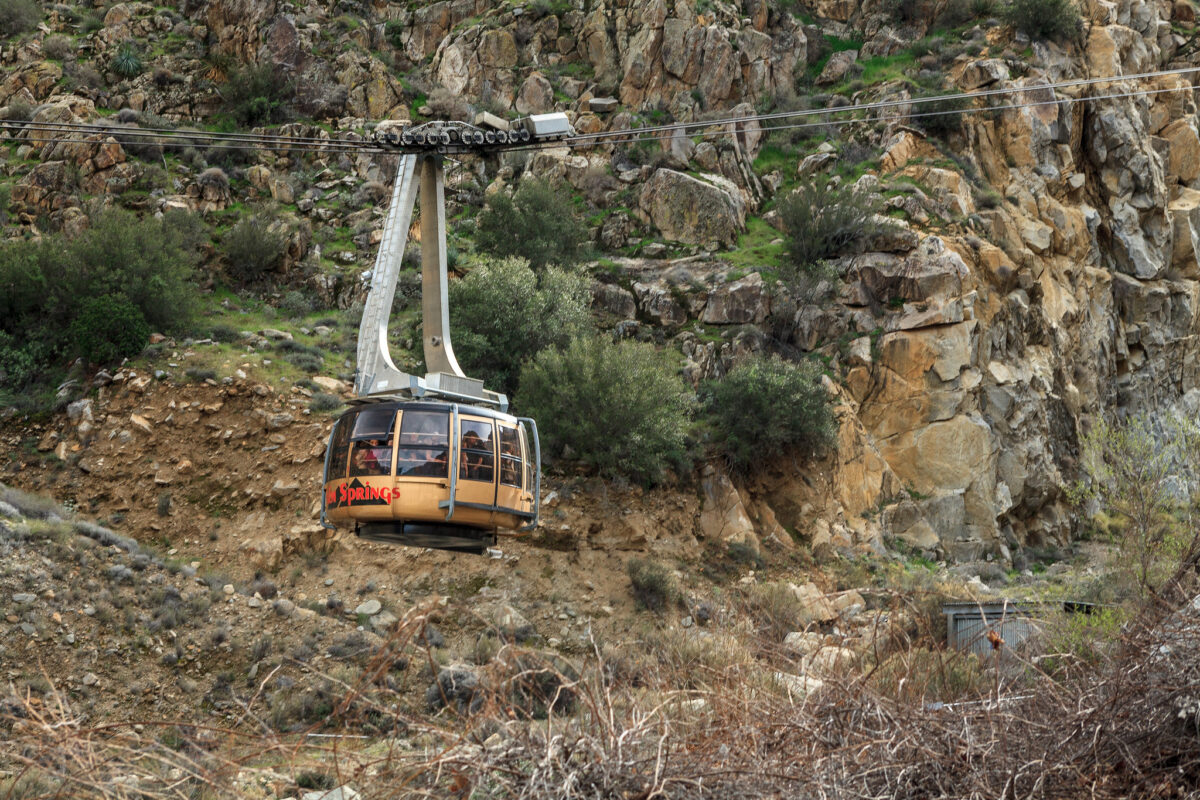
The Palm Springs Aerial Tramway in California is one of those experiences that works on a simple principle: start in the desert, end in the forest. The cable car leaves from the base of the San Jacinto Mountains when it’s hot and dry at the floor of the Coachella Valley, and in ten minutes you’re at 2,596 metres where the temperature drops by 30 degrees and pine trees appear.
The valley view from the top is enormous. The desert stretches out for miles in every direction, and on clear days you can see into Mexico.
The contrast between where you started and where you are is striking in a way that few cable car rides can match.
Mont Blanc Express / Skyway Monte Bianco, Italy
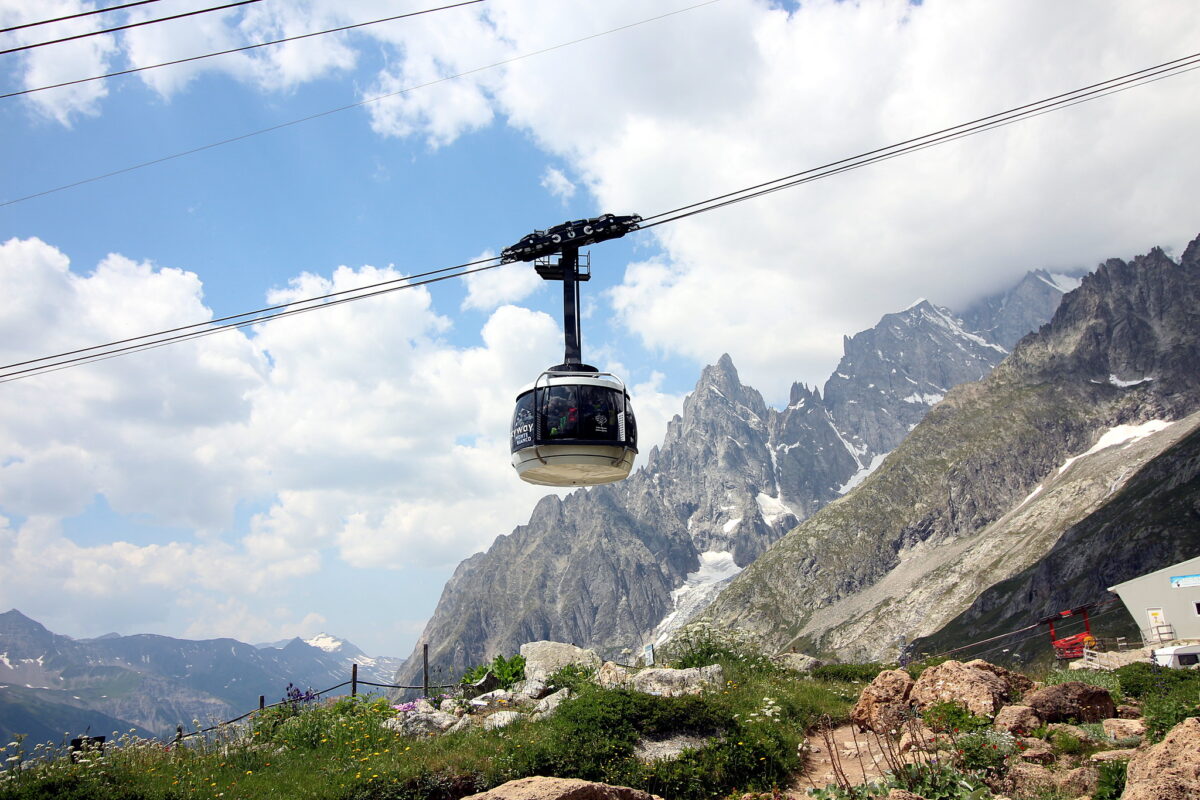
On the Italian side of Mont Blanc, the Skyway Monte Bianco runs from Courmayeur up to Punta Helbronner at 3,466 metres. Like the Titlis Rotair, the cabins rotate — a full revolution per trip — so you see the mountain from every angle on the way up.
The view at the top stretches across the Italian Alps toward the Matterhorn and Gran Paradiso. Looking back toward the mountain, the glaciers of Mont Blanc descend in slow, ancient waves.
It’s one of the quieter sides of the Alps, and that adds something to the experience. Fewer crowds, more space to actually look.
Where the Ground Falls Away
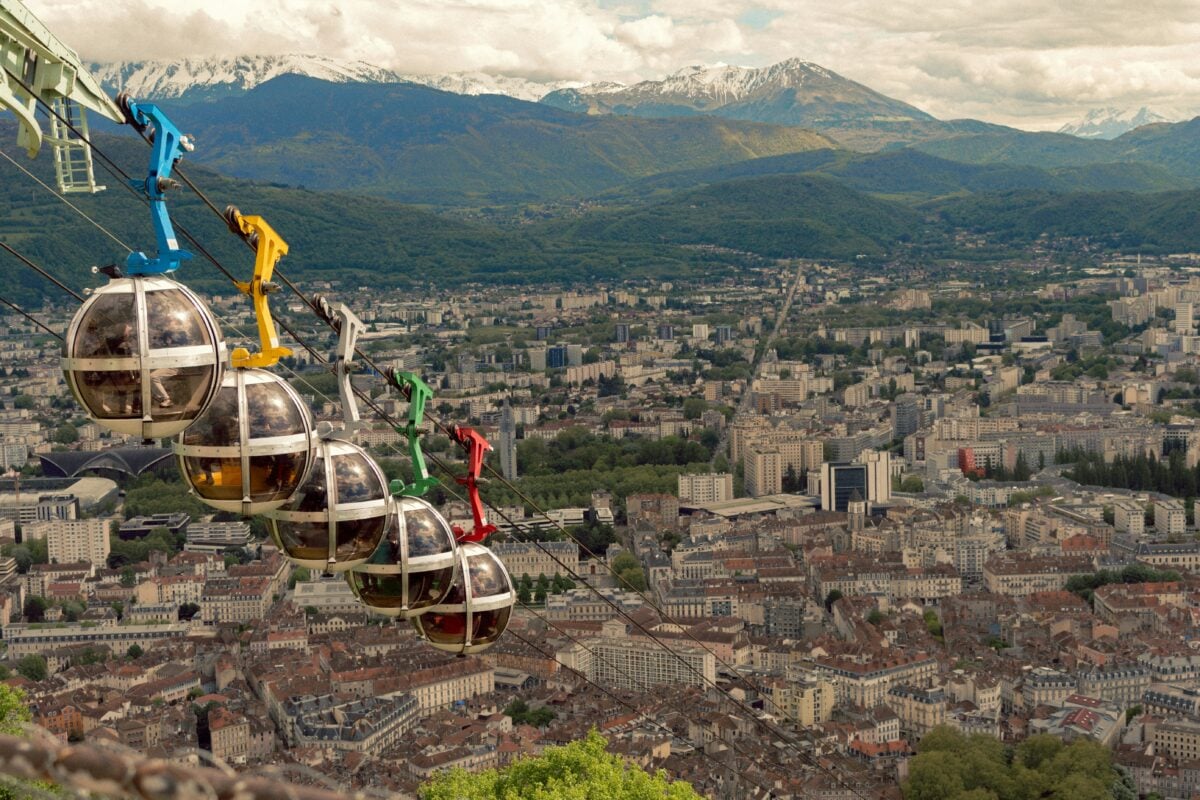
There’s a moment on most of these rides when the cable car clears the last ridge or treeline and the full view opens up. It happens fast. One second you’re watching a rock face pass close by the window, and the next you’re suspended over something vast and still.
That moment is the same whether you’re above the Coachella desert or a Swiss glacier or the lights of Rio. The world drops away, the cable holds, and for a few minutes there’s nothing between you and the horizon.
That’s what these rides are for.
More from Go2Tutors!

- The Romanov Crown Jewels and Their Tragic Fate
- 13 Historical Mysteries That Science Still Can’t Solve
- Famous Hoaxes That Fooled the World for Years
- 15 Child Stars with Tragic Adult Lives
- 16 Famous Jewelry Pieces in History
Like Go2Tutors’s content? Follow us on MSN.