17 Bizarre Transportation Laws from Around the World
Globally, transportation laws differ greatly, with some nations imposing rules that may appear entirely nonsensical to foreigners. The majority of traffic laws are in place to maintain safety and order, but some seem to have developed as a result of odd historical events or cultural peculiarities.
These 17 genuinely strange transportation laws from various nations may leave you perplexed or laughing at their strangeness.
No Driving Without A Shirt in Thailand

In Thailand, drivers can be fined for not wearing a shirt while operating a motor vehicle. This law applies to both cars and motorcycles, and police officers actively enforce it, particularly in tourist areas.
This regulation stems from the country’s emphasis on proper public appearance and respect for cultural norms.
Keeping Your Car Clean in Russia

Russian authorities can fine drivers whose cars are excessively dirty. The law specifically targets vehicles where the license plate is obscured by mud or grime.
While seemingly strict, the regulation has practical applications during the harsh winter months when salt and slush can make identifying vehicles difficult for law enforcement.
No Eating While Driving in Cyprus
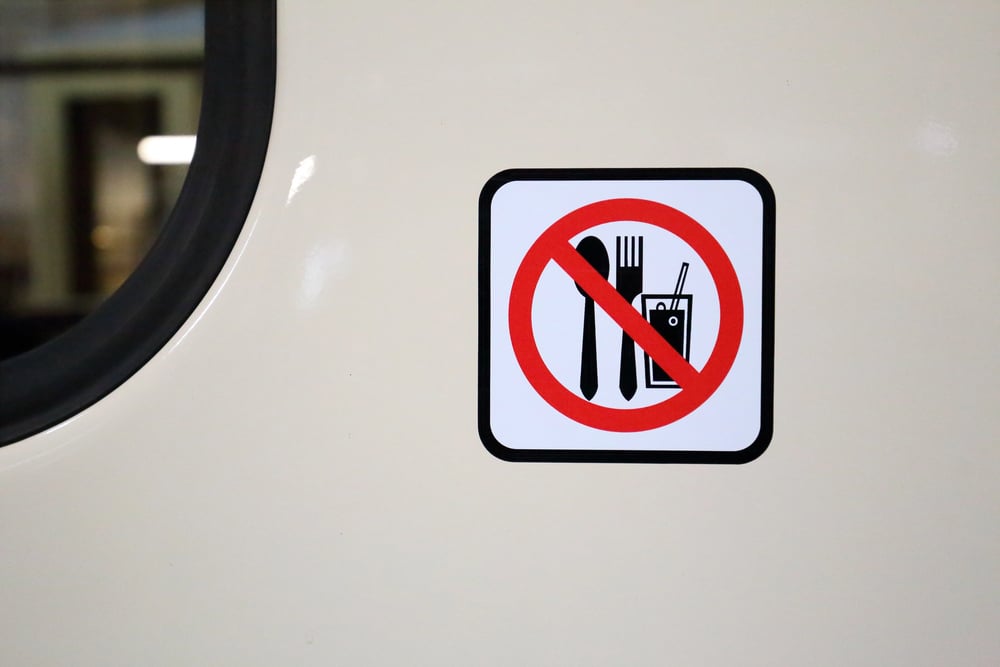
Cyprus has strict regulations against eating while driving and authorities consider it a form of distracted driving similar to using a mobile phone. Drivers who are caught snacking behind the wheel can face substantial fines, regardless of how minor the food item might be.
Mandatory Car Breathalyzers in France

Every driver in France is obliged to keep a breathalyzer in their car at all times. This law was put into place to promote self-testing and lower the number of drunk-driving accidents.
The requirement theoretically still exists, resulting in an odd gray area in French transportation legislation, even if the fee for non-compliance was subsequently removed.
No Running Out of Gas on German Autobahns
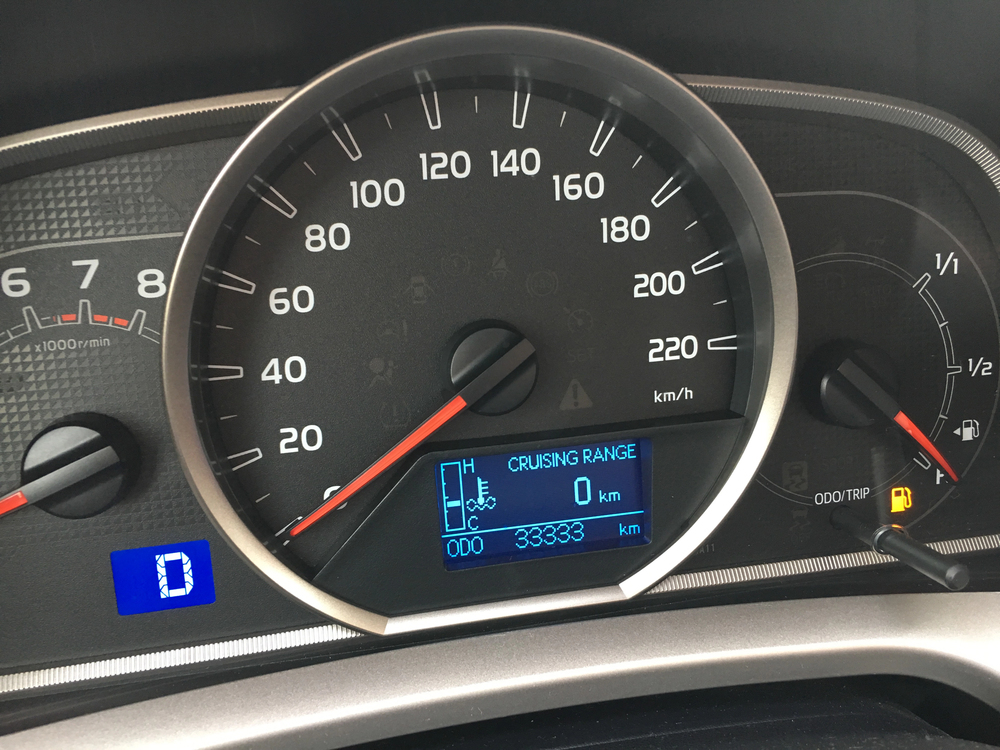
Running out of fuel on Germany’s renowned Autobahn is not only inconvenient, but it is also against the law. It makes sense: a stalled car poses a serious risk to public safety on these fast-moving routes.
Drivers who pull over because of avoidable fuel shortages risk fines and liability for any incidents or other hazards on the road.
No Driving in Flip-Flops in Spain
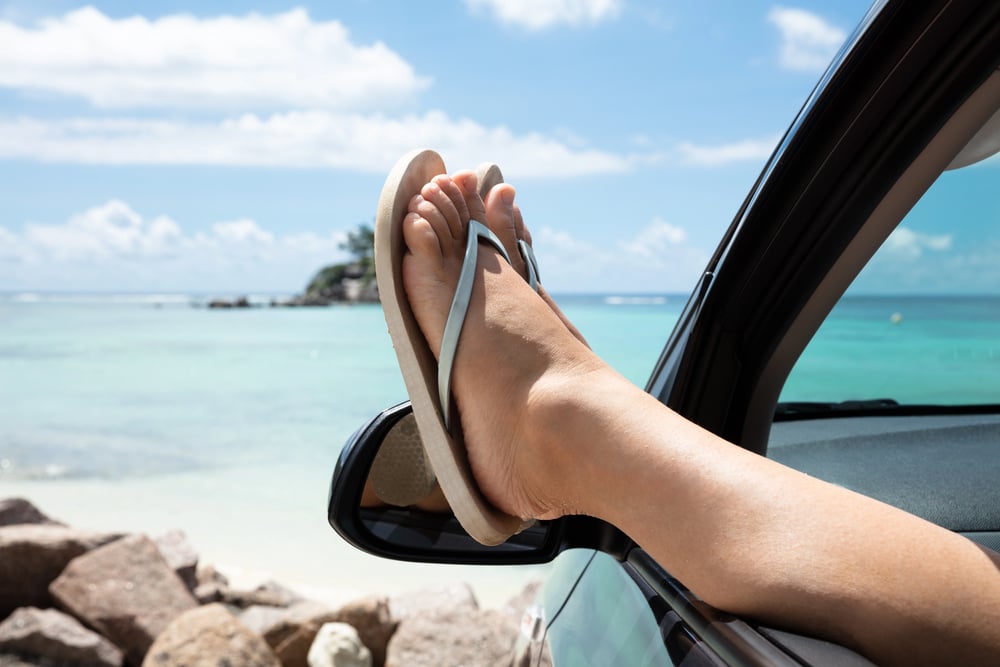
Inappropriate footwear, such as flip-flops, high heels, or being barefoot, can result in fines for Spanish drivers. Authorities view such footwear as dangerous since it can fall off pedals or obstruct proper vehicle control, even if it may seem absurd.
The rule pertains to more general guidelines for keeping complete control of your car.
Mandatory Winter Tires in Finland
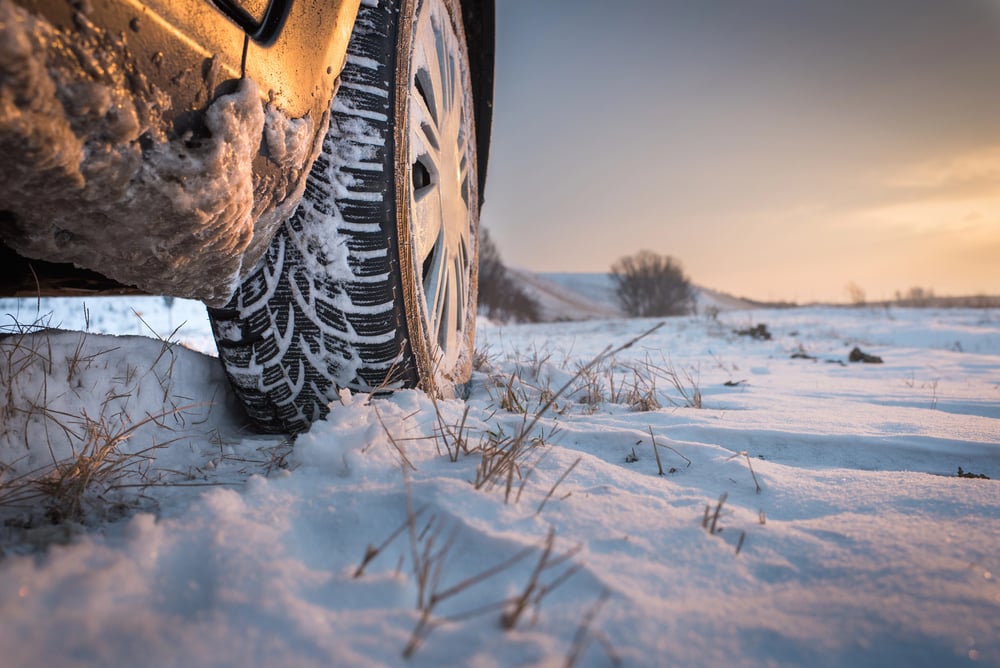
Regardless of the actual temperature, winter tires are required by Finnish law from December through February. Driving without them can result in hefty fines, and insurance companies may deny claims for wintertime accidents using summer tires.
Finland’s practical response to its severe winter climate is reflected in the statute.
No Splashing Pedestrians in Japan
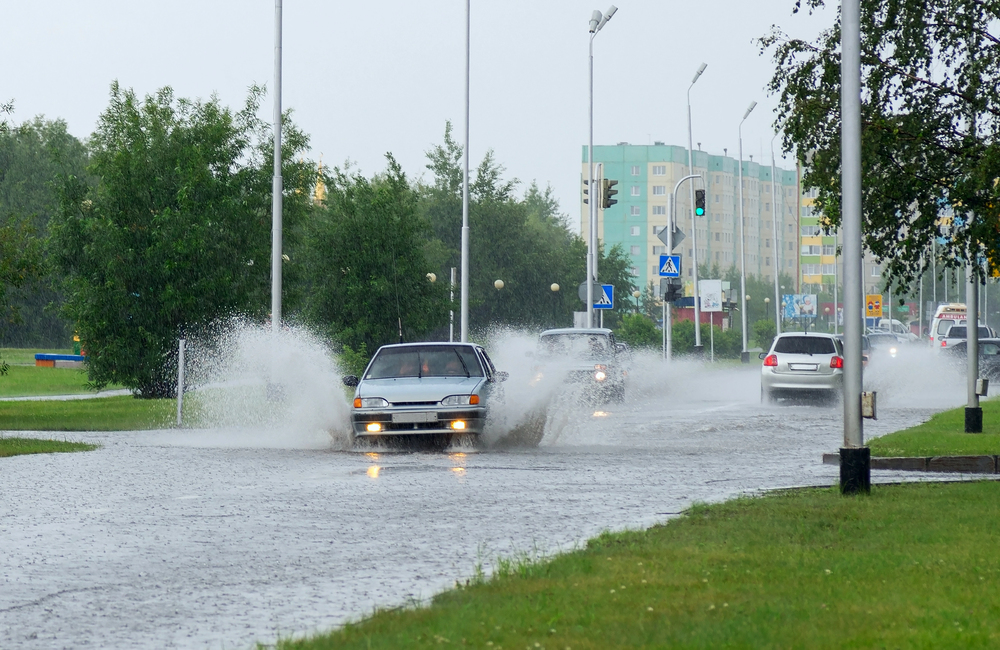
Japanese drivers can be penalized for splashing pedestrians when driving through puddles. This considerate regulation protects pedestrians from getting soaked by passing vehicles.
Fines can also increase significantly if the splashing appears deliberate rather than accidental.
Car Horn Restrictions in Switzerland
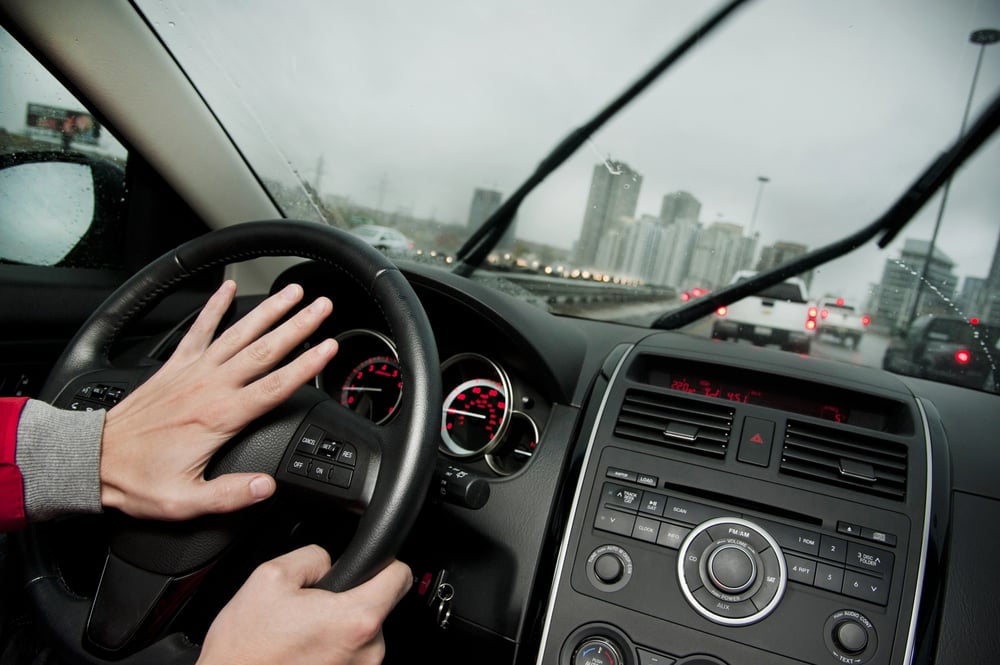
Switzerland prohibits honking your horn in residential areas after dark. The law aims to maintain peace and quiet during nighttime hours.
Swiss authorities usually take noise pollution very seriously, and violations can oftentimes result in substantial fines regardless of the circumstances.
No Driving in Central London Without Paying
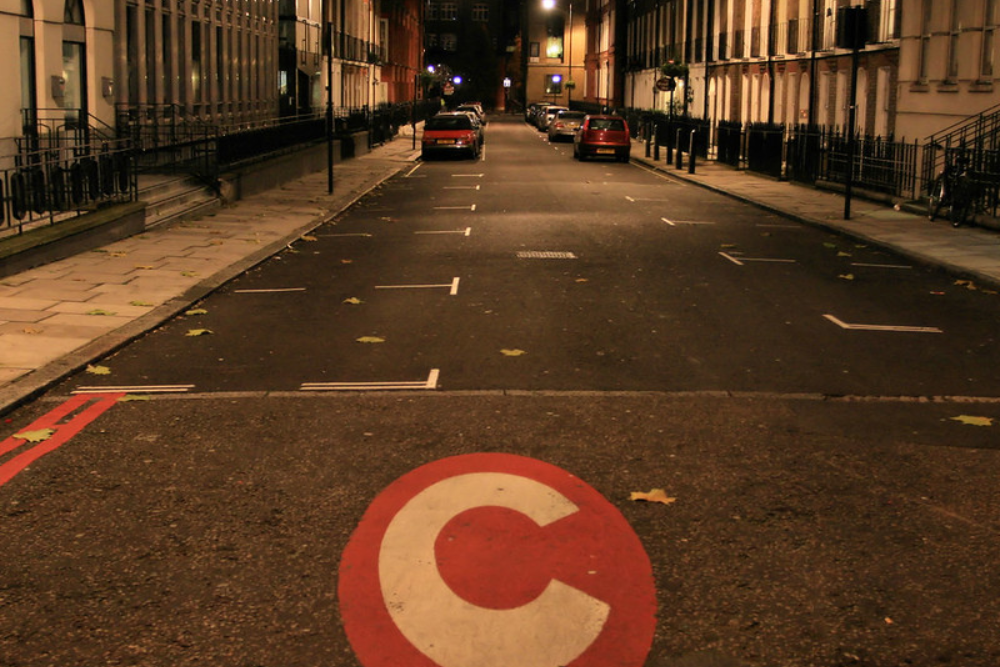
London’s Congestion Charge Zone requires drivers to pay a daily fee to enter central parts of the city during working hours. The system uses automatic number plate recognition cameras to enforce compliance.
While not unusual in concept, the strictness of enforcement and substantial penalties make it notorious among unwary tourists.
Required Emergency Equipment in Spain

Spanish law mandates that drivers carry two warning triangles, a reflective vest, and a spare set of bulbs for their vehicle at all times. Failure to produce these items during a police stop can result in immediate fines.
What this law aims to improve is general roadside safety especially during breakdowns.
The ‘One Headlight Off’ Law in Sweden

Sweden once required drivers to keep one headlight turned off during daylight hours to conserve energy. Though this peculiar law has since been repealed, it represents one of the more unusual approaches to energy conservation in transportation history.
Modern Swedish vehicles now use daytime running lights instead.
No Eating Durian on Public Transport in Singapore

Singapore strictly prohibits bringing durian fruit onto public transportation. The notoriously pungent fruit’s smell is so powerful that authorities decided to ban it entirely from buses, trains, and taxis.
Violators are liable to face hefty fines and potential removal from the transport system.
Mandatory Dashcams in Russia
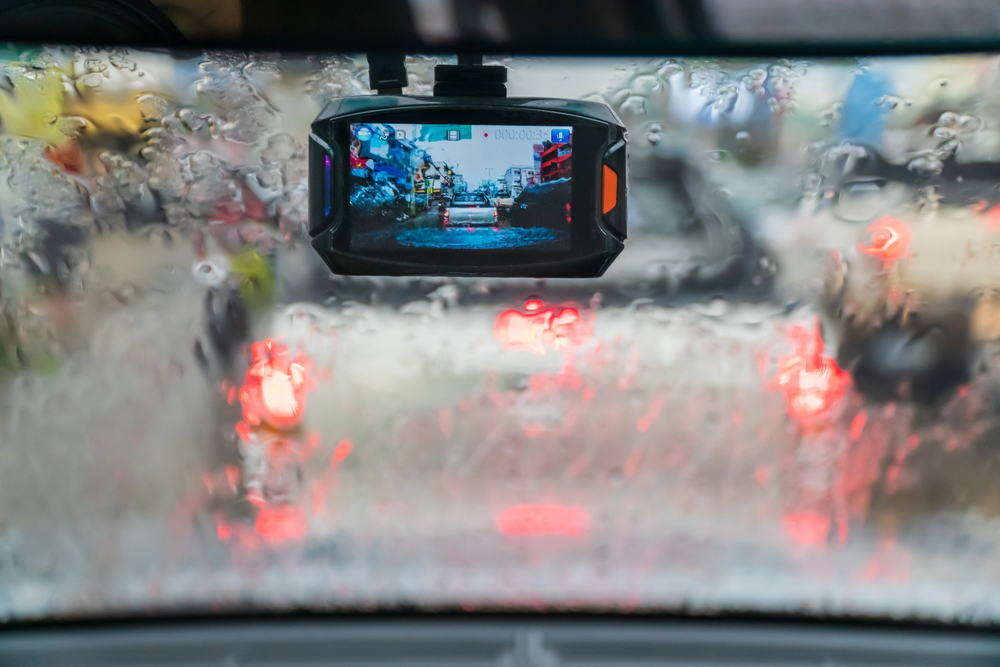
Russian law strongly encourages, though doesn’t strictly mandate the use of dashcams. The prevalence of insurance fraud has made dashcam footage nearly essential for proving innocence in traffic incidents.
This unofficial requirement has generated countless viral videos of spectacular crashes and unusual roadside events.
No Left Turns in New York City
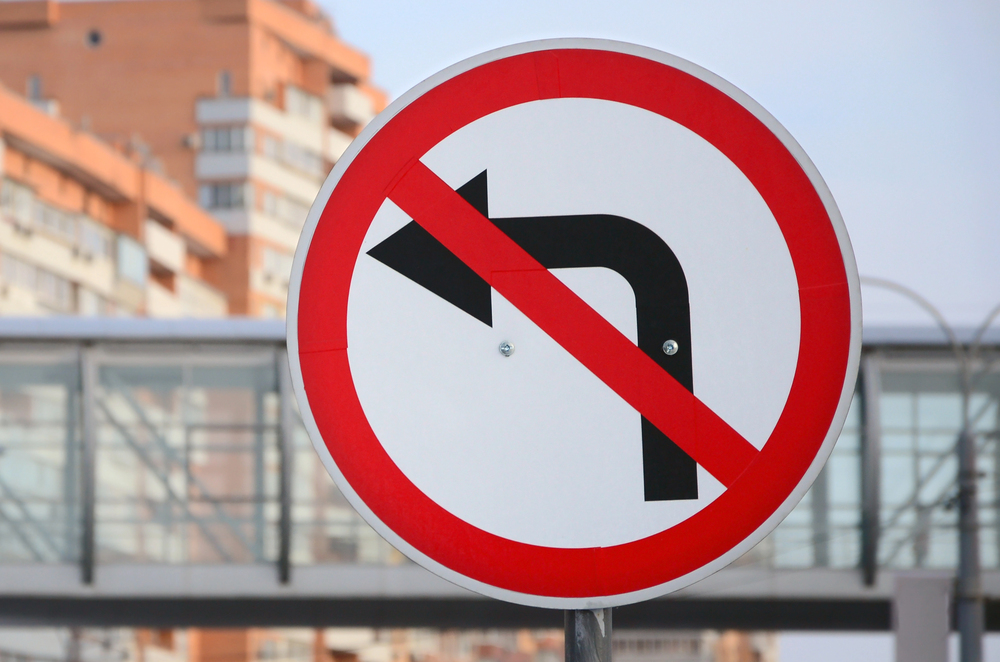
A lot of major intersections in New York City actually prohibit left turns during specific hours or permanently. This regulation has been able to reduce congestion and accidents at busy intersections.
Studies have also shown that eliminating left turns significantly improves traffic flow and reduces pedestrian accidents in dense urban environments.
The Clean Air Zone in Beijing
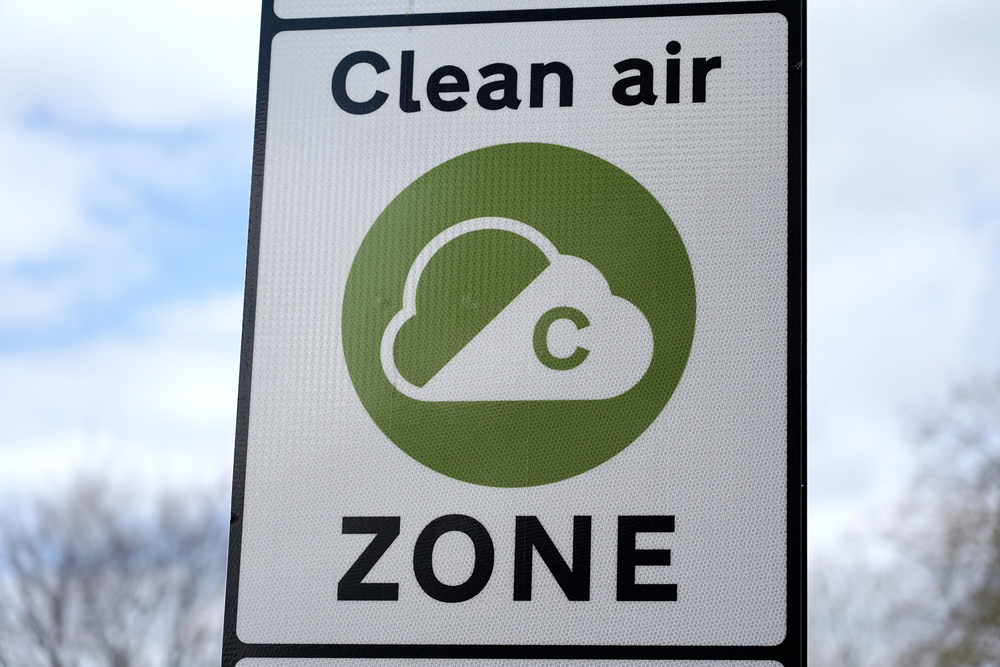
Beijing enforces odd-even license plate restrictions, which limit driving to cars with license plates that end in odd or even numbers on alternate days during periods of extreme air pollution. Serious fines are imposed for violations.
In times of severe pollution, the system significantly lowers traffic volume and related emissions.
No Car Washing on Sundays in Switzerland

Swiss municipalities often forbid washing your car on Sundays due to noise ordinances and traditional day-of-rest observances. This restriction also extends to other noisy activities as well, reflecting Switzerland’s cultural emphasis on maintaining community tranquility during weekends.
The Long Road Ahead
These unusual transportation laws remind us that driving regulations reflect local values, priorities, and unique circumstances. While some may seem excessive or peculiar to outsiders, most serve specific cultural or practical purposes in their respective regions.
Understanding these laws not only helps travelers avoid unexpected fines but also provides fascinating insights into different societies’ approaches to public safety and order.
More from Go2Tutors!

- The Romanov Crown Jewels and Their Tragic Fate
- 13 Historical Mysteries That Science Still Can’t Solve
- Famous Hoaxes That Fooled the World for Years
- 15 Child Stars with Tragic Adult Lives
- 16 Famous Jewelry Pieces in History
Like Go2Tutors’s content? Follow us on MSN.



