15 Key Figures Who Stepped Away at Critical Times
Sometimes history is shaped not by action but by retreat. Leaders, monarchs, and visionaries have all surprised the world by walking away when they seemed indispensable. Here’s a list of key figures who stepped aside at pivotal moments—decisions that altered the course of events simply because they chose not to stay.
George Washington
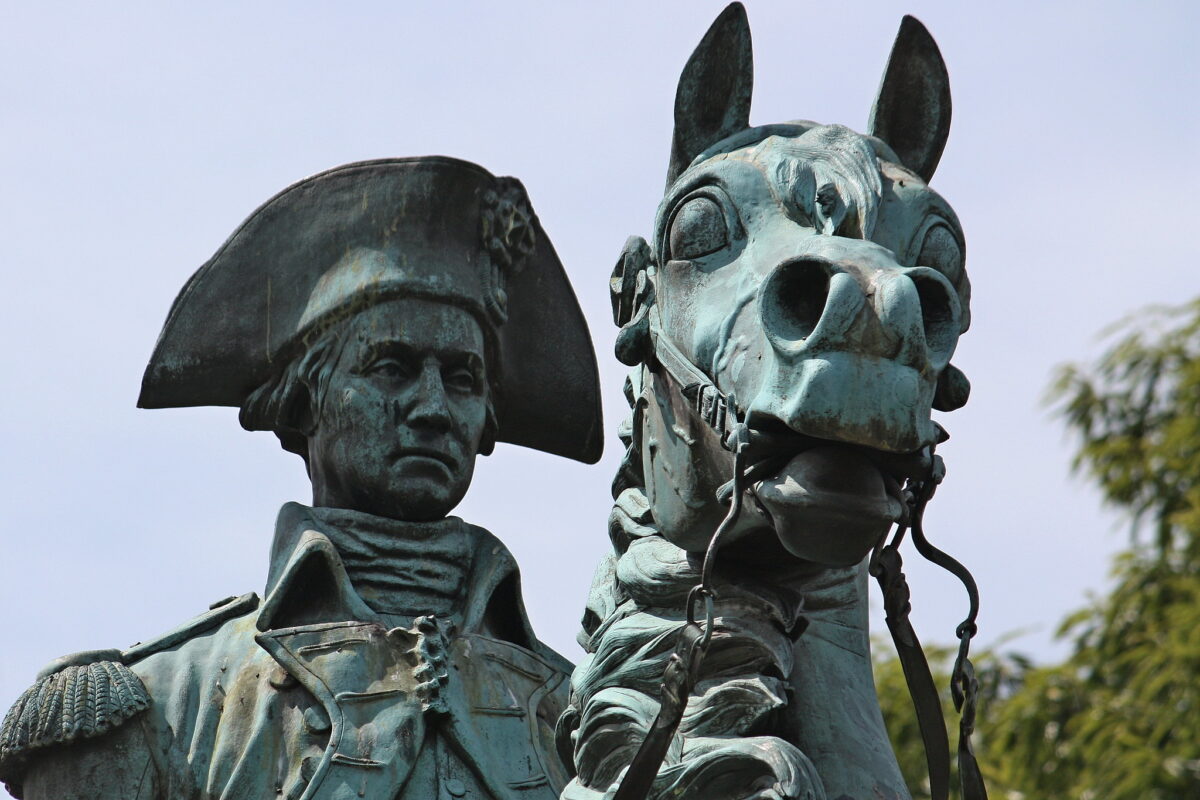
After leading America through independence, Washington stunned the nation by refusing a third term. He could have clung to power, but instead he left.
That exit created a precedent far stronger than any law. Quiet restraint, yet monumental impact.
Pope Benedict XVI
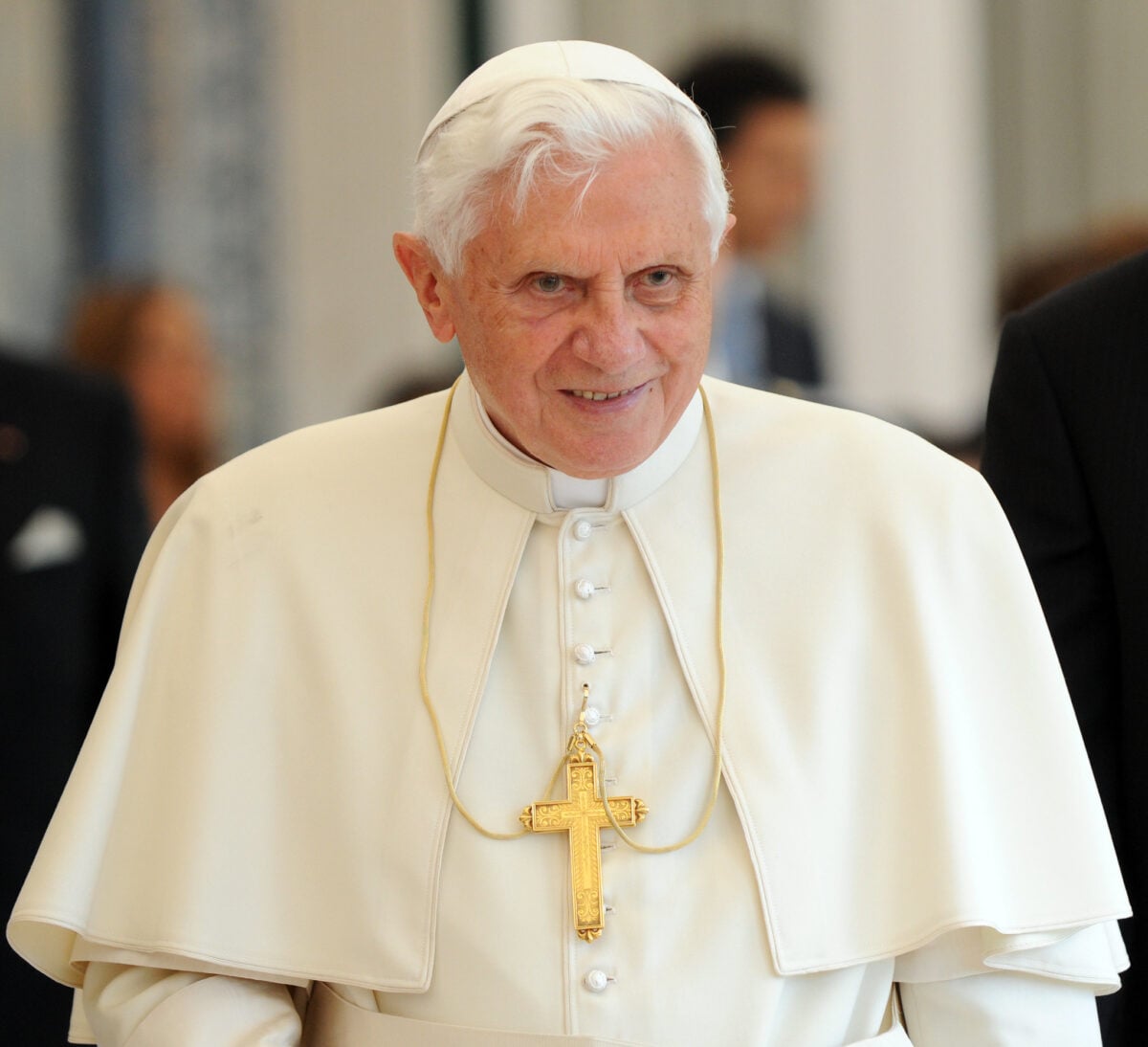
In 2013, the Vatican witnessed something not seen in centuries: a pope resigning. Citing age and frailty, Benedict stepped down.
The image of white robes disappearing into a helicopter felt surreal. A living pope, retreating into retirement, while his successor carried on.
Like Go2Tutors’s content? Follow us on MSN.
Emperor Akihito
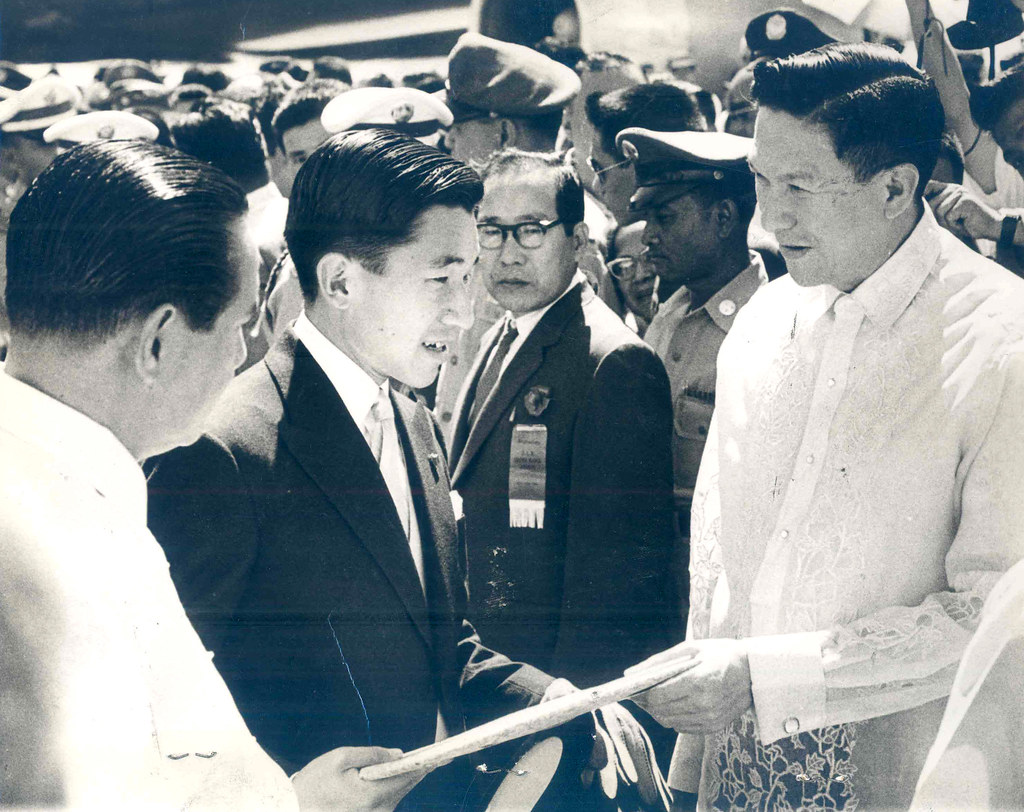
Japan’s Akihito abdicated in 2019, the first emperor in over two hundred years to do so. He argued that advancing age made duty impossible.
Still, the sight of a modern emperor calmly handing over the Chrysanthemum Throne felt like watching an ancient cycle break open.
Richard Nixon
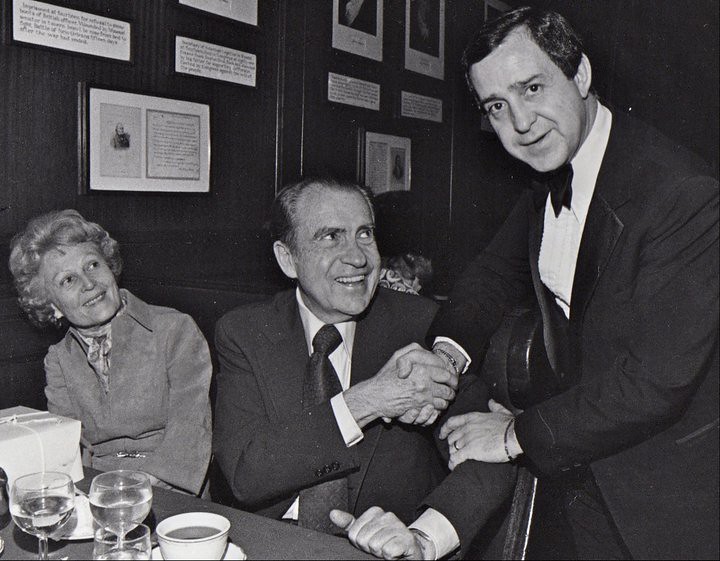
Backed into a corner by Watergate, Nixon chose to resign in 1974. The helicopter lifting off from the White House lawn became the visual shorthand for downfall.
So much power—and suddenly gone in one televised moment.
King Edward VIII
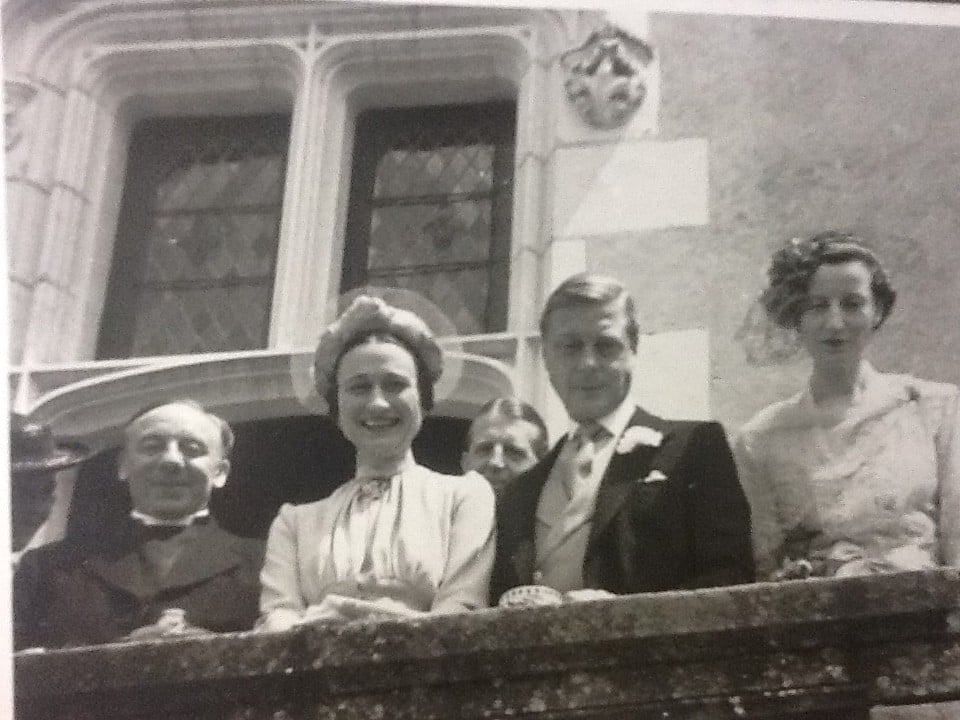
Edward’s abdication in 1936 was nothing short of scandal. Choosing Wallis Simpson over the crown meant Britain swapped kings mid-crisis.
It wasn’t just romance—it was a constitutional shockwave. A love story, yes, but also a royal headache.
Like Go2Tutors’s content? Follow us on MSN.
Mikhail Gorbachev
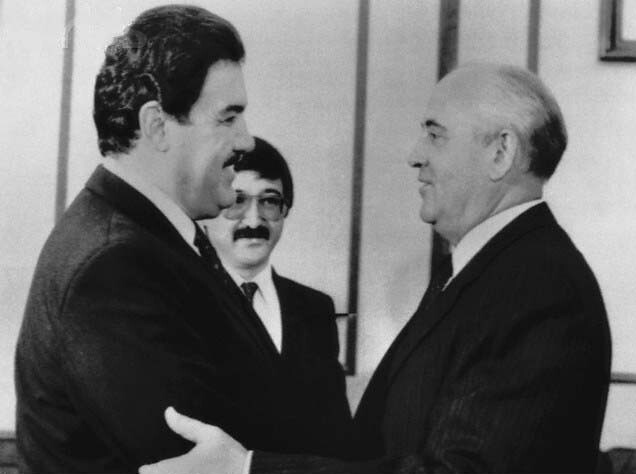
On Christmas Day 1991, Gorbachev resigned, marking the end of the Soviet Union. One speech. One signed document. And an empire dissolved overnight.
The red flag lowered above the Kremlin, and history turned a page.
Charles de Gaulle
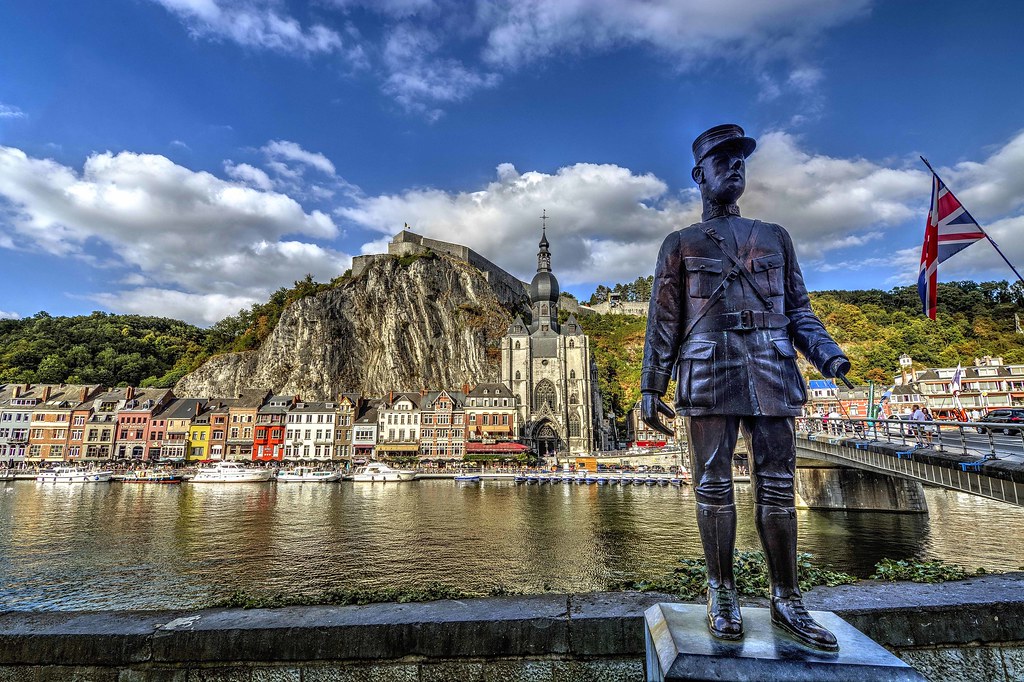
In 1969, de Gaulle lost a referendum and, true to his word, walked away. This was the same man who had led France in its darkest hour.
And yet—after a political defeat—he slipped into retirement with barely a sound.
Nelson Mandela
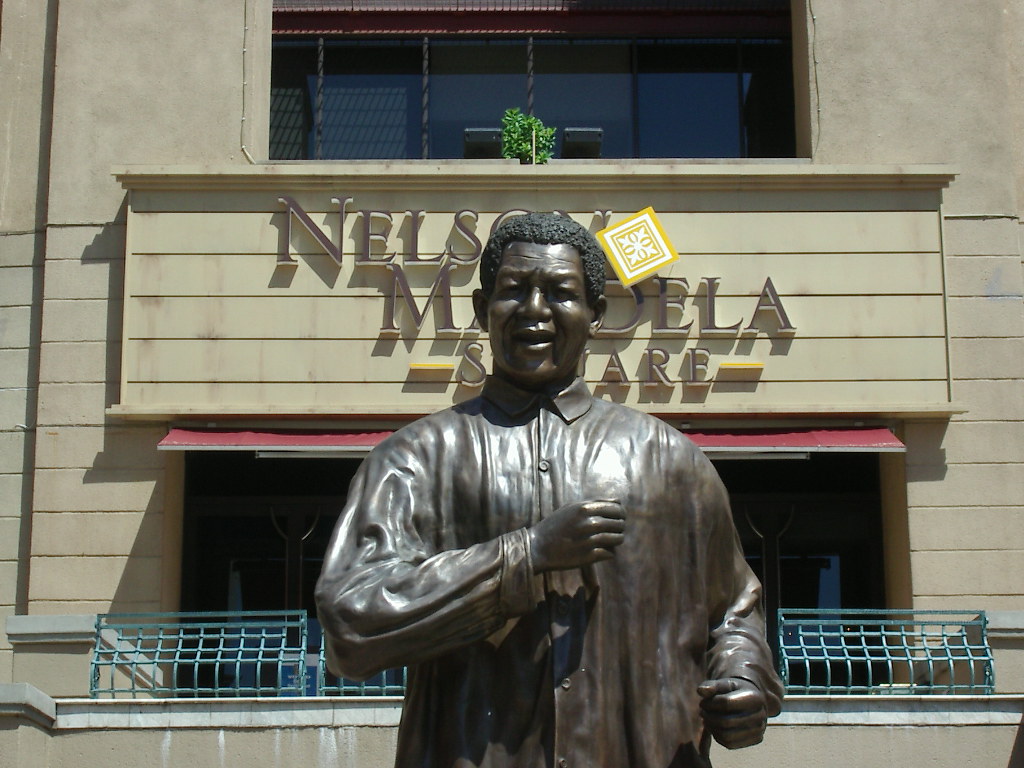
Mandela served a single term as president and declined to run again. Most leaders would have stayed.
He didn’t. By leaving, he showed that power was never the prize, only the means.
A rare example of restraint in modern politics.
Like Go2Tutors’s content? Follow us on MSN.
Cincinnatus
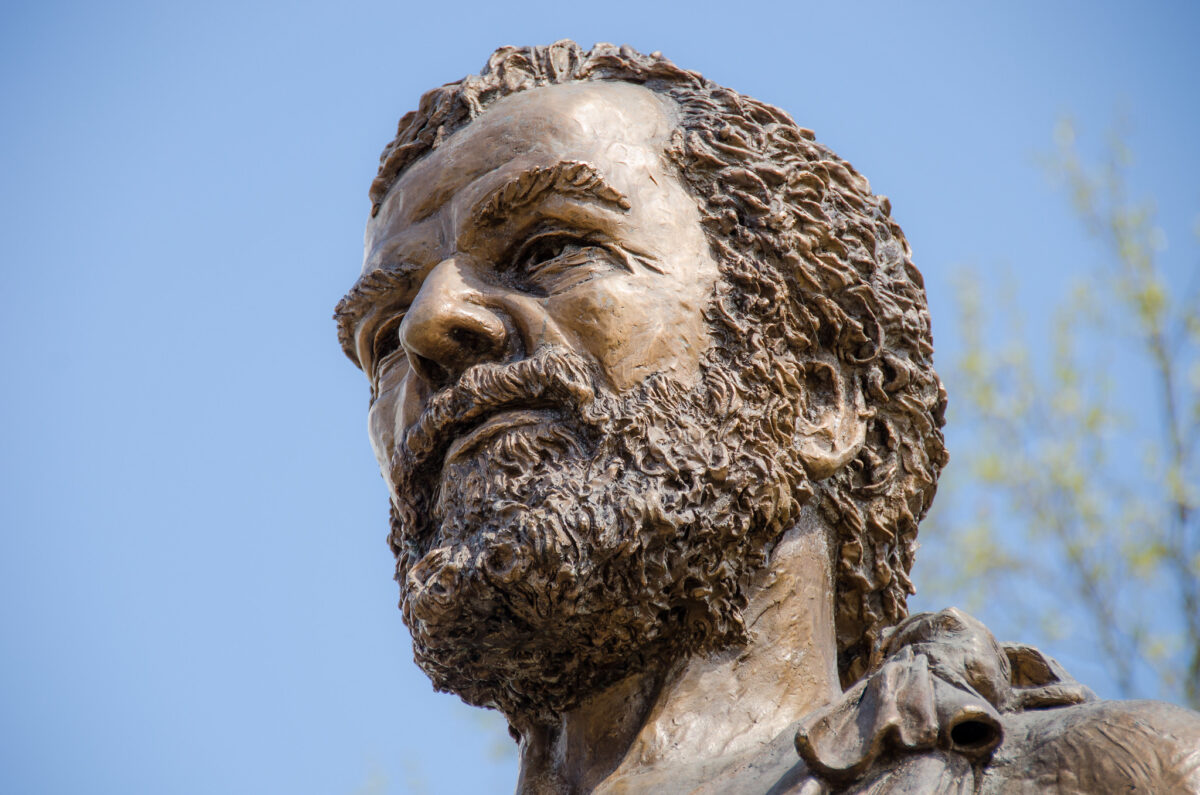
The Roman farmer who became dictator, saved the republic, and then… went back to his fields. Dirt under his fingernails, plow in hand, and no interest in a crown. Strange perhaps, but unforgettable—a reminder that not every leader craves permanence.
Benedict Arnold
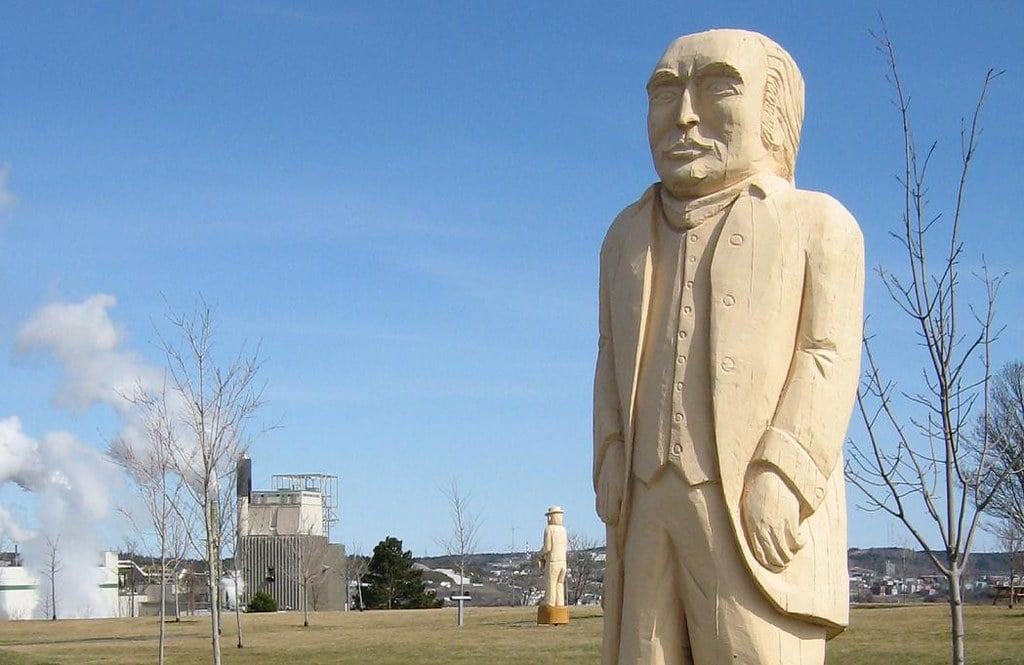
Once a hero of the American Revolution, Arnold stepped away in the most infamous way—defection. His betrayal shocked allies and rewrote his name in history.
From trusted general to eternal symbol of treachery, all because he switched sides.
Muhammad Ali
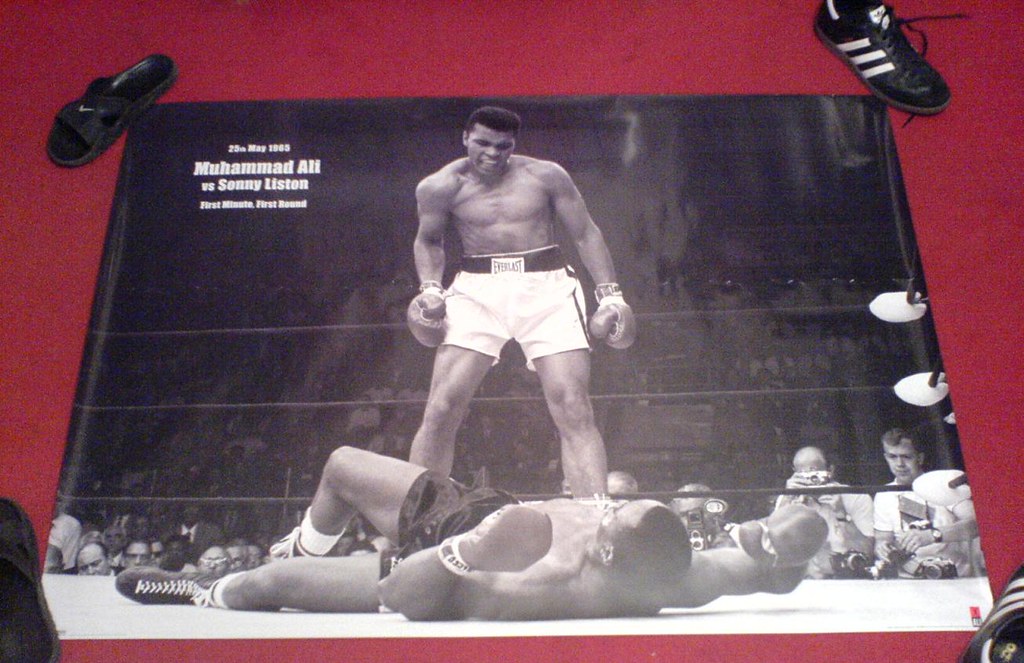
When called to fight in Vietnam, Ali refused. He lost his title, was banned from boxing, and faced legal battles.
Still, he stood firm. The ring sat empty, but his reputation for conviction only grew stronger.
Like Go2Tutors’s content? Follow us on MSN.
Emperor Diocletian
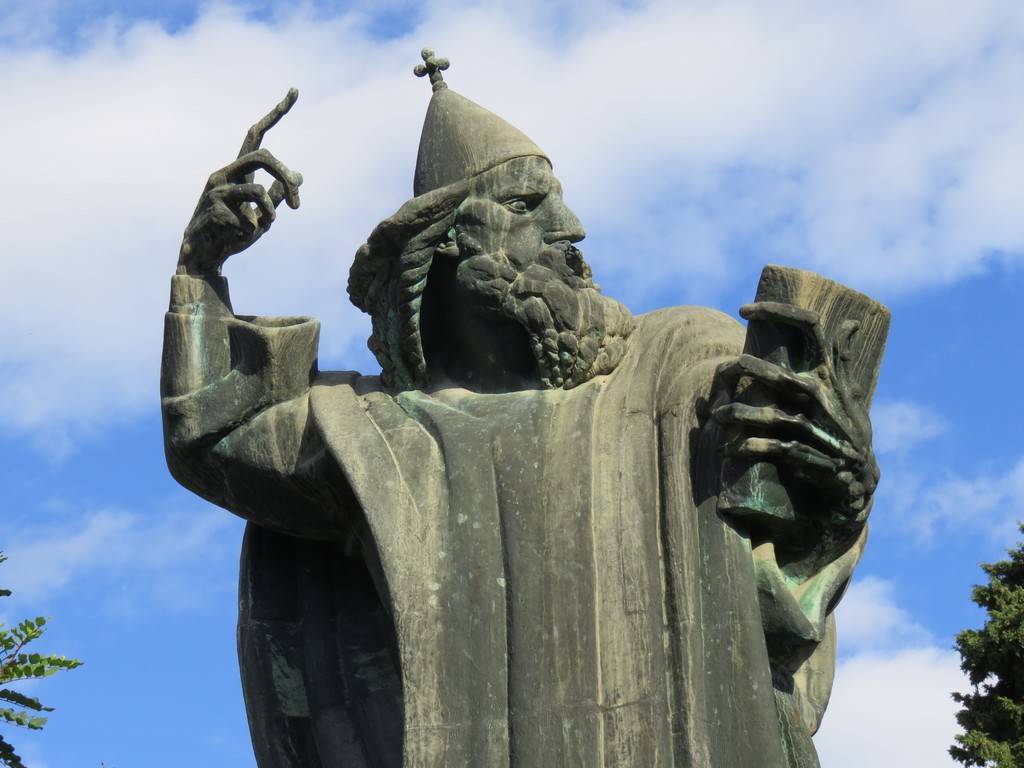
In 305 CE, Diocletian became the first Roman emperor to retire willingly. He built a palace on the Adriatic and tended gardens instead of ruling.
And when asked to return, he famously declined. Vegetables over power—who does that?
General Douglas MacArthur
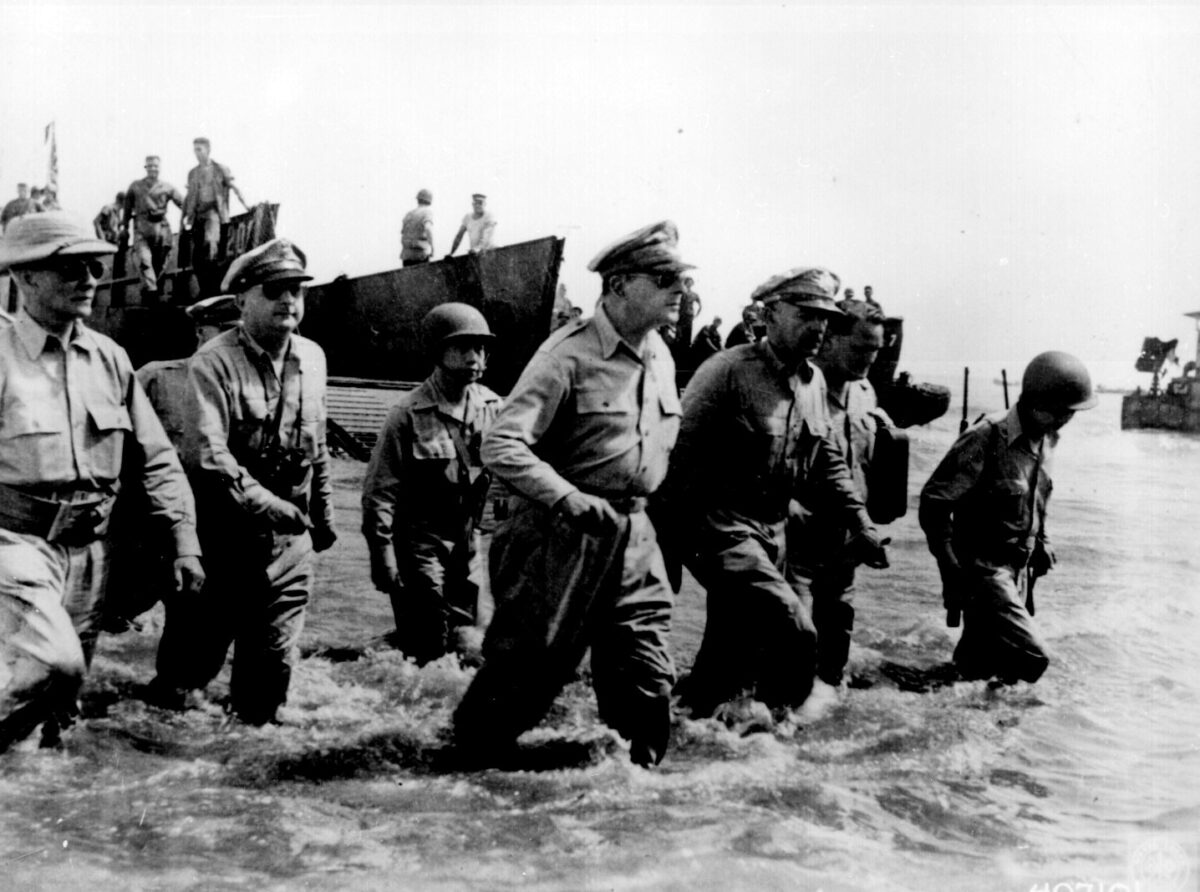
Dismissed during the Korean War, MacArthur’s farewell speech to Congress echoed with bittersweet grandeur. “Old soldiers never die,” he said, “they just fade away.”
And fade he did, stepping out of command but not out of memory.
Simone de Beauvoir
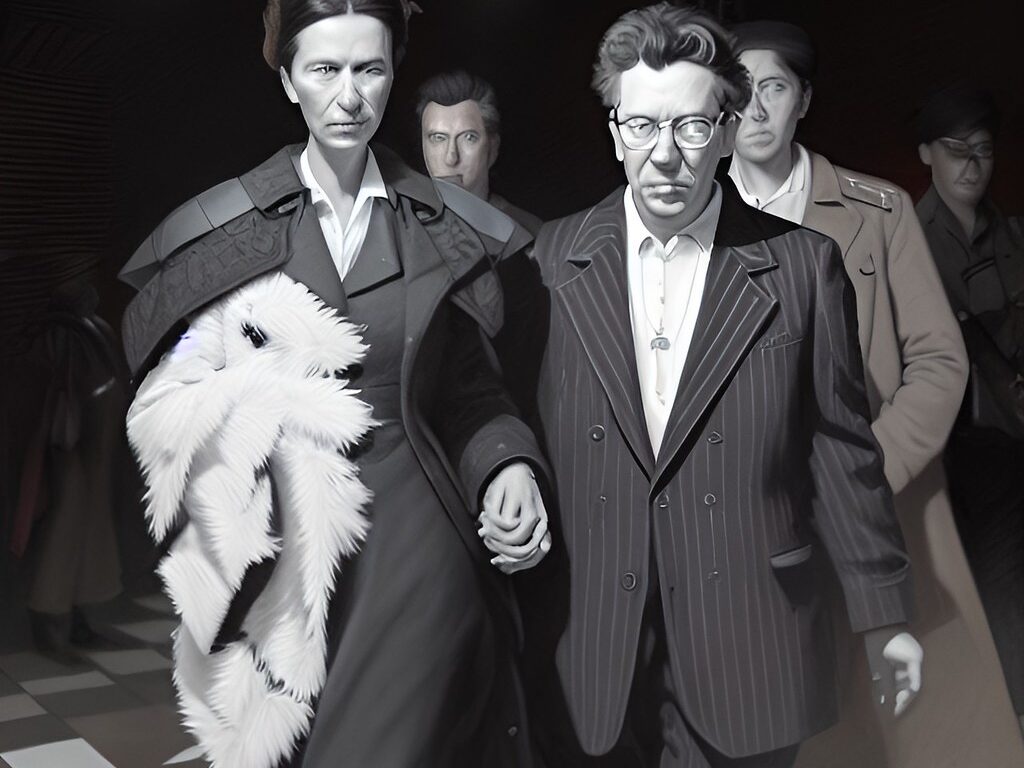
De Beauvoir turned her back on academic stability, rejecting secure posts to focus entirely on writing. The gamble paid off.
By walking away, she reshaped feminist thought with books that may never have been written otherwise.
Like Go2Tutors’s content? Follow us on MSN.
King Juan Carlos I
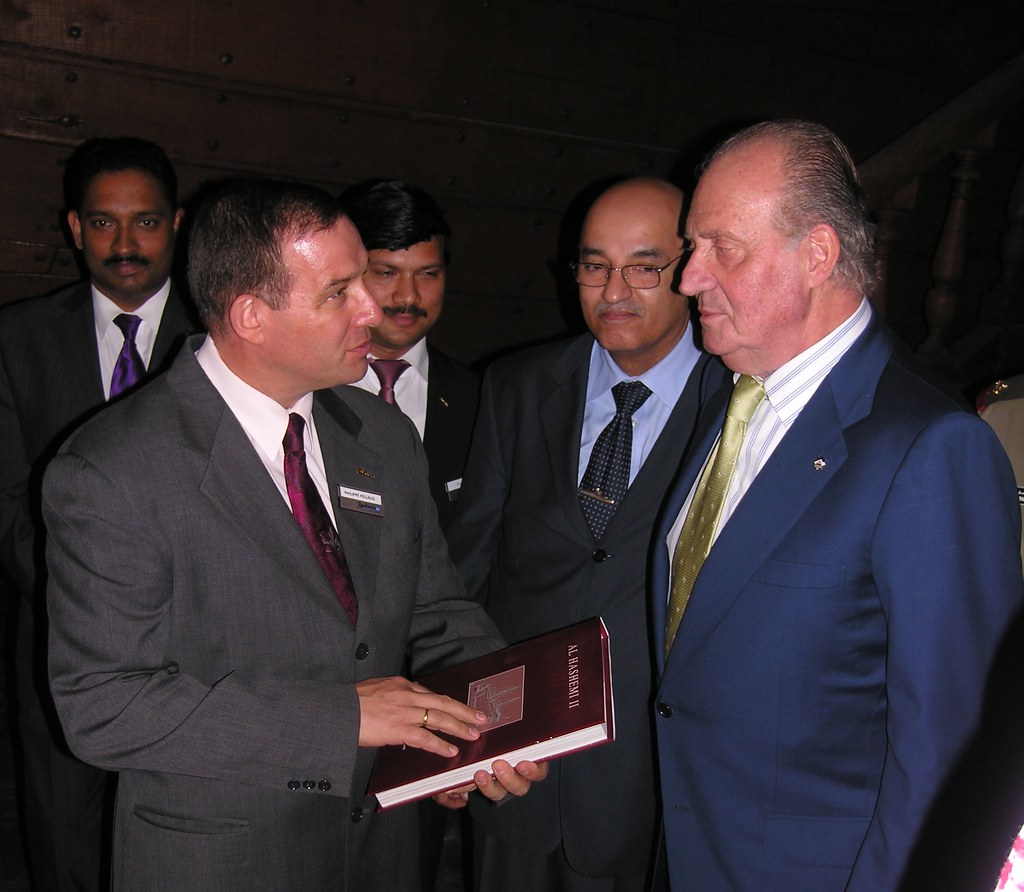
In 2014, Juan Carlos abdicated after scandals shook Spain’s monarchy. Once hailed for guiding Spain to democracy, he chose to pass the crown to his son.
Abdication preserved the institution, even if his personal legacy grew complicated.
When Letting Go Was the Boldest Move
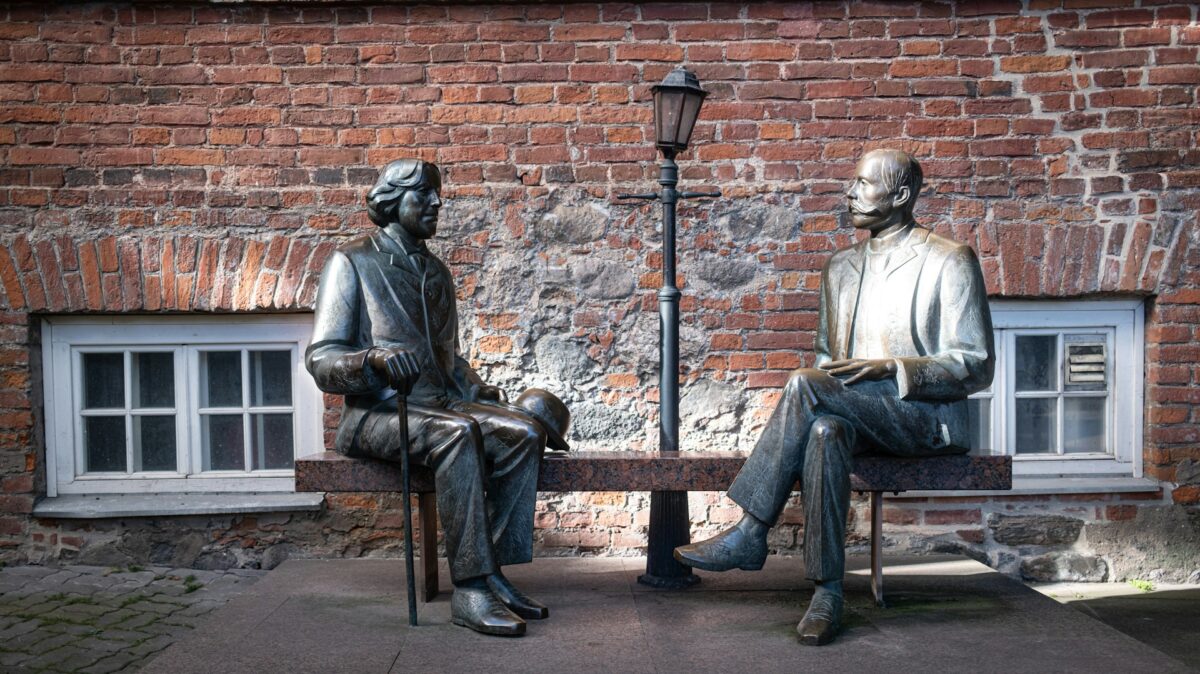
These departures remind us that leaving can sometimes be braver than staying. By stepping back, these figures reshaped history—not through conquest or decree, but through absence.
In their silence, power itself changed hands.
More from Go2Tutors!

- 16 Historical Figures Who Were Nothing Like You Think
- 12 Things Sold in the 80s That Are Now Illegal
- 15 VHS Tapes That Could Be Worth Thousands
- 17 Historical “What Ifs” That Would Have Changed Everything
- 18 TV Shows That Vanished Without a Finale
Like Go2Tutors’s content? Follow us on MSN.