15 Kitchen Appliances That Never Caught On
The kitchen has always been a playground for inventors and entrepreneurs hoping to strike it rich with the next must-have gadget. From automatic egg crackers to combination toaster-coffee makers, countless appliances have promised to revolutionize how we cook and eat.
Most of these ambitious devices, however, ended up gathering dust in storage closets or became the punchline of late-night infomercials. Here’s a list of 15 kitchen appliances that manufacturers were certain would change everything, but instead became fascinating footnotes in culinary history.
Presto Pizzazz Plus Rotating Oven

This countertop contraption looked like a lazy Susan crossed with a heating element, spinning pizzas and other foods while cooking them from above and below. The idea seemed logical enough—rotating food would ensure even cooking without the hassle of flipping or turning.
Unfortunately, the Pizzazz could only handle thin foods like frozen pizzas and quesadillas, making it essentially a very expensive pizza warmer that took up valuable counter space.
Egg Wave Microwave Egg Cooker
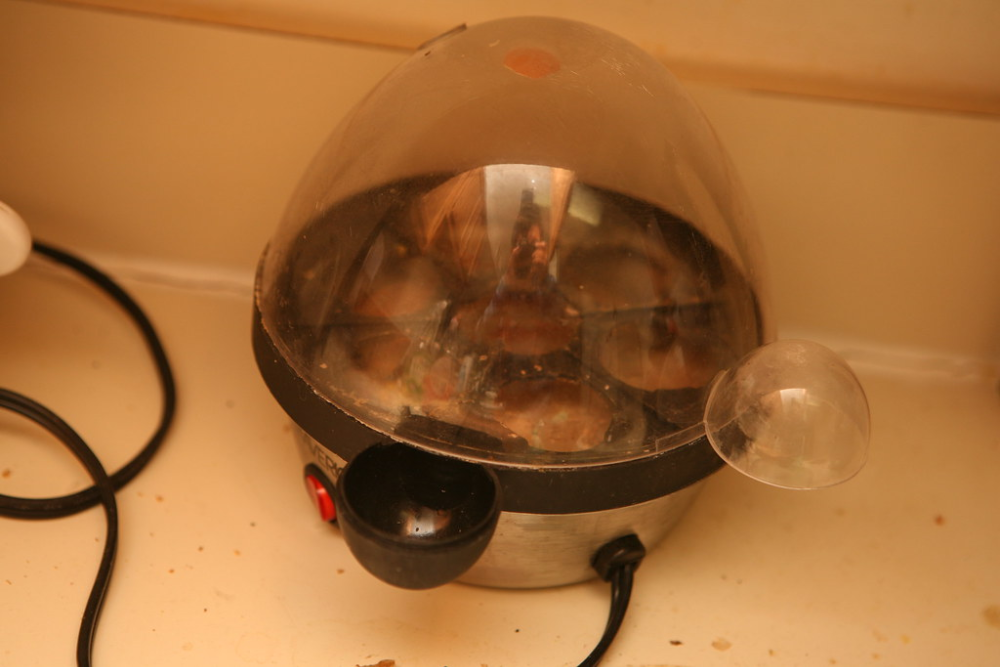
Someone decided that cracking eggs into a pan was too complicated, so they created a plastic dome designed specifically for microwaving eggs. The Egg Wave promised perfect eggs every time, but what it delivered was rubbery, unevenly cooked eggs that often exploded inside the microwave.
The cleanup was messier than just making scrambled eggs the traditional way, and the results tasted about as appetizing as they looked.
Like Go2Tutors’s content? Follow us on MSN.
Bagel Guillotine
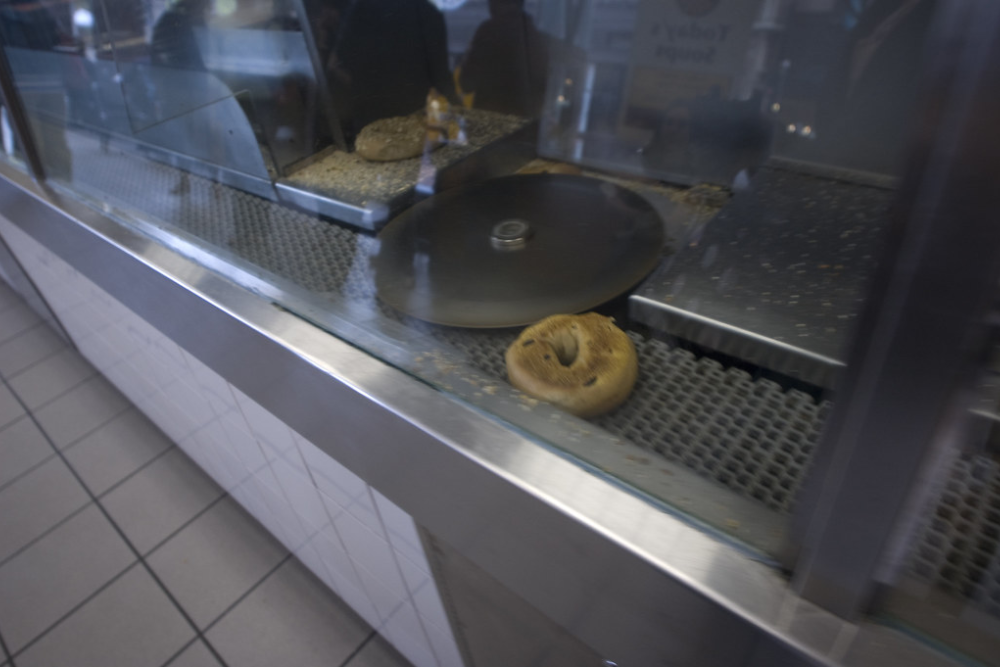
This medieval-looking device was designed to slice bagels safely and uniformly, addressing the very real problem of bagel-related kitchen injuries. The user would place a bagel in the contraption and pull down a lever to slice through it cleanly.
While it worked as advertised, most people found it easier to just use a knife, and the gadget was too bulky for most kitchen drawers.
Hot Dogger

The Hot Dogger cooked hot dogs by running electricity directly through them, essentially electrocuting your lunch until it was heated through. Two metal spikes would pierce the hot dog, and electrical current would flow between them, cooking the meat from the inside out.
Despite being surprisingly effective, the novelty wore off quickly, and most people preferred less dramatic methods of heating their frankfurters.
Pasta Express

This microwave pasta cooker promised restaurant-quality noodles without boiling water on the stove. Users would add pasta and water to a special container, then microwave it for the specified time. The results were consistently mediocre—pasta that was either mushy or unevenly cooked, with none of the texture that comes from properly boiled noodles.
The time saved was minimal, and cleaning the container was often more work than washing a regular pot.
Like Go2Tutors’s content? Follow us on MSN.
Breakfast Express

The Breakfast Express attempted to solve the morning rush by cooking eggs, bacon, and toast simultaneously in one compact appliance. Different compartments handled each component, theoretically creating a complete breakfast in minutes. Reality was less impressive—the toast came out soggy from steam, the bacon was unevenly cooked, and the eggs were often rubbery.
Most users found that making breakfast the conventional way produced better results in roughly the same amount of time.
Salad Shooter

Presto’s Salad Shooter was essentially a handheld food processor that shot chopped vegetables directly into your bowl. The marketing emphasized speed and convenience, showing users quickly shredding carrots and slicing cucumbers with minimal effort.
The problem was cleanup—the device had multiple small parts that were difficult to wash, and chopping vegetables with a knife was often faster once you factored in assembly and cleaning time.
Juiceman Juicer

While juicing isn’t inherently unsuccessful, the original Juiceman represented the end of juicing gadgets with its massive size and complicated operation. This behemoth promised to extract every drop of nutrition from fruits and vegetables, but required extensive preparation, produced minimal juice, and was notoriously difficult to clean.
The pulp container needed constant emptying, and the whole process took longer than eating the actual fruit.
Like Go2Tutors’s content? Follow us on MSN.
Automatic Stirrer

This battery-powered device was supposed to stir sauces and soups automatically, freeing cooks from the tedious task of standing at the stove. The stirrer would clamp onto the side of a pot and rotate a paddle through the contents.
Unfortunately, it worked poorly with thick mixtures, couldn’t handle high heat, and often slipped or fell into the pot. A wooden spoon remained far more reliable and versatile.
Electric Can Opener Counter Mount

Before handheld electric can openers became common, manufacturers tried mounting them permanently under kitchen cabinets. These space-age devices promised to free up counter space while providing effortless can opening.
The reality was different—they were difficult to install, hard to clean, and often jammed or broke down. When they did work, users found themselves contorting awkwardly to position cans properly.
Seal-a-Meal

The precursor to modern vacuum sealers, the Seal-a-Meal was marketed as a way to keep food fresh indefinitely. Users would place food in special plastic bags, then use the machine to remove air and seal the package.
While the concept was sound, early versions were unreliable, often failing to create proper seals or melting the plastic bags. The specialized bags were expensive, and the machine itself was prone to overheating.
Like Go2Tutors’s content? Follow us on MSN.
Electric Fondue Pot with Phone

This bizarre combination device included a traditional fondue pot with a built-in telephone, targeting people who apparently couldn’t bear to miss calls during cheese-dipping sessions. The phone was typically mounted on a long cord attached to the base of the fondue pot.
Beyond the obvious impracticality of taking phone calls while eating melted cheese, the combination made both functions more complicated than they needed to be.
Turkey Fryer Indoor Electric
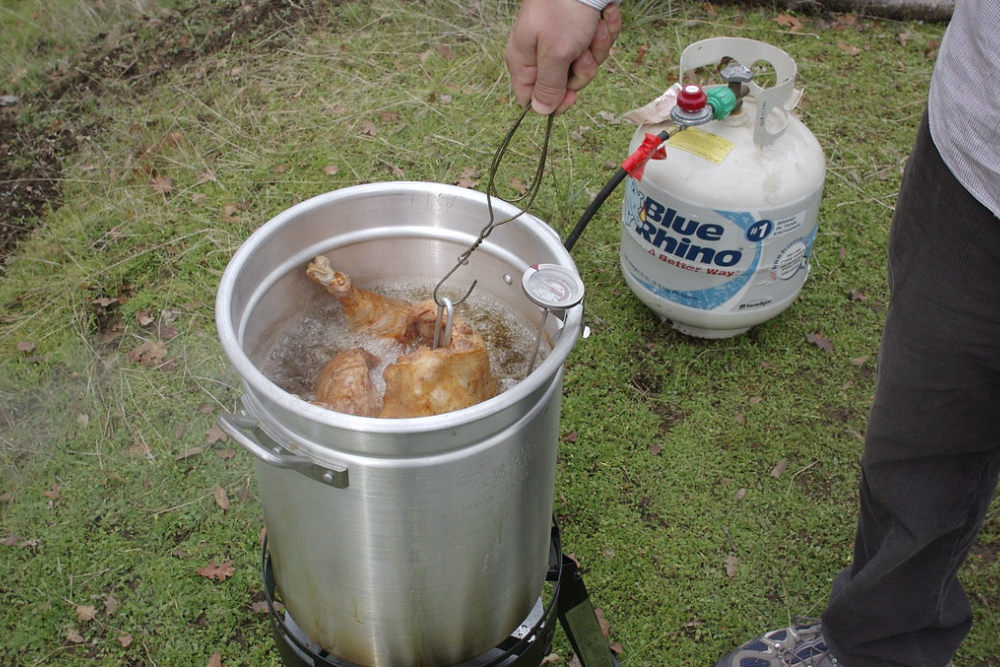
Indoor turkey fryers promised the crispy results of deep-fried turkey without the outdoor propane setup. These countertop units used electric heating elements to maintain oil temperature for frying whole birds.
The problems were numerous—they required enormous amounts of oil, took up massive counter space, were difficult to clean, and posed significant safety risks from hot oil splattering. Traditional oven roasting remained the safer, more practical option.
Pasta Magic Microwave Cooker

Different from the Pasta Express, the Pasta Magic was a larger microwave container system that claimed to cook perfect pasta using steam and precise timing. The device came with multiple inserts and a complex instruction manual that specified different cooking times for various pasta shapes.
Users quickly discovered that the learning curve was steep, the results were inconsistent, and boiling water on the stove was more predictable and often faster.
Like Go2Tutors’s content? Follow us on MSN.
Electric Egg Cooker Stand-Alone

These countertop appliances were designed to cook eggs in every conceivable way—boiled, poached, scrambled, or steamed. They typically resembled small rice cookers with various inserts and accessories for different cooking methods.
While they worked adequately, they were single-purpose devices that took up valuable kitchen real estate. Most home cooks found that a regular pot and pan could accomplish the same tasks more efficiently and with better results.
When Innovation Meets Reality
These forgotten kitchen gadgets remind us that not every problem needs an electric solution. While modern appliances like air fryers and instant pots have found their place in contemporary kitchens, the appliances that succeed tend to be genuinely versatile and solve real problems efficiently.
The graveyard of kitchen gadgets serves as a testament to the fact that sometimes the simplest tools—a good knife, a reliable pan, and a bit of know-how—remain the most valuable assets in any kitchen. Innovation in the kitchen continues, but the most lasting improvements tend to enhance rather than replace fundamental cooking skills.
More from Go2Tutors!

- 16 Restaurant Chains That Went Too Fast
- 12 Things Sold in the 80s That Are Now Illegal
- 15 Strange Things People Have Tried to Ban (And Failed)
- 16 Collectibles People Tossed Out Too Soon
- 17 Myths from Your Childhood That Were Actually Based on Real Things
Like Go2Tutors’s content? Follow us on MSN.