15 Largest African Countries By Population
One out of every five humans lives in Africa, a place stitched together by fifty-four distinct countries. Crowds fill markets in Accra just as they do in Nairobi, showing life that pulses through cities old and new.
The region holds more than 1.4 billion souls, making it the globe’s second-largest collection of human beings. Pyramids rise near Cairo while megacities swell farther south, each shaped by deep history and rapid change.
Population size reveals quiet shifts – where power might grow, how traditions evolve. Nigeria leads in numbers, followed closely by others gaining ground fast.
What happens here ripples outward, quietly shaping what comes next. Here we go through fifteen countries in Africa where the largest crowds call home.
Nigeria
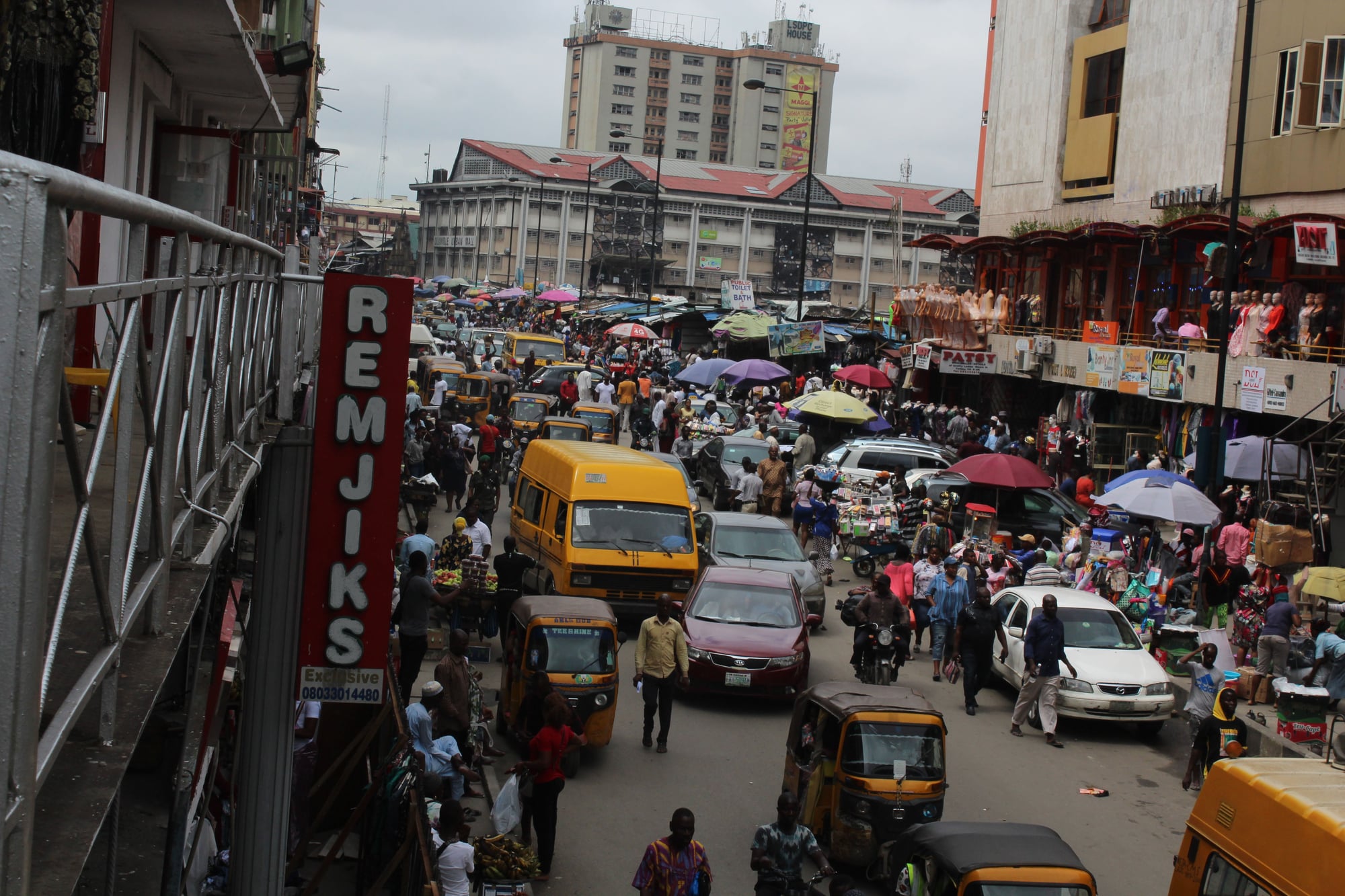
Holding first place comes naturally to Nigeria – over 223 million call it home. One out of every six people on the continent lives here, so size matters in more ways than one.
Take Lagos: that city pulses with around 15 million souls packed into its sprawl. Growth doesn’t slow down; numbers keep rising fast.
By midcentury, global rankings may shift hard – position three in world population isn’t far off. Being large feels normal now.
Ethiopia
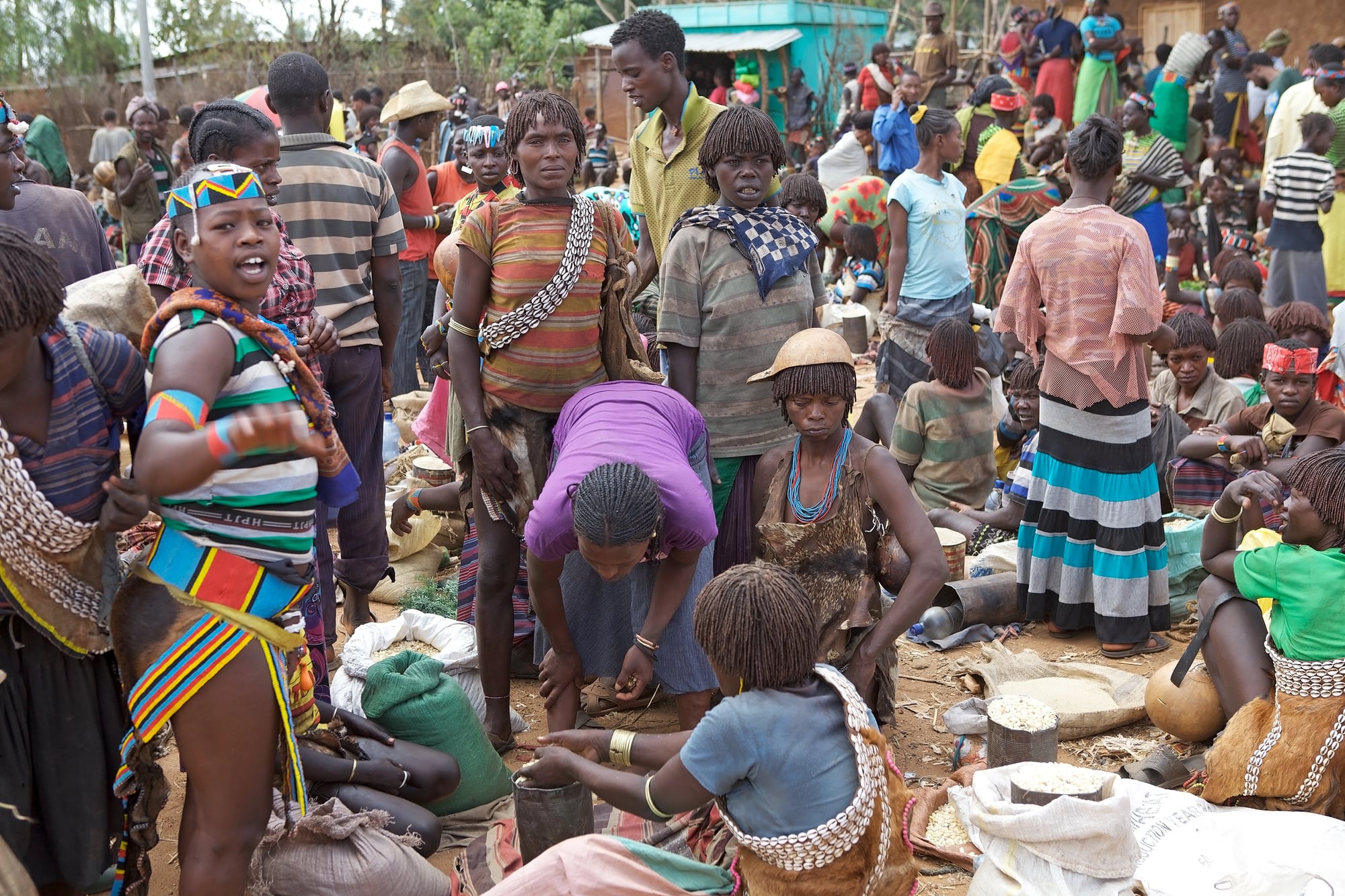
Home to around 126 million people, Ethiopia holds the second spot among Africa’s most populous nations. Since the 1980s, numbers have surged past three times their original size – better medical care helped make that happen.
Though droughts hit hard and unrest appears now and then, youth still shape much of who lives here. The capital city, Addis Ababa, pulses with political energy while also standing as Africa’s diplomatic stage.
At its core lies the African Union, rooted firmly within this bustling urban hub.
Egypt
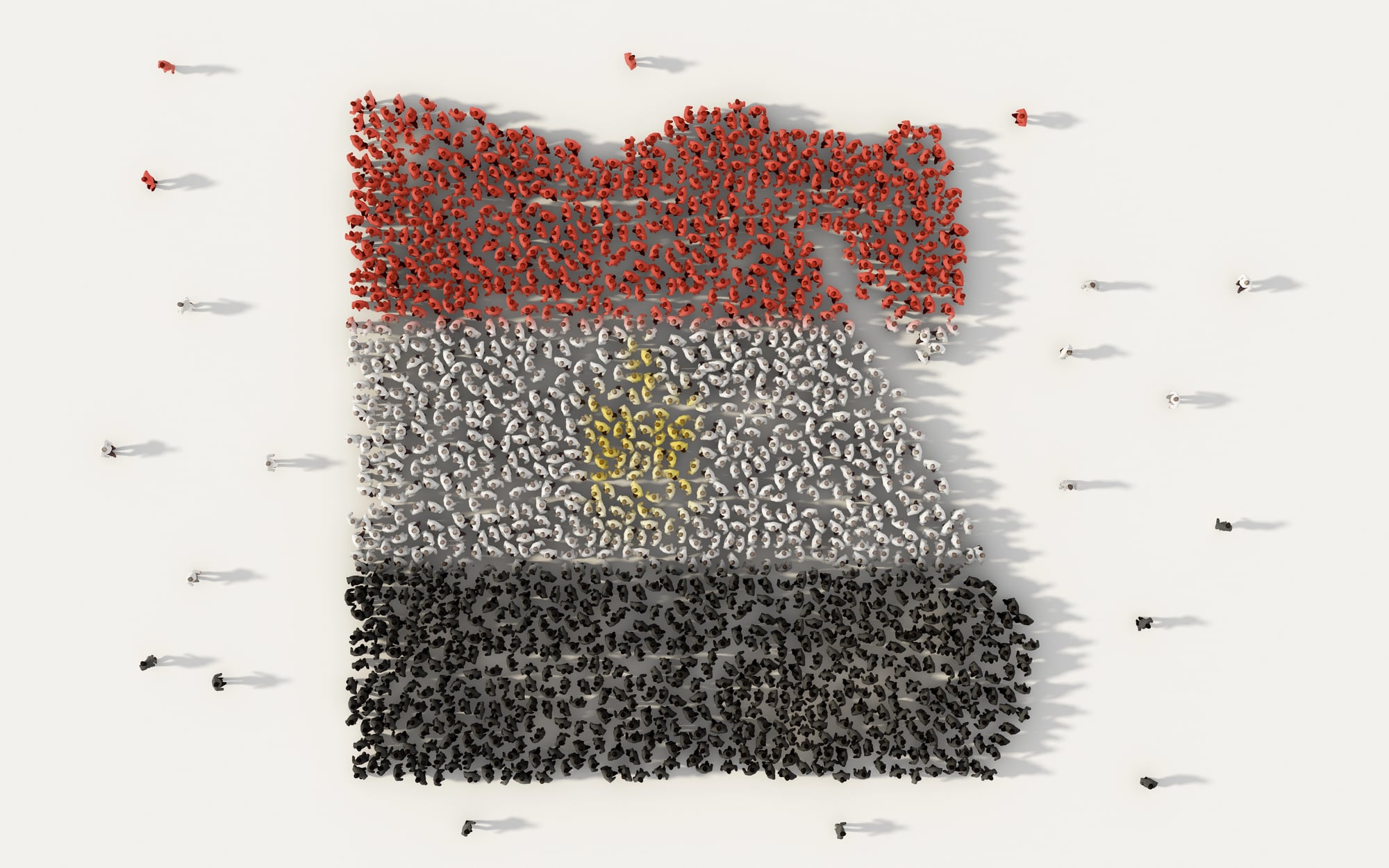
Third comes Egypt, home to some 110 million souls, nearly all tucked beside the green edges of the Nile. Out there, almost every bit of land beyond those strips turns to sand – close to 95 percent, in fact.
One city stands out: Cairo, a vast sprawl where roughly 22 million live pressed together. Life lines up tightly along the river, forming clusters unlike most places elsewhere above ground.
People stay near water because open desert won’t allow much else.
Democratic Republic Of Congo
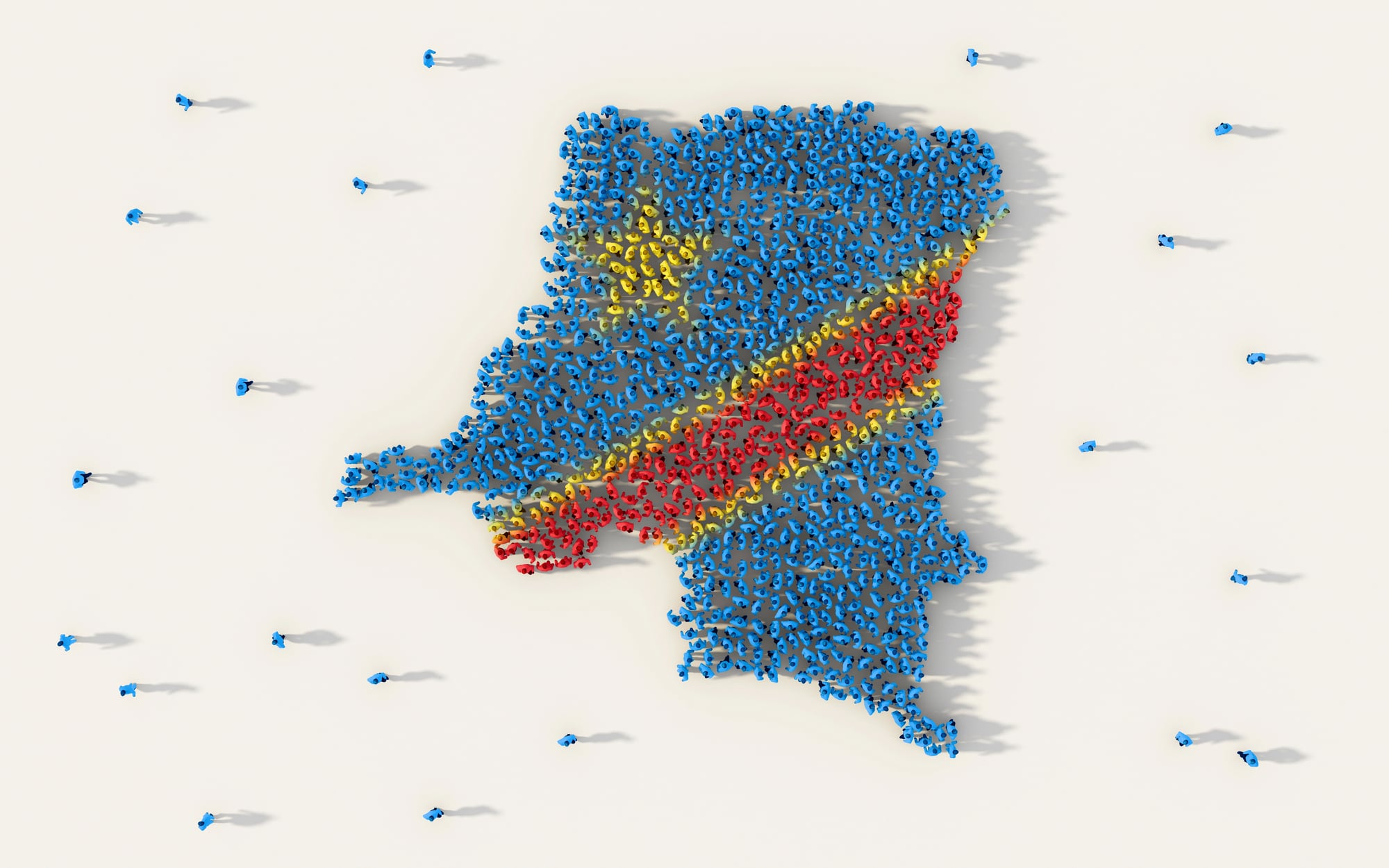
Fourth place goes to the Democratic Republic of Congo, home to around 102 million people living across Central Africa’s biggest territory. Though it ranks as Africa’s second-largest country by size, city centers such as Kinshasa – where more than 17 million reside – draw most inhabitants.
Because dense rainforest and rough landscapes dominate, settlement patterns stay patchy. While mineral wealth abounds beneath its soil, many still face hardship, shaping complex social conditions.
Unbalanced growth emerges where nature limits access despite abundant underground riches.
Tanzania
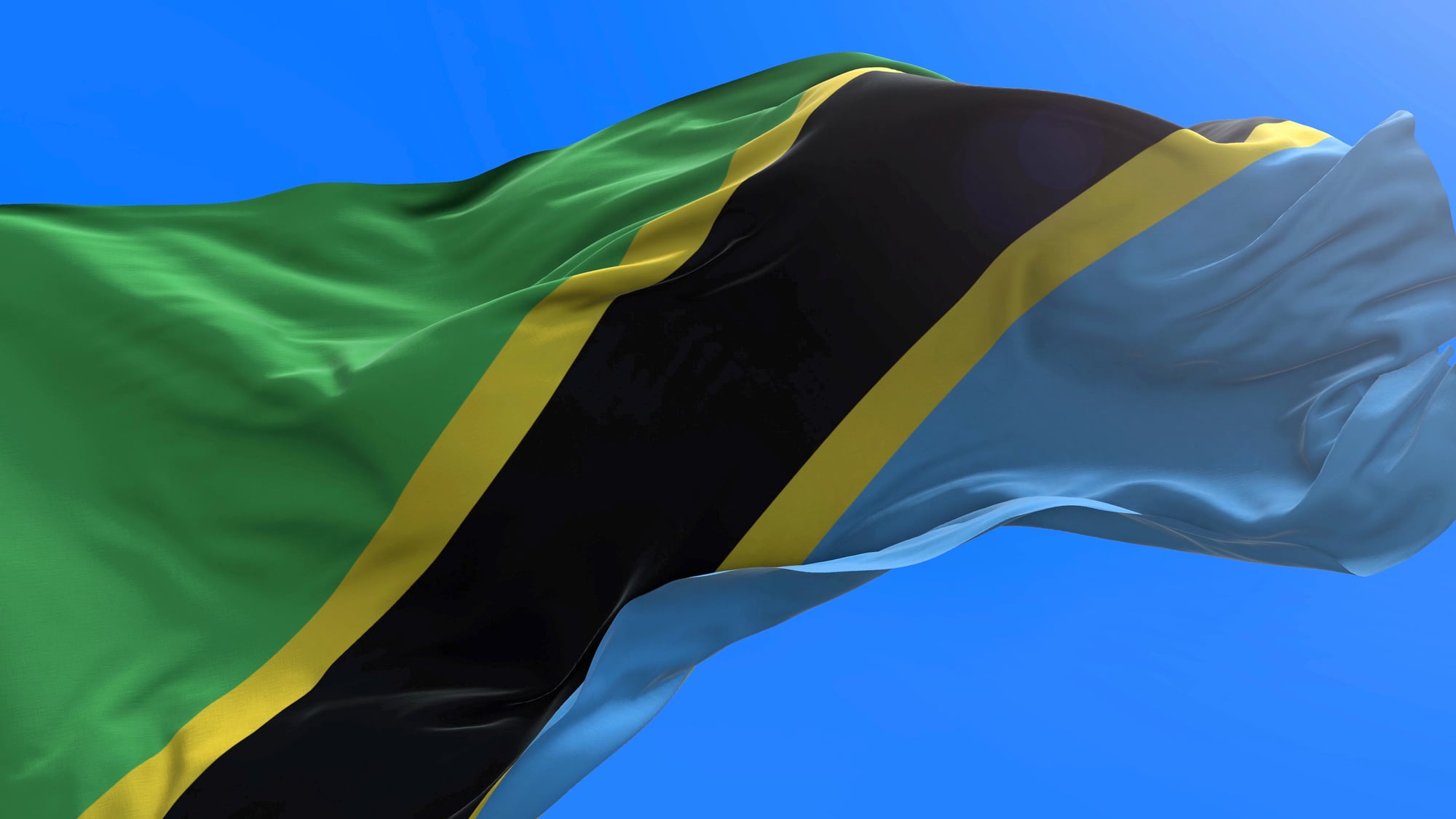
Fifth on the list comes Tanzania, home to around 67 million souls. Stretching across East Africa, it joins Tanganyika’s vast land with Zanzibar’s scattered isles – each shaping distinct communities.
Even without official capital status, Dar es Salaam stands tall as the biggest city, buzzing with more than 7 million lives. Growth here races faster than most places on the continent, so each year adds a fresh wave of people.
Numbers climb fast, showing no sign of slowing down just yet.
South Africa

South Africa ranks sixth with roughly 60 million people, making it the most populated nation in Southern Africa. The country’s diverse population includes multiple ethnic groups, languages, and cultures living within a single nation.
Johannesburg and Cape Town serve as major urban centers, each attracting millions of residents seeking economic opportunities. Unlike many African nations with younger populations, South Africa faces a more balanced age distribution due to various health challenges and lower birth rates.
Kenya
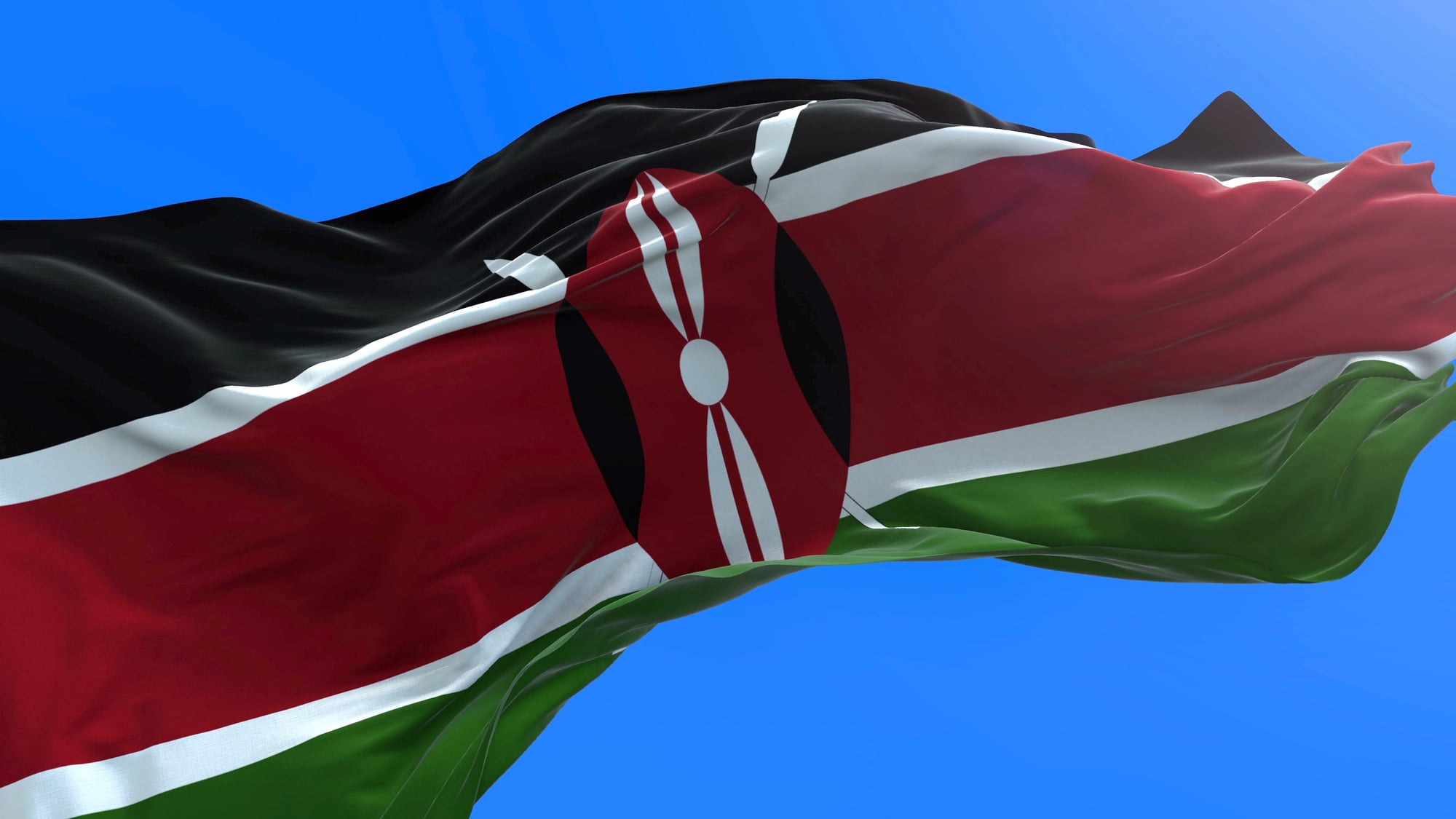
Kenya holds the seventh spot with approximately 55 million residents calling this East African country home. Nairobi, the capital, functions as a major regional hub for business, technology, and international organizations throughout East Africa.
The population grew significantly over the past few decades, though growth rates have started slowing compared to earlier periods. Coastal cities like Mombasa and highland towns contribute to a varied settlement pattern across different climatic zones.
Uganda
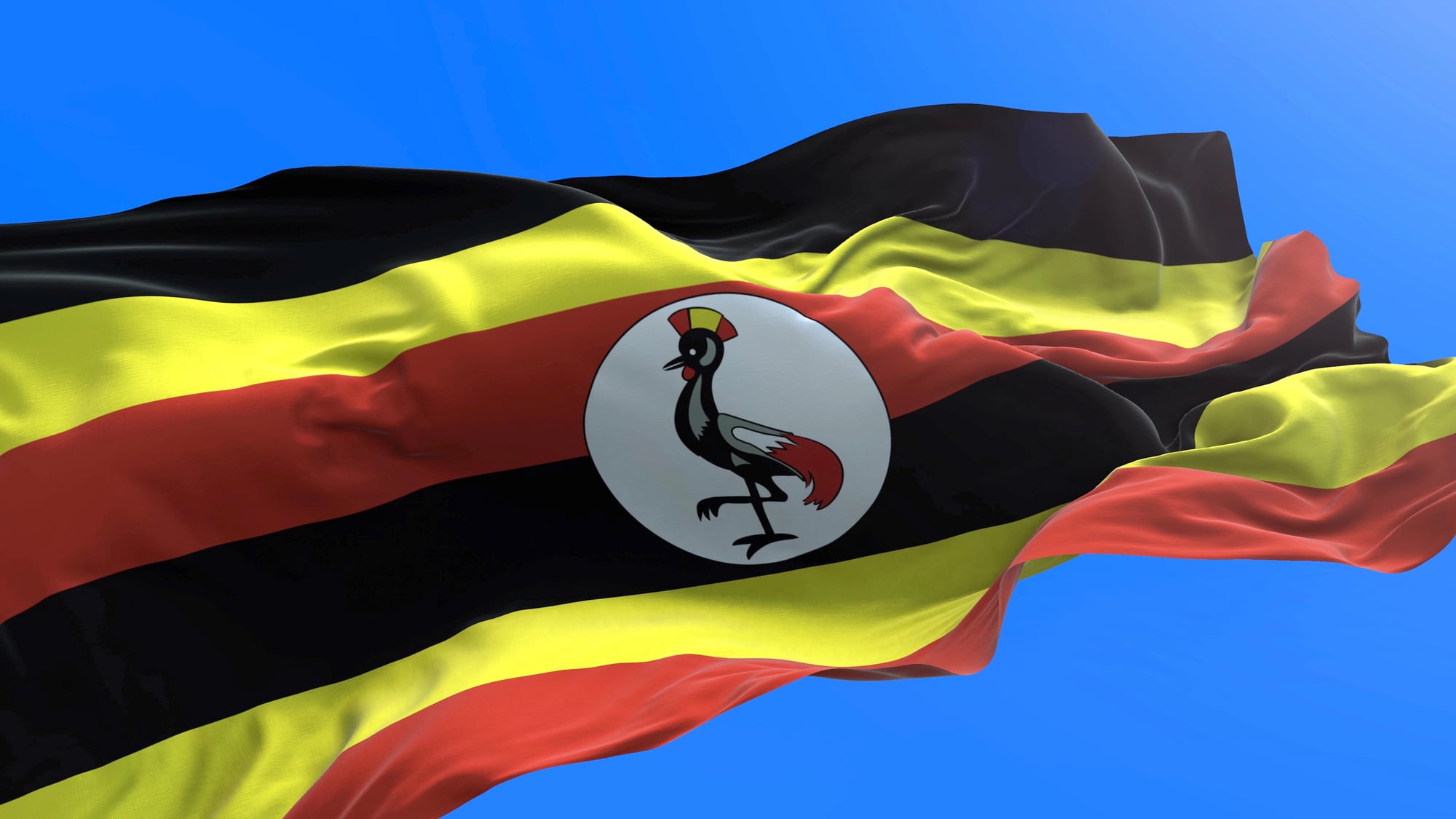
Uganda comes in eighth with about 48 million people packed into a relatively small area compared to some African giants. This landlocked East African nation experiences one of the youngest populations on the continent, with a median age hovering around 16 years.
Kampala, the capital, continues expanding as rural residents migrate toward urban opportunities. The high birth rate means Uganda’s population could double within the next 25 years if current trends continue.
Algeria
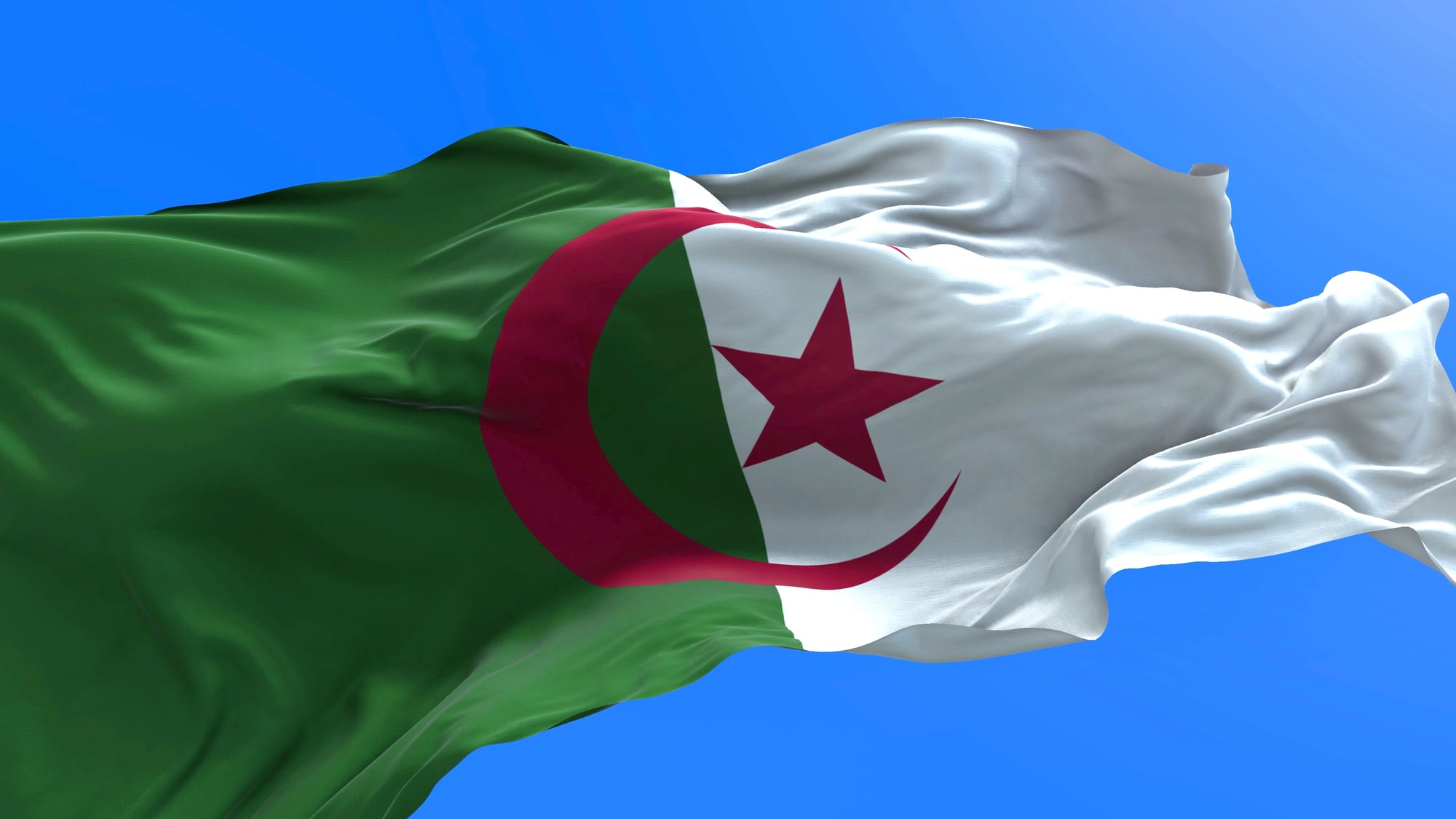
Algeria ranks ninth with approximately 45 million people, making it North Africa’s largest country by land area but not by population. The vast Sahara Desert covers most of the country, pushing the population toward the northern coastal regions.
Algiers, the capital, sits along the Mediterranean coast and houses several million residents. Oil and natural gas wealth influences population distribution and economic opportunities across the nation.
Sudan
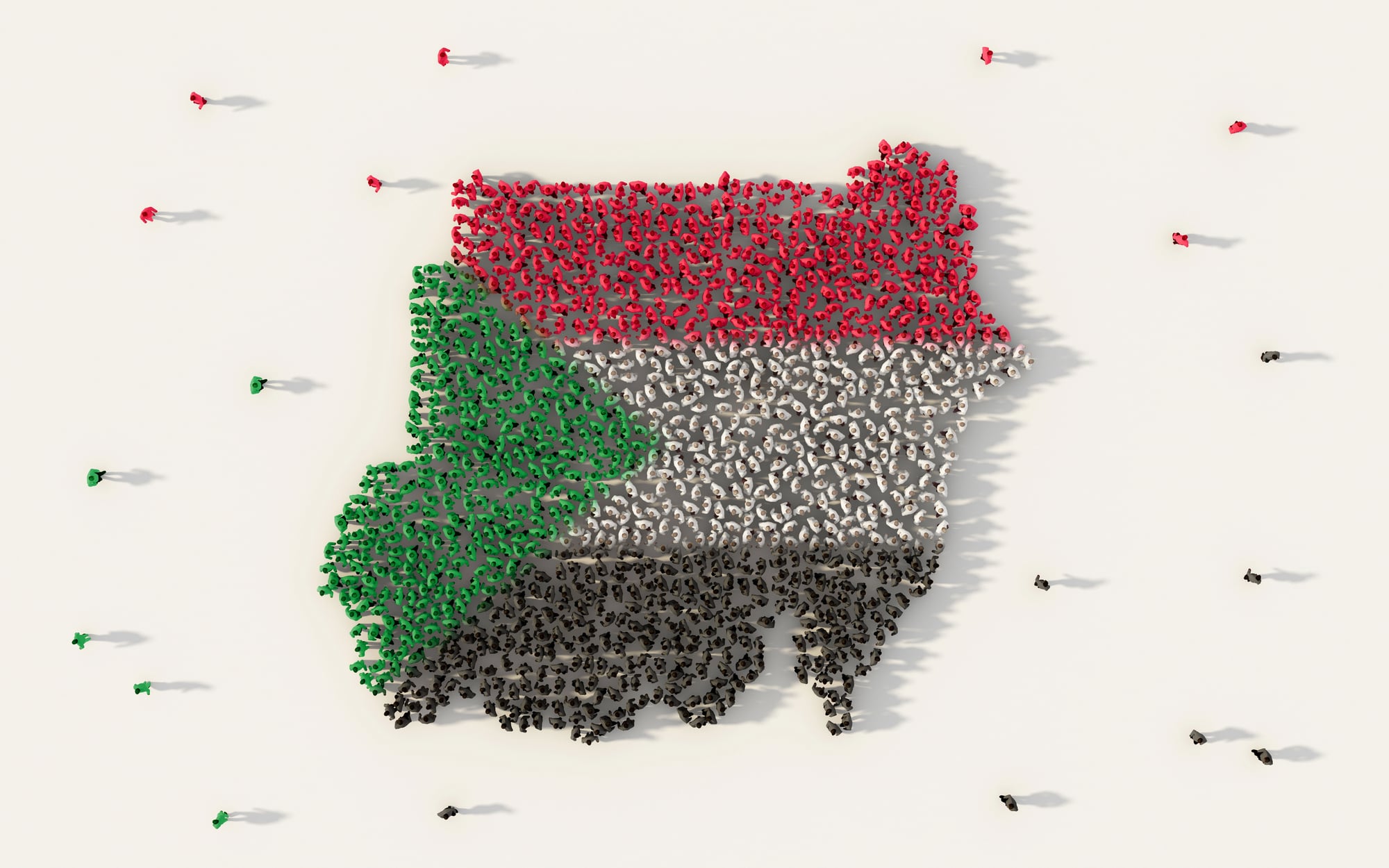
Sudan holds tenth place with around 48 million people, though exact numbers remain difficult to pin down due to ongoing conflicts and displacement. The country’s population distribution favors the Nile Valley and major urban centers like Khartoum, the capital.
Sudan’s demographics shifted significantly after South Sudan gained independence in 2011, removing millions from the total count. Recent political upheaval and humanitarian crises continue affecting population movements and settlement patterns.
Morocco
Morocco sits in eleventh position with approximately 37 million residents spread between coastal cities and inland regions. Casablanca stands as the largest city and economic powerhouse, while Rabat serves as the political capital.
The population shows relatively balanced distribution between urban and rural areas compared to many African nations. Tourism, agriculture, and manufacturing create diverse employment opportunities that influence where people choose to live.
Angola
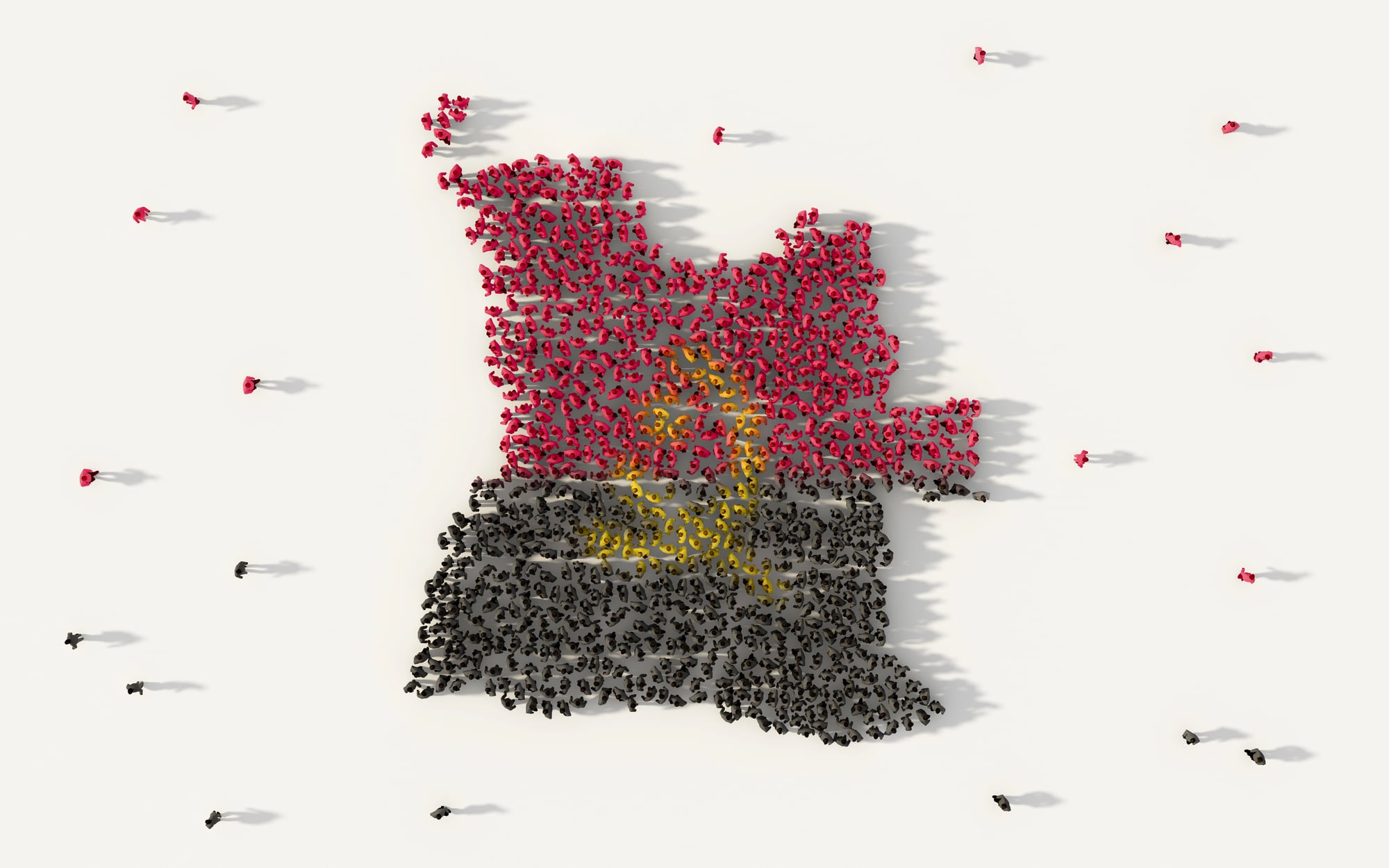
Angola ranks twelfth with about 35 million people rebuilding after decades of civil conflict that ended in 2002. Luanda, the capital, experienced explosive growth as people fled rural violence, creating one of Africa’s fastest-growing cities.
Oil wealth concentrated along the coast hasn’t translated into even development across the country. The population skews young, with most Angolans born after the war ended knowing only peacetime.
Ghana
Ghana holds thirteenth place with approximately 33 million residents in this West African nation known for political stability. Accra, the capital, serves as a major regional center for commerce, education, and culture.
The country’s population growth has slowed compared to neighbors, reflecting improvements in education and family planning access. Coastal regions and the Ashanti heartland around Kumasi contain the highest population concentrations.
Mozambique

Mozambique comes in fourteenth with around 33 million people spread along the southeastern coast of Africa. The country stretches over 1,500 miles from north to south, creating distinct regional populations and cultures.
Maputo, the capital, anchors the southern region while other cities like Beira serve central areas. Recent natural gas discoveries could reshape population patterns as economic opportunities develop in northern provinces.
Madagascar
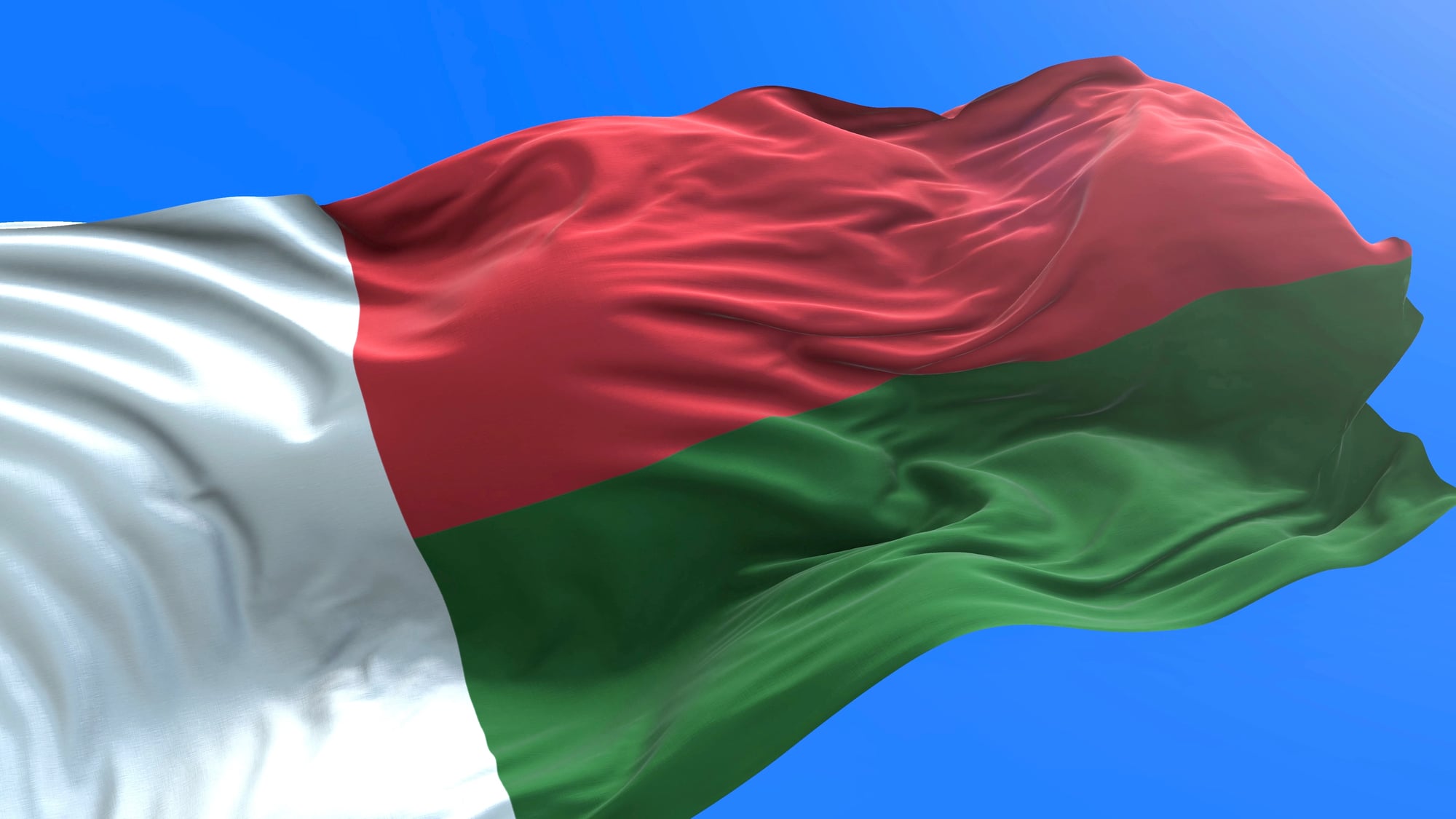
Madagascar rounds out the list in fifteenth place with approximately 30 million people living on this island nation off Africa’s eastern coast. The population remains predominantly rural, with most people engaged in agriculture and fishing.
Antananarivo, the capital, sits in the central highlands and contains roughly 3 million residents. Isolation from the mainland created unique cultural and linguistic traditions that distinguish Madagascar from continental African nations.
Where Numbers Meet Reality
These fifteen countries together house over 1 billion people, representing roughly three-quarters of Africa’s total population. Population growth across these nations continues reshaping global demographics, with projections suggesting Africa will account for more than half of worldwide population growth through 2050.
Cities keep expanding, young people increasingly outnumber older generations, and migration patterns both within and beyond the continent create new challenges and opportunities. The human geography of Africa today looks vastly different from just a generation ago, and tomorrow’s map promises even more dramatic transformations.
More from Go2Tutors!

- The Romanov Crown Jewels and Their Tragic Fate
- 13 Historical Mysteries That Science Still Can’t Solve
- Famous Hoaxes That Fooled the World for Years
- 15 Child Stars with Tragic Adult Lives
- 16 Famous Jewelry Pieces in History
Like Go2Tutors’s content? Follow us on MSN.